Best Tourist Places in Berhampur: 2026 Ultimate Travel Guide
Explore the best tourist places in Berhampur for 2026. Discover Gopalpur Beach, Tara Tarini Temple, Tampara Lake, Silk City bazaars, and local travel tips.

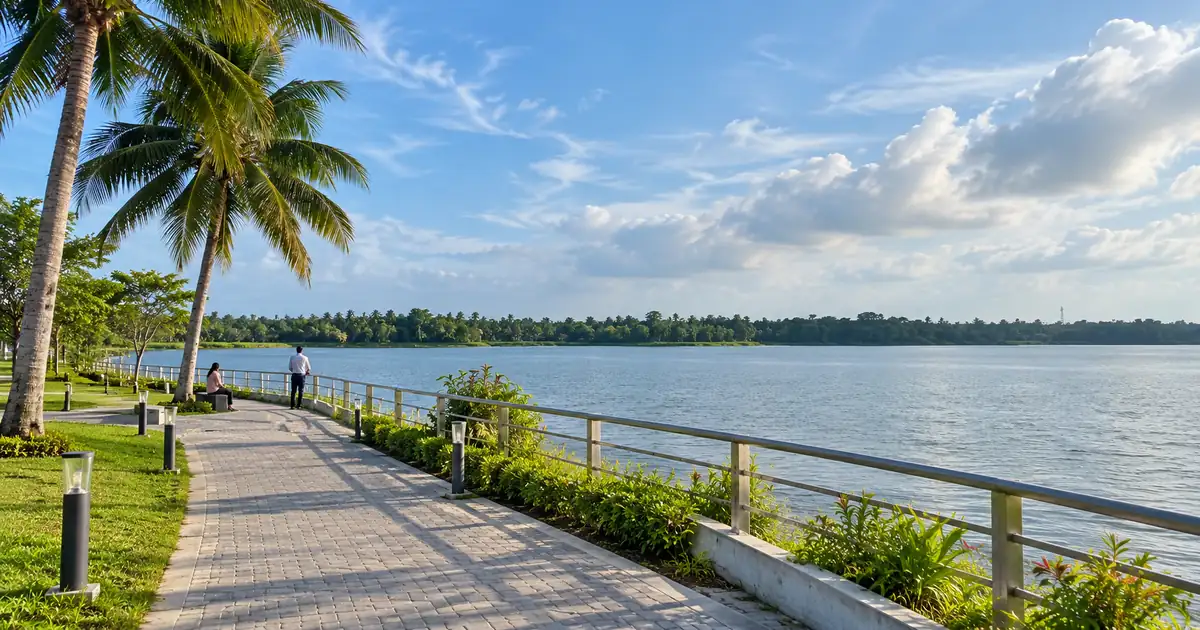
Stepping out into the morning streets of Berhampur brings the welcoming aroma of freshly prepared Upma and the subtle coastal breeze of the Bay of Bengal. Exploring the best tourist places in Berhampur connects travelers with the historic Silk City of Odisha, where temple bells, traditional handloom shuttles, and seaside landscapes shape daily life.
Known regionally as Brahmapur, the city serves as the primary commercial and cultural crossroads of Ganjam district. Travelers compiling itineraries across the 20 must-visit tourist destinations in Odisha frequently anchor their southern circuit here.
Key Takeaways
- Silk City Gateway: Berhampur serves as the commercial hub and cultural gateway to the coastal and highland attractions of southern Odisha.
- Historic Coastal Retreat: Gopalpur-on-Sea sits just 16 kilometers away, featuring calm golden beaches, a heritage lighthouse, and colonial bungalows.
- Hilltop Spiritual Shrine: The ancient Tara Tarini Shakti Peetha overlooks the Rushikulya River, accessible via 999 stone steps or a scenic ropeway.
- Water Sports Destination: Tampara Lake near Chatrapur provides extensive freshwater kayaking, jet skiing, and eco-cottages along calm shores.
- Textile and Food Hub: Renowned for GI-tagged Berhampuri Patta silk sarees, tangy mango pickles, crispy Badis, and iconic morning Upma-Ghuguni.
The city balances thriving commercial bazars with tranquil heritage sanctuaries. In 2026, modern road corridors and upgraded eco-tourism infrastructure make Berhampur a convenient base for discovering southern Odisha.
How to Reach Berhampur: Gateway to Southern Odisha
Berhampur occupies a strategic position along the main East Coast transit corridor, ensuring straightforward connectivity by road, rail, and regional aviation.
By Air
The primary commercial gateway is Biju Patnaik International Airport (BBI) in Bhubaneswar, located roughly 170 kilometers north. Taxis and express buses cover the distance along National Highway 16 in approximately 3 to 3.5 hours.
Regional air access is supported through Bhubaneswar to Rangeilunda flight operations, linking the capital to the airstrip on the southern outskirts of Berhampur in under 45 minutes.
By Rail
Berhampur Railway Station (BAM) is a major junction on the Howrah-Chennai mainline of the East Coast Railway. Frequent superfast express trains connect the city directly to Kolkata, Chennai, Hyderabad, Visakhapatnam, and New Delhi.
By Road
National Highway 16 runs directly through the outskirts of Berhampur. State transport operators and private luxury coaches run regular schedules between Berhampur, Cuttack, Bhubaneswar, and Visakhapatnam.
Gopalpur-on-Sea: The Golden Beach and Colonial Port
Situated just 16 kilometers southeast of Berhampur, Gopalpur-on-Sea is one of the most celebrated coastal retreats in eastern India. Once an active trading port for maritime merchants during the East India Company era, the town now offers peaceful beaches bordered by casuarina groves.

Highlights of Gopalpur Beach
Unlike high-density tourist shorelines, Gopalpur features wide stretches of golden sand that invite unhurried walks. The coastal waters remain calm during early morning hours, framed by gently swaying coconut palms.
- The Heritage Lighthouse: The historic striped lighthouse offers panoramic 360-degree views of the coastline and township during afternoon visiting hours from 3:00 PM to 5:00 PM.
- Olive Ridley Nesting Proximity: Between January and March, travelers can observe the mass arribada nesting of Olive Ridley turtles near the nearby Rushikulya river mouth.
- Gopalpur Beach Festival: Held annually in winter, this cultural celebration presents Odissi classical dance, folk music recitals, and regional handloom exhibitions.
Travelers can consult our comprehensive Gopalpur Beach travel guide for seasonal swimming guidelines and seaside resort reviews.
Tara Tarini Hill Shrine: Spiritual Anchor of Ganjam
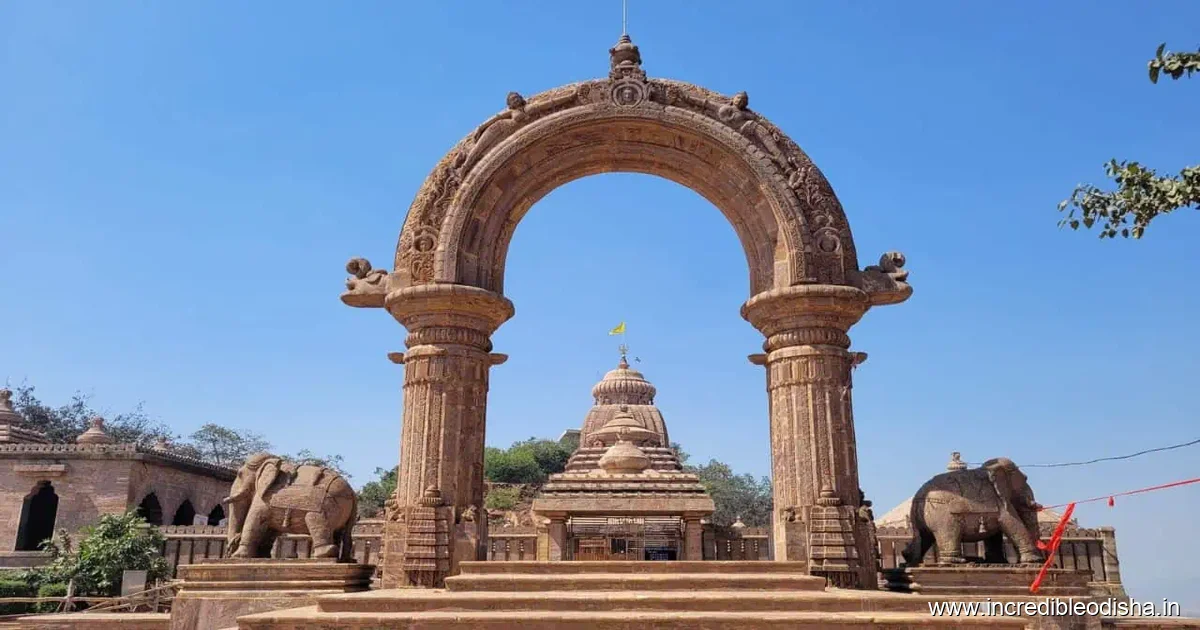
Perched atop the scenic Kumari hills, the sacred Tara Tarini Temple stands as one of the four principal Adi Shakti Peethas in India. The shrine honors the twin sister deities Maa Tara and Maa Tarini, overlooking the meandering course of the sacred Rushikulya River.
Visiting the Hilltop Shrine
Pilgrims can ascend the sacred hill by climbing 999 well-maintained stone steps while taking in expansive views of the valley. A modern passenger ropeway system also provides a swift and accessible aerial ascent for elderly visitors and families.
- Kalinga Temple Architecture: The renovated sanctum displays intricate hand-carved khondalite stonework honoring ancient Odishan temple craftsmanship.
- Chaitra Yatra Celebrations: Celebrated every Tuesday during the Odia month of Chaitra, this monumental fair draws hundreds of thousands of devotees from across Odisha and Andhra Pradesh.
Detailed entry logistics and worship schedules are outlined in our dedicated Maa Tara Tarini Temple guide.
Tampara Lake and Chatrapur Water Sports Corridor
Located approximately 25 kilometers from central Berhampur near Chatrapur, Tampara Lake is one of the largest freshwater wetlands in Odisha. Over recent seasons, state tourism initiatives have developed the lake into an eco-friendly water recreation center.
Outdoor Activities and Recreation
The gentle freshwater surface of Tampara makes it suitable for motorized and non-motorized water sports from October through March.
- Water Sports Selection: Visitors can book guided jet ski rides, speed boat circuits, and individual paddle kayaking sessions.
- Eco-Resort Accommodations: Modern lakeside cottages managed under state tourism guidelines allow visitors to stay directly along the water.
- Hub for Chatrapur Tourist Places: Travelers touring the coastal collectorate district frequently rank Tampara as the foremost highlight among Chatrapur tourist places.
Official booking policies and seasonal packages are cataloged in our Tampara Lake eco-resort details.
Jaugarh and Potagarh: Ancient Mauryan and Maritime Heritage
History enthusiasts will find exceptional archaeological depth in the rural perimeter of Ganjam district. Located roughly 35 kilometers north of Berhampur, Jaugarh preserves an authentic rock edict inscribed under the reign of Mauryan Emperor Ashoka.
Ancient Ashokan Inscriptions
Unlike urbanized heritage complexes, Jaugarh sits in a protected rural enclave surrounded by ancient earthen ramparts. The inscriptions, etched in Prakrit using the Brahmi script, emphasize righteous governance and moral welfare following the historic Kalinga War.
Nearby, where the Rushikulya River reaches the ocean, stands Potagarh. This star-shaped maritime fort features surviving stone ramparts, buried vaults, and colonial pavilions that witnessed French, British, and Muslim administrative tenures.
Historic Temples: Maa Budhi Thakurani and Sacred Shrines
The urban core and immediate countryside of Berhampur are enriched by historic temples that embody deep-rooted religious traditions.
Maa Budhi Thakurani Temple
Situated near Big Bazaar in the heart of the city, Maa Budhi Thakurani is venerated as the chief patron deity of Berhampur. The biennial Thakurani Yatra transforms the city into an open-air cultural carnival, organized traditionally by the weaver community. Review the deep spiritual roots in our Maa Budhi Thakurani Temple history guide.
Siddha Bhairavi and Panchama Shrines
At Mantridi, approximately 18 kilometers south, the Siddha Bhairavi Temple features a sacred complex housing 108 individual mini-shrines. Near Panchama village, the revered Panchama Ganesh shrine honors an ancient Ganesha idol naturally etched into the trunk of a sacred Peepal tree.
Taptapani and Regional Nature Excursions
Travelers journeying 50 kilometers southwest into the Eastern Ghat foothills reach Taptapani, widely celebrated for its natural sulphur hot spring. The thermal waters emerge into a communal bathing enclosure believed to possess restorative properties for skin wellness.
Further along the scenic highland route, Khasada Waterfall offers gentle rocky cascades suitable for afternoon family picnics. Nearby, the Jiranga Buddhist Monastery, established within the Chandragiri Tibetan settlement, houses one of the largest monastic teaching institutions in eastern India.
District travel guidelines and landmark registries are maintained on the District Administration Ganjam Tourism Portal.
The Silk City Craft Heritage and Market Guide
Berhampur earned its title of the “Silk City” through centuries of master weaving tradition. The famous Berhampuri Patta saree carries a protected Geographical Indication (GI) tag, celebrated for its heavy natural silk weave and signature temple border motifs.
Artisan Markets and Shopping Hubs
Visiting weavers in the heritage quarters reveals handloom artisans operating wooden shuttles with generational precision.
- Bada Bazaar and Sana Bazaar: The oldest commercial trading districts, featuring authentic handloom shops, brass craft outlets, and spice stalls.
- Belaguntha Brass Work: Regional artisans produce distinctive flexible brass fish sculptures that demonstrate remarkable mechanical flexibility.
- Ramlingeswar Park Environs: A popular central park with musical fountains, surrounded by evening craft displays and local confectionery counters.
State tourism and heritage initiatives are cataloged through the Department of Tourism Odisha Official Portal.
Culinary Specialties: What to Eat in Berhampur
Berhampur is celebrated across eastern India for its distinctive street food culture, combining coastal Odishan traditions with subtle southern culinary influences.
Iconic Local Delicacies
Sampling local street cuisine is an essential element of any visit:
- Upma and Ghuguni: The definitive morning breakfast, combining soft semolina upma with spicy yellow pea curry and crispy vadas.
- Berhampuri Dahibara Aloo Dum: Served with spicy potato gravy and crisp sev, offering a distinct flavor profile from northern Odisha variants.
- Artisan Pickles (Achara): Ganjam is famous for sun-cured sweet mango, ginger, and garlic pickles bottled by regional specialists.
- Sun-Dried Badis and Papads: Crispy lentil dumplings dried under the coastal sun form a treasured pantry staple across the state.
Explore broader culinary traditions in our overview of traditional culinary dishes across Odisha.
Curated 3-Day Berhampur and Ganjam Itinerary
A 72-hour trip provides the ideal balance between heritage monuments, coastal landscapes, and market excursions.
Day 1: Spiritual Heights and Coastal Gopalpur
Begin with an early morning visit to Tara Tarini Temple to witness the sunrise over the Rushikulya valley. Proceed to Gopalpur-on-Sea in the afternoon for beach walks, fresh coastal cuisine, and an evening climb up the heritage lighthouse.
Day 2: Archaeology, Water Sports, and Temples
Spend the morning enjoying kayaking and boating at Tampara Lake near Chatrapur. In the afternoon, explore the ancient Ashokan rock edicts at Jaugarh and the buried battlements of Potagarh Fort before concluding with darshan at Maa Budhi Thakurani Temple.
Day 3: Highland Springs and Artisan Shopping
Take a scenic drive to the thermal waters of Taptapani and visit the Jiranga Buddhist Monastery. Return to Berhampur by late afternoon to shop for authentic Berhampuri Patta sarees in Bada Bazaar.
Municipal background and civic development are documented in the urban history of Brahmapur municipal corporation.
Frequently Asked Questions About Berhampur Tourism
What is Berhampur most famous for?
Berhampur is globally renowned for its GI-tagged handwoven Berhampuri Patta silk sarees, celebrated street food, and close proximity to historic Gopalpur Beach. The city also serves as the spiritual gateway to the famous Tara Tarini Hill Shrine.
How far is Gopalpur Beach from Berhampur city?
Gopalpur-on-Sea is situated approximately 16 kilometers southeast of central Berhampur. The drive takes around 30 to 40 minutes by private taxi, auto-rickshaw, or regular city bus.
What are the best handicrafts to purchase in Berhampur?
Travelers should look for authentic GI-tagged Berhampuri silk sarees, traditional flexible brass fish from Belaguntha, and locally sun-cured pickles and Badis. Purchasing directly from recognized weaver cooperative societies ensures genuine quality.
Which is the most important festival in Berhampur?
The biennial Thakurani Yatra honoring Goddess Budhi Thakurani is the largest festival celebrated within the city. Outside the urban center, the Chaitra Mela at Tara Tarini Temple attracts massive pilgrim gatherings every Tuesday during spring.
What is the best season to explore tourist places in Berhampur?
The ideal period to visit Berhampur is from October to March when pleasant winter temperatures range between 15°C and 25°C. This season offers comfortable weather for beach visits, hill climbs, and outdoor water sports.
Conclusion: Planning Your Southern Odisha Journey
Berhampur offers an authentic blend of spiritual shrines, coastal beaches, and ancient craftsmanship. From uncrowded golden shores at Gopalpur to the Mauryan inscriptions of Jaugarh, the region rewards travelers seeking rich heritage without overwhelming commercial crowds.
Planning trips around pleasant winter months and respecting local coastal ecosystems ensures a rewarding travel experience in the Silk City of Odisha.