Featured image for Maa Budhi Thakurani Temple Berhampur: Visitor Guide
Temples · · 22 min read

Maa Budhi Thakurani Temple Berhampur: Visitor Guide

Visit Maa Budhi Thakurani Temple in Berhampur with history, Thakurani Jatra details, rituals, and local temple information.

BerhampurGanjam DistrictMaa Budhi Thakurani TempleTemples in OdishaThakurani Jatra

The first time I walked through the narrow, bustling lanes of Big Bazaar in Berhampur, the air felt different. It wasn’t just the scent of fresh marigolds or the sight of vibrant Berhampur silk sarees hanging in shop windows; it was a palpable sense of devotion that seemed to pulse through the very stones of the city. At the heart of this chaos and color lies the Maa Budhi Thakurani Temple, a place that is much more than just a religious site—it is the soul of the Silk City.

I remember standing in the queue, surrounded by local devotees whose eyes shone with a deep-rooted faith. There’s something profoundly moving about how a simple stone deity, covered in layers of sindoor (vermilion), can unite an entire city. Whether you’re a local or a traveler passing through Ganjam, you can’t help but feel protected under the watchful gaze of the “Istadevi” of Brahmapur. As we look ahead to 2026, the temple continues to be a beacon of spiritual energy and cultural pride for all of Odisha.

The Legend of the Weaver and the Goddess

The story of Maa Budhi Thakurani is as intricate as the silk weaves the city is famous for. To understand the temple, you must first understand the journey of the Dera community. Back in the 17th century, between 1662 and 1672, the Raja of Mohuri, Harihar Narayan Deo, invited a community of skilled weavers known as the Deras (Devangas) from Rajahmundry in present-day Andhra Pradesh. He wanted them to settle in Mohuri (old Berhampur) and practice their exquisite craft of silk weaving.

Local legend says that the chief of this community, the Desibehera, was a man of great piety. One night, while walking near the river, he encountered a young girl crying inconsolably. Being a fatherly figure, he took her to his home, offered her shelter, and treated her like his own daughter. The girl, however, vanished into air, leaving behind a divine radiance.

Later, the Desibehera received a vision. The girl was none other than the Goddess herself, who had chosen to stay in Berhampur because of the weaver’s pure heart. She promised that every two years, she would return to his house—her “parental home”—for a month-long celebration. This beautiful legend is the foundation of the biennial Thakurani Jatra, where the Goddess is treated not just as a deity, but as a beloved daughter coming home. This deep emotional bond between the creator and the created is what gives Berhampur its unique spiritual identity.

Maa Budhi Thakurani Temple Berhampur

The Unique Connection Between Weavers and the Divine

What makes the Maa Budhi Thakurani Temple truly special is its deep-rooted connection to the weaving community. Berhampur earned its title as the “Silk City” because of these Dera weavers who brought the ‘Pattu’ silk tradition to Odisha. Even today, the relationship between the goddess and the silk industry is inseparable.

When you visit the temple, you’ll notice that the rituals are deeply intertwined with the daily lives of the weavers. The goddess is seen as the patron of their craft, protecting their looms and bringing prosperity to their households. It’s a rare example of how a community’s profession and their spiritual life have merged over centuries. If you’re exploring the 20 must-visit best tourist places in Odisha, this cultural depth makes Berhampur a mandatory stop.

For more information on the official cultural events, you can check the Ganjam District Official Website.

The History of the Mohuri Kingdom and Berhampur

To truly appreciate the significance of Maa Budhi Thakurani, one must delve into the history of the Mohuri Kingdom. Berhampur, as we know it today, was once part of the Mohuri Zamindari. The Rajas of Mohuri were known for their patronage of art, culture, and religion. It was their vision that brought the weaver community from the south, creating a unique socio-cultural blend of Odia and Telugu traditions that still defines Berhampur.

The city itself was established around these weavers’ settlements. The name ‘Berhampur’ is said to have evolved from ‘Brahmapur’, the city of Lord Brahma, though the local heart belongs firmly to the Goddess. Over the centuries, the city grew from a small weaving hub to the commercial capital of Southern Odisha, as detailed on the Wikipedia page for Berhampur, but the central role of the Thakurani Temple remained unchanged. Even during the British era, when Berhampur was a major military and administrative center, the colonial officers often marveled at the fervor of the Thakurani Jatra.

The Grand Spectacle: Thakurani Jatra (Ghata Yatra)

If you have the chance to be in Berhampur during the Thakurani Jatra, consider yourself incredibly lucky. While 2026 is an “off-year” for the grand biennial festival (the next major one is scheduled for 2027), the spirit of the Jatra lives on in the city’s stories and annual rituals.

The Jatra is a month-long extravaganza that usually takes place during the month of Chaitra (April-May). It begins when the Desibehera and his wife go to the temple to “invite” their daughter (the Goddess) to come home. The entire city transforms into a stage. The narrow streets of Big Bazaar are decorated with lights, and huge “Ghatas” (decorated earthen pots representing the deity) are carried through the city in a rhythmic, trance-like dance.

The Sacred Making of the Ghatas

The preparation for the Jatra begins months in advance. The ‘Ghatas’ are not ordinary pots; they are chosen with great care by the Desibehera and the temple priests. These earthen pots are cleaned, purified, and then decorated with intricate patterns using vermilion, sandalwood paste, and flowers. During the procession, these Ghatas are believed to carry the living presence of the Goddess. Watching the ‘Ghata’ dance—where devotees carry these heavy pots on their heads while dancing to the frantic beat of the drums—is a soul-stirring experience. The sheer physical endurance and the trance-like state of the dancers are a testament to their unwavering faith.

The Artistic Beshas (Disguises)

One of my favorite parts of the Jatra is the “Beshas.” Devotees take vows to dress up as various mythological characters or animals as an act of penance or gratitude. The most iconic is the Bagh-Vesha (Tiger Disguise). You’ll see men painted head-to-toe in yellow and black stripes, wearing tiger masks and dancing to the beat of traditional drums.

The process of painting a ‘Bagh-Vesha’ dancer takes hours. They use natural pigments that stick to the skin even in the sweltering heat of Ganjam. When these ‘tigers’ roar and pounce during the procession, the children scream in delight and the elders bow in respect. I’ve also seen people dressed as Lord Hanuman, Krishna, and even contemporary figures. The creativity is boundless! It’s a vibrant, living gallery of Odia folk art that you won’t find anywhere else in the world. This tradition is a key part of why the famous temples in Odisha are so unique—they aren’t just about the architecture; they are about the people.

The Raths and the Procession

During the peak days of the festival, massive decorated floats called Raths are pulled through the streets. Unlike the stone-carved chariots of Puri, these are vibrant, temporary structures made of wood and cloth, carrying huge idols of various gods and goddesses. The sound of the “Hulhuli” (the sharp, rhythmic ululation by women) and the “Ghanta” (brass gongs) creates a symphony that is both deafening and divine. It’s an experience that stays with you long after the music stops. The streets become so crowded that you can barely move, yet there is an strange sense of order in the chaos—a shared purpose that binds everyone together.

Inside the Sacred Sanctum

The physical structure of the Maa Budhi Thakurani Temple might surprise you. In a state known for the towering spires of the Lingaraj or the Sun Temple, this shrine is relatively modest. It’s tucked away in the old town, emphasizing the goddess’s accessibility to the common people.

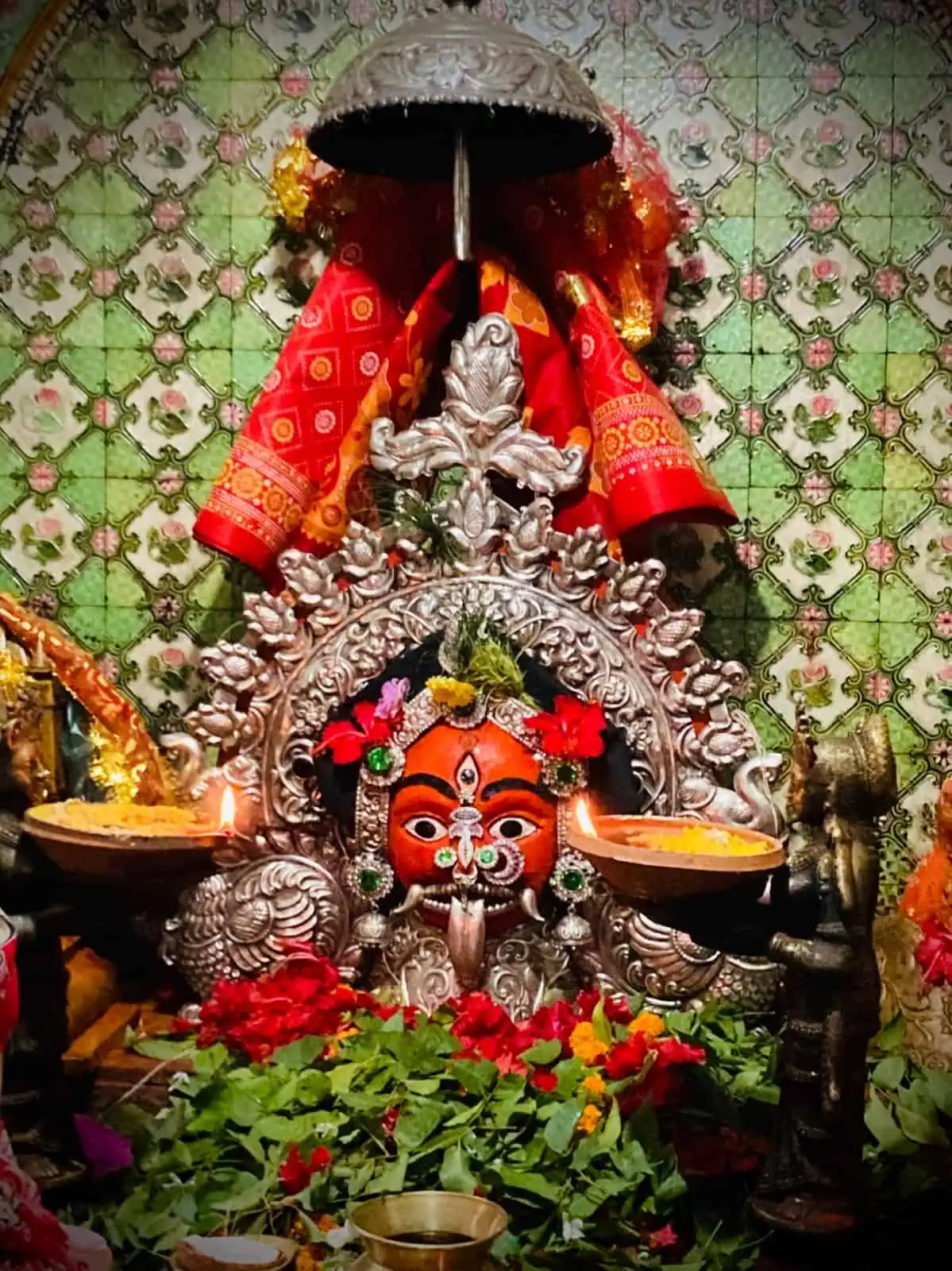
The deity inside is a simple, rough-cut stone. There are no intricate carvings or gold-plated ornaments on the main idol. Instead, she is covered in thick layers of vermilion, giving her a powerful, primal presence. This simplicity is intentional. It reflects the belief that the goddess resides among the people, in the markets, and in the homes of the weavers, rather than in a distant, unreachable palace. When you stand before her, you don’t feel small; you feel seen. The dim light of the oil lamps, the heavy scent of incense, and the low chanting of the priests create an atmosphere of intense spirituality.

The Social Harmony: Barbers and Weavers

One of the most fascinating aspects of this temple is its role in promoting social harmony. In many traditional Indian temples, the priesthood is reserved for specific castes. However, at Maa Budhi Thakurani Temple, the main priests (known as Majhis) belong to the barber caste.

This tradition highlights the inclusive nature of the “Thakurani” worship in Odisha, which often blends tribal and folk traditions with mainstream Hinduism. The Dera weavers, the barber priests, and the diverse devotees from all walks of life come together here, proving that faith is the ultimate equalizer. It’s a beautiful lesson in unity that Berhampur has been teaching for over 300 years. It reminds us that in the eyes of the Mother, everyone is a child.

Consider reading about another powerful goddess at the Maa Tara Tarini Temple, which is just a short drive from Berhampur.

The Art of the Loom: Berhampur Pata and the Phoda Kumbha

One cannot speak of the Maa Budhi Thakurani Temple without acknowledging the vibrant “Berhampuri Pata” (silk). The Dera weavers brought more than just themselves from Rajahmundry; they brought a 200-year-old tradition that has since earned a Geographical Indication (GI) tag. When you walk through the lanes of the old city, the rhythmic clack-clack of the pit looms provides the background score to the temple bells.

What makes this silk unique is the “Phoda Kumbha” or temple border. It’s an interlocking technique where the border and the body of the saree are woven separately and then joined with incredible precision. A single saree can take up to twenty days to complete. I once watched an old master weaver working on a deep crimson Pata saree. His feet were in a pit below the ground, moving the pedals with a grace that only decades of practice can bring. The silk felt like liquid gold in my hands—cool, heavy, and luminous.

The relationship between the Goddess and the silk is spiritual. Legend has it that the Goddess herself loves the fine Berhampuri Pata, and during the Thakurani Jatra, she is draped in the finest weaves the community can produce. For the weavers, every thread they cross on the loom is a prayer. The sarees often feature traditional motifs like lotus flowers, conch shells, and the temple spires, grounding the fashion in faith. If you’re interested in the heritage of the state, learning about these weavers is as essential as visiting the history of Odisha landmarks.

A Foodie’s Guide to Berhampur (Silk City Flavors)

You cannot visit Berhampur without diving headfirst into its culinary scene. Ask any local, and they’ll tell you that Brahmapur is the food capital of Southern Odisha. The flavors here are bold, spicy, and unforgettable. The food is a reflection of the city itself—humble, yet incredibly rich in character.

Puri-Upma with Dambala: The Breakfast of Champions

My morning ritual in Berhampur always starts at a street-side stall for Puri-Upma. Now, I know what you’re thinking—Puri and Upma together? Trust me, it’s a match made in heaven. The soft, savory semolina upma is served with crispy, hot puris and a generous serving of Dambala (a spicy mixed vegetable curry or ghughni).

They top it off with a tangy coconut chutney and some sev for crunch. The secret is in the ‘Dambala’—a slow-cooked curry made with yellow peas, potatoes, and a blend of spices that are unique to Ganjam. Mixing it all together on your plate is an art form in itself! The contrast between the soft upma, the oily puri, and the spicy curry is something you will crave long after you leave the city.

Berhampur Badis and Pickles: The Taste of Sunshine

If you’re looking for souvenirs, skip the magnets and head for the market. Berhampur is world-famous for its Badis (sun-dried lentil dumplings). These aren’t just any badis; they are the ‘Phula Badi’—so light that they literally melt in your mouth. Often spiced with fennel, cumin, and sometimes even chopped ginger, they are incredibly crispy when fried.

And then there are the pickles (Achaar). From the tangy ‘Ambula’ (dried mango) to the spicy green chili, the zesty lemon, and the sweet jujube (Barkoli) pickle, the variety is staggering. The Ganjam sun seems to bake a special kind of magic into these jars. I remember my grandmother telling me that the water of Ganjam has a special quality that makes the pickles last for years without losing their flavor. I never leave the city without at least three different jars tucked into my luggage.

Mucha Mucha: The Evening Crunch

As the sun sets over Big Bazaar, the smell of frying snacks fills the air. You’ll find stalls selling Mucha Mucha (which literally means “crunchy crunchy”). These are various deep-fried lentil and rice snacks that are perfect with a cup of hot tea. From the spicy ‘Piaji’ (onion fritters) to the ‘Alu Chop’ and the unique ‘Ganthia’, the options are endless. It’s the quintessential Berhampur experience—standing by the road, munching on something spicy while watching the world go by.

For more local food insights, you can explore the Odisha Tourism Official Portal.

How to Reach Maa Budhi Thakurani Temple in 2026

Getting to Berhampur has become significantly easier over the last few years, especially with the state-sponsored initiatives to improve connectivity.

By Air: The Rangeilunda Advantage

The nearest major international airport is Biju Patnaik International Airport in Bhubaneswar (BBI), about 170 km away. However, for a truly unique experience, you can now take a flight to the Rangeilunda Airport (QRE) right here in Berhampur. As of 2026, India One Air continues to operate 9-seater aircraft connecting Bhubaneswar and Berhampur.

I recently took this flight, and flying over the coastline of Odisha in a small plane is breathtaking. You can see the turquoise expanse of the Bay of Bengal on one side and the rolling green hills of Ganjam on the other. From Rangeilunda, it’s just a short 20-minute taxi ride to the temple. It saves you four hours of travel and gives you a bird’s eye view of the “Kashmir of Odisha” nearby.

By Train: The Lifeblood of Ganjam

Berhampur Railway Station (BAM) is one of the busiest and best-connected hubs in Odisha. Whether you’re coming from Kolkata, Chennai, or Bangalore, most major trains stop here. I recommend taking the Vande Bharat Express if you’re coming from Bhubaneswar—it’s fast, clean, and gets you here in under three hours. The station itself is a bustling hub, and you can find plenty of transport options right outside. From the station, an auto-rickshaw will drop you at the temple for about ₹50-₹80.

By Road: A Scenic Drive

The NH-16 connects Berhampur to the rest of the country. The drive from Bhubaneswar is smooth and scenic, taking about 3.5 to 4 hours. If you’re a fan of road trips, the stretch between Chilika and Berhampur, with its cashew plantations and distant hills, is a visual treat. The roads are well-maintained, and there are plenty of ‘Dhabas’ along the way where you can grab a quick meal.

A Perfect 3-Day Berhampur Itinerary (The Spiritual & Scenic Route)

If you’re planning a trip in 2026, here is how I recommend spending three days in the Silk City to get the most out of your visit. This itinerary balances the spiritual depth of the city with the natural beauty of the surrounding region.

Day 1: Spiritual Awakening & Market Vibes

  • Morning (7:00 AM): Visit the Maa Budhi Thakurani Temple. Early morning is the best time to avoid the crowds and witness the “Aarti.” The peace inside the temple, despite the noise of the market outside, is remarkable.
  • Breakfast (9:00 AM): Head to a local stall for Puri-Upma and Dambala. Ask for extra chutney!
  • Afternoon (12:00 PM): Explore the Big Bazaar. This is where you’ll find the authentic Berhampur Pata sarees. Visit a weaver’s house if you can—local shopkeepers are usually happy to guide you. It’s a great place to see the GI-tagged craft in action.
  • Evening (5:00 PM): Visit the Nilakantheswar Temple, another ancient site nearby. End your day with some spicy Gup-Chup (Panipuri) at the Old Bus Stand.

Day 2: The Sacred Hills & Serene Lakes

  • Morning (6:00 AM): Drive to Maa Tara Tarini Temple. It’s about 30 km from the city. The new ropeway offers stunning views of the Rushikulya River. It’s one of the most sacred spots in Odisha.
  • Afternoon (2:00 PM): Head to Tampara Lake. It’s a perfect spot for boating and a quiet lunch. The water sports facilities here have been upgraded significantly as of 2026, offering everything from jet skiing to paddle boarding.
  • Evening (6:00 PM): Return to Berhampur and grab a traditional Odia Thali for dinner. Don’t forget to try the Dalma and the tomato ‘khajuri’ khatta.

Day 3: The Call of the Sea

  • Morning (8:00 AM): Travel to Gopalpur-on-Sea. This old colonial port town is just 16 km away. The sea breeze here is incredibly refreshing.
  • Afternoon (1:00 PM): Have a seafood lunch at one of the beach-side shacks. The fried prawns and crab masala here are legendary.
  • Evening (4:00 PM): Visit the Gopalpur Lighthouse for a panoramic view of the coast. Watch the sunset, and if you’re lucky, you might spot some Olive Ridley turtles near the mouth of the river (if it’s the right season). End your trip with a walk on the golden sands.

Nearby Attractions: Expanding Your Horizon

Berhampur serves as the perfect base to explore Southern Odisha. Here are a few places you shouldn’t miss:

1. Gopalpur-on-Sea: The Vintage Charm

Gopalpur isn’t your typical crowded beach. It has a quiet, nostalgic vibe with its crumbling colonial bungalows and a lighthouse that seems to tell stories of the British era. The Gopalpur Beach is famous for its golden sands and the annual Beach Festival. In 2026, the promenade has been beautifully renovated, making it perfect for evening strolls. It’s a place where you can truly disconnect.

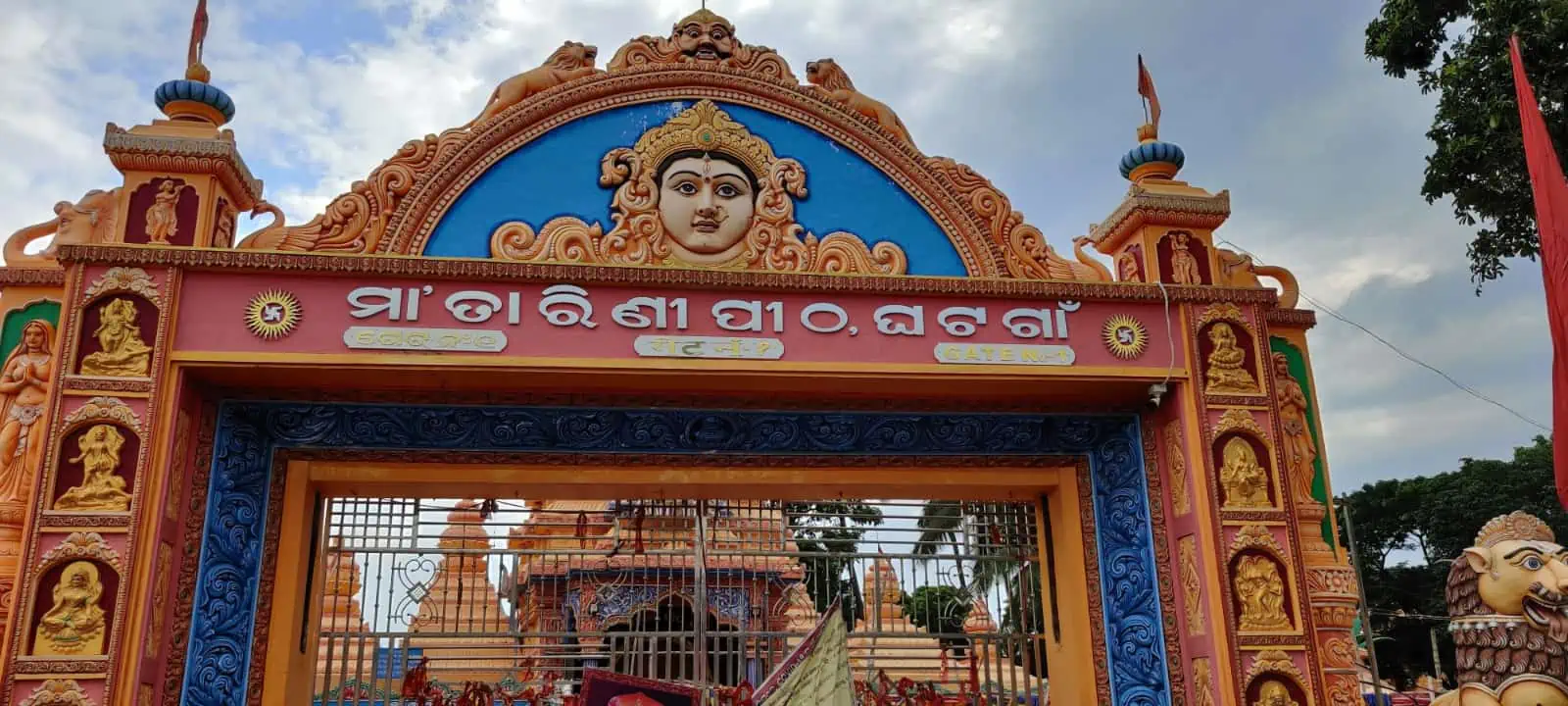
2. Maa Tara Tarini: The Twin Goddesses

Perched on the Kumari Hills, this is one of the four major Shakti Peethas in India. The climb up the 999 steps is a spiritual journey in itself, but for those who prefer comfort, the ropeway is a blessing. The view of the Rushikulya River snaking through the green fields below is something I can never get enough of. The temple complex is a masterpiece of modern Odia architecture.

3. Tampara Lake: A Waterfront Escape

This vast freshwater lake is a hidden gem. Whether you want to indulge in high-speed jet skiing or just sit by the water with a book, Tampara offers it all. The eco-resort nearby is a great place to stay if you want to escape the city’s hustle. It’s one of the best places to visit in Berhampur. The sunset over the lake is particularly magical.

4. Jiranga: The Mini Tibet of Odisha

About 80 km from Berhampur, in the Chandragiri hills, lies the Padmasambhava Mahavihara monastery. It’s the largest Buddhist monastery in Eastern India. The peace here is absolute. The sight of monks in maroon robes against the backdrop of the lush green hills of Ganjam makes you feel like you’ve stepped into another world. The monastery architecture is breathtaking, with vibrant murals and a massive golden Buddha.

5. Aryapalli Beach: The Quiet Retreat

If Gopalpur feels too crowded, head to Aryapalli. This beach is much quieter and offers a sense of solitude that is hard to find elsewhere. It’s known for its casuarina groves and the local fishing community. Watching the fishermen bring in their catch at dawn is a sight to behold. It’s a great spot for a quiet picnic with the family.

Essential Visitor Information for 2026

  • Best Time to Visit: October to March is ideal. The weather is pleasant, and you can enjoy the beaches and temples without the sweltering heat. If you want to experience the Jatra, you must plan for 2027 (usually in April).
  • Photography: Allowed in the temple complex, but avoid taking photos of the main deity inside the sanctum. It’s best to ask the priests for permission first. They are generally very helpful.
  • Dress Code: While there is no strict dress code, I recommend wearing modest clothing out of respect for the local traditions. Traditional Indian attire like sarees or kurtas is always welcomed and makes the experience more immersive.
  • Local Language: Odia is the primary language, but most people understand Hindi and English. In Berhampur, you’ll also hear a lot of Telugu due to its proximity to Andhra Pradesh. Learning a few words like “Jai Jagannath” or “Namaskar” goes a long way.
  • Staying Safe: Berhampur is generally safe for travelers. However, the Big Bazaar area can get very crowded, so keep an eye on your belongings. Use registered taxis or apps for long-distance travel.

FAQs on Maa Budhi Thakurani Temple

1. What is the significance of the stone deity in the temple?

The deity is a rough-cut stone covered in vermilion (sindoor). It represents the “Anadi” or primordial form of the Goddess. The lack of an intricate idol emphasizes that the Goddess is a part of nature and the common folk, rather than a refined, distant figure. It’s a very grounding experience to stand before her.

2. Is the Thakurani Jatra celebrated every year?

No, the grand Thakurani Jatra (Ghata Yatra) is a biennial festival, meaning it happens every two years. The most recent one was in 2025, and the next grand celebration will be in 2027. However, annual rituals and smaller-scale celebrations still take place every year in the month of Chaitra (usually in April).

3. Can non-Hindus visit the Maa Budhi Thakurani Temple?

Yes, the temple is generally open to people of all faiths. The Goddess is considered the guardian of the entire city, and everyone is welcome to seek her blessings, provided they follow the temple’s rules and maintain decorum. It’s a very inclusive space.

4. What should I buy as a souvenir from Berhampur?

Your top two choices should be Berhampuri Pata Silk sarees and the local Badis and Pickles. Both are world-famous and carry the unique GI-tagged heritage of the region. The silk sarees are an investment, while the badis are a delicious treat.

5. How far is the temple from the Berhampur Railway Station?

The temple is approximately 3 km from the railway station. An auto-rickshaw or a cycle-rickshaw will get you there in about 10-15 minutes. It’s a quick and affordable ride.

6. Are there good places to stay near the temple?

Since the temple is in the old town (Big Bazaar), it’s better to stay in the modern part of Berhampur (near the railway station or Gandhi Nagar) where there are better hotels. From there, the temple is easily accessible by auto.

7. What is the legend of the girl at the river?

The legend says that the Goddess appeared as a young girl to the Desibehera (chief of the weaver community) and stayed at his house. She promised to return every two years as his daughter, which is why the biennial festival is celebrated as her “homecoming.” It’s a beautiful story of divine love.

8. Is there an entry fee for the temple?

No, there is absolutely no entry fee for the Maa Budhi Thakurani Temple. Devotees are welcome to make voluntary donations for the maintenance of the temple.

9. What are the temple timings in 2026?

The temple is generally open from 6:00 AM to 12:30 PM and then again from 4:30 PM to 9:30 PM. During festivals, the timings may be extended.

10. Can I reach Berhampur by flight directly?

Yes, as of 2026, you can take a 9-seater flight from Bhubaneswar to Rangeilunda Airport (Berhampur). It’s a quick and scenic way to reach the city.

Conclusion: Why Berhampur Stays in Your Heart

Maa Budhi Thakurani Temple isn’t just about rituals; it’s about a community that has kept a 300-year-old promise. It’s about the weavers who see the divine in every thread, the priests who welcome everyone with open arms, and the spicy, sun-kissed flavors of Ganjam that linger on your tongue.

The city of Berhampur, with its crowded markets and spiritual silence, teaches you about the beauty of balance. It shows you how tradition can thrive in a modern world and how faith can be as practical as a loom and as ethereal as a dream.

As you plan your journey through Odisha in 2026, make sure to spend a few days in this vibrant Silk City. Walk through the narrow lanes, listen to the rhythmic clatter of the looms, and stand for a moment in the presence of the Mother. You’ll find that Berhampur doesn’t just offer you a place to visit—it offers you a piece of its soul to take home.

Whether it’s the taste of the Puri-Upma, the luster of the silk, or the quiet power of the Goddess, something about this place will stay with you forever.

Jai Maa Budhi Thakurani!