Maa Tara Tarini Temple Ganjam – Adi Shakti Peetha Guide 2026
Plan your visit to Maa Tara Tarini Temple in 2026. Discover Chaitra Mela dates, history of the Adi Shakti Peetha, darshan timings, and 999 steps guide.
The first time I stood at the base of Kumari Hills, the rhythmic sound of the Rushikulya River seemed to whisper ancient secrets. Looking up at the 999 steps leading to the Maa Tara Tarini Temple, I felt a mix of exhaustion and exhilaration. There’s something truly magical about this place—it’s not just a temple; it’s a living, breathing testament to Odisha’s deep spiritual roots. As the morning mist cleared, the temple’s golden kalasa caught the first rays of the sun, and I knew this journey would be one I’d never forget.
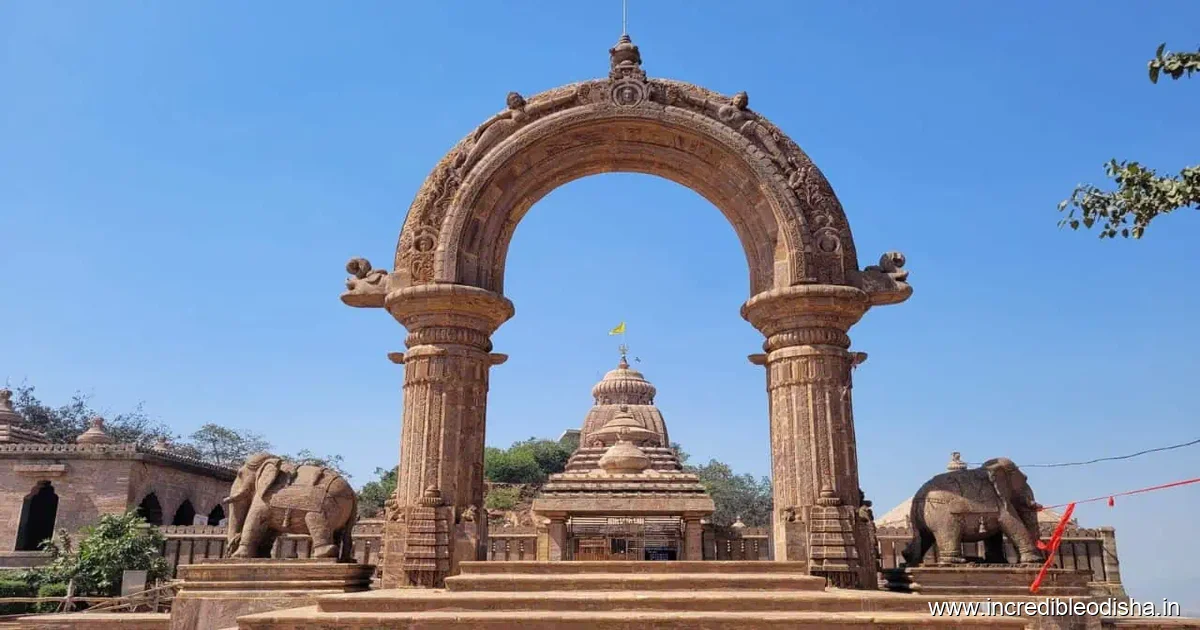
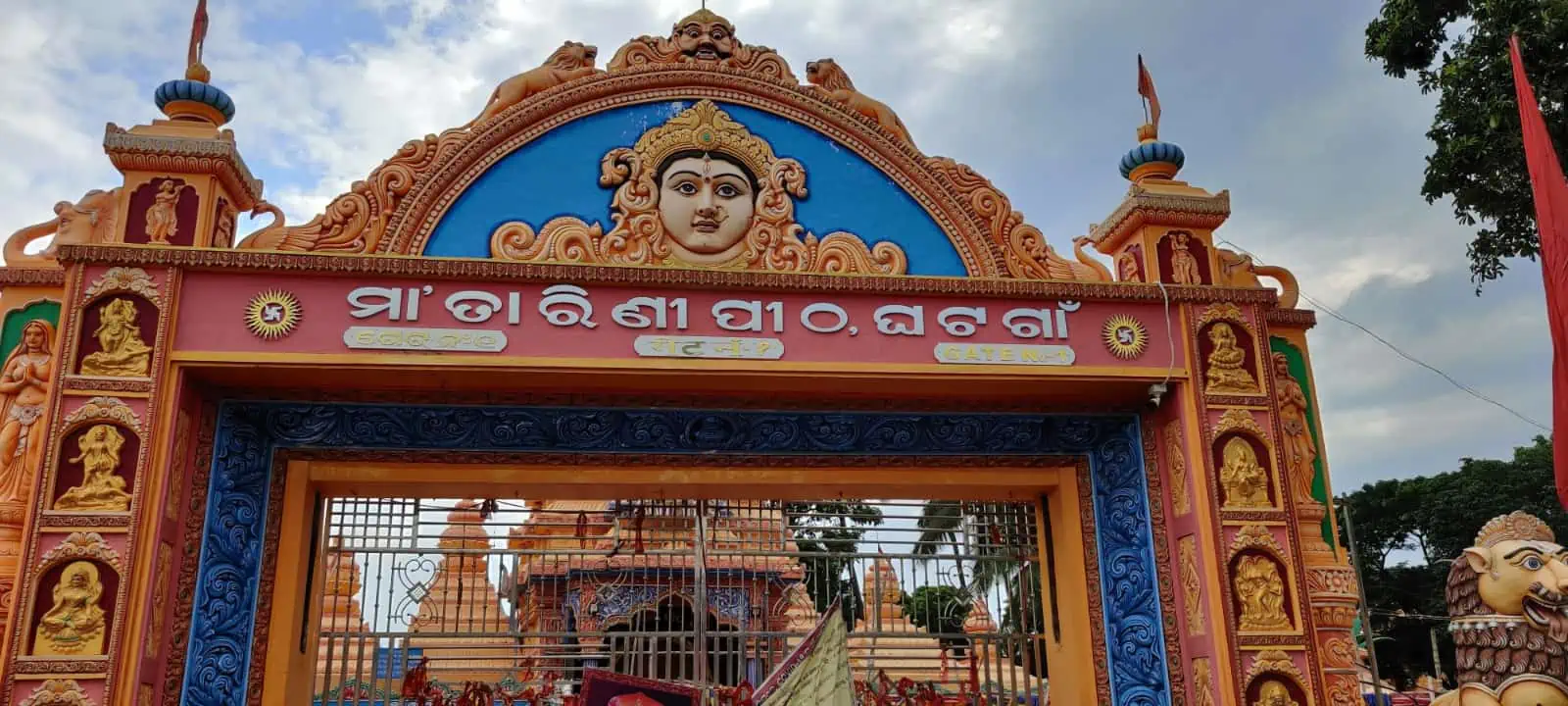
Maa Tara Tarini Temple, perched majestically atop the Kumari Hills in Ganjam district, is one of the most revered shrines in India. Known as one of the four major “Adi Shakti Peethas,” it holds a status that puts it in the same league as Kamakhya in Assam and Kalighat in West Bengal. If you’re a devout pilgrim or a traveler seeking a glimpse into Odisha’s rich heritage, this shrine offers an experience that stays with you long after you’ve descended the hill.
Let me take you through a journey of faith, history, and the vibrant spirit of Ganjam as we explore everything you need to know about visiting Maa Tara Tarini Temple in 2026—from the auspicious Chaitra Mela dates to the fascinating history and the modern facilities that make the climb easier than ever.
The Sacred Legend of the Adi Shakti Peetha
To understand the importance of Tara Tarini, you have to go back to the dawn of time and the legend of the Daksha Yagya. As a local friend once explained to me while we sipped tea near the riverbank, this isn’t just a story; for millions of Odias, it’s the very foundation of their faith.
The legend tells of Goddess Sati, who sacrificed her life after her father, Daksha Prajapati, insulted her husband, Lord Shiva. Devastated by grief, Shiva performed the Tandava, the dance of destruction, carrying Sati’s body across the universe. To prevent the destruction of all creation, Lord Vishnu used his Sudarshan Chakra to dismember Sati’s body into 51 parts. It’s believed that her breasts fell here, on the Kumari Hills, making it a “Sthana Peetha”—one of the four original Adi Shakti Peethas.
Why ‘Adi’ Shakti Peetha Matters
While there are 51 recognized Shakti Peethas across the subcontinent, the four ‘Adi’ peethas are considered the primary centers of power, representing the four most critical parts of the Goddess’s body.
- Bimala Temple (Puri): Where the feet fell.
- Tara Tarini (Ganjam): Where the breasts (Sthana) fell.
- Kamakhya (Guwahati): Where the Yoni fell.
- Kalighat (Kolkata): Where the toes of the right foot fell.
Because it’s the Sthana Peetha, Maa Tara Tarini is worshipped as the ultimate source of nourishment, maternal care, and protection. This is why you’ll see so many mothers bringing their children here—it’s like returning to the source of all life. It’s a place where the divine feminine is celebrated in its most nurturing and powerful form. For a broader spiritual context, you can explore other Famous Temples in Odisha which share similar historical and cultural significance.
The Mystery of the Two Sisters: Tara and Tarini
One of the most heartwarming aspects of this shrine is the legend of the two sisters. Unlike many other temples where a single deity reigns, here you have twin goddesses. Local folklore tells a beautiful story about a learned Brahmin named Vasu Praharaja, who lived centuries ago.
Vasu was a great devotee of the Mother Goddess but was childless. One day, two beautiful girls appeared at his doorstep and asked if they could live with him as his daughters. Vasu, overjoyed, accepted them. The girls were extraordinary—they performed miracles, healed the sick, and brought prosperity to the entire village of Purushottampur. However, one day they disappeared, only to reappear in a dream to Vasu, revealing their true identity as the goddesses Tara and Tarini. They instructed him to establish a shrine on the hilltop where they had first appeared.
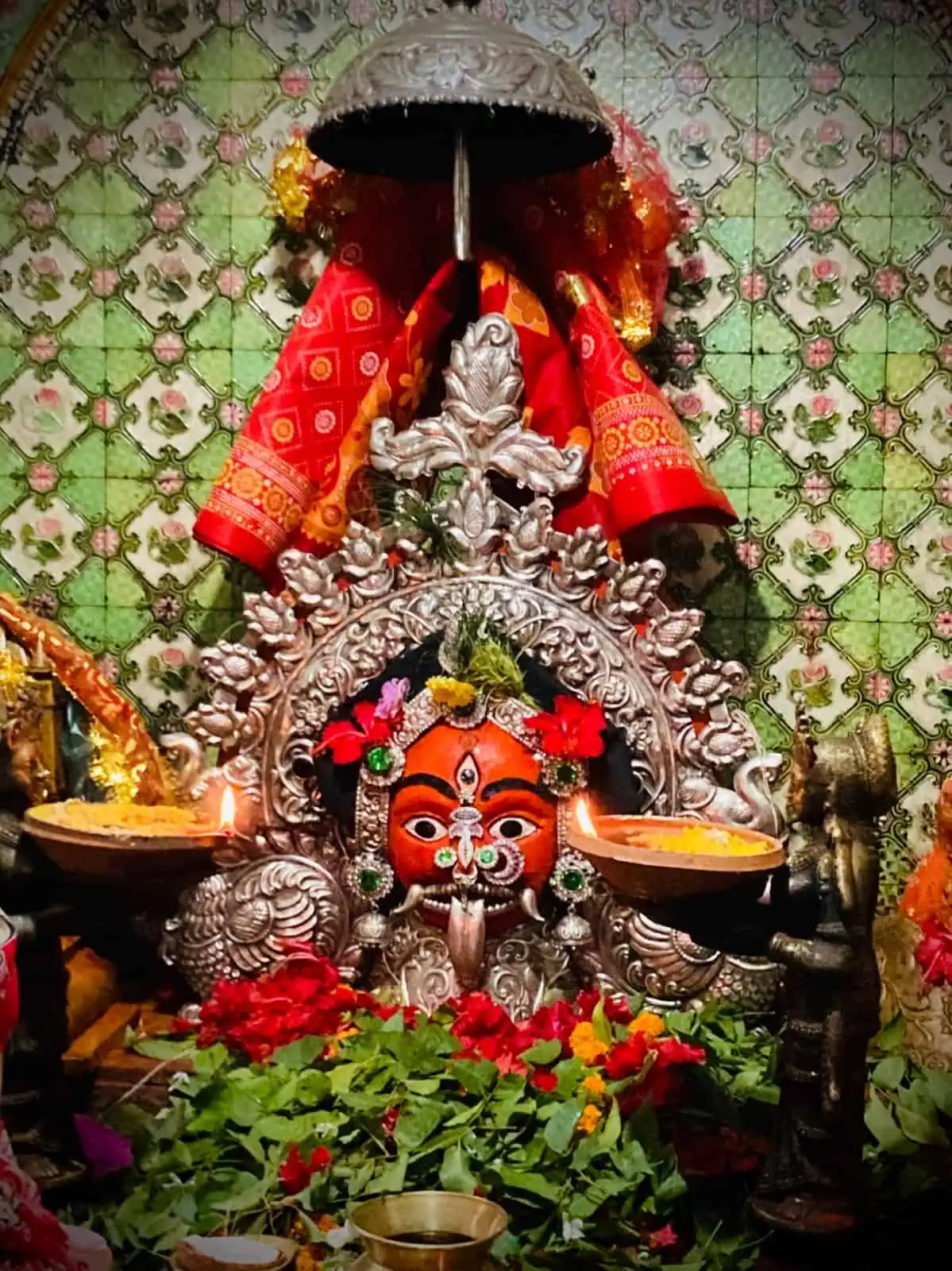
Even today, when you look at the idols inside the sanctum, you don’t just see stone. You see the bond of sisterhood. Tara is depicted slightly taller than Tarini, and both are adorned with intricate silver and gold ornaments. Their human-like faces, with large, compassionate eyes, seem to follow you as you move through the sanctum. It’s an experience that feels deeply personal, as if the goddesses are listening to your individual prayers and sharing your burdens. The priests here often say that if you come with a heavy heart, you will leave with the lightness of a bird.
Historical Depth: From Tribal Roots to Buddhism
If you’re a history buff like me, you’ll find the layers of time at Tara Tarini fascinating. The shrine isn’t just a Hindu temple; it’s a crossroads of various religious movements, reflecting the complex tapestry of Ganjam’s past.
Tribal Origins and Sanskritization
Before the arrival of organized religions like Buddhism or Hinduism, the deities Tara and Tarini were likely worshipped as primordial mother goddesses by the local tribal communities of South Odisha. The use of anthropomorphic stones (the Stambheshwari tradition) is a strong indicator of this. Over centuries, these tribal deities were integrated into the Vedic fold through a process of Sanskritization.
This is why the temple rituals today are a unique blend of formal Vedic rites and age-old local customs that have survived for millennia. The transition from a localized forest deity to a pan-Indian Adi Shakti Peetha is a testament to the temple’s enduring spiritual magnetism. According to the Ganjam District Portal, this integration is part of a larger pattern seen across the district’s ancient shrines.
The Buddhist Era
There’s significant evidence that Tara Tarini was an important center for Mahayana Buddhism during the early centuries of the first millennium. The name “Tara” itself is a major deity in the Buddhist pantheon, representing compassion and guidance. Some historians believe that as Buddhism’s influence waned in Odisha, the local population seamlessly integrated the Buddhist Tara into the Hindu Shakti tradition. This kind of religious blending is a hallmark of Odia culture—we don’t just replace; we embrace and evolve. The temple site serves as a silent witness to this harmonious transition between two of India’s greatest spiritual paths.
The Patronage of Kings
The current structure of the temple owes much to the patronage of various Odia dynasties. The Somavamshis and later the Eastern Gangas (who built the Jagannath Temple in Puri) were great devotees of the Mother Goddess. They provided grants for the temple’s maintenance and helped establish the ‘Sevayats’ (priests) system that continues to this day. When you look at the red sandstone walls of the temple, you’re looking at stones that have witnessed the rise and fall of empires, yet the devotion remains unchanged, stronger than any stone or mortar. More details on this can be found in the history of Tara Tarini.
Maa Tara Tarini Temple Timings for 2026
When planning your visit, it’s essential to know the daily rituals. I always recommend reaching early in the morning—not just to avoid the midday sun, but to witness the ‘Majana’ and the first Alati, which is a truly soul-stirring experience.
| Ritual | Time | Details |
|---|---|---|
| Majana (Cleaning) | 5:05 AM | The deities are cleaned and adorned with fresh clothes and flowers. |
| Mangala Alati & Pahili Bhog | 6:15 AM | The first offering of the day, usually Khechudi and dry sweets. |
| Sakal Dhupa | 8:30 AM | Morning puja with specific mantras and offerings. |
| Raja Bhog | 12:15 PM | A grand offering of rice, dal, curry, and traditional sweets. |
| Pahada (Temple Closes) | 12:45 PM | The deities rest during the afternoon. |
| Reopening | 2:15 PM | The temple reopens for devotees. |
| Evening Majana | 5:15 PM | Evening cleaning and decoration for the night rituals. |
| Sandhya Alati | 6:15 PM | The mesmerizing evening lamp ceremony with chanting. |
| Bhog & Pahada | 9:45 PM | Final offerings before the temple closes for the night. |
Note: During special festivals like Chaitra Mela and Sankranti, these timings are often extended, and the temple remains open throughout the day without the afternoon closure. Always check the Shree Jagannath Temple Office or local guides for real-time updates during peak festival seasons.
Chaitra Mela 2026: The Grand Celebration
If you want to see Maa Tara Tarini in all her glory, you must visit during the Chaitra Mela. Held on every Tuesday of the Chaitra month (according to the Hindu calendar), this is the most significant festival at the shrine. In 2026, the atmosphere is expected to be more vibrant than ever, thanks to the recent infrastructure upgrades.
Auspicious Tuesdays for Chaitra Mela 2026
The Hindu month of Chaitra in 2026 brings four Tuesdays that will see massive congregations of devotees.
- First Tuesday: March 10, 2026
- Second Tuesday: March 17, 2026 (Very Auspicious)
- Third Tuesday: March 24, 2026 (Grandest Celebration)
- Fourth Tuesday: March 31, 2026
I remember visiting during the third Tuesday a couple of years ago. The entire hill was a sea of colors—red, yellow, and orange. The air was filled with the sound of ghanta (gongs) and the smell of roasting coconuts. Thousands of families bring their newborns for the “Mundan” or hair-offering ceremony. It’s believed that offering the child’s first hair to the goddesses ensures a healthy and protected life.
The Beshas: Divine Forms of the Mother
During the four Tuesdays of Chaitra Mela, the goddesses are adorned in four different “Beshas” or divine attires, each representing a different aspect of the feminine power:
- Mahakali Besha: Representing the power of time and destruction of ego.
- Maha Saraswati Besha: Representing knowledge, art, and wisdom.
- Mahalaxmi Besha: Representing prosperity and well-being.
- Mahishamardini Besha: Representing the victory of good over evil.
Witnessing these changes is a privilege. The way the light from the oil lamps glints off the goddesses’ silver ornaments while their faces are surrounded by fresh hibiscus flowers is a sight that will stay in your memory forever. It’s not just a religious ritual; it’s a profound artistic and spiritual experience.
Architecture and the 2026 Redevelopment
The temple you see today is a beautiful example of traditional Kalinga architecture, but it has undergone a massive transformation recently. In 2022, a major renovation project worth Rs 117 crore was completed, which added the functional ropeway and improved the ghat roads.
The New Face of the Shrine in 2026
As of 2026, the second phase of development is well underway. The Odisha government, under the guidance of Odisha Tourism, has allocated an additional Rs 68 crore for several key enhancements:
- Multi-storey Dharamshala: This “Yatri Niwas” is designed to accommodate over 500 pilgrims with modern amenities. It’s a huge relief for those traveling from distant parts of India who previously had to base themselves in Berhampur.
- Automated Cooking Machine: To handle the massive demand for Anna Prasad (holy food) during peak festival days, a state-of-the-art automated kitchen has been installed on the hilltop.
- 999 Steps Reconstruction: While the steps were already iconic, they’ve been widened and reinforced with high-quality granite and better lighting for night climbs.
- The Helipad & Parking: A large designated parking area and a helipad are being finalized to manage the increasing influx of international and high-profile tourists.
- Rushikulya Riverfront: The area along the riverbank at the base of the hill is being developed with beautiful parks and bathing ghats, perfect for a peaceful pre-darshan dip.
The architectural style follows the Rekha Deula pattern for the main Vimana (the tower over the sanctum) and the Pidha Deula for the Jagamohana (the assembly hall). The use of red sandstone creates a warm, earthy feel that contrasts beautifully with the lush green hills of Ganjam.
The Journey of 999 Steps: A Pilgrim’s Walk
For those who choose to climb the steps, the journey is as important as the destination. Each step is an act of devotion, a physical manifestation of one’s prayer. I’ve done it both ways—the ropeway is convenient, but the steps are where you truly feel the pulse of the pilgrimage.
- The First 300 Steps: These are relatively steep and pass through a wooded area. You’ll hear the chirping of birds and the rustle of leaves, creating a natural soundtrack for your climb.
- The Middle Section: Here, the views start opening up. You can see the Purushottampur road and the small village houses below, looking like miniature models. There are resting sheds where you can sit and catch your breath while enjoying the panoramic vistas of the Rushikulya valley.
- The Final Stretch: The last 200 steps are the most exhilarating. As you approach the top, the sound of the temple bells becomes louder, and the scent of incense fills the air. Reaching the summit and looking back at the valley you just climbed is a moment of pure triumph and deep inner peace. Trust me, the sweat and the sore legs are a small price to pay for the spiritual high you get at the top.
How to Reach Maa Tara Tarini Temple
Reaching the shrine is quite straightforward, but here’s a local tip: always try to base yourself in Berhampur (Brahmapur) for the best transport options. If you’re exploring the city, check out our guide on the Best Tourist Places in Berhampur for local recommendations.
By Road
The temple is about 30 km from Berhampur. You can easily find OSRTC buses or private taxis.
- From Bhubaneswar: It’s a 174 km drive via NH-16. The road is excellent, and the journey takes about 3-4 hours through the scenic landscapes of coastal Odisha.
- From Purushottampur: The temple is just a few kilometers from this town, making it the closest urban center for quick supplies.
By Rail
Berhampur Railway Station (BAM) is your best bet. It’s a major stop on the East Coast Railway, connecting to cities like Kolkata, Chennai, and Hyderabad. From the station, you’ll find plenty of taxis and auto-rickshaws heading towards the temple base.
By Air
Biju Patnaik International Airport (BBI) in Bhubaneswar is the nearest airport. From there, you can hire a car or take a train to Berhampur. The journey from the airport to the shrine is smooth and offers a glimpse into the diverse geography of the state.
Climbing the Hill: Three Options
Once you’re at the base of Kumari Hills, you have three ways to reach the top:
- The 999 Steps: The traditional way. It takes about 30-45 minutes. The view of the winding river is simply breathtaking.
- The Ropeway: Perfect for elderly visitors or if you’re short on time. It offers a bird’s-eye view of the entire valley. In 2026, the ropeway has been upgraded with more cabins to reduce waiting times.
- The Ghat Road: Temple buses operate regularly from the base to the top. It’s a winding, scenic drive that takes about 10 minutes.
Beyond the Temple: Exploring Ganjam’s Hidden Treasures
If you’re visiting the temple, don’t just head back immediately. The Ganjam region is full of hidden gems that most tourists miss. After your pilgrimage, I highly recommend exploring the surrounding area. For more ideas on where to go next, look at our list of 20 Must-Visit Best Tourist Places in Odisha.
1. Jaugada Ashokan Rock Edicts
Just 4 km away from the temple lies Jaugada. This is a site of immense historical importance. Here, you’ll find the Ashokan Rock Edicts dating back to 261 BCE. Unlike the more famous edicts in Dhauli, Jaugada feels untouched and deeply peaceful. Standing before these ancient rocks, you realize that the message of “Dharma” and “Peace” has been echoing in this valley for over 2,000 years. It’s a powerful place for reflection.
2. Rushikulya Turtle Nesting Site
The Rushikulya river mouth is world-famous as one of the largest mass nesting sites for Olive Ridley Sea Turtles. If you’re visiting between January and March, you might witness thousands of turtles coming ashore. It’s a natural phenomenon that’s truly awe-inspiring. I remember seeing the tiny hatchlings crawl towards the moonlit sea—it’s a poignant reminder of the cycle of life that the Mother Goddess herself oversees.
3. Humma – The Leaning Temple
About 30 km from the temple, Humma is famous for its leaning temple. Unlike the Leaning Tower of Pisa, the temple here leans at a significant angle while its surrounding structures remain upright. It’s a fascinating architectural mystery that has baffled scientists for decades. The temple is dedicated to Lord Shiva, and the local priests will tell you that the lean is divine will.
4. Gopalpur-on-Sea
After your spiritual journey, head over to Gopalpur Beach for some relaxation. This old colonial port town has a charming vibe, with beautiful sunrises and great seafood. It’s about a 45-minute drive from the temple. The beach is clean, the waves are gentle, and the old lighthouse adds a touch of nostalgia to the landscape. If you prefer a calmer lake view, Tampara Lake is another excellent option nearby for boating and water sports.
A Culinary Journey: Tasting Ganjam
No trip to Ganjam is complete without indulging in the local food. The flavors here are bold, tangy, and deeply rooted in tradition. I always say that if you haven’t eaten in Berhampur, you haven’t really experienced South Odisha.
Temple Prasad: Khechidi Bhoga
The Khechidi Bhoga at Tara Tarini is a simple dish of rice and lentils, but cooked in the temple’s traditional kitchen using wood fires and earthen pots, it has a flavor that is both comforting and divine. The slight smokiness combined with the aroma of desi ghee and roasted cumin is something you won’t find in any restaurant.
Berhampur’s Famous Pickles (Achaar)
Berhampur is known throughout India as the “Pickle City.” The local varieties are endless:
- Mango Achaar: Tangy, spicy, and perfectly cured.
- Mushroom Pickle: A unique local specialty that most tourists are surprised by.
- Amla and Garlic Pickles: Known for their health benefits and intense flavors. I always make sure to buy a few jars to take back home; they’re the perfect edible souvenir. For more food inspiration, check out our guide on 10 Famous Odisha Foods.
Street Food Delights
Look for stalls selling Berhampuri Badi (sun-dried lentil dumplings). They are incredibly crispy and add a wonderful crunch to any meal. Also, don’t miss the Arisa Pitha and Chenna Gaja in the local markets. These sweets are made with jaggery and fresh cheese, offering a taste of authentic Odia hospitality.
Local Crafts: The Pride of Ganjam
Ganjam is a land of incredible craftsmanship. When you’re in the area, take some time to explore these local art forms:
- Brass Fish of Belaguntha: These flexible brass fish are a specialty of Ganjam. They are considered auspicious and are often given as wedding gifts to ensure a prosperous future.
- Berhampuri Pata Silk: Berhampur is known as the “Silk City” of Odisha. The silk sarees here are famous for their unique temple-motif borders and high-quality silk that lasts for generations.
- Ganjam Ganjapa: A traditional playing card art form that uses circular cards painted with mythological scenes. Each card is a miniature painting in itself.
How to Prepare for Your Pilgrimage
If this is your first time visiting a major Odia shrine, here are a few tips I’ve gathered over the years to ensure your journey is smooth and spiritually fulfilling:
- Stay Hydrated: The climb can be taxing, especially during the humid months. Carry a reusable water bottle and fill it with the purified water available at the base.
- Footwear: You’ll need to leave your footwear at the base or in your car before entering the temple complex. Wear something easy to slip on and off to avoid delays at the shoe stand.
- Small Change: Keep some small change (Rs. 10, 20 notes) handy for the prasad coupons and small donations at the various sub-shrines.
- Patience: During festival days, the queues for darshan can be very long. Approach the journey with a meditative mindset rather than a rushed one; the wait is part of the pilgrimage.
- Respect the Culture: Odisha is a land of deep traditions. A simple “Namaskar” or “Jai Maa” goes a long way in connecting with the local community.
If you have more time and love adventure, I highly recommend a trip to the Mahendragiri Hills. It’s the second-highest peak in Odisha and is deeply rooted in Ramayana and Mahabharata legends. It’s about a 2-hour drive from the temple and offers a perfect blend of adventure and spirituality.
Frequently Asked Questions (FAQs)
1. How many steps are there in Tara Tarini Temple?
There are exactly 999 steps leading to the hilltop. They have been recently renovated with better grip and resting spots, making the climb much safer. Most people take about 30-40 minutes to reach the top.
2. Is there a ropeway at Maa Tara Tarini Temple?
Yes, a functional ropeway is available at the base of the hill. It’s a great option for the elderly or those who want to enjoy a panoramic view. A round trip usually costs around Rs. 150 per person.
3. What are the Chaitra Mela dates for 2026?
In 2026, the Chaitra Mela Tuesdays fall on March 10, March 17, March 24, and March 31. The third Tuesday (March 24) is expected to be the most crowded and grandest celebration.
4. What is the Mundan ceremony at Tara Tarini?
It is a ritual where parents offer the first hair of their children to the goddesses as a sign of gratitude and seeking divine protection. Thousands of families perform this ritual during the Chaitra month.
5. Can I get stay facilities at the temple?
Yes, a new multi-storey dharamshala is being completed in 2026 on the hilltop. However, for more luxury options, staying in Berhampur city (30 km away) is the best choice.
6. What is the significance of the Rushikulya River?
The Rushikulya is considered a sacred river in Ganjam. It’s also famous for the mass nesting of Olive Ridley turtles near its mouth at the sea, which usually happens between February and March.
7. What should I wear to the temple?
While there is no strict dress code, it is respectful to wear traditional Indian attire. Men usually wear dhotis or kurtas, and women wear sarees or salwar suits. Avoid wearing shorts or very revealing clothes inside the sanctum.
8. Is photography allowed inside the temple?
Photography is allowed in the temple complex, but it is strictly prohibited inside the Garbhagriha (sanctum sanctorum) to maintain the sanctity of the deities.
9. Are there any good restaurants near the temple?
There are small local eateries at the base and on the hilltop serving authentic Odia snacks and meals. For a full-service dining experience, Berhampur has many excellent restaurants.
10. How far is the temple from Bhubaneswar?
It is approximately 174 km from Bhubaneswar. The drive via NH-16 is smooth and takes around 3.5 to 4 hours depending on the traffic.
Final Thoughts
Visiting Maa Tara Tarini Temple is more than just a religious trip; it’s an encounter with the divine feminine energy that has protected this land for centuries. Whether you’re standing on the hilltop, feeling the cool breeze from the river, or witnessing the intense devotion during Chaitra Mela, the experience is bound to leave a mark on your soul.
As I left the temple that day, looking back at the illuminated hill against the night sky, I realized that some places don’t just exist on a map—they exist in the hearts of the people who visit them. Maa Tara Tarini is certainly one of them, a sanctuary of peace in a busy world. I hope this guide helps you plan a meaningful journey to this sacred corner of Odisha in 2026.
Jai Maa Tara Tarini!
Official Resources:
- Odisha Tourism Official: Plan your Odisha Trip
- Ganjam District Administration: Official Ganjam Portal
- Temple Trust Updates: Official Tara Tarini Website