20 Best Places to Visit in Koraput: Complete Travel Guide
Discover top places to visit in Koraput including Deomali peak, Duduma falls, Gupteswar caves, and tribal heritage with travel tips and maps.
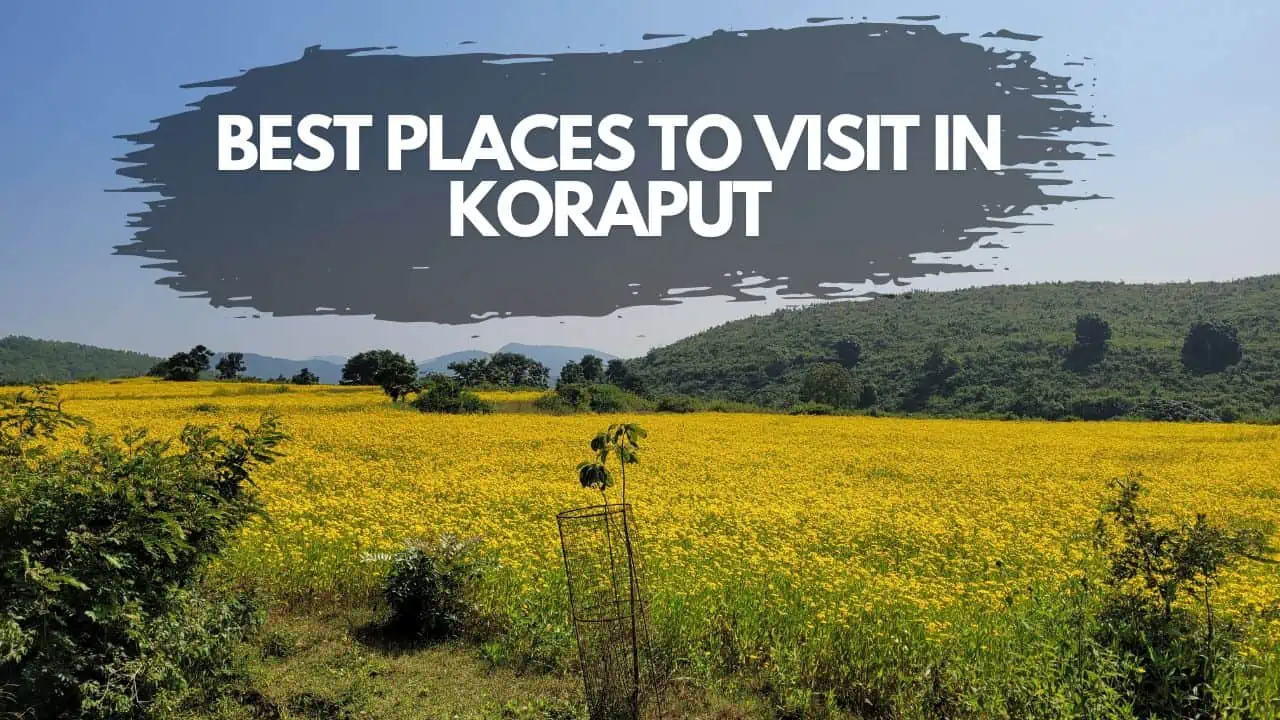
Koraput district lies in the southern highlands of Odisha, framed by the rugged ridgelines of the Eastern Ghats. Elevated plateaus, deep river gorges, cloud-covered valleys, and indigenous cultural settlements make it an exceptional destination for eco-tourism.
Key Takeaways
- Koraput district occupies an elevated plateau in the Eastern Ghats, averaging 870 meters above sea level with cool weather throughout the year.
- Deomali Peak rises to 1,672 meters as the highest mountain summit in Odisha, offering eco-cottages and organized paragliding flights.
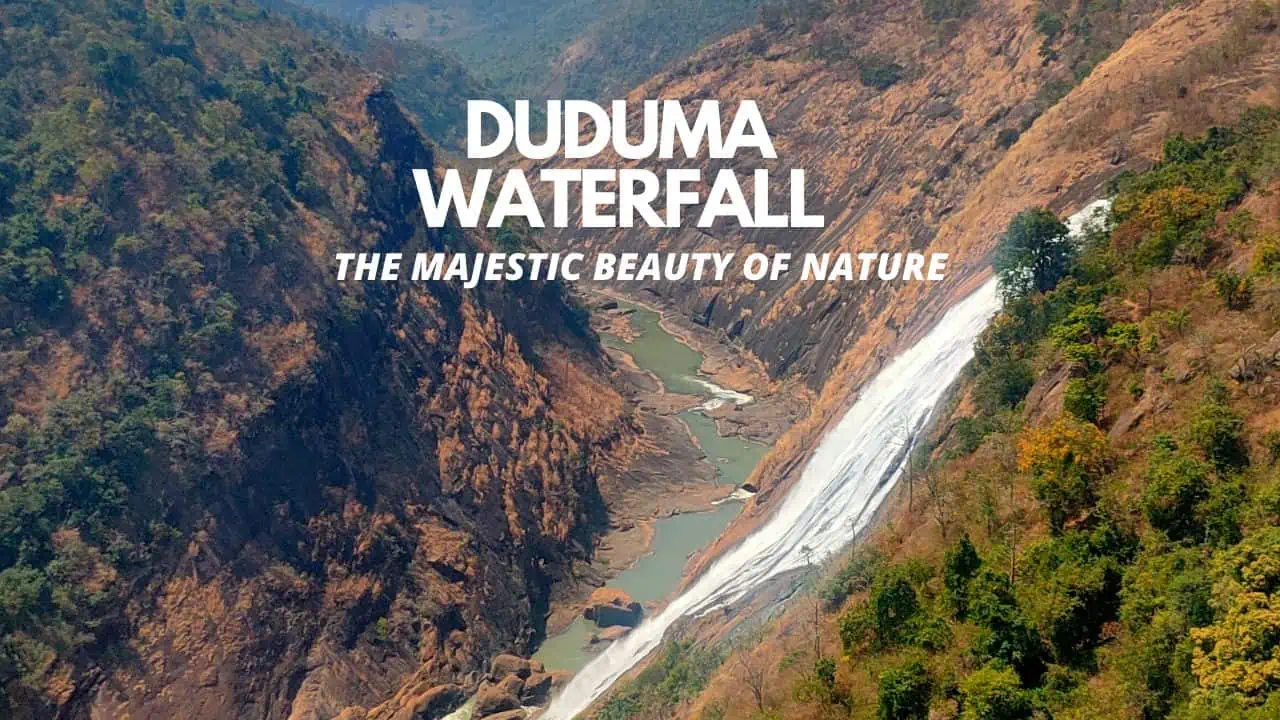
- Duduma Waterfalls on the Machkund River forms a 157-meter cascade close to indigenous weekly haats such as Onkadelli and Kunduli.
- Gupteswar Cave preserves a revered natural Shiva lingam set deep inside dense limestone formations along the Kolab River basin.
Travelers exploring the state often rank Koraput alongside renowned tourist places in Odisha for genuine highland scenery and outdoor adventure. For complete administrative boundaries, block directories, and regional history, read our comprehensive guide to Koraput district.
At-a-Glance Guide to Top Koraput Attractions
The following table summarizes essential details for the primary tourist destinations across Koraput district:
| Attraction | Category | Distance from Koraput Town | Primary Highlight |
|---|---|---|---|
| Deomali Peak | Mountain Summit | 45 km | Highest elevation in Odisha (1,672 m) with paragliding |
| Duduma Waterfalls | Waterfall & River Gorge | 70 km | 157-meter waterfall on the Machkund River |
| Gupteswar Cave | Cave Shrine & Pilgrimage | 55 km | Natural limestone cave temple dedicated to Lord Shiva |
| Putsil Valley | Valley & Eco-Retreat | 35 km | High-altitude tablelands and seasonal camping |
| Sabara Srikhetra | Cultural Temple | 2 km | Jagannath shrine celebrating Sabara tribal traditions |
| Kolab Reservoir | Lake & Botanical Garden | 15 km | Water sports, boating, and scenic island hills |
| Tribal Museum | Heritage & Culture | 1 km | Cultural artifacts from 62 indigenous tribes of Odisha |
| Balda Cave | Plateau & Trekking | 62 km | Broad tableland plateau offering 360-degree valley views |
Strategic Logistics: How to Reach Koraput by Air, Rail, and Road
Koraput connects to regional transport networks through air, rail, and highway routes across southern Odisha and neighboring Andhra Pradesh.
Reaching Koraput by Air
Jeypore Airport (PYB), situated approximately 25 kilometers west of Koraput town, provides regional flight connectivity to Bhubaneswar and Visakhapatnam. Travelers can also fly into Visakhapatnam International Airport (VTZ), situated 200 kilometers south, which operates round-the-clock national and international flights with direct highway connections.
Reaching Koraput by Rail
The Kirandul to Kottavalasa (KK Line) railway route links Koraput Junction to coastal Odisha and Andhra Pradesh. The overnight Hirakhand Express runs daily between Bhubaneswar and Koraput, providing comfortable sleeper and air-conditioned coaches. Passengers can reserve tickets and check real-time schedule information on the Official IRCTC Train Reservation Portal.
Reaching Koraput by Road
National Highway 26 connects Koraput with Raipur, Visakhapatnam, and Berhampur through paved mountain corridors. State-run OSRTC buses and private luxury coaches operate frequent schedules between Koraput bus stand and major cities across Odisha.
Best Season and Weather for Visiting Koraput
Highland elevations keep Koraput substantially cooler than the coastal districts of Odisha throughout the calendar year.
- Winter (October to February): Daytime temperatures range between 15°C and 25°C, while night temperatures can drop to 6°C at higher elevations. Clear skies provide excellent conditions for hill trekking, paragliding, and village market visits.
- Monsoon (July to September): Heavy rainfall blankets the hill slopes in deep green foliage and fills waterfalls to peak volume. Travelers should check road conditions before heading out, as rainfall can make mountain roads slick.
- Summer (March to June): Day temperatures average between 30°C and 36°C, remaining noticeably milder than the coastal plains. Early mornings and late afternoons remain suitable for forest exploration and temple tours.
1. Deomali Peak: The Highest Mountain in Odisha
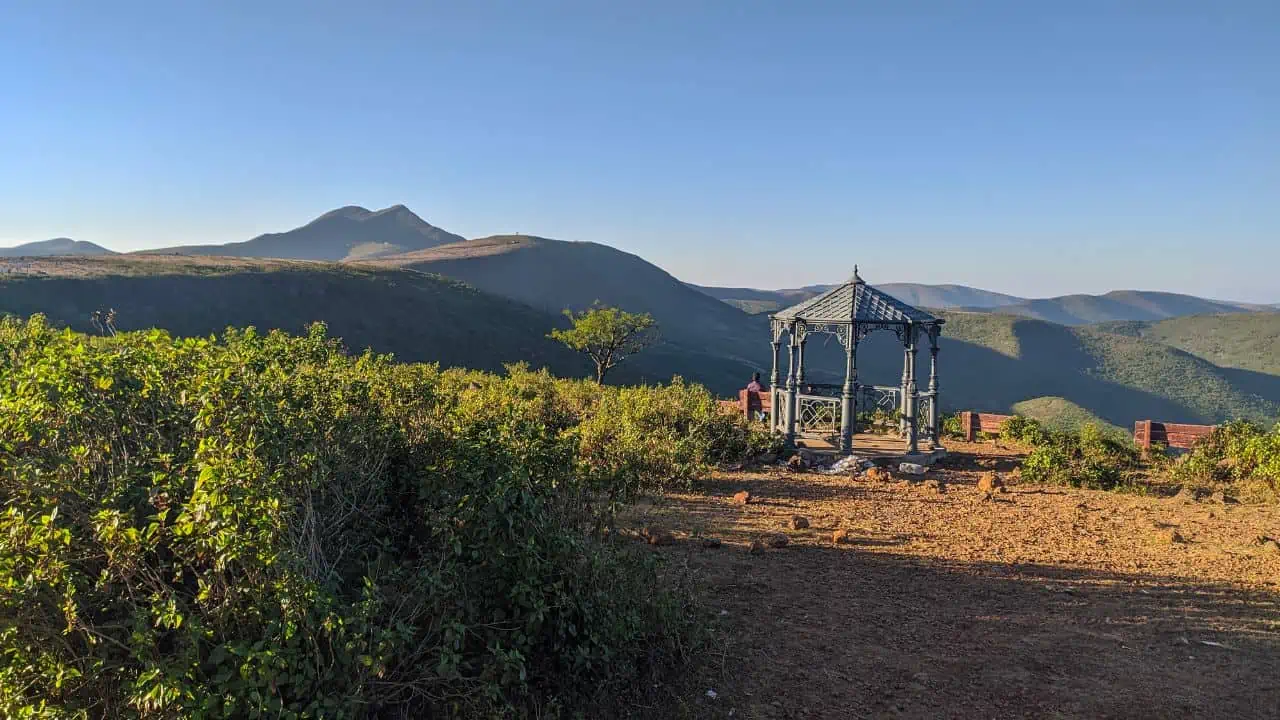
Deomali stands at an elevation of 1,672 meters (5,485 feet), ranking as the highest mountain peak in the entire state of Odisha. Located near Dhabaleswar village in the Pottangi block, the summit overlooks rolling hills, agricultural valleys, and tribal settlements.
Travelers can consult our comprehensive Deomali Hills trekking guide to plan trail ascent routes and weather precautions.
State tourism initiatives have established eco-cottages near the ridge, enabling visitors to witness misty sunrises directly over the cloud canopy. Tourists can reserve overnight cottages via the Eco Tour Odisha Deomali Booking Portal. Tandem paragliding operations now operate during clear winter months under licensed flight supervisors.
2. Duduma Waterfalls: The Machkund River Gorge
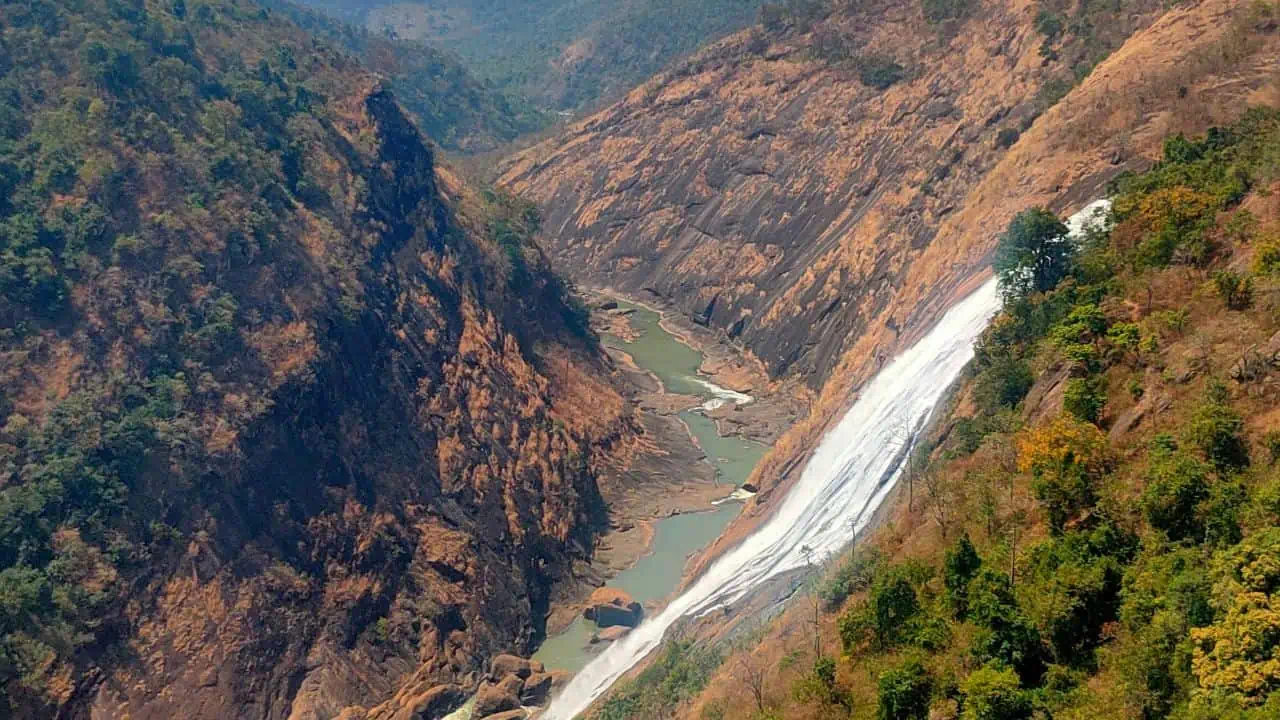
Duduma Waterfalls drops 157 meters (515 feet) into a deep rocky amphitheater formed by the Machkund River along the Odisha and Andhra Pradesh boundary. The thunderous plunge generates dense water vapor that cools the canyon air year-round.
Visitors can explore detailed transport routes and safety advice in our dedicated Duduma Waterfalls complete guide.
The gorge surroundings serve as ancestral homeland for the Bonda tribe, an ancient Austroasiatic community recognized for distinct beadwork, brass neck rings, and independent cultural identity. Thursday visits coincide with the nearby Onkadelli weekly market, where indigenous artisans trade regional produce, forest honey, and hand-woven textiles.
3. Gupteswar Cave Temple: Sacred Limestone Shrine
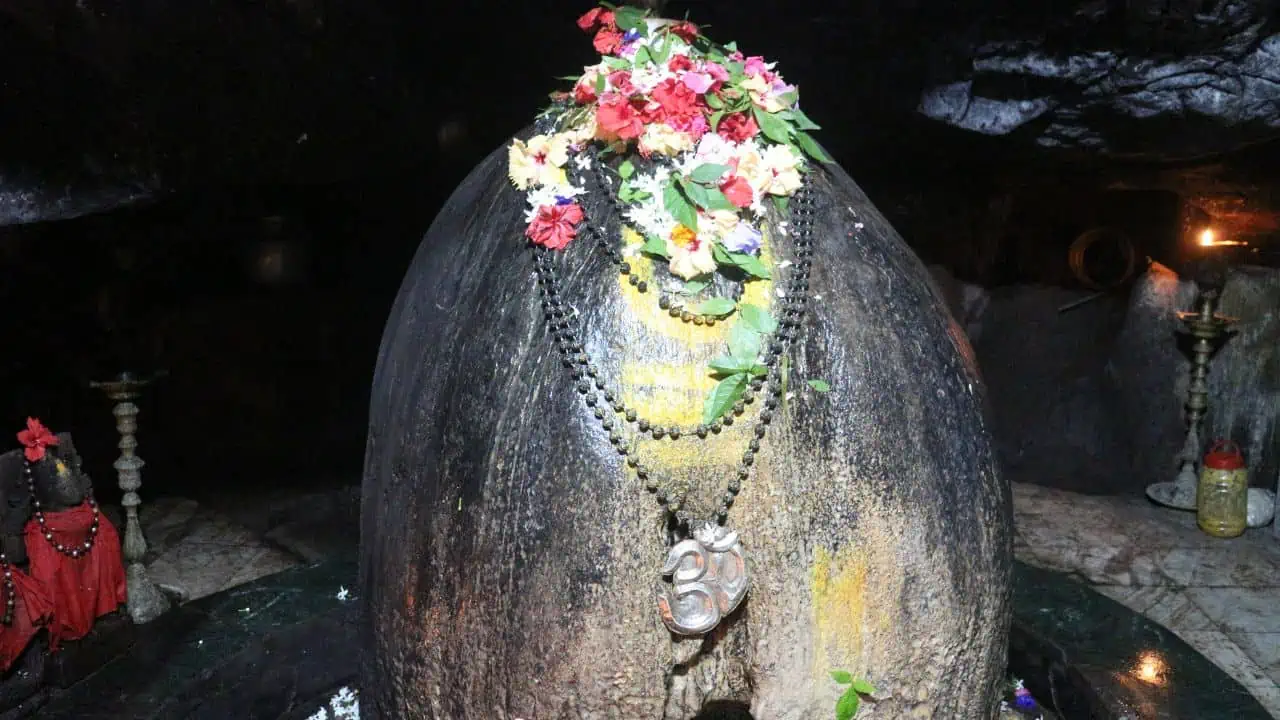
Gupteswar Cave Temple is an ancient subterranean pilgrimage shrine set in the dense Ramagiri forest reserve along the Kolab River. The limestone cave protects a massive natural stalagmite worshipped as an uncarved Shiva lingam.
Travelers can review darshan rituals and festival timings through our Gupteswar Temple and Caves guide.
Devotees navigate a stone stairway leading to the cave opening, where cool subterranean air provides immediate respite from the outside forest heat. Maha Shivratri witnesses thousands of pilgrims arriving from southern Odisha, Chhattisgarh, and northern Andhra Pradesh to make offerings of milk, bilva leaves, and wild flowers.
4. Putsil Mountain Valley and Coffee Plantations
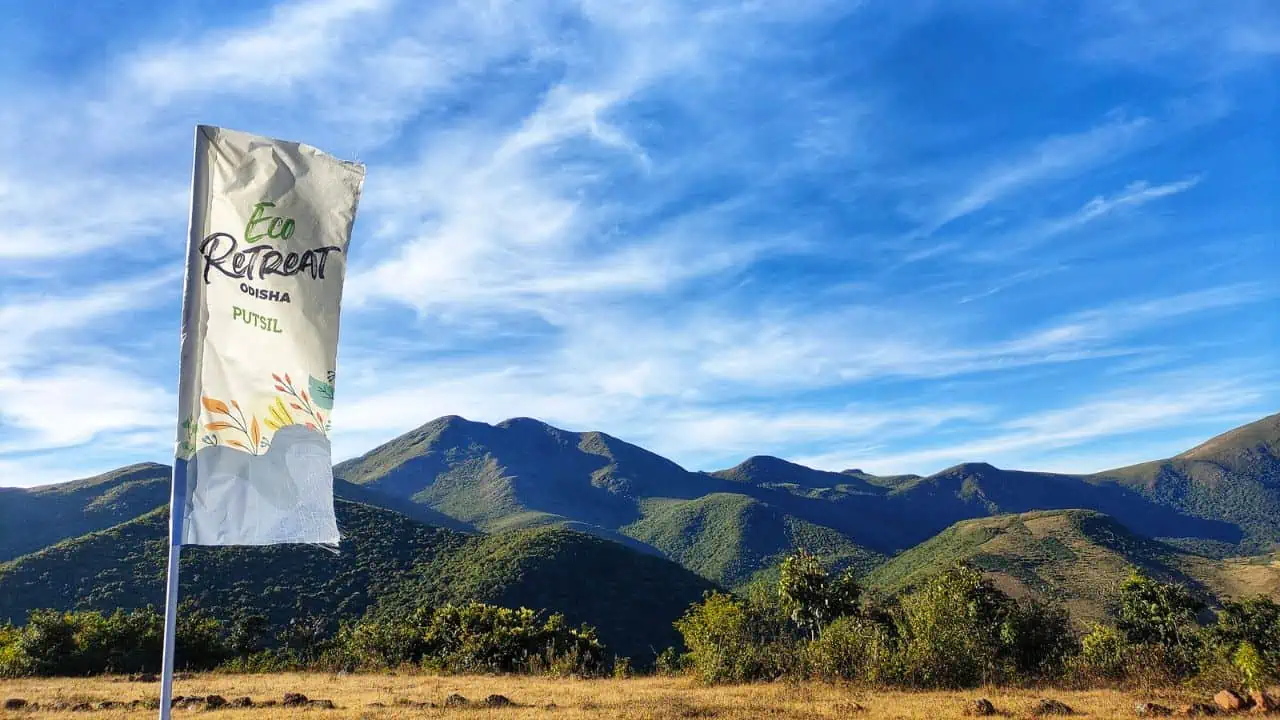
Putsil Mountain Valley lies adjacent to the industrial township of Damanjodi, distinguished by tabletop hills and extensive organic coffee estates. Low-hanging morning clouds regularly settle across the meadows, creating sweeping landscape panoramas.
While visiting Damanjodi, spiritual travelers also stop at the revered Maa Kanta Baunsuni Temple, a peaceful shrine situated within a quiet bamboo grove.
The valley features seasonal glamping facilities set against the surrounding peaks. Well-graded mountain footpaths lead to small streams and natural viewpoints suitable for family walks and bird photography.
5. Sabara Srikhetra: The Inclusive Jagannath Temple
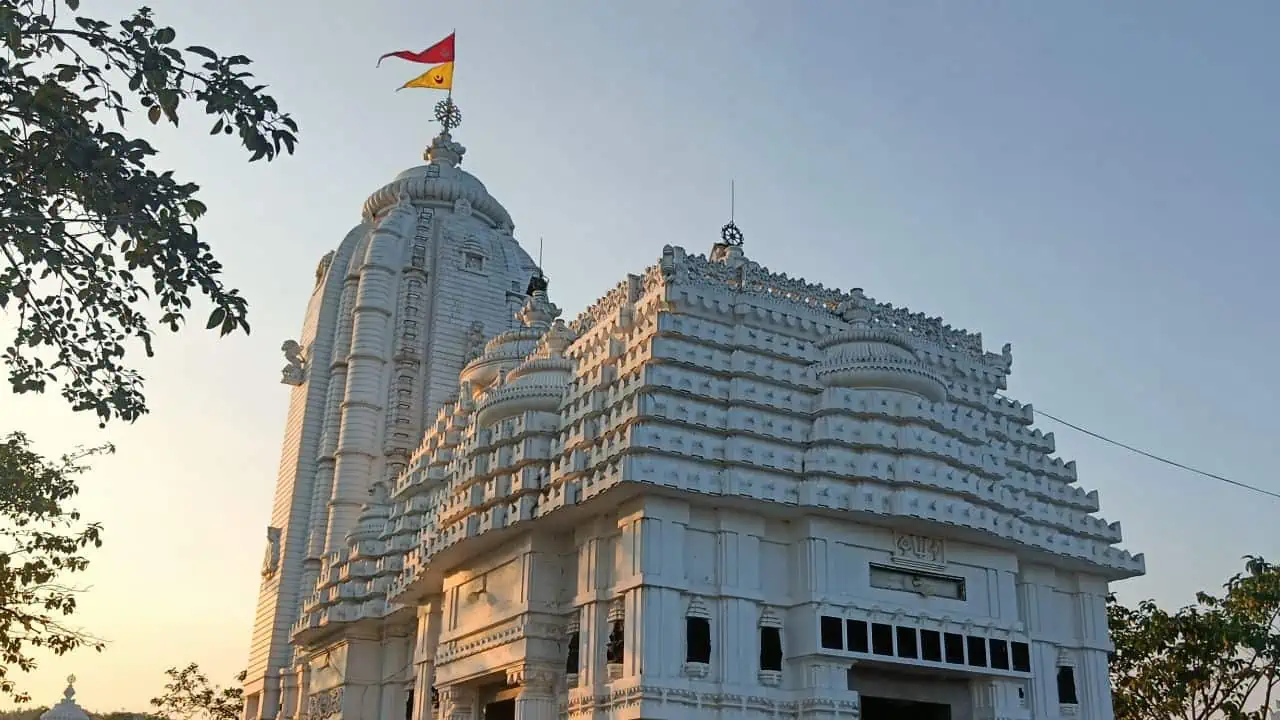
Sabara Srikhetra stands on a scenic hilltop in Koraput town, dedicated to Lord Jagannath while emphasizing the deity’s tribal roots. Unlike traditional orthodoxy, this shrine permits respectful entry to devotees of every background, caste, and nationality.
The temple compound incorporates a tribal heritage center and a communal kitchen serving wholesome Mahaprasad cooked in traditional clay pots. The annual Ratha Yatra mirrors ancient traditions, drawing immense community participation from surrounding mountain hamlets.
6. Maliguda Tunnel and Railway Viaduct
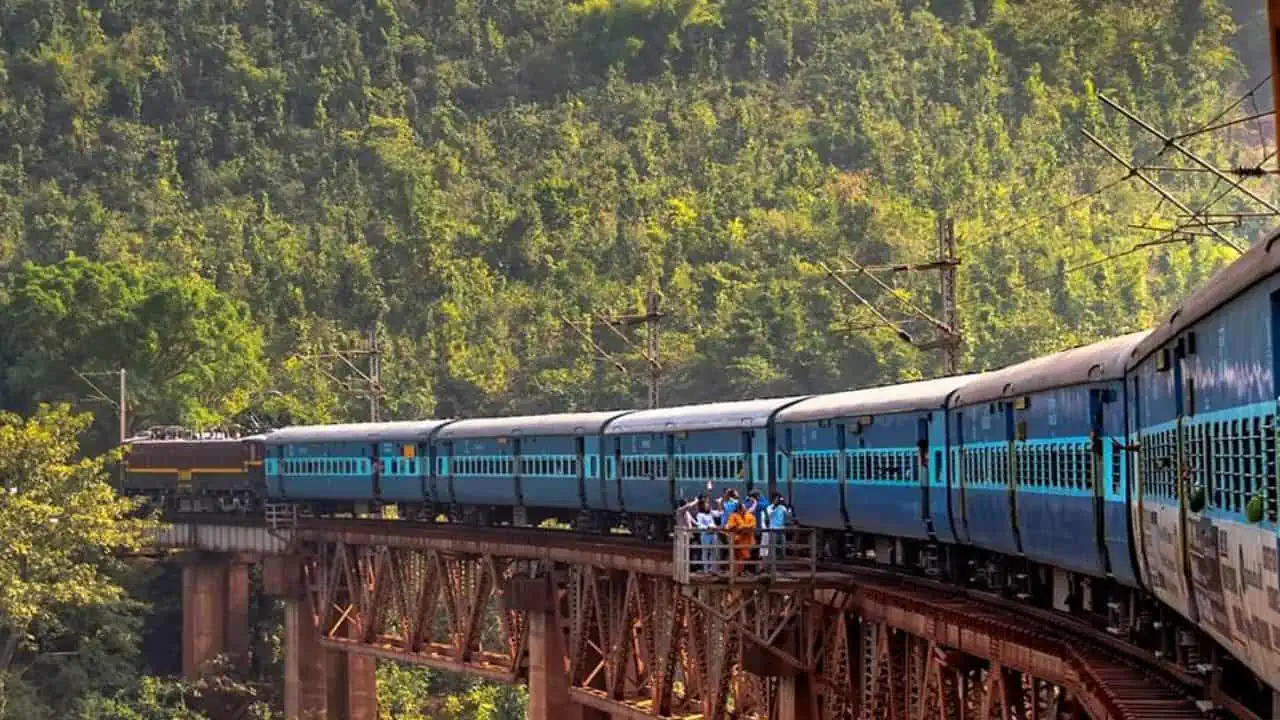
Maliguda Tunnel represents a landmark achievement of twentieth-century railway engineering in India. Constructed along the Kottavalasa-Kirandul route across the Eastern Ghats, it stands as the highest broad-gauge railway tunnel in the country.
A high-level steel viaduct links the tunnel portal across a gorge, carrying heavy freight trains transporting iron ore from the Bailadila mines to Visakhapatnam Port. Photographers position themselves along the adjacent hillside paths to capture morning trains crossing the forested valley.
7. Kolab Reservoir and Botanical Garden
Kolab Reservoir spreads across an expansive valley created by the Kolab Dam hydroelectric project near Jeypore. Granite hillocks rise directly out of the deep blue water, providing scenic recreational grounds for boating and weekend outings.
An adjacent botanical park hosts terraced flowerbeds, landscaped lawns, and shaded walking avenues. State-managed speedboats and passenger ferries operate scheduled excursions across the lake, including routes toward remote lakebed villages.
8. Koraput Tribal Museum and Crafts Village
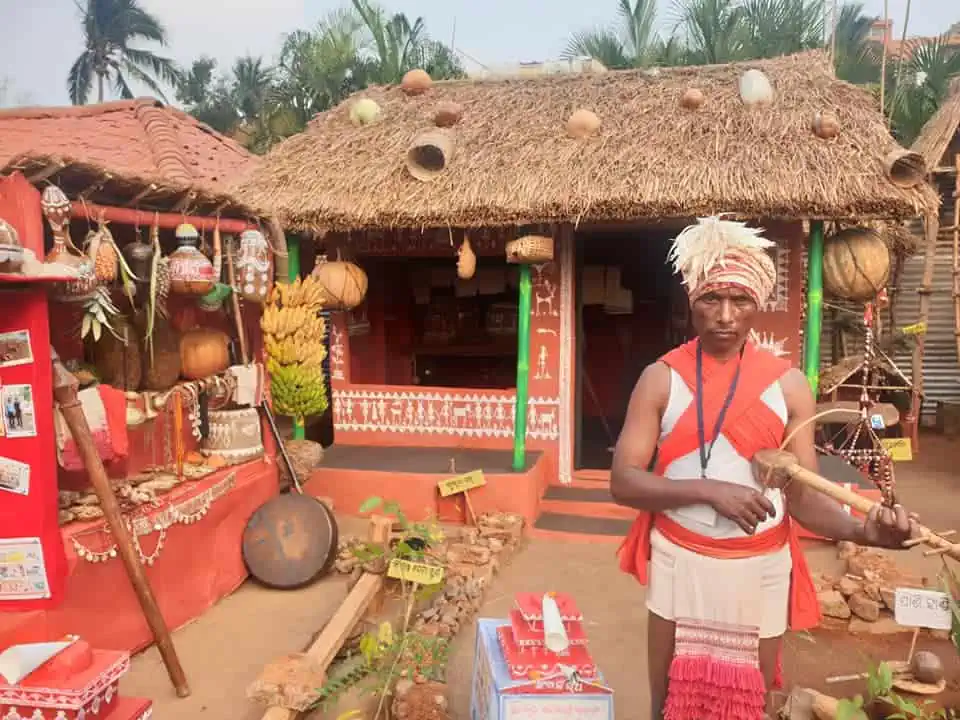
The Koraput Tribal Museum documents the cultural identity, musical traditions, agricultural tools, and costume heritage of Odisha’s 62 distinct tribal groups. Carefully assembled displays exhibit wooden hunting equipment, cowrie shell ornaments, and brass figurines.
Behind the exhibition halls, an artisan crafts center offers live demonstrations of handloom weaving, terracotta sculpting, and bamboo woodwork. Visitors can purchase certified handloom fabrics and organic forest products directly from tribal cooperatives.
9. Balda Cave: The Highland Grassland Tableland
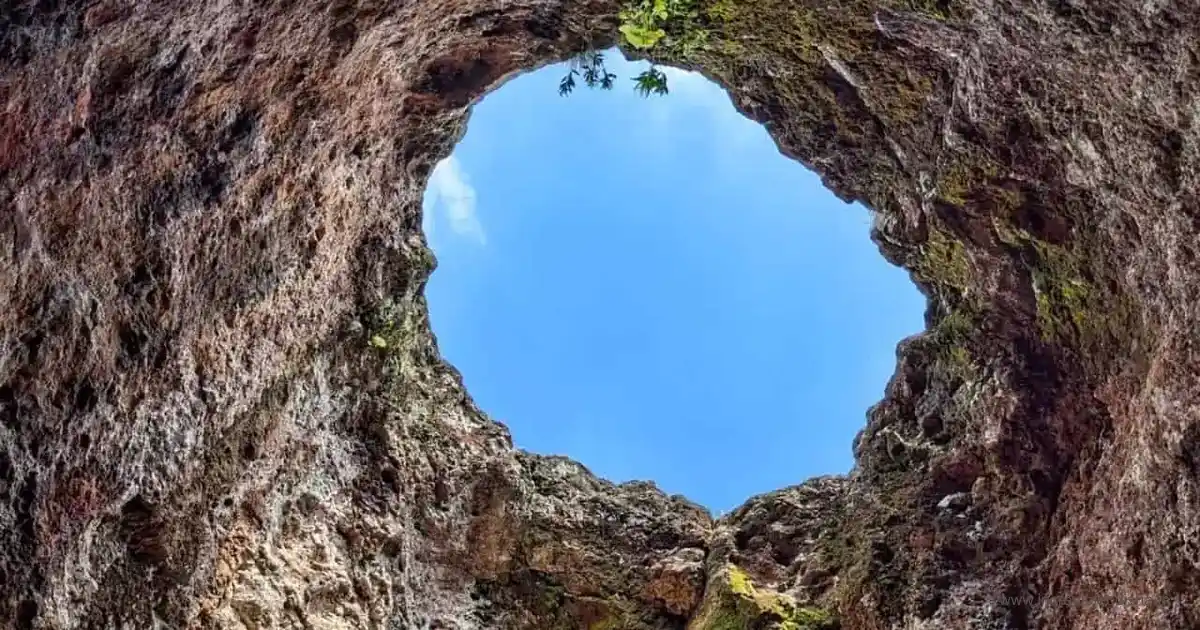
Balda Cave sits atop an immense highland tableland approximately 62 kilometers from Koraput town. The flat summit plateau provides sweeping vistas over the Jalaput water reservoir and distant mountain crests.
Our comprehensive Balda Cave highland guide details route maps, hiking trails, and sunset viewpoints across this secluded landmark.
The cavern entrance leads into small limestone chambers holding stone carvings. Soft mountain grass carpeting the plateau creates an expansive natural amphitheater favored by landscape photographers.
10. Jeypore Palace and Jagannath Sagar
Jeypore served as the historic royal seat of the Suryavanshi kings who governed the Koraput region for centuries. The royal palace complex exhibits a blend of traditional Kalinga masonry, classical arches, and carved wooden gateways.
At the town center, Jagannath Sagar provides a well-lit lakeside promenade with walking tracks, paddle boats, and public gardens. Local vendors along the promenade serve regional evening snacks including Dahi Bara Aloo Dum.
11. Sunabeda and the HAL Heritage Centre
Sunabeda is a planned industrial township located 18 kilometers east of Koraput, established to support aerospace manufacturing. The town houses the Engine Division of Hindustan Aeronautics Limited.
The HAL Heritage Centre presents an educational collection of supersonic jet engines, aircraft scale models, and aerospace equipment. Interested visitors can review corporate exhibits and background history through the Hindustan Aeronautics Limited Heritage Division.
12. Nandapur and the Batrisa Simhasana
Nandapur held prominence as the ancient medieval capital of the Jeypore kingdom before administrative functions shifted down into the valley. The archaeological site features the Batrisa Simhasana, an ancient stone staircase comprising 32 steps linked to regional folklore of King Vikramaditya.
Nearby stands a six-foot rock-cut idol of Lord Ganesha, carved from a single granite boulder alongside ruined temple plinths. The quiet rural village retains stone lanes and centuries-old shrine foundations.
13. Gulmi and Bagra Waterfalls
Gulmi and Bagra offer scenic day-trip destinations for outdoor family picnics and wilderness walking. Gulmi Waterfall flows through forested hill reserves, reachable via an unpaved forest walking trail.
Bagra Waterfall features multiple rocky ledges where mountain streams cascade into shallow rock basins. Clear water, shaded shoreline trees, and natural stone seating make it a favored rest stop on routes between Koraput and Jeypore.
14. Subai Jain Temples
The Subai Jain heritage complex contains ancient stone shrines dating back to the fourth and fifth centuries. These monuments provide clear material evidence of ancient Jain monastic settlements in southern Odisha.
The temple walls exhibit intricate relief carvings of Jain Tirthankaras, including Rishabhanatha and Parshvanatha, rendered in Kalinga sandstone styles. The tranquil location attracts heritage researchers and architecture enthusiasts.
15. Kechala Eco-Village on Kolab Lake
Kechala Eco-Village occupies a quiet peninsula on the backwaters of the Kolab Reservoir, reachable by a 45-minute boat ride from the dam jetty. Community-led eco-tourism programs promote sustainable rural living, organic agriculture, and traditional craft preservation.
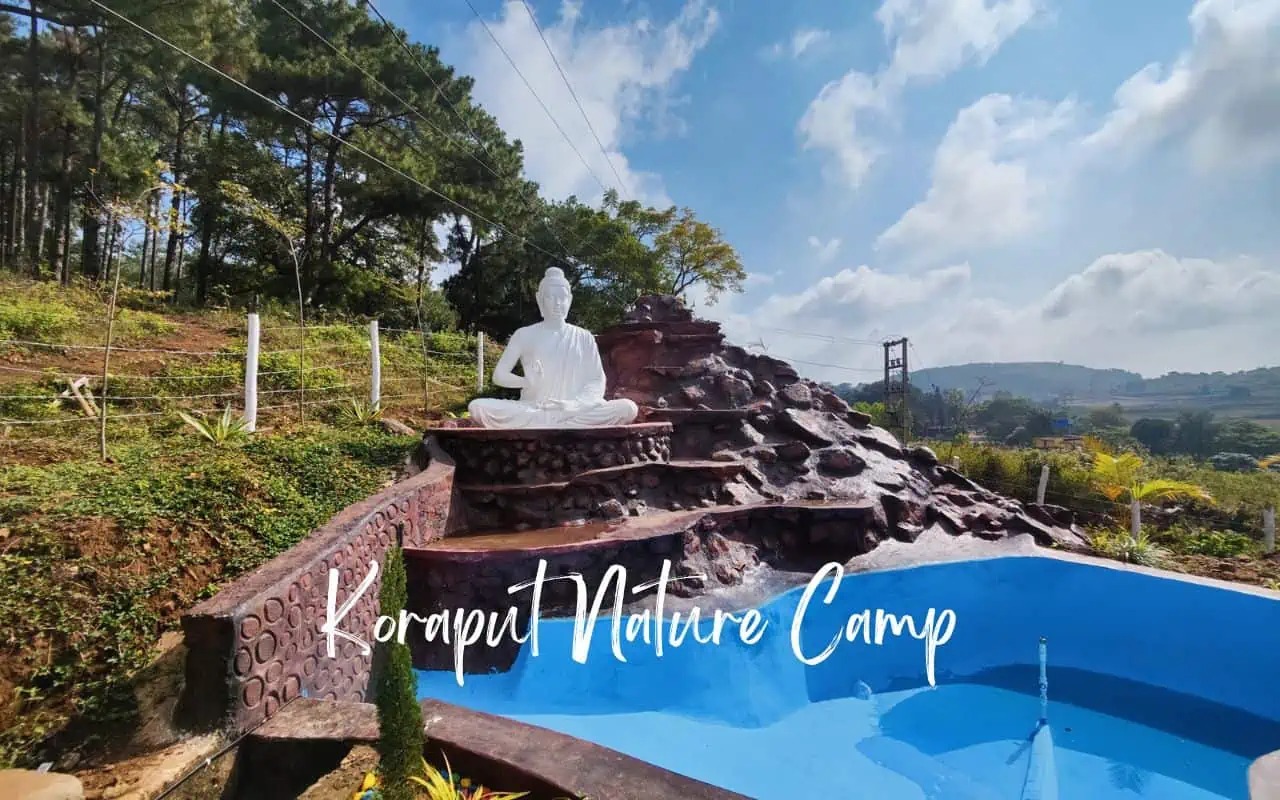
Travelers looking for similar pine-surrounded forest retreats can review our guide to Koraput Nature Camp pine resort for booking steps and seasonal facilities.
Visitors can stay in traditionally constructed mud and thatch cottages fitted with modern amenities. Morning activities include pottery workshops, village walks through finger millet fields, and bird-watching excursions along the shoreline.
16. Rani Duduma Waterfall
Rani Duduma Waterfall cascades over granite boulders in a secluded valley near Nandapur. Smaller in volume than the main Machkund cascade, it provides a quiet woodland setting free from major tourist traffic.
A forest footpath through indigenous settlements leads to the natural pool below the falls. Post-monsoon months provide optimal water flow and clear forest trails.
17. Punjisil Waterfall
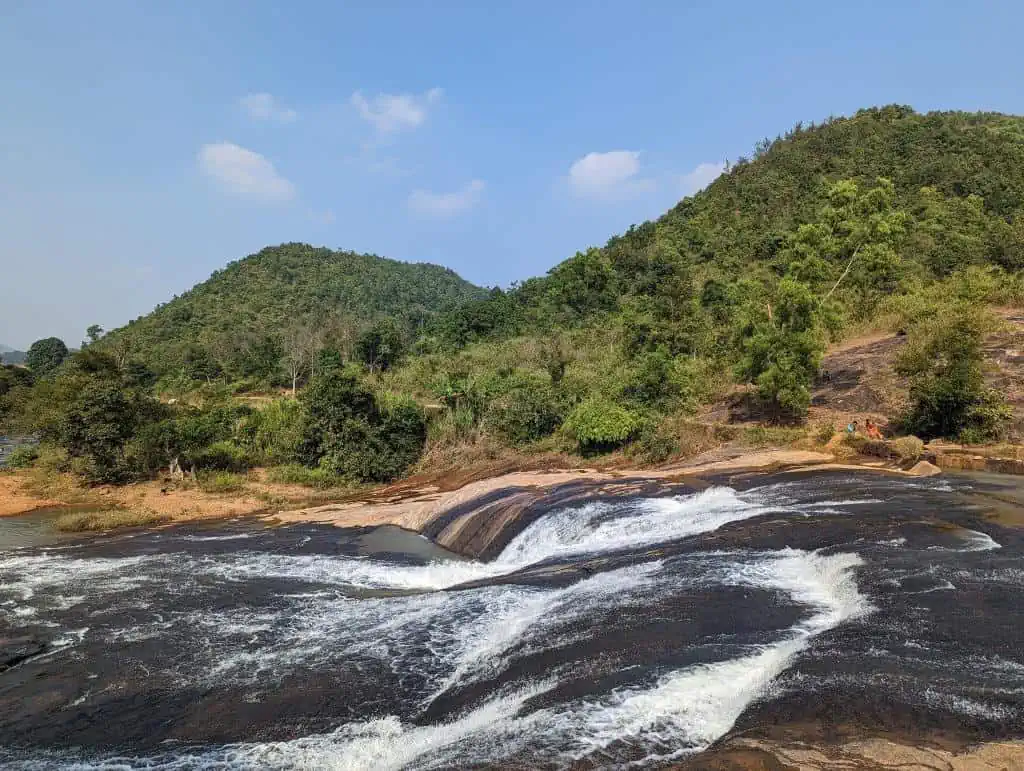
Punjisil Waterfall emerges from forested slopes near the Putsil highland plateau. The stream tumbles over dark stone ledges into a clear mountain pool shaded by evergreen trees and wild banana plants.
The humid woodland valley provides shelter for regional birdlife, including the Malabar Whistling Thrush and emerald doves. Sturdy footwear is recommended for navigating moss-covered rocks along the stream bank.
18. Koraput Organic Coffee Plantations
The elevated climate and well-drained red laterite soil of Koraput create ideal cultivation conditions for Arabica and Robusta coffee. Cultivation programs supported by state agencies have established Koraput Coffee as an acclaimed regional brand.
Plantations run by tribal development cooperatives welcome visitors for educational farm walks during harvest months from November to January. Processing units demonstrate bean harvesting, depulping, sun-drying, and roasting methods.
19. Saptasajya Hills of Koraput
The Saptasajya range in Koraput comprises seven connected hill crests offering rugged hiking terrain. Forest pathways ascend through mixed deciduous woods containing sal, teak, and wild bamboo stands.
The summit ridges present panoramic viewpoints across surrounding farmland and valley hamlets. Local tribal communities hold these hill summits sacred, maintaining small stone shrines beneath large banyan trees.
20. Weekly Tribal Haats of Kunduli and Onkadelli
Weekly village haats function as vital commercial and social crossroads across Koraput district. The Friday haat at Kunduli ranks as one of the largest agricultural markets in South Odisha, specializing in ginger, hill millets, and fresh vegetables.
The Thursday market at Onkadelli serves as a meeting point for Bonda and Didayi communities trading forest produce and hand-crafted items. Visitors must observe strict etiquette by asking permission before photographing traders and respecting community privacy.
Regional Food Specialties of Koraput
Dining in Koraput highlights indigenous crops, aromatic heritage grains, and traditional highland cooking practices.
- Koraput Arabica Coffee: Regionally grown coffee brewed with rich chocolate notes and low acidity.
- Kala Jeera Rice: A fragrant, short-grain black rice holding Geographical Indication (GI) status, cooked into celebratory platters.
- Mandia Jau: A cooling, fermented ragi (finger millet) porridge eaten daily for natural endurance.
- Kardi Curry: Fresh seasonal bamboo shoots cooked with mustard paste, garlic, and wild herbs.
- Wood-Baked Chhena Poda: Traditional roasted cottage cheese confection baked over earthen wood fires in Jeypore sweet stalls.
Handloom and Handicraft Shopping in Koraput
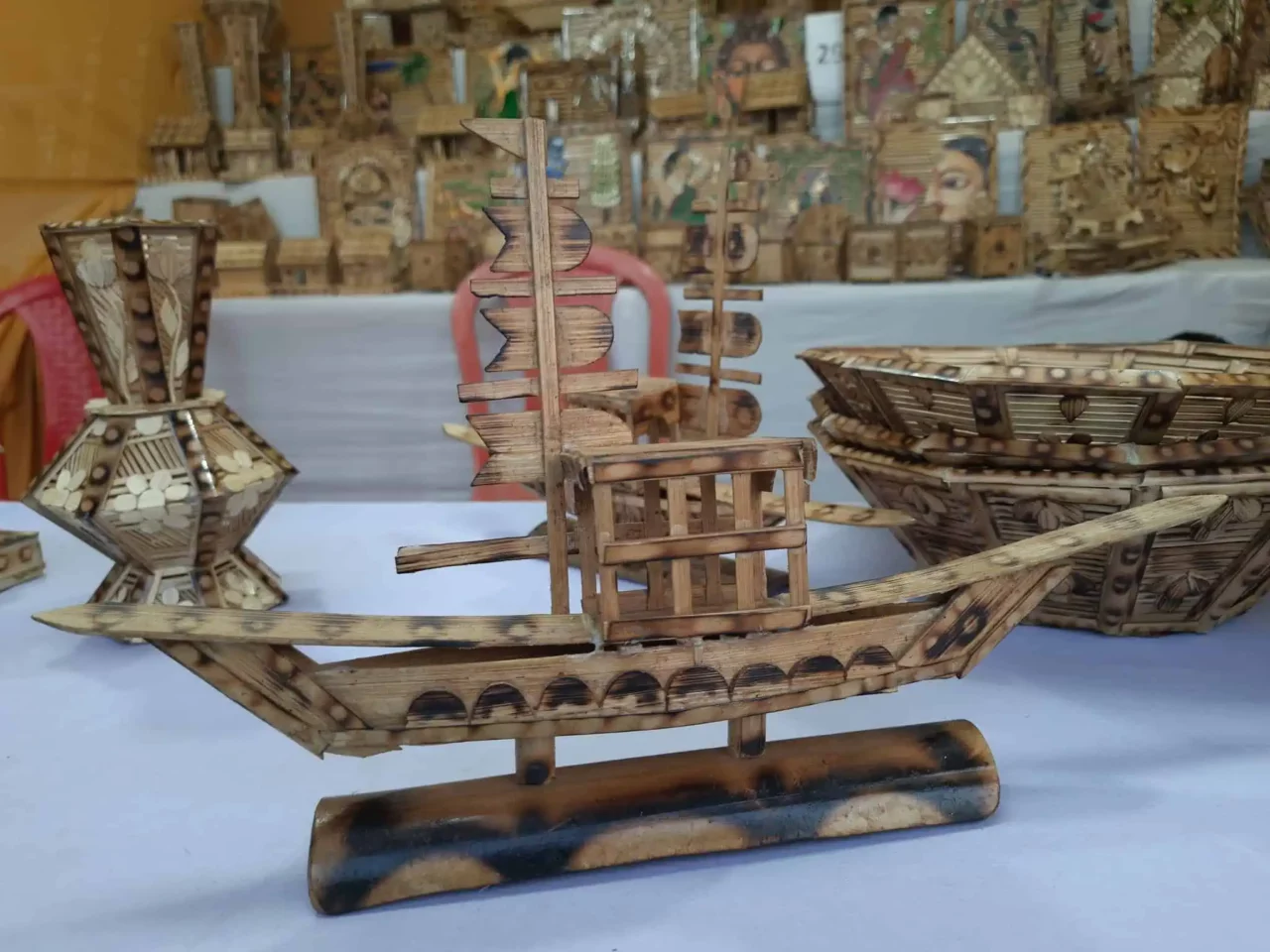
Travelers can acquire unique, sustainable regional goods directly from artisan cooperatives across the district:
- Kotpad Handloom Textiles: GI-certified vegetable-dyed cotton fabrics made with organic Aal root dye by Mirgan weavers.
- Dokra Metal Crafts: Lost-wax brass figurines portraying tribal musicians, harvest rituals, and forest fauna.
- Highland Spices and Honey: Organic black turmeric, wild honey, black pepper, and stone-ground ginger available at Tribal Development Cooperative Corporation outlets.
Suggested 5-Day Koraput Travel Itinerary
Day 1: Jeypore Arrival and Heritage Tour
Arrive via Jeypore Airport or Koraput Junction. Visit the historic Jeypore Palace ruins and spend sunset strolling around Jagannath Sagar.
Day 2: Deomali Peak and Mountain Trekking
Drive early to Deomali Hills. Hike the summit trail, view paragliding launches, and check into state eco-cottages for panoramic sunset views.
Day 3: Duduma Falls and Indigenous Haats
Descend to Duduma Waterfalls on the Machkund River. Coordinate travel with the Thursday Onkadelli market before returning via Maliguda Railway Viaduct.
Day 4: Gupteswar Cave and Kolab Lake
Tour the limestone caves at Gupteswar in the morning. Proceed to Kolab Reservoir in the afternoon for scenic lake boating and botanical garden visits.
Day 5: Tribal Museum, Coffee Estates, and Departure
Explore the Tribal Museum in Koraput town. Visit a local coffee plantation and purchase Kotpad textiles before departure.
Essential Travel Tips and Field Guidelines
- Cash Currency Requirements: Automated teller machines are available in Koraput and Jeypore, but weekly village haats and remote fuel outlets operate primarily on cash.
- Cultural Respect and Photography: Never photograph tribal community members without polite verbal consent. Avoid offering cash for casual photography, which disrupts community dignity.
- Telecom Networks: BSNL and Jio maintain the strongest mobile signals across mountain valleys, while private networks may lose reception outside urban centers.
- Footwear and Trekking Gear: Bring sturdy hiking shoes with lugged soles for limestone caves, waterfall stone stairs, and clay trail paths.
Frequently Asked Questions About Koraput Tourism
What is the best time of year to visit Koraput?
The ideal period to visit Koraput is from October to March when pleasant winter weather prevails across the Eastern Ghats. Day temperatures stay comfortable for trekking, and waterfalls maintain good volume following the post-monsoon period.
How can travelers reach Koraput from Bhubaneswar?
Travelers can board the daily overnight Hirakhand Express train from Bhubaneswar directly to Koraput Railway Station. Alternatively, private vehicles and OSRTC buses cover the 500-kilometer highway route via Rayagada or Berhampur.
Are permits required to visit tribal markets in Koraput?
Standard entry does not require formal permits for general tourists visiting Kunduli or Onkadelli weekly markets. Photography guidelines mandate asking permission before photographing indigenous community members, and commercial filming requires district authorization.
Is public transport readily available between sightseeing points in Koraput?
Local buses and auto-rickshaws run between major towns like Koraput, Jeypore, and Sunabeda. Reaching dispersed outdoor attractions such as Deomali, Duduma, and Gupteswar requires hiring a private taxi or self-driving vehicle.