Featured image for Koraput Nature Camp Pine Resorts: Travel Guide
Travel · · 22 min read

Koraput Nature Camp Pine Resorts: Travel Guide

Plan a stay at Koraput Nature Camp Pine Resorts with booking tips, prices, how to reach, nearby attractions, and local travel advice.
Koraput Nature CampPine Resorts KoraputEco Tourism OdishaKoraput TourismDeomali HillsOdisha Hill Stations

The first time I woke up at the Koraput Nature Camp, I didn’t hear an alarm. Instead, it was the hauntingly beautiful whistle of the Malabar Whistling Thrush—a bird locals call the “Whistling Schoolboy”—echoing through the tall, slender pine trees. As I stepped out of my cottage, a thick blanket of mist was crawling across the valley, and the sharp, refreshing scent of damp pine needles filled the air. There is something profoundly restorative about Koraput that you won’t find in the more crowded hill stations of India.

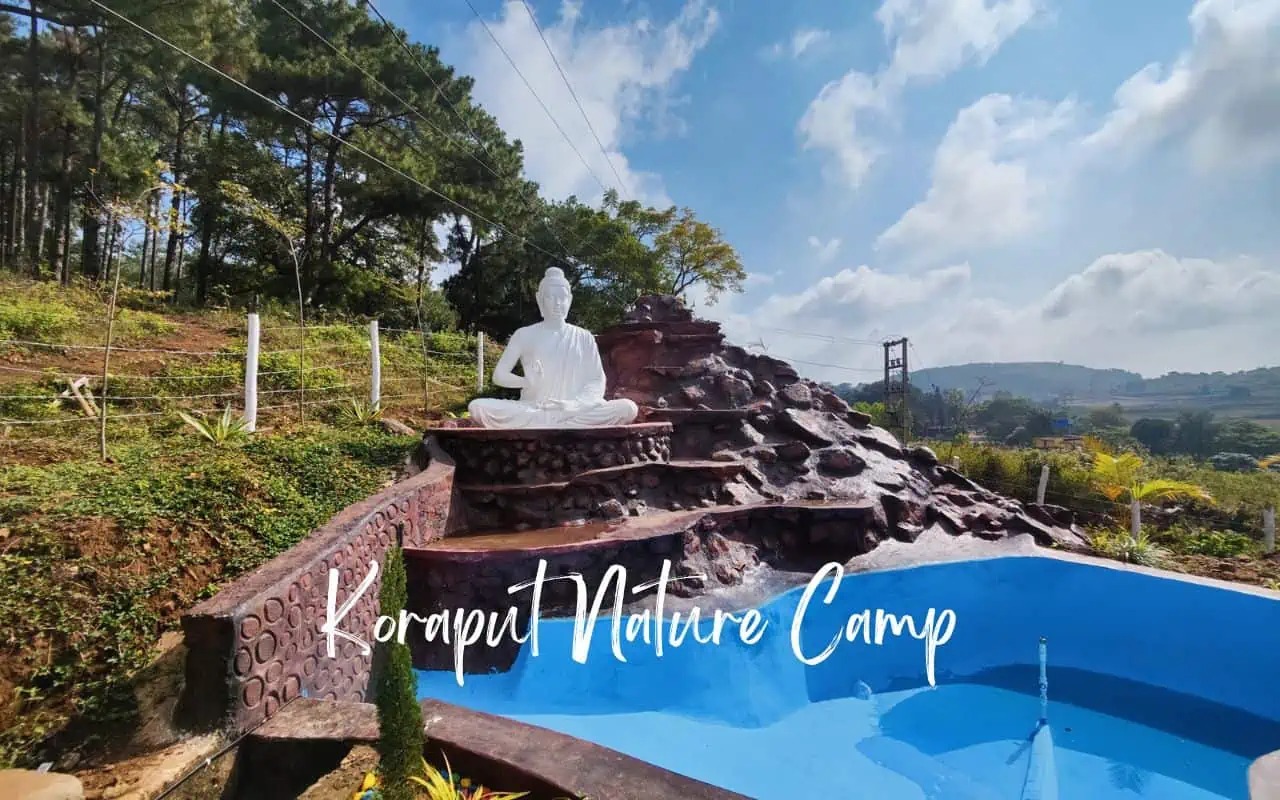
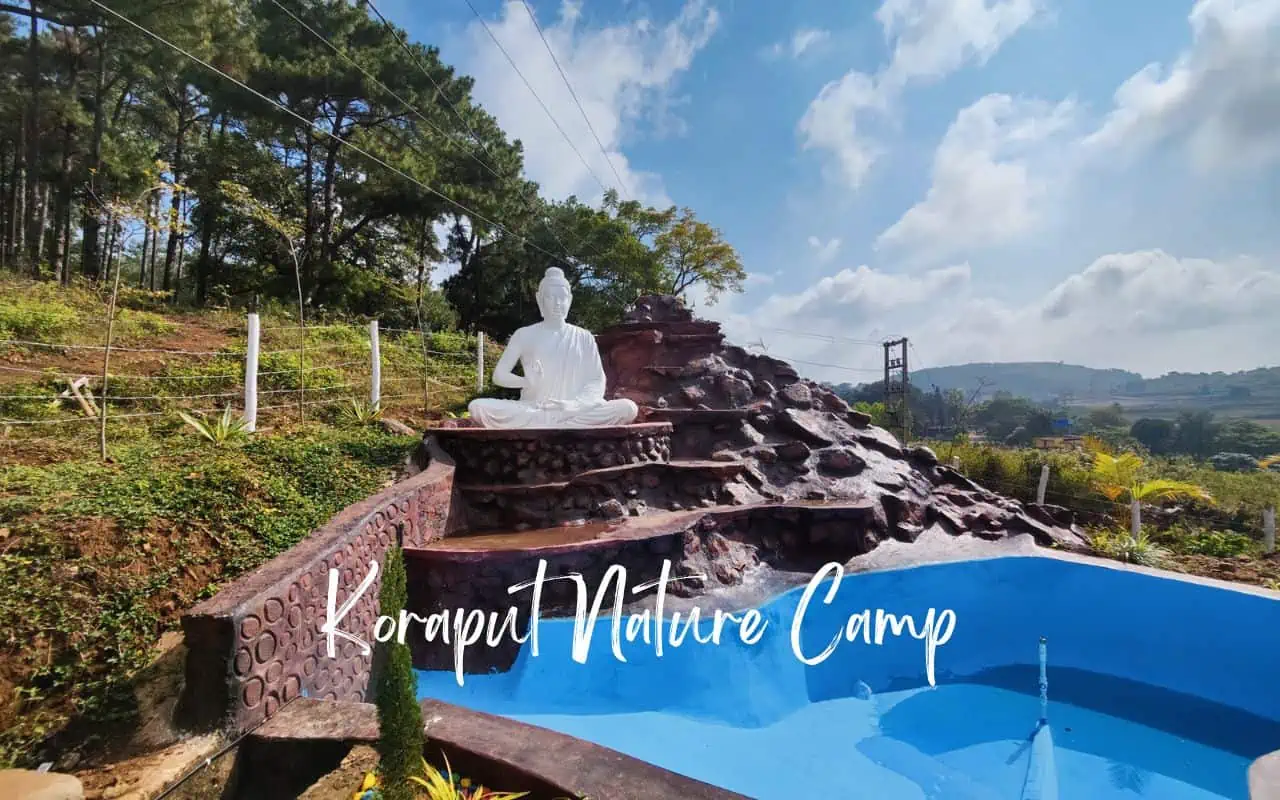
Koraput Nature Camp, often referred to as the Pine Resorts, is more than just a place to stay; it’s a sensory experience. Nestled in the Eastern Ghats of South Odisha, this eco-retreat offers a glimpse into a world where time seems to slow down. Whether you’re sipping a cup of locally grown Koraput coffee at dawn or watching the sun dip behind the rolling hills of the Deomali range, every moment here feels like a personal secret shared between you and nature.

In this comprehensive 2026 guide, I’ll take you through everything you need to know about Koraput Nature Camp Pine Resorts—from the latest booking prices and how to reach this hidden gem to the best local foods you must try and the nearby wonders that make Koraput the “Kashmir of Odisha.”

What is Koraput Nature Camp (Pine Resorts)?

Koraput Nature Camp is an eco-tourism initiative managed by the Odisha Forest Development Corporation (OFDC) in collaboration with Odisha Tourism. It is located within a sprawling pine plantation just a few kilometers from Koraput town. The camp is designed to offer travelers an immersive wilderness experience without sacrificing the comforts of modern life. It is widely considered one of the best places to visit in Koraput for nature enthusiasts.

The History Behind the Region

The district of Koraput, often referred to as the “Land of the Sabaras,” has a history that stretches back to ancient times. It was once part of the powerful Kalinga Empire and later the Kingdom of Jeypore. The rugged terrain and dense forests served as a natural fortress for the local tribes, who have preserved their unique way of life for centuries. When you stay at the nature camp, you are essentially standing on land that has witnessed the rise and fall of dynasties, yet has remained stubbornly pristine.

The pine plantation itself, where the resort is located, was a strategic effort by the forest department decades ago to introduce high-altitude flora to the region. Today, these towering trees have created a microclimate that is significantly cooler than the surrounding plains, making it the perfect spot for an eco-resort.

The Cultural Mosaic

Koraput is home to some of the most fascinating indigenous communities in India, including the Bonda, Gadaba, Paraja, and Didayi tribes. Each community has its own distinct language, social structure, and artistic traditions. The nature camp serves as a bridge between the modern traveler and this ancient cultural mosaic. If you’re interested in exploring the broader heritage of the state, check out our guide on the 20 best places to visit in Odisha.

During my stay, I learned that the local tribal philosophy is deeply rooted in the concept of “living with the forest, not off it.” This ethos is reflected in everything at the camp—from the construction materials to the way the staff interacts with the environment. It’s not just a vacation; it’s an education in sustainable living.

The Story of Koraput Coffee: From Beans to Brew

You cannot talk about Koraput without mentioning its coffee. Often overshadowed by the coffee estates of Chikmagalur and Coorg, Koraput is quietly becoming a hub for premium Arabica coffee. The high altitude (nearly 3,000 feet) and the iron-rich soil of the Eastern Ghats provide the perfect conditions for coffee cultivation.

A Colonial Legacy Turned Local Pride

Coffee was first introduced to Koraput by the Maharaja of Jeypore in the 1930s. However, it wasn’t until recently that “Koraput Coffee” became a global brand. Today, thousands of tribal farmers are engaged in organic coffee cultivation. During your visit to the Pine Resorts, you’ll notice the faint, sweet aroma of coffee blossoms if you visit during the flowering season (typically March-April).

The Coffee Trail Experience

While staying at the camp, make sure to visit a nearby coffee plantation. Walking through the rows of coffee shrubs, shaded by silver oak and pepper vines, is a serene experience. You can see the green berries turning into “cherries” (red ripe berries) and learn about the meticulous process of pulping, drying, and roasting. Many of these trails offer views similar to the misty valleys of Putsil.

The government has also opened a dedicated “Koraput Coffee” outlet in the town, where you can buy freshly roasted beans or grounds. I brought back several packets for friends, and now my morning kitchen in the city always smells like a Koraput sunrise. It’s one of the best souvenirs you can take home.

The Experience: Life in the Pine Forest

Staying at the Pine Resorts is about embracing the “slow life.” My typical morning there involved a short trek through the pine trails. The ground is often carpeted with dry pine needles, making every step soft and fragrant. If you’re lucky, you’ll see the sunlight filtering through the canopy in long, golden shafts—a photographer’s dream.

One of my favorite memories is sitting on the porch of my cottage with a hot bowl of Mandia Jau (finger millet porridge). It’s a local staple that keeps you energized for hours. As the day warms up, you can hear the wind “singing” through the pine needles—a low, rhythmic hum that is incredibly meditative.

For those who love birdwatching, Koraput is a paradise. I’ve spotted everything from the vibrant Scarlet Minivet to the elusive Grey Hornbill right from the camp’s dining area. The camp isn’t just a base for exploration; it is the destination itself.

Koraput Nature Camp Booking and Price Details 2026

If you’re planning a trip in 2026, it’s essential to book well in advance, especially during the winter months (November to February). The camp has gained immense popularity among travelers from Visakhapatnam, Raipur, and Bhubaneswar.

Accommodation Types

  1. AC Cottages: These are solid wooden/stone structures with large windows overlooking the forest. They come with all modern amenities, including comfortable double beds, clean linens, and attached bathrooms with geysers (much needed in the Koraput cold!).
  2. Swiss Tents: For those who want a bit more “outdoor” feel, the Swiss tents are fantastic. They are weather-proof, spacious, and elevated on platforms to keep the moisture out.

Current Pricing (Estimated for 2026)

Room TypeOccupancyBase Price (INR)Total with Taxes/Charges (INR)
AC Cottage2 Adults5,000~6,190
Swiss Cotton Tent2 Adults5,000~6,190

Inclusions: The price typically includes breakfast, lunch, and dinner for two people. Extra Person: Usually around INR 1,000 - 1,200 per night for children aged 4-18.

How to Book

The most reliable way to book is through the official Eco Tour Odisha portal. You will need to create an account, select “Koraput Nature Camp” from the list, and choose your dates. Make sure to carry a printout of your booking confirmation and a valid ID proof (Aadhar or Passport) for check-in.

Pro Tip: Check-in is at 12:00 PM and Check-out is at 10:00 AM. If you arrive early, the staff is usually happy to let you leave your luggage in the office while you explore the nearby trails.

How to Reach Koraput Nature Camp

Getting to Koraput is an adventure in itself, especially if you take the train. The route passes through dozens of tunnels and over high bridges, offering some of the best rail scenery in India.

By Air

The nearest airport is Jeypore Airport (PYB), located about 22 km from the camp. While flights are still limited, there are regular connections from Bhubaneswar. Alternatively, many travelers fly into Visakhapatnam (VTZ), which is about 200 km away, and then take a taxi or train to Koraput.

By Train

Koraput Junction (KRPU) is well-connected. The Visakhapatnam-Kirandul Express is the most scenic way to reach. If you are coming from Bhubaneswar, the Hirakhand Express is the most convenient overnight option. You can check schedules and book on the official IRCTC website.

By Road

Koraput is connected via the NH-26. The drive from Visakhapatnam is particularly beautiful as you climb the Araku ghats.

  • From Bhubaneswar: ~490 km (10-12 hours drive)
  • From Visakhapatnam: ~200 km (5 hours drive)
  • From Jeypore: ~22 km (45 mins drive)

Authentic Flavors: What to Eat in Koraput

One of the highlights of staying at Koraput Nature Camp is the food. While the camp serves standard Indian fare, I highly recommend asking for local Odia and tribal dishes.

  1. Mandia (Finger Millet): You must try Mandia Jau or Mandia Chakuli. It’s not just healthy; it’s the taste of the land.
  2. Bamboo Chicken (Khola Mansa): A tribal delicacy where chicken is marinated with local spices, stuffed into a bamboo stalk, and slow-cooked over a fire. The smoky aroma is unforgettable.
  3. Koraput Coffee: This is a revolution in itself. The coffee grown here is organic and has a distinct nutty flavor. Visit the “Coffee Trail” in Koraput town to try a fresh brew.
  4. Indigenous Mushrooms: If you visit during the monsoon or early winter, ask for Boda Chhatu. These wild mushrooms are a seasonal treat and taste better than any store-bought variety.

Nearby Attractions: Exploring South Odisha’s Gems

While you could easily spend your entire trip relaxing in the pine forest, Koraput district is packed with breathtaking sites that require at least 3-4 days to fully explore.

1. Deomali Hills: The Roof of Odisha

Located about 60 km from the camp, Deomali Hills is the highest peak in Odisha. Standing at 1,672 meters, it is a part of the Chandragiri-Pottangi hill range. The drive to Deomali is one of the most scenic in India. As you ascend, the landscape shifts from dense tropical forests to rolling grasslands that look like the Scottish Highlands.

When I reached the top just before dawn, the valley below was completely submerged in a sea of clouds. As the sun began to rise, the clouds turned from grey to a brilliant orange, and eventually, the peaks of the surrounding hills began to poke through like islands in an ocean. It is a spiritual experience. There are small viewpoints and benches at the top where you can sit and soak in the silence.

Traveler Tip: The wind at the top can be incredibly strong and cold, so even if it feels warm at the base, carry a windcheater.

2. Duduma Waterfalls: The Majestic Giant

About 70 km from the nature camp lies the Duduma Waterfall, one of the most iconic natural wonders of Odisha. Formed by the Machkund River, the waterfall plunges 157 meters into a deep, rugged gorge. The sound of the falling water can be heard from miles away.

Duduma is not just a waterfall; it is also a site of great ethnographic importance. The area is inhabited by the Bonda tribe, one of the oldest and most isolated indigenous groups in the world. You can often see Bonda women in their traditional attire—colorful beaded necklaces and heavy brass ornaments—visiting the local markets near the falls.

Photography Tip: Visit in the late afternoon for the best light on the falls. There is a viewpoint near the hydroelectric project that offers a panoramic view of the entire cascade.

3. Kolab Dam and Botanical Garden

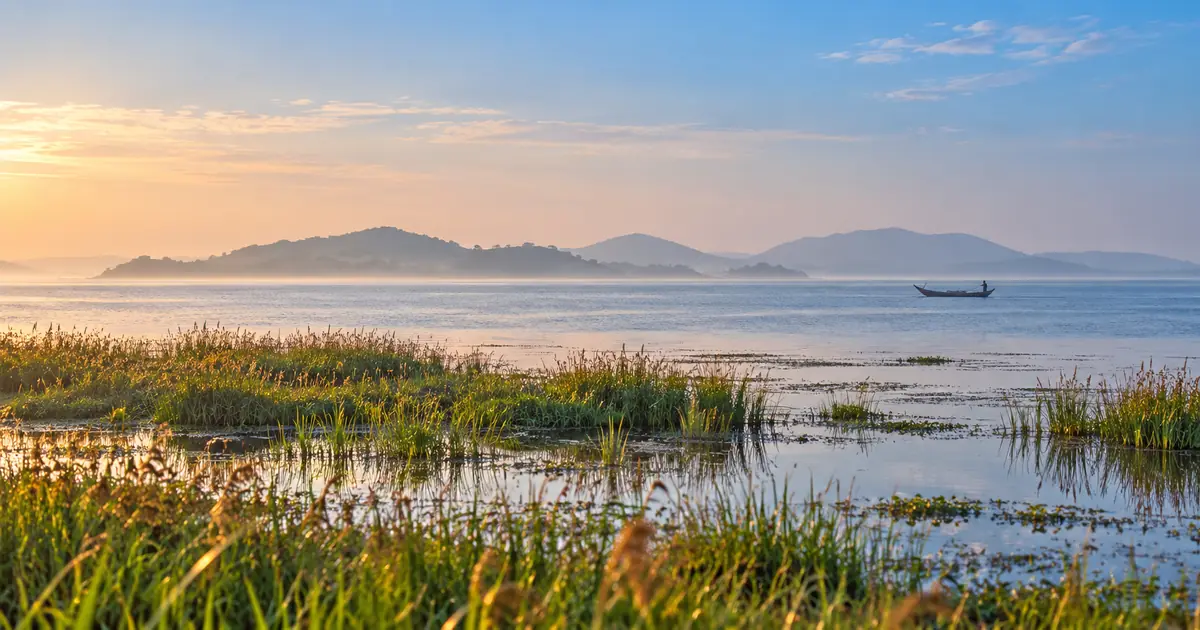
Just 15 km from the camp, the Upper Kolab reservoir is a massive body of water surrounded by hills. The dam was built for hydroelectric power and irrigation, but it has created one of the most beautiful recreational spots in the state.

The Kolab Botanical Garden, situated on the banks of the reservoir, is a well-maintained park with a wide variety of plants, a rose garden, and a musical fountain. It’s the perfect spot for a family picnic. I spent an evening there watching the sunset over the water, and the reflections were so perfect it was hard to tell where the sky ended and the lake began.

4. Gupteswar Cave Temple: The Hidden Lord

Located about 75 km away in a dense forest, the Gupteswar Cave is a pilgrimage site of immense significance. To reach the cave, you have to climb about 200 steps. Inside, there is a massive stalagmite that is worshipped as a natural Lingam of Lord Shiva.

The cave is surrounded by the Saberi River, and the atmosphere inside is cool and mystical. During the Maha Shivratri festival, thousands of pilgrims from Odisha, Chhattisgarh, and Andhra Pradesh visit this shrine. Even if you aren’t religious, the geological formations inside the limestone caves are fascinating.

5. Jeypore Palace and Town

The historic town of Jeypore (not to be confused with Jaipur in Rajasthan) was the capital of the Jeypore Kingdom. The Royal Palace, although partially in ruins, still reflects the architectural grandeur of a bygone era. The town is also famous for its local markets where you can buy traditional Odia handlooms and tribal jewelry.


The Vibrant Tribal Markets (Haats) of Koraput

One of the most authentic experiences you can have while staying at the nature camp is visiting a local “Haat” or weekly market. These markets are the heartbeat of the tribal economy and social life.

Onukudelli Market (Thursday)

If your trip falls on a Thursday, do not miss the Onukudelli market near Duduma. This is where the Bonda and Gadaba tribes come down from the hills to trade forest produce like honey, tamarind, and mahua flowers for salt, oil, and cloth.

It is a riot of colors and sounds. You’ll see tribal women with their distinctive jewelry and traditional headgear. It’s important to remember that these are people’s lives, not a tourist show. Be respectful, always ask for permission before taking photos, and consider buying something from the local vendors to support the community.

Kunduli Market (Friday)

The Kunduli market is famous for being the largest ginger and turmeric market in the region. It’s also a great place to see the Paraja tribe. The sheer scale of the trade here is mind-boggling, and the air is thick with the scent of fresh spices.

Local Delicacies at the Market

While at the market, try some of the local snacks.

  • Chakuli Pitha: Fermented rice pancakes served with a spicy curry.
  • Landa: A local fermented drink (be careful, it’s quite potent!).
  • Forest Honey: Buy a bottle of pure, wild honey—it’s the best you’ll ever taste.

Best Time to Visit Koraput Nature Camp

Winter (October to February): This is the absolute best time. The temperature can drop to 3°C or 4°C at night, and the morning mist is magical. It’s perfect for trekking and sightseeing.

Monsoon (July to September): Koraput turns into a lush emerald paradise. However, be prepared for leeches on trekking trails and occasional road blocks due to heavy rain.

Summer (March to June): While the rest of Odisha sizzles at 45°C, Koraput remains relatively pleasant (25°C - 35°C). It’s a great escape from the heat of the plains.

3-Day Sample Itinerary for Koraput

If you’re visiting for the first time, here is a suggested itinerary to help you make the most of your stay at the Koraput Nature Camp.

Day 1: Arrival and Pine Forest Immersion

  • Morning: Arrive at Koraput by Hirakhand Express or from Jeypore Airport. Check in to the Nature Camp.
  • Afternoon: Have a traditional Odia lunch at the camp. Take a guided walk through the Pine Forest trails.
  • Evening: Visit Sabara Srikhetra (Jagannath Temple) for a panoramic sunset view of Koraput town.
  • Night: Dinner at the camp followed by a bonfire (if available).

Day 2: The Highs and the Lows

  • Early Morning (4:00 AM): Leave for Deomali Hills to catch the sunrise.
  • Mid-Morning: Breakfast at a local eatery on the way back. Visit a coffee plantation.
  • Afternoon: Head to Kolab Dam and Botanical Garden. Relax by the reservoir.
  • Evening: Explore the local Koraput market and visit the Tribal Museum.

Day 3: Waterfalls and Tribal Culture

  • Morning: Drive to Duduma Waterfall (Machkund). Spend time at the viewpoint.
  • Afternoon: If it’s a Thursday, visit the Onukudelli Tribal Market. Otherwise, drive to Gupteswar Cave.
  • Evening: Return to the camp. Pack and prepare for departure.

Photography Tips for Your Koraput Trip

Koraput is a visual feast, but it can be tricky to photograph due to the high contrast and misty conditions.

  1. Golden Hour is Key: For the Pine Forest, the best time is about 30 minutes after sunrise when the light rays (God rays) filter through the trees.
  2. Long Exposure for Waterfalls: If you’re at Duduma, use a tripod and a slow shutter speed (0.5 to 2 seconds) to get that silky water effect.
  3. Portrait Ethics: When photographing tribal people, always establish a connection first. A smile goes a long way. Use a longer focal length (85mm or 135mm) if you want candid shots from a distance without being intrusive.
  4. Protect Your Gear: The moisture in the mist can be hard on electronics. Carry a rain cover for your camera and some silica gel packets in your bag.
  5. Wide Angle for Deomali: You’ll need a wide-angle lens (16mm to 24mm) to capture the vastness of the valley from the top of Deomali.

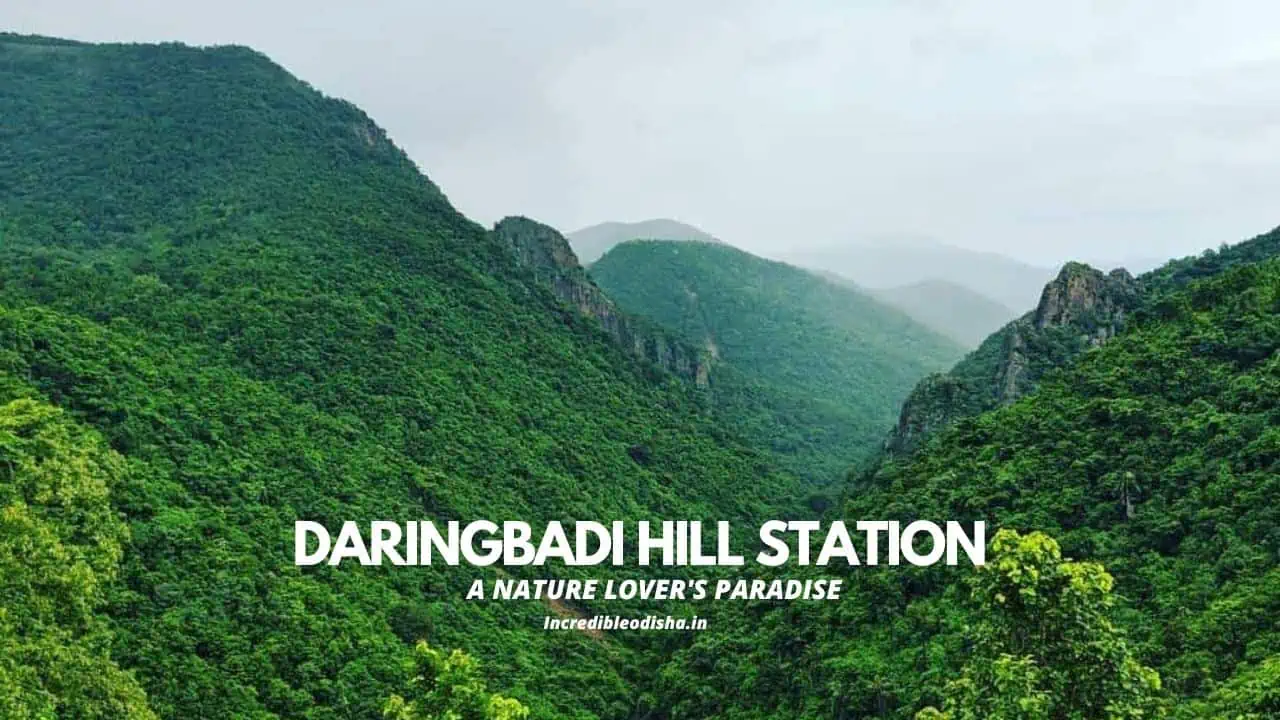
Koraput vs. Daringbadi vs. Araku: Which is Better?

Travelers often compare Koraput with Daringbadi (Odisha’s “Kashmir”) and Araku Valley in Andhra Pradesh. Here is a quick comparison:

FeatureKoraputDaringbadiAraku Valley
VibeRugged, Tribal, UntouchedRomantic, Pine ForestsCommercial, Coffee Estates
CrowdLowModerateHigh
TopographyHigh Peaks (Deomali)Rolling HillsLush Valleys
AccessibilityModerateDifficult (No Train)Easy (Train & Road)
Cultural DepthVery High (Ancient Tribes)ModerateModerate

My Take: If you want a romantic getaway with good roads and standard sightseeing, Daringbadi is great. If you want a commercial holiday with lots of cafes and resorts, Araku is the place. But if you want a raw, authentic, and soulful experience that connects you with nature and ancient cultures, Koraput is the clear winner.

Essential Packing List for Koraput Nature Camp

To ensure a comfortable stay, make sure you pack these essentials for your 2026 trip:

  • Clothing: Layers are your best friend. Even in summer, early mornings are cool. In winter, thermal wear is mandatory.
  • Footwear: High-ankle trekking boots for the hills and comfortable flip-flops for the camp.
  • Health: Basic first-aid kit, insect repellent (especially for monsoon), and any personal medications.
  • Electronics: Power bank (electricity can be spotty during storms), extra memory cards for your camera, and a good pair of binoculars.
  • Miscellaneous: A torch/flashlight, a light raincoat, and a sunhat.

Flora and Fauna: The Biodiversity of the Pine Forest

The Eastern Ghats are one of the world’s most significant biodiversity hotspots, and Koraput sits right in its heart. When you stay at the Pine Resorts, you aren’t just surrounded by pine trees; you are in a living, breathing ecosystem.

The Forest Canopy

While the camp is famous for its pine trees (mostly Pinus roxburghii), the surrounding hills are covered with a mix of moist deciduous and semi-evergreen forests. You’ll find majestic Sal trees, Teak, and the beautiful Indian Silver Oak. During the spring, the forest floors are often covered with the bright red flowers of the Palas tree (Flame of the Forest).

Wildlife Encounters

While you won’t find the large predators of Similipal here, the region is rich in smaller mammals and reptiles. Keep an eye out for the Giant Indian Squirrel—a colorful, large rodent that can often be seen leaping between trees near the camp. You might also spot barking deer or wild boars if you venture deeper into the forest trails with a guide.

The birdlife, as mentioned earlier, is the real star. Koraput is a transit point for many migratory birds during the winter. I’ve spent hours watching the Blue-capped Rock Thrush and the Verditer Flycatcher. The silence of the pine forest makes every bird call amplified, making it easy to track them down with a pair of binoculars.


Eco-Tourism Principles: Why Your Visit Matters

Choosing to stay at the Koraput Nature Camp isn’t just about a holiday; it’s an act of supporting sustainable development. The OFDC manages these camps with a strict “Leave No Trace” policy.

  1. Community Empowerment: Over 90% of the camp’s staff—from the kitchen crew to the forest guides—are local residents. By staying here, you are directly contributing to the local economy and providing a viable alternative to activities that might otherwise harm the forest.
  2. Waste Management: The camp has a robust system for managing waste. Guests are encouraged to minimize the use of single-use plastics. You’ll find that the water provided is filtered and safe, eliminating the need for bottled water.
  3. Conservation Awareness: Part of the revenue from your booking goes back into the conservation of the forest and the protection of the wildlife in the Koraput division.

As a traveler in 2026, it is our responsibility to ensure that these pristine places remain exactly as we found them. I always make it a point to pick up any litter I see on the trails and carry it back to the camp for proper disposal.


FAQs on Koraput Nature Camp (Expanded)

Is Koraput Nature Camp safe for families with kids?

Absolutely! The camp is fenced and safe. Kids love the open spaces and the adventure of staying in a “forest house.” There are large lawns for them to play on, and the staff is very accommodating with food preferences for children.

What is the mobile network like at Pine Resorts?

In 2026, the connectivity has improved, but it’s still best described as “intermittent.” Jio and Airtel are the most reliable. Don’t expect to stream 4K videos, but you can definitely send WhatsApp messages and make calls from most spots in the camp.

Do I need to carry my own blankets or woollens?

The camp provides high-quality blankets and quilts. However, I still recommend carrying your own set of thermals and a good jacket for when you are outside your room, especially during the early morning safaris or treks.

Is the water at the camp safe to drink?

Yes, the camp provides RO-purified water. It is safe and tested regularly. Using the camp’s water instead of buying plastic bottles is a great way to support their eco-friendly mission.

Are there any mosquitoes or leeches?

In the winter, mosquitoes are minimal. However, during the monsoon (July-September), leeches can be found on the forest trails. The camp staff provides salt or lime to handle them, but wearing high socks and full-length trousers is a good precaution.

Can I visit the camp for just a meal without staying?

While the camp primarily caters to staying guests, you can visit the restaurant if you call in advance. However, the best spots for photography and the quietest trails are reserved for guests staying at the resort.

Is there a hospital nearby?

Koraput town (5 km away) has a major district headquarters hospital and several private clinics. For any minor issues, the camp staff is trained in first aid and has a basic medical kit on hand.

What is the best way to travel from Visakhapatnam to Koraput?

The train is the most scenic, but the road is faster. If you want the best of both worlds, take the train (Visakhapatnam-Kirandul Passenger) to Koraput and return by taxi via the Araku valley road.


Final Thoughts: Why Koraput Should Be Your Next Adventure

Koraput is one of those rare places that stays with you long after you’ve left. It’s not just about the tall pine trees, the cascading waterfalls, or the cold mountain air; it’s about the feeling of being grounded and connected to the earth. It’s about the smiles of the Bonda women at the market, the taste of the first-ever organic coffee you’ve ever had, and the silence of the hills that is louder than any city noise.

Whether you’re an adventurer looking for the next peak to climb (Deomali is calling!), a birdwatcher with a checklist, or a weary soul seeking peace, Koraput Nature Camp Pine Resorts is waiting to welcome you with open arms. It is a reminder that beauty doesn’t always need a billboard—sometimes it’s just hidden in a pine forest, waiting for the right person to find it.

Plan your journey today, and let the “Kashmir of Odisha” take your breath away. Happy traveling!