23 Best Places to Visit in Cuttack District: 2026 Travel Guide
Discover the best places to visit in Cuttack district in 2026. Explore Barabati Fort, Dhabaleswar Temple, Ansupa Lake, Silver Filigree, and Dahibara joints.
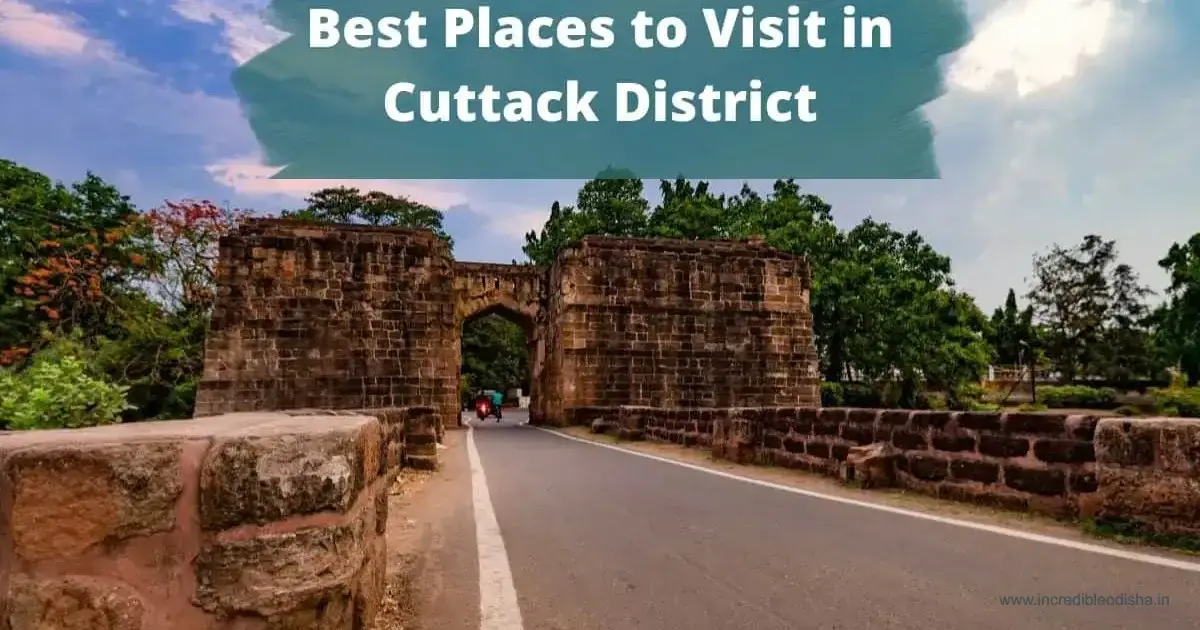
Founded in 989 CE by King Nrupa Keshari, Cuttack stands as the historic millennial capital of Odisha, positioned strategically at the bifurcation delta of the Mahanadi and Kathajodi rivers. Renowned worldwide as the Silver City for its delicate Tarakasi filigree craft, the district brings together ancient stone river embankments, medieval forts, island sanctuaries, and freshwater wetlands.
Key Takeaways
- Cuttack was founded in 989 CE at the delta of the Mahanadi and Kathajodi rivers, serving as Odisha’s capital for nine centuries.
- Must-visit urban landmarks include the 14th-century Barabati Fort, Netaji Birthplace Museum, and the Odisha State Maritime Museum.
- Key pilgrimage shrines include Dhabaleswar Island Temple, Maa Katak Chandi, Bhatarika, Charchika, and Singhanath Temple.
- Natural highlights feature Ansupa Lake (Odisha’s largest freshwater lake), Deojhar Waterfall, and sunset views at Naraj Barrage.
- Signature cultural experiences center on Tarakasi silver filigree craft, Bali Jatra on Kartika Purnima, and authentic Dahibara Aloo Dum.
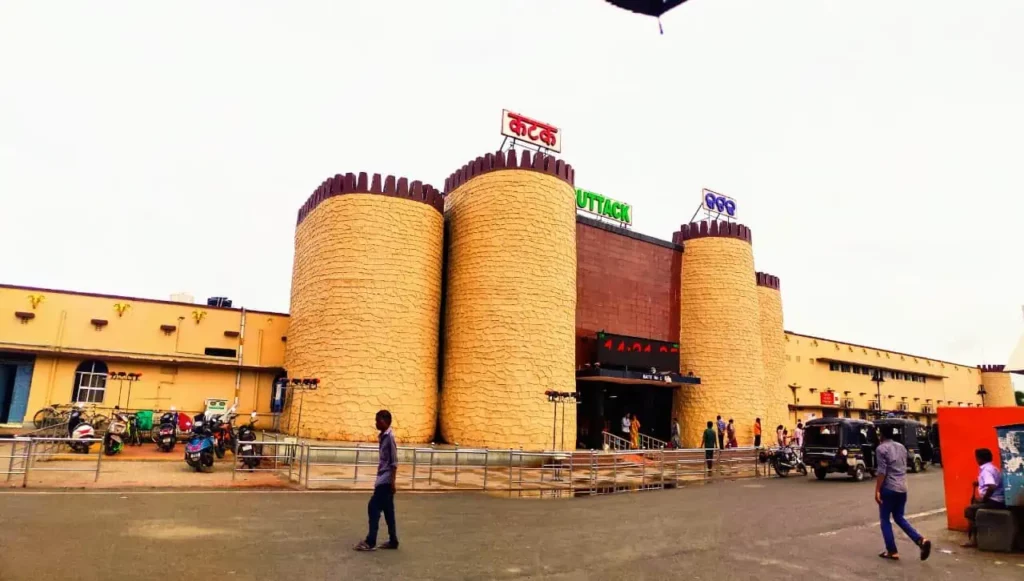
The Sanskrit word Kataka translates to a military cantonment or fortress, reflecting the defensive role the settlement played under successive Hindu, Mughal, Maratha, and British rulers. Today, the district serves as an educational and cultural center combining old-world merchant lanes with expanding civic infrastructure.
At-a-Glance: Top Tourist Landmarks in Cuttack District
Cuttack district spans an area of 3,932 square kilometers, stretching from fertile coastal river deltas to forested hill tracts bordering the Eastern Ghats. For complete administrative blocks, Census demographics, and governance details, see our comprehensive Cuttack district guide. Tourism development and heritage conservation initiatives are coordinated through the Odisha Tourism Development Corporation Official Portal.
| Destination | Category | Location / Distance from City | Key Highlights |
|---|---|---|---|
| 1. Barabati Fort | Medieval Heritage | Cantonment Road, Cuttack | 14th-century Ganga fortress ruins, moat, and arched stone gate |
| 2. Netaji Birthplace Museum | National Memorial | Odia Bazar, Cuttack | Ancestral Janakinath Bhawan with 12 galleries of Bose artifacts |
| 3. Maritime Museum | Maritime History | Jobra, Cuttack | 1869 workshop with 10 maritime galleries and traditional boats |
| 4. Stone Revetment | Civil Engineering | Kathajodi Embankment | 11th-century flood protection wall built by King Marakata Keshari |
| 5. Dhabaleswar Temple | Island Shrine | Mahanadi River, 27 km | 10th-century Shiva temple reached by suspension bridge and boats |
| 6. Katak Chandi Temple | Religious Landmark | Biju Patnaik Chowk, Cuttack | Presiding four-armed deity of Cuttack city |
| 7. Ansupa Lake | Eco-Tourism | Saranda Hills, 50 km | 382-acre horseshoe freshwater wetland hosting migratory birds |
| 8. Deojhar Waterfall | Nature & Trekking | Narasinghpur, 115 km | Multi-tiered forest waterfall with cool natural bathing pools |
Historic Forts, Monuments, and Museums in Cuttack City
The urban core of Cuttack preserves architectural remnants of empires that governed the coastal plains for over a millennium.
1. Barabati Fort
Constructed in the fourteenth century by rulers of the Eastern Ganga dynasty, Barabati Fort once stood as a nine-story citadel flanked by a wide defensive moat. Today, visitors can explore the monumental arched stone gateway, ancient earthen ramparts, and lotus-filled moats maintained by the Archaeological Survey of India Protected Monuments Portal. The elevated ramparts offer unobstructed views of the adjacent Barabati Stadium.
2. Netaji Birthplace Museum (Janakinath Bhawan)
Situated in Odia Bazar, this double-story ancestral mansion marks the birthplace of national hero Subhash Chandra Bose on January 23, 1897. The memorial contains twelve galleries showcasing authentic family letters, study furniture, historic photographs, and the original horse carriage used by the Bose family.
3. Odisha State Maritime Museum
Housed inside an 1869 British river navigation workshop at Jobra, the Cuttack Maritime History and Heritage Registry documents ancient trans-oceanic trade links with Southeast Asia. Exhibits feature life-size replicas of ancient Boita merchant vessels, antique maritime diesel engines, navigation instruments, and a marine life aquarium.
4. Stone Revetment of Cuttack
Constructed in the eleventh century under the reign of Somavamshi monarch King Marakata Keshari, these stone embankments protect the low-lying island city against river surges. The mortarless interlocking laterite blocks remain an enduring achievement of early civil engineering.
Famous Temples and Spiritual Sanctuaries in Cuttack
Cuttack district hosts an array of revered shrines representing Shaivite, Shakta, and Vaishnavite devotional lineages, featured extensively across our guide to famous temples across Odisha.
5. Dhabaleswar Island Temple
Perched on a green island in the middle of the Mahanadi River, this tenth-century Shiva shrine draws thousands of devotees during the sacred month of Kartika. Visitors access the sanctuary via an engineering suspension footbridge or by hiring local motor ferries from the riverbanks.
6. Katak Chandi Temple
Enshrined as the guardian mother of the Silver City, Maa Katak Chandi attracts thousands of worshipers daily. The four-armed stone icon rests upon a carved lion, drawing especially large gatherings during the Navratri and Durga Puja festivals.
7. Bhatarika Temple (Badamba)
Located along a rocky bend of the Mahanadi in Badamba, Bhatarika Temple honors Goddess Shakti. Regional folklore associates the sanctum with warrior-sage Parasurama, who performed penance along the riverside cliffs.
8. Charchika Temple (Banki)
Standing beside the Renuka River in Banki, Charchika Temple represents one of Odisha’s oldest Shakti pithas. The inner chamber preserves an eight-armed stone sculpture of Goddess Chamunda dating back to the ninth century.
9. Sovaneswara Temple (Niali)
Built during the Ganga era in Niali along the Prachi River valley, Sovaneswara Temple is celebrated for its stone carvings. Sculpted panels display celestial nymphs, musicians, and complex geometric friezes across the porch ceilings.
10. Paramahansa Nath Temple
Situated on the outskirts of Cuttack near the Birupa River, this peaceful Shiva complex features a perennial natural spring hole beside the central lingam that channels subterranean river water during the monsoon.
11. Nemala Achyutananda Samadhi Pitha
Located on the banks of the Chitrotpala River, Nemala houses the samadhi shrine of Saint Achyutananda Das, the sixteenth-century mystic of the Panchasakha tradition celebrated for his prophetic Malika scriptures.
12. Singhanath Island Temple
Occupying a secluded rocky islet on the Mahanadi River near Gopinathpur, this ninth-century shrine combines early Kalinga and Central Indian architectural elements with relief panels depicting the Ramayana and Mahabharata.
13. Lalitgiri Buddhist Complex
Situated 90 kilometers from Cuttack, Lalitgiri forms part of the celebrated Diamond Triangle of early Buddhist establishments. Excavations revealed ancient monasteries, a massive apsidal chaitya hall, and a gold casket containing sacred bone relics dating back to the first century CE.
Natural Wonders, Lakes, and Riverside Viewpoints
Beyond urban streets, Cuttack district offers lush freshwater wetlands, river confluences, and forest waterfalls.
14. Ansupa Lake and Nature Camp
Spanning approximately 382 acres at the base of the Saranda Hills, Ansupa is the largest natural freshwater wetland in Odisha. Visitors can explore wooden watchtowers, boat rides, and eco-cottages detailed in our Ansupa Lake and nature camp retreat guide.
15. Deojhar Waterfall
Located amidst the Narasinghpur hill ranges, this seasonal multi-tiered waterfall tumbles into a natural forest pool, making it a favorite day-trek destination for nature lovers.
16. Naraj Barrage Confluence
Naraj marks the exact geographic point where the Mahanadi River branches into the Kathajodi. The barrage bridge provides panoramic sunset viewpoints over river sandbars that host migratory waterfowl during winter months.
17. Dam Damani Forest Shrine
Located near Choudwar within the foothills of the Kapilash forest tract, Dam Damani features a perennial natural stream and a quiet forest shrine popular for weekend excursions.
18. Gadagadia Ghat
Positioned on the north bank of the Mahanadi near the Barabati ruins, this holy river landing hosts sacred morning dips and marks the ceremonial launch site of model boats during the Boita Bandana ritual.
19. Jobra Anicut and River Promenade
This historic weir built across the Mahanadi features manicured riverfront gardens, children’s play parks, and scenic promenades that capture evening river breezes.
20. Deer Park (Bidanasi)
Situated near the Madhusudan Bridge in Bidanasi, this municipal animal enclosure houses spotted deer within shady wooded compounds for family outings.
21. Choudwar Heritage Suburb
Located across the river from Cuttack, Choudwar served as an ancient imperial capital and retains medieval temple ruins such as Kapaleswar alongside modern manufacturing industries.
22. Banki Town and Riverside
Surrounded by coconut groves along the southern bank of the Mahanadi, Banki features agricultural landscapes and river ghats connecting to the Charchika temple complex.
Heritage Villages, Handicrafts, and Tarakasi Silver Filigree
Cuttack district is globally recognized for exquisite textile and metal craft traditions passed down across generations.
23. Maniabandha Weaving Village
Located 90 kilometers from Cuttack, Maniabandha is home to Buddhist and vegetarian master weavers specializing in tie-dye Bandhakala silk and cotton textiles. These delicate geometric patterns are documented in our overview of authentic Odisha handloom sarees.
The Tarakasi Silver Filigree Craft of Alisha Bazar
Cuttack’s five-hundred-year-old silver filigree craft transforms pure silver ingots into hair-thin metallic wires. Master silversmiths in workshops around Alisha Bazar and Buxi Bazar solder these gossamer strands into ornate brooches, earrings, decorative boats, and monumental tableau backdrops.
Durga Puja Chandi Medha and Bali Jatra Festivities
The cultural identity of Cuttack reaches its peak during major autumn festivals that draw visitors from across the country.
During autumn, the city hosts the world-famous Cuttack Durga Puja and Chandi Medha guide, where neighborhood committees adorn the goddess with elaborate backdrops hand-crafted from hundreds of kilograms of pure silver filigree. Prominent pandals including Choudhury Bazar incorporate golden crowns and ornaments, illuminating the city for five days of celebratory processions.
Following Durga Puja, the city hosts the historic Bali Jatra festival dates and trade fair guide beginning on Kartika Purnima. Spanning hundreds of acres along the Mahanadi riverbank, it ranks among Asia’s largest open-air trade fairs, commemorating Odisha’s ancient maritime expeditions.
Cuttack Street Food: The Dahibara Aloo Dum Experience
No visit to Cuttack is complete without savoring its iconic street delicacy, Dahibara Aloo Dum. The dish pairs soft, yogurt-soaked black gram dumplings with spicy potato curry and yellow-pea Ghuguni, topped with fresh coriander and chopped onions.
Vendors conclude every serving with a complimentary bowl of chilled, spice-infused Dahi Pani yogurt water. Long-standing stalls like Raghu Dahibara in Bidanasi and Ishwar Dahibara near Biju Patnaik Chowk enjoy legendary status among food lovers. Visitors can explore additional regional specialties in our guide to 10 famous Odisha foods you must try.
Recommended 1-Day and 2-Day Cuttack Travel Itineraries
Travelers can optimize their exploration of Cuttack district using structured route plans:
- 07:30 AM to 09:00 AM: Begin at Gadagadia Ghat for sunrise river views and breakfast of authentic Dahibara Aloo Dum.
- 09:30 AM to 11:00 AM: Tour Janakinath Bhawan to explore the Netaji Birthplace Museum galleries.
- 11:30 AM to 01:00 PM: Walk the stone ramparts and historic gateway of 14th-century Barabati Fort.
- 02:00 PM to 04:00 PM: Visit the Odisha State Maritime Museum at Jobra to view ancient ship models.
- 04:30 PM to 06:30 PM: Drive to Naraj Barrage for sunset river confluence views or cross to Dhabaleswar Island Temple.
Visitors with two days can spend their second morning exploring Ansupa Lake nature camps and Deojhar Waterfall before browsing silver filigree workshops in Alisha Bazar. Heritage enthusiasts planning extended itineraries north along National Highway 16 can also explore best places to visit in Jajpur district to tour ancient Buddhist monasteries and the sacred Biraja Temple.
How to Reach Cuttack by Train, Road, and Air
Cuttack is exceptionally well connected as a primary junction in the East Coast railway and highway network.
Cuttack Junction (CTC) accommodates major express lines connecting Howrah, Chennai, New Delhi, and Hyderabad. Daily Vande Bharat trains connect the city directly with Kolkata and Puri.
The city lies 30 kilometers north of Bhubaneswar along the six-lane National Highway 16, reachable in 45 minutes by Mo Bus intercity routes, private taxis, or state buses. Along the highway corridor near Phulnakhra, visiting families frequently spend recreation days at Ocean World Water Park Bhubaneswar before entering central Cuttack. Air travelers fly into Biju Patnaik International Airport (BBI) in Bhubaneswar, located 35 kilometers from central Cuttack.
Frequently Asked Questions About Cuttack District
What is Cuttack famous for among travelers?
Cuttack is celebrated for its 1,000-year history, Barabati Fort ruins, Tarakasi silver filigree craft, Dhabaleswar Island Temple, and Asia’s large-scale Bali Jatra fair. The city is also famous for its signature Dahibara Aloo Dum street food.
How far is Cuttack from Bhubaneswar?
Cuttack is located approximately 30 kilometers north of Bhubaneswar. The two twin cities are connected by National Highway 16 and frequent Mo Bus services with a typical drive time of 40 to 50 minutes.
How do visitors reach Dhabaleswar Island Temple?
Visitors can reach Dhabaleswar Island Temple by walking across the pedestrian suspension cable bridge or by taking passenger ferry boats from the river landing ghats. The temple sits roughly 27 kilometers from central Cuttack.
What is the best season to explore Cuttack district?
The winter months from October to March offer pleasant daytime temperatures between 15°C and 28°C. This period also coincides with Durga Puja, Kartika Purnima, and the open-air Bali Jatra fair.
What are the main handicrafts to buy in Cuttack?
Travelers frequently purchase Tarakasi silver filigree jewelry, miniature Konark stone wheel replicas, and traditional handloom Ikat sarees from nearby Maniabandha weaving cooperatives.