Featured image for Eco Tourism Odisha: Best Nature Camps and Retreats
Adventure · · 21 min read

Eco Tourism Odisha: Best Nature Camps and Retreats

Explore Odisha eco tourism with top nature camps, eco retreats, wildlife stays, booking tips, and sustainable travel ideas.

Eco Tourism OdishaNature CampsOdisha TourismEco Retreat OdishaWildlife Odisha

The first time I woke up in a tent at the Satkosia Sands Resort, it wasn’t an alarm that pulled me from sleep. It was the rhythmic splash of a gharial sliding into the Mahanadi River and the distant, haunting cry of a lapwing. As I unzipped the canvas and stepped out onto the cool sand, the morning mist was still clinging to the towering cliffs of the gorge. In that moment, the “Incredible Odisha” tagline felt less like a marketing slogan and more like a profound truth.

For years, many travelers saw Odisha through the lens of its magnificent temples or its bustling cities. But there’s another side to this state—one that breathes through the mangrove forests of Bhitarkanika, whispers through the pine trees of Daringbadi, and roars through the waterfalls of Similipal. Eco Tourism Odisha has evolved from a niche interest into the very soul of our travel culture. It’s about more than just seeing nature; it’s about becoming a part of it, even if just for a few nights.

In this 2026 guide, I want to take you beyond the brochures. We’ll look at the luxury of the Eco Retreat Odisha initiative, the rustic charm of our community-managed nature camps, and the practical secrets of booking your stay before the best spots disappear. Whether you’re a seasoned birdwatcher or a family looking for a digital detox, the wild heart of Odisha is waiting for you.

The Rise of Eco Tourism in Odisha: A Sustainable Revolution

Odisha has quietly become a global leader in community-based eco-tourism. What makes our model different is the “people-first” approach. Most of the 50+ nature camps across the state are managed by local Vanajurakhya Samitis (VSS) or village forest committees. This means the person guiding you through the jungle or cooking your traditional Odia meal is likely someone whose family has lived on that land for generations.

This sustainable revolution isn’t just about protecting trees; it’s about empowering people. By choosing a nature camp over a traditional hotel, you’re directly contributing to the conservation of endangered species like the Olive Ridley turtle or the Royal Bengal Tiger. In 2026, the state’s updated tourism policy has further strengthened this by mandating eco-friendly practices like rainwater harvesting, zero-waste management, and the use of solar energy at all major sites. The local communities are the true custodians of these lands, and their involvement ensures that the benefits of tourism are shared equitably, providing an alternative livelihood to poaching or illegal logging.

If you’re new to the state, I highly recommend starting with our overview of the 20 must-visit best tourist places in Odisha to see how these natural wonders fit into the larger cultural map.

Eco Retreat Odisha 2026: Luxury in the Wild

If you love nature but aren’t quite ready to give up your high-thread-count sheets and air conditioning, the Eco Retreat Odisha is for you. This “glamping” (glamorous camping) festival has become the flagship of Odisha Tourism. For the 2025-2026 season, the retreats are scheduled to run from December 1st to March 15th.

The 7 Iconic Locations for 2026:

  1. Konark (Ramchandi Beach): Imagine waking up to the sound of the Bay of Bengal and spending your day with high-speed water sports. The retreat here is set against the backdrop of the UNESCO world heritage site.
  2. Satkosia (Badmul): Luxury tents set on the white sands of the Mahanadi River, right at the edge of the tiger reserve. It’s the perfect place for those who want to hear the jungle breathe at night.
  3. Bhitarkanika (Pentha): Glamping amidst the mangroves, where you can watch the sunset over the crocodile-filled creeks. The beach here is famous for its serenity and is a short boat ride from the main sanctuary hub.
  4. Daringbadi: Known as the “Kashmir of Odisha,” this hill station retreat offers cool climes, mist-covered valleys, and views of coffee plantations. It’s a favorite for honeymooners and families alike.
  5. Hirakud: Overlooking the vast expanse of the world’s longest earthen dam, perfect for tranquility, birdwatching, and sunset boat rides. The tents here offer some of the most stunning water views in India.
  6. Sonapur: A hidden gem on the Ganjam coast, offering a pristine beach experience at the confluence of the Bahuda River and the Bay of Bengal. It’s one of the most secluded retreats in the circuit.
  7. Putsil (Koraput): The newest addition, nestled in the high valleys of the Eastern Ghats, offering a rugged mountain experience with clouds floating at your tent’s doorstep. It’s the highest altitude retreat in the state.

Bookings for these retreats usually open in October. It’s a premium experience, complete with five-star dining (often featuring local ingredients), cultural evenings, and curated tours. For official updates on rates and availability, always check the Official Eco Retreat Odisha website.

Eco Tourism Odisha Scenic View A typical evening at an Odisha nature camp, where the boundaries between luxury and nature blur.

1. Bhitarkanika Nature Park: The Mangrove Kingdom

Bhitarkanika is often called the “Amazon of India,” and for good reason. This sprawling wetland in the Kendrapara district is the second-largest mangrove ecosystem in the country. The nature camps here, located at Dangmal, Gupti, and Habalikhati, offer an experience that is truly primeval.

I remember my first boat safari in Bhitarkanika. The silence of the creeks was only broken by the occasional “plop” of a saltwater crocodile sliding into the water. These aren’t just any crocodiles; Bhitarkanika is home to the world’s largest saltwater crocodiles, some reaching over 20 feet in length! The mangrove forest itself is a labyrinth of roots and branches, acting as a natural shield for the coastline against cyclones. The biodiversity here is staggering, with kingfishers in every color of the rainbow and monitor lizards that look like prehistoric remnants.

Highlights of Bhitarkanika:

  • Boat Safaris: Navigating through the narrow mangrove creeks is like entering another world. Look for the massive crocodiles basking on the mudbanks.
  • Turtle Nesting: If you visit between January and March, you might witness the mass nesting (Arribada) of the Olive Ridley sea turtles at the nearby Gahirmatha beach.
  • Birdwatching: The park is home to over 215 species of birds, including eight different types of kingfishers and the rare Mangrove Pitta.
  • Habalikhati Beach: A secluded beach camp where you can stay in eco-cottages just a few meters from the waves. It’s a 4-km trek or a long boat ride from the main hub, perfect for those seeking absolute solitude.

For a deeper dive into this incredible park, read our full Bhitarkanika National Park Guide, which covers everything from the best safari routes to the history of the Kanika kings.

Bhitarkanika Mangroves Exploring the narrow creeks of Bhitarkanika, where crocodiles bask on the muddy banks.

2. Similipal Nature Camp: The Heartland of the Tiger

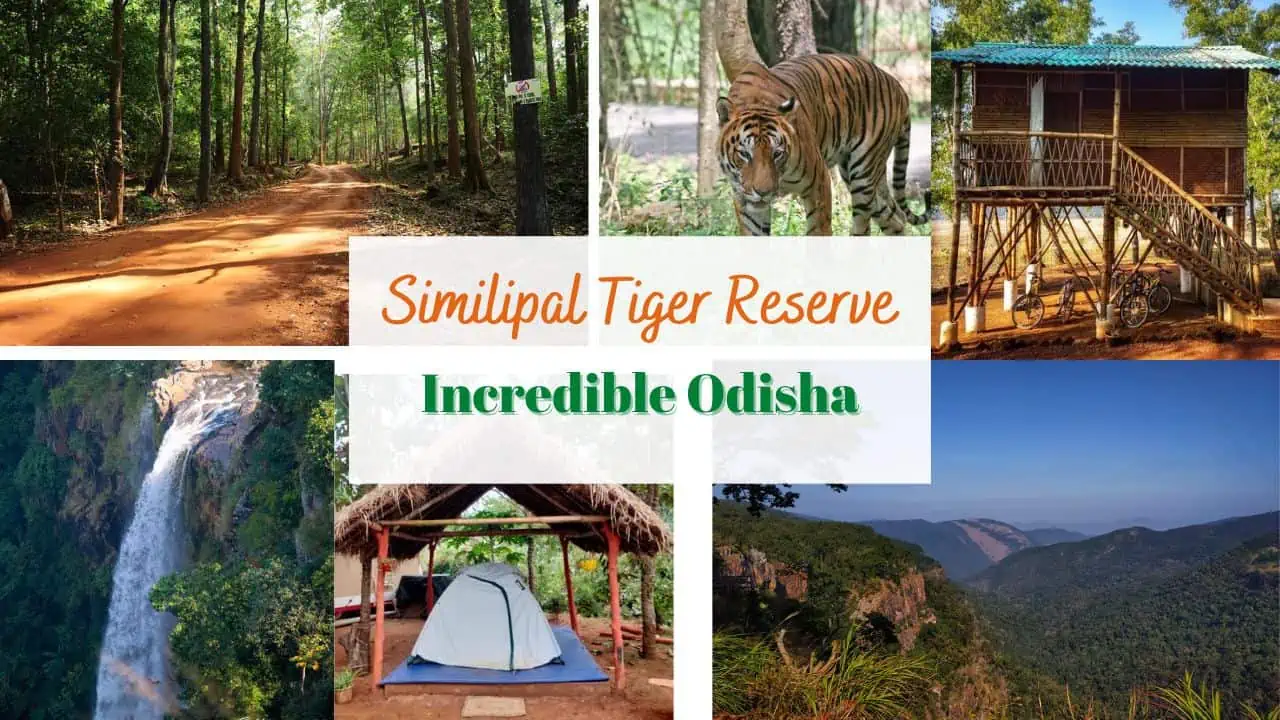
Similipal is massive, mysterious, and absolutely mesmerizing. Located in the Mayurbhanj district, this biosphere reserve is a sprawling landscape of red earth, dense Sal forests, and spectacular waterfalls like Barehipani and Joranda.

The nature camps at Jamuani, Gurguria, and Kumari are perfect for those who want a true wilderness experience. I once spent three days at the Kumari nature camp, and the sheer scale of the forest was humbling. The park is a tiger and elephant reserve, and while you might not always spot the big cats, the evidence of their presence—pugmarks and alarm calls—is everywhere. The high-altitude plateaus of Similipal offer a climate that is vastly different from the coastal plains, often requiring woolens even in early summer.

What to do in Similipal:

  • Waterfall Hopping: Barehipani, with its two-tiered drop of nearly 400 meters, is a sight you won’t forget. Joranda is equally stunning, with a straight vertical drop that creates a permanent mist in the gorge.
  • Trekking: There are several guided nature trails that take you deep into the core area. Always go with a forest guard for safety and to learn about the flora.
  • Orchidarium: Gurguria is famous for its collection of wild orchids, which are in full bloom during the spring (March and April). It’s a botanist’s paradise.
  • Local Culture: Interact with the Santhal and Kolha tribes. Their traditional knowledge of the forest, including medicinal plants and sustainable harvesting, is incredible.

If you love waterfalls, Similipal is a goldmine. You can see how its falls rank in our full list of waterfalls in Odisha.

Similipal Tiger Reserve The dense canopy of Similipal, one of India’s most important biosphere reserves.

3. Satkosia Nature Camp: The Sands and the Gorge

Satkosia is where the Mahanadi River cuts through the Eastern Ghats, creating a stunning 22-km long gorge. The nature camps here are famous for their “sand bar” experiences. At Badmul (Satkosia Sands Resort), you stay in tents right on the riverbank, surrounded by the Satkosia Tiger Reserve.

One of my favorite memories of Satkosia is the evening boat cruise. As the sun sets behind the hills, the water turns into liquid gold. You can see mugger and gharial crocodiles basking on the rocks, and if you’re lucky, you might even spot a leopard or a herd of elephants coming down to the water’s edge for a drink. The “Gorge View” is a spectacular sight where the river narrows between towering hills.

Satkosia Activities:

  • Mahanadi River Cruise: A must-do for wildlife spotting and seeing the scale of the gorge. The quietness of the electric motors used here ensures no disturbance to the animals.
  • Birdwatching: The area is a haven for the Indian Skimmer, which nests on the sandbars, and various species of eagles and vultures.
  • Trekking: The “Gorge View” trek offers a breathtaking panoramic view of the river winding through the hills. It’s a moderately difficult climb but well worth the effort.
  • Stargazing: With almost zero light pollution, the night sky at Satkosia is a celestial masterpiece. Many nature camps now offer basic telescopes and astronomy guides for guests.

For more details on the resort and booking, check out our guide to Satkosia Tiger Reserve and Sands Resort.

Satkosia Gorge The majestic Satkosia Gorge, where the Mahanadi River meets the mountains.

4. Chilika Nature Camps: The Lagoon of Life

Chilika is India’s largest coastal lagoon and a UNESCO tentative world heritage site. The nature camps at Rajhans, Berhampura, and Mangalajodi offer three very different experiences.

Mangalajodi is particularly special. Once a haven for poachers, it has been transformed by the local community into a world-class birdwatching destination. Sitting in a silent, hand-paddled boat as thousands of migratory birds take flight around you is a spiritual experience. The conservation success story here is a model for the entire country and has won numerous international awards for community-led conservation.

Chilika Highlights:

  • Dolphin Spotting: Take a boat from Satapada to see the rare Irrawaddy Dolphins. They are famously shy, so be patient and keep the engine noise low. Morning is the best time for spotting before the heat of the day.
  • Birding at Mangalajodi: Best visited between November and February when the migratory birds from Siberia and the Caspian Sea are here in millions.
  • Island Camping: Stay at Rajhans, a narrow strip of land with the lagoon on one side and the Bay of Bengal on the other. You can hear the crashing waves of the sea while the lagoon remains perfectly calm.
  • Kalijai Temple: A quick boat ride to the island temple is a local tradition and offers great views of the expansive lagoon. It’s especially vibrant during the Makar Mela.

Plan your trip with our Chilika Lake 2026 travel guide to make sure you catch the best of the migratory season.

Chilika Nature camp Sunset over the calm waters of Chilika Lake, a paradise for birdwatchers.

5. Debrigarh Nature Camp: The Hirakud Sanctuary

Located on the banks of the Hirakud Reservoir in Sambalpur, Debrigarh is one of the easiest sanctuaries to spot wildlife in their natural habitat. The nature camp at Debrigarh (managed by the Hirakud Wildlife Division) offers stunning views of the water and is known for its high density of prey animals.

What I love about Debrigarh is its accessibility. You can drive your own vehicle into parts of the sanctuary, and the concentration of four-horned antelopes and Indian Gaurs is quite high. The sight of thousands of migratory ducks and geese on the reservoir during winter is simply spectacular. The camp itself is built on a ridge, offering panoramic views of the Hirakud dam’s backwaters and the island known as “Cattle Island.”

Why visit Debrigarh:

  • Wildlife Safaris: High chance of spotting Gaurs, leopards, and sambar deer. The sightings here are more consistent than in the larger tiger reserves.
  • Sunset Cruises: The Hirakud reservoir offers some of the best sunset views in the state. The water reflects the orange and purple hues of the sky beautifully.
  • Hiking: The trails along the ridge of the Barapahad hills offer great views of the dam and the surrounding forest.
  • Proximity to Hirakud: Combine your trip with a visit to the Hirakud Dam, one of the engineering marvels of modern India.

Debrigarh Nature Camp The lakeside cottages at Debrigarh, offering a front-row seat to the wildlife of the reservoir.

Indigenous Knowledge and Eco-Tourism

One of the most enriching parts of Eco Tourism Odisha is the opportunity to learn from the indigenous communities. The tribes of Odisha, such as the Bondas, Gadabas, and Santhals, have a relationship with the forest that is thousands of years old. Their survival depends on the health of the ecosystem, and their traditional practices are inherently sustainable.

Many nature camps now offer “Indigenous Knowledge Tours.” During these sessions, local elders explain the medicinal uses of forest plants, demonstrate traditional sustainable farming techniques like Podu (in its regulated form), and share oral histories that link their culture to the land. This is not just a tourist activity; it’s a vital part of preserving Odia heritage. When you walk through a forest with a Santhal guide, you see the trees not just as timber or scenery, but as ancestors, providers, and sacred entities.

Eco-Tourism for Families: Learning Beyond the Classroom

Odisha’s nature camps are incredible learning environments for children. Away from tablets and televisions, kids can learn about biodiversity, climate change, and conservation in a hands-on way. Many camps offer junior naturalist programs where children can learn to identify bird calls, track pugmarks, and understand the importance of mangroves.

I’ve seen kids who were previously afraid of insects become fascinated by a leaf-cutter ant colony or the intricate web of a giant wood spider. These experiences foster a lifelong respect for nature that no textbook can match. It’s the ultimate “edutainment” for the next generation of eco-warriors.

Adventure Eco-Tourism in Odisha

For the adrenaline junkies, eco-tourism in Odisha isn’t just about quiet birdwatching. The state has been actively promoting adventure sports within its natural sites to attract a younger demographic and promote a diverse tourism experience.

  • Paragliding at Putsil: The high valleys of Koraput have become a hub for paragliding, offering bird’s eye views of the Eastern Ghats.
  • River Rafting: During the post-monsoon months (October and November), parts of the Mahanadi near Satkosia offer mild to moderate river rafting experiences.
  • Sea Kayaking: Konark and Chilika are becoming popular for kayaking, allowing you to explore the water at your own pace without the noise and pollution of a motor.
  • Caravan Tourism: 2026 has seen the launch of caravan parks at major nature camps, allowing travelers to explore the state in specialized motorhomes with dedicated parking and service stations.

How to Book Eco Tourism Odisha Camps in 2026

Booking these camps has become much easier thanks to a centralized online system. Here is the step-by-step process for 2026:

  1. Visit the Official Portal: Go to Eco Tourism Odisha (ecotourodisha.com). This is the only official site for nature camp bookings.
  2. Select Your Destination: Browse by district or by specific sanctuary. Each camp page has detailed information on the type of accommodation (tents, cottages, or Forest Rest Houses).
  3. Check Availability: Most camps only have 4 to 10 rooms/tents, so they book up fast. I recommend booking at least 30-45 days in advance for peak season (Nov-Feb).
  4. Confirm and Pay: The rates include all meals. Payment is typically made online. Keep a soft copy of the payment receipt.
  5. Entry Permits: Carry a printed copy of your booking confirmation. For core zones, additional entry fees for vehicles and cameras are paid at the entry gate. Ensure you carry a valid photo ID for all guests.

Pro Tip: If you’re looking for the high-end luxury experience of the Eco Retreats, use the Book Odisha portal or the dedicated Eco Retreat Odisha website.

Wildlife Photography in Odisha: A Guide

Odisha is a photographer’s paradise, but shooting in the dense jungle or on the expansive lagoon requires specialized skills and equipment.

  • The Gear: A lens with at least 400mm focal length is essential for birds in Chilika. For landscapes in Daringbadi or Satkosia, a wide-angle lens (16-35mm) is great. A tripod is helpful for low-light shots in the forest.
  • The Light: Morning light (6 AM to 9 AM) and late afternoon light (3 PM to 5 PM) are best. The “golden hour” in the Satkosia gorge is particularly famous among professional photographers for its warm, dramatic shadows.
  • Ethics: Never use flash on animals. It stresses them and can lead to dangerous reactions. Keep a safe distance, especially from elephants and crocodiles. Never ask your guide to “drive closer” if it disturbs the animal.
  • Camouflage: Wear muted colors (greens, browns, greys) to blend into the forest. Bright colors can alert animals to your presence long before you see them.

A Day in the Life at an Odisha Nature Camp

To give you an idea of what to expect, here is a typical schedule for a guest at a camp like Badmul or Dangmal:

  • 5:30 AM: Wake up to the sound of birds and have a quick tea/coffee.
  • 6:00 AM: Head out for an early morning safari or boat ride when the wildlife is most active.
  • 9:00 AM: Return to the camp for a hearty traditional breakfast featuring local grains like Mandia (ragi).
  • 11:00 AM: A guided nature walk or visit to a nearby tribal village to learn about local crafts like Dokra or Ikat.
  • 1:30 PM: A traditional Odia lunch featuring fresh local produce and seasonal vegetables.
  • 3:30 PM: Afternoon boat safari or trek to a scenic viewpoint for sunset.
  • 7:00 PM: Campfire and cultural performances by local villagers, often featuring traditional dances.
  • 8:30 PM: Dinner and stargazing before retiring to your tent or cottage.

The Responsible Traveler’s Checklist

Eco-tourism is a privilege, not just a service. To ensure these places remain pristine for the next generation, here are a few rules I always follow:

  • Plastic is Poison: Many nature camps are strictly “Plastic Free Zones.” Carry your own reusable bottle and take any non-biodegradable waste back with you to the nearest city.
  • Silence the Speakers: You’re there to hear the forest. Use headphones if you must listen to music. Loud noise is a form of pollution that disrupts the acoustic environment of the wild.
  • Respect the Map: Stick to the marked trails. Wandering off can damage fragile ecosystems and put you in the path of wild animals (especially in elephant corridors).
  • Support the Locals: Buy the forest honey, hand-woven shawls, and local spices. Your money goes directly into the village economy and encourages them to value the forest over illegal activities.
  • Zero Disturbance: Never feed wild animals. It makes them dependent on humans and can lead to dangerous human-wildlife conflicts.

Planning Your 2026 Eco-Calendar

  • November to February: Peak season! Best for birdwatching at Chilika, turtle nesting at Gahirmatha, and all the luxury Eco Retreats. The weather is cool and pleasant across the state.
  • March to May: Best for seeing the Palash (Flame of the Forest) and Mahua in bloom. High chance of spotting tigers and elephants at water holes as the forest dries up. It can be hot, so plan for early morning safaris.
  • June to September: The monsoon season. Most core areas are closed for safety and breeding. However, hill stations like Daringbadi and Putsil are stunningly green and perfect for a cozy, rainy-day retreat.

Frequently Asked Questions (FAQs)

1. Are the nature camps safe for solo female travelers? Yes, absolutely. Since the camps are managed by the forest department and the local community, they are very safe. The staff is usually very welcoming and treats guests like family. I’ve met many solo travelers who had a great experience in places like Satkosia and Debrigarh.

2. Is food provided at the nature camps? Yes, almost all Odisha nature camps provide all three meals (breakfast, lunch, and dinner) as part of the package. The food is usually traditional Odia cuisine—simple, fresh, and delicious. You’ll often get to taste local forest produce and fresh lake/river fish.

3. Do the camps have electricity and mobile network? Most camps have 24/7 electricity. However, mobile network is often non-existent in core areas of Similipal or Satkosia. Use it as an opportunity for a digital detox and enjoy the sound of the forest instead. Some high-end Eco-Retreats provide Wi-Fi in common areas.

4. Are these camps accessible for elderly travelers? Most camps like Dangmal or Badmul are quite accessible. However, some like the hilltop camps in Similipal or the remote base at Mahendragiri might be challenging for those with limited mobility. Always check the specific camp details and “accessibility” tags on the booking portal.

5. What should I pack for an Odisha nature camp trip? Pack light cotton clothes for the day and a light jacket for the evenings. For winter trips to Daringbadi or Similipal, heavy woolens are necessary. Don’t forget walking shoes, a hat, binoculars, a high-capacity power bank, and insect repellent.

6. Can I visit these camps on a day trip? While possible for some like Debrigarh or Satapada, I highly recommend staying at least one night. The true magic of these places happens at dawn and dusk when the wildlife is most active and the light is most beautiful.

7. Is there a cancellation policy for nature camps? Yes, the official portal has a structured cancellation policy. Usually, you get a partial refund if you cancel 15-30 days in advance. Check the latest terms on the ecotourodisha.com website before finalizing your payment.

8. Do I need a permit for my camera? Professional DSLR cameras and video equipment usually require a separate permit and fee, which is paid at the forest entry gate. Mobile phone cameras are typically free of charge.

9. Can I bring my pets to the nature camps? Generally, pets are not allowed in wildlife sanctuaries and nature camps for the safety of both your pets and the wild animals. It’s best to leave them at home or with a pet-sitter.

10. What is the best way to travel between different nature camps? Private taxis are the most flexible way to travel between remote camps. For some locations, local OSRTC buses or trains (like the Hirakhand Express) are available, but you’ll still need a local auto or taxi to reach the actual camp site.

Odisha’s wild spaces are more than just destinations; they are a reminder of our connection to the Earth. As you sit by a campfire in Debrigarh or watch the sunrise over the Mahanadi at Satkosia, you’ll realize that the true luxury of travel isn’t a gold-plated bathroom—it’s the privilege of witnessing the world in its most natural state. The memories of a night spent in the heart of Odisha’s wilderness will stay with you long after the tan lines have faded and the city noise returns.

So, where will your 2026 adventure take you? Whether it’s the mangroves, the mountains, or the mysterious forests, Odisha’s nature camps are ready to welcome you with the warm hospitality and raw beauty that defines our incredible state.

If you enjoyed this guide, please share it with your fellow nature lovers! For more daily inspiration and local tips, follow us on Instagram: Incredible Odisha. To start planning your trip, visit the official Odisha Tourism Website.