Maa Kanta Baunsuni Temple Damanjodi: Visitor Guide
Explore Maa Kanta Baunsuni Temple in Damanjodi with sacred grove history, local legends, and visitor tips from Koraput today.
The first time I stood at the edge of the Maa Kanta Baunsuni Temple in Damanjodi, I felt a strange, humbling silence. It wasn’t the kind of silence you find in a library or an empty room. It was a living, breathing hush—the kind that only exists in a forest that knows it’s being watched by something divine. To my left, the massive industrial chimneys of NALCO puffed out steam, a testament to modern engineering. But right in front of me, the primitive, thorny bamboo forest of Sindhipar village stood exactly as it has for centuries. There’s something magical about this place; it’s a living reminder that while humans can build giants of steel, nature still holds secrets that we aren’t allowed to touch.
Most people come to Damanjodi for work or to see the famous Panchpatmali hills, but if you don’t take the short detour to this sacred grove, you’re missing the very soul of Koraput. The Maa Kanta Baunsuni Temple isn’t your typical Odisha temple with stone carvings and high shikharas. In fact, there is no temple building at all. The Goddess doesn’t live in a stone idol; she lives in the very bamboo that surrounds you.
What is Maa Kanta Baunsuni?
The name “Kanta Baunsuni” literally translates to the “Goddess of the Thorny Bamboo.” In the local Odia and tribal dialects, Kanta means thorn and Baunsa means bamboo. For the tribal communities of Koraput, especially those in Sindhipar village, this isn’t just a patch of forest; it’s a Jahira or a sacred grove.
Unlike the grand temples of Bhubaneswar or Puri, Maa Kanta Baunsuni is a “Temple without Walls.” The towering bamboo plants, some reaching heights of nearly 200 feet, act as the pillars of her shrine. The canopy of leaves is her roof, and the red soil of the Eastern Ghats is her floor. It’s one of the few places in Odisha where you can truly witness the ancient practice of nature worship in its purest form.
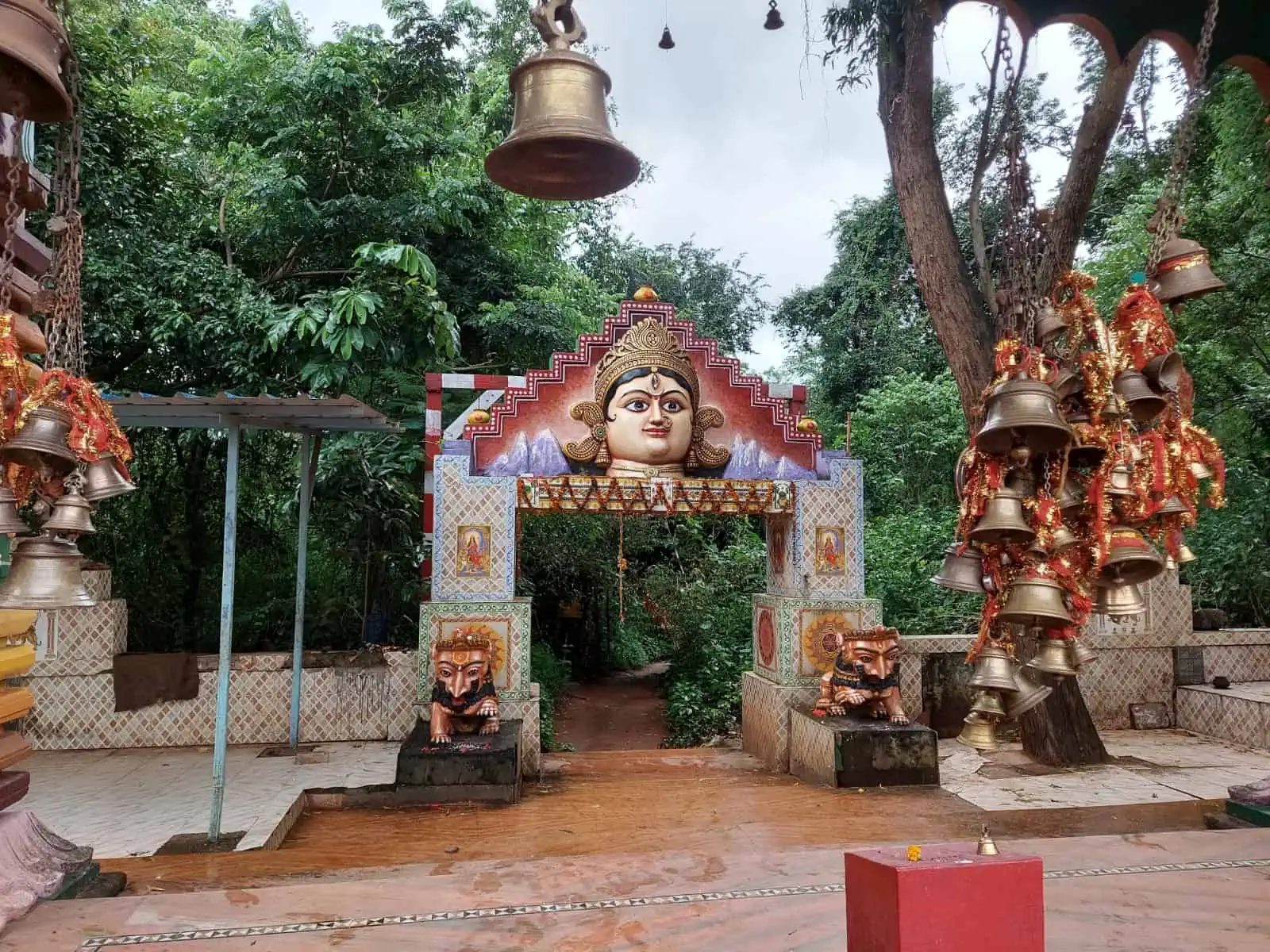
When you walk through the entrance gate—one of the few man-made structures here—the temperature drops instantly. The dense bamboo clusters create a natural air conditioner. The locals believe that Maa Kanta Baunsuni is a manifestation of Goddess Durga, the fierce protector. But here, her ferocity is channeled into protecting the environment. Every single bamboo stalk is considered a Shakti Lingam or a sacred sanctum. You don’t just visit this temple; you experience the presence of the divine through the rustling of the leaves and the occasional creak of the bamboo stems.
The Mystery of the Sacred Grove
What fascinates me most about this grove is its biological isolation. If you look at the surrounding Panchpatmali hills, you won’t find another bamboo tree for miles. The soil here is the same, the climate is the same, yet the bamboo only grows within this specific boundary of Sindhipar. Scientists and anthropologists have often scratched their heads over this, but for the devotees, the answer is simple: the Goddess chose this spot.

The bamboo here is “Kanta Baunsa”—a variety known for its thick, thorny stems. Some of these clusters are so dense that they are virtually impenetrable. The long, swaying stems that dangle from the top often resemble swords or spears, which the locals associate with the weapons of Goddess Durga.
It’s also a biodiversity hotspot. While the rest of the region has been cleared for mining and agriculture, this grove remains a sanctuary for local birds and small animals. I remember seeing a bright blue kingfisher darting through the bamboo during my last visit in early 2026. It’s as if the Goddess has cast a protective spell over every living thing within her territory.
Legends and Folklore: The Soul of Sindhipar
You can’t truly understand the Maa Kanta Baunsuni Temple without listening to the stories passed down by the village elders. These aren’t just myths; for the people here, they are absolute truths.
The Legend of the Hunter Siblings
The most popular legend involves a family of hunters—seven brothers and sisters who wandered into this area centuries ago. They were traveling with their faithful hunting dog, seeking game in the dense forests of the Eastern Ghats. After a long day of hunting, they reached the spot where the temple stands today.
As the sun began to set, they decided to rest. They stuck their hunting weapons—bows, arrows, and long iron swords (Patakhandas)—into the soft earth and went to sleep. When they woke up the next morning, they couldn’t find their weapons. In their place stood tall, green bamboo shoots that seemed to have grown overnight. In the center of the clearing, a stone Shiva Lingam had appeared.
The siblings realized they had stumbled upon holy ground. They shared the miracle with the local tribes, and from that day on, the area became a place of worship. It’s said that the weapons didn’t just disappear; they transformed into the thorny bamboo to guard the Goddess forever.
The Story of Akalya and the Divine Touch
Another localized version of the story tells of Akalya, the daughter of a hunter named Dushyanth Dame. She was married to a man named Vasudeva. One day, while the couple was passing through the area, they stopped to hide their hunting tools before visiting a nearby village temple.
When Akalya returned to retrieve her things, she touched the ground and immediately fell into a deep trance. The villagers who found her believed she had been touched by the divine. Later, she had a dream where the Goddess revealed herself as Adi Shakti (Durga) and requested that this forest be her permanent home. To this day, the Adivasi communities consider Akalya’s lineage as the original protectors of the grove.
The Patakhanda: The Invisible Guardian
Even today, many locals believe that a Patakhanda (a celestial sword) invisible to the human eye, constantly patrols the perimeter of the grove. I’ve spoken to villagers who claim that if anyone tries to enter the forest with bad intentions or attempts to steal even a small piece of bamboo, they are met with a sudden, unexplained fear or a series of minor accidents that force them to turn back.
The “No Structure” Rule: Divine Defiance against Industry
One of the most unique aspects of the Maa Kanta Baunsuni Temple is the total absence of a traditional building. In Odisha, a land famous for the architectural brilliance of the Lingaraj Temple Bhubaneswar and the Konark Sun Temple, the lack of a stone structure here is intentional.
King Vikram Kesori’s Dream
Centuries ago, King Vikram Kesori, who ruled over the Jeypore kingdom, used to visit this grove on his royal elephant. Being a devout follower, he wanted to build a grand temple for Maa Kanta Baunsuni. He ordered his best stone masons and architects to begin construction.
However, the Goddess appeared in the King’s dream that very night. She told him, “I am a child of the forest. I do not need a roof over my head or walls to cage me. The bamboo is my palace.” The King, being wise, immediately halted the work. He realized that the Goddess preferred her freedom over a golden throne.
The NALCO Mystery
In more recent times, during the 1980s when the National Aluminium Company (NALCO) was setting up its massive alumina refinery in Damanjodi, there was a plan to develop the temple area. Engineers thought that clearing some of the “messy” bamboo and building a modern concrete temple would be a good corporate social responsibility (CSR) initiative.
The stories from that era are still whispered in the canteens of NALCO. It is said that the laborers who were hired to cut the bamboo faced strange, tragic fates. Some fell ill overnight, while others met with mysterious accidents on the site. NALCO eventually realized that the “No Structure” rule was not to be trifled with. They stopped the construction and instead built a beautiful entrance gate far enough from the sacred clusters to avoid any divine displeasure.
Today, NALCO and the temple exist in a delicate balance. The industrial giant provides electricity for the lights outside and maintains the road, but they never dare to touch a single stalk of bamboo within the core grove.
Cultural Fabric: Sacred Groves in Odisha’s Tribal Heart
To understand why this temple is so important, you have to look at the broader concept of the Jahira or Sarna in Odisha’s tribal culture. For tribes like the Paraja, Gadaba, and Kondh, the forest isn’t just a resource; it’s a living deity.
Sacred groves like the one in Sindhipar are common across the Koraput and Mayurbhanj districts. They serve as the community’s spiritual anchor. In a world where forests are disappearing, these groves are protected by “divine law.” No one is allowed to cut wood, hunt animals, or even pluck flowers from within the grove. The sacred groves of India are part of a global tradition where nature is preserved through faith, but in Odisha, this tradition is particularly strong.
This traditional conservation method has kept places like the Maa Kanta Baunsuni grove alive while the surrounding hills have been mined for bauxite. It’s a beautiful example of how spiritual beliefs can sometimes be more effective than government laws in protecting the environment. The Koraput District Administration also recognizes the importance of these sites in preserving the local biodiversity.
The Biodiversity of the Bamboo Forest
If you are a birdwatcher or a nature enthusiast, the Maa Kanta Baunsuni grove is a goldmine. During my early morning visits in 2026, I’ve spotted rare species like the Malabar Whistling Thrush and the Hill Myna. The dense canopy provided by the 200-foot bamboo stalks creates a micro-climate that is significantly cooler and more humid than the exposed mining sites nearby.
The thorns on the bamboo stems, which give the Goddess her name, are not just for show. They form a natural barrier that prevents larger animals and humans from easily penetrating the deeper parts of the grove. This has allowed rare ferns and medicinal orchids to thrive on the forest floor. The local tribal medicine men, known as Vaidyas, sometimes seek permission from the Goddess to collect fallen leaves or roots for healing rituals, but even they do not dare to pluck anything living.
Damanjodi: Where Industry Meets the Clouds
It’s impossible to talk about Damanjodi without mentioning the National Aluminium Company Limited. The NALCO Alumina Refinery is one of the largest in Asia, and it has transformed this once-remote tribal pocket into a modern industrial township.
The contrast is striking. On one side, you have the heavy machinery, the conveyor belts carrying bauxite from the Panchpatmali mines, and the neatly laid-out residential colonies. On the other, just a few kilometers away, you have the primitive stillness of the Kanta Baunsuni grove. The township itself is beautifully maintained, with thousands of trees planted by NALCO, but the local employees will tell you that the “real” energy of the place comes from the bamboo temple. Many NALCO engineers, who come from all parts of India, have become devout followers of the Goddess, often visiting the grove before starting major technical projects.
The Role of the Dishari and the Village Community
The management of the temple is handled by the village elders of Sindhipar. The most important person here is the Dishari—the tribal priest and shaman. The Dishari is not just a religious leader; he is an astrologer, a healer, and the bridge between the human and divine worlds.
Whenever there is a crisis in the village—be it a lack of rain or a disease affecting the cattle—the Dishari performs a special ritual at the grove. He enters a trance-like state, accompanied by the hypnotic beat of the Tamak (a large tribal drum), and communicates with Maa Kanta Baunsuni. The villagers believe that her guidance has saved them from many disasters over the generations.
The Dhemsa Dance: The Rhythm of the Hills
No festival at the Maa Kanta Baunsuni Temple is complete without the Dhemsa dance. This isn’t just a dance; it’s a way of life for the tribal people of Koraput. The word Dhemsa literally means “jumping” or “playing.”
The dance starts with a slow beat on the Dhol and the shrill, soulful melody of the Mahuri (a traditional wind instrument similar to the Shehnai). Men and women link arms, forming a long, winding chain that moves in a circular pattern. The steps are simple yet incredibly rhythmic, mimicking the movements of animals or the swaying of trees.
As the night progresses and the Mahua wine begins to flow, the tempo increases. I remember watching a group of women in Sindhipar dancing until the early hours of the morning during the January Full Moon festival in 2026. Their synchronized movements, the sound of their brass anklets, and the flickering torchlight against the bamboo forest created an atmosphere that felt almost prehistoric. It’s a powerful expression of community identity and a way to share the joy of the Goddess’s presence.
The Legend of the Faithful Dog
There’s a small, often overlooked detail in the legend of the seven hunter siblings that I find deeply touching. When the siblings woke up to find their weapons transformed into bamboo, they were initially terrified. It was their dog who first realized the divine nature of the transformation.
The story goes that the dog didn’t bark or run away; instead, it sat down and started licking the base of the newly sprouted bamboo stalks as if it were greeting an old friend. The dog stayed at the grove for the rest of its life, never returning to the village. Today, some of the older tribal hunters still offer a small portion of their food to the “guardian spirits” of the forest, honoring the memory of that faithful companion. It reminds us that in the tribal worldview, animals are just as much a part of the spiritual fabric as humans.
Koraput Coffee: A Sip of the Sacred Soil
While you’re in Damanjodi, you’ll notice the air has a distinct, earthy aroma. That’s partly the forest and partly the famous Koraput Coffee. In recent years, the Odisha Tourism department has been promoting this organic, shade-grown coffee as a signature experience of the region.
The coffee plantations are often located on the fringes of sacred groves like Kanta Baunsuni. The tribes believe that the proximity to these holy places gives the coffee beans a unique strength. Whether that’s true or not, there’s no denying that a cup of freshly brewed Koraput coffee, enjoyed while looking at the mist-covered Panchpatmali hills, is one of the greatest pleasures of visiting Damanjodi. Many local shops near the temple sell these beans, and buying them directly supports the tribal farmers who are the primary protectors of the forest.
Festivals and Rituals at the Bamboo Temple
If you want to see the grove in its full spiritual glory, you should aim to visit during one of the major festivals. The atmosphere changes from serene to electric, filled with the sound of tribal drums and the smell of sacrificial offerings.
Pus Parab (The Harvest Festival)
In January 2026, I was lucky enough to witness a part of the Pus Parab celebrations. This is the biggest festival for the tribes of Koraput. It’s a time of joy, where the entire village of Sindhipar gathers at the grove to thank Maa Kanta Baunsuni for a good harvest.
Men and women dress in their traditional attire—white sarees with red borders for the women and dhotis for the men. They perform the Dhemsa dance, a rhythmic, circular dance that seems to mirror the swaying of the bamboo above them. The air is thick with the aroma of Mahua wine and traditional tribal dishes.
The January Full Moon Ritual
On the first full moon day of January (Pausha Purnima), a very specific and ancient ritual takes place. A branch of the sacred bamboo, which is believed to have absorbed the maximum divine energy over the year, is carefully selected.
The village priest (Dishari) leads a procession to a natural pond located deep within the grove. The bamboo branch is bathed in the holy water, symbolizing a ritual purification. It is then brought back and placed on an elevated stone platform, where it is worshipped as the Shakti Lingam for the next year.
Dasahara and the Red Cloth Tradition
During Durga Puja or Dasahara, the temple takes on a vibrant look. Devotees from all over Koraput and even neighboring Andhra Pradesh arrive with long strips of red cloth with golden borders. They tie these cloths to the bamboo stems as a form of “Mannat” (a vow).
If you look at the bamboo clusters during this time, they are draped in thousands of these red ribbons, fluttering in the wind. It’s a sight that stays with you—the deep green of the bamboo against the fiery red of the cloth. People also offer Ghantis (brass bells). There are sections of the grove where thousands of bells are tied to the thorns, creating a hauntingly beautiful chime whenever the wind blows.
Sacrifice and Offerings
Being a tribal shrine, animal sacrifice is still practiced here, which might be a bit jarring for some urban visitors. Fowls, goats, and occasionally sheep are offered to the Devi during major festivals.
Another unique offering is a specific type of local fish and pigeons. The locals believe that the Goddess, being a protector of the forest, also enjoys the fruits of the land. The Prasad distributed here is often a mix of these traditional offerings, and it’s considered highly auspicious to consume it within the grove premises.
How to Reach Maa Kanta Baunsuni Temple Damanjodi
Reaching this hidden gem requires a bit of planning, as Damanjodi is tucked away in the southern reaches of the Eastern Ghats. However, the journey itself is breathtakingly beautiful, especially if you enjoy train rides through mountains and tunnels.
By Train (The Best Experience)
The best way to reach Damanjodi is by train. There are several daily trains that connect Koraput to the rest of Odisha.
- Hirakhand Express: This is the most popular train from Bhubaneswar to Koraput. It departs from Bhubaneswar at night and reaches Damanjodi/Koraput the next morning. The views of the mountains as you wake up are worth the trip.
- Samaleswari Express: If you are coming from Sambalpur or western Odisha, this is a great option.
- Visakhapatnam-Kirandul Express: For those coming from Visakhapatnam, this train offers a spectacular ride through the tunnels and valleys of the Ananthagiri hills.
The Damanjodi railway station is just a few kilometers away from the temple. You can easily find an auto-rickshaw or a local taxi from the station.
By Road
Damanjodi is well-connected by NH-26.
- From Bhubaneswar: It’s about 500 km, which is a long 12-14 hour drive. I recommend taking an overnight AC bus (Oshaka or private operators like Nilamadhab) from Baramunda bus stand.
- From Koraput: The temple is about 23 km from Koraput town. It’s a smooth 40-minute drive through winding hill roads.
By Air
The nearest airport is the Jeypore Airport, which has started operating flights from Bhubaneswar recently. From Jeypore, Damanjodi is about 40 km away. Alternatively, you can fly into Visakhapatnam (200 km away) and hire a taxi for a scenic 5-hour drive through the Araku Valley.
Best Time to Visit
While you can visit the temple year-round, the experience varies significantly with the seasons.
| Season | Experience | Recommendation |
|---|---|---|
| Winter (Oct to Feb) | Cool, pleasant weather. Best for photography and seeing the festivals. | Highly Recommended |
| Monsoon (July to Sept) | The bamboo is at its greenest. The smell of wet earth is divine. | Good for nature lovers, but paths can be slippery. |
| Summer (March to June) | Can be hot during the day, but the grove itself remains cool. | Visit in the early morning or late evening. |
I personally love visiting in the post-monsoon months of October and November. The air is crisp, and the surrounding hills of Damanjodi are draped in a lush green carpet.
Practical Visitor Guide: Tips for a Respectful Visit
Since this is a sacred site with deep-rooted tribal traditions, here are a few things you should keep in mind:
- Dress Code: There is no strict formal dress code, but it’s best to wear humble, modest clothes. Avoid anything too revealing out of respect for the local culture.
- Timings: The temple is open from 6:00 AM to 7:00 PM. I recommend reaching by 7:30 AM to catch the morning sunlight filtering through the bamboo.
- Photography: You are generally allowed to take photos of the grove and the entrance. However, always ask the priest or locals before taking photos of specific rituals or sacrifices. Some areas might be restricted.
- Footwear: You will have to leave your shoes outside the core bamboo area. The ground is soft soil, so it’s not uncomfortable.
- Stay: Damanjodi has a few basic guest houses. If you want better options, I suggest staying in Koraput town. The Koraput Nature Camp is a fantastic choice if you want to stay close to nature.
- Don’ts: NEVER attempt to cut or take a piece of bamboo from the grove. It’s considered a grave sin and will deeply offend the locals. Also, do not litter. This is a plastic-free zone.
Expanding Your Trip: Nearby Attractions in Koraput
If you’ve traveled all the way to Damanjodi, don’t just stop at the Maa Kanta Baunsuni Temple. The Koraput district is full of hidden gems. Here’s a quick itinerary to make the most of your trip:
1. Duduma Waterfall
Located about 70 km from Damanjodi, the Duduma Waterfall is one of the highest and most powerful waterfalls in India. The sight of the Machkund river plunging into the deep gorge is something you’ll never forget. It’s also the land of the “Bonda” tribe, one of the most primitive and colorful tribes in the world.
2. Deomali Hills
For the adventure seekers, Deomali Hills is a must. At 1,672 meters, it is the highest peak in Odisha. The drive up is filled with hairpin bends and panoramic views of the coffee plantations below. It’s the best spot in the state to watch the sunrise.
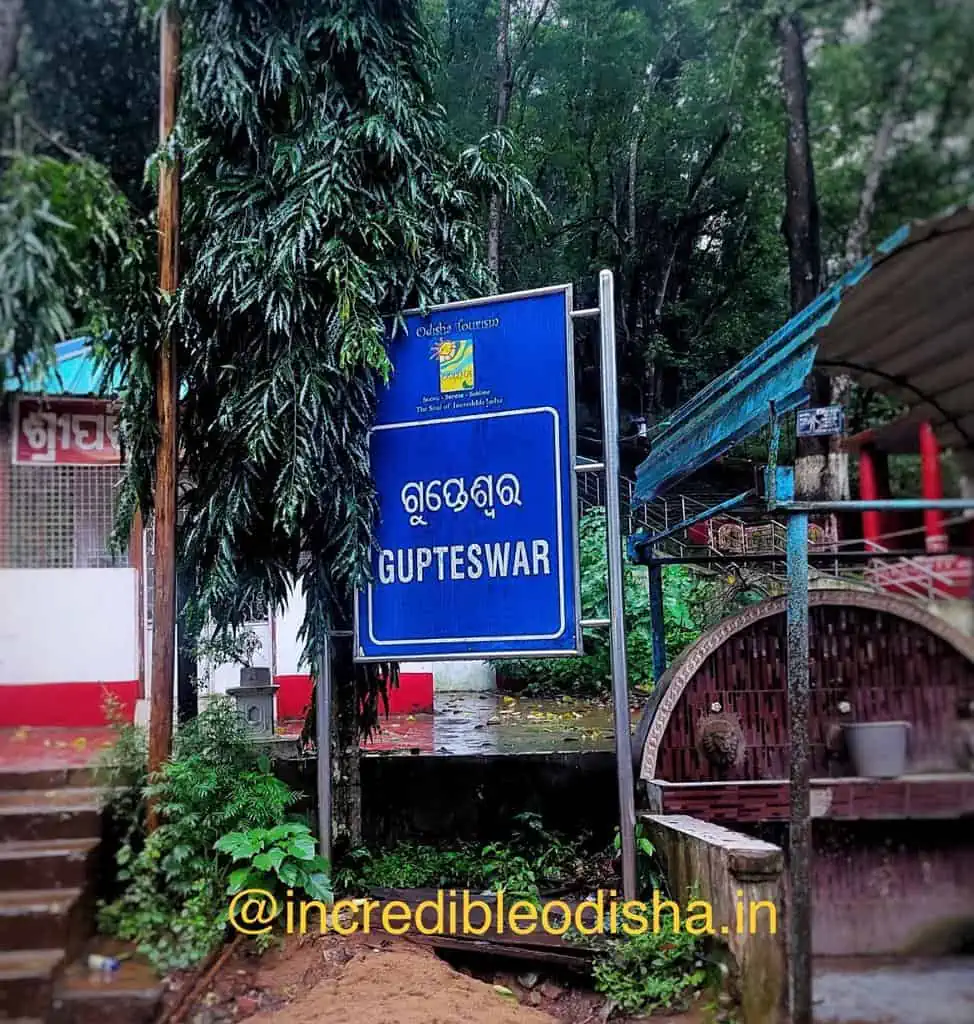
3. Gupteswar Cave Temple
If you love mystery, head to Gupteswar. It’s a hidden cave temple dedicated to Lord Shiva. The natural stalactite that serves as the Shiva Lingam grows in size every year. The surrounding forest is incredibly dense and home to many rare medicinal plants.
4. Putsil Valley
Often called the “Switzerland of Odisha,” Putsil Valley is famous for its rolling green hills and the low-hanging clouds that often cover the valley. It’s a popular spot for paragliding and camping.
5. Koraput Town and Tribal Museum
Spend an afternoon in Koraput town. Visit the Tribal Museum to understand the rich history of the 62 tribes of Odisha. Don’t forget to buy some Koraput Coffee—it’s organic, shade-grown, and has a unique flavor that you won’t find anywhere else. For more ideas, check out our guide on the Best Places to Visit in Koraput.
Local Food Experiences: Tastes of the Earth
Your visit to Koraput isn’t complete without trying the local food. The tribal diet is simple, nutritious, and deeply connected to the forest.
- Mandia Jau: A fermented porridge made from finger millet (Ragi). It’s the staple energy drink for the tribes and is incredibly cooling.
- Pakhala: Fermented rice water, usually served with roasted vegetables and local fish.
- Bamboo Shoot Curry: Since you are in the land of bamboo, you must try the tender bamboo shoot curry (Baunsa Gaja), though it’s usually prepared from a different variety than the sacred ones!
- Desi Chicken: The local variety of chicken, cooked with minimal spices in a clay pot, has a flavor that broiler chicken can never match.
Conclusion: A Lesson in Coexistence
As I walked back towards the NALCO township after my visit, I looked back one last time. The industrial plant was humming with energy, producing tons of aluminium that would be shipped across the globe. And right next to it, the Maa Kanta Baunsuni Temple stood silent, producing nothing but peace and oxygen.
It’s a powerful lesson in coexistence. We need industry for progress, but we need sacred spaces like these for our sanity. Maa Kanta Baunsuni is a reminder that some things are too precious to be “developed.” Sometimes, the best way to respect a place is to leave it exactly as it is.
Trust me, when you stand under those 200-foot bamboo stalks and hear them creaking in the wind, you’ll realize that the real world isn’t the one made of concrete and steel—it’s the one made of thorns, leaves, and ancient faith.
For more authentic travel guides and local insights into the soul of Odisha, visit Incredible Odisha.
FAQs on Maa Kanta Baunsuni Temple Damanjodi
What is the significance of Maa Kanta Baunsuni Temple?
Maa Kanta Baunsuni is considered a powerful manifestation of Goddess Durga. The temple’s unique significance lies in its lack of a physical building; the deity resides in a sacred grove of thorny bamboo that is believed to be her permanent abode.
Why is there no building or idol at the temple?
According to local legends and divine warnings, the Goddess prefers to live in nature. Attempts by kings and even modern corporations like NALCO to build a structure were met with supernatural resistance, leading to the belief that she should only be worshipped in the open forest.
Is animal sacrifice still practiced here?
Yes, as per tribal traditions, animal sacrifices (fowls, goats) are performed during major festivals like Pus Parab and the January Full Moon. It is a deeply ingrained part of the local spiritual culture.
Can I take bamboo from the forest as a souvenir?
Absolutely not. Removing even a small piece of bamboo or wood from the sacred grove is strictly forbidden and is considered a sin. It is also offensive to the local tribal communities who protect the grove.
What is the best time of day to visit?
The early morning hours (between 7:30 AM and 9:00 AM) are the best. The sunlight filtering through the bamboo creates a beautiful atmosphere, and it’s quiet before the midday crowds arrive.
Are there entry fees for the temple?
No, there are no entry fees. The temple is open to everyone. However, you might want to carry some small change for offerings or to donate to the village committee that maintains the area.
Is the temple accessible for elderly people?
Yes, the path from the entrance gate to the main worship area is relatively flat and easy to walk. However, since you have to walk barefoot on soil, some assistance might be needed for those with mobility issues.
How far is Damanjodi from Visakhapatnam?
Damanjodi is approximately 200 km from Visakhapatnam. The drive takes about 5 hours via the scenic Araku Valley road.