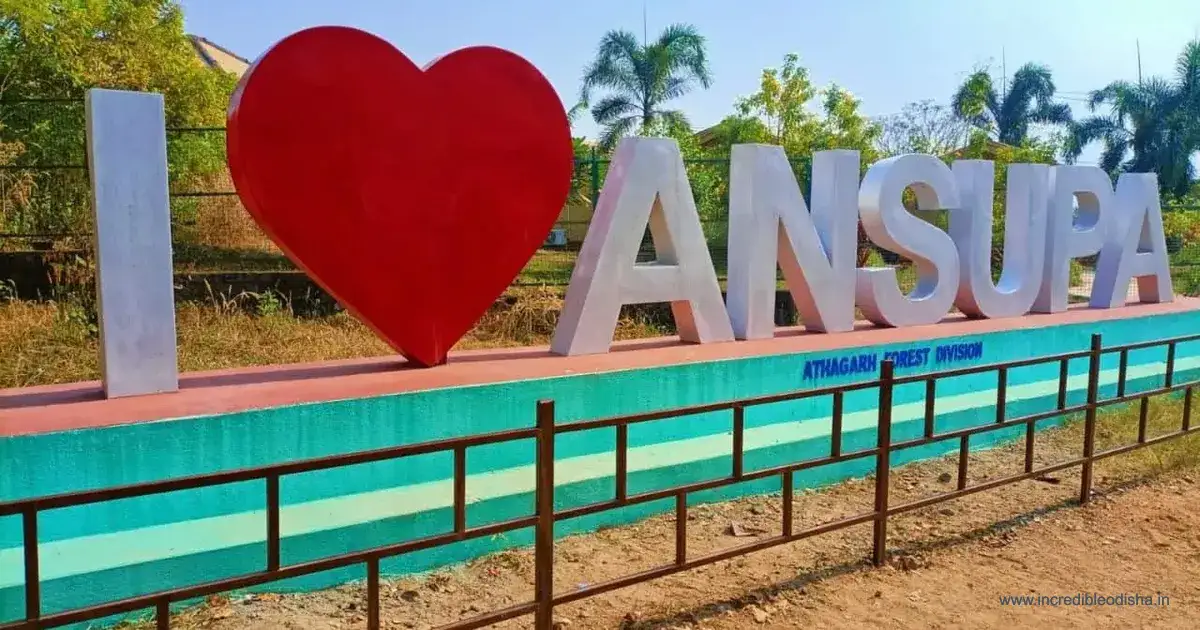
Featured image for Ansupa Lake 2026 Guide: Nature Camp, Boating and Birding
Places To Visit · · 22 min read

Ansupa Lake 2026 Guide: Nature Camp, Boating and Birding

Plan your Ansupa Lake visit in 2026 with nature camp details, boating prices, birdwatching tips, and how to reach this Ramsar site.

Ansupa LakeAnsupa Nature CampCuttack TourismEco-Tourism OdishaRamsar Sites in India

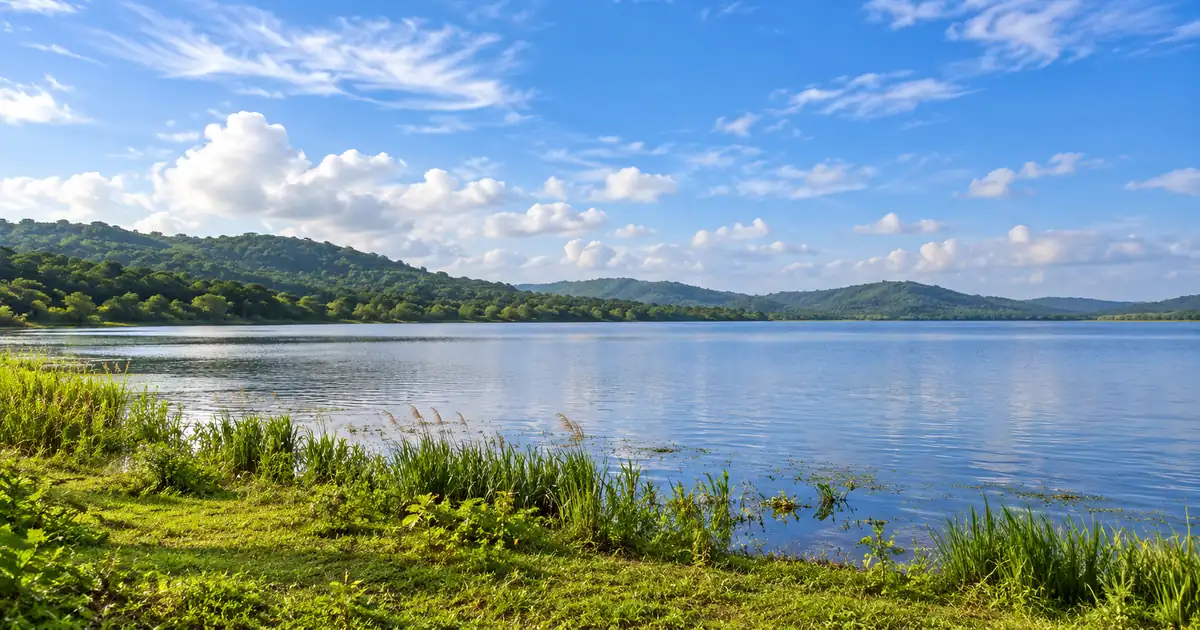
The first time I stood on the banks of Ansupa Lake at dawn, the world felt like it was painted in shades of silver and soft blue. A thin veil of mist hung over the water, and the only sound was the rhythmic dip of a fisherman’s oar and the distant, haunting whistle of a Lesser Whistling Duck. I remember thinking that if peace had a physical address in Odisha, this would be it. There’s something deeply spiritual about watching the sun rise behind the Saranda Hills, its golden light slowly dissolving the fog to reveal a vast, horseshoe-shaped expanse of water that has sustained life here for centuries.

As of February 2026, Ansupa Lake has transformed from a quiet local secret into one of Odisha’s most vital eco-tourism hubs. Since being designated a Ramsar site in 2022, the conservation efforts highlighted by Odisha Tourism have breathed new life into this freshwater oxbow lake. Whether you’re a seasoned birdwatcher or someone just looking to escape the relentless hum of Bhubaneswar for a weekend, Ansupa offers a sensory experience that stays with you long after you’ve left its shores.

Consider reading: 20 Must-Visit Best Tourist Places in Odisha

The Legend of Ansupa: History and Mythology

What I love about Ansupa is that it’s not just a body of water; it’s a living museum of local folklore. The lake’s name itself is a nod to its unique shape—derived from the Odia word ‘Aṅśa’, meaning a curve or part of a circle. But the stories hidden in the surrounding hills are even more captivating.

Local elders in Athagarh still talk about King Subranakeshari of the Eastern Ganga Dynasty. Legend has it that he was so captivated by the lake’s beauty that he established a village called Subranapur at the foothills of Saranda Hill. If you hike up the hill today, you’ll find the remnants of Saranda Gada (Saranda Fort). I remember exploring these ruins and feeling a chill as I touched the weathered stones of the Baruda Ghara (the old armory).

The most fascinating local insight I’ve gathered is about the legendary bronze door of the fort. It’s said that when the gates were opened or closed, the sound was so loud it could be heard in Cuttack, miles away! While the door is long gone, the panoramic view from the hilltop, where you can see the entire ‘horseshoe’ of the lake reflecting the sky, makes you understand why ancient kings chose this spot for their stronghold.

Why Ansupa is a Birdwatcher’s Paradise in 2026

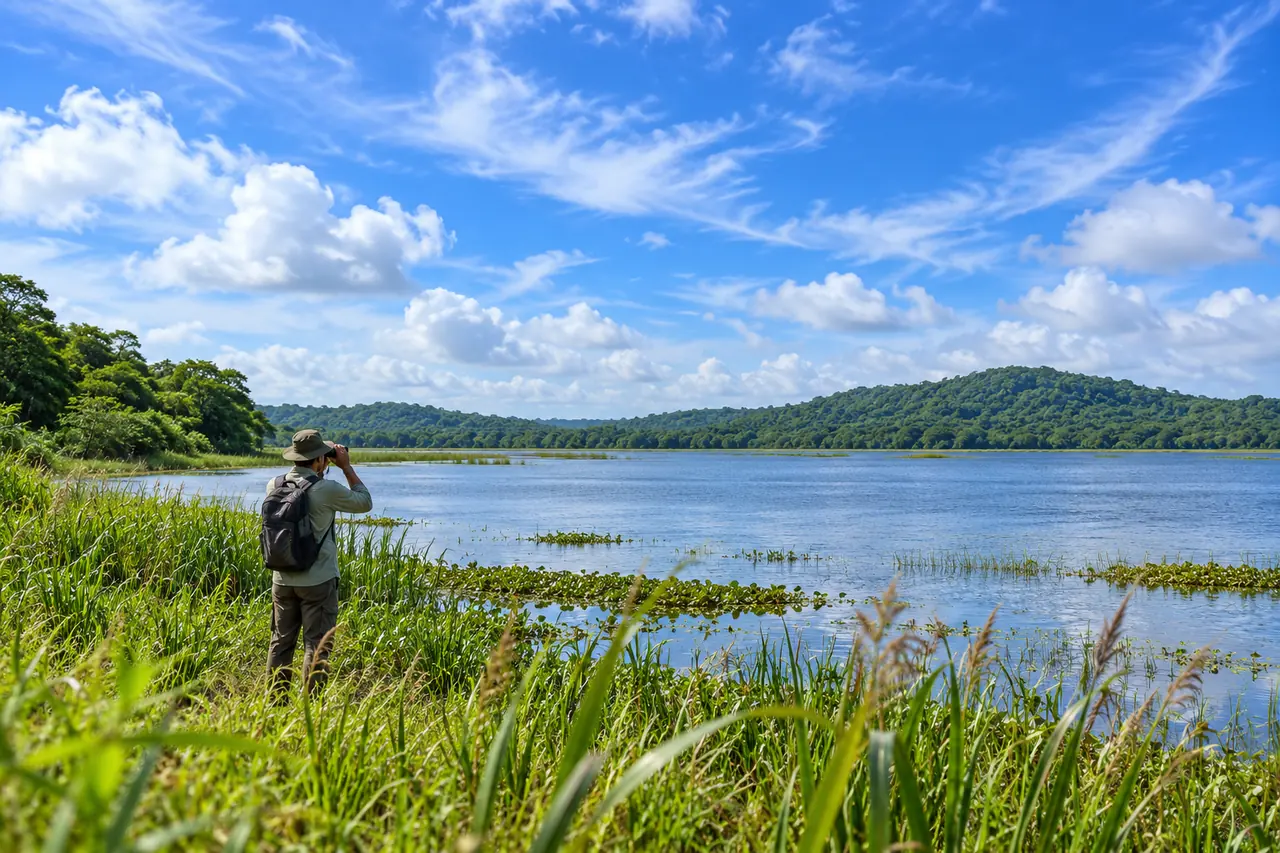
If you’re visiting in the winter months (between October and February), bring your binoculars. Trust me, you’ll regret it if you don’t. Ansupa is a critical stopover on the Central Asian Flyway, and the influx of migratory birds is staggering.

A panoramic view of Ansupa Lake showing the vast water spreadAnsupa Lake is a vital habitat for migratory birds.

In my recent visit, the sheer number of Red-crested Pochards was unbelievable—over a thousand of them bobbing on the water like tiny, colorful boats. You’ll also spot the Ruddy Shelduck (locally known as Brahmini Duck), Gadwalls, and Northern Shovellers. What really surprised me was the presence of the Black-bellied Tern, a species that is becoming increasingly rare.

What most tourists miss is that the best birdwatching isn’t just from the boat. If you take a quiet walk along the embankment near the Nature Camp at around 6:30 AM, you can see the Black-headed Ibis and various Kingfishers darting into the shallows. The sensory mix of the cool morning air, the smell of damp earth, and the chaotic symphony of bird calls is the best therapy I know.

For those who enjoy wildlife, you might want to compare this experience with Bhitarkanika National Park, which offers a completely different, mangrove-based ecosystem.

Ansupa Lake Entry Fee and Boating Price (2026 Updated)

To help you plan your budget, here is the current tariff for activities at Ansupa. Please note that prices are subject to slight changes depending on the season, but as of early 2026, these are the standard rates:

ActivityFee (INR)Description
Lake Entry Fee₹30Per Adult
Car Parking₹40Per Vehicle
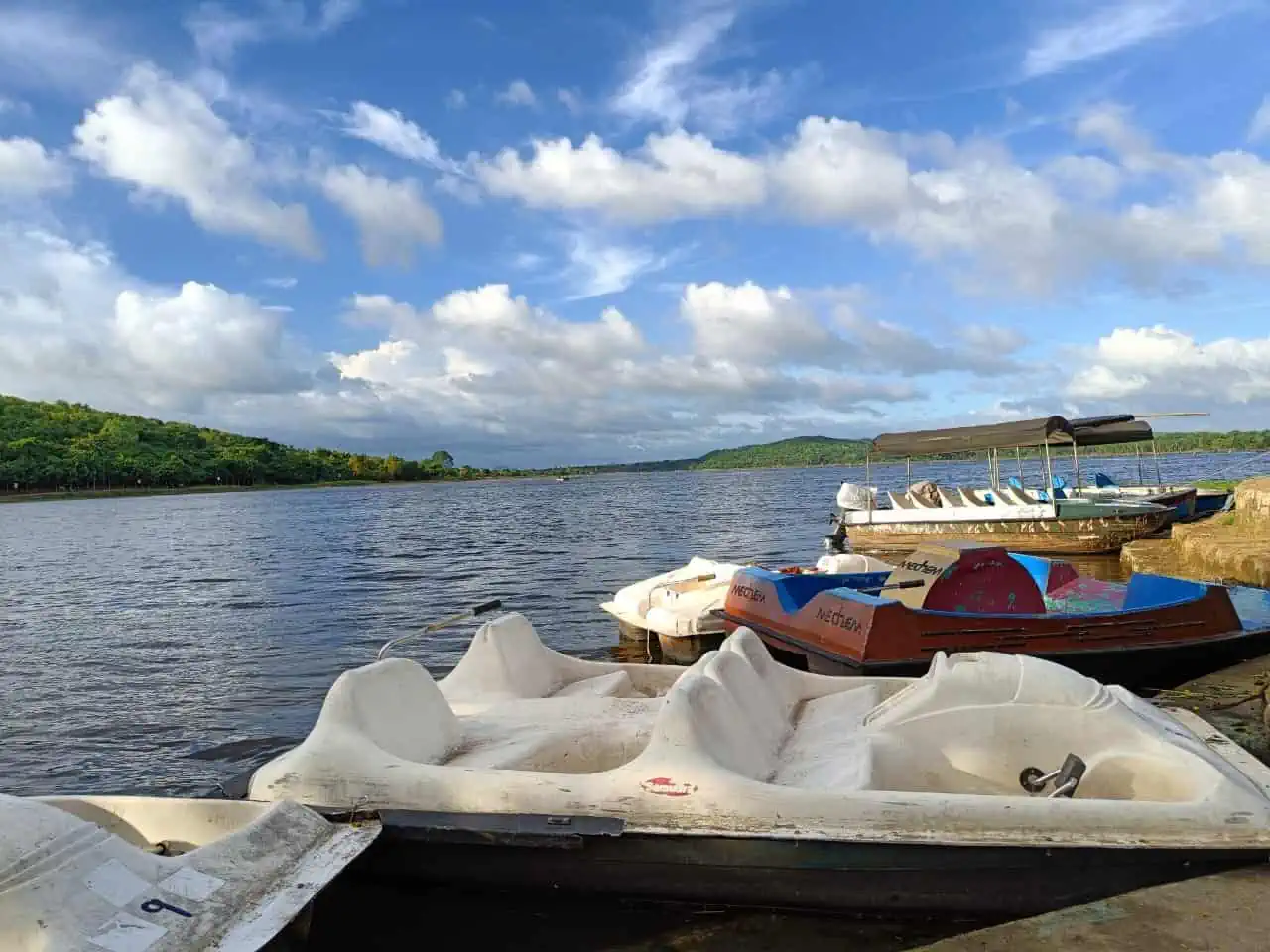
Manual Paddling Boat₹10020-30 Minutes (Quiet and Eco-friendly)
Motor Boat₹300Per Trip (6-8 People)
Saranda Hill Trekking₹200Per Group (With Local Guide)

Local Tip: I highly recommend the manual paddling boat. The motor boats are faster, but the noise often scares away the birds. If you want that perfect shot of a Pochard, go manual.

The Ansupa Nature Camp Experience

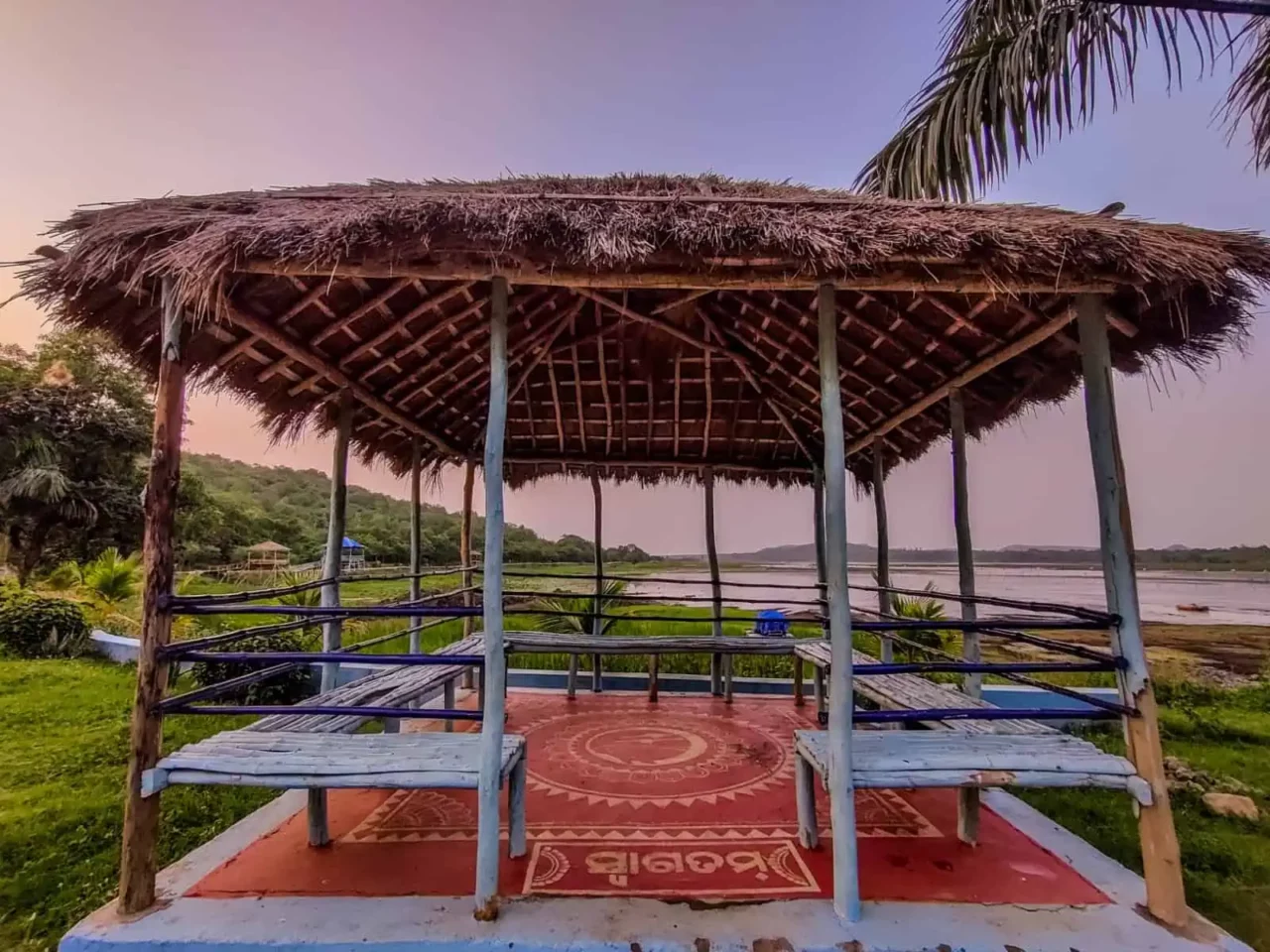
Staying at the Ansupa Nature Camp is an exercise in “unplugging.” Managed by the Odisha Forest Development Corporation (OFDC), the camp is located on a small hillock overlooking the lake. There are two main types of accommodation: the Bamboo Cottages and the Eco-Cottages.

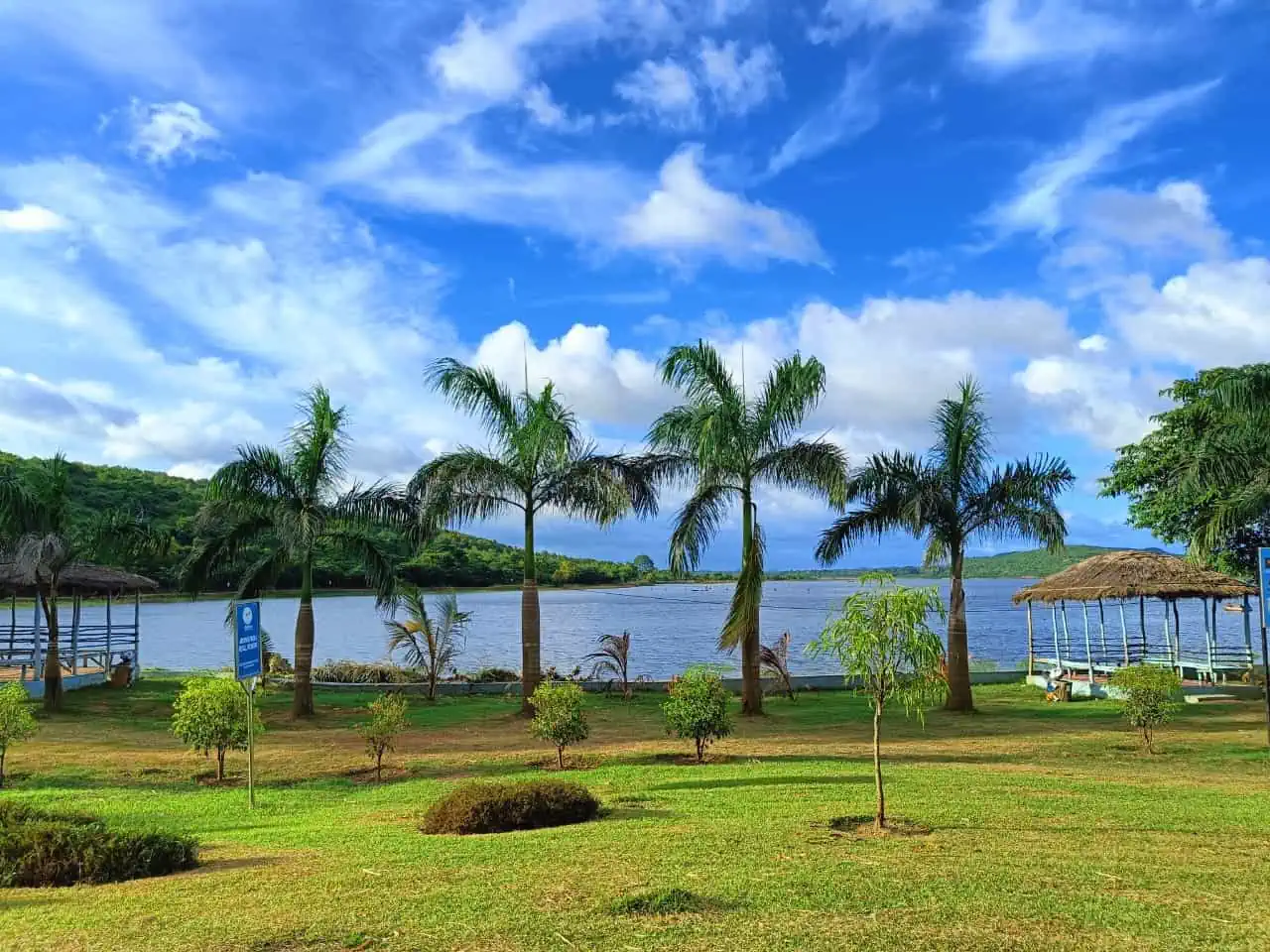
The eco-friendly cottages at Ansupa Nature Camp surrounded by greeneryThe peaceful setting of Ansupa Nature Camp.

When I stayed in the Bamboo Cottage, I was struck by the craftsmanship. It’s simple, clean, and smells faintly of dried grass and wood. Waking up to the sight of the lake through your window, with a hot cup of tea in hand, is a luxury that no five-star hotel in the city can match. The camp is solar-powered, which adds to the eco-friendly vibe, though it’s a good idea to carry a power bank just in case.

For more information on similar stays, you can check out the 5 Best Nature Camps in Odisha.

What’s on the Menu? Authentic Odia Flavors

One of the highlights of staying at the nature camp is the food. Don’t expect a multi-cuisine buffet; instead, prepare for the soulful taste of a local Odia kitchen. The tariff usually includes all meals, and they are served in a common dining area with a view of the water.

In 2026, the camp has started focusing more on “Lake-to-Table” dining. The Machha Besara (fish curry in mustard paste) made with fresh catch from the lake is legendary. If you’re a vegetarian, the Dalma (lentils with vegetables) and Saga Badi Bhaja (leafy greens with sundried lentil dumplings) are incredibly comforting.

And here’s a local secret: ask the kitchen staff if they can prepare Pakhala (fermented rice) for lunch if the weather is warm. Having Pakhala with fried fish and crushed green chilies while the breeze from the lake cools the dining hall is an experience that defines the Odia summer.

Consider reading: 10 Famous Odisha Foods You Must Try

Activities to Dive Into at Ansupa

Beyond just sitting and staring at the water (which is a perfectly valid activity here), Ansupa offers plenty for the active traveler:

  1. Boating: This is the most popular activity. The boating enclosure is well-maintained, and in 2026, they have introduced sunset cruises which are breathtaking.

Visitors enjoying a boat ride on Ansupa LakeBoating is the most popular activity at Ansupa Lake.

  1. Trekking Saranda Hill: This is a moderate 30-minute climb. You’ll see the ruins of the ancient fort and get the best possible view of the oxbow shape of the lake.
  2. Photography: Between the migratory birds, the water lilies (which bloom in the morning), and the dramatic sunsets, you’ll find yourself reaching for your camera every five minutes.
  3. Tribal Village Visit: You can take a guided walk to nearby villages to see the local weaving and pottery traditions. The people here are incredibly warm and always ready for a chat.

The Biological Wealth: Flora of the Ansupa Ecosystem

Beyond the water and the birds, the botanical diversity of Ansupa is what creates its unique micro-climate. The lake is cradled by the Saranda and Bishnupur hills, which are covered in what ecologists call “Tropical Dry Deciduous Forests.”

During my treks on Saranda Hill, I’ve been fascinated by the sheer variety of trees. The dominant species here is the Sal (Shorea robusta), which in Odisha is more than just a tree; it’s a cultural symbol. These towering giants, with their broad leaves and fragrant flowers, provide a dense canopy that keeps the hills cool even in the peaking summers of March. You’ll also find plenty of Teak, Mango, and Jackfruit trees.

What I find truly beautiful is the aquatic flora. In the early mornings, parts of the lake are covered in the Nymphaea nouchali (Blue Water Lily) and the sacred Nelumbo nucifera (Indian Lotus). Seeing these blooms against the backdrop of the rising sun is a sight that no camera can fully capture. The lake also has a rich variety of phytoplankton and zooplankton, which form the base of the food chain that supports the massive fish population.

The Guardians of the Lake: The Local Fishing Community

You cannot truly understand Ansupa without talking to the people who have lived in its embrace for generations. The local fishing community, primarily from the villages of Subranapur and Malaguni, shares a symbiotic relationship with the lake.

A stunning sunset view over Ansupa LakeThe golden hues of sunset over the calm waters of Ansupa.

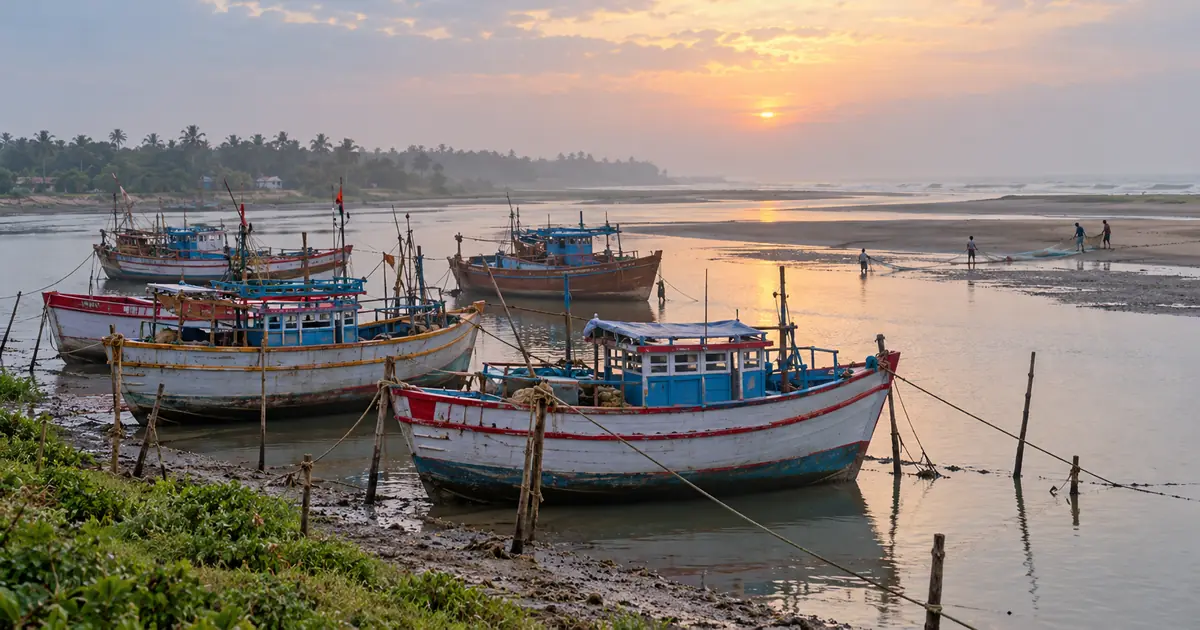
One afternoon, I sat with a fisherman named Binayak who was mending his nets. He told me, “The lake is our mother. She feeds us, and in return, we make sure we don’t take more than we need.” This local insight is reflected in their traditional fishing methods. They use small wooden boats (called Dungis) and traditional nets that allow smaller fish to escape, ensuring the population remains sustainable.

The life of a fisherman here begins at 3:00 AM. They head out into the dark, guided by the stars and their deep knowledge of the lake’s currents. By the time the tourists arrive for their morning boating, the fishermen are already returning with their catch of Rohu, Catla, and the highly prized Pohala fish. If you get a chance, watching them navigate the calm waters with such effortless grace is a masterclass in harmony with nature.

A Detailed 2-Day Itinerary for Ansupa Lake (2026 Edition)

To make the most of your trip, I recommend an overnight stay. Here’s how I would plan a perfect 48-hour escape to Ansupa:

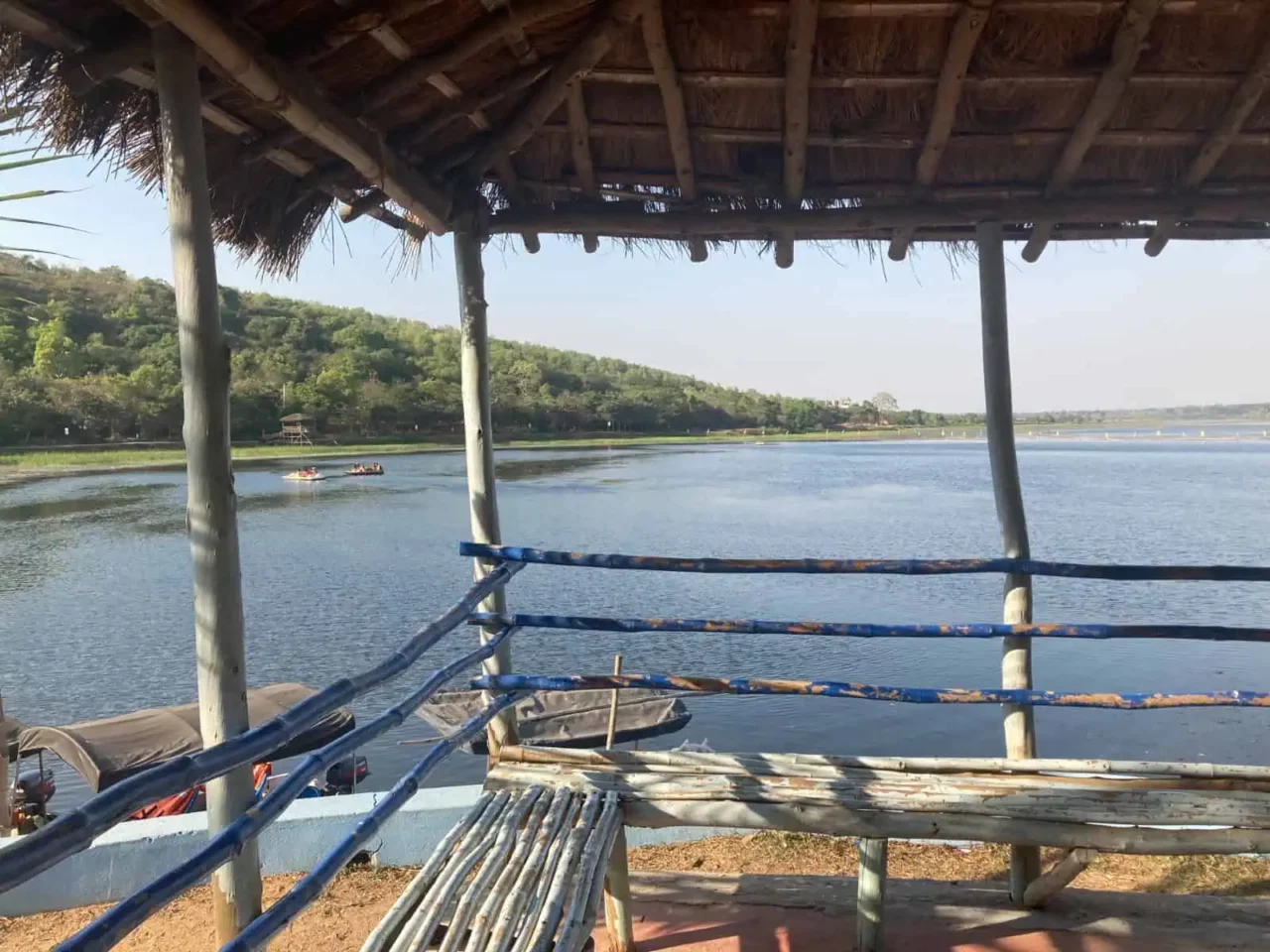
A view of the Ansupa Nature Camp from the lake shoreAnsupa Nature Camp is the perfect base for exploring the lake.

Day 1: Arrival and Immersion

  • 10:00 AM: Arrive at Ansupa Nature Camp. Check-in to your Bamboo Cottage and soak in the view from the balcony.
  • 12:30 PM: Enjoy a traditional Odia lunch (Don’t miss the Besara!).
  • 02:00 PM: Rest for a bit. The afternoon breeze from the lake is perfect for a nap.
  • 04:00 PM: Head down to the boating enclosure. Opt for a manual paddling boat to enjoy the sunset without the drone of a motor.
  • 06:00 PM: Walk along the embankment. Watch the local fishermen returning home.
  • 08:00 PM: Dinner at the camp, followed by a quiet evening under the stars. The sky here is incredibly clear, making it great for stargazing.

Day 2: Adventure and Exploration

  • 06:00 AM: Birdwatching session. The morning light is perfect for photography.
  • 08:00 AM: Hearty breakfast at the camp.
  • 09:30 AM: Trek up Saranda Hill. Explore the ruins of the ancient fort and the Baruda Ghara.
  • 11:30 AM: Visit the local village and see the traditional weaving work of Athagarh.
  • 01:00 PM: Lunch at the camp.
  • 03:00 PM: Departure. On your way back, stop at the Dhabaleswar Temple or the Athagarh Palace.

Best Time to Visit Ansupa Lake

Timing is everything. To see Ansupa in its full glory, you must visit during the Winter (October to February). This is the peak season for migratory birds, and the weather is pleasant enough for trekking.

The Monsoon (June to September) makes the landscape incredibly green and lush, but the lake often overflows, and boating might be restricted for safety. However, if you love the smell of rain on earth and the sight of dark clouds over the hills, it’s a very romantic time to visit.

The Summer (March to May) can be quite harsh, with temperatures often crossing 38°C. If you do visit then, keep your activities to the early morning or late evening.

How to Reach Ansupa Lake and Nature Camp

Ansupa is located in the Cuttack district, making it an easy day trip or weekend getaway from the Twin Cities.

  • By Road: From Bhubaneswar, it’s about 65 km (roughly a 2-hour drive). The most scenic route is via Mundali and then through the Athagarh-Banki road. The roads are generally in good condition in 2026.
  • By Rail: The nearest major railway station is Cuttack (45 km away). From Cuttack, you can hire a private taxi or take a local bus toward Athagarh.
  • By Air: Biju Patnaik International Airport in Bhubaneswar is the closest airport. You can easily book a pre-paid taxi from the airport to Ansupa.

If you are coming from the capital, you might also want to visit the Lingaraj Temple in Bhubaneswar before heading out into the countryside.

Conservation: The Future of the Ramsar Site

It’s important to note that Ansupa has faced challenges. Siltation and the growth of invasive weeds like water hyacinth have been ongoing battles. However, as of 2026, the Chilika Development Authority (CDA) and IIT Madras have implemented a new Integrated Management Plan. According to the official Ramsar Sites Information Service, Ansupa’s unique oxbow ecosystem is a vital habitat for several threatened species.

They have started using eco-friendly de-weeding techniques and have involved the local Ansupa Integrated Self Help Group in the lake’s maintenance. By visiting and staying at the Nature Camp, you are directly contributing to these conservation efforts. It’s a great example of how tourism can help preserve a “Conservation Economy.”

Historical Timeline: From Ancient Kalinga to Modern Ramsar Site

To appreciate Ansupa, we need to look back at its journey through time. The lake isn’t just a natural feature; it’s a silent witness to the rise and fall of empires.

  • Ancient Era: Formed as an oxbow lake from the Mahanadi River, it likely served as a natural barrier and water source for early settlers in the Kalinga region.
  • 11th - 12th Century: During the reign of the Eastern Ganga Dynasty, King Subranakeshari established the fort on Saranda Hill. This period saw the peak of architectural and military activity around the lake.
  • 16th Century: The region came under the influence of various local kings and zamindars. The stories of the “Bronze Door” date back to this era of intense local rivalries and fortified strongholds.
  • British Period: Ansupa was part of the princely state of Athagarh. It was often used by the British and local royalty for hunting and recreation, though its ecological importance was largely overlooked.
  • Post-Independence: The lake faced significant degradation due to siltation and human encroachment.
  • 2008-09: The Chilika Development Authority (CDA) took over the management of Ansupa, marking the beginning of organized conservation efforts.
  • 2016: Large-scale manual de-weeding began, restoring the open water area.
  • 2022: A milestone year when Ansupa Lake was designated as a Ramsar Site (Wetland of International Importance).
  • 2025-2026: The implementation of the Integrated Management Plan by IIT Madras and CDA, focusing on sustainable tourism and local community empowerment.

Deep Dive: Nearby Attractions Expanded

Dhabaleswar Temple: The Sacred Island

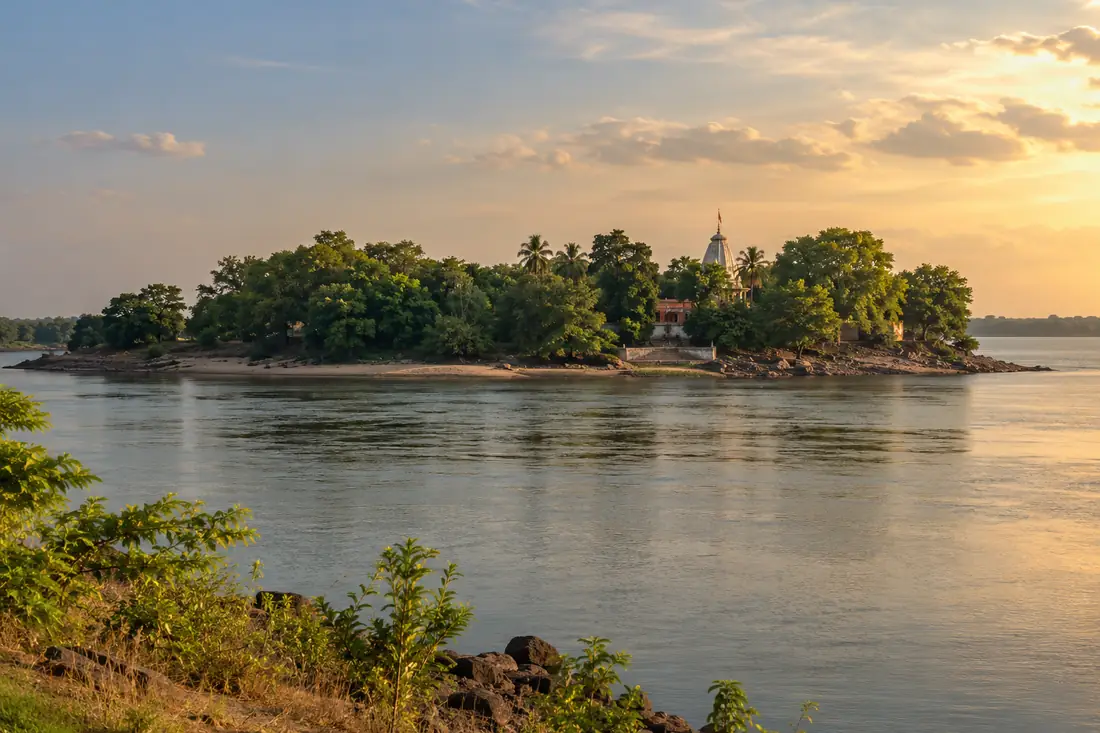
Located about 30 km from Ansupa, Dhabaleswar is one of the most revered Shiva shrines in Odisha. The temple sits on a small island in the Mahanadi River. What makes it special is the journey—you reach it via a magnificent suspension bridge (re-opened with enhanced safety features in 2025). Walking across the bridge with the river flowing beneath you is a thrill in itself. During the Kartika Purnima festival, the island transforms into a sea of devotees.

Athagarh Palace: A Royal Heritage

Often bypassed by tourists, the Athagarh Palace is a window into the life of Odisha’s erstwhile princely states. While part of the palace is still private, the grand entrance and the surrounding structures give you a sense of the royal history. The town of Athagarh is also famous for its traditional wooden toys and handloom work, which make for great souvenirs.

Saranda Garh Hill Top Park

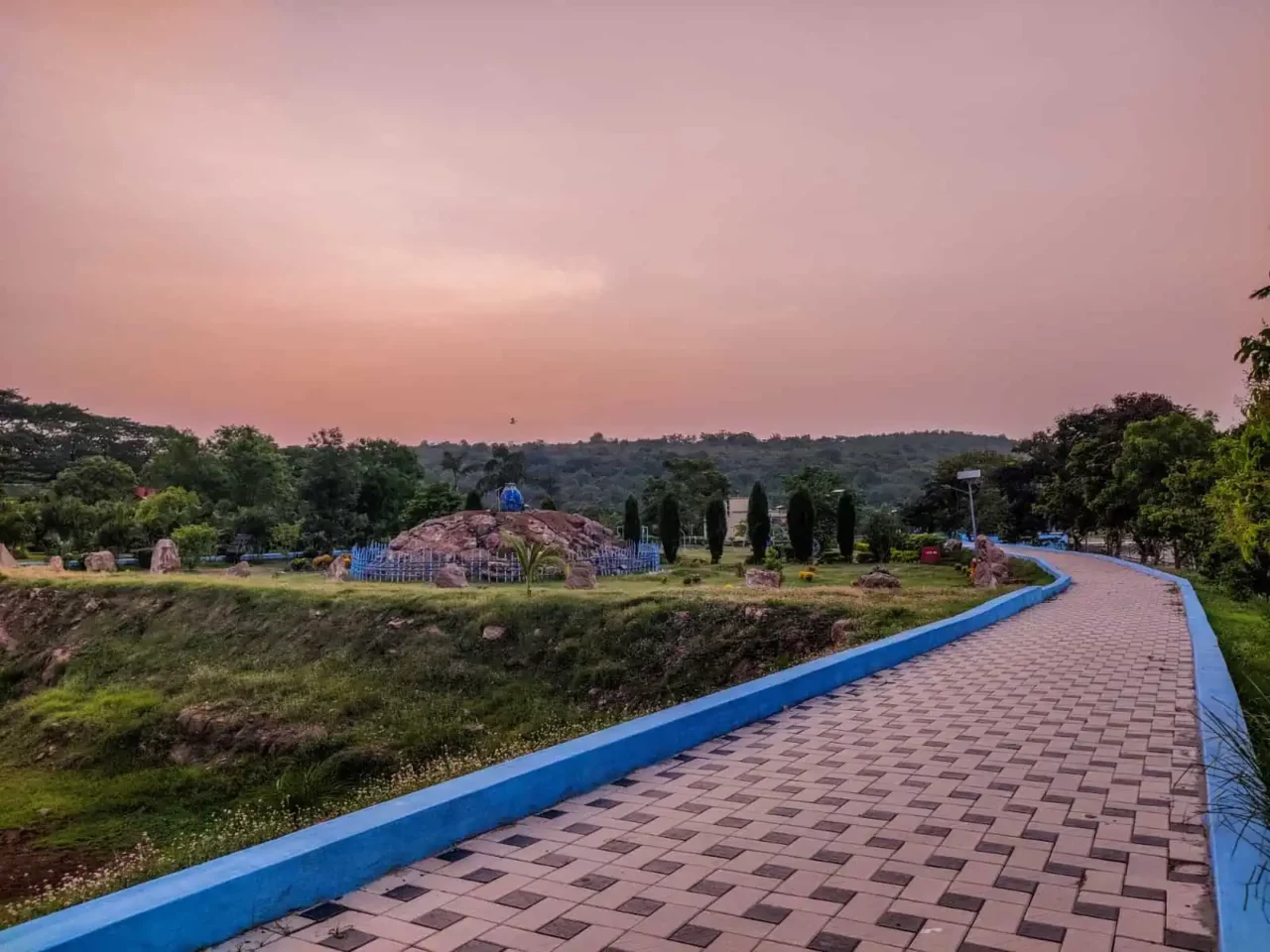
If you don’t want to do the rugged trek, the newly developed Hill Top Park offers a more accessible way to enjoy the heights. It has paved pathways, sitting areas, and several viewpoints specifically designed for photographers. In the evenings, it’s a favorite spot for local families to enjoy the cool breeze.

The Traditional Crafts of Athagarh

What I always tell visitors is: don’t just take photos, take back a piece of the culture. Athagarh is known for its exquisite handloom sarees. Unlike the more famous Sambalpuri or Bomkai, the Athagarh weaves are subtle, often featuring motifs inspired by nature—water lilies, birds, and the hills.

There’s also a dying art of brass-smithing in some nearby villages. They used to make the heavy bells for the temples and the bronze utensils used in royal kitchens. While fewer craftsmen practice this today, you can still find a few workshops where the rhythmic clanging of hammers on metal tells stories of a bygone era.

Conservation Challenges and Community Participation

While we celebrate Ansupa’s beauty, we must also acknowledge its vulnerability. Siltation remains the biggest threat. Every monsoon, the Mahanadi carries tons of sediment that settles in the lake, gradually making it shallower.

But here’s the inspiring part: the local community has taken charge. In 2026, the “Ansupa Integrated Self-Help Group” (SHG) consists of over 100 local men and women who are trained in eco-tourism and wetland management. They manage the boating, the nature camp service, and even participate in the manual removal of invasive weeds. When you pay your entry fee, a portion goes directly into a community fund for the lake’s restoration. This model of “Community-led Conservation” is being hailed as a blueprint for other wetlands in India.

Places to Visit Near Ansupa

If you’re staying for a weekend, there are several gems nearby that you shouldn’t miss:

  • Dhabaleswar Temple: An ancient Shiva temple on an island in the Mahanadi river, reachable via a suspension bridge or a boat.
  • Kapilash Temple: Known as the ‘Kailash of Odisha’, this temple is a short drive away in Dhenkanal district.
  • Saptasajya: A serene spot with seven hills and a Vishnu temple, perfect for a quiet afternoon. Read more about Saptasajya Nature Camp here.
  • Athagarh Palace: A glimpse into the royal history of the region.

Consider reading: Best Places to Visit in Cuttack District

Photography Tips for Your Ansupa Trip

As someone who has spent hours trying to get the perfect shot here, let me share a few tips:

  1. The Golden Hour: Be at the lake 15 minutes before sunrise. The light hitting the mist creates a surreal, ethereal atmosphere.
  2. Birding Lens: If you’re serious about bird photography, you’ll need at least a 400mm lens. The birds usually stay in the center of the lake.
  3. Reflections: On a calm day, the water acts as a perfect mirror for the Saranda Hills. Use a wide-angle lens to capture the scale.

Local Cultural Festivals and Events at Ansupa

If you want to see Ansupa at its most vibrant, try to align your visit with the local festivals. The cultural fabric of Athagarh is woven with rituals that celebrate nature and divinity.

  1. Ansupa Mahotsav: Usually held in the winter, this festival is a celebration of the lake’s ecological and cultural importance. You’ll see local folk dances like Ghumura and Odissi, and stalls selling traditional Athagarh handicrafts. It’s a great place to sample local snacks like Chhena Poda and Arisa Pitha.
  2. Boita Bandana: On the morning of Kartika Purnima, the lake shores are crowded with people floating tiny boats made of banana pith and paper. This ancient ritual commemorates Odisha’s maritime glory when merchants (known as Sadhabas) would set sail for distant lands like Java and Bali. Seeing the lake lit up with hundreds of flickering lamps in the pre-dawn darkness is a profoundly moving experience.
  3. Makar Sankranti: Since the lake is surrounded by agricultural land, Makar Sankranti is celebrated with great fervor. You can taste the special Makar Chaula (a dish made of freshly harvested rice, jaggery, and fruits) which is offered to the deities.

These events offer a deeper look into the local way of life and are highly recommended for those who want to experience the “living culture” of Odisha.

Conclusion

Ansupa Lake and Nature Camp isn’t just another tourist destination; it’s a reminder of the delicate beauty of our natural world. In a world that’s moving faster than ever, Ansupa asks you to slow down, breathe, and listen. Whether it’s the taste of fresh fish curry, the sight of a thousand Pochards taking flight, or the quiet strength of the Saranda Hills, Ansupa leaves an indelible mark on your soul.

What I love about this place is that every time I return, I find something new—a different bird, a new story from a local fisherman, or just a different shade of sunset. Plan your visit for the 2026 season and discover this silver lining of Odisha for yourself.

Photography Equipment Guide for Ansupa

If you’re serious about capturing the essence of Ansupa, you need to think about your gear. While a modern smartphone can take great landscape shots, the biological diversity here demands a bit more.

  1. Lenses:
    • Wide-Angle (16-35mm): Essential for capturing the “horseshoe” shape of the lake from Saranda Hill.
    • Telephoto (200-600mm): A must-have for bird photography. Most migratory birds keep a safe distance from the boats, so you’ll need the reach.
    • Macro Lens: If you’re visiting in the morning, the dew on the lotuses and the local insects offer fantastic macro opportunities.
  2. Filters: A Circular Polarizer (CPL) is incredibly helpful to manage the reflections on the water and to make the blue of the sky and the green of the hills pop.
  3. Tripod: Necessary for that 6:00 AM shot when the light is low. If you want to try long-exposure shots of the lake to get that “milky” water effect, a sturdy tripod is non-negotiable.
  4. Protection: The area can be humid, and if you’re out on a boat, there’s always a risk of splashes. A simple rain cover for your camera bag is a wise investment.

Safety Tips and Responsible Tourism

Ansupa is a fragile ecosystem, and as visitors, we have a responsibility to keep it pristine.

  • Life Jackets: Always wear the provided life jacket while boating. Even if you’re a good swimmer, the lake has areas with thick underwater vegetation (weeds) that can be dangerous.
  • No Plastic Zone: In 2026, the local administration has strictly banned single-use plastics around the lake. Carry a reusable water bottle. The Nature Camp has clean drinking water facilities.
  • Respect the Birds: Do not shout or make loud noises when you see birds. If you’re using a drone for photography, ensure you have the necessary permits and keep it at a height where it doesn’t disturb the nesting or feeding birds.
  • Stay on the Paths: When trekking Saranda Hill, stay on the marked trails. This protects the local flora and keeps you safe from any local wildlife (though mostly harmless, the forest has wild boars and monkeys).
  • Local Customs: When visiting the nearby tribal villages, ask for permission before taking photos of people or their homes. A little respect goes a long way in creating a positive experience for everyone.

FAQs on Ansupa Lake and Nature Camp

What is the best way to book the Ansupa Nature Camp?

The most reliable way is through the official Eco Tour Odisha website. It’s always better to book at least 2-3 weeks in advance, especially for winter weekends.

Is mobile network available at the Nature Camp?

Yes, most major networks like Jio and Airtel work, but the signal can be spotty near the Saranda Hill ruins. Consider it a good excuse to put your phone away!

Are there crocodiles in Ansupa Lake?

Unlike Bhitarkanika, Ansupa is a freshwater lake and is generally considered safe for boating. However, always follow the instructions of the local boatmen and stay within the designated areas.

Can I visit Ansupa as a day trip from Bhubaneswar?

Absolutely. Since it’s only about 2 hours away, you can start early, enjoy boating and lunch, and head back by evening. But to experience the dawn and the birds, an overnight stay is highly recommended.

Is there an entry fee for Saranda Hill?

There isn’t a formal entry fee for the hill itself, but it is highly recommended to take a local guide from the Nature Camp for a small tip (around ₹200) to ensure you don’t lose your way and to hear the local stories.


Note: This guide is updated as of February 2026. Travel conditions and prices may vary. Always check official government websites for the latest travel advisories in Odisha.