Kapilash Temple Dhenkanal: 2026 Guide to Kailash of Odisha
Complete 2026 visitor guide to Kapilash Temple in Dhenkanal. Discover 1,352 steps trek, Barabanki ghat road, history, timings, and the Kailash of Odisha.
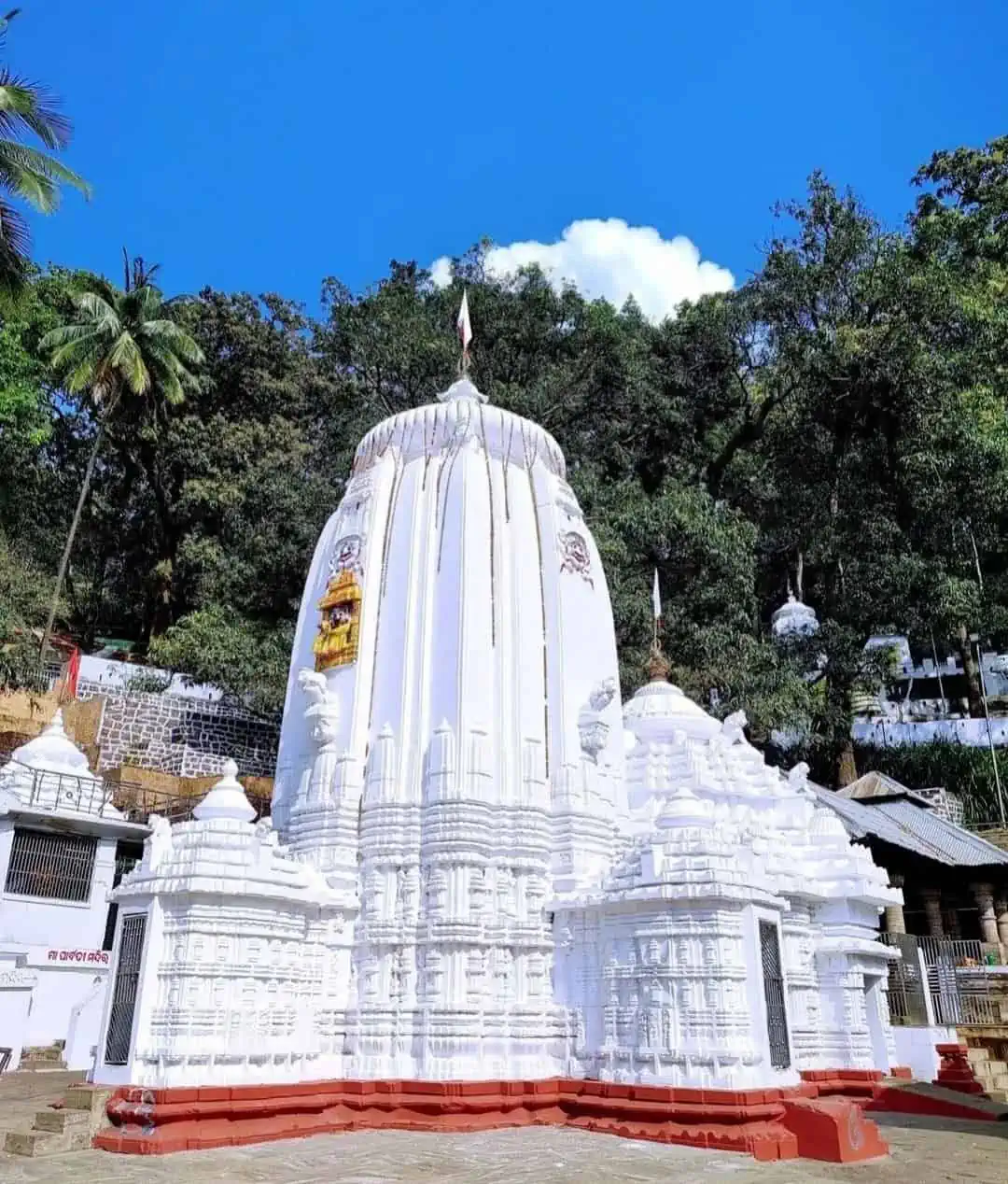
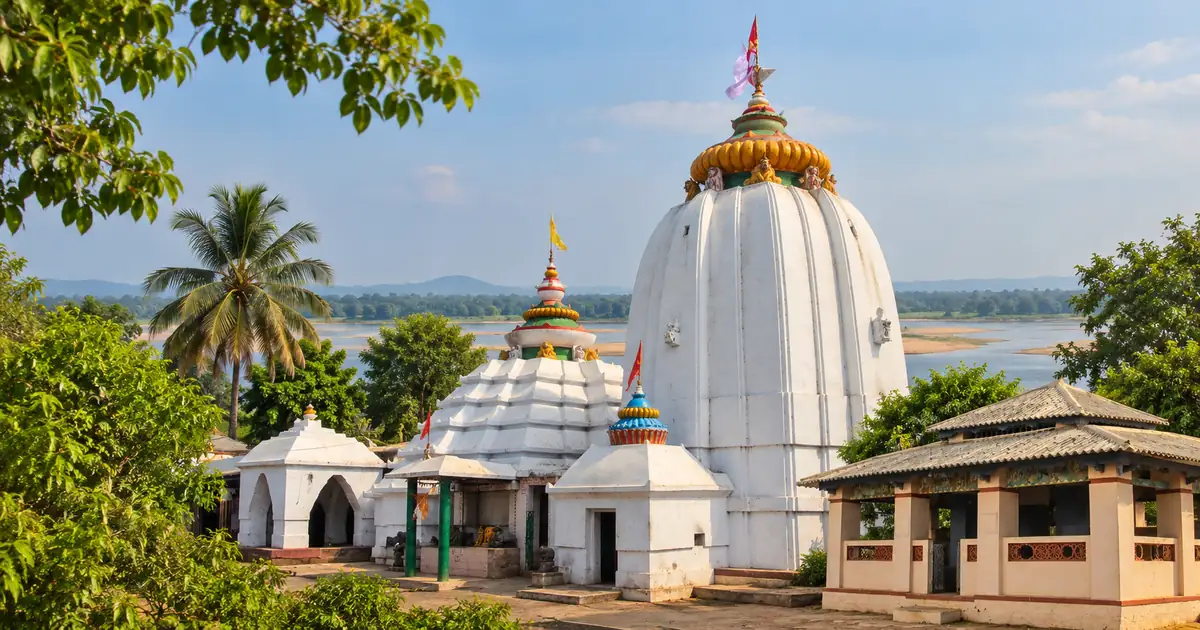
Rising 2,239 feet above sea level in the Eastern Ghats of Dhenkanal district, Sri Chandrasekhar Mahadev Temple atop Kapilash Hill is celebrated across eastern India as the Kailash of Odisha. The hilltop shrine combines Shaivite, Vaishnavite, and tribal ascetic traditions amidst the dense Sal forests of the Kapilash Wildlife Sanctuary.
Key Takeaways
- Sri Chandrasekhar Mahadev Temple at Kapilash sits at an altitude of 2,239 feet (682 meters) in Dhenkanal district.
- Pilgrims access the hilltop shrine via 1,352 stone steps or the 4.5-kilometer Barabanki ghat road featuring 12 hairpin curves.
- Eastern Ganga dynasty monarch King Narasimhadeva I commissioned the 60-foot Khondalite stone temple in 1246 CE.
- General darshan timings run daily from 6:00 AM to 1:00 PM and from 3:00 PM to 7:00 PM with free entry.
- The annual Maha Shivratri Jagara festival draws more than 200,000 devotees for midnight Mahadipa rituals.
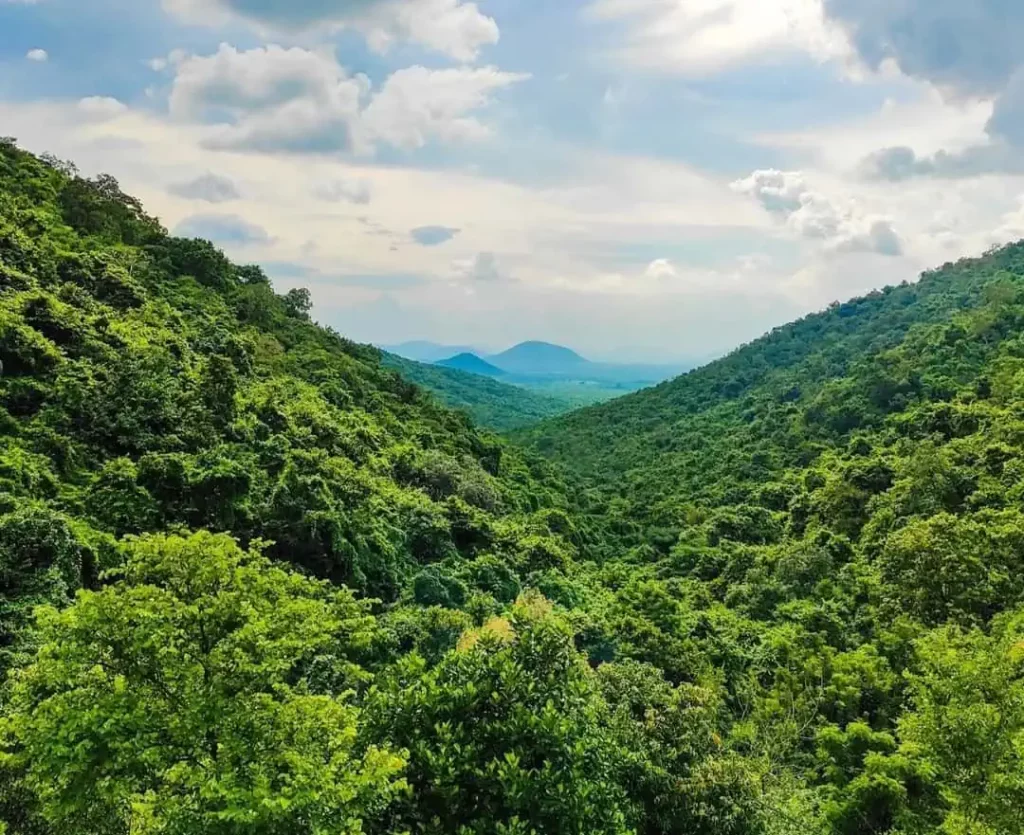
Commissioned in 1246 CE by King Narasimhadeva I, the builder of the Magnificent Konark Sun Temple, Kapilash stands as a sacred Hari-Hara-Shakta pitha. The temple hill has served as a sanctuary for sages including Maharshi Kapila and Mahima Gosain for generations.
At-a-Glance: Kapilash Temple Quick Visitor Facts
Kapilash Temple serves as a primary pilgrimage and heritage landmark in central Odisha. The sacred compound welcomes visitors throughout the year with dedicated facilities managed by the endowment administration and district authorities.
| Feature | Practical Visitor Details (2026 Edition) |
|---|---|
| Location | Kapilash Hill, Dhenkanal District, Odisha, 759016 (26 km from Dhenkanal town) |
| Presiding Deity | Lord Chandrasekhar Mahadev (Self-Manifested Swayambhu Lingam) |
| Hilltop Altitude | 2,239 Feet (682 Meters) above sea level |
| Era of Construction | 1246 CE (King Narasimhadeva I, Eastern Ganga Dynasty) |
| General Temple Hours | 6:00 AM to 1:00 PM and 3:00 PM to 7:00 PM daily |
| Entry Fee | Free general entry for all devotees |
| Ascent Mode 1 (Trek) | 1,352 Stone Steps (1 to 1.5 hours climb through Sal forests) |
| Ascent Mode 2 (Drive) | Barabanki Ghat Road (4.5 km with 12 hairpin curves; Toll: ₹50 bikes, ₹100 cars) |
| Sacred Mountain Springs | Payamruta Kunda and Marichi Kunda perennial springs |
| Signature Festival | Maha Shivratri Jagara and Shravan Bol Bom Yatra |
| Nearest Railway Station | Dhenkanal Railway Station (DNKL), 26 km |
| Nearest Airport | Biju Patnaik International Airport (BBI), Bhubaneswar, 90 km via NH-55 |
| Official Tourism Portal | District Administration Dhenkanal Official Portal |
The 2 Modes of Ascent: 1,352 Steps vs. 12-Curve Barabanki Ghat Road
Devotees and travelers can reach the hilltop sanctuary via two distinct routes suited to varying fitness levels. Walking the historic stairway offers a traditional pilgrimage atmosphere, while the motorable ghat road accommodates vehicles and senior family members.
| Mode of Ascent | Distance and Timing | Travel Experience and Highlights |
|---|---|---|
| 1. 1,352 Stone Steps (Historic Trek) | 1 to 1.5 Hours Foot Climb | Shaded by dense Sal and Kendu canopy, passes caves and Payamruta spring |
| 2. Barabanki Ghat Road (12 Curves) | 4.5 km Mountain Drive | 12 panoramic hairpin bends, accessible by cars, bikes, and temple shuttles |
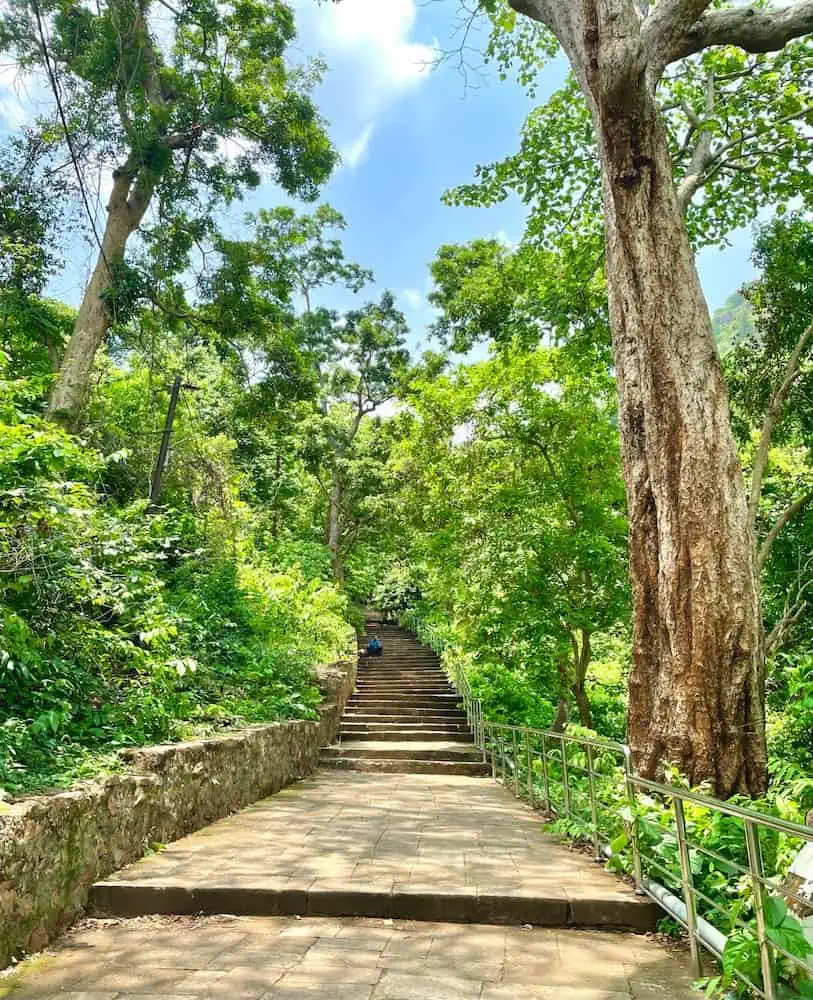
Pilgrims ascending on foot climb 1,352 chiselled stone steps lined with banyan, teak, and wild champak trees. Shaded resting gazebos appear every 200 steps to support trekkers along the hillside. Natural perennial spring Payamruta Kunda flows beside the stairway, providing fresh mineral water used in daily rituals.
Travelers driving private vehicles or taxis take the 4.5-kilometer asphalted Barabanki ghat road. The route winds through twelve gradual hairpin bends managed under forest division conservation regulations. Visitors seeking eco-cottages can check accommodation options through the Eco Tour Odisha Kapilash Forest Retreat Portal.
The 1246 CE Architectural Legacy of King Narasimhadeva I
Sri Chandrasekhar Temple represents the mature phase of medieval Kalinga temple engineering adapted to mountain topography. King Narasimhadeva I chose durable red Khondalite stone to withstand high-altitude weathering and monsoon rains.
| Architectural Component | Structure and Material | Sacred Role and Heritage |
|---|---|---|
| 1. Vimana (Sanctum Tower) | 60-Foot Red Khondalite Rekha Deula | Encloses subterranean Swayambhu Chandrasekhar Lingam |
| 2. Jagamohana (Assembly Hall) | Pyramidal Pidha Deula with Sal Timber | Hand-carved wooden ceiling frames and perforated stone Jali screens |
| 3. Parsva Deva Shrines | Khondalite Side Niches | Houses Goddess Parvati, Ganesha, Kartikeya, and Lord Jagannath |
| 4. Payamruta Kunda | Natural Mountain Rock Spring | Channels pure mineral spring water continuously onto the Lingam |
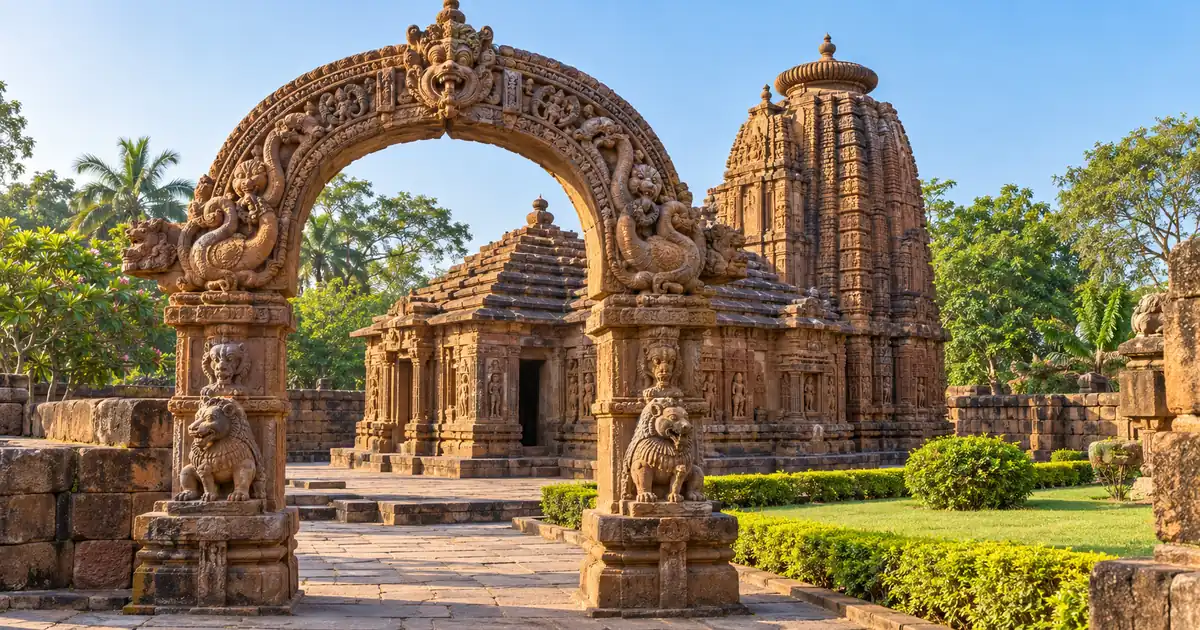
The 60-foot main sanctuary tower is designed as a classic Pancharatha Rekha Deula. Its weathered sandstone exterior features intricate relief carvings of guardian deities, celestial dancers, and floral motifs documented by the Archaeological Survey of India Protected Monuments Portal.
The adjacent Jagamohana assembly hall features seasoned Sal timber beams across its pyramidal ceiling structure. This woodwork distinguishes Kapilash from coastal plains temples, demonstrating indigenous forest craftsmanship. Natural spring water from Payamruta Kunda flows directly into the subterranean chamber to bathe the central Shiva Lingam continuously.
The Sacred Synthesis: Hari-Hara Pitha and Mahima Dharma Origins
Kapilash Hill is revered as a meeting ground of diverse spiritual movements in eastern India. The shrine harmonizes traditional Brahmanical worship with regional forest asceticism.
| Spiritual Dimension | Historical Figure | Sacred Practice and Local Heritage |
|---|---|---|
| 1. Hari-Hara Synthesis | Lord Jagannath as Parsva Deva | Harmonizes Shaivite and Vaishnavite lineages under one roof |
| 2. Sage Kapila Hermitage | Maharshi Kapila (Samkhya Philosophy) | Ancient meditation cave where the Vedic sage attained realization |
| 3. Mahima Dharma Origins | Mahima Gosain (Early 19th Century) | 24-year cave penance before founding Alekha Mahima Dharma |
Inside the sanctum precinct, an idol of Lord Jagannath is enshrined as a revered Parsva Deva alongside Shaivite deities. This arrangement allows Shaivite and Vaishnavite pilgrims to worship together in shared reverence.
In the early nineteenth century, spiritual reformer Mahima Gosain spent 24 years in deep contemplation within the rock shelters of Kapilash Hill. Sustaining himself on forest herbs and stream water, he developed the philosophy of formless monotheism. His teachings led to the establishment of the Mahima Dharma headquarters at Joranda Gadi, situated 24 kilometers from the hill.
Major Festivals: Maha Shivratri Jagara and Shravan Bol Bom Yatra
Maha Shivratri stands as the grandest annual gathering at Kapilash Temple, attracting over 200,000 devotees to the mountain summit. Pilgrims keep an all-night vigil while chanting prayers across the illuminated temple courtyards.
The celebration reaches its climax at midnight when servitors hoist the sacred Mahadipa lamp atop the 60-foot temple spire. Devotees break their day-long fast only after the flame becomes visible across the surrounding valleys. The event is celebrated alongside major Shaivite gatherings featured in our guide to 20 must-visit best tourist places in Odisha.
During the holy monsoon month of Shravana, thousands of saffron-clad Bol Bom pilgrims undertake barefoot journeys to Kapilash. Carrying decorated bamboo poles with pots of sacred river water from the Brahmani and Mahanadi, they climb the 1,352 steps to perform ritual Jalabisheka on the Shivalingam.
Culinary Heritage: Sacred Mahaprasad and Dhenkanal Bara
Pilgrims visiting Kapilash can partake of wholesome temple prasad prepared in traditional earthen pots. The offerings feature locally grown rice, lentils, and country vegetables cooked without onion or garlic.
| Delicacy | Key Ingredients and Cooking Style | Flavor Profile and Cultural Taste |
|---|---|---|
| 1. Kapilash Mahaprasad | Mountain-spring cooked rice, Dalma, Besara, and Kheer | Wholesome sacred meal cooked in traditional earthen pots |
| 2. Dhenkanal Bara | Extra-crispy deep-fried black gram lentil fritters | Crunchy regional specialty served with spicy potato curry |
| 3. Biradi Bara | Fermented black gram dumplings with roasted cumin chutney | Tangy savory breakfast delicacy common in Dhenkanal markets |
| 4. Chhena Podha | Baked cottage cheese cake caramelized over Sal leaves | Traditional dessert infused with cardamom and sugar syrup |
Dhenkanal town is celebrated across Odisha for its distinct culinary snacks, detailed further in our guide to 10 famous Odisha foods you must try. Crispy Dhenkanal Bara remains a favorite choice for breakfast among travelers returning from the temple.
Top Nearby Attractions to Combine With Your Trip
Travelers visiting Kapilash can easily extend their itinerary to explore neighboring heritage sanctuaries and scenic viewpoints across Dhenkanal district.
| Nearby Attraction | Distance from Kapilash | Key Highlights and Travel Experience |
|---|---|---|
| Kapilash Science Centre and Zoo | At the Foothills | Deer park, crocodile enclosure, and interactive science gallery |
| Joranda Gadi (Mahima Seat) | 24 km | Global seat of Mahima Dharma featuring Sunya Mandir and Akhanda Dhuni |
| Saptasajya Hill Nature Camp | 40 km | Seven-peaked forested sanctuary with Ramayana trails |
| Sarang Sleeping Vishnu | 45 km | Colossal 31-foot 9th-century rock-cut Vishnu sculpture on Brahmani River |
| Sapua Dam Reservoir | 35 km | Masonry reservoir surrounded by rolling green hills |
The foothills host the Kapilash Science Centre and mini-zoo, providing an educational stop for families traveling with children. Visitors interested in forest trekking can explore trails outlined in our Saptasajya nature camp guide.
How to Reach Kapilash Temple in 2026
Kapilash Temple is located 26 kilometers northeast of Dhenkanal town and connects smoothly via paved state highways. Regular auto-rickshaws, private taxis, and local buses operate from the central Dhenkanal bus terminal to the base of the hill.
Travelers arriving by train can disembark at Dhenkanal Railway Station (DNKL), positioned on the Cuttack-Sambalpur mainline. Major express trains and passenger services connect Dhenkanal directly with Cuttack (65 km) and Bhubaneswar (90 km).
For air travelers, Biju Patnaik International Airport (BBI) in Bhubaneswar provides the nearest commercial airport. The journey takes approximately two hours by car along national highway NH-55. Visitors can consult our comprehensive guide to places to visit in Dhenkanal district to organize full-day sightseeing excursions.
Frequently Asked Questions About Kapilash Temple
What are the daily darshan timings of Kapilash Temple?
Kapilash Temple opens daily from 6:00 AM to 1:00 PM for morning darshan and from 3:00 PM to 7:00 PM for evening prayers. Sanctum entry is free of charge for all visitors throughout the year.
How many steps lead to Kapilash Temple summit?
Devotees climb 1,352 stone steps to reach the hilltop sanctuary on foot, which takes approximately one to 1.5 hours. Alternatively, travelers can drive vehicles up the 4.5-kilometer Barabanki ghat road featuring 12 hairpin curves.
Why is Kapilash called the Kailash of Odisha?
The temple earned the title because of its high altitude at 2,239 feet amidst misty mountain Sal forests. Its ancient self-manifested Shiva Lingam and tranquil spiritual setting mirror the sacred atmosphere of Mount Kailash.
Who built the Chandrasekhar Mahadev Temple at Kapilash?
King Narasimhadeva I of the Eastern Ganga Dynasty constructed the stone temple in 1246 CE. He is the same monarch who commissioned the Sun Temple at Konark during the thirteenth century.
What is the vehicle toll for the Barabanki ghat road?
Forest administration checkposts collect a nominal environmental conservation fee of ₹50 for two-wheelers and ₹100 for four-wheelers. The toll supports maintenance and plastic-waste management along the mountain route.