12 Best Places to Visit in Jagatsinghpur – 2026 Travel Guide
Discover the best places to visit in Jagatsinghpur in 2026. From the sacred Maa Sarala Temple to the serene Siali Beach, explore local tips, food, and culture.
The first time I stood at the gates of the Maa Sarala Temple in Jhankad, I knew I had found one of the best places to visit in Jagatsinghpur. The air was thick with the scent of burning camphor and fresh marigolds. It was a crisp February morning, much like today, and the distant sound of the temple bells seemed to echo the heartbeat of the district itself. Most travelers often bypass this small region on their way to the more famous sites in Puri or Bhubaneswar, but they’re missing out on the quiet, soulful side of Odisha that only Jagatsinghpur can offer.
What I love about Jagatsinghpur isn’t just the ancient temples or the hidden beaches; it’s the rhythm of life here. You’ll see farmers tending to emerald-green paddy fields, the salt-tinged breeze coming off the Bay of Bengal, and a culture so deeply rooted in history that every stone seems to have a story to tell. I remember sitting by the Devi River at sunset, watching the water turn into liquid gold, and realizing that this is the Odisha I want everyone to experience—authentic, unhurried, and deeply spiritual.
In this guide, I’m sharing my personal favorites and the absolute best places to visit in Jagatsinghpur for 2026. These spots will show you why this district holds a special place in my heart, away from the typical tourist crowds.
Jagatsinghpur: The Land of Hariharpur and Maritime Glory
To truly appreciate Jagatsinghpur, you have to understand its history. Long before it was known by its current name, this region was called Hariharpur. It holds a unique place in the history of colonial India because it was here, in 1633, that the East India Company established one of its first factories in Eastern India. But the history of Jagatsinghpur goes much deeper than colonial trade.
For centuries, this district was a major maritime hub. The rivers—Mahanadi, Devi, and Alaka—served as the lifelines for trade and culture. I once met an elderly gentleman in a village near Kujang who told me stories passed down through generations about the ‘Sadhaba Puan’ (the merchant sons of Odisha) who would set sail from these very shores to distant lands like Bali, Java, and Sumatra. Even today, during the ‘Boita Bandana’ festival in November, you can see the local people floating tiny paper boats in the rivers, a poignant reminder of their glorious maritime past.
Geographically, Jagatsinghpur is the smallest district in Odisha by area, but it’s arguably one of the richest in terms of cultural output. It has produced some of the state’s greatest poets, freedom fighters, and thinkers. The landscape is a mosaic of fertile plains and deltaic islands, making it one of the most productive agricultural zones in the state. As you drive through the district, you’ll see endless groves of betel vines (Pan), which are exported all over India. There’s a certain pride in the way the locals talk about their land—it’s a pride born from a deep connection to the soil and the sea.
A Legacy of Resilience: From the 1999 Cyclone to 2026
You cannot talk about Jagatsinghpur without mentioning the 1999 Super Cyclone. It was a defining moment for the district, and the state of Odisha. I remember hearing stories from survivors about how the sea simply entered the land, changing the geography and the lives of thousands in a matter of hours. Erasama, a block in Jagatsinghpur, became synonymous with the scale of the tragedy.
But what followed was a masterclass in human resilience. Over the last two decades, Jagatsinghpur has rebuilt itself from the ground up. The modern disaster management systems you see in Odisha today—the multi-purpose cyclone shelters, the early warning systems, and the massive plantation of casuarina trees along the coast—were all born from the lessons learned here. When you visit today, you don’t just see a tourist destination; you see a community that has stared down nature’s fury and emerged stronger. The Smruti Udyan in Paradeep is a beautiful, somber tribute to this journey, and I always encourage visitors to spend a few moments there to understand the true strength of the Odia spirit.
1. Maa Sarala Temple, Jhankad: The Spiritual Soul
When you visit Jagatsinghpur, your journey really begins at the Maa Sarala Temple. This isn’t just another temple; it’s the cultural epicenter of the region. Dedicated to Goddess Sarala—a unique synthesis of Goddess Durga and Goddess Saraswati—this shrine dates back to the 8th century. But for me, the most fascinating part is its connection to Adikavi Sarala Das.
Legend has it that it was here, under the divine grace of the Mother, that Sarala Das (the father of Odia literature) composed the Odia Mahabharata. I spent an afternoon talking to a local priest who pointed out the spot where the poet used to sit. You can almost feel the creative energy still lingering in the air. The architecture is a classic example of the Kalinga style, with weathered stone carvings that have stood the test of time.
The temple rituals are a rhythmic spectacle in themselves. Every morning, the ‘Ghanta’ (large brass bells) and ‘Sankha’ (conch shells) create a soundscape that is both haunting and beautiful. If you’re planning your trip in 2026, try to visit during Maha Vishuba Sankranti on April 14, 2026. The atmosphere is electric, with thousands of devotees participating in the ‘Jhamu Jatra’, where ‘Patua’ devotees walk on hot coals as an act of penance and devotion. But even on a regular day, the stillness you find here is unparalleled. Don’t forget to try the local ‘Abhada’ (holy food) served at the temple; it’s a simple yet earthy meal that connects you to the deep-rooted traditions.
For those interested in exploring more sacred sites, you might find our guide on the 20 Famous Temples in Odisha helpful for planning a broader spiritual trail.
2. Siali Sea Beach: A Hidden Coastal Gem
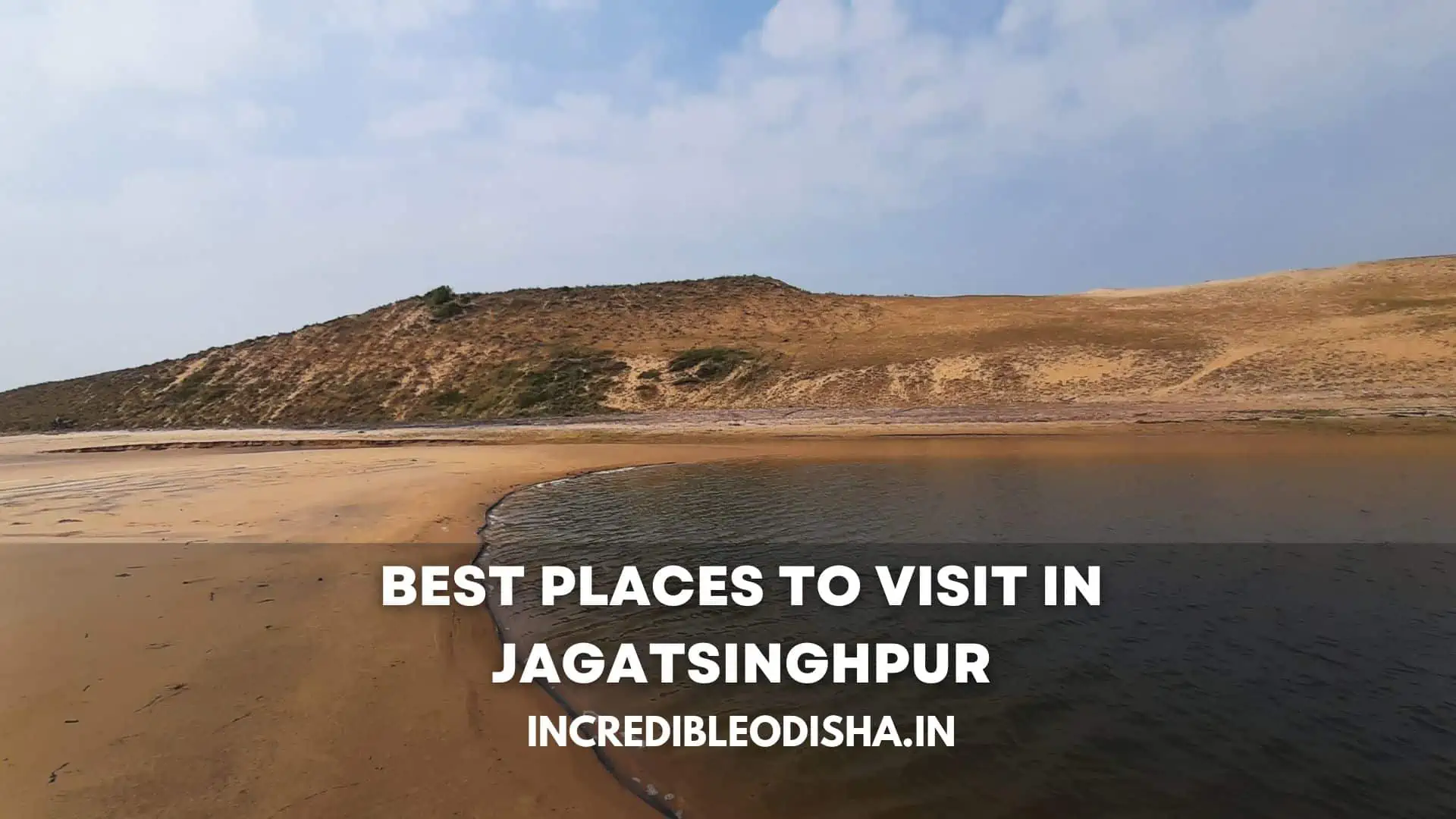
Trust me when I say this: Siali Sea Beach is one of Odisha’s best-kept secrets. While the crowds flock to Puri, Siali offers a level of tranquility that is hard to find elsewhere. Located about 20 km from the Balikuda block, the drive itself is a treat. You’ll pass through winding roads lined with casuarina trees and small villages that look like they’ve been pulled straight from a postcard.
The first thing you’ll notice when you arrive is the vastness. The beach is exceptionally clean, and the absence of commercial stalls means you can actually hear the rhythmic roar of the waves. I remember walking along the shore at dawn and spotting dozens of red crabs scurrying across the sand—a sight that always makes me feel like a kid again. The shoreline here is shallow, making it a safe place for a long walk, though I always tell people to be careful of the tides.
It’s a perfect spot for a family picnic. There are small shelters built by the Odisha Tourism department where you can sit and enjoy the breeze. My advice? Pack some snacks, bring a good book, and just let the day drift away. If you’re lucky, you might even see local fishermen bringing in their catch of the day. If you’re comparing coastal experiences, you might also want to read about the Puri Blue Flag Beach to see how different Siali feels.
3. Paradeep Sea Beach: Where Industry Meets Nature
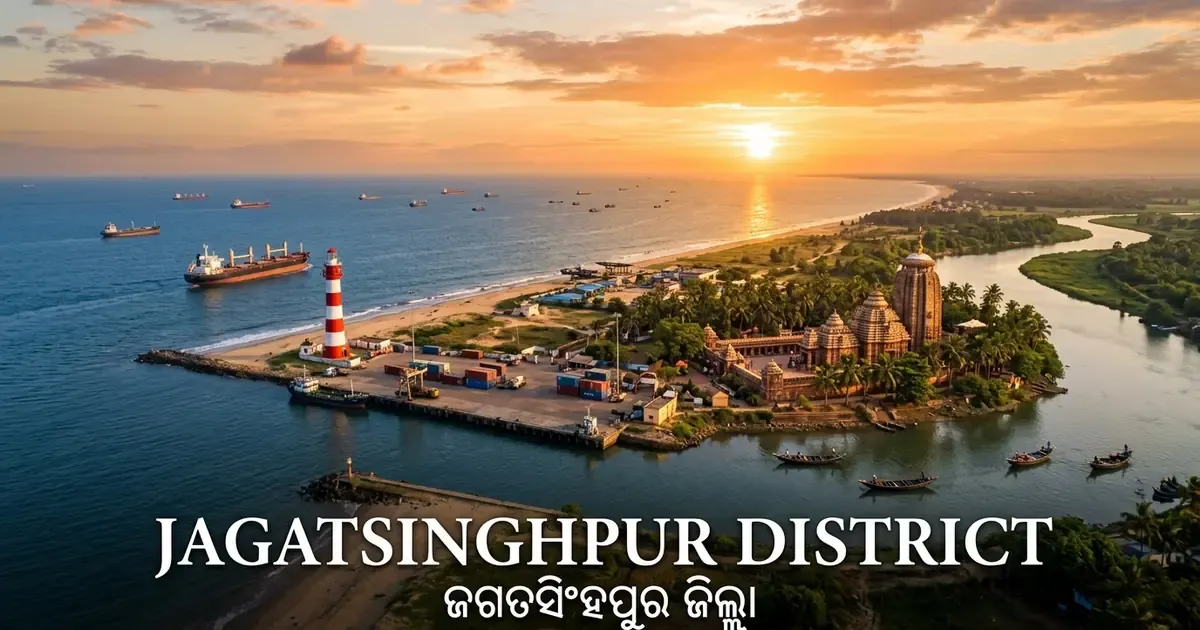
Paradeep is often thought of as just a major port town, but its beach is surprisingly beautiful. What I find fascinating here is the contrast. On one side, you have massive cargo ships waiting at the horizon to enter one of India’s largest ports, and on the other, you have a serene, wide-open beach with gentle waves.
The ‘Marine Drive’ in Paradeep is a local favorite. I love walking here in the evening when the sea breeze is at its strongest. The beach is well-maintained, and there are plenty of spots to just sit and watch the maritime activity. It’s a unique experience that you won’t get at any other beach in Odisha. The beach also features several small parks and seating areas, making it a great spot for an evening stroll.
If you’re traveling with kids, the Paradeep beach area is great because of its proximity to other attractions like the Marine Aquarium. It’s a place that shows the modern, industrious face of Odisha while still respecting its natural beauty. The port itself is a marvel of engineering, and seeing the massive tankers in the distance adds a sense of scale to your visit. You can check the latest port activities and visitor guidelines on the Paradip Port Authority official website. You can also find general district updates on the Official Jagatsinghpur District Website.
4. Gorakhnath Temple: The Ancient Akshaya Bata
There’s a certain weight of history you feel when you walk into the Gorakhnath Temple complex. Dedicated to Lord Shiva, this temple is famous for its massive Banyan tree, known locally as the ‘Akshaya Bata’. I’ve spent hours just sitting under its sprawling canopy, watching the sunlight filter through the leaves. The tree itself is centuries old, and its roots have created a natural cathedral of sorts.
The temple is a major center for the Nath tradition. During Maha Shivaratri—which in 2026 falls on February 15—the entire complex is transformed. Thousands of devotees come to offer milk and water to the Shiva Linga. What I find most touching is the simple faith of the locals who believe that tying a thread to the holy tree can fulfill their deepest wishes. The air is filled with the low-frequency chanting of “Om Namah Shivaya,” and the vibration is something you have to feel to believe.
Even if you aren’t particularly religious, the spiritual aura of this place is undeniable. It’s a quiet corner of the world where you can pause and reflect. The temple is located near the Raghunathpur area, and it’s easily accessible from Jagatsinghpur town. There’s also a small pond nearby where you can watch the fish, adding to the peaceful ambiance.
5. Marine Aquarium, Paradeep: An Underwater Discovery
Located near the Paradeep Port, the Marine Aquarium is a must-visit, especially if you’re traveling with family. While it might not be the largest aquarium in the country, it offers a wonderful look at the aquatic biodiversity of the Bay of Bengal. It was established to showcase the diverse marine life that exists right off our coast.
I remember being mesmerized by the variety of colorful fish—from shimmering lionfish to the graceful sea turtles. The interactive exhibits explain the importance of marine conservation, which is a vital lesson for both children and adults. It’s a great way to spend an hour or two, especially during the hotter parts of the afternoon when the air-conditioned halls provide a welcome relief. The guides here are usually very knowledgeable and can tell you all sorts of facts about the sea life found right off the coast of Jagatsinghpur.
For more family-friendly activities in the state, you might want to explore the Best Tourist Places in Odisha which lists several other nature-focused destinations.
6. Gada Kujanga Temple: The Subhadra Kshetra
Gada Kujanga is a place that many tourists overlook, but it has a deep spiritual connection to the Jagannath Temple in Puri. Known as the ‘Subhadra Kshetra’, this temple is dedicated to Lord Kunja Behari. It’s one of those places where history and faith are tightly intertwined.
The history here is fascinating. Locals believe that during the period of Islamic invasions, the deities from the Puri temple were sometimes brought here for safety. Walking through the temple grounds, you can see the influence of traditional Odia architecture in every corner. There’s a sense of quiet dignity here that I find very moving. The temple is surrounded by lush greenery, making it a peaceful retreat from the busier parts of the district.
The nearby Raghunath Jew Matha is also worth a visit. It’s a great example of how local communities have preserved their ancestral heritage for centuries. If you’re interested in the history of the Jagannath cult, a visit here is essential. The priests are often happy to share stories about the temple’s origins and its link to the royal family of Kujanga. You can read more about the main temple’s history in our Jagannath Temple Puri Guide.
7. Smruti Udyan: Honoring Resilience
Visiting Smruti Udyan is a different kind of experience. This park was built to commemorate the victims of the devastating 1999 super cyclone that hit the coast of Odisha. Jagatsinghpur was one of the hardest-hit areas, and this park stands as a tribute to those who were lost and to the resilience of the survivors.
As you walk past the sculptures and the symbolic boat, it’s hard not to feel a sense of somber reflection. The monuments depict the struggle and the eventual rebirth of the community. But the park is also a place of life now. There are boating facilities and beautiful green spaces where local families come to spend their evenings. It’s a reminder that even after the greatest tragedies, life goes on and people rebuild.
I find it to be one of the most emotionally significant places in Jagatsinghpur. It tells a story of survival that is central to the identity of modern Odisha. For any visitor, it offers a deep insight into the Odia spirit—strong, enduring, and always hopeful.
8. Paradip Lighthouse: A Panoramic Perspective
If you want the best view in the district, you have to climb the Paradip Lighthouse. Standing tall near the coast, this iconic structure provides a 360-degree view of the Bay of Bengal and the sprawling port city. It’s a prominent landmark that has guided sailors for decades.
I remember the climb being a bit of a workout—the spiral stairs seem to go on forever—but the moment you step onto the gallery at the top, it’s all worth it. The sight of the endless blue sea meeting the horizon, with the massive cargo ships looking like toy boats in the distance, is something you won’t forget. On a clear day, you can see for miles along the coastline.
Note that the lighthouse usually has specific visiting hours (often from 4:00 PM to 6:00 PM), so it’s a good idea to check locally before you head there. It’s a perfect spot for photography, especially if you catch the golden hour when the entire port city is bathed in a warm, amber glow.
9. The Spiritual Trail: Dhyankud and Chandrapur
Beyond the main attractions, Jagatsinghpur has several smaller temples that form a beautiful spiritual trail. Dhyankud Temple, located on the banks of the Devi River, is one such gem. Dedicated to Lord Jagannath, this temple offers a tranquil atmosphere that is perfect for meditation. The reflection of the temple in the calm waters of the Devi River at dawn is a sight that has stayed with me for years.
Then there is the Chandrapur Temple, which is unique because it houses both Lord Ram (as Raghunath Jew) and Lord Shiva (as Chandrasekhar) in the same compound. This harmony of Vaishnavism and Shaivism is a hallmark of Odia spirituality. The temple is set in a typical rural village, surrounded by paddy fields and ponds. It’s a place where you can witness the authentic rural life of Odisha, untouched by the hustle of the city.
Another stop on this trail should be the Somanath Temple in Muchukunda. The Shiva Linga here is believed to have been established by a mythical king, and the temple architecture, though simple, has a timeless quality. Visiting these smaller shrines allows you to see the district through the eyes of the locals, away from the typical tourist paths.
10. Cultural Rhythms: Pala and Daskathia
To truly understand Jagatsinghpur, you must experience its folk culture. This district is a stronghold for traditional performing arts like Pala and Daskathia. Pala is a unique blend of literature, music, and theatre, where a lead singer (Gayaka) narrates stories from the Puranas with a heavy dose of Odia and Sanskrit poetry.
I remember attending a Pala performance in a village near Balikuda during a winter festival. The way the Gayaka commanded the audience, his voice rising and falling with the rhythm of the cymbals, was hypnotic. Daskathia, on the other hand, is a more intimate form of storytelling involving two performers who use wooden clappers (Kathi) to create a rhythmic beat. These art forms aren’t just entertainment; they are the vessels through which the region’s history and values are passed down.
If you’re visiting in 2026, keep an eye out for local village festivals (Melas). These are the best places to witness these performances. The culture here is living and breathing, and participating in these events is a great way to show respect for the local traditions.
11. Estuaries and Ecosystems: The Flora and Fauna
Jagatsinghpur is not just about human history; it’s a paradise for nature lovers. The district is home to several river estuaries where the fresh water of the Mahanadi and Devi rivers meets the salt water of the Bay of Bengal. These estuaries create a unique ecosystem that is rich in biodiversity.
In the casuarina forests near Paradeep and Siali, you can spot several species of migratory birds during the winter months. I’ve seen Kingfishers, Herons, and even the occasional Osprey hunting in the shallows. The mangroves, though not as extensive as in Bhitarkanika, still play a crucial role in protecting the coast from erosion. If you take a boat ride in the creeks near Paradeep, you might even see dolphins—a sight that never fails to thrill me. It’s a reminder that we share this beautiful land with a myriad of other living beings.
12. Local Flavors: What to Eat in Jagatsinghpur
You can’t say you’ve visited Jagatsinghpur without diving into its local cuisine. Being a coastal district, the seafood here is incredible. I still dream about the ‘Chingudi Jhola’ (prawn curry) I had at a small eatery near Paradeep—fresh, spicy, and perfectly balanced with local spices. The prawns here are caught daily from the estuaries and have a sweetness that you just don’t get with frozen varieties.
But it’s not just about the seafood. Jagatsinghpur is famous for its milk-based sweets. The Chhena Poda (roasted cottage cheese) here is often made using traditional wood-fired ovens, giving it a smoky crust and a melt-in-your-mouth interior. Another local favorite is Rasabali, deep-fried chhena patties soaked in thick, sweetened milk. If you happen to be here during a festival like Pana Sankranti, you must try the traditional ‘Pana’—a refreshing drink made from wood apple, curd, and spices.
For a deeper dive into the state’s culinary treasures, check out our list of 10 Famous Odisha Foods You Must Try.
13. How to Reach Jagatsinghpur in 2026
Getting to Jagatsinghpur is relatively easy, whether you’re coming from within Odisha or from other states.
- By Road: The district is well-connected to Bhubaneswar and Cuttack. I usually prefer the drive from Cuttack, which takes about an hour and a half. The road takes you through the heart of the Mahanadi delta, and the views of the river and the lush countryside are spectacular.
- By Train: The nearest major railway station is in Paradeep, though many travelers find it easier to get down at Cuttack or Bhubaneswar and take a bus or taxi. There are regular passenger trains connecting Paradeep to Cuttack. You can check train schedules and book tickets on the IRCTC Website.
- By Air: The Biju Patnaik International Airport in Bhubaneswar is the closest airport, located about 70 km away. From there, you can easily hire a pre-paid taxi or take a state transport bus.
Practical Travel Tips for 2026
If you’re planning a trip to Jagatsinghpur, here are a few local tips to make your journey smoother:
- Language: While most people in the towns understand Hindi and some English, knowing a few words of Odia goes a long way. A simple “Namaskar” (Hello) or “Dhanyabad” (Thank you) will earn you many smiles.
- Dress Code: When visiting temples like Maa Sarala or Gorakhnath, dress modestly. Avoid shorts and sleeveless tops. Some temples might require you to remove your leather belts and wallets before entering.
- Hydration: The coastal humidity can be draining. Always carry a bottle of water and try to drink coconut water (Daba), which is available everywhere for a few rupees.
- Cash: While digital payments are becoming common in Paradeep and Jagatsinghpur town, carry enough cash for smaller villages, local transport, and temple offerings.
- Respect: Photography is often prohibited inside the sanctum sanctorum of temples. Always ask for permission before taking photos of people or religious rituals.
Best Time to Visit Jagatsinghpur
The best time to explore Jagatsinghpur is undoubtedly from October to February. The weather is pleasantly cool, with temperatures ranging from 15°C to 25°C, making it ideal for beach walks and temple visits. I’ve visited in the summer, and trust me, the coastal humidity can be quite intense, making any outdoor activity a challenge.
Monsoon (July to September) has its own charm, with the countryside turning a brilliant shade of green, but beach activities might be restricted due to high tides and rough seas. For a perfect experience, aim for the winter months. If you’re planning a longer trip around the region, you might also want to look into the best places to visit in Balasore District which is another coastal gem with unique maritime history.
Planning Your Itinerary: A Local’s Tip
If you have two days to spend in Jagatsinghpur, here’s how I would plan it:
- Day 1: Start early with a visit to the Maa Sarala Temple in Jhankad. Spend some time exploring the temple grounds and maybe talk to the local artisans. In the afternoon, head to Siali Beach for a relaxed picnic. Stay for the sunset, which is absolutely magical here.
- Day 2: Drive to Paradeep. Visit the Marine Aquarium and climb the Lighthouse in the morning. After a seafood lunch, spend your late afternoon at Paradeep Beach. End your trip with a reflective visit to Smruti Udyan on your way back.
If you’re looking for more specialized stays or unique experiences, you could even consider the Eco Retreats in Odisha which sometimes set up seasonal camps in nearby coastal areas like Konark or Satkosia.
FAQs on Best Places to Visit in Jagatsinghpur
What is the most famous thing in Jagatsinghpur?
Jagatsinghpur is most famous for the Maa Sarala Temple in Jhankad, which is one of the eight most important Shakti shrines in Odisha. It is also well-known for being the home of the legendary poet Sarala Das and for the industrial significance of the Paradeep Port.
Is Siali Beach safe for swimming?
While Siali Beach is beautiful and relatively calm, it’s always important to be cautious. There are no professional lifeguards on duty, so I recommend staying close to the shore. The tides can change quickly, so it’s best to enjoy the water during the daytime and avoid going too deep.
How far is Paradeep from Jagatsinghpur town?
Paradeep is approximately 45 km from Jagatsinghpur town. The drive takes about an hour depending on the traffic. The road is generally in good condition, making it an easy day trip.
What are the main festivals celebrated here?
Apart from the standard Odia festivals, ‘Maha Vishuba Sankranti’ at the Sarala Temple and ‘Maha Shivaratri’ at the Gorakhnath Temple are celebrated with great fervor. The ‘Chandan Jatra’ and ‘Ratha Yatra’ are also significant events in the local religious calendar.
Jagatsinghpur is a place that requires you to slow down. It’s not about ticking off a list of monuments; it’s about feeling the pulse of a region that has stayed true to its roots. Whether you’re standing on the quiet sands of Siali or under the ancient banyan tree at Gorakhnath, you’ll find a piece of the real Odisha here. I hope this guide helps you plan a journey that is as meaningful to you as it has always been to me. Jai Jagannath!