Featured image for 12 Best Places to Visit in Jajpur District
Districts · · 25 min read

12 Best Places to Visit in Jajpur District

Explore Jajpur district attractions including Biraja Temple, Ratnagiri, Udayagiri, temples, heritage sites, and local travel tips.

Best Places to Visit in JajpurOdisha TourismBiraja TempleBuddhist HeritageRatnagiri

The first time I stepped into Jajpur town, I was struck by the heavy scent of incense and the distant sound of temple bells echoing across the Baitarani River. There’s a certain weight to the air here—a feeling that you’re walking through a place where history isn’t just recorded in books but lived in every ritual and carved stone. Known as the “Biraja Kshetra,” Jajpur isn’t just another district in Odisha; it’s a spiritual powerhouse that has been a center of pilgrimage for thousands of years.

I remember standing at the Dashaswamedha Ghata at dawn, watching the mist rise off the river as devotees performed their morning prayers. It was one of those moments where you realize why Odisha is called the Soul of Incredible India. Whether you’re here to trace the footsteps of ancient Buddhist monks in the Diamond Triangle or to seek blessings from Goddess Biraja, Jajpur has a way of leaving an indelible mark on your soul. Let me share my personal favorites and the best places to visit in Jajpur that you simply shouldn’t miss in 2026.

Consider reading: 20 Must-Visit Best Tourist Places in Odisha

Historical Significance of Jajpur (Biraja Kshetra)

Jajpur’s history is as deep as the Baitarani itself. Historically known as Jajapura, it served as the capital of the Somavamsi dynasty for centuries. But its spiritual roots go even deeper. It is recognized as one of the oldest Shakti Peethas in the world. When I visited the Biraja Temple, a local priest told me that Jajpur is mentioned in the Mahabharata as a place where King Yayati performed a great sacrifice, giving the town its name (Yayati-pura to Jajpur).

What I find fascinating is how Jajpur has remained a crossroads of faiths. From ancient Jainism and Buddhism to the powerful Shaiva and Shakta traditions, every major religious movement in eastern India has left its footprint here. If you’re a history buff like me, you’ll love exploring the rich history of Odisha through the lens of Jajpur’s monuments. The district is currently seeing a massive infrastructure boost in 2026, with the new expressways making it easier than ever to explore these ancient sites without losing that old-world charm.

The Bhaumakara dynasty, which ruled between the 8th and 10th centuries, also chose Jajpur as their administrative hub. Many of the intricate Buddhist sculptures we see today at Ratnagiri and Udayagiri date back to this golden era of art and architecture. Walking through the town today, you can still find remnants of ancient forts and stone embankments that stood as silent witnesses to the rise and fall of great empires. It’s a place where every stone has a story to tell, and the layers of history are almost palpable as you walk through the narrow lanes of the old town.

1. Biraja Temple: The Heart of Jajpur

You can’t talk about Jajpur without starting at the Biraja Temple. Dedicated to Goddess Biraja (a form of Durga), this temple is unique because it’s the only Shakti Peetha where the deity is worshipped as a two-armed Durga piercing the chest of the buffalo demon Mahishasura.

When I visited during the Navratri season, the energy was electric. One local insight I learned is that the temple celebrates a unique “Chariot Festival” (Ratha Yatra) for Goddess Biraja called the Simhadhwaja. Unlike the wooden chariots of Puri, this chariot moves around the temple premises for nine days. If you’re planning a visit in 2026, mark your calendars for October 16–21, when Durga Puja will be at its peak.

The Legend and Architecture: The temple is considered the “Navigaya” of India. Many pilgrims come here to perform Pitru Pooja (Pinda Daan) to honor their ancestors. The architecture is a classic example of the Kalinga style, with the main sanctum housing the two-armed goddess. Interestingly, her crown features Ganesha, a crescent moon, and a small lingam—symbolizing the harmony between different sects of Hinduism.

The principal idol of Durga is depicted with two hands, spearing the chest of Mahishasura with one hand and pulling his tail with the other, with one foot resting on a lion and the other on the demon’s chest. This specific iconography is rare and points to the antiquity of the site. I spent nearly an hour just observing the fine details of the stone work; it’s a testament to the devotion of the ancient Kalinga artisans. The air inside the temple is cool and thick with the scent of sandalwood and marigold, a sensory experience that stays with you long after you leave.

Visitor Information for Biraja Temple:

  • Darshan Timings: 4:00 AM to 1:00 PM and 3:00 PM to 10:00 PM.
  • Dress Code: Traditional attire is preferred; avoid shorts or revealing clothes.
  • Pro Tip: Try to visit during the morning ‘Abhisheka’ ritual for a truly serene experience.

For more spiritual experiences, you should also explore other famous temples in Odisha that dot the landscape.

2. Ratnagiri: The Hill of Jewels

Moving from Hindu traditions to Buddhist heritage, Ratnagiri is a place that truly took my breath away. Located about 20 km from Jajpur town, Ratnagiri was once a world-renowned center of Buddhist learning, rivaling the famous Nalanda University.

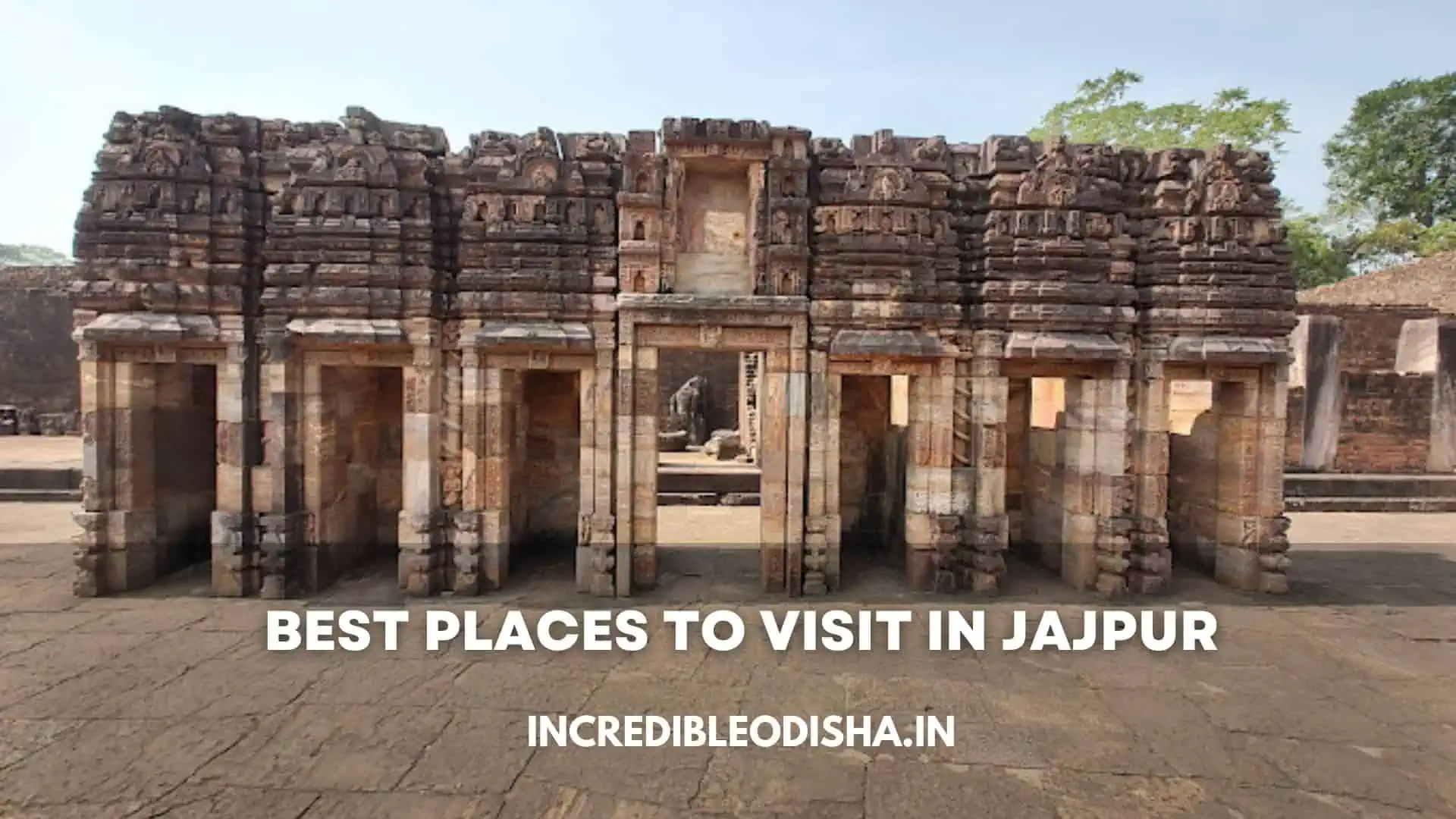
Walking through the excavated remains, the first thing that hits you is the massive green chlorite doorway of Monastery 1. The intricate carvings of celestial beings and floral patterns are so sharp they look like they were made yesterday, not 1,500 years ago. I spent hours just looking at the colossal Buddha head in the courtyard. It has this enigmatic smile that seems to follow you everywhere.

Why Ratnagiri is Special:

  • It houses the most extensive Buddhist ruins in Odisha.
  • Excavations unearthered over 1,300 clay seals bearing the legend “Sri Ratnagiri Mahavihariya Aryabikshu Sanghasya,” confirming its identity.
  • The site museum is excellent, keeping rare artifacts and bronze idols safe.
  • 2026 Update: The Archaeological Survey of India (ASI) has recently upgraded the lighting system, making evening visits (if allowed) spectacular. The way the shadows fall on the ancient stupas as the sun sets is a sight that words can hardly describe.

3. Udayagiri Buddhist Complex

Just a short drive from Ratnagiri is Udayagiri, the “Sunrise Hill.” This is the largest Buddhist complex in the Diamond Triangle. What I love about Udayagiri is the sense of scale. The main brick stupa is surrounded by numerous smaller votive stupas, and the recently excavated “Monastery 2” is a labyrinth of rooms and courtyards.

I remember a local guide pointing out a unique step-well here. Water management in ancient times was truly ahead of its time. If you’re visiting in January 2026, don’t miss the Second Buddhist Festival at Udayagiri (Jan 11–16). It’s a sight to see—hundreds of monks in saffron robes chanting against the backdrop of these ancient hills.

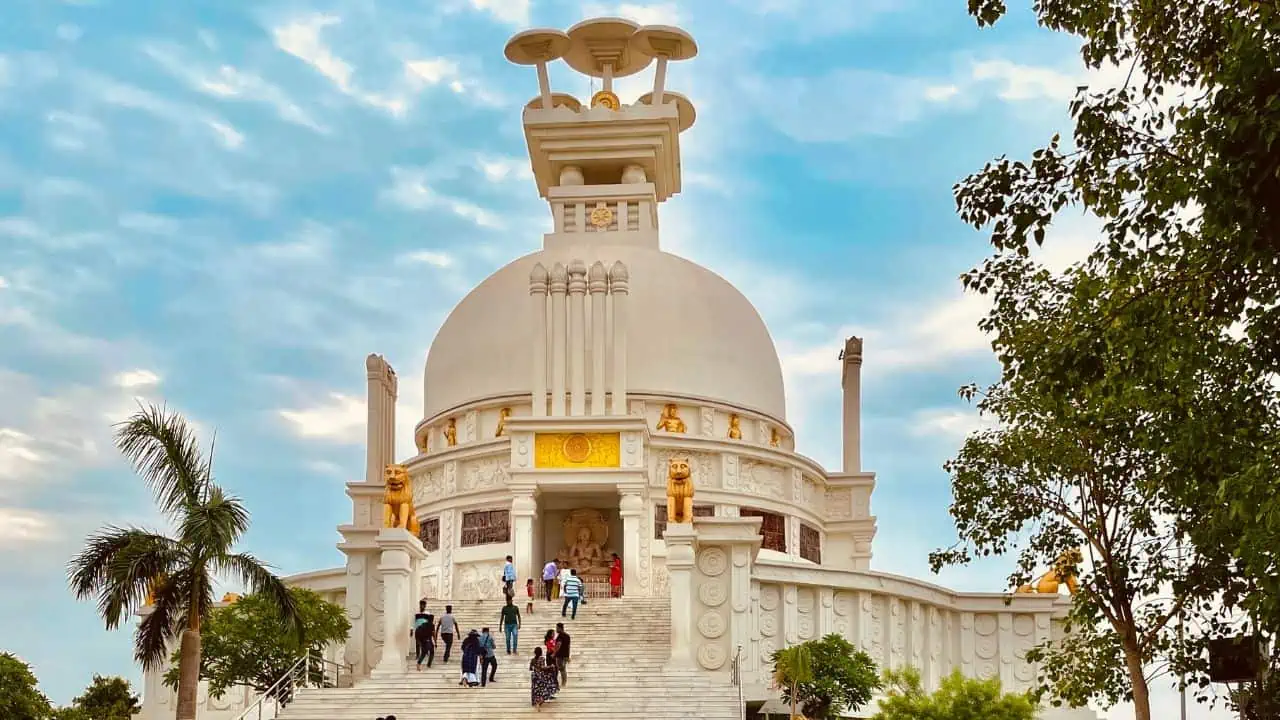
The Shanti Stupa in Dhauli is a modern testament to Odisha’s deep Buddhist roots, similar to the ancient stupas found at Udayagiri and Ratnagiri.

It felt like I had stepped back into the 7th century, a humbling experience for any traveler. The silence here is profound, broken only by the chirping of birds and the occasional rustle of leaves in the breeze. It’s a place where you can truly disconnect from the modern world and connect with the ancient wisdom of the land.

4. Chhatia Bata Temple (The Oracle of Odisha)

Chhatia Bata is more than just a temple; it’s a place of prophecy. Dedicated to Lord Jagannath, this temple is famous for its connection to the Malika—ancient palm-leaf manuscripts that predict the future.

The temple is called “Bata” because of the giant Banyan tree (Bata) that stands within its complex. I’ve always found the atmosphere here to be slightly mysterious. People believe that when the world ends, Lord Kalki will start his journey from here. The local devotees speak of these prophecies with such conviction that it’s hard not to feel a sense of awe. I spent some time talking to an elderly man who had been visiting the temple for fifty years, and his stories of the Malika’s predictions were both fascinating and chilling.

Local Tip: When you visit, don’t forget to try the “Chhatia Gaja.” It’s a hard, syrup-soaked sweet that Jajpur is famous for. You’ll see dozens of stalls lining the highway outside the temple selling these. Trust me, once you start eating them, it’s hard to stop. I always buy an extra box for the journey back, though it rarely lasts the whole trip.

5. Olasuni Hill and Cave

Olasuni Hill is where spirituality meets a bit of folk legend. It’s the burial place (Samadhi Peetha) of the famous saint Arakhita Das. The hill gets incredibly crowded during the Olasuni Mela, which usually happens around January (Magha Ekadasi). In 2026, this festival was a huge draw for local pilgrims, beginning around January 15.

The climb up the hill is gentle, and the view from the top is refreshing. I spent some time sitting near the cave where the saint lived. It’s a quiet spot for reflection, away from the typical tourist noise. Just a heads up—monkeys here can be quite bold, so keep your food bags hidden! I once lost a packet of biscuits to a particularly sneaky macaque near the cave entrance. They are the unofficial guardians of the hill, so treat them with respect and a safe distance. The rhythmic sound of devotional songs drifting up from the base of the hill adds a beautiful soundtrack to the climb.

6. Dashaswamedha Ghata

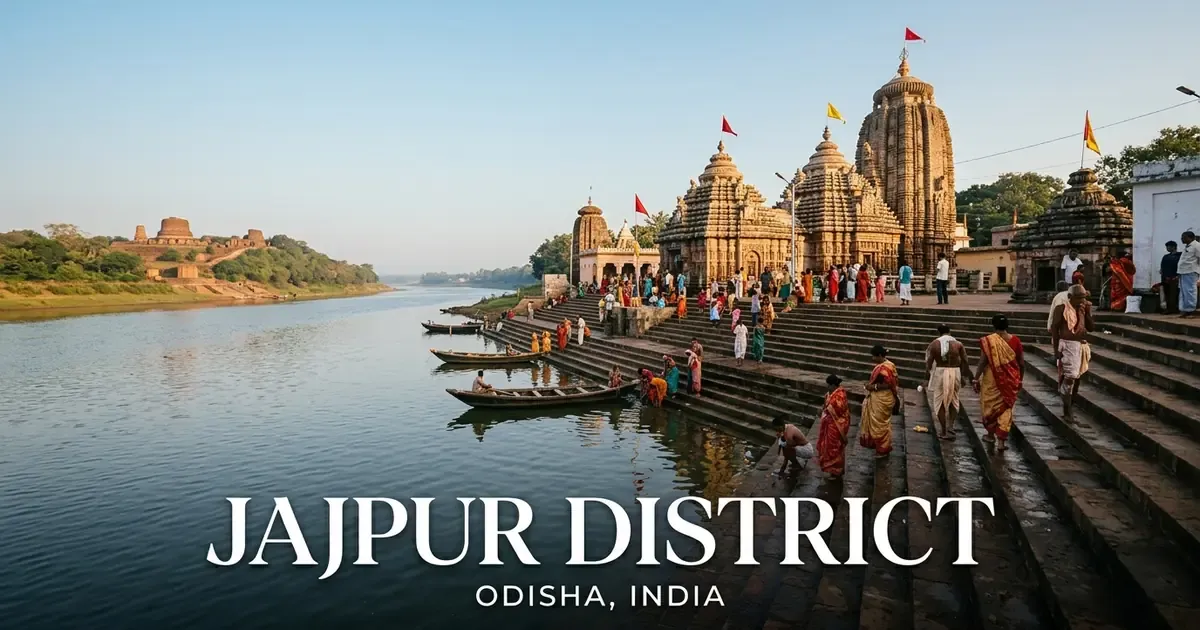
Situated on the banks of the sacred Baitarani River, Dashaswamedha Ghata is where Jajpur’s soul resides. It is said that Brahma himself performed ten Ashwamedha sacrifices here.

During the Baruni Snana festival, thousands of people gather here to take a holy dip. Even on a regular day, the sight of the seven mother goddesses (Saptamatruka) in the nearby shrine is culturally significant. I recommend visiting at sunset. The way the golden light reflects off the water while the evening ‘Aarti’ begins is something you won’t forget. It’s much quieter than the ghats of Varanasi but equally spiritual. I sat on the steps for an hour, just watching the river flow by; it’s the ultimate therapy for a busy mind. The cool water of the Baitarani felt incredibly refreshing against my skin as I touched it in respect.

7. Ashokjhar Waterfall

If you need a break from temples, head towards the Sukinda area for the Ashokjhar Waterfall. It’s not the highest waterfall in the state, but its setting is beautiful. Surrounded by lush greenery and iron-ore-rich hills, the water has a clear, refreshing quality.

I visited during the post-monsoon season, and the flow was perfect for a quick dip. It’s a popular picnic spot for locals, so if you want some peace, try to go on a weekday. The surrounding forest is also great for a light trek. For those who love the sound of cascading water, check out our full list of waterfalls in Odisha to plan your next adventure. The trek to the falls is relatively easy, but the rewards in terms of scenery are immense. The sound of the falling water is like nature’s own white noise, blocking out everything else and bringing a sense of pure peace.

8. Langudi Hills

Langudi Hills is an archaeological treasure that many tourists skip, which is a shame. It’s home to unique rock-cut stupas that are different from anything you’ll see at Ratnagiri or Udayagiri. Some historians believe that the famous Pushpagiri University was actually located here.

Walking among the rock-cut figures of Buddha and other deities felt like I was discovering a hidden secret. The site is quite spread out, so wear comfortable walking shoes. The panoramic view of the Brahmani river valley from the top is the cherry on top. I remember seeing a local shepherd grazing his flock near the ancient ruins, a stark contrast between the timeless past and the simple present. It’s moments like these that make travel in rural Odisha so rewarding. The rough texture of the ancient stone under my fingers made me feel connected to the hands that carved them centuries ago.

9. Gokarneswar Temple

Located on the banks of the Brahmani River, the Gokarneswar Temple is an ancient Shiva shrine. The architecture is typical of the Kalinga style but with its own local variations. What I loved most about this place was the tranquility. Unlike the busier Biraja temple, Gokarneswar offers a quiet space for prayer.

The river breeze makes even a hot afternoon feel pleasant. It’s a great spot to sit and watch the river flow by while contemplating your journey. The locals told me that the temple remains relatively cool even during the peak of summer due to its proximity to the water and the thick stone walls. It’s a hidden oasis for spiritual seekers. I remember the sound of a lone flute player sitting by the river—the melody was so hauntingly beautiful that it stayed with me for days.

10. Chandi Temple, Chandikhole

Chandikhole is a major transit point in Jajpur, but it’s also home to the beautiful Chandi Temple. Tucked away at the base of a forested hill, the temple is dedicated to Goddess Chandi. There’s a natural spring nearby that adds to the charm.

I remember stopping here for a quick break and ending up staying for an hour just soaking in the forest vibes. It’s a great place to stop if you’re traveling between Bhubaneswar and Jajpur. The local ‘Bara’ (lentil fritters) sold at the nearby stalls are a must-try. They are crispy on the outside and soft on the inside, the perfect road-trip snack. The cold water from the natural spring was so sweet and refreshing, it felt like drinking from nature’s own refrigerator.

11. Mahavinayak Temple

Just a few kilometers from Chandikhole is the Mahavinayak Temple. This is one of the oldest temples in Odisha and is unique because it’s a place where five deities (Ganesha, Shiva, Vishnu, Ambika, and Surya) are worshipped as a single deity—Mahavinayak.

The temple is surrounded by thick forests and small streams. The trek up the hill behind the temple is rewarding for nature lovers. It’s a great example of how Odisha’s temples are often integrated into the natural landscape. I once saw a family of deer near the temple stream at dawn—a truly magical sight. The air here is so pure it feels like it’s washing your lungs clean. The sound of the stream bubbling over the rocks is incredibly soothing, a natural lullaby for the soul.

12. Kusuma Pond and Park

Finally, for some leisure time in Jajpur city, head to Kusuma Pond. The local government has transformed this ancient pond into a beautiful park with walking tracks and boating facilities.

In the evening, they have a musical fountain show that is quite popular with local families. It’s the perfect place to unwind after a long day of temple hopping. I spent an evening here in early 2026 just watching the sunset and chatting with some local students about Jajpur’s rapid development. The park is a testament to how the city is modernizing while keeping its heritage alive. It’s the “living room” of Jajpur town, where everyone comes to relax. The laughter of children and the bright colors of the flowers make it a joyful place to end your day.


The Archaeological Museum of Ratnagiri

If you are visiting the Buddhist sites, the Ratnagiri Museum is an absolute must. Spread across three storeys, it houses some of the most impressive Buddhist artifacts in India.

Key Highlights of the Museum:

  • Massive Buddha Heads: I was stunned by a Buddha head that stands 1.4 meters tall—the largest ever discovered in Odisha. The serenity on its face is almost infectious.
  • Ivory and Bronze Sculptures: The museum has a rare collection of bronze icons representing various Tantric Buddhist deities like Tara and Avalokiteshvara. The craftsmanship in these small metal figures is mind-blowing.
  • Inscribed Copper Plates: These plates provide historical evidence of land grants and the royal patronage the monastery received from the Bhaumakara and Somavamsi kings.
  • Votive Stupas: There are hundreds of these smaller stupas, each with intricate carvings that tell a story of ancient devotion.

Visitor Tip: The museum is closed on Fridays, so plan your visit accordingly. Carry a light jacket as the galleries are air-conditioned to protect the artifacts. It’s a great place to escape the afternoon sun while learning about Odisha’s glorious past. The museum is so well-maintained that it feels like a modern tribute to ancient times.

Shopping in Jajpur: Tussar Silk and Handicrafts

You cannot leave Jajpur without bringing home a piece of its heritage. The district is famous for several unique crafts that have received global recognition.

Gopalpur Tussar Silk: A Weaver’s Legacy

Gopalpur village is the heart of Jajpur’s weaving tradition. The “Gopalpur Tussar” received a Geographical Indication (GI) tag in 2009. I visited one of the weaving clusters and was amazed at the patience of the weavers.

The Technical Mastery:

  • Silkworm Rearing: Unlike mulberry silk, Tussar silk is produced by silkworms that feed on Sal and Arjun trees. This gives the silk its natural golden-brown hue.
  • Foda Technique: This is a specialized weaving method where shuttles interlock to create intricate tapestry-like patterns on the border of the saree.
  • Gheecha Silk: Artisans also use “Gheecha” yarns, which are hand-spun from leftover silk, giving the fabric a unique earthy texture and matte finish.
  • Jaala Work: This involves creating extra-weft patterns that look like they are floating on the fabric.

A single Gopalpur Tussar saree can take weeks to complete. The designs often feature motifs inspired by the local temples. If you’re looking for an authentic souvenir, a Tussar silk saree or scarf is the way to go. I bought a scarf for my mother, and she was amazed by the texture; it feels unlike any other silk. The rhythmic clicking of the looms in the village is like a heartbeat, showing that the tradition is very much alive.

Other Local Crafts:

  • Stone Carving: The village of Sukhuapada is famous for its stone carvers. Many of the statues you see in modern temples across Odisha were carved here. You can buy small stone replicas of Buddha or Goddess Biraja to take back with you. I watched an artist carve a small Ganesha, and his precision was incredible.
  • Golden Grass Products: In the Antia village, women create beautiful baskets, mats, and decorative items from “Kaincha” or golden grass. These are eco-friendly and incredibly durable. I bought a small golden grass basket that I still use to keep my keys—it adds a nice rustic touch to my home. The natural sheen of the grass is so beautiful it looks like actual gold.
  • Terracotta: Prathamkandi village is known for its traditional terracotta pottery and figurines. The local artisans are very friendly and often show you how they work the clay. The earthy smell of wet clay in the village is something I’ll always associate with Jajpur’s creativity.

How to Reach Jajpur (2026 Travel Guide)

Jajpur is very well-connected to the rest of Odisha and India. Whether you’re coming from the capital or outside the state, here are the best ways to get here:

By Air

The nearest major airport is Biju Patnaik International Airport (BBI) in Bhubaneswar, about 100 km away. From the airport, you can hire a private taxi or take a bus. In 2026, the highway connectivity has improved significantly, reducing travel time to less than 2 hours. You can check flights to Bhubaneswar for connectivity options.

By Train

Jajpur Keonjhar Road (JJKR) is the main railway station. It’s a major stop on the Howrah-Chennai main line, so most express trains like the Rajdhani and Shatabdi stop here. From the station, Jajpur town is about 30 km away, easily accessible via auto-rickshaws or taxis. The station has been upgraded in 2026 with better waiting rooms and local food stalls. I recommend the lemon tea from the platform vendor—it’s legendary among frequent travelers. The station is a hub of activity, showing the vibrant energy of the district.

By Road

Jajpur is located just off National Highway 16. Regular bus services are available from Bhubaneswar, Cuttack, and Balasore. While the “Mo Bus” service is still expanding into Jajpur as of 2026, private luxury coaches are frequent. If you’re driving, the road from Cuttack is a smooth four-lane highway. The drive is quite scenic, especially as you cross the major rivers like the Mahanadi and Brahmani.

Best Time to Visit Jajpur

Timing is everything when it comes to exploring Odisha. Here’s a seasonal breakdown:

  • Winter (October to February): This is the best time to visit. The weather is pleasant (15°C to 25°C), making it ideal for exploring the outdoor archaeological sites like Ratnagiri. Most festivals like Olasuni Mela and the Buddhist Festival happen during this period. The clear blue skies make for perfect photography.
  • Monsoon (July to September): If you want to see the waterfalls like Ashokjhar in their full glory, this is the time. However, be prepared for humidity and occasional heavy rains that might make hill treks slippery. The landscape turns a vibrant emerald green during this time, which is a treat for the eyes. It’s the most romantic time to visit the rural parts of the district.
  • Summer (March to June): I’d recommend avoiding these months unless you’re okay with temperatures hitting 40°C. If you do visit, stick to early morning (before 9:00 AM) or late evening explorations. Always carry an umbrella—not for rain, but for the sun! The heat can be intense, but the local “Lassi” and “Tanka Torani” are great ways to stay cool.

Local Food in Jajpur: What to Eat

Jajpur has a distinct culinary identity that every foodie should explore. Forget what you might have heard about generic snacks; try these local favorites:

  1. Chhatia Gaja: This is the signature sweet of the region. Made from wheat flour and soaked in thick sugar syrup, it’s crunchy and satisfying. I once ate five in a single sitting! The way it crunches and releases the sweet syrup is addictive.
  2. Biraja Temple Mahaprasad: Similar to the Abadha in Puri, the temple food here is cooked in earthen pots. The “Kanika” (sweet rice) and “Dalma” are particularly delicious. It’s a blessing in every bite. The smoky flavor of the earthen pots adds a layer of depth that you can’t find in modern cooking.
  3. Pakhala Bhata: On a hot day, nothing beats the traditional fermented rice served with roasted vegetables and fried fish. It’s the ultimate comfort food for any Odia. It’s so cooling that it can actually make you feel sleepy!
  4. Khakra Pitha: A crispy, deep-fried delicacy made from rice flour or semolina, often enjoyed during local festivals. Check out our guide to famous Odisha foods for more details.
  5. Dahibara Aloo Dum: While Cuttack is the king of Dahibara, Jajpur has its own version that is equally spicy and refreshing. The ‘Guguni’ they serve with it has a unique blend of local spices that gives it a distinct Jajpur kick.

For a more modern dining experience, you can check out the best restaurants in Bhubaneswar if you’re staying in the capital and making a day trip.

A Local’s 3-Day Jajpur Itinerary

To truly experience Jajpur, I recommend a 3-day trip. Here’s a plan that covers everything:

Day 1: Spiritual Heart of Jajpur

  • 07:00 AM: Morning Aarti at Biraja Temple.
  • 09:30 AM: Breakfast at a local eatery near the temple (Try Chakuli Pitha).
  • 11:00 AM: Visit Dashaswamedha Ghata and Saptamatruka shrine.
  • 01:30 PM: Traditional Odia Lunch (Don’t miss the temple Mahaprasad if available).
  • 03:30 PM: Explore Gokarneswar Temple on the banks of Brahmani.
  • 05:30 PM: Evening at Kusuma Pond and Park.

Day 2: The Buddhist Diamond Triangle

  • 08:00 AM: Drive to Ratnagiri (Spend 3 hours).
  • 12:00 PM: Visit the Ratnagiri Archaeological Museum.
  • 01:30 PM: Picnic lunch near Udayagiri.
  • 02:30 PM: Explore Udayagiri Buddhist Complex.
  • 04:30 PM: Visit Langudi Hills for the rock-cut stupas.
  • 06:30 PM: Return to Jajpur town and try some local street food.

Day 3: Nature, Crafts, and Prophecy

  • 09:00 AM: Visit Chhatia Bata Temple and see the ancient Banyan tree.
  • 11:30 AM: Drive to Ashokjhar Waterfall for a refreshing break.
  • 02:00 PM: Lunch at Chandikhole (Try the local Bara).
  • 03:30 PM: Visit Mahavinayak and Chandi Temples.
  • 05:30 PM: Shopping for Tussar silk at Gopalpur village.

Safety Tips for Travelers in Jajpur

Your safety is paramount. Here are some practical tips for your 2026 trip:

  1. Travel Timing: Avoid traveling on deserted highway stretches at night. Stick to daylight hours for inter-district travel.
  2. Hydration and Heat: Even in winter, the sun can be strong. Always carry a water bottle and wear a hat when exploring open-air sites like Ratnagiri.
  3. Official Transport: Use official prepaid taxis or trusted app-based services when traveling from the railway station or airport.
  4. Health: Carry a basic first-aid kit and insect repellent. For drinking, stick to bottled or filtered water.
  5. Respect Local Customs: Especially in temples, be mindful of photography restrictions and dress codes. Always ask before taking photos of people.
  6. Emergency Contacts: Keep the numbers of the local police station and your hotel handy. The Odisha Police has a dedicated tourist safety cell that you can reach out to if needed. They are generally very helpful to visitors. I always save the local station number as soon as I check into a new district.

Traveler’s Checklist for Jajpur

  • Lightweight cotton clothes (even for winter, Odisha is rarely truly cold)
  • Comfortable walking shoes or sandals for temple visits (you’ll be taking them off a lot!)
  • Sunscreen, hat, and sunglasses (Essential for the Buddhist ruins)
  • Power bank for long days of sightseeing
  • Small amount of cash for local markets and auto-rickshaws
  • Reusable water bottle (Let’s keep Odisha green!)
  • Hand sanitizer and wet wipes
  • A small notebook to record your experiences—Jajpur will give you many!

FAQs on Best Places to Visit in Jajpur

What is Jajpur famous for?

Jajpur is primarily famous for the Biraja Temple, one of the 18 major Shakti Peethas. It is also renowned for its Buddhist heritage sites (Ratnagiri, Udayagiri) and its historical status as an ancient capital of Odisha.

Is one day enough for Jajpur?

While you can cover the main highlights like Biraja Temple and Ratnagiri in one day, a three-day trip is ideal to explore all the Buddhist sites, shopping clusters, and natural attractions without rushing. It’s a place that deserves a slow pace to truly absorb the energy.

How far is Jajpur from Bhubaneswar?

Jajpur town is approximately 100 km from Bhubaneswar. It takes about 2 to 2.5 hours by road via NH16. The road is excellent and makes for a smooth, pleasant ride.

Are there good hotels in Jajpur?

Yes, Jajpur town and Jajpur Road have several decent hotels and guest houses. For a more luxury experience, many tourists stay in Bhubaneswar and make a day trip. You can find more options in our guide to best hotels in Odisha.

What should I buy in Jajpur?

You should definitely look for Gopalpur Tussar silk sarees, golden grass handicrafts from Antia, and stone carvings from Sukhuapada. Don’t forget to buy some Chhatia Gaja sweets for your friends and family!

Final Thoughts on Best Places to Visit in Jajpur

Jajpur is a place that demands patience and respect. It’s not a destination you “tick off” a list; it’s a place you experience with your heart. From the ancient chants at the Biraja Temple to the silent ruins of Ratnagiri, Jajpur offers a bridge between our modern lives and a glorious past. It’s a reminder that while empires may rise and fall, the spirit of devotion and the beauty of art remain eternal. Every time I leave Jajpur, I feel like I’m carrying a little bit of its ancient wisdom with me.

As you plan your trip for 2026, remember that the true beauty of Jajpur lies in its details—the curve of a stone Buddha’s lip, the taste of a fresh Chhatia Gaja, or the cool breeze of the Baitarani at dusk. Let yourself wander off the beaten path; sometimes the best memories are made in the smallest villages. Jajpur is not just a place on a map; it’s a feeling of timelessness that will stay with you long after you’ve returned home.

If you found this guide helpful, feel free to explore our other district guides like the Best Places to Visit in Cuttack or Things to do in Jagatsinghpur. Happy traveling and Namaskar!

For the latest updates on entry fees and timings, always check the Official Jajpur District Portal or the Odisha Tourism Website before your visit.