Featured image for 23 Best Places to Visit in Balasore District
Districts · · 21 min read

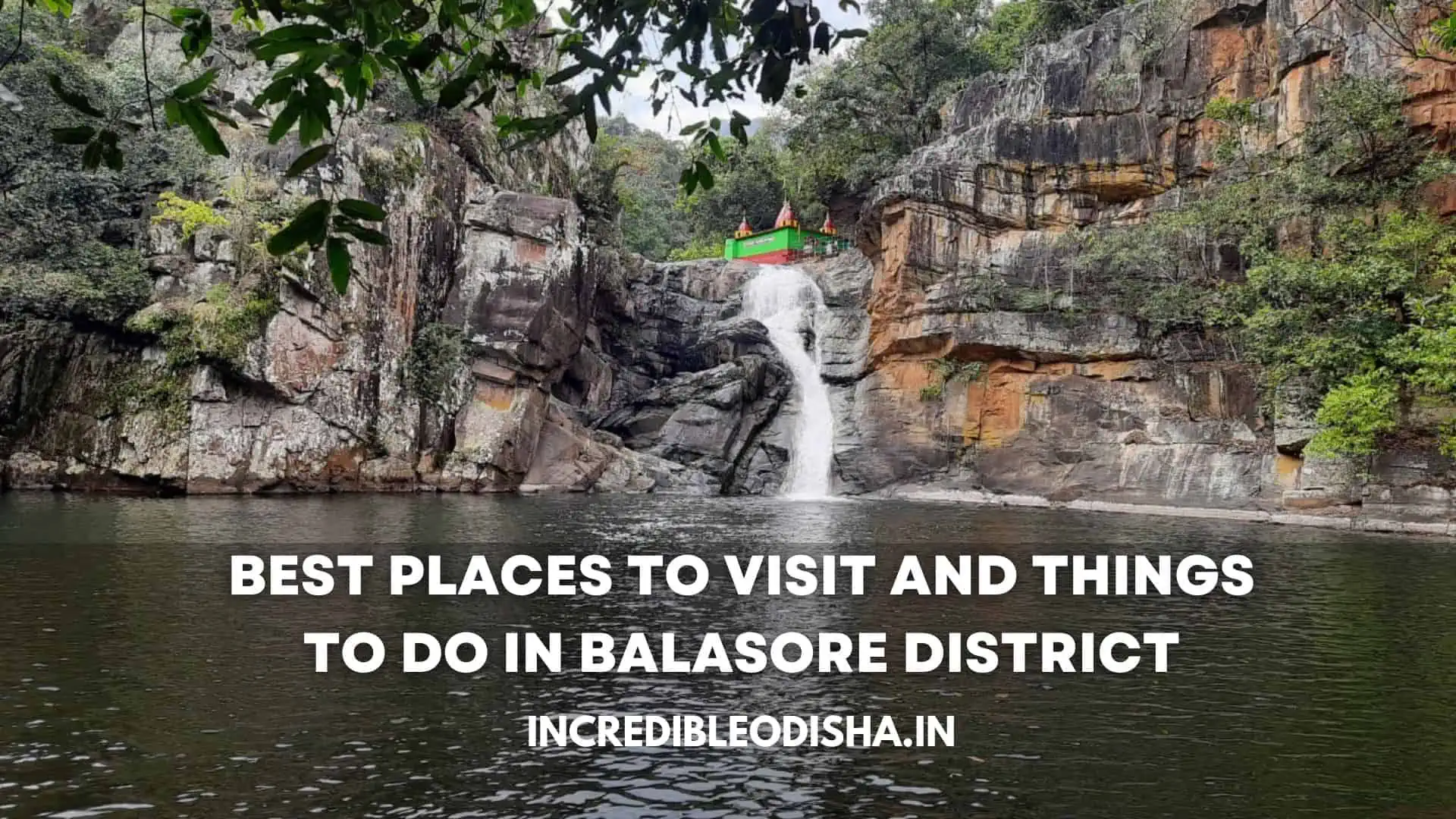
23 Best Places to Visit in Balasore District

Explore Balasore district attractions including Chandipur Beach, Panchalingeswar, temples, nature spots, and local travel ideas.

Balasore DistrictBalasore District Tourist placesThings to do in BaleswarOdisha Tourism

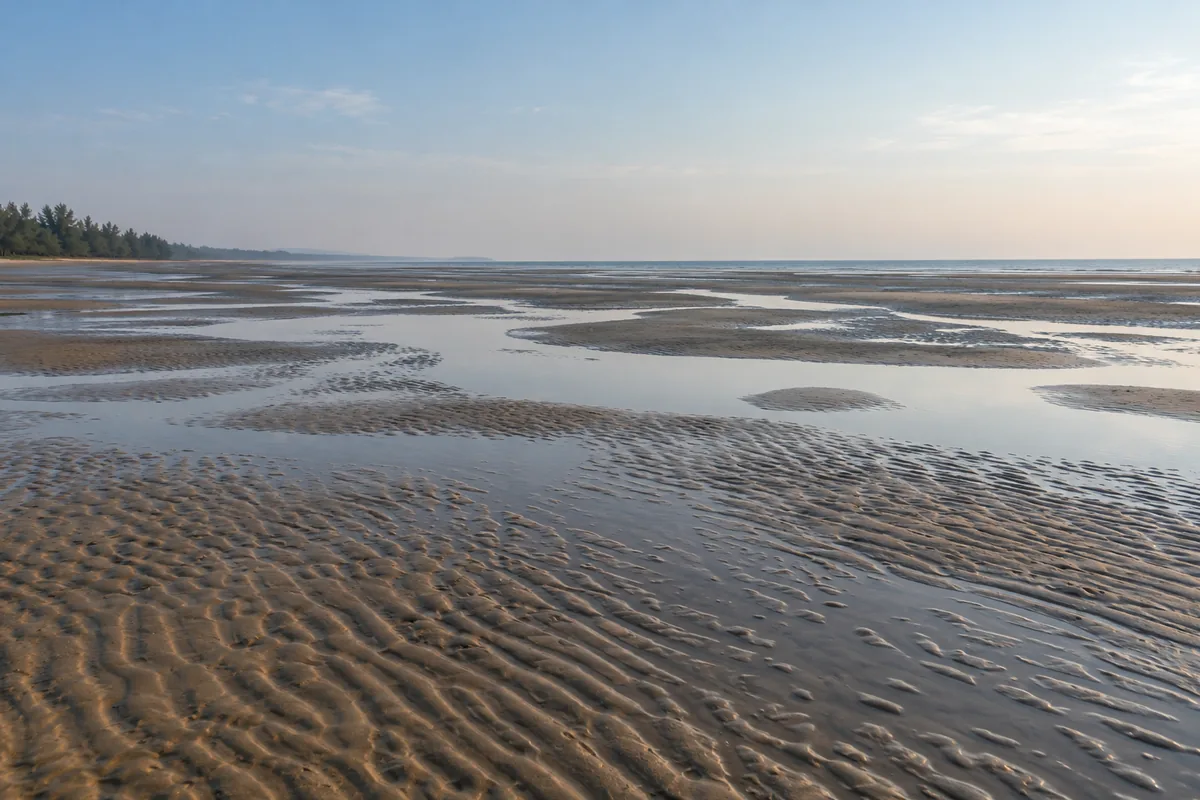
I still remember the first time I stood on the shores of Chandipur at dawn. The air was thick with the scent of salt and damp earth, and as the sun began to peek over the horizon, something magical happened—the sea simply vanished. It didn’t just recede a few feet; it pulled back miles, leaving behind a glistening, ribbed floor of sand that felt like walking on the edge of the world. That’s the thing about Balasore (or Baleswar, as we locals call it)—it’s a district that doesn’t just show you sights; it gives you stories that stay with you long after you’ve washed the sand off your feet.

Balasore is often called the ‘Gateway to Odisha,’ and for good reason. It’s where the maritime history of our state breathes through ancient ports, where the hills of the Eastern Ghats meet the Bay of Bengal, and where spirituality is carved into every stone of its centuries-old temples. If you’re chasing peace in an ancient temple, hiking through green hills, or just looking to dive into a plate of spicy prawn curry, Balasore has a spot that’ll feel like it was made just for you.

In this updated 2026 travel plan, I’m taking you through 23 of the best places to visit in Balasore. We’ll explore hidden waterfalls, walk through mangrove forests that feel like a scene from a movie, and find the best spots to grab a bowl of the legendary Khira at Remuna. So, grab a bottle of water, put on your most comfortable walking shoes, and let’s dive into the heart of North Odisha.

Consider reading: Baleswar District (Famous Places, Block List, Population, History, Festivals, PIN Codes)

1. Chandipur Beach: The Vanishing Sea

If you only have time for one place in Balasore, make it Chandipur. I’ve visited beaches across India, but nothing compares to the “hide-and-seek” sea here. Because of the unique geographical setup, the tide recedes up to 5 kilometers twice a day during low tide.

When the water pulls back, it reveals a vast expanse of seabed that you can actually walk, or even drive a bike on! I remember walking nearly two kilometers into the sea bed, finding small red crabs scurrying into their holes and collecting seashells that the waves had left behind as a parting gift. It’s an eerie, beautiful, and completely humbling experience.

Pro-Tip for 2026: Don’t just show up and hope for the best. Check the local tide timings at your hotel or on the Odisha Tourism website. You want to be there about an hour before the lowest tide to get the full experience. Also, the seafood shacks near the beach entrance serve some of the best fried pomfret you’ll ever taste—perfect for when you return from your “walk on the sea.”

2. Panchalingeswar Temple: Where Nature Meets Divinity

Tucked away in the Nilagiri hills, Panchalingeswar is a place that requires a bit of effort, but trust me, it’s worth every one of the 260-odd steps you have to climb. The temple is named after the five (Pancha) Lingas of Lord Shiva that are submerged under a perennial stream.

The first time I went there, I was amazed that there’s no massive idol or grand hall. Instead, you have to lie down on the rock and reach your hand into the cool, flowing water to touch the Shivalingas. The sensation of the cold mountain stream rushing over your fingers while you offer your prayers is incredibly grounding.

What to expect in 2026:

  • Trekking: If you’re into hiking, the surrounding Nilagiri hills offer some fantastic trails.
  • Wildlife: Keep an eye out! It’s not uncommon to spot monkeys (who are quite bold, so watch your bags) and occasionally even elephants near the foothills.
  • Maha Shivratri: In 2026, the festival falls on February 15th. The temple gets crowded, but the energy is electric.

3. Emami Jagannath Temple: A Modern Architectural Gem

While Odisha is famous for its ancient temples, the Emami Jagannath Temple in Balasore is a testament to the fact that we are still masters of stone carving. Built by the Emami Group, this temple is a stunning replica of the Puri Jagannath Temple’s architectural style but with its own unique charm.

The stone work here is so intricate that you could spend hours just looking at the base of the temple. I love visiting this place in the late afternoon. The white stone glows as the sun sets, and the atmosphere is much quieter than in Puri, allowing for a more personal “darshan.”

The stunning architecture of Emami Jagannath Temple Balasore

Visitor Info:

  • Location: It’s located on the outskirts of Balasore town, easily reachable by auto-rickshaw.
  • Entry: Free, but like all traditional temples in Odisha, photography inside the sanctum is strictly prohibited.

Consider reading: Emami Jagannath Temple Balasore – History, Architecture, Timings, Festivals, And Distance

4. Khirachora Gopinath Temple, Remuna

You can’t visit Balasore and not stop at Remuna. The Khirachora Gopinath Temple is famous for its 12th-century history and a legend that involves Lord Krishna “stealing” a pot of cream (Khira) for his devotee, Madhavendra Puri.

What I love most about this place is the “Amruta Keli” or Khira served as prasad. It’s a thickened milk dessert that is slow-cooked to perfection. I’ve tried making it at home, but there’s something about the temple’s Khira—maybe it’s the clay pots or the centuries of devotion—that makes it impossible to replicate.

Inside Insight: The temple is about 9 km from Balasore. Go early in the morning to witness the morning rituals and ensure you get a pot of Khira before it sells out! For more spiritual experiences, you might also want to explore the famous temples in Odisha that dot our beautiful landscape.

5. Bichitrapur Mangrove Reserve: Odisha’s Mini Sunderbans

Most people think of Bhitarkanika when they hear “mangroves,” but Bichitrapur is a hidden gem that is much easier to access if you’re in North Balasore. Located at the mouth of the Subarnarekha River, this reserve is a maze of salt-tolerant trees and winding water channels.

Taking a boat safari here is a must. As the boat glides through the silent, green tunnels of trees, you’ll see thousands of red crabs on the mudflats. If you’re lucky, you might even spot a turtle or two. It feels like you’ve entered a different world altogether.

2026 Logistics:

  • Boating Cost: Expect to pay around ₹1,200 to ₹1,500 for a private boat (which seats 6-8 people).
  • Best Time: High tide is the best time for boating as the water fills the narrow channels, allowing the boat to go deeper into the forest. Check the Official Balasore District Website for any seasonal updates.

6. Kuldiha Wildlife Sanctuary: The Elephant’s Kingdom

For my fellow wildlife enthusiasts, Kuldiha is the place to be. Spread over 300 square kilometers, this sanctuary is part of the Mayurbhanj Elephant Reserve. It’s dense, green, and feels raw.

I remember staying overnight at the Rissia Nature Camp inside the sanctuary. Hearing the distant trumpeting of an elephant in the middle of the night is a spine-tingling experience. The sanctuary is also home to tigers, leopards, and the giant Malabar squirrel.

Important Tip: The sanctuary usually closes during the monsoon (July to September). For 2026, the best months to visit are between November and March. You’ll need to book your entry and stay through the Eco Tour Odisha website.

7. Talasari-Udaypur Beach: Where Red Crabs Rule

Located right at the border of Odisha and West Bengal, Talasari is famous for its backwaters and thousands of red ghost crabs. The beach is lined with Casuarina trees that whistle when the wind blows—a sound that I find incredibly soothing.

At low tide, you can walk across the backwaters to reach the main sea. The contrast between the blue water, the green trees, and the carpet of red crabs is a photographer’s dream. If you’re a beach lover, you should definitely check out our list of other beaches in Odisha you must visit.

Talasari Beach at sunset with palm trees and calm water

2026 Travel Hack: Most tourists stay in Digha (West Bengal) and visit Talasari for a few hours. My advice? Stay on the Odisha side in a local guest house. It’s much quieter, and you get the sunrise all to yourself.

8. Chandaneswar Temple: The Sacred Border Shrine

Just a few kilometers from Talasari is the Chandaneswar Temple, dedicated to Lord Shiva. It’s a very important site for pilgrims from both Odisha and Bengal.

The temple is most famous for the “Chadak Mela” or Pana Sankranti (the Odia New Year), which happens in mid-April. In 2026, this will be around April 14th. During this time, devotees perform incredible acts of penance. It’s a spectacle of faith that is both intense and fascinating to witness.

Devotees celebrating Maha Shivratri at a temple in Odisha

9. Dagara Sea Beach: The Serene Escape

If Chandipur is for walking and Talasari is for photography, Dagara is for pure, unadulterated peace. It’s one of the widest beaches I’ve seen in Odisha. Because it’s a bit far from the main town, it remains relatively untouched by crowds.

I love coming here for a day trip, bringing a mat, and just sitting under the shade of the Casuarina trees with a book. The sunset here is spectacular—the sky turns into a canvas of deep purples and fiery oranges. It rivals even the Puri Golden Beach in its raw beauty.

10. Baba Bhusandeswar Temple: The Giant Lingam

Deep in the village of Bhograi lies one of the largest Shivalingas in the world. The Baba Bhusandeswar Lingam is made of black granite and is nearly 12 feet tall and 14 feet in circumference.

Standing next to it, you feel tiny. There’s an old-world charm to this temple that is hard to describe. It isn’t a massive, ornate structure; rather, it feels like a place where the earth itself is being worshipped.

Note for 2026: The road to the temple has been improved recently, making it much easier to reach from Balasore or Jaleswar. It’s about a 2-hour drive from Balasore town.

11. Raibania Fort: The Medieval Bastion of Odisha

History buffs, Raibania is your paradise. This isn’t just one fort; it’s a massive complex of four ancient forts that once stood as the northern shield of the Kalinga Empire. Built primarily during the reign of the Ganga dynasty, specifically by King Langula Narasingha Deva (the same visionary behind the Konark Sun Temple), it served as a crucial defense against Turkish invasions.

When you walk through the ruins today, you can still trace the outlines of the massive earthen ramparts and the deep moats that once protected the garrisons. There are legends of secret underground tunnels that lead all the way to the nearby river. While you can’t see the tunnels, the sheer scale of the mud walls—some still standing tall after 800 years—is enough to command respect.

I remember visiting Raibania on a cloudy afternoon. The way the wind howls through the gaps in the old stone structures gives the place an almost haunting quality. It’s a bit overgrown, but for me, that just adds to the “Indiana Jones” vibe of exploring a forgotten chapter of our history.

12. Laxmannath Mahashay Palace: A Royal Legacy

Located right near the border of Odisha and West Bengal, the Laxmannath Palace is a stunning example of the zamindari architecture that flourished in the late 19th century. The Mahashay family, who were the local rulers, built this palace as a symbol of their prestige and cultural patronage.

The architecture is a curious and beautiful blend of traditional Odia styles with Victorian flourishes. While parts of the palace are still a private residence, the family traditionally opens the doors for the public during major festivals.

The highlight here is the Durga Puja. In 2026, the festivities will peak around October 19th. The “Rajbari Durga Puja” is unlike any other in Balasore. There’s a sense of old-world grace—the traditional beats of the dhak, the ancient rituals, and the regal hospitality. It feels like stepping back into the early 1900s.

13. Khumkut Dam: The Hidden Forest Reservoir

Ask any local in Balasore where they go for a Sunday outing, and “Khumkut” will likely be the answer. Tucked away in the Kuldiha foothills, this reservoir is as peaceful as it gets.

The dam was built for irrigation, but nature has reclaimed the surrounding area beautifully. Dense forests of Sal and Teak frame the water, and if you arrive early in the morning, the water is as smooth as glass. I love coming here with a flask of hot tea and just watching the local fishermen in their tiny wooden boats. It’s a great spot to disconnect from the digital world—mostly because your phone signal will likely be weak anyway!

14. Sindhua Dam: A Nature Lover’s Retreat

Similar to Khumkut but with a slightly more rugged feel, Sindhua Dam is a favorite for those who enjoy birdwatching. During the winter months (late 2025 to early 2026), the reservoir attracts several species of migratory birds.

The hills surrounding the dam offer some light trekking opportunities. It’s not a difficult climb, but the view of the vast water body against the backdrop of the Nilagiri range is a sight to behold. For more water-based nature spots, you might want to look at our list of waterfalls in Odisha.

15. Bisheshwar Mahadev Temple: The Heart of Old Balasore

Located in the historic part of Balasore town, the Bisheshwar Mahadev Temple is a sanctuary of peace in the middle of a bustling city. The temple is dedicated to Lord Shiva and follows the classic Kalinga style of architecture.

What I find most interesting here are the stone carvings on the Vimana (the main tower). They are incredibly detailed, showing scenes from the daily life of ancient Balasore alongside divine figures. The temple tank, or pushkarini, is also well-maintained and adds to the serene environment.

16. Maninageswar Shiva Temple, Bardhanpur

The legend of Maninageswar is one that every local child knows. It is said that the temple was built at a spot where a king once saw a serpent with a glowing jewel on its head worshipping a Shivalinga. The “Jewel-Cobra” legend gives the temple its name.

The current structure is ancient, with some historians dating the foundation back to the 10th or 11th century. The sanctum is built below the ground level, which is a common feature in several ancient Shiva temples in Odisha. It creates a cool, damp, and highly spiritual atmosphere that instantly calms your mind.

17. Kasafal Sea Beach: The Pulse of the Coast

Kasafal is where the romance of the sea meets the reality of the fishing industry. This is one of the most active fishing jetties in Odisha. If you’re a morning person, arrive here at 5:00 AM.

You’ll see the horizon dotted with the lights of returning trawlers. The beach becomes a hive of activity as the catch is unloaded. The sheer variety of fish—from pomfret and hilsa to giant prawns—is staggering. It’s a great place to buy fresh fish if you have a way to cook it, but even if you don’t, just witnessing the energy of the fishing community is a highlight of any Balasore trip.

18. Bagda Sea Beach (Dublagadi): The New Hub for Camping

Bagda is the rising star of Balasore’s tourism. Until a few years ago, it was a completely deserted stretch of sand. Today, it’s the center for “Eco-Glamping” in North Odisha.

The beach is unique because of its vastness and the dense casuarina forest that lines the shore. In 2026, several local operators are planning to expand their beach camping facilities, offering everything from basic tents to luxury huts. There’s nothing quite like falling asleep to the sound of the waves and waking up to a sunrise over the Bay of Bengal.

19. Sunya Mandap, Kupari: The Echoes of Buddhism

Kupari is a place for the soul. Historically, it was a major center for Buddhism in the region. The Sunya Mandap (Hall of Emptiness) is an architectural marvel that represents the “Sunyata” philosophy.

While much of the original structure is in ruins, the stone pillars and the foundations tell a story of a time when this was a thriving university and monastery. It’s a very quiet site, and you’ll often be the only person there, allowing you to really soak in the history.

20. Sari Sua Waterfalls: The Parrot’s Stream

This is a seasonal beauty located near Nilagiri. The name “Sari Sua” is a poetic way of describing the sound the water makes as it trickles over the stones—like the chatter of parrots.

It’s a great place for a quick dip during the post-monsoon months (October and November). The water is crystal clear and surprisingly cold. The trek to the fall is through a dense patch of forest, so make sure you have good shoes and are prepared for a few leeches if it has rained recently!

21. Blue Lake (Nilagiri): An Accidental Beauty

The Blue Lake is a perfect example of how nature can reclaim man-made scars. It’s a deep lake formed in an abandoned stone quarry. Because of the mineral content and the depth, the water is a brilliant, sapphire blue.

The high stone walls surrounding the water create a natural amphitheater. It’s a favorite spot for local photographers and film-makers. However, a word of caution: the water is very deep and the edges can be slippery. Enjoy the view from the top, but don’t attempt to swim unless you’re an expert and have local guidance.

22. Panda Amusement Park: Family Fun

Sometimes, you just need a break from temples and ruins. Panda Amusement Park, located on the highway towards Cuttack, is a well-maintained facility with rides, a water park, and a decent food court. It’s a hit with local families and is a great way to spend a relaxed afternoon if you’re traveling with children in 2026.

23. Bhudara Chandi Temple: The Hilltop Protector

The Bhudara Chandi Temple is dedicated to Goddess Chandi, the fierce protector of the district. The temple is situated on a small hill, and the climb provides a panoramic view of the Balasore plains.

The energy here during the Sandhi Puja of Durga Puja is incredible. The sound of the bells and the chants echoing through the hills is something you won’t forget. It’s a place that feels “charged” with spiritual energy.

A Local’s Guide to Balasore Cuisine: What to Eat in 2026

You can’t visit Balasore and just eat standard hotel food. Our district has some unique flavors that you absolutely must try.

Traditional Odia Pakhala Bhata served with various side dishes

  • Remuna Khira: As I mentioned before, this is non-negotiable. It’s the soul of Balasore.
  • Seafood at Chandipur: Look for “Chingudi Chechra” (a crushed prawn dish with vegetables) or “Kankada Jholo” (crab curry). The spice levels are high, but the flavor is incredible.
  • Baleswari Gaja: While Pahala is famous for Rasagola, Balasore has its own version of Gaja (a fried, syrupy sweet) that is crunchier and very addictive.
  • Pakhala Bhata: On a hot afternoon, nothing beats a bowl of fermented rice (Pakhala) served with fried fish, “Saga Bhaja” (fried greens), and “Badi Chura.”

Chhena Poda - Traditional Roasted Cheese Dessert of Odisha

Essential Packing List for your 2026 Balasore Trip

If you’re planning to visit the beaches and temples of Balasore, here’s what I recommend you pack:

  1. Light Cotton Clothes: The humidity can be high, even in winter.
  2. Sturdy Sandals: You’ll be walking on sand and climbing temple steps.
  3. Sunscreen and Hats: The sun at Chandipur can be quite strong as it reflects off the white sand.
  4. Modest Attire: For temple visits, ensure your shoulders and knees are covered.
  5. A Good Camera: You’ll want it for the red crabs at Talasari and the vanishing sea.
  6. Reusable Water Bottle: Help us keep our beaches clean!

Sustainable Travel in Balasore: Be a Responsible Guest

Balasore’s beauty is fragile. As we welcome more visitors in 2026, I have a few requests for you:

  • No Plastics: Especially at Bichitrapur and Chandipur. The crabs and marine life often mistake plastic for food.
  • Respect Local Customs: Ask for permission before taking photos of people, especially during religious rituals.
  • Support Local: Buy your snacks from local vendors and stay in locally-owned guest houses. It helps our community grow.
  • Don’t Disturb Wildlife: In Kuldiha, keep your voice low and never feed the animals.

Best Time to Visit Balasore in 2026

To get the most out of your trip, timing is everything.

  • Winter (October to February): This is the golden period. The weather is cool (15°C to 25°C), making it perfect for beach walks and trekking in Nilagiri. Most festivals also fall in this window.
  • Monsoon (July to September): Balasore gets heavy rain. While the greenery is stunning and the waterfalls are in full flow, the beaches can be dangerous, and the wildlife sanctuaries are closed.
  • Summer (March to June): It gets hot and humid. However, if you want to witness the Chandaneswar Mela in April, this is when you’ll have to brave the heat.

How to Reach Balasore

Balasore is one of the best-connected cities in Odisha.

  • By Train: It’s a major stop on the Chennai-Kolkata main line. Almost all express trains, including the Vande Bharat and Dhauli Express, stop here.
  • By Road: The NH-16 (formerly NH-5) passes through the city. It’s a smooth 3.5-hour drive from Bhubaneswar and about 4 hours from Kolkata.
  • By Air: The nearest airport is in Bhubaneswar (BBI). From there, you can take a train or hire a taxi to Balasore.

Sample 5-Day “Best of Balasore” Itinerary for 2026

If you want the full experience, 5 days is the perfect duration.

  • Day 1: Arrive in Balasore. Visit Remuna (Khira) and Emami Jagannath Temple. Sunset at Chandipur.
  • Day 2: Early morning at Chandipur. Drive to Nilagiri. Visit Panchalingeswar and the Blue Lake. Overnight at Nilagiri.
  • Day 3: Full day at Kuldiha Wildlife Sanctuary. Stay at Rissia Nature Camp.
  • Day 4: Drive to North Balasore. Boat Safari at Bichitrapur. Visit Baba Bhusandeswar (Giant Lingam).
  • Day 5: Sunrise at Talasari Beach. Visit Chandaneswar Temple. Visit Laxmannath Palace. Depart.

Final Thoughts on Exploring Balasore

Balasore isn’t just a destination; it’s an experience that unfolds slowly. It’s in the way the sea whispers as it returns to the shore at Chandipur, the cool touch of the water at Panchalingeswar, and the sweetness of the Khira at Remuna. It’s a place that teaches you to wait—for the tide, for the sunrise, and for that perfect moment of peace.

I want your 2026 trip to be as magical as my first visit was. As you walk across the empty sea bed or climb the rocky paths of Nilagiri, please remember to travel with respect for our land and our traditions. Leave only footprints, and take home a piece of Odisha in your heart.

FAQs on Best Places to Visit in Balasore District

1. Is it safe to walk on the sea at Chandipur?

Yes, it is generally safe during low tide. However, never go alone and always stay aware of the tide timings. When the water starts returning, it can come back faster than you think. Stay within sight of other people.

2. How many days are enough for Balasore?

To cover the main highlights comfortably, 3 days are ideal. If you want to include wildlife safaris and remote beaches, 4-5 days would be better.

3. What should I buy in Balasore?

Apart from the sweets, Balasore is known for its brass and bell metal work. You can also find beautiful hand-woven sarees and local handicrafts in the town markets.

4. Are there good hotels in Balasore?

Yes, Balasore town has several good business hotels. For a tourist experience, I recommend staying at the OTDC Panthanivas in Chandipur or the various private resorts along the beach.

5. Can I visit Bichitrapur and Talasari on the same day?

Yes, they are relatively close to each other in the northern part of the district. You can easily combine them into a single day trip from Balasore or Digha.