Baleswar District Guide 2026: Blocks, Map, History & Culture
Explore Baleswar (Balasore) district in Odisha: 12 blocks, subdivisions, Chandipur Beach, Remuna, history, local food, and travel logistics.
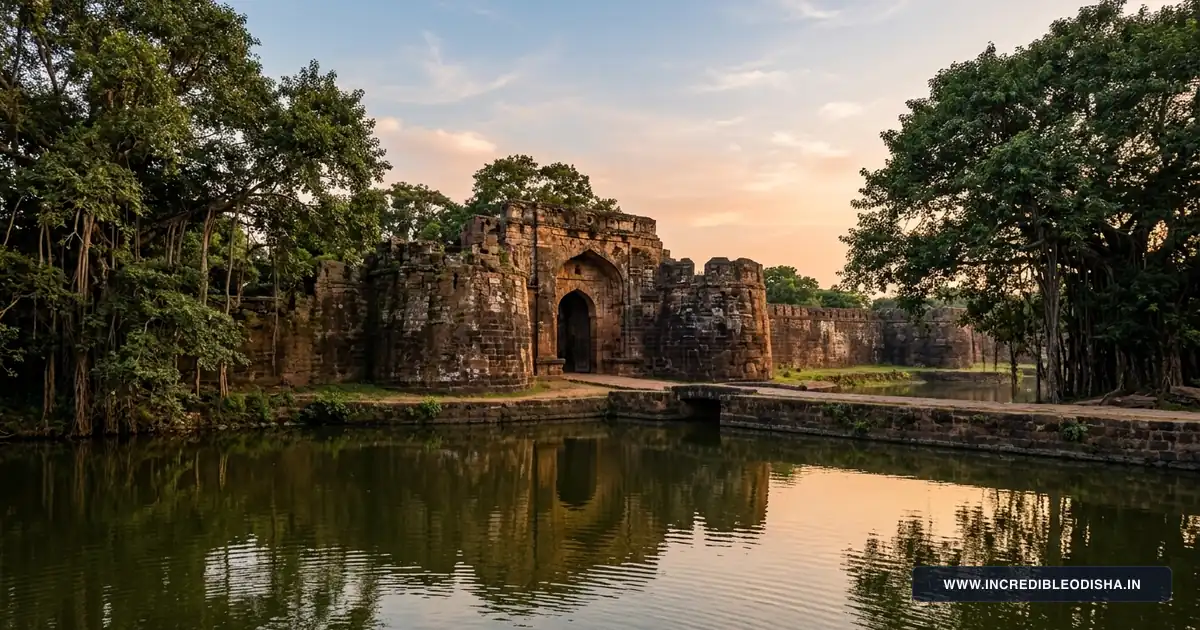
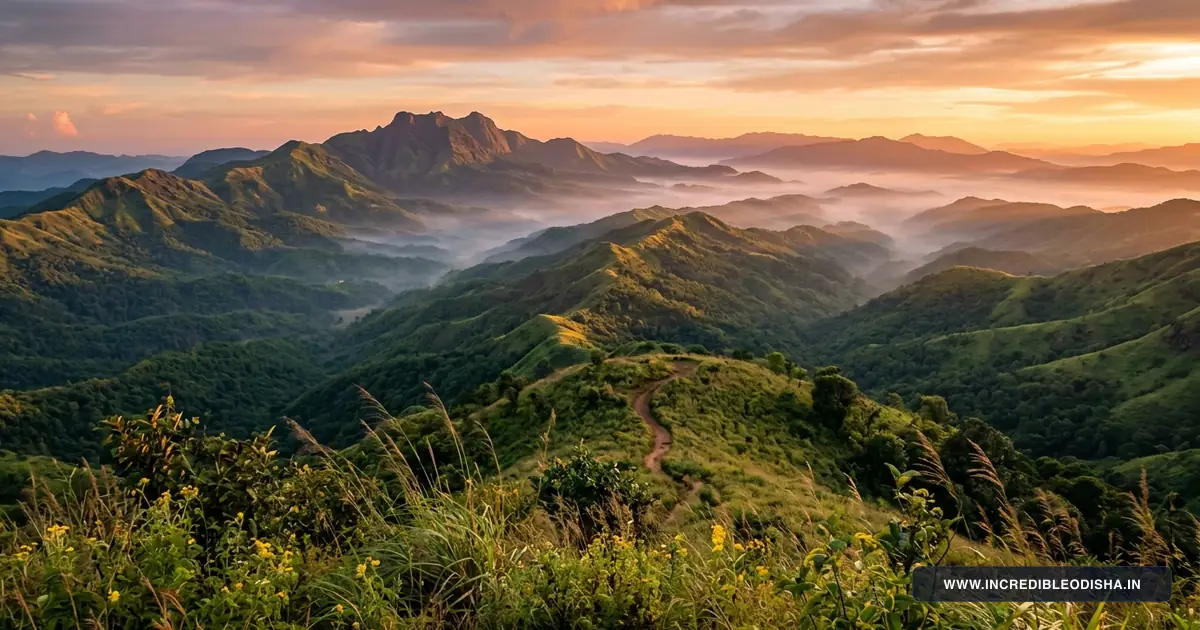
Baleswar district, situated along the northeastern coastline of Odisha, serves as the primary maritime and economic gateway connecting Odisha with West Bengal. Flanked by the Bay of Bengal to the east and the forested Nilagiri hill ranges to the west, the district encompasses fertile river deltas, historic river ports, defense missile launch facilities, and centuries of Vaishnavite temple heritage.
Key Takeaways
- Baleswar district spans 3,806 square kilometers along the northern Odisha coast, bordered by West Bengal to the north and the Bay of Bengal to the east.
- The district is administratively organized into 2 revenue subdivisions (Balasore Sadar and Nilgiri) and 12 community development blocks.
- Chandipur Beach features a rare marine phenomenon where seawater recedes up to 5 kilometers twice daily during low tide.
- Historic Inchudi in Baleswar was the epicenter of the 1930 Salt Satyagraha in Eastern India, widely honored as the Second Dandi.
- Balasore Railway Station (BLS) sits on the South Eastern Railway mainline, offering high-speed connectivity via National Highway 16.
At-a-Glance: Baleswar District Demographic and Geographic Profile
Baleswar district occupies an alluvial coastal terrain formed by the Subarnarekha, Budhabalanga, and Kansbans river systems. The geographical territory transitions from tidal estuaries and sand dunes in the east to fertile paddy plains in the center and forested granite hills in the west.
According to official demographic surveys, the district supports a population of 2,320,529 individuals across 3,806 square kilometers, recording a population density of 610 persons per square kilometer. The literacy rate stands at 79.79 percent, with male literacy reaching 87.00 percent and female literacy at 72.28 percent.
| Demographic & Geographic Feature | Statistical Data and District Details |
|---|---|
| Total Geographic Area | 3,806.00 square kilometers |
| Total Population (Census) | 2,320,529 citizens |
| Sex Ratio | 957 females per 1,000 males |
| Literacy Rate | 79.79 percent (Male: 87.00%, Female: 72.28%) |
| Administrative Headquarters | Balasore Municipality (Baleswar Town) |
| Revenue Subdivisions | 2 (Balasore Sadar and Nilgiri) |
| Community Development Blocks | 12 administrative blocks |
| Tehsils | 12 tehsils |
| Gram Panchayats / Inhabited Villages | 360 Gram Panchayats and 3,049 revenue villages |
| Vehicle Registration Code (RTO) | OD-01 |
| Major River Basins | Subarnarekha, Budhabalanga, Kansbans, Jalaka |
| Bordering Districts & States | Mayurbhanj, Bhadrak, Kendujhar (Odisha); Purba Medinipur, Paschim Medinipur (West Bengal) |
| Key Transport Arteries | National Highway 16 (Chennai-Kolkata) and South Eastern Railway mainline |
Travelers tracing boundary lines across adjacent coastal corridors can cross-reference our detailed Odisha map and transport networks to plan inter-district road journeys.
Landmark Directory: Key Attractions Located in Baleswar District
Travelers, students, and competitive examination candidates frequently search for the exact district and administrative block housing key natural and heritage landmarks across northern Odisha.
The directory below provides a location breakdown for destinations situated within the territorial boundaries of Baleswar district:
| Landmark / Attraction | District Location | Block / Subdivision | Geographic Setting & Proximity |
|---|---|---|---|
| Chandipur Beach | Baleswar District | Baleswar Sadar | 16 km east of Balasore railway station; Bay of Bengal coast |
| Panchalingeswar Temple | Baleswar District | Nilgiri Subdivision | 30 km southwest of Balasore town; Nilagiri hill range |
| Khirachora Gopinath Temple | Baleswar District | Remuna Block | 9 km west of Balasore town; ancient Vaishnavite pilgrimage site |
| Kuldiha Wildlife Sanctuary | Baleswar District | Nilgiri Subdivision | 45 km southwest of town; elephant reserve contiguous with Similipal |
| Bichitrapur Mangrove Reserve | Baleswar District | Bhograi Block | 85 km northeast of town; Subarnarekha River estuary |
| Inchudi Satyagraha Memorial | Baleswar District | Baleswar Sadar | 19 km southeast of town; historic Salt Satyagraha coastline |
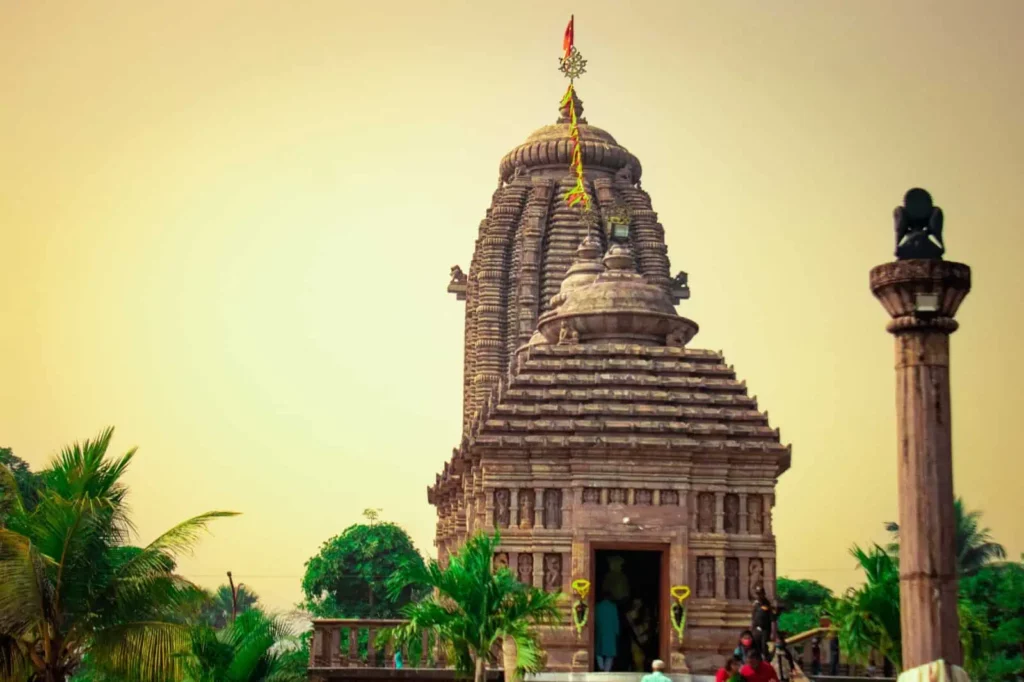
| Emami Jagannath Temple | Baleswar District | Remuna Block | 8 km south of town center; carved white sandstone complex |
Administrative Setup: Subdivisions, Tehsils, and the 12 Blocks of Balasore
Baleswar district operates under a dual administrative subdivision model overseen by the District Collector and District Magistrate headquartered in Balasore town. The two subdivisions, Balasore Sadar and Nilgiri, coordinate administrative revenue collection, rural development schemes, law enforcement, and municipal governance.
Balasore Sadar subdivision governs the coastal, commercial, and central agricultural sectors of the district. It encompasses 10 of the 12 community development blocks alongside the Balasore municipal council and Jaleswar municipality. Nilgiri subdivision oversees the southwestern forested belt, managing 2 blocks and the Nilgiri Notified Area Council (NAC).
Official administrative guidelines and civic schemes are documented through the Archaeological Survey of India Protected Heritage Directory and state administrative archives.
Complete Directory of the 12 Administrative Blocks in Baleswar
The 12 community development blocks of Baleswar district manage grassroots governance across 360 Gram Panchayats. Each block is administered by a Block Development Officer (BDO) responsible for rural welfare delivery, primary education, and irrigation infrastructure.
| Block Name | Revenue Subdivision | Headquarters | Key Geographic & Economic Characteristics |
|---|---|---|---|
| Baleswar Sadar | Balasore Sadar | Balasore Town | Surrounds municipal core; hub for metallurgy, rubber, and plastics industries |
| Remuna | Balasore Sadar | Remuna | Spiritual center home to Khirachora Gopinath Temple and the modern Emami Jagannath Temple |
| Bahanaga | Balasore Sadar | Bahanaga | Agricultural corridor along the main South Eastern Railway trunk route |
| Soro | Balasore Sadar | Soro | Ancient urban trade hub known for brass utensils and handloom textile trade |
| Simulia | Balasore Sadar | Simulia | Southern agrarian block bordering Bhadrak district along the Kansbans River |
| Khaira | Balasore Sadar | Khaira | Agrarian plain known for inland freshwater pisciculture and vegetable cultivation |
| Basta | Balasore Sadar | Basta | Commercial market center situated on the Subarnarekha River floodplain |
| Baliapal | Balasore Sadar | Baliapal | Coastal belt internationally recognized for betel vine (paan) cultivation and marine fisheries |
| Bhograi | Balasore Sadar | Bhograi | Northern coastal block bordering West Bengal; leader in cashew processing and brackish water aquaculture |
| Jaleswar | Balasore Sadar | Jaleswar | Historic border municipality on the Subarnarekha River connecting highway trade |
| Nilgiri | Nilgiri | Nilgiri Town | Former princely state capital; gateway to Kuldiha sanctuary and Panchalingeswar hills |
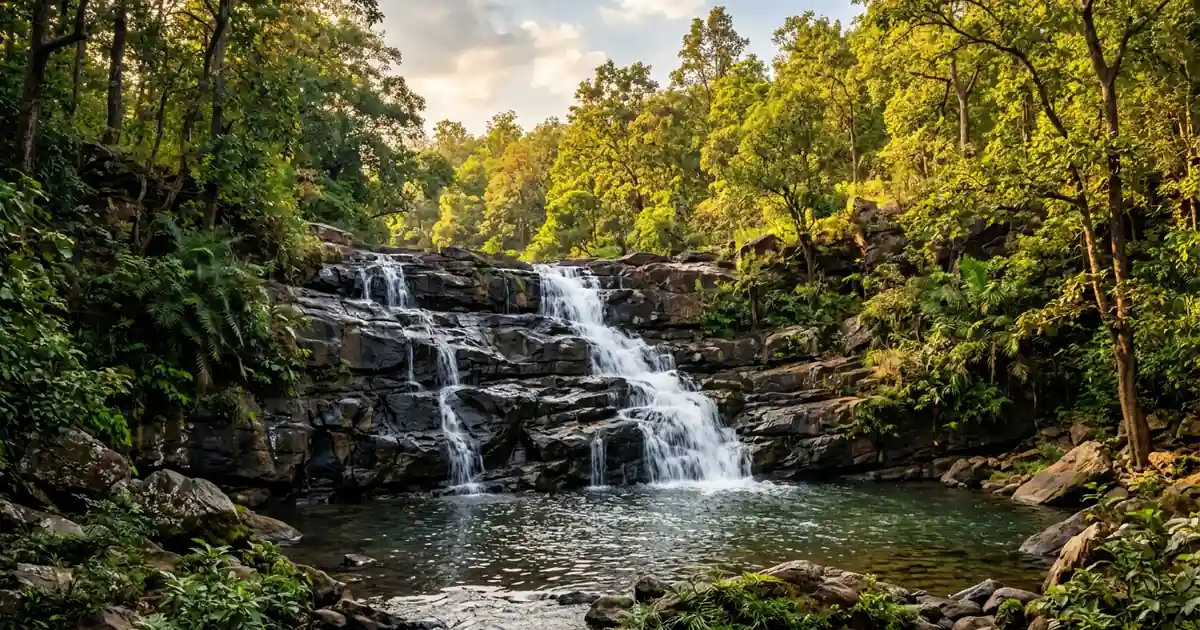
| Oupada | Nilgiri | Oupada | Hilly tribal block featuring deciduous sal canopies, minor forest produce, and stream cascades |
Local revenue disputes, land mutation records, and survey maps are handled across the corresponding 12 tehsils matching these block headquarters.
Vidhan Sabha and Parliamentary Constituencies in Baleswar
Baleswar district holds significant political importance in the Odisha Legislative Assembly and Indian parliamentary democracy. The territorial area of the district comprises 8 Legislative Assembly (Vidhan Sabha) constituencies governed under the delimitation framework of the Election Commission of India Delimitation Directory.
The table below outlines the 8 Assembly constituencies located within Baleswar district:
| Constituency No. | Vidhan Sabha Seat | Category | Geographic Coverage & Associated Blocks |
|---|---|---|---|
| AC 35 | Jaleswar | General | Jaleswar Municipality and rural Jaleswar block |
| AC 36 | Bhograi | General | Bhograi coastal block bordering West Bengal |
| AC 37 | Basta | General | Basta block and parts of Baliapal block |
| AC 38 | Baleswar | General | Balasore Municipality and parts of Baleswar Sadar block |
| AC 39 | Remuna | Scheduled Caste (SC) | Remuna block and Bahanaga agricultural corridor |
| AC 40 | Nilgiri | General | Nilgiri NAC, Nilgiri hill block, and Oupada block |
| AC 41 | Soro | Scheduled Caste (SC) | Soro Municipality and Soro rural block |
| AC 42 | Simulia | General | Simulia block and Khaira agricultural block |
For parliamentary national elections, 6 of these assembly segments (Jaleswar, Bhograi, Basta, Baleswar, Remuna, and Nilgiri), joined by Badasahi (AC 32) from neighboring Mayurbhanj district, constitute the Balasore Lok Sabha Constituency (PC 06). The southern assembly segments of Soro and Simulia are mapped under the Bhadrak Lok Sabha Constituency (PC 07).
Maritime History, European Trading Factories, and Literary Heritage
Baleswar maintains a foundational place in the economic and cultural history of Eastern India. During the 16th and 17th centuries, Balasore port on the Budhabalanga River flourished as one of the busiest maritime trade hubs along the Bay of Bengal.
European maritime powers recognized the strategic deep-water access of the Budhabalanga River estuary. The British East India Company established a trading factory in Balasore in 1633, followed by Dutch, Danish, and French merchants. These European mercantile companies established settlements to purchase fine sannoes, cotton muslins, silk textiles, and salt produced across coastal Bengal and Odisha.
The district played a prominent role in the Indian independence movement. On April 13, 1930, the coastal village of Inchudi, situated 19 kilometers from Balasore town, became the foremost center of the Salt Satyagraha in Eastern India.
Under the guidance of Gopabandhu Choudhury, Acharya Harihar Das, and Rama Devi, thousands of satyagrahis gathered on the sea flats to defy colonial salt regulations, earning Inchudi the historical title of the Second Dandi. Acharya Harihar Das was the first satyagrahi to harvest non-taxed salt earth here on April 13, 1930. Further regional historical transitions are outlined in our overview of the maritime history of Odisha.
Baleswar is also revered as the cradle of modern Odia literature. Mallikashpur in Balasore was the birthplace of Vyasakabi Fakir Mohan Senapati (1843-1918), whose landmark social novels Chha Mana Atha Guntha and Lachhama laid the groundwork for modern Odia prose and social realism.
Notable Personalities and Freedom Fighters of Balasore
Baleswar has produced celebrated literary pioneers, national freedom fighters, and social reformers whose contributions shaped Odisha and India.
The most distinguished historic personalities from the district include:
- Vyasakabi Fakir Mohan Senapati (1843-1918): Acclaimed novelist, poet, and linguist who protected the identity of the Odia language during the colonial era and founded modern Odia prose literature.
- Bagha Jatin (Jatindranath Mukherjee, 1879-1915): Revered revolutionary freedom fighter who fought a legendary armed battle against British colonial forces on September 9, 1915, at Chashakhanda on the banks of the Budhabalanga River near Balasore.
- Kabisekhara Chintamani Mohanty (1867-1943): Prominent Odia poet and literary figure who composed celebrated epics portraying local rural landscapes and sacred shrines.
- Laxminarayan Sahu (1890-1963): Distinguished sociologist, author, and freedom fighter from Balasore who served as a prominent member of the Servants of India Society and the Constituent Assembly of India.
Strategic Defense Facilities, Aerospace Testing, and Industrial Economy
Beyond traditional agriculture and maritime trade, Baleswar serves as the primary aerospace defense testing corridor for India. The Integrated Test Range (ITR) at Chandipur, operated by the Defence Research and Development Organisation (DRDO), functions as the primary proving ground for India’s indigenous missile defense systems.
Strategic surface-to-surface, cruise, and anti-ballistic missiles, including the Agni, Prithvi, Akash, and BrahMos series, have been evaluated from the coastal launch pads of Chandipur. Off the coast of Baleswar lies Dr. APJ Abdul Kalam Island (formerly Wheeler Island), serving as a deep-sea missile testing facility that supports national defense deterrence.
In the civilian commercial sector, Baleswar town hosts prominent industrial estates at Kuruda and Chhanpur. Major industrial manufacturing sectors include:
- Plastics and Polymers: Processing clusters supported by the Central Institute of Petrochemicals Engineering and Technology (CIPET) campus in Balasore.
- Rubber and Tyres: Commercial vehicle tire production facilities operated by major industrial groups.
- Marine Seafood Processing: Modern blast-freezing and export plants shipping tiger prawns, pomfret, and ribbon fish to international markets.
- Agricultural Processing: Cashew nut processing units concentrated in Bhograi, and betel leaf supply networks shipping sweet paan leaves across northern India.
Major Educational Institutions and Healthcare Infrastructure
Baleswar functions as the educational and medical capital of northern coastal Odisha, catering to students and patients from Balasore, Bhadrak, and Mayurbhanj districts.
Key educational and medical landmarks across the district include:
- Fakir Mohan University (FMU): Located at Vyasa Vihar on the outskirts of Balasore town, this state university provides postgraduate education, research doctorates, and affiliated undergraduate programs.
- Fakir Mohan Medical College and Hospital (FMMCH): A modern state-run tertiary medical institution established near Balasore town, delivering specialized inpatient medical care and medical degrees.
- Fakir Mohan Autonomous College: One of the oldest undergraduate colleges in northern Odisha, originally founded in the 19th century and credited with educating generations of civil servants and educators.
- CIPET: Centre for Skilling and Technical Support (CSTS) Balasore: Advanced technical institute providing specialized plastics engineering and polymer mold design diplomas.
District healthcare services are coordinated through the District Headquarter Hospital (DHH) in Balasore town, supported by 12 Community Health Centres (CHCs) located across block headquarters.
Iconic Gastronomy: What to Eat in Baleswar District
The culinary identity of Baleswar blends coastal seafood traditions with sacred temple confectioneries refined over centuries of Vaishnavite devotion.
The most famous culinary treasure of the district is the Amruta Keli (popularly known as Remuna Khira), prepared exclusively at the 12th-century Khirachora Gopinath Temple in Remuna. This sacred dessert is prepared by simmering fresh whole milk in traditional earthen pots over slow firewood embers for hours, caramelizing the milk into a velvety, thick condensed cream flavored with cardamom and sugar.
Seafood lovers can sample fresh maritime catches delivered daily to coastal markets in Balasore, Chandipur, and Kasafal. Signature local preparations include:
- Macha Besara: Fresh pomfret or hilsa cooked in a pungent yellow mustard, garlic, and dried mango paste.
- Kankada Jhola: Coastal mud crabs simmered in a spiced onion, ginger, and garam masala gravy.
- Chingudi Tarkari: Medium sea prawns cooked with diced potatoes and bay leaves in cold-pressed mustard oil.
- Chhena Gaja: Rectangular blocks of cottage cheese and semolina kneaded together, deep-fried in ghee, and soaked in light sugar syrup.
Food enthusiasts can compare these regional coastal specialties with our statewide guide to authentic foods of Odisha to discover traditional cooking techniques.
Top Tourist Attractions Overview and Sightseeing Hub
Baleswar district offers a balanced combination of vanishing sea beaches, hilltop Shaivite shrines, dense elephant reserves, and ancient stone monuments.
Below is an overview of the primary destinations in the district. For comprehensive timings, boating tariffs, hiking trails, and step-by-step travel itineraries, consult our dedicated sightseeing companion guide featured below.
1. Chandipur Beach (The Vanishing Sea)
Located 16 kilometers east of Balasore railway station, Chandipur Sea Beach presents a rare marine spectacle. Due to a gentle continental shelf gradient, the Bay of Bengal recedes up to 5 kilometers twice every 24 hours during ebb tide, allowing visitors to walk or cycle directly on the exposed sea bottom.
2. Khirachora Gopinath Temple, Remuna
Situated 9 kilometers west of town, this revered 12th-century Vaishnavite shrine features exquisitely carved black chlorite stone deities of Lord Gopinath, Govinda, and Madanamohana, celebrated for the Amruta Keli prasada offering.
3. Panchalingeswar Hill Shrine
Located 30 kilometers southwest of Balasore in the Nilagiri hill range, Panchalingeswar houses five naturally formed Shiva lingas submerged in a perennial hill stream. Devotees lie flat on granite rocks to touch the sacred stones beneath rushing spring water.
4. Kuldiha Wildlife Sanctuary
Spanning 272.75 square kilometers across the Nilagiri hills, Kuldiha protects a major ecological corridor connecting to the Similipal Elephant Reserve. Dense sal and bamboo forests shelter herds of Asian elephants, leopards, gaur (Indian bison), and giant Malabar squirrels.
5. Bichitrapur Mangrove Nature Camp
Located 85 kilometers northeast of town at the mouth of the Subarnarekha River, Bichitrapur features estuarine mangrove creeks explored via motorized community boats, hosting migratory shorebirds and olive ridley sea turtles.
6. Emami Jagannath Temple
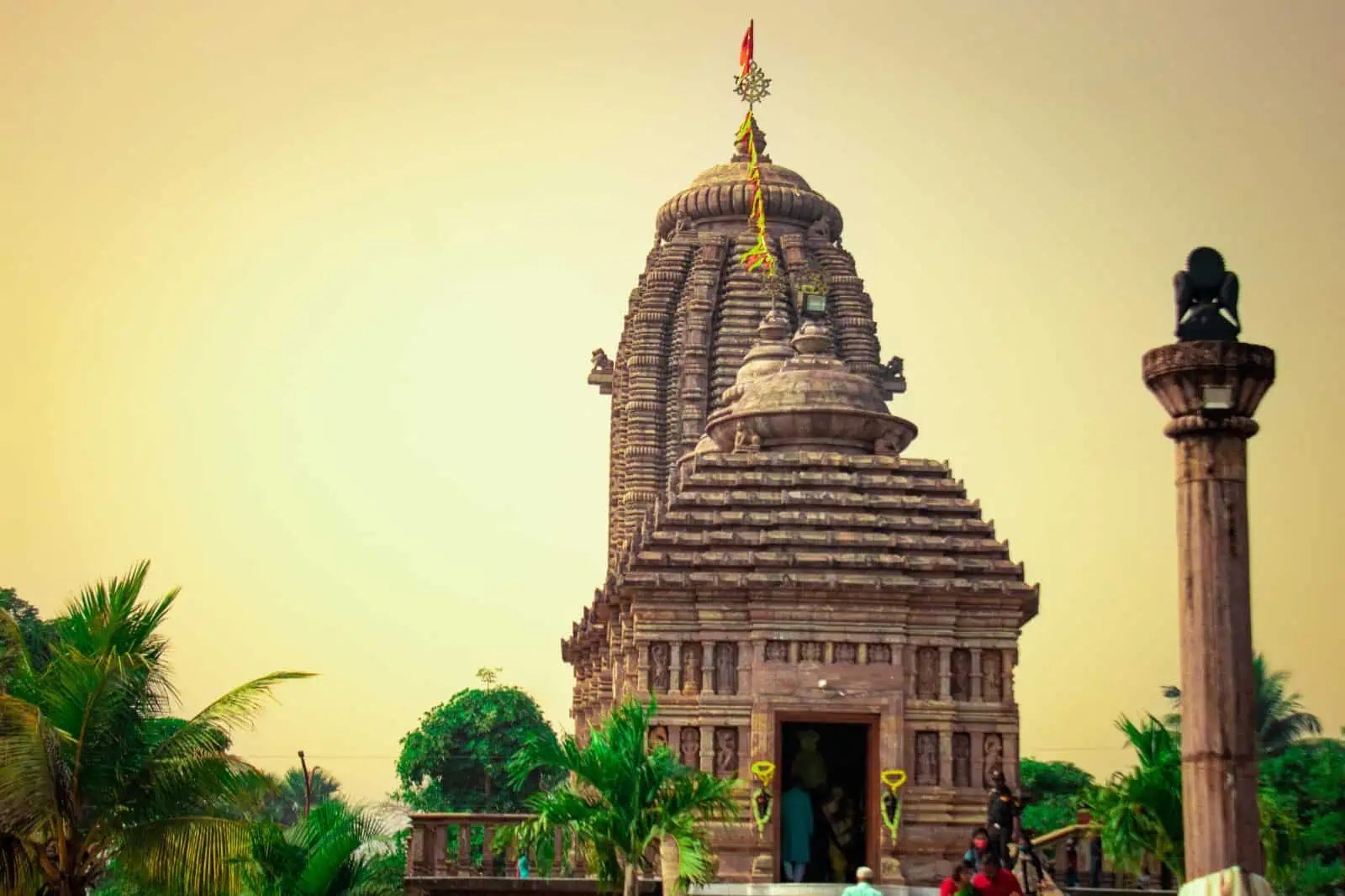
Constructed on the southern fringe of Balasore town, this modern temple represents contemporary mastery of classical Odia stone carving. The white sandstone complex features detailed relief carvings depicting the Dashavatara and sacred epics.
[!TIP] Looking for detailed entry fees, visiting hours, and travel routes? Read our full 23 Best Places to Visit in Balasore Travel Guide to access driving maps, photography spots, and day-by-day sightseeing circuits.
Where to Stay: OTDC Panthanivas and Nature Camps
Visitors planning multi-day stays in Baleswar have access to government hospitality infrastructure and private accommodation hubs:
- OTDC Panthanivas Chandipur: Government-run resort situated directly on Chandipur beach, offering air-conditioned sea-facing rooms, conference facilities, and an on-site multi-cuisine restaurant specializing in fresh coastal seafood.
- Rissia Nature Camp (Kuldiha Sanctuary): Managed by local forest committees under the Eco Tour Odisha Community Booking System. Features eco-cottages, solar-powered lighting, all-inclusive Odia meals, and guided morning wildlife safari permits.
- Balasore Town Commercial Hotels: Business hotels and budget lodges located within 1 to 2 kilometers of Balasore Railway Station along Station Road and OT Road.
- Talasari Panthasala: Modest state tourism guest house situated near the cashew plantations and tidal sandbars of Talasari beach.
Travelers organizing regional nature trips can cross-reference the statewide nature camp network for comfortable forest glamping reservations.
Month-by-Month Climate and Best Season to Visit
Baleswar district experiences a tropical coastal climate characterized by distinct winter, summer, and monsoon seasons. Understanding monthly climate transitions helps travelers choose the optimal travel window for forest safaris and beach outings.
The seasonal guide below outlines expected weather patterns:
- Winter (October to February): Temperatures range comfortably between 14°C and 27°C. Daytime sunshine and cool evening breezes create ideal conditions for walking on Chandipur beach mudflats, hiking Nilagiri hills, and exploring Kuldiha sanctuary.
- Summer (March to June): Temperatures climb between 28°C and 40°C with high coastal humidity. Sightseeing is best scheduled during early mornings or late afternoons, with midday visits dedicated to indoor temples and museums.
- Monsoon (July to September): The southwest monsoon delivers an average of 1,500 millimeters of rainfall, transforming forest tracts into lush green landscapes. Estuarine boat safaris in Bichitrapur and open-sea excursions may face intermittent weather restrictions during heavy rain surges.
How to Reach Baleswar by Train, Road, and Air
Balasore represents one of the best-connected transit hubs in Eastern India, positioned along the primary railway and highway corridors linking Kolkata to Bhubaneswar, Visakhapatnam, and Chennai.
Reaching Baleswar by Train
Balasore Railway Station (Station Code: BLS) is an A-category junction on the South Eastern Railway mainline. High-speed express trains, including the Howrah-Puri Vande Bharat Express, Shatabdi Express, Coromandel Express, and Dhauli Express, halt daily at Balasore. Journey times average 3 hours from Bhubaneswar and 3.5 hours from Howrah (Kolkata).
Reaching Baleswar by Road
National Highway 16 (NH-16, formerly NH-5) provides a 6-lane divided expressway running directly through Balasore. Regular Odisha State Road Transport Corporation (OSRTC) and private deluxe Volvo buses run around the clock from the Baramunda bus terminal in Bhubaneswar (206 km) and the Babughat terminus in Kolkata (235 km).
Reaching Baleswar by Air
The nearest commercial airports with domestic and international flights are:
- Biju Patnaik International Airport (BBI), Bhubaneswar: 206 km south via NH-16 (approx. 3.5 to 4 hours driving time).
- Netaji Subhash Chandra Bose International Airport (CCU), Kolkata: 235 km north via NH-16 (approx. 4 to 4.5 hours driving time).
Travelers arriving by flight can hire pre-paid outstation taxis or board connecting express trains from capital city transit routes in Bhubaneswar directly to Balasore.
Inter-City Road Distance and Driving Time Matrix
Balasore serves as a strategic crossroads for tourists traveling across Eastern India, providing easy road connections toward our comprehensive Mayurbhanj district travel guide to the north. The driving matrix below details exact highway routes and driving times from major metropolitan centers:
| Origin City | Highway Route | Road Distance | Approximate Driving Time |
|---|---|---|---|
| Bhubaneswar | NH-16 (via Cuttack, Jajpur, Bhadrak) | 206 km | 3 hours 30 mins |
| Cuttack | NH-16 (via Panikoili, Bhadrak) | 178 km | 3 hours |
| Kolkata | NH-16 (via Kharagpur, Jaleswar) | 235 km | 4 hours 15 mins |
| Baripada (Mayurbhanj) | SH-19 / NH-18 | 58 km | 1 hour 15 mins |
| Puri | NH-316 & NH-16 (via Bhubaneswar) | 265 km | 4 hours 45 mins |
| Rourkela | NH-143 & NH-18 (via Keonjhar) | 330 km | 6 hours 30 mins |
Postal PIN Codes, Transport RTO, and Civic Helplines
Residents, researchers, and logistics providers frequently require official postal sorting codes and regional administrative helplines across Baleswar district.
Key Postal PIN Codes in Baleswar District
The primary postal codes across the major commercial blocks include:
- Balasore Head Post Office (HPO): 756001
- Chandipur Post Office: 756025
- Remuna Post Office: 756019
- Jaleswar Post Office: 756032
- Soro Post Office: 756045
- Nilgiri Post Office: 756040
- Basta Post Office: 756029
- Baliapal Post Office: 756026
Regional Transport Office (RTO)
All motor vehicles registered across the 12 blocks of Balasore are processed through the Regional Transport Office, Balasore (RTO Code: OD-01), situated along OT Road in Balasore town.
Emergency Helplines and Civic Administration
Visitors and residents requiring emergency assistance, administrative services, or healthcare can contact the official district authorities:
| Department / Facility | Contact Details & Emergency Numbers | Physical Location |
|---|---|---|
| District Collectorate Control Room | +91-6782-262010 | Collectorate Campus, Balasore Town |
| District Police SP Control Room | 112 / +91-6782-262014 | Police Headquarters, Station Road, Balasore |
| District Headquarter Hospital (DHH) | +91-6782-262024 / 108 | Near Phandi Chhak, Balasore |
| Fire & Disaster Response Station | 101 / +91-6782-262101 | Station Road, Balasore Town |
| Tourist Information Counter (OTDC) | +91-6782-270051 | Panthanivas Complex, Chandipur |
The Incredible India Official Odisha Tourism Portal archives verified heritage directories and coastal safety advisories for eastern coastal districts.
Frequently Asked Questions About Baleswar District
How many blocks and subdivisions are in Baleswar district?
Baleswar district is administratively divided into 2 revenue subdivisions (Balasore Sadar and Nilgiri) and 12 community development blocks. The 12 blocks encompass Baleswar Sadar, Remuna, Bahanaga, Soro, Simulia, Khaira, Basta, Baliapal, Bhograi, Jaleswar, Nilgiri, and Oupada.
What are the 12 block names in Balasore district?
The 12 community development blocks of Balasore district are Baleswar Sadar, Remuna, Bahanaga, Soro, Simulia, Khaira, Basta, Baliapal, Bhograi, Jaleswar, Nilgiri, and Oupada. These 12 blocks administer rural governance across 360 Gram Panchayats.
What is Baleswar district famous for?
Baleswar is famous for the vanishing sea phenomenon at Chandipur Beach, the defense missile test facilities of the Integrated Test Range, the 12th-century Khirachora Gopinath Temple at Remuna, and the historic Inchudi Salt Satyagraha memorial. It is also celebrated as the birthplace of Vyasakabi Fakir Mohan Senapati.
What is the historical significance of Inchudi in Balasore?
Inchudi, located 19 kilometers from Balasore town, served as the foremost center of the Salt Satyagraha in Eastern India during April 1930. Thousands of freedom fighters gathered along its coastal mudflats to break colonial salt regulations, earning the site historical renown as the Second Dandi of India.
What is the vehicle registration RTO code for Balasore?
The vehicle registration code assigned by the State Transport Authority of Odisha for Balasore district is OD-01. All motor vehicles registered across the 12 blocks of Balasore carry this district registration prefix.