Ekamra Haat Bhubaneswar Guide 2026 – Crafts, Food & Culture
Discover Ekamra Haat Bhubaneswar in 2026. Explore authentic Odia handlooms, Pattachitra crafts, traditional food courts, opening timings, and travel tips.

Ekamra Haat is a permanent five-acre urban crafts and cultural village situated in the center of Bhubaneswar. Modeled after traditional rural Odia settlements, the marketplace provides direct commercial access for regional weavers and master artisans without commercial middlemen.
Key Takeaways
- Ekamra Haat is a 5-acre urban crafts and cultural village in Unit 3, Bhubaneswar, showcasing authentic Odia handicrafts, handlooms, and ethnic cuisine.
- The craft complex operates daily from 10:00 AM to 10:00 PM with completely free general admission for all visitors.
- Over 40 grass-thatched artisan stalls feature certified GI products including Sambalpuri Ikkat, Pattachitra scrolls, Pipili applique, and Dhokra bell-metal figurines.
- The on-site ethnic food court serves authentic Odia specialties such as hot Pakhala thalis, Chhena Poda, Chakuli Tarkari, and seasonal pithas.
- Ekamra Haat sits directly across from the IDCO Exhibition Ground, located just 2 km from Bhubaneswar Railway Station and 4 km from Biju Patnaik International Airport.
Visitors can explore handwoven textiles, tribal metalwork, and native culinary traditions in a calm open-air environment.
At-a-Glance: Ekamra Haat Quick Visitor Facts
Ekamra Haat operates under the stewardship of the State Handlooms, Textiles and Handicrafts Department and IDCO. Official cultural schedules and special state exhibitions are updated through the Official Odisha Tourism Development Portal.
| Feature | Practical Visitor Details |
|---|---|
| Location | Madhusudan Nagar, Unit 3, Bhubaneswar, Odisha 751001 |
| Campus Size | 5 Acres featuring 42 permanent thatched artisan pavilions |
| Opening Hours | 10:00 AM to 10:00 PM daily (handicraft stalls close around 9:00 PM) |
| Admission Fee | Free general entry for all visitors |
| Vehicle Parking | Dedicated parking lot on site (Two-wheelers ₹10, Cars ₹20 to ₹30) |
| Core Handicrafts | Pattachitra, Dhokra brassware, Pipili applique, stone carvings, terracotta |
| Signature Handlooms | Sambalpuri Ikkat, Bomkai silks, Berhampuri Patta, Kotpad tribal weaves |
| Culinary Offerings | Odia Thali, Pakhala Bhata, Chhena Poda, Dalma, and Chakuli Pitha |
| Nearest Railway Station | Bhubaneswar Railway Station (BBS / Master Canteen, 2 km) |
| Nearest Airport | Biju Patnaik International Airport (BBI, 4 km) |
The venue represents one of the 11 best tourist places in Bhubaneswar for travelers seeking genuine regional craft souvenirs.
History and Cultural Vision of Ekamra Haat
Ekamra Haat was inaugurated in 2006 by the Government of Odisha through the Industrial Infrastructure Development Corporation (IDCO). The project was conceived to protect traditional handicraft legacies by creating a centralized market in the state capital.
Stalls inside the village are allotted on a rotational basis, typically for 15 to 30 days per artisan group. This revolving system allows indigenous craftsmen from distant tribal districts like Koraput, Mayurbhanj, Rayagada, and Bargarh to reach urban consumers directly.
The village works in coordination with seasonal trade festivals such as the Toshali National Crafts Mela. By eliminating intermediaries, the market guarantees fair remuneration for artisan families while preserving ancestral Odia crafting methods.
Village Architecture and Tribal Art Murals
The architectural layout of Ekamra Haat deliberately avoids modern concrete design in favor of vernacular Odia building techniques. The forty-two permanent shops are constructed using exposed red laterite stone, bamboo framework, and treated grass thatch (Palla).
Exterior pavilion walls are decorated with natural earth pigments depicting authentic Saura tribal paintings (Idital). These geometric figures represent sacred trees of life, harvest rituals, and tribal hunting dances native to the hills of Southern Odisha.
At the center of the complex sits an open-air amphitheater with concentric stone seating steps. The outdoor stage hosts classical Odissi recitals, Sambalpuri folk music concerts, and seasonal literary gatherings during festival evenings.
Master Crafts on Display: What to Buy at Ekamra Haat
Ekamra Haat functions as a comprehensive repository of Odisha’s Geographical Indication (GI) registered arts and crafts. Detailed background on national craft heritage is maintained by the Ministry of Tourism Incredible India Portal.
Key artisanal traditions showcased across the pavilions include:
- Pattachitra Paintings: Cloth scrolls and dried palm leaves (Tala Pattachitra) inscribed with natural vegetable dyes and burnt coconut soot, illustrating episodes from the Gita Govinda and temple legends.
- Dhokra Bell-Metal Casting: Primitive non-ferrous metal sculptures crafted using the 4,000-year-old lost-wax casting technique, featuring tribal lamps, elephants, and deities.
- Pipili Applique Work: Brightly colored textile canopies, decorative garden umbrellas, and wall hangings stitched with traditional floral and avian motifs.
- Architectural Stone Carvings: Miniature replicas of temple wheels and classical celestial maidens (Alasa Kanyas) carved from soapstone, sandstone, and granite inspired by famous temples in Odisha.
- Terracotta and Pottery: Earthen cooking vessels, decorative terracotta tiles, and clay lanterns produced by rural potter communities.
The Handloom Trail: Sambalpuri Ikkat and Heritage Silks
Textile enthusiasts can explore Odisha’s handloom varieties directly from certified cooperative societies and independent master weavers. The market presents an extensive selection of authentic Odisha handloom sarees across diverse weaving traditions.
Notable textile varieties available include:
- Sambalpuri Bandha (Ikkat): Renowned worldwide for its tie-and-dye method, Sambalpuri cotton and silk sarees display curved curvilinear patterns like the conch (Sankha), wheel (Chakra), and lotus blossom.
- Bomkai Silks: Originating in Ganjam and Subarnapur districts, Bomkai fabrics feature dense temple spires along the border and heavy geometric tribal motifs across the pallu.
- Berhampuri Patta: Heavy mulberry silk textiles recognized for their contrast temple borders (Phoda Kumbha), traditionally worn during auspicious ceremonies.
- Kotpad Natural Dye Textiles: Hand-spun cotton fabrics from Koraput dyed with extracts from the root bark of the Aal tree, creating earthy chocolate and rust tones.
Authentic Odia Food Court: Culinary Highlights
The food court at Ekamra Haat is one of Bhubaneswar’s most accessible destinations for traditional homestyle Odia cooking. Covered wooden dining kiosks serve freshly prepared ethnic meals at budget-friendly rates.
Signature dishes available daily include:
- Traditional Odia Thali (₹150 to ₹250): Steaming parboiled rice served with yellow lentil Dalma, Besara mustard vegetable curry, Saga Bhaja greens, and roasted papad.
- Pakhala Thali: Fermented or fresh water-soaked rice paired with crushed lentil dumplings (Badi Chura), fried eggplant, and green chilies, echoing the dishes enjoyed on cooling fermented rice on Pakhala Divas.
- Chhena Poda (₹40 to ₹60 per slice): Odisha’s signature baked cottage cheese confection, caramelized over sal leaves with cardamom and sugar.
- Chakuli Tarkari: Crisp fermented rice-and-lentil crepes served alongside spicy potato-chickpea curry (Aloo Dum Ghuguni).
How to Reach Ekamra Haat and Nearby City Landmarks
Ekamra Haat is located in Madhusudan Nagar, Unit 3, along the main arterial corridor connecting Master Canteen to the State Secretariat:
- From Bhubaneswar Railway Station (2 km): Auto-rickshaws and app-based cabs reach the gates in under ten minutes. Mo Bus Route 10 and Route 11 stop right outside the exhibition grounds.
- From Biju Patnaik International Airport (4 km): Taxis take approximately 12 to 15 minutes via Airport Road and Janpath. Terminal information is accessible via the Airports Authority of India Biju Patnaik International Airport Portal.
- From Baramunda ISBT Bus Terminal (6 km): Direct city buses connect the terminal to Unit 3 along the NH-16 connecting corridor.
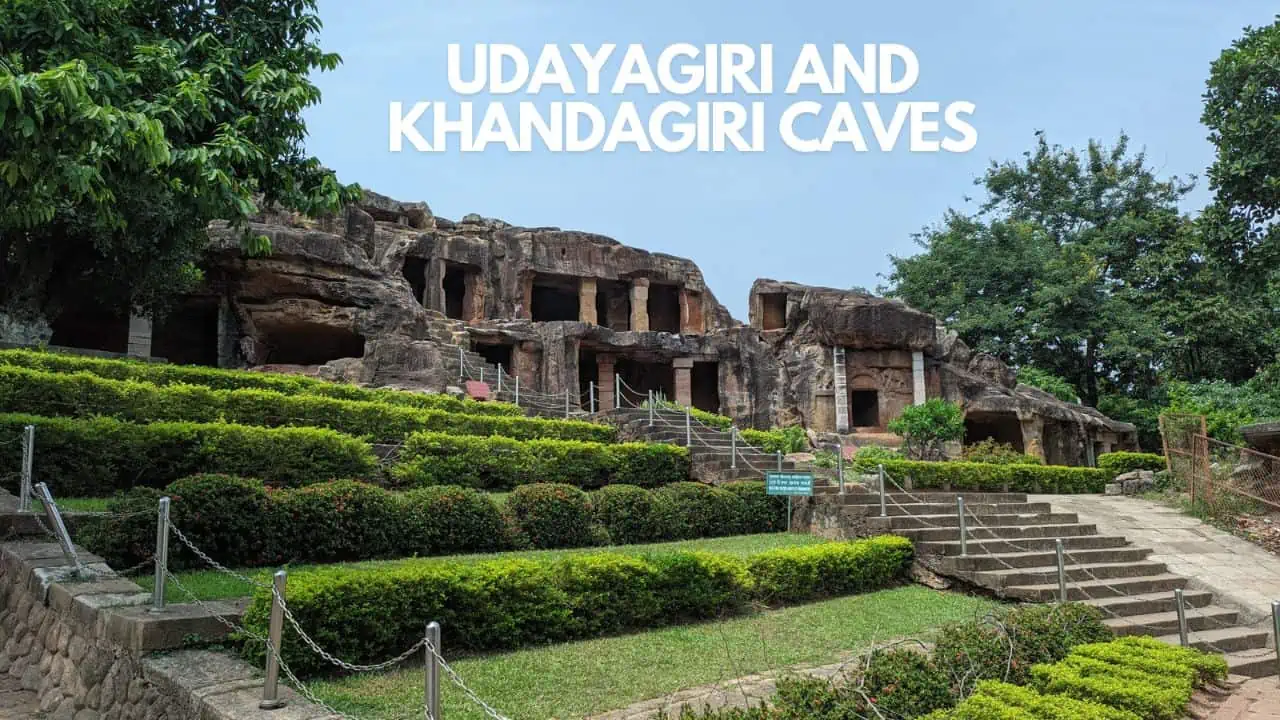
Travelers touring the capital can combine a visit here with excursions to the ancient caves at Udayagiri and Khandagiri, located six kilometers to the west.
Visitor Tips for Shopping and Photography
To get the most out of your visit to Ekamra Haat, consider these practical recommendations:
- Optimal Visiting Hours: The best time to visit is between 4:30 PM and 8:30 PM, when the craft stalls are fully open, lanterns illuminate the pathways, and the food court is active.
- Payment Options: Most permanent stalls accept UPI payments, but carrying emergency cash is advisable for smaller purchases from temporary rural stalls.
- Authenticity Checks: Look for the official Handloom Mark and Craftmark tags to verify certified handmade origin on high-value silk purchases.
- Photography Etiquette: Photography of tribal murals and general architecture is permitted. Visitors should politely ask individual artisans before capturing close-up portraits or detailed painting processes.
Frequently Asked Questions About Ekamra Haat
What are the opening hours and entry fee for Ekamra Haat?
Ekamra Haat is open every day from 10:00 AM to 10:00 PM with free entry for all visitors. Craft and textile stalls typically wind down sales by 9:00 PM, while the food court remains active until 10:00 PM.
What are the best handicrafts to buy at Ekamra Haat?
Visitors can purchase certified Pattachitra paintings on palm leaves, Dhokra tribal metal castings, Pipili applique lampshades, and hand-carved soapstone sculptures. The stalls also feature genuine terracotta cookware and decorative masks.
What handloom sarees can visitors purchase at the complex?
The complex features Geographical Indication registered textiles including Sambalpuri Ikkat, Bomkai, Berhampuri Patta, and Kotpad tribal cotton weaves. Weavers sell sarees, dress fabrics, dupattas, and readymade shirts directly to customers.
Where is Ekamra Haat located in Bhubaneswar?
Ekamra Haat is located at Madhusudan Nagar in Unit 3, situated directly opposite the IDCO Exhibition Ground. It lies two kilometers from Bhubaneswar Railway Station and four kilometers from the airport.
Does Ekamra Haat have a food court serving traditional Odia food?
Yes, the open-air food court serves traditional Odia thalis, Pakhala platters with Badi Chura, hot Chakuli Tarkari, and fresh baked Chhena Poda. Food prices are economical, making it a favorite dining spot for families and visitors.