Featured image for Deras Dam Bhubaneswar – 2026 Travel Guide & Safari Tips
Places To Visit · · 22 min read

Deras Dam Bhubaneswar – 2026 Travel Guide & Safari Tips

Discover the serenity of Deras Dam Bhubaneswar in 2026. Get full details on entry fees, safari bookings, best picnic spots, and how to reach this hidden gem.

BhubaneswarDeras DamChandaka SanctuaryOdisha TourismPicnic Spots

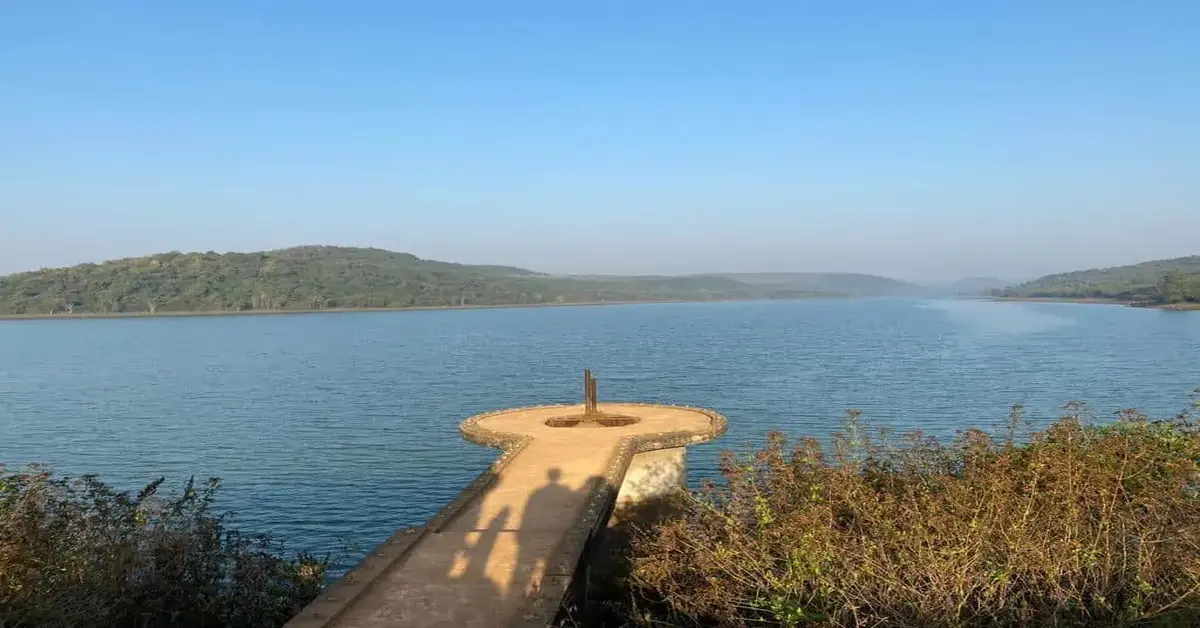
The first time I stood on the embankment of Deras Dam at dawn, I realized why locals call it the “weekend soul” of Bhubaneswar. There is a specific kind of magic that happens when the mist from the Chandaka hills rolls over the calm, glass-like surface of the reservoir. You don’t just see the beauty; you hear it in the distant call of an elephant and smell it in the damp, earthy scent of the forest floor. For anyone living in the hustle of the capital city, this place isn’t just a destination—it’s a necessary deep breath.

Deras Dam is one of those rare spots where the boundaries between the city and the wild simply dissolve. Located just a short drive from the bustling streets of Patia and Nayapalli, it serves as the gateway to the Chandaka-Dampara Wildlife Sanctuary. Whether you’re a photographer chasing the perfect golden hour shot or a family looking for a quiet corner to spread a picnic mat, Deras offers a slice of Odisha’s natural heritage that feels both ancient and refreshing.

The Elephant Corridors of Odisha: Why Chandaka Matters

One of the most fascinating aspects of Deras Dam is its position within a critical elephant corridor. In Odisha, the elephant is more than just an animal; it is a cultural icon, often associated with Lord Ganesha and the state’s royal history. The Chandaka-Dampara Wildlife Sanctuary serves as a vital bridge for these majestic creatures as they move between the larger forest patches of Athagarh and the coastal plains.

Deras Dam provides the necessary water for these herds, especially during the dry months. I remember speaking with a forest ranger who mentioned that seeing a tusker at Deras is like witnessing the heartbeat of the forest. The survival of these corridors is essential for preventing human-elephant conflict in the outskirts of Bhubaneswar. By visiting Deras, you are supporting an ecosystem that protects these corridors. The sanctuary acts as a “green lung” for the capital, filtering the air and providing a buffer against the urban heat island effect that is common in rapidly growing cities like Bhubaneswar.

To understand the scale of Odisha’s commitment to wildlife, one should look at the Similipal Tiger Reserve, which is a massive biosphere reserve that dwarfs Chandaka but shares the same spirit of conservation. Chandaka, however, remains unique because of its proximity to an urban center. It is a living laboratory for how cities and wildlife can coexist.

A Deep Dive into the Flora of Chandaka

The vegetation surrounding Deras Dam is a classic example of tropical semi-evergreen and moist deciduous forest. As you walk through the trails, you are surrounded by a diverse array of plant life that has been protected for generations.

The Majestic Sal Tree (Shorea robusta)

The Sal tree is the backbone of the Odia forest. Known for its hard, durable wood and its cultural significance (the leaves are often used to make Khalis or leaf plates), the Sal trees around Deras provide a thick canopy that keeps the forest floor cool. In the spring, these trees burst into creamy-white flowers, filling the air with a subtle, sweet fragrance.

Teak and Bamboo Groves

While Sal is dominant, you will also find significant patches of Teak and various species of Bamboo. The bamboo groves are particularly important as they are the primary food source for the elephants. During the monsoon, the new bamboo shoots are a delicacy for the herds, and you can often see the evidence of their feeding—splintered stalks and flattened patches of grass.

Medicinal Plants and Hidden Herbs

The Chandaka forest is a treasure trove of medicinal plants. From the bitter Neem to the therapeutic Amla and Harida, the local communities have long used these plants for traditional medicine. There are also rare species of wild orchids that bloom in the deep recesses of the forest, though finding them requires a keen eye and a bit of luck. The Godibari Nature Park has a dedicated section for these medicinal plants, where you can learn about their uses and even see some of them up close.

Birding at Deras: A Checklist for Enthusiasts

If you are a birdwatcher, Deras Dam is nothing short of paradise. The combination of a large water body and thick forest cover attracts both woodland and aquatic birds. Here is a checklist of some of the species you should look for during your 2026 visit:

  1. Indian Pitta: Often called the “six-colored bird,” this migrant is a favorite among photographers. Look for its vibrant feathers among the leaf litter.
  2. Malabar Pied Hornbill: Their distinct calls and large yellow beaks make them easy to spot in the tall canopy trees.
  3. Grey-headed Fish Eagle: Often seen perched on the dead trees standing in the reservoir, waiting for a catch.
  4. Lesser Whistling Duck: These social birds can be seen in large numbers on the water’s surface, especially during the winter months.
  5. Crested Serpent Eagle: A majestic raptor that can often be seen soaring high above the dam, scanning the ground for prey.
  6. Asian Openbill Stork: Identifiable by the gap in its bill, these storks are common around the marshy edges of the reservoir.
  7. Bronze-winged Jacana: These “lily trotters” can be seen walking gracefully over the floating vegetation in the quieter corners of the lake.
  8. White-throated Kingfisher: A flash of brilliant blue as it dives into the water to catch a fish.

For the best birding experience, I recommend bringing a pair of 8x42 binoculars and a field guide to Indian birds. The early morning hours, just as the sun is rising, are the most productive for birding.

A Step-by-Step Guide to Booking Your Safari

In 2026, booking a jungle safari at Chandaka has become more convenient than ever, but it still requires some prior planning. Here is a detailed walkthrough of the process:

  1. Visit the Official Portal: Go to Ecotour Odisha. This is the only authorized site for booking forest stays and safaris in the state.
  2. Select Your Destination: Choose ‘Chandaka-Dampara Wildlife Sanctuary’ from the list of destinations.
  3. Choose Your Slot: Safaris are usually available in two main slots: Morning (6:30 AM to 10:30 AM) and Afternoon (2:30 PM to 5:30 PM). There are also night safari options in some seasons.
  4. Select Vehicle Type: Depending on your group size, choose between an 8-seater or a 12-seater vehicle. Remember, you have to book the entire vehicle; individual seat booking is not available.
  5. Enter Details: You will need to provide ID proof (Aadhar Card, Voter ID, or Passport) for all members of the group.
  6. Payment: Complete the payment online. You will receive a booking confirmation via email and SMS.
  7. Reporting: On the day of the safari, report to the Godibari entrance at least 30 minutes before your slot. You will need to show your booking confirmation and original IDs at the gate.

Pro Tip: Safari bookings for weekends and holidays fill up weeks in advance. If you are planning a trip in 2026, I suggest booking at least 15-20 days ahead of time.

Comparison: Deras Dam vs. Other Dams in Odisha

Odisha is a land of many dams, each with its own personality. Here’s how Deras compares to some of the others:

Deras vs. Hirakud Dam

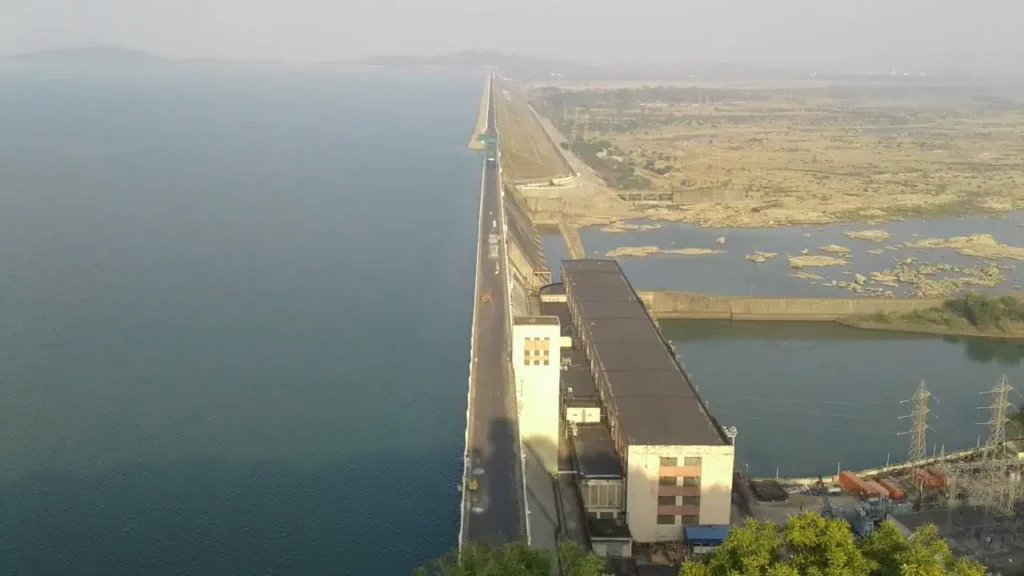
While Hirakud Dam is a massive engineering marvel (one of the longest dams in the world), Deras is its quiet, intimate cousin. Hirakud is about scale and power; Deras is about serenity and nature.

Deras vs. Sapua Dam

Sapua Dam in Dhenkanal is famous for its unique “snake-like” architecture and its popularity as a camping spot. While Sapua is great for a more “Instagrammable” experience, Deras offers a deeper connection to wildlife due to its location inside a sanctuary.

Deras vs. Jhumka Dam

As mentioned earlier, Jhumka is literally the neighbor of Deras. Jhumka is less developed and quieter, making it better for those who want to avoid the picnic crowds that Deras can sometimes attract on Sundays.

A Perfect 2-Day Itinerary for Nature Lovers

If you really want to soak in the beauty of the Chandaka region, a day trip isn’t enough. Here is a recommended 2-day itinerary:

Day 1: The Gateway and the Dam

  • 09:00 AM: Arrive at the Godibari entrance. Explore the medicinal garden and interpretation center.
  • 11:00 AM: Head to Deras Dam. Find a quiet spot for an early lunch or a walk along the embankment.
  • 02:30 PM: Board your pre-booked jungle safari. Keep your eyes peeled for elephants and deer.
  • 05:30 PM: Watch the sunset over the reservoir.
  • 07:00 PM: Check into your nature camp cottage at Godibari. Enjoy a quiet dinner under the stars.

Day 2: The Sister Dam and the City

  • 06:00 AM: Early morning birdwatching walk near the cottage.
  • 09:00 AM: After breakfast, head to Jhumka Dam for some quiet photography and landscape views.
  • 12:00 PM: Drive back towards Bhubaneswar.
  • 01:30 PM: Enjoy an authentic Odia meal at one of the Best Restaurants in Bhubaneswar.
  • 03:30 PM: Visit the Nandankanan Zoological Park or the Khandagiri Caves to wrap up your trip.

The Role of Deras in Bhubaneswar’s Microclimate

Many people don’t realize that Deras Dam and the Chandaka forest play a crucial role in maintaining the microclimate of Bhubaneswar. The city has seen rapid urbanization, and without this massive green cover, the temperatures would be significantly higher.

The reservoir acts as a heat sink, and the process of evapotranspiration from the forest trees helps in local rain formation. During the peak summer months, you can actually feel the temperature drop by 2-3 degrees as you drive from the city center towards the dam. This makes Deras not just a tourist spot, but an environmental asset that the citizens of Bhubaneswar should cherish and protect.

Packing Checklist for Families

To make the most of your day at Deras, you need to be well-prepared. Here is a checklist:

  • Sun Protection: Sunscreen, hats, and sunglasses are essential, especially if you’re walking on the dam embankment.
  • Hydration: Carry at least 2 liters of water per person. Avoid buying single-use plastic bottles.
  • Footwear: Comfortable walking shoes or sneakers. Avoid flip-flops if you plan on trekking.
  • Power Bank: Your phone battery will drain quickly with all the photos and videos you’ll be taking!
  • First Aid: A basic kit with bandages, antiseptic, and some mosquito repellent.
  • Binoculars: Even a basic pair will enhance your experience significantly.
  • Trash Bags: As always, leave no trace.

Seasonal Fruits of Chandaka: Nature’s Candy

One of the hidden joys of visiting Deras Dam during different times of the year is the availability of wild, seasonal fruits. If you are walking along the trails near Godibari or the embankment, you might notice local villagers selling these forest treasures. In 2026, there is a growing movement to support these local forest-gathering communities, and I highly recommend trying some of these “superfoods.”

Kendhu (Diospyros melanoxylon)

Often called the “Ebony Fruit,” Kendhu is a summer favorite. The fruit is small, round, and has a sweet, slightly astringent pulp. It’s a natural energy booster and is packed with antioxidants. Seeing the bright orange fruits against the dark green leaves of the Kendhu tree is a quintessential sight of the Odia summer.

Char (Buchanania lanzan)

Known as “Chironji” in other parts of India, the Char fruit is a staple in the Chandaka forest. The small, dark berries have a sweet-tart flavor, and the seeds inside are a prized ingredient in Odia desserts. Gathering Char is a community activity for many families living on the edges of the sanctuary.

Wild Berries and Jamun

During the monsoon, the forest is laden with wild Jamun (Black Plum) and various types of berries. These fruits are not just tasty but are also vital for the survival of the forest’s bird and monkey populations. Just remember: never pick fruits yourself unless you are 100% sure of what they are. It’s always better to buy from the local sellers who know the forest best.

The Best Spots for Meditation and Yoga at Deras

In a world that is constantly “on,” Deras Dam offers a rare opportunity to disconnect and find silence. In 2026, many wellness enthusiasts from Bhubaneswar have started using the quieter corners of the dam for early morning yoga and meditation.

The Watchtower at Dawn

If you can secure a spot in the early morning safari, the watchtowers offer an incredible vantage point for meditation. As the forest wakes up, the layers of sound—from the rustling of leaves to the distant chirping of crickets—create a natural meditative soundscape. It’s an experience that stays with you long after you’ve returned to the city.

The Shoreline Near Jhumka

While the main embankment of Deras can be busy on weekends, the shoreline near Jhumka Dam remains relatively undisturbed. The gentle lapping of the water against the rocks is the perfect background for practicing Pranayama or simply sitting in silence. I’ve found that even twenty minutes of quiet reflection here can reset your mental state for the entire week.

Godibari Medicinal Garden

The medicinal garden at the entrance is another great spot for a quiet walk. The air here is filled with the scents of various healing herbs, which have a naturally calming effect. It’s a great place for “forest bathing”—the practice of slowly walking through the woods and taking in the atmosphere through all your senses.

Seasonal Beauty: When to Plan Your Visit

Every season paints Deras Dam in a different light. If you ask me, there is no “bad” time to visit, but your experience will vary wildly depending on the month.

The Lush Monsoon (July to September)

This is when the dam is at its most dramatic. The reservoir is full, the surrounding hills are draped in thick clouds, and the air is perpetually cool. The sound of water rushing through the spillways is a natural symphony. However, be prepared for leeches if you plan on trekking, and some forest paths might be slippery.

The Golden Winter (October to February)

This is the peak tourist season and for good reason. The weather is perfect for day-long picnics. This is also the time when migratory birds from as far as Siberia find their way to the reservoir. The visibility in the forest is high, making it the best time for a safari. If you’re visiting in 2026, make sure to check the Odisha Holidays List to avoid the heavy weekend crowds.

The Quiet Summer (March to June)

While the days can be hot, the evenings at Deras are surprisingly pleasant. The water level recedes, revealing unique rock formations and islands within the reservoir. It’s a great time for quiet contemplation and bird watching near the receding shoreline.

Wildlife Encounter: The Residents of Chandaka

You cannot talk about Deras Dam without mentioning the Chandaka-Dampara Wildlife Sanctuary. Spread over 193 square kilometers, this sanctuary is the primary reason why Deras feels so wild. The sanctuary is a biodiversity hotspot, home to elephants, barking deer, wild boars, and the elusive leopard.

During one of my safaris last winter, our guide pointed out fresh elephant tracks near the Godibari entrance. While spotting a leopard is rare, the sheer variety of birdlife—from the Malabar Pied Hornbill to the Indian Pitta—is enough to keep any nature lover occupied. The sanctuary also plays a vital role in the conservation of medicinal plants, many of which are used in traditional Odia healing practices.

To learn more about other conservation efforts in the state, I highly recommend reading about the Similipal Tiger Reserve, which offers a much larger but equally fascinating wildlife experience.

Adventure and Activities: Beyond the Picnic Mat

Deras Dam is often pigeonholed as just a picnic spot, but it offers so much more for the adventurous soul.

Boating in the Reservoir

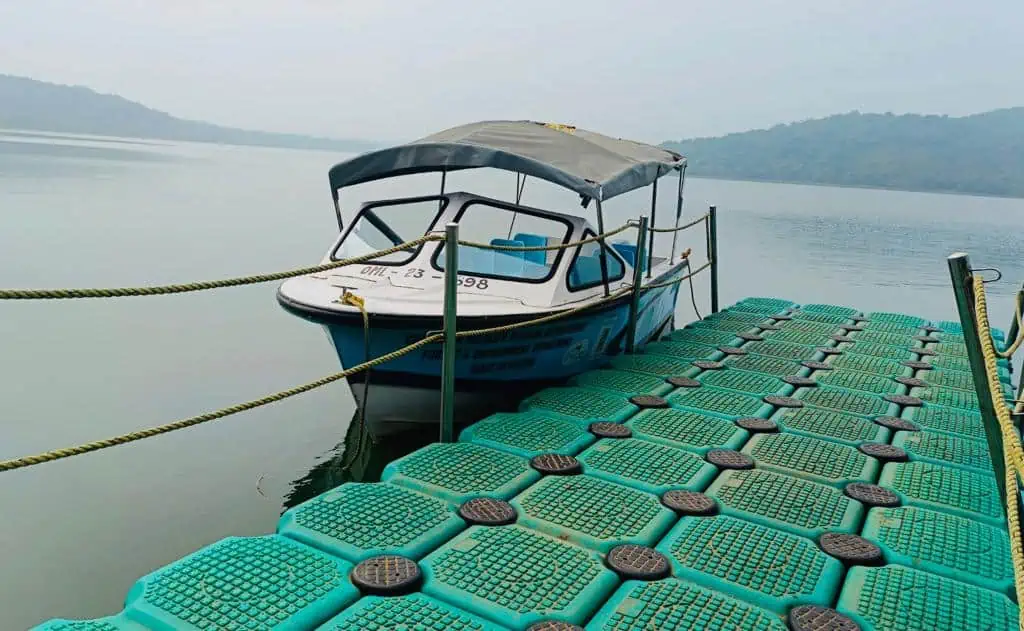
The Forest Department operates seasonal boating facilities. There is something incredibly peaceful about paddling into the middle of the lake, with nothing but the sound of your oars hitting the water. It gives you a perspective of the dam that you simply can’t get from the shore.

Trekking the Godibari-Deras Trail

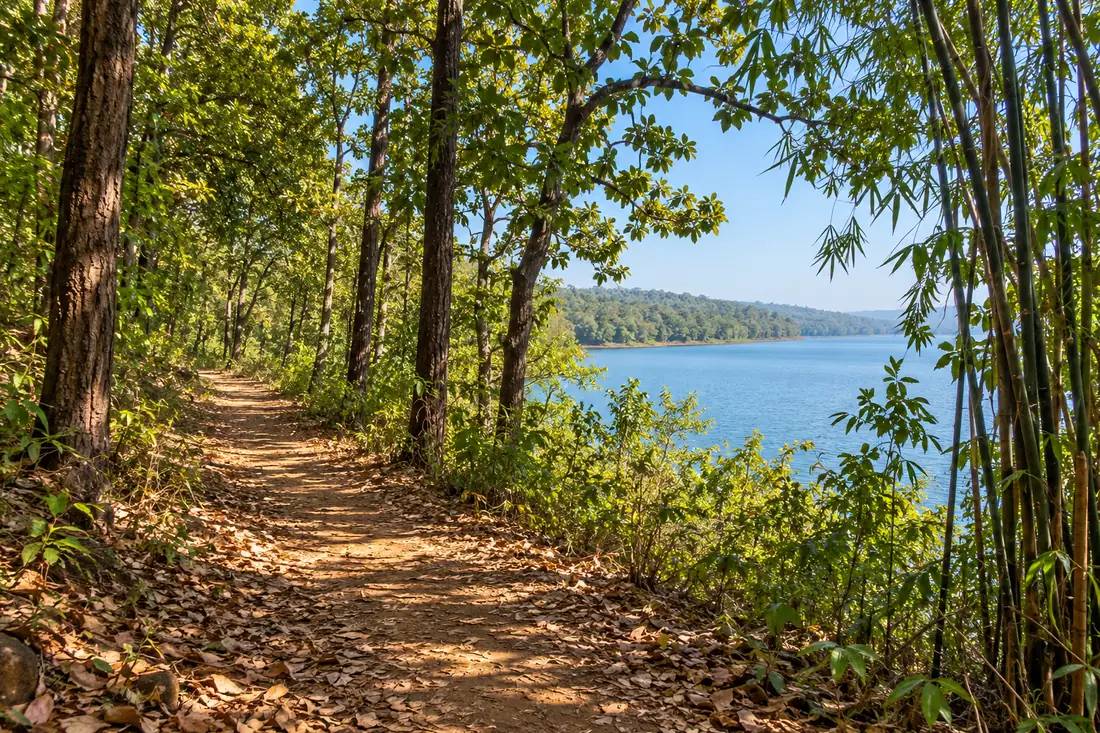
For those who like to get their boots dirty, the trek from the Godibari entrance to Deras Dam is a must-do. It’s a moderate trail that takes you through the heart of the scrub forest. Along the way, you’ll encounter ancient banyan trees and seasonal forest streams. It’s a great way to earn your picnic lunch!

The Jungle Safari Experience

The guided safari is perhaps the highlight for many. In 2026, the booking process has been streamlined through the Ecotour Odisha portal. You can book an 8-seater or 12-seater vehicle to take you deep into the sanctuary. The safari covers roughly 40 kilometers of forest tracks, passing through watchtowers where you can wait for animal sightings.

The Sister Reservoir: Jhumka Dam

Just a few kilometers away from Deras lies its “sister,” Jhumka Dam. While Deras is more popular and accessible, Jhumka is for those who want even more solitude. Many visitors choose to do a “twin dam” tour, spending the morning at Deras and the afternoon at Jhumka. The landscape at Jhumka is slightly more rugged and offers excellent opportunities for landscape photography.

If you enjoy exploring these water bodies, you should also check out my guide on Ansupa Lake, which is another stunning freshwater body in Odisha that offers a unique eco-tourism experience.

Godibari Nature Park: The Gateway

Godibari is the main entrance to the Chandaka sanctuary and the primary hub for visitor information. It has been developed as a nature park with medicinal gardens, a small interpretation center, and play areas for children. It’s the perfect place to stop before heading to the dam. You can pick up local snacks, talk to the forest guards about recent sightings, and ensure your permits are in order.

The park is also a great place to learn about the different types of flora found in the Eastern Ghats. From teak and bamboo to various species of wild orchids, the botanical diversity here is staggering.

Photography Tips: Capturing the Essence

If you’re a photographer, Deras Dam is a playground. To get the best shots, you need to be there for the “blue hour”—that short window of time before sunrise. The way the light hits the water and the silhouette of the trees against the waking sky is pure poetry.

  • Lens Choice: Bring a wide-angle lens for the vast landscapes and a telephoto lens (at least 300mm) if you hope to capture birds or elephants.
  • Angles: Don’t just shoot from the top of the dam. Walk down to the water’s edge (carefully!) to get reflections.
  • Golden Hour: The sunsets here are legendary. The sun dips behind the Chandaka hills, casting long, dramatic shadows across the reservoir.

For more inspiration on capturing Odisha’s beauty, see our curated list of the 20 Best Tourist Places in Odisha, many of which offer spectacular photo opportunities.

How to Reach Deras Dam: Detailed Routes

Getting to Deras Dam from Bhubaneswar is straightforward, but having a plan helps.

By Private Vehicle (Car/Bike)

This is the most convenient option. From Master Canteen or the Airport, head towards Khandagiri. Once you reach the Khandagiri square, take the road towards Chandaka. Pass the Nandankanan Zoological Park turn-off and continue straight towards Godibari. The roads are generally in good condition, and the drive through the forest patches is refreshing.

By Public Transport

While there is no direct bus to the dam, you can take a Mo Bus to the Chandaka area or Khandagiri. From there, you can hire an auto-rickshaw. I recommend booking the auto for a round trip, as finding a return ride from the dam can be difficult, especially in the late evening.

Distance from Key Landmarks:

  • Bhubaneswar Railway Station: 25 km
  • Biju Patnaik International Airport: 22 km
  • Khandagiri Caves: 15 km

If you’re coming from the city center, you might want to combine your trip with a visit to the Udayagiri and Khandagiri Caves to make the most of your day.

Practical Guide: 2026 Entry Fees and Timings

Planning is key to a stress-free trip. Here are the latest details for 2026:

Entry Fees and Charges

ItemPrice (INR)
Entry Fee (Per Person)40
Parking (Two-Wheeler)20
Parking (Four-Wheeler)50
Jungle Safari (8-Seater)1,575 per hour
Jungle Safari (12-Seater)2,362 per hour

Operating Hours

The dam and sanctuary are open from 10:00 AM to 5:00 PM every day. However, I suggest arriving by 9:30 AM to beat the queue for entry tickets, especially on Sundays.

Please note: Prices and timings are subject to change by the Department of Tourism, Odisha. It is always wise to check the latest updates at the forest gate.

Local Flavor: Picnic Tips and Food Options

One of the best things about Deras is the traditional picnic experience. In Odisha, a picnic isn’t complete without some local flavors. While there are no major restaurants at the dam, you will find small kiosks near the entrance selling tea, biscuits, and bottled water.

What to Pack in Your Picnic Basket:

  • Pakhala Bhata: If you’re visiting in summer, there’s nothing better than some fermented rice with roasted vegetables.
  • Homemade Snacks: Bring some Arisa Pitha or Chhena Poda for a sweet treat. You can read more about these in our guide to 10 Famous Odisha Foods.
  • Waste Bags: This is critical. Carry your own trash bags and ensure you leave no plastic behind.

If you prefer a proper sit-down meal after your visit, head back towards the city to explore the Best Restaurants in Bhubaneswar, where you can find everything from authentic Odia thalis to global cuisines.

Safety and Ethics: Being a Responsible Traveler

As visitors, we are guests in the home of the wild residents of Chandaka. It is our responsibility to act ethically.

  1. No Swimming: The reservoir is deep and has underwater currents. Swimming is strictly prohibited and dangerous.
  2. No Loud Music: Animals are sensitive to noise. Keep your conversations low and avoid playing loud music.
  3. No Plastic: Odisha is moving towards a plastic-free tourism model. Avoid carrying single-use plastics.
  4. No Feeding Wildlife: It might be tempting to feed the monkeys or birds, but this disrupts their natural diet and behavior.
  5. Stay on the Path: Don’t wander into the thick forest without a guide. It’s for your safety and the protection of the habitat.

For more tips on how to be a conscious traveler in the state, check out our guide on Eco Tourism in Odisha.

Conclusion: Why Deras Dam Matters

Deras Dam is more than just a wall of earth and a pool of water. It is a testament to the fact that we can live alongside nature if we choose to. It provides a sanctuary for elephants, a playground for birds, and a sanctuary for the human spirit. Whether you come here to find silence, to laugh with friends, or to witness the raw beauty of the Odia wilderness, you will leave with a piece of Deras in your heart.

As you plan your 2026 adventures, make sure this hidden gem is on your list. There’s something waiting for you there—maybe it’s a sighting of a majestic tusker, or maybe it’s just the quiet realization that the best things in life are the ones we find in the wild.

FAQs on Deras Dam Bhubaneswar

Is there any accommodation available near Deras Dam?

Yes, the Forest Department offers cottage stays at Godibari and nearby nature camps. These can be booked via the Ecotour Odisha website. Staying overnight allows you to experience the forest at night, which is a completely different world.

What is the best time for elephant sightings?

Elephants are most active during the late afternoon (between 3:00 PM and 5:00 PM) when they come to the reservoir for water. However, sightings are never guaranteed as these are wild animals in their natural habitat.

Can we visit Jhumka Dam and Deras Dam on the same day?

Absolutely. They are located very close to each other. Most people spend the first half of the day at Deras and then move to Jhumka for a quieter afternoon.

Are there any restrictions on photography or videography?

General photography is allowed. However, if you plan to use a drone or are filming for commercial purposes, you will need prior permission from the Forest Department and may need to pay additional fees.

Is the road to Deras Dam safe for two-wheelers?

Yes, the road is well-paved and safe. Just be careful during the monsoon as some sections can become slippery, and always watch out for cattle or wild animals crossing the road near the forest patches.

Are there clean washrooms available at the site?

Yes, there are basic washroom facilities available at the Godibari entrance and near the main picnic area of Deras Dam. However, it’s always a good idea to carry your own hand sanitizer and tissues.

Found this helpful? Share it with others.

Rajesh Kumar avatar

Rajesh Kumar

Travel Writer & Odisha Explorer
10+ years experience

Documenting Odisha’s districts, culture, festivals, heritage sites, and practical local information to help travelers and residents alike.

Odisha Tourism Culture Heritage Nature Local Guides