Balda Cave Koraput 2026: Trek Guide and Jalaput Views
Plan your Balda Cave trip in 2026 with trek details, tableland views, Jalaput reservoir highlights, cave features, and travel tips.
The first time I stood on the sprawling tableland of Balda, the world below seemed to vanish into a sea of morning mist. There’s something truly humbling about watching the sun climb over the Eastern Ghats, turning the silver waters of the Jalaput reservoir into liquid gold. If you’ve ever felt that popular tourist spots like Deomali are getting a bit too crowded for your liking, Balda Cave is the secret escape you’ve been searching for.
Sitting atop a plateau so vast it could easily hold five football grounds, Balda Cave is a geological masterpiece. For years, this “hidden gem” was known only to the local Paraja tribes and a few intrepid travelers. But as we move into 2026, it’s finally getting the recognition it deserves as one of the most breathtaking viewpoints in Southern Odisha. I’ve spent hours talking to the locals here, and their stories are as deep as the caves themselves.
I’ll share everything I’ve learned from my multiple treks to this magical spot. From the ancient legends of the Pandavas to the practicalities of reaching the summit from Jeypore or Koraput, here is what you need to know for your own journey to Balda Cave.
Table of Contents
- The Magic of Balda Tableland
- Historical Journey: Kalinga to Modern Koraput
- Geological Marvel: The Skylight Cave
- Spiritual Significance and Legends
- Trekking Guide: Step-by-Step
- Biodiversity of the Highlands
- Seasonal Beauty: When to Visit
- Photography Tips
- The Paraja Tribe and Local Culture
- Local Flavors: What to Eat
- Logistics: How to Reach
- Where to Stay
- Eco-Tourism and Sustainability
- Perfect 3-Day Itinerary
- Safety Tips for Trekkers
- Frequently Asked Questions
The Magic of Balda Tableland: A First-hand Perspective
When you arrive at the base village of Balda, the first thing that hits you is the silence. It’s not a hollow silence, but one filled with the rustle of eucalyptus leaves and the distant chime of cowbells. Unlike the more commercialized hill stations, there are no vendors shouting at you or rows of souvenir shops. It’s just you, the mountain, and the trail. According to the Official Odisha Tourism Website, this region is part of a growing effort to promote sustainable eco-tourism in the South.
I remember my last visit in late November. The air had that crisp, biting quality that only the Koraput highlands can offer. As I began the ascent, the path wound through dense patches of forest where the scent of damp earth and wild blossoms was almost intoxicating. Halfway up, I stopped to catch my breath and looked back. The tiny houses of the village looked like colorful pebbles scattered across a green carpet.
What makes Balda special is the “Tableland” or the plateau summit. When you finally crest the last ridge, the land suddenly flattens out into an impossibly large meadow. It’s a surreal experience—one moment you’re climbing a steep forest trail, and the next, you’re standing on a massive natural stage 1,300 meters above sea level. It feels like you’ve reached the roof of Odisha. The wind here doesn’t just blow; it sings through the tall grass, a constant, rhythmic reminder of the raw power of nature.
Historical Journey: From the Kalinga Empire to Modern Koraput
To truly appreciate Balda, one must understand the history of the soil it sits upon. Koraput has been a cradle of civilization for millennia. This region was once part of the legendary Kalinga Empire, which famously transformed Emperor Ashoka from a conqueror to a messenger of peace after the Kalinga War in 261 BC. The rugged terrain of the Eastern Ghats provided a natural fortress for various tribal kingdoms that flourished here.
During the medieval period, the region came under the rule of the Silavamsis and later the Surya Vamsi Gajapatis of Odisha. The Jeypore Kingdom, established in the 15th century, further shaped the cultural and political landscape of Koraput. The kings of Jeypore were great patrons of art and religion, and many of the temple traditions we see today in the district have their roots in this era.
The British Raj also left its mark, albeit with significant resistance from the local tribes. The Paika Rebellion and subsequent tribal uprisings in Koraput against British forest laws are stories of immense bravery. When you walk the trails of Balda, you are walking the same paths that tribal freedom fighters once used to navigate these mountains. Understanding this historical depth adds a layer of reverence to your trek—you aren’t just visiting a “viewpoint”; you’re witnessing a witness to history.
Geological Marvel: The Skylight Cave and the Plateau
The geography of Balda is a fascinator for any nature lover. The hill itself is a part of the Eastern Ghats, characterized by its khondalite rock formations which are typical of the Koraput region. These rocks, rich in minerals, have been weathered over millions of years to create the unique plateau structure we see today.
The Skylight Phenomenon
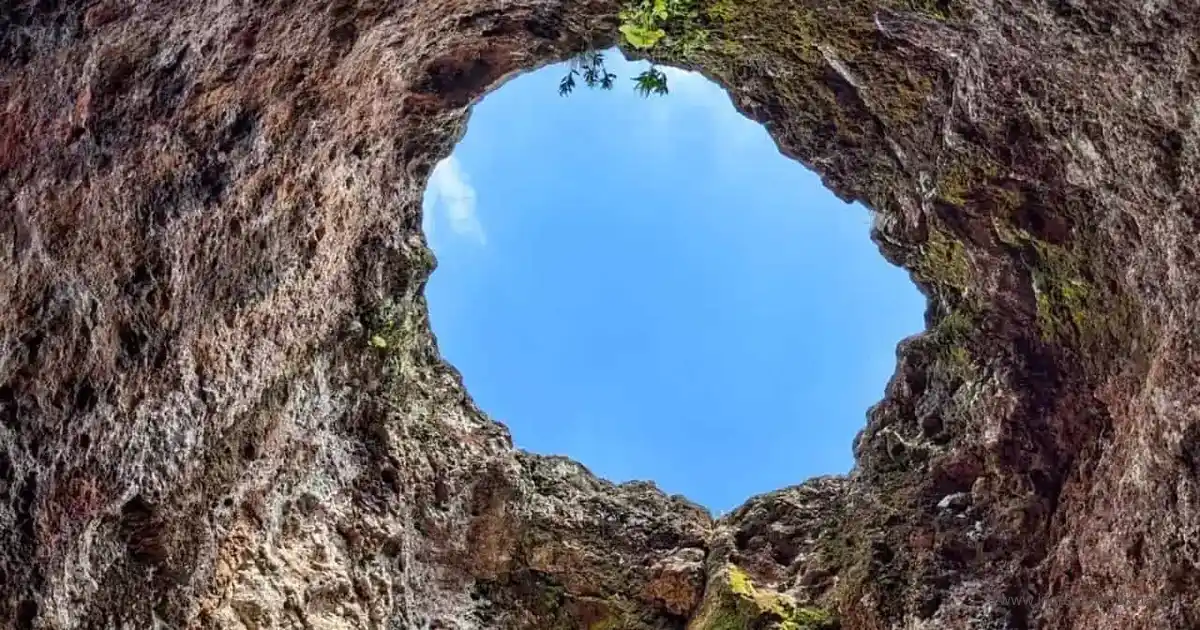
Unlike many caves in Odisha that are dark and claustrophobic, the main Balda Cave is famous for its “skylight.” At the top of the cave, there is a natural opening that allows a pillar of sunlight to pierce through the darkness, illuminating the interior. This isn’t just a hole; it’s a perfectly placed aperture that turns the cave into a natural cathedral.
When I first stepped inside, the light was hitting a small, naturally formed stone structure that the locals worship as a Shiv Lingam. The play of light and shadow on the damp cave walls, covered in mineral deposits that shimmer like pearls, is a sight you won’t soon forget. These mineral formations, technically known as speleothems, take thousands of years to grow, each drop of water adding a microscopic layer of calcite.
The Five Football Fields: A Massive Natural Plateau
Locals often describe the top of the cave as being as large as five football grounds. While I didn’t have a measuring tape, the sheer scale is staggering. You can walk for nearly a kilometer in any direction without losing that sense of being on a flat, elevated island. During the monsoon, this entire plateau turns a vibrant, neon green, dotted with tiny wildflowers that sway in the relentless mountain wind.
The plateau is actually a “laterite cap,” a common feature in the Eastern Ghats where the top of the mountain has flattened out due to specific weathering processes. This creates a unique micro-ecosystem where grasses and small shrubs thrive, but large trees are absent, giving you an unobstructed 360-degree view of the surrounding landscape.
Spiritual and Historical Significance: From Pandavas to Buddhist Monks
Odisha is a land where history and mythology are inseparable, and Balda Cave is no exception. For the people who live here, this isn’t just a trekking spot—it’s sacred ground.
The Mahabharata Connection
According to local Odia folklore, the Pandavas spent a significant portion of their Agyatvas (exile in disguise) in the caves of Koraput. Legend has it that they used the Balda Tableland as a vantage point to keep an eye out for any approaching spies from the Kaurava camp. There is a certain logic to this—the visibility from the top is so clear that you could spot movement miles away. For the locals, every rock and stream has a story linked to Bheema or Arjuna, making the landscape a living book of myths.
Ancient Meditation Retreats
Historians and local scholars often point towards Balda as a potential site for ancient Buddhist or Jain monks. The silence and the natural shelter of the caves provided the perfect environment for deep meditation (Vipassana). While there hasn’t been extensive archaeological excavation here, the presence of naturally formed ‘Gupteshwar-like’ Shivlings and the general atmosphere of the place suggest a long history of spiritual practice.
The “skylight” in the cave is particularly significant. In many ancient cultures, such openings were seen as portals between the earthly and the divine. Standing under the beam of light inside the cave, one can easily imagine a monk from two thousand years ago sitting in the same spot, seeking enlightenment.
Today, the presiding deity of the hill is Donger Dei. Every year during the month of Chaitra (usually March or April), the village of Balda comes alive with the Balda Maa Nageswari Cave Fair. Thousands of people from the surrounding districts gather here to offer prayers and celebrate.
The Trek to Balda Hill Station: A Detailed Guide
If you’re planning to visit, you need to know that reaching the top requires a bit of effort. It’s a moderate trek that usually takes about 45 minutes to an hour, depending on your fitness level.
The Forest Trail (First 20 Minutes)
The trek starts near the Balda village. I always suggest hiring a local guide from the village—not because the trail is confusing, but because they can point out things you’d otherwise miss. The first part of the trail is relatively gentle, winding through a mix of deciduous forest and eucalyptus plantations. The ground is often covered in dry leaves that crunch under your boots, a sound that becomes the soundtrack of your ascent.
Keep an ear out for bird calls; the Koraput highlands are a paradise for birdwatchers. You might spot the Malabar Whistling Thrush, known as the “Whistling Schoolboy” for its human-like song, or the vibrant Scarlet Minivet flashing through the canopy.
The Switchbacks (The Final Climb)
As you get closer to the top, the trail becomes steeper. There are several switchbacks that help manage the incline. This is the part where your heart rate will definitely go up. There are a few stone benches placed at strategic viewpoints along the way—don’t hesitate to use them. The view of the valley below gets better with every step. You’ll see the terraced fields of the Paraja farmers, looking like a giant green staircase.
Reaching the Summit: The Breathless Moment
The moment you reach the plateau, all the fatigue vanishes. The land just… opens up. The wind here is much stronger than in the valley, often carrying the scent of pine and wild lemongrass. From here, you can see the shimmering blue expanse of the Jalaput Reservoir. On a clear day, the contrast between the deep blue water, the green hills, and the white clouds is like a painting come to life.
For more adventure in the region, you might want to check out the Deomali Hills, which is the highest peak in the state and offers a different but equally stunning perspective of the Eastern Ghats.
Biodiversity of the Koraput Highlands
The area surrounding Balda Cave is a biodiversity hotspot. The Eastern Ghats are often overshadowed by the Western Ghats, but they house an incredible array of flora and fauna that is unique to this dry-deciduous and semi-evergreen landscape.
Flora: The Green Canopy
As you trek up, you’ll encounter a variety of trees like Sal (Shorea robusta), Bija, and Asan. The forest floor is often a carpet of medicinal herbs. The local tribes have a deep knowledge of these plants, using them for everything from healing wounds to curing fevers. You might also see wild orchids clinging to the trees, their delicate blooms a stark contrast to the rugged rocks.
Fauna: The Hidden Inhabitants
While you might not see them during a noisy daytime trek, these hills are home to barking deer, wild boars, and a variety of smaller mammals. The birdlife is particularly rich. Apart from the thrushes and minivets, you might spot the Grey Hornbill or even a majestic Crested Serpent Eagle circling high above the plateau.
The caves themselves have their own ecosystem, primarily dominated by various species of bats. While they might seem spooky to some, they play a crucial role in the environment by controlling insect populations and aiding in seed dispersal.
Seasonal Beauty: When to Visit Balda Cave in 2026
The experience of Balda changes drastically with the seasons. Depending on what you’re looking for—whether it’s mist, greenery, or clear views—you should plan accordingly.
| Season | Months | What to Expect | My Recommendation |
|---|---|---|---|
| Winter | Oct - Feb | Crisp air, clear skies, perfect for photography and camping. | ⭐⭐⭐⭐⭐ (Best Time) |
| Monsoon | June - Sept | Lush greenery, waterfalls, but can be slippery and foggy. | ⭐⭐⭐ (Great for Nature) |
| Summer | March - May | Pleasant mornings, but the plateau can get hot during the day. | ⭐⭐ (Visit for the Fair) |
The Winter Charm (October to February)
This is the peak season for a reason. The weather is absolutely gorgeous, with temperatures ranging from 10°C at night to 25°C during the day. This is the best time for a picnic on the tableland. Just remember to carry a light jacket, as the wind on the plateau can be quite chilly even when the sun is out. The visibility is at its peak, allowing you to see the distant hills of the Andhra border clearly.
The Monsoon Magic (June to September)
While the official guide might warn you about slippery paths, the monsoon is when Balda looks its most “Incredible.” The entire hill is draped in clouds, and small, unnamed waterfalls spring up along the trekking path. If you don’t mind getting a bit wet, the sight of the Jalaput reservoir through the shifting mist is ethereal. It feels like you’re walking in the clouds.
Photography at Balda: Capturing the Jalaput Reservoir
If you’re a photographer, Balda is going to be your playground. However, there are a few things to keep in mind to get those perfect shots.
- Golden Hour is Mandatory: The plateau faces the east and west perfectly. For the best shots of the reservoir, you want to be at the summit by 5:30 AM. The way the light hits the water and the surrounding hills is magical.
- Wide-Angle Lens: You’ll need a wide-angle lens to capture the sheer scale of the tableland. A standard kit lens often fails to do justice to the 5-football-ground expanse.
- The Cave Light: If you want to photograph the “skylight” inside the cave, try to be there between 11:00 AM and 1:00 PM when the sun is directly overhead. This is when the beam of light is most prominent and creates that “divine” effect.
- Drone Photography: As of 2026, drone flying is permitted in the area, but please be respectful of the local villagers and the pilgrims near the cave. The aerial view of the plateau and the reservoir is perhaps one of the best drone shots you can get in Odisha.
The Paraja Tribe and Local Culture: A Deep Dive
One of the things I love most about traveling in Koraput is the interaction with the local communities. The area around Balda is primarily inhabited by the Paraja tribe. They are one of the most prominent tribal groups in Southern Odisha, and their culture is deeply intertwined with the mountains.
Agricultural Wisdom
The Parajas are expert farmers. As you look down from the Balda plateau, you’ll see their beautifully maintained terraced fields. They primarily grow ragi (finger millet), paddy, and various pulses. Their agricultural practices are almost entirely organic, relying on traditional knowledge passed down through generations.
Festivals and Dance
If you visit during the Chaitra Fair, you might get a chance to see the Dhemsa dance. It’s a rhythmic, communal dance where people hold hands and move in circles to the sound of drums and flutes. The energy is infectious! The costumes are vibrant—women wear traditional handwoven sarees with silver ornaments, their hair adorned with wild flowers.
Another important festival is the Manda festival, where they offer prayers for a good harvest. The connection they have with nature is visible in every ritual. For them, the Balda hill isn’t just a physical entity; it’s a living deity that protects the village. For more cultural context, you can visit the Incredible India - Odisha Destination Guide.
Local Flavors: Sampling the Highland Diet
You haven’t truly experienced Koraput until you’ve tasted the local food. The diet here is simple, earthy, and incredibly nutritious, reflecting the agricultural roots of the Paraja people.
Mandia Jau (Ragi Porridge)
This is the lifeblood of the highlands. It’s a fermented porridge made from finger millet (ragi). It’s tangy, cooling, and provides sustained energy for a long trek. Whenever I visit, I make it a point to have a bowl before starting my ascent. It’s often served with a side of spicy green chili and raw onion. For a deeper look at the state’s culinary heritage, check out our guide on 10 Famous Odisha Foods You Must Try.
Bamboo Shoot Curries
During the monsoon, the locals harvest tender bamboo shoots from the forest. These are fermented and used to make a variety of savory dishes. The flavor is unique—pungent, earthy, and absolutely delicious when paired with hot steamed rice.
Forest Produce
The Parajas also collect a variety of wild mushrooms and berries from the forest. If you’re lucky enough to be invited to a local home, you might get to taste a curry made from wild forest mushrooms that have a depth of flavor you’ll never find in a supermarket.
Odisha’s Cave Culture: How Balda Compares
Odisha has a rich “cave culture” that spans from ancient times to the present. When you visit Balda, it’s interesting to see how it fits into this broader landscape.
- Udayagiri and Khandagiri (Bhubaneswar): These are man-made Jain caves dating back to the 2nd century BC. They are famous for their intricate carvings. Compared to these, Balda is a raw, natural wonder.
- Gupteswar (Koraput): Also in the same district, Gupteswar is a limestone cave. It’s more of a traditional religious site with a large Shiva Lingam. Balda offers more in terms of trekking and panoramic views.
- Panchalingeswar (Balasore): Known for the five lingams under a perennial stream. While spiritually significant, it lacks the massive plateau experience that Balda provides.
Balda is unique because it combines a natural cave experience with the “Tableland” phenomenon, which is rare in other parts of Odisha.
Logistics: How to Reach Balda Cave in 2026
Reaching this hidden spot has become easier over the last couple of years, but it still requires some planning. You can find detailed maps and administrative updates on the Koraput District Administration Official Portal.
By Air
The Jeypore Airport is now fully operational with regular flights from Bhubaneswar and Visakhapatnam. From Jeypore, Balda Cave is about 65 km away. You can easily hire a taxi for a day trip. The drive from the airport takes you through some of the most beautiful parts of the district.
By Train
The Koraput Railway Station remains the main gateway. It’s well-connected via the Hirakhand Express from Bhubaneswar and the Kirandul Passenger from Visakhapatnam. The train journey from Visakhapatnam to Koraput is often cited as one of the most scenic in India, passing through dozens of tunnels and over high bridges. I always recommend taking the Vistadome coach if available!
By Road
If you’re driving, the route from Koraput to Araku is the one to follow.
- From Koraput: Take the road towards Similiguda -> Lamtaput -> Balda.
- From Visakhapatnam: It’s about a 4-hour drive (155 km) via Araku. The roads are generally in good condition, but be prepared for many hairpin bends.
Where to Stay: Hotels and Resorts
While Balda village itself doesn’t have luxury hotels, you have plenty of options nearby. You can book eco-tourism stays directly through Eco Tourism Odisha - Booking for Nature Camps.
- Similiguda (45 km away): This is the most practical choice. Hotels like Imperial Inn and Lemon Castle offer modern amenities, clean rooms, and good food. It’s a central hub for exploring Koraput.
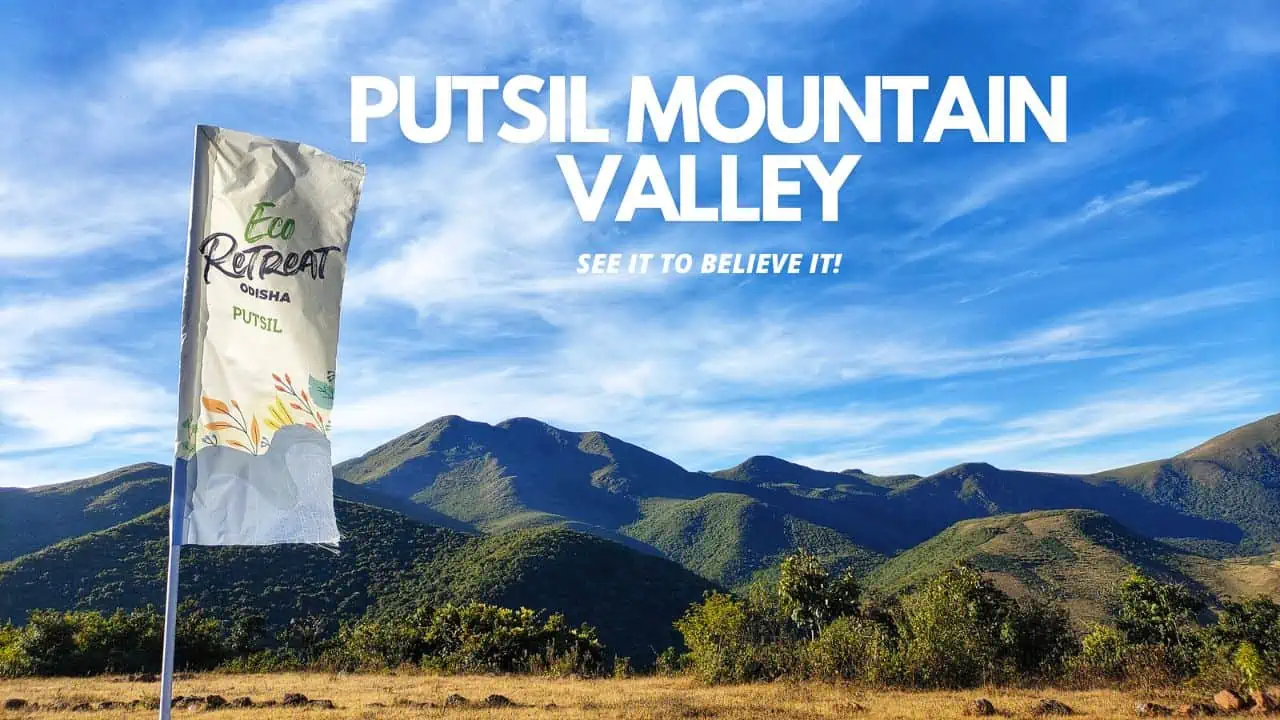
- Putsil Eco-Retreat: For a more immersive experience, consider staying at the Putsil Mountain Valley. It’s close by and offers luxury Swiss tents with incredible views. It’s perfect for those who want to wake up to the sound of the mountains.
- Araku Valley (40 km away): If you want to combine your Odisha trip with a bit of Andhra Pradesh, Araku has many resorts, including the AP Tourism Haritha resorts.
Eco-Tourism and the Bauxite Mining Debate: A 2026 Update
As we admire the beauty of Balda, we must also consider its future. For the past year, there has been significant discussion regarding proposed bauxite mining in the Balda hills. The local tribal communities have been vocal about protecting their sacred land and the environment.
The mining would not only destroy the natural beauty of the tableland but also impact the water sources of the Paraja farmers. As travelers, our role is to practice Responsible Tourism. When you visit, ensure you leave no trace.
- Carry your trash back with you (even organic waste).
- Don’t use plastic on the plateau.
- Respect the sanctity of the cave and the local rituals.
- Support the local economy by hiring local guides and buying local produce.
The preservation of Balda’s unique ecology depends on both the government’s policies and our behavior as visitors. Let’s ensure that future generations can also stand on this plateau and feel the same sense of wonder.
A Perfect 3-Day Koraput Itinerary (Including Balda)
If you’re planning a trip to Southern Odisha, here’s how I would structure a 3-day itinerary to make the most of your time.
Day 1: The Heart of Koraput
- Morning: Arrive at Koraput Railway Station or Jeypore Airport. Check into your hotel in Similiguda.
- Afternoon: Visit the Sabara Srikhetra (Jagannath Temple) in Koraput. It’s unique because people of all religions and castes are allowed to enter.
- Evening: Walk through the local Koraput market and try some street food like Aloo Dum Bara.
Day 2: The Tableland and the Reservoir
- Early Morning (5:00 AM): Drive to Balda Village. Start the trek by 6:00 AM to catch the sunrise.
- Late Morning: Walk across the massive plateau and see the Balda Cave. Take plenty of photos of the Jalaput Reservoir.
- Afternoon: Visit the Jalaput Dam area and enjoy the serene waterside.
- Evening: Return to Similiguda or stay at the Putsil Eco-Retreat.
Day 3: Waterfalls and Valleys
- Morning: Visit the Duduma Waterfalls. It’s a bit of a drive but the views are unparalleled.
- Afternoon: Head to Putsil Valley for some paragliding (if available) or just to enjoy the “Mini-Switzerland” vibes.
- Evening: Catch your train or flight back.
Nearby Gems: Extending Your Koraput Journey
The Koraput district is packed with incredible spots. Here are a few more to add to your list:
- Duduma Waterfalls: One of the highest waterfalls in India, located about 70 km from Balda. The sight of the Machkund river plunging into the abyss is jaw-dropping. It’s also the site of one of the oldest hydroelectric projects in India. Check out our guide to Duduma Waterfalls.
- Gupteswar Cave: A famous cave shrine dedicated to Lord Shiva, hidden inside a dense forest near the Saberi river. The giant stalagmite worshiped as a lingam is a sight to behold. Read more about Gupteswar Temple.
- Chilika Lake: If you’re heading back towards the coast (Bhubaneswar), a stop at Chilika Lake to see the dolphins and the migratory birds is a must. It’s the largest brackish water lagoon in Asia.
Essential Safety Tips for Trekkers
- Carry Water: There are no shops on the plateau. Carry at least 2 liters of water per person. Staying hydrated is key at high altitudes.
- Start Early: To avoid the midday sun and catch the best views, start your trek by 6:00 AM.
- Wear Sturdy Shoes: The trail can be slippery, especially after a light rain or morning dew. Avoid wearing flip-flops or smooth-soled shoes.
- Mobile Connectivity: Signal is patchy on the trail but usually decent on the plateau (especially BSNL and Jio). However, don’t rely on GPS; the trail is well-marked, but it’s always good to have a local guide.
- First Aid: Carry a basic first aid kit with band-aids, antiseptic cream, and some salt (to deal with leeches during the monsoon).
FAQs on Balda Cave Koraput
1. Is Balda Cave safe for solo travelers?
Yes, it is generally very safe. The local Paraja people are incredibly friendly and helpful. However, as with any remote trekking spot, it’s better to finish your trek and return to the base village before sunset. Always inform your hotel about your plans. Namaskar!
2. Can I camp on the Balda Tableland?
As of 2026, overnight camping on the plateau requires permission from the local forest office or the Balda village sarpanch. It’s a world-class spot for stargazing due to the lack of light pollution, but make sure you are prepared for cold temperatures and very strong winds.
3. Are there any entry fees for Balda Cave?
Currently, there is no official entry fee collected by the government. However, you might want to hire a local youth from the village as a guide; it’s a great way to support the local economy, and you’ll learn much more about the hidden spots and local legends.
4. How much time do I need for a Balda Cave trip?
A half-day trip is usually enough. If you start from Koraput or Jeypore at 5:00 AM, you can be at the summit by 7:30 AM, spend 2-3 hours exploring, and be back in town for lunch.
5. What is the distance from Bhubaneswar to Balda Cave?
It’s approximately 500 km. Most travelers prefer taking an overnight train (like the Hirakhand Express) to Koraput and then hiring a local taxi for the remaining journey.
Final Thoughts
Balda Cave is more than just a destination; it’s a feeling of absolute freedom. Standing on that vast tableland, with the wind in your face and the ancient hills stretching out to the horizon, you realize why Odisha is called India’s Best Kept Secret. Whether you’re an avid trekker, a photography enthusiast, or someone just looking for a bit of peace and quiet, Balda will not disappoint.
It’s a place that asks for very little but gives back so much in terms of peace and perspective. Plan your trip soon, before the rest of the world finds out about this hidden paradise. And when you do visit, remember to take nothing but pictures and leave nothing but footprints. Dhanyabad!