Duduma Waterfalls Machkund Koraput: Travel Guide
Explore Duduma Waterfalls in Koraput with travel tips, distance, viewpoints, nearby tribal markets, and how to reach easily.
The first time I saw the Duduma Waterfalls, it wasn’t the roar of the water that struck me first—it was the mist. Even from the top of the viewing deck, the air felt thick and cool, carrying the scent of damp earth and crushed ferns. Standing at the edge of the Koraput plateau, looking down into the 175-meter plunge of the Machkund River, you realize why the local tribes call this place Matsya Tirtha. There’s a raw, primeval energy here that makes you feel very small and very lucky all at once.
For those of us who have spent time in the southern reaches of Odisha, Duduma isn’t just a waterfall; it’s a gateway to a world that feels largely untouched by the frenetic pace of modern India. I remember sitting by the roadside near the Onkadeli market, watching Bonda women in their vibrant bead-work and brass rings walking with a poise that few urbanites could ever match. That combination of nature’s power and human tradition is what makes a trip to Duduma so much more than just a sightseeing stop.
In this 2026 guide, I want to help you plan an experience that goes beyond the typical tourist photos. We’ll cover the logistics of getting to Koraput, the best way to witness the local tribal culture with respect, and the practical details of visiting the Machkund project. Whether you’re a solo adventurer or traveling with family, Duduma has a way of leaving an indelible mark on your soul.
The Majesty of Duduma: One of India’s Highest Waterfalls
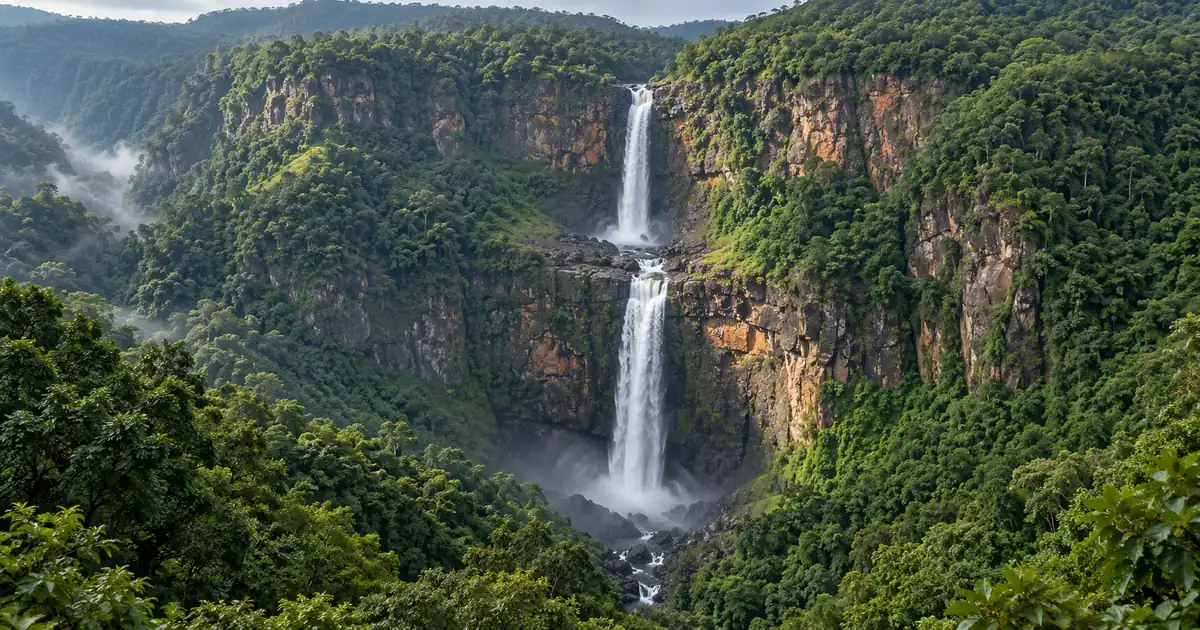
Duduma Waterfalls is a spectacle of nature that ranks among the highest in the country. Plummeting from a height of 175 meters (about 574 feet), it is a sheer drop of the Machkund River as it navigates the rugged Eastern Ghats. The waterfall is actually a part of a larger gorge system that acts as a natural boundary between Odisha and Andhra Pradesh.
When you stand at the main viewpoint, you’re looking at more than just falling water. You’re looking at a geological story millions of years in the making. The rock formations here are part of the ancient Peninsular Gneiss, some of the oldest crust on Earth. The sheer verticality of the cliff face, carved out by the persistent flow of the Machkund over eons, is a humbling sight. I always tell visitors to pay attention to the rainbow that often forms in the spray during the afternoon. It’s a fleeting, beautiful moment that perfectly captures the “Incredible Odisha” spirit.
The waterfall is divided into two main drops. The larger one is the primary attraction, while a smaller fall, often referred to as “Rani Duduma” or the Queen’s Fall, adds to the overall drama of the landscape. During the monsoon, the two often merge into a single, thundering wall of white water, but for the best clarity and access, the post-monsoon months are unbeatable. The mist generated by the fall is so intense that it sustains a micro-climate of ferns and mosses on the surrounding rocks, even during the drier months.
If you’re a fan of natural wonders, you might want to check out our full list of waterfalls in Odisha to see how Duduma compares to other gems like Khandadhar or Barehipani.
The thunderous 175-meter drop of Duduma Waterfalls, a sight that defines the rugged beauty of Koraput.
The Geologic History of the Machkund Gorge
To truly appreciate Duduma, one must understand the geology that created it. The Eastern Ghats, where the falls are located, are much older than the Himalayas. The rocks you see at Duduma are primarily Khondalites and Charnockites, which are metamorphic rocks that have undergone intense pressure and heat over billions of years.
The Machkund River has been carving its way through these hard rocks for millennia. The gorge itself is a “nick point” in the river’s profile, where the river suddenly drops from the higher Koraput plateau to the lower coastal plains. This geologic feature is what made the site so ideal for the hydroelectric project. As you look at the sheer cliffs, you can see the different layers of rock, each representing a different epoch in the Earth’s history. For those with an interest in earth sciences, the gorge is a living textbook of structural geology.
The Legend of Matsya Tirtha: Myths and Folklore
Every great landmark in Odisha has a story, and Duduma is no exception. Local folklore refers to this area as Matsya Tirtha (the pilgrimage of the fish). Legend has it that the Machkund River was once home to a sacred fish that carried the blessings of the deities. The local tribal communities believe that the water here has purifying properties, and many still perform rituals near the banks during auspicious days.
There’s another story I heard from an elder in a nearby Gadaba village. He said the waterfall was created when a celestial being, moved by the beauty of the Koraput hills, decided to stay forever in the form of the cascading river. While these stories might not be found in history books, they add a layer of spiritual depth to the experience. When you hear the rhythmic drumming from a nearby village echoing through the gorge, it’s easy to believe there’s some truth to the magic.
The name “Machkund” itself is derived from “Matsya” (fish) and “Kunda” (pond or pool). It is believed that Lord Rama, during his exile (Vanavasa), visited this region and spent time near the river. This connection to the Ramayana further enhances the sacredness of the site for many devotees who visit Koraput.
Tribal Culture: Meeting the Bonda and Gadaba People
The most unique aspect of visiting Duduma is the opportunity to learn about the Bonda tribe. Known as one of the most ancient and secluded tribal groups in India, the Bondas (or Remo) live in the high “Bonda Ghati” hills surrounding the waterfall. They are part of the Particularly Vulnerable Tribal Groups (PVTGs) and have maintained their distinct language, dress, and customs for centuries.
If you visit on a Thursday, you can witness the Onkadeli Weekly Market. This is where the Bonda people descend from the hills to trade forest produce, handmade jewelry, and Solapa (a local palm wine). The women are particularly distinctive, wearing elaborate beaded necklaces that cover their torso and heavy brass rings around their necks and arms. Their attire is not just for decoration; it carries deep cultural and social significance.
Tips for Respectful Tribal Interaction:
- Ask Before You Snap: Never take photos of tribal people without their explicit permission. A simple gesture or asking “Photo?” with a smile goes a long way. Many tribal members are shy or have personal beliefs about photography.
- Dress Modestly: To show respect for local traditions, avoid wearing revealing clothes. Koraput is a conservative region when it comes to social norms.
- Don’t Give Money: Instead of handing out cash to children, consider donating to a local school or NGO if you want to help. Giving money directly can encourage begging and disrupt local social structures.
- Buy Local: Supporting tribal artisans by purchasing their beadwork, hand-woven fabrics, or forest honey is the best way to contribute to their economy.
The Gadaba tribe is another prominent group in the region. They are known for their beautiful “Dhemsa” dance, which is performed in a circle with participants holding hands. Their elaborate brass neck rings, which women traditionally wore from childhood and were only removed after death, are a symbol of their identity. Seeing a Gadaba house, with its meticulously plastered walls and thatched roof, gives you a great insight into their sustainable way of life.
A traditional Bonda house in the hills near Duduma, reflecting the ancient architectural styles of Koraput’s tribes.
The Machkund Hydroelectric Project: Powering the Region
Duduma isn’t just about nature and culture; it’s also a site of significant engineering. The Machkund Hydroelectric Project is a joint venture between the governments of Odisha and Andhra Pradesh. It was one of the first major power projects initiated after India’s independence (construction began in the 1940s), and it continues to be a vital source of energy for the region.
The project utilizes the massive drop of the Duduma falls to generate electricity. One of the most interesting “hidden” features here is the historical trolley system. Built during the construction of the dam, this unique “ropeway train” was used to transport heavy machinery and workers down the steep mountain slopes to the power house at the bottom of the gorge. It’s an incredible feat of mid-20th-century engineering that still fascinates visitors today.
While the power plant itself usually requires prior permission from the authorities to visit, the sight of the massive penstock pipes carrying water down the hill is a testament to human ingenuity. The reservoir created by the dam, known as the Jalaput Reservoir, is another scenic spot nearby, perfect for a quiet afternoon. If you’re interested in the technical side of things, it’s worth checking the Odisha Hydro Power Corporation website for any visitor updates or permissions required for 2026.
Biodiversity of the Eastern Ghats: Flora and Fauna
The area around Duduma is a biodiversity hotspot. The dense forests are part of the Eastern Ghats range and are home to a wide variety of flora and fauna. As you drive through the hills, you’ll see massive Sal trees, bamboo thickets, and a variety of medicinal plants that the local tribes have used for generations.
The region is also a haven for birdwatchers. If you’re patient, you might spot the Malabar Whistling Thrush, the Racket-tailed Drongo, or even a rare Hill Myna. The Machkund River itself is home to several endemic fish species, which is why the “Matsya Tirtha” name is so appropriate. While larger mammals like tigers are rare now, the forests still house leopards, barking deer, and wild boars.
During the spring (March-April), the hills are set ablaze with the red flowers of the Palash tree (Flame of the Forest). It’s a stunning sight that transforms the entire landscape. The air is often filled with the sweet scent of Mahua flowers, which are collected by the tribes to make a traditional spirit.
Practical Guide: How to Reach Duduma in 2026
Koraput is tucked away in the southern corner of Odisha, which means getting there requires a bit of planning. But trust me, the journey is half the fun.
By Air:
The biggest game-changer for 2026 is the improved connectivity at Jeypore Airport (PYB).
- IndiaOne Air operates regular flights from Bhubaneswar and Visakhapatnam to Jeypore. This has cut down travel time significantly compared to the long road or rail journeys.
- Once you land in Jeypore, Duduma is about a 70 km drive (roughly 2 to 2.5 hours). I recommend hiring a private taxi at the airport for the day.
- Alternatively, you can fly into Visakhapatnam (VTZ), which is about 200 km away. The drive from Vizag takes you through the Araku Valley, which is one of the most scenic road trips in India.
By Train:
The “Hirakhand Express” from Bhubaneswar to Jeypore is a classic way to reach Koraput. The train journey takes you through some of the most beautiful hill sections in Eastern India, especially the tunnel sections between Rayagada and Koraput. From the Jeypore railway station, you can easily find taxis or shared autos.
By Road:
If you’re driving from Bhubaneswar, it’s a long haul—about 500 km. Most people prefer to make it a multi-day trip, stopping at places like Balangir or Bhawanipatna along the way. The roads in Koraput district are generally well-maintained, but they are winding, so drive carefully, especially during the monsoon when fog can be an issue.
When to Visit: Seasons and Weather
Timing is everything when it comes to waterfalls. Here’s what to expect throughout the year in Koraput:
- Winter (October to February): This is the best time to visit. The weather is cool (mornings can be as low as 5°C!), the water flow is steady, and the visibility is excellent. This is also the best time for the tribal markets and for trekking to the bottom of the falls.
- Monsoon (July to September): The falls are at their most powerful, and the roar can be heard from miles away. However, it can be dangerous. The trails are slippery, and the viewing deck might be shrouded in thick clouds for days. If you love the “misty” look, this is your time.
- Summer (March to June): It gets warm during the day (up to 35°C), but since Koraput is at a higher altitude, it’s much more pleasant than coastal Odisha. The water flow in the falls will be less, but the local festivals (like the Chaitra Parva) make it a culturally rich time to visit.
Sustainability and Responsible Travel at Duduma
As visitors, we have a responsibility to protect the places we love. Koraput is an ecologically and culturally sensitive region. Here’s how you can travel sustainably:
- Zero Waste: Carry a reusable water bottle and avoid single-use plastics. There are no proper waste management facilities near the waterfall, so whatever you carry in, you must carry out.
- Respect the Silence: Avoid playing loud music or making excessive noise near the waterfall. It disturbs the local wildlife and the peaceful atmosphere that many come to seek.
- Support Local Initiatives: Whenever possible, choose local guides and homestays. This ensures that your tourism dollars directly benefit the community.
- Stay on the Path: When trekking to the bottom, stay on the designated steps. Wandering off the path can lead to soil erosion and damage the local flora.
Photographer’s Perspective: Capturing the Spirit of Koraput
For my fellow photography enthusiasts, Koraput is a dream. But it’s also challenging due to the high contrast and moisture.
- Gear Protection: The spray from Duduma can be intense. Use a rain cover for your camera and carry plenty of microfiber cloths to wipe your lens.
- The Right Lens: A wide-angle (16-35mm) is essential for the waterfall, but don’t forget a portrait lens (50mm or 85mm) for respectful shots in the markets.
- Slow Shutter: To get that “silky” water effect, use a tripod and a Neutral Density (ND) filter. A shutter speed of 1/2 to 2 seconds usually works best.
- Early Light: The morning mist in the valleys of Koraput is incredible for landscape shots. Get out early before the sun burns it off.
Exploring Near Duduma: Hidden Gems of Koraput
Don’t just visit the falls and head back. Koraput has so much more to offer. If you have an extra day or two, consider these spots:
1. Deomali Peak
Standing at 1,672 meters, Deomali is the highest peak in Odisha. The drive to the top offers panoramic views that look like something out of a movie. It’s about 90 km from Duduma. Pro tip: Go for sunrise to see the clouds floating below the peak.
2. Gupteswar Cave Temple
Deep in the forest near the Sabari River lies the Gupteswar Temple, an ancient cave dedicated to Lord Shiva. The “Linga” here is a natural stalagmite that has been worshipped for centuries. It’s particularly popular during the Bol Bom yatra.
3. Putsil Mountain Valley
Often called the “Switzerland of Odisha,” Putsil is a high mountain valley known for its coffee plantations and paragliding spots. The air here is crisp and clean, and the views of the surrounding hills are breathtaking.
4. Koraput Jagannath Temple (Sabar Srikhetra)
Located in Koraput town, this temple is unique because it emphasizes the tribal roots of Lord Jagannath. Unlike the Puri temple, where rituals are strictly Vedic, the practices here are deeply influenced by the local Sabar tribal traditions. It’s a beautiful example of cultural synthesis.
The Koraput Nature Camp, a perfect base for exploring the waterfalls and tribal villages of the district.
Local Crafts and Souvenirs: Bringing Koraput Home
When you visit the tribal markets like Onkadeli, you’ll find unique items that you won’t see anywhere else. These are perfect for souvenirs that have a real story behind them.
- Beaded Jewelry: The Bonda women make incredibly intricate necklaces and headbands from colorful beads. Each pattern often has a specific meaning.
- Tribal Textiles: Look for the hand-woven fabrics of the Gadaba and Paraja tribes. They are usually made of thick cotton and dyed with natural colors like indigo and madder.
- Forest Honey: The local tribes collect wild honey from the deep forests of the Eastern Ghats. It has a unique, smoky flavor that you won’t find in supermarket honey.
- Millet Products: Koraput is known as the “Millet Hub” of Odisha. You can buy processed finger millet (Mandia) or little millet, which are superfoods and great for healthy cooking.
- Dhokra Art: While more famous in other parts of Odisha, some artisans in Koraput still practice the ancient lost-wax casting technique to make beautiful brass figurines.
A Sample 3-Day Koraput Itinerary
To truly experience the region, I suggest a 3-day itinerary starting from Jeypore or Koraput town:
- Day 1: The Waterfalls and Tribes: Start early for Duduma Waterfalls. If it’s a Thursday, spend your morning at the Onkadeli market. In the afternoon, explore a nearby Gadaba village. Return to Jeypore for the night.
- Day 2: The Peaks and Valleys: Drive to Deomali Peak for the sunrise. Afterward, visit the Putsil Valley coffee plantations. In the evening, visit the Koraput Jagannath Temple and the Tribal Museum in Koraput town.
- Day 3: Caves and Culture: Visit the Gupteswar Cave Temple. If you have time, stop at the Maliguda Tunnel—India’s highest broad-gauge railway tunnel. End your trip with a traditional Odia meal in Jeypore.
Local Insights and Traveler Tips for 2026
Based on my multiple trips to this region, here are some “pro tips” that you won’t find in most brochures:
- The Staircase Challenge: To get to the very bottom of the falls, there are about 1,000 steps. It’s a steep climb back up, so only attempt it if you have good physical fitness. Carry plenty of water and maybe a few energy bars!
- Offline Maps are a Must: Mobile network in the Onkadeli and Duduma area is very patchy. Download your Google Maps for the entire Koraput district before you leave Jeypore. BSNL usually has the best (though still limited) coverage.
- The “Electric Locomotive” Myth: Many old guides mention an electric train for tourists. To be clear, there is no passenger train to the bottom of the falls. The “trolley” is for the power plant workers and machinery only. Don’t plan your trip around riding a train!
- Local Cuisine: You must try the “Mandia Jau” (ragi porridge)—a staple of the Koraput tribes. It’s incredibly nutritious and perfect for the hill climate. Also, look for “Badi Chura” and the local variety of forest mushrooms if you’re visiting during the monsoon. For more food inspiration, check out the 10 famous Odisha foods you must try.
- Photography: The best light for photographing the falls is between 11 AM and 2 PM when the sun is directly overhead. This is also when you’re most likely to see a rainbow in the mist. Use a circular polarizer to cut the glare on the water and the wet rocks.
- Stay in a Nature Camp: For an authentic experience, book a stay at the Eco Retreat Odisha or the local Nature Camps. Waking up to the sound of the forest and the sight of the morning mist over the hills is something you’ll never forget.
Packing List for Your Koraput Adventure
Koraput’s weather can be unpredictable, so here’s what I recommend packing for a 2026 trip:
- Layered Clothing: Even in summer, evenings can be cool. In winter, you’ll need a heavy jacket and maybe a scarf and gloves.
- Good Hiking Shoes: Essential for the steps at Duduma and the trails at Deomali. Make sure they have a good grip as the rocks near the falls are always wet.
- Power Bank: Your phone battery will drain faster searching for a signal in the hills. A high-capacity power bank is a lifesaver.
- Basic First Aid: Include band-aids, antiseptic cream, rehydration salts (ORS), and any personal medications.
- Insect Repellent: Essential if you’re visiting the waterfall or staying in a nature camp.
- Sunscreen and Hat: The sun can be surprisingly strong at higher altitudes, even when the air feels cool.
The Future of Tourism in Koraput
As we look at 2026, Koraput is on the verge of becoming a major eco-tourism hub. The state government has been investing in better roads, more eco-friendly resorts, and tribal-led tourism initiatives. The goal is to share the beauty of places like Duduma while protecting the fragile cultural and ecological balance of the region.
There are new “Eco-Retreats” planned near the Jalaput reservoir, which will offer luxury glamping experiences. At the same time, community-based tourism is being encouraged, where visitors can stay in tribal homestays and learn about their way of life directly from the community. This “slow tourism” approach is exactly what a place like Koraput needs.
I often think about what the first European explorers felt when they stumbled upon these falls in the early 20th century. While we now have flights and paved roads, the spirit of adventure remains the same. Duduma isn’t just a destination; it’s a journey back in time, a lesson in humility, and a celebration of the raw beauty that makes Odisha so “Incredible.”
Frequently Asked Questions (FAQs)
1. Is it safe to visit Duduma Waterfalls with family? Yes, the viewing area is fenced and safe for children. However, if you plan to go down the steps to the bottom, keep a close eye on kids as the steps can be slippery and the elevation is steep.
2. How far is Duduma from Jeypore? It’s approximately 70 km from Jeypore. The drive takes about 2 to 2.5 hours depending on road conditions and how many times you stop for photos (which will be often!).
3. Do I need a guide to visit the Bonda market? While not mandatory, having a local guide from Koraput or Jeypore is highly recommended. They can help bridge the language gap, explain the customs, and ensure you interact with the tribal people respectfully.
4. Are there restaurants at the waterfall? There are only very basic tea stalls and snack shops selling biscuits and chips. It’s best to carry a packed lunch from Jeypore or Koraput town.
5. Can I visit the Machkund Power Plant? General tourists are usually not allowed inside the power house without prior written permission from the Odisha Tourism department or the OHPC. However, you can see the external structures, the massive pipes, and the trolley tracks from the main viewpoint.
6. Is there a mobile signal at Duduma? Signal is very weak and often non-existent near the falls and the tribal markets. It’s best to finish your important calls before leaving the main highway.
7. Can I visit Duduma as a day trip from Visakhapatnam? Yes, but it will be a very long day (about 5-6 hours of driving each way). It’s much better to stay overnight in Jeypore or a nature camp in Koraput.
8. Is there an entry fee for the waterfall? As of 2026, there is a nominal entry fee and a parking fee at the viewpoint. Keep some small change handy.
As you plan your journey to the southern highlands of Odisha, remember that Duduma is more than just a 175-meter drop of water. It’s a place where the pulse of ancient India still beats strong. Take your time, breathe in the mountain air, and let the magic of Koraput wash over you.
If you found this guide helpful, please share it with your fellow travelers! For more updates on the best places to visit in Odisha, follow us on Instagram: Incredible Odisha.