15 Best Places to Visit in Gajapati District: 2026 Travel Guide
Explore top places to visit in Gajapati District for 2026. Discover Mahendragiri Hills, Jiranga Tibetan Monastery, Gandahati Waterfall, and royal palaces.
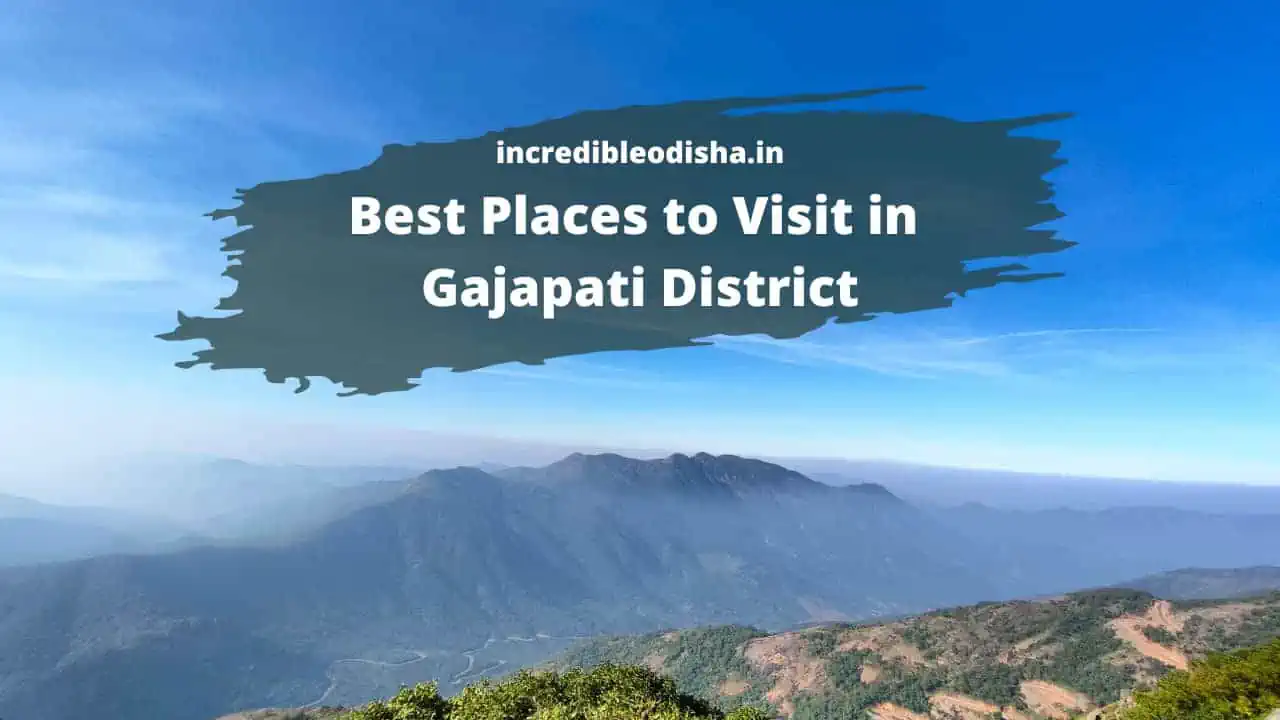
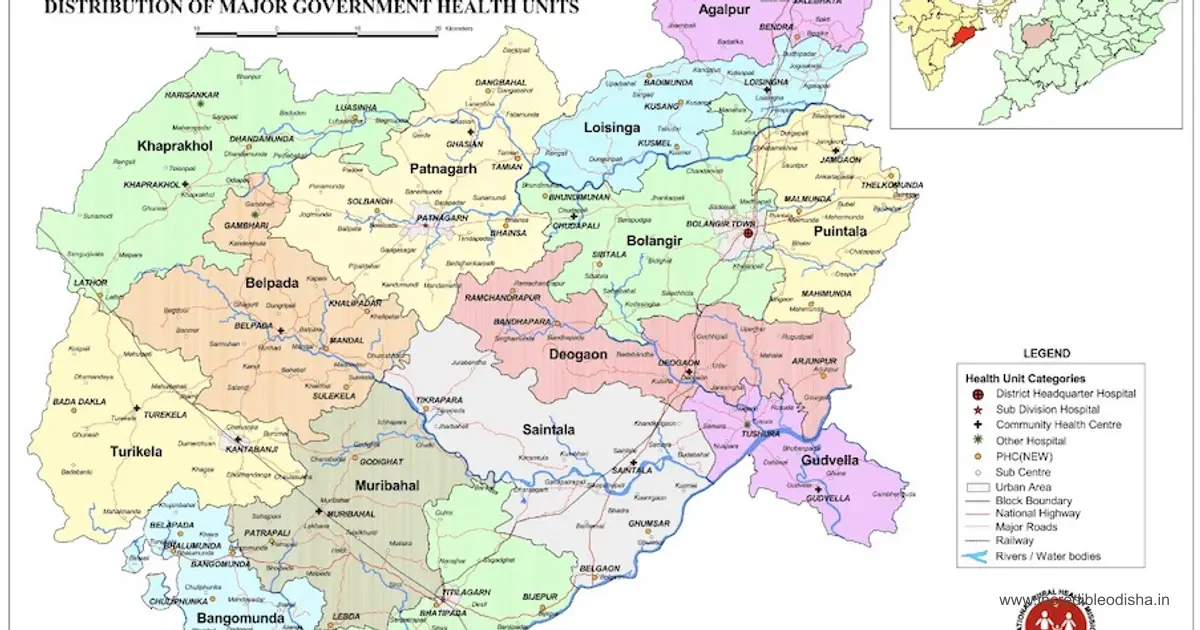
Gajapati District occupies the southern highlands of Odisha, bordered by Andhra Pradesh and framed by the rugged Eastern Ghats. Carved out of Ganjam in 1992, the district combines royal Gajapati heritage with biodiverse mountain ranges, cascading waterfalls, and rich tribal craft traditions. The regional hub of Paralakhemundi serves as the gateway to ancient temples, Tibetan monastic settlements, and indigenous Lanjia Saura communities. For complete administrative divisions, community blocks, history, and demographic data, read our comprehensive guide to Gajapati district.
Key Takeaways
- Gajapati Palace in Paralakhemundi stands as an iconic 18th-century Indo-Saracenic royal residence designed by British architect Robert Fellowes Chisholm.
- Mahendragiri rises to 1,501 meters above sea level as Odisha’s second-highest mountain, hosting ancient stone shrines and over 600 flowering plant species.
- Jiranga in Chandragiri houses the Padmasambhava Mahavihara, the largest Tibetan Buddhist monastery complex in Eastern India.
- Gandahati Waterfall cascades 100 feet through dense forest corridors on the Mahendratanaya River, serving as a seasonal wild elephant crossing path.
- The best time for regional exploration spans October to March when highland temperatures remain pleasant between 14°C and 26°C.
At-A-Glance: Top Tourist Destinations in Gajapati District
Planning an excursion through Gajapati requires balancing highland trekking routes with cultural heritage stops across Paralakhemundi, Mohana, and R. Udayagiri blocks. The table below outlines major attractions, location details, and optimal visiting windows.
| Destination | Category | Distance from Paralakhemundi | Best Season | Key Highlight |
|---|---|---|---|---|
| Gajapati Palace | Royal Heritage | Within town center | October to March | Indo-Saracenic architecture and Durbar Hall |
| Mahendragiri Hills | Mountain Peak & Shrines | 55 km | November to February | 1,501m summit, Pandava stone temples |
| Jiranga Monastery | Buddhist Heritage | 85 km | All Year | Padmasambhava Mahavihara, prayer wheels |
| Gandahati Waterfall | Natural Cascade | 30 km | August to January | 100-foot waterfall and forest walkways |
| Brundaban Palace | Heritage Retreat | 5 km | October to February | Riverside summer palace on Mahendratanaya |
| Harabhangi Dam | Reservoir & Scenic Spot | 110 km | October to March | Large irrigation lake surrounded by hill ridges |
| Manikapatna Cave | Sacred Cave Temple | 42 km | October to March | Shiva shrine carved into rocky hillocks |
Gajapati Palace in Paralakhemundi: Royal Architecture and Modern Legacy
Gajapati Palace, also known as the Paralakhemundi Palace, crowns the urban core of the district headquarters. Commissioned in the 18th century and later enhanced by Maharaja Krushna Chandra Gajapati, the structure blends Indian fort design, Islamic arches, and European classicism. The palace stands as a historic centerpiece among the 20 must-visit tourist destinations in Odisha for cultural historians.
The central Durbar Hall features ornate wooden ceilings, tall brick columns, and wide balconies overlooking the courtyard. A museum wing preserves royal portraits, ceremonial weaponry, and historic manuscripts from the Gajapati dynasty. According to the Gajapati district administrative encyclopedia, Maharaja Krushna Chandra Gajapati played an instrumental role at the 1930s Round Table Conferences in London, advocating successfully for the formation of Odisha as India’s first linguistic state in 1936.
Mahendragiri Hills: Mythological Peak and Biodiversity Sanctuary
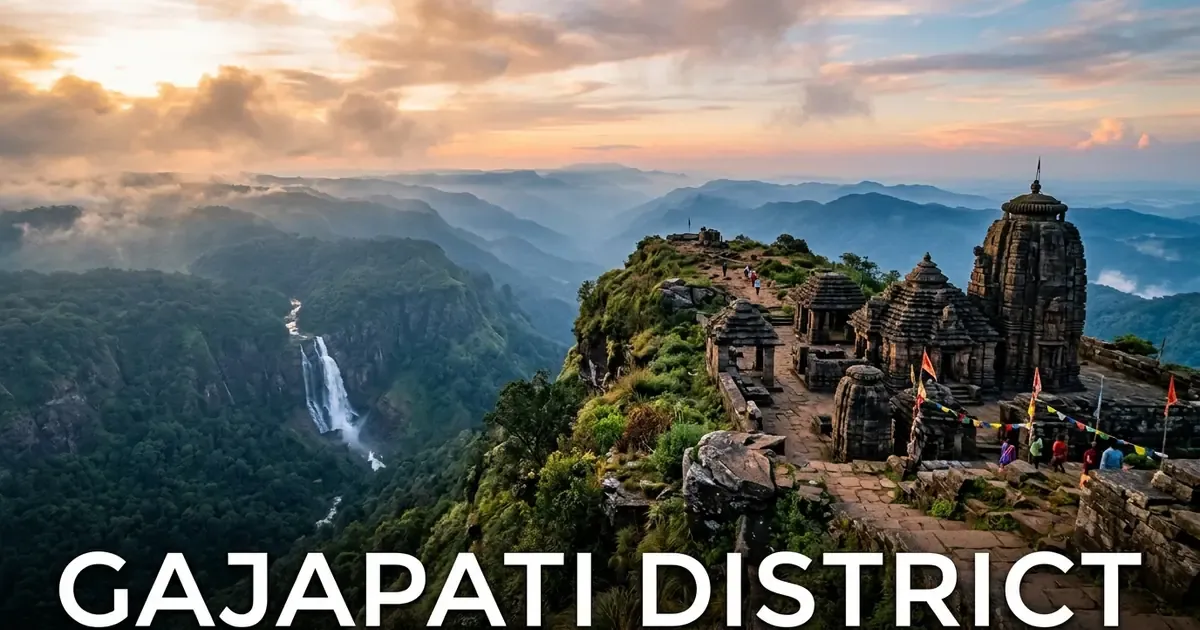
Rising to 1,501 meters above sea level, Mahendragiri forms the second-highest peak in Odisha and one of the most prominent ecological landmarks in the Eastern Ghats. Hindu epics associate the mountain with Lord Parashurama and the exile of the Pandava brothers. Trekkers ascending the mountain encounter stone temples dedicated to Kunti, Yudhisthira, and Bhima, constructed using dry-stone masonry without mortar.
The mountain’s elevation creates a temperate microclimate supporting plant species found nowhere else in coastal Odisha. Botanical surveys document wild orchids, indigenous ferns, and traditional medicinal plants utilized by local tribal herbalists. According to the Mahendragiri geological and ecological archives, the peak’s complex topography bridges Himalayan and Western Ghats flora. Travelers can prepare for the rugged ascent by reviewing our dedicated Mahendragiri Hills nature guide.
[!TIP] Begin your Mahendragiri trek from Kainpur or Burukhat by 6:00 AM. Starting early ensures you reach the summit shrines before afternoon heat develops on exposed hillside paths.
Jiranga Monastery in Chandragiri: Eastern India’s Largest Tibetan Settlement
Chandragiri, situated in the forested uplands of Mohana block, hosts a thriving Tibetan resettlement community established in 1963. The primary cultural landmark is the Padmasambhava Mahavihara monastery, inaugurated by His Holiness the Dalai Lama in 2010. Standing five stories tall on a sprawling campus, the monastery represents the largest Tibetan Buddhist religious structure in Eastern India.
The main assembly hall houses a monumental 23-foot gilded statue of Guru Padmasambhava flanked by elaborate murals depicting Mahayana Buddhist deities. Visitors stroll through peaceful courtyards lined with spinning prayer wheels and view traditional handicraft workshops where residents weave high-grade wool carpets. For detailed transit directions and monastery protocols, consult our Jiranga Buddhist Monastery guide.
Gandahati Waterfall: Cascades and Elephant Sanctuary Corridors
Gandahati Waterfall is the most celebrated natural spectacle in Gajapati District, located approximately 30 kilometers from Paralakhemundi near Rayagada block. Fed by seasonal hill rivulets joining the Mahendratanaya River, the water plunges 100 feet over a sheer granite cliff into a deep rock basin. Dense sal and bamboo forests border the cascade, creating a cool sanctuary during hot afternoons.
The state forest department maintains raised wooden bridges and railed viewing platforms to provide safe vantage points for families and photographers. The surrounding woodland functions as a protected transit corridor for Asian wild elephants moving between Odisha and Andhra Pradesh. Travelers planning day trips can review our field guide to Gandahati Waterfall in Rayagada block for driving routes and photography spots.
Brundaban Palace and Scenic Riverside Spots along Mahendratanaya
Brundaban Palace sits along the peaceful banks of the Mahendratanaya River, approximately five kilometers outside Paralakhemundi. Constructed as a summer retreat for the royal family, the three-story mansion features underground chambers designed to remain naturally cool during scorching summer months. Dense teak groves and landscaped fruit orchards surround the heritage building.
Further upstream along the river valley lie numerous minor cascades and scenic picnic clearings favored by local residents. Travelers interested in expanding their regional journey can cross-reference our state directory of waterfalls across Odisha to map nearby rapids in Ganjam and Rayagada districts. The riverfront offers calm settings for nature study, bird photography, and afternoon walks.
Indigenous Heritage: Lanjia Saura Idital Murals and Tribal Crafts
The hills of Gajapati are the ancestral homeland of the Lanjia Saura tribe, one of Odisha’s most culturally distinct Particularly Vulnerable Tribal Groups. Saura communities express spiritual stories through sacred wall paintings called Idital, painted with natural mineral pigments and rice paste on mud walls. These geometric figures celebrate village rituals, agricultural cycles, and forest deities.
State preservation initiatives actively protect these artistic traditions through programs outlined on the Government of Odisha state schemes portal. Beyond wall murals, artisans in Paralakhemundi practice traditional horn carving, shaping cattle horns into stylized cranes, birds, and decorative figures. Travelers often purchase authentic tribal handicrafts directly from registered artisan societies in the district.
How to Reach Gajapati District: Rail, Road, and Transit Logistics
Paralakhemundi features a broad-gauge railway station connected to Naupada Junction on the Howrah-Chennai mainline. Regular passenger and express trains link the town to Palasa, Gunupur, and Visakhapatnam.
- By Train: Palasa railway station (40 km away) is the most convenient railhead for superfast trains from Kolkata, Bhubaneswar, and Hyderabad. Paralakhemundi station operates local trains running along the Naupada-Gunupur railway branch.
- By Road: Major state highways link Paralakhemundi to Berhampur (120 km) and Rayagada (135 km). Travelers traveling from southern Odisha often combine their visit with the Maa Budhi Thakurani Temple in Berhampur before continuing inland.
- By Air: Visakhapatnam International Airport (VTZ) in Andhra Pradesh is the closest major commercial airport, located approximately 165 kilometers south of Paralakhemundi. Bhubaneswar Airport is roughly 280 kilometers to the northeast.
- Local Transit: State transport buses and private shared jeeps operate regularly between Paralakhemundi, Chandragiri, Mohana, and Palasa. Visitors can consult the Odisha Tourism official travel directory for authorized regional car rental operators.
Frequently Asked Questions About Visiting Gajapati District
What is Gajapati District famous for?
Gajapati District is renowned for the historic 18th-century Gajapati Palace, the sacred Mahendragiri mountain peak, the Jiranga Buddhist monastery in Chandragiri, and authentic Lanjia Saura tribal arts. The district also attracts travelers with scenic nature spots like Gandahati Waterfall and the Mahendratanaya river basin.
How do travelers reach Chandragiri (Jiranga) from Bhubaneswar?
Travelers can drive roughly 260 kilometers from Bhubaneswar via National Highway 16 and State Highway 17 through Berhampur and Digapahandi to reach Chandragiri in about 6 hours. Regular state transport buses also connect Bhubaneswar directly to Mohana and Chandragiri.
What is the best time of year to trek Mahendragiri?
The optimal season for trekking Mahendragiri runs from November to February when temperatures are cool and forest trails are dry. Heavy monsoon rains between June and September create slippery mud paths and increase landslide risks on steep sections.
Can tourists stay inside the Jiranga Buddhist monastery?
While the main Padmasambhava Mahavihara monastery is reserved for monks, the settlement features modest Tibetan guest houses and local home stays nearby. Larger accommodations and state-run tourist bungalows operate in Chandragiri and nearby Mohana town.
What unique souvenirs can visitors buy in Gajapati District?
Visitors frequently purchase hand-knotted Tibetan woolen carpets from Chandragiri weavers and traditional buffalo horn handicrafts from artisan workshops in Paralakhemundi. Authentic Saura Idital tribal paintings rendered on tussar silk or handmade paper are also prized local souvenirs.