Featured image for 10 Famous Odisha Foods You Must Try
Food · · 22 min read

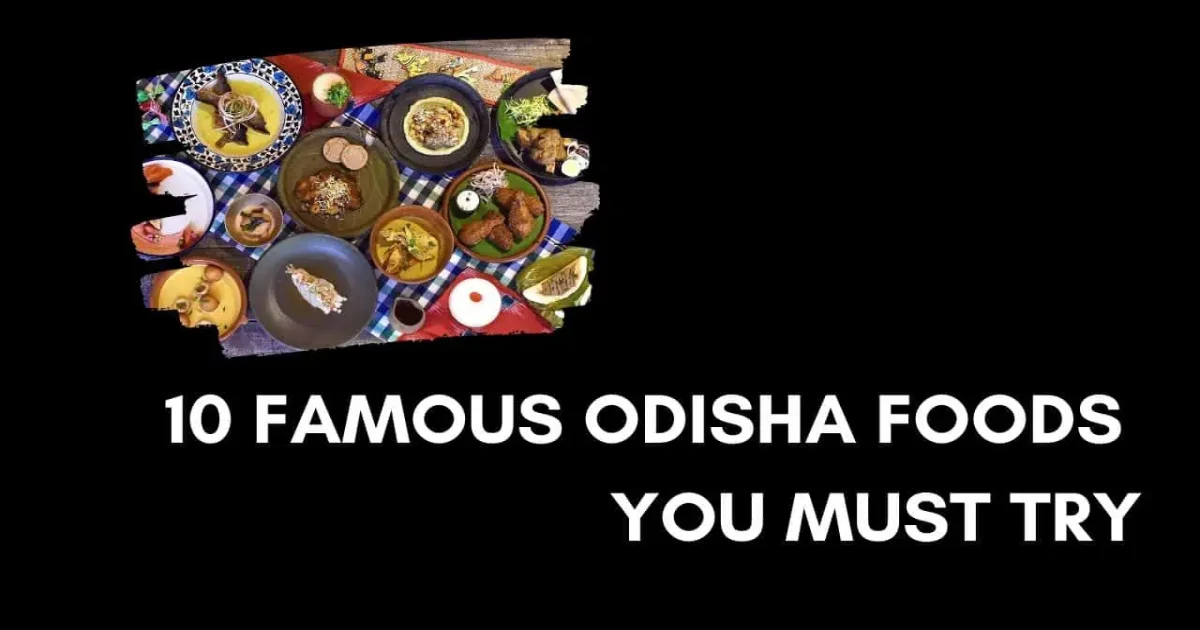
10 Famous Odisha Foods You Must Try

Discover famous Odisha foods including Dahi Bara Aloo Dum, Chhena Poda, Dalma, and other must-try dishes from Odia cuisine.

Famous Odisha FoodsOdia CuisineOdisha Street FoodPakhalaChhena Poda

The first time I sat down for a traditional Odia meal in a small village near Puri, I wasn’t just eating food; I was tasting centuries of history. I remember the rhythmic sound of the pala (hand fan) cooling the room as a large bronze plate was placed before me. The steam from the freshly cooked Dalma carried the earthy scent of roasted cumin and ghee, and the first bite of that slightly tangy, perfectly spiced comfort was something I still crave every single time I think of home. It’s funny how a single aroma can transport you back to a wooden stool in a sun-drenched courtyard, listening to the distant chime of temple bells. The heavy, sweet scent of incense from the nearby shrine would mingle with the sizzling sound of mustard seeds in a hot pan—a sensory symphony that defines the Odia kitchen.

Odisha’s culinary heritage is a beautiful secret that many travelers are just beginning to uncover in 2026. If you’re looking for Famous Odisha Foods, you’ll find that our cuisine is quite different from the rest of India. Unlike the heavy creams of the north or the intense heat of the south, Odia cuisine is about the purity of ingredients. It’s about the freshness of local produce, the delicate use of mustard oil, and the soul-satisfying simplicity of rice. Whether you’re walking through the bustling streets of Cuttack or sitting in a quiet temple courtyard, the food here tells a story of devotion, season, and community. Trust me when I say, once you’ve tasted authentic Odia food, your palate will never be the same. What really stands out in 2026 is how our traditional “slow food” philosophy perfectly aligns with modern wellness trends. We’ve been eating probiotic-rich fermented rice and nutrient-dense lentil stews long before they became global superfoods.

The Soul of Odisha on a Plate: A Culinary Philosophy

Before we dive into the specific dishes, it’s essential to understand what makes Odia food so unique. The philosophy of our kitchen is deeply rooted in the concept of Sattvic food—pure, natural, and vital. This is largely due to the massive influence of the Jagannath Temple in Puri, which is home to the largest kitchen in the world. Here, the food is not just sustenance; it is Prasad (blessed offering). This spiritual connection means that even in home kitchens, the act of cooking is treated with immense respect and mindfulness.

In an Odia household, we rarely use excessive oil or spices. We prefer the natural sweetness of vegetables and the subtle punch of Pancha Phutana (a five-spice blend of mustard, cumin, fenugreek, aniseed, and kalonji). We also have a deep respect for the seasons. In 2026, as the world moves toward sustainable and local eating, Odisha’s traditional diet—which has been plant-forward and seasonal for thousands of years—is finally getting the global recognition it deserves. The renewed focus on our cultural identity in recent years has brought a fresh pride in these local flavors.

What really surprises many visitors is how we use water. From the fermented Torani of Pakhala to the thin, nutrient-rich gravies of our curries, water isn’t just a medium; it’s a carrier of flavor and health. We also have a unique relationship with sweets. Did you know that the Rasagola originated here as a temple offering? We’ll get into that story soon, but first, let’s talk about the dish that defines our summers and our spirit.

1. Pakhala Bhata: The Fermented Soul of Odisha

Odia Pakhala - Traditional Fermented Rice of Odisha

If Odisha had a national dish, this would be it. Pakhala is essentially fermented rice, but to an Odia, it’s an emotion. On a scorching May afternoon in Bhubaneswar in 2026, there is nothing—and I mean nothing—more refreshing than a bowl of cold Torani (the water from the fermented rice). It is the ultimate antidote to the humid tropical sun.

The Ritual of Pakhala

Traditionally, cooked rice is soaked in water and left to ferment overnight. This is called Basi Pakhala. The fermentation creates a natural probiotic that is incredibly cooling for the body and aids digestion. When I visited my grandmother’s house during the summer holidays, she would serve it with a squeeze of lime, some crushed ginger, and a handful of fresh curry leaves. I remember the cool sensation of the bronze bowl against my palms as I took that first refreshing sip of the Torani.

Varieties You Should Try

  • Saja Pakhala: Freshly made, unfermented rice in water with curd. It’s light, slightly sweet, and perfect for those who aren’t ready for the tang of fermentation.
  • Dahi Pakhala: Pakhala mixed with a generous amount of beaten curd and tempered with mustard seeds, dried red chilies, and curry leaves. It’s creamy and incredibly satisfying.
  • Chuin Pakhala: A fragrant version with added aromatics like ginger, roasted cumin, and even a bit of crushed cucumber for extra crunch.

Don’t forget the sides! A proper Pakhala meal is incomplete without Saga Bhaja (fried greens), Badi Chura (crushed sun-dried lentil dumplings mixed with chili and garlic), and some fried fish or Aloo Bharta. We even celebrate Pakhala Divas every year on March 20th to honor this humble meal. In 2026, the celebrations are expected to be bigger than ever, with restaurants across the state offering special “Pakhala Thalis” that showcase the diversity of this dish. If you want to dive deeper into this tradition, check out our guide on Pakhala Divas celebrations.

2. Dahi Bara Aloo Dum: The Street King of Cuttack

Dahi Bara Aloo Dum - Iconic Street Food of Cuttack

If you find yourself in the silver city of Cuttack, you’ll hear the distinct “clink-clink” of metal spoons against plates everywhere. That’s the sound of Dahi Bara Aloo Dum being served. This isn’t your regular North Indian Dahi Bhalla; it’s a unique, spicy, and tangy combination that will change your perception of street food forever. It is the heart and soul of the best tourist places in Odisha when it comes to culinary exploration.

Why it’s Unique to Odisha

The Baras (lentil fritters) are soaked in thin, seasoned buttermilk rather than thick yogurt. They are then topped with a spicy, gravy-based Aloo Dum (potato curry) and Ghuguni (yellow pea curry). The contrast between the cool, soft baras and the hot, spicy potato curry is a flavor explosion that hits every part of your palate at once. The final touch? A generous sprinkling of Sev, chopped onions, and coriander.

The Cuttack Experience

I remember standing near the Barabati Stadium, watching a vendor assemble a plate in seconds. He didn’t use a measuring cup, yet every plate tasted identical—perfection. The spicy water (Torani) served at the end is the real prize. It’s a custom to ask for a “cup of water” after you finish your plate.

While you can find this across the state, the authentic taste lives in Cuttack. Look for the local vendors near the High Court or during the massive Bali Jatra festival, which is scheduled to begin on November 24, 2026. Trust me, one plate is never enough. It’s a dish that builds a community, as people from all walks of life stand together at the street corner, savoring the spicy goodness.

3. Chhena Poda: The Accidental Masterpiece of Nayagarh

Chhena Poda - Traditional Roasted Cheese Dessert of Odisha

Commonly known as the “Indian Cheesecake,” Chhena Poda is arguably the best dessert you’ve never heard of. It has a smoky, caramelized crust that hides a soft, creamy heart. This is my absolute favorite thing to bring back for friends when I travel outside Odisha. It’s a dish that represents the ingenuity of Odia sweet-makers.

The Story of Nayagarh

Legend has it that in 1947, a sweet maker named Sudarshan Sahu in Dashapalla, Nayagarh, left some sweetened cottage cheese (chhena) in a warm oven overnight. By morning, it had transformed into this golden-brown delight. Today, Nayagarh remains the Mecca for Chhena Poda lovers, and in 2026, many of these small family-run shops have gained national recognition.

The Art of the Bake

The process is deceptively simple but requires extreme patience. Freshly made chhena is kneaded with sugar and a little bit of semolina until it becomes smooth. It’s then wrapped in the large, sturdy leaves of the Sal tree and baked. In the old days, it was baked inside the dying embers of a wood-fired chulha.

When you take a bite, you first hit the slightly bitter-sweet caramel layer on the outside—which isn’t actually burnt, but perfectly caramelized sugar. Then comes the soft, cardamom-scented cheese that melts in your mouth, occasionally punctuated by a crunchy cashew or a sweet raisin. It’s a sensory experience that no other Indian sweet can replicate. You can find the best versions in Nayagarh or at some of the best restaurants in Bhubaneswar.

4. Dalma: The Ultimate Comfort Food and Nutritional Powerhouse

Odia Dalma - Traditional Lentil and Vegetable Stew

Every Odia household has its own version of Dalma. It’s more than just a lentil soup; it’s a wholesome stew packed with vegetables like raw papaya, pumpkin, brinjal, and sweet potato. It is the heart of our daily diet and perhaps the most balanced meal you can have.

The Nuances of Dalma

The secret to a great Dalma is the Phutana (tempering) and the roasted cumin-fennel powder (Bhaja Jira Gunda) sprinkled at the end. But there are different types of Dalma for different occasions:

  • Habisa Dalma: Prepared during the holy month of Kartika (November 2026). It uses no onion, no garlic, and is cooked only with Muga Dali (moong dal) and specific vegetables like plantain and yam. It’s seasoned only with ghee and ginger, making it incredibly aromatic and pure.
  • Temple Dalma: In the Jagannath Temple in Puri, Dalma is cooked in earthen pots stacked on top of each other. This “Kudua” cooking ensures that the steam from the bottom pot cooks the ones above, preserving every bit of nutrition and flavor.

I remember my mother making it every Monday. She would say, “A bowl of Dalma and a scoop of rice is all you need to fix a bad day.” And she was right. It’s healthy, filling, and tastes like home. For a detailed look at temple food and the sacred offerings, you can visit the official Shree Jagannath Temple website.

5. Odisha Rasagola: A Sweet Legacy and the GI Battle

Odisha Rasagola - Divine Sweet Offering of Puri

There has been a lot of debate about where the Rasagola originated, but in Odisha, we know our history. Our Rasagola, specifically the Pahala and Salepur varieties, has been offered at the Puri temple for centuries. It’s not just a sweet; it’s a divine offering with a deep historical footprint.

The GI Tag and the Divine Offering

In 2019, Odisha Rasagola officially received its Geographical Indication (GI) tag. But for us, the real proof is in the ritual of Niladri Bije. This is the day when the deities return to the temple after the Ratha Yatra. In 2026, Ratha Yatra falls on July 16th, and the Niladri Bije will be on July 27th. Legend says Goddess Lakshmi is angry because she wasn’t invited, so Lord Jagannath offers her Rasagolas to appease her.

Unlike the spongy white versions found elsewhere, the Odisha Rasagola is often brownish, much softer, and literally dissolves on the tongue. It isn’t “rubbery” at all because the chhena is handled differently. If you are driving between Bhubaneswar and Cuttack, you must stop at Pahala. The sight of hundreds of earthen pots filled with warm, juicy Rasagolas is enough to make anyone lose their diet plan. I remember the warmth of the earthen pot against my hands and the syrup dripping down as I took that first melt-in-the-mouth bite.

6. Macha Besara: The Zesty Mustard Magic

Macha Besara - Odia Fish Curry in Mustard Sauce

For the non-vegetarians, Macha Besara is the pinnacle of Odia fish curry. We use a potent mustard paste (Besara) that gives the gravy a sharp, zesty kick. It’s a bold flavor that represents the coastal spirit of the state.

The Art of the Besara

Being a coastal state, fish is a staple. In Macha Besara, the fish (usually fresh water Rohu, Catla, or the seasonal favorite Hilsa/Ilisi) is fried until golden and then simmered in a mustard, garlic, and cumin gravy. The addition of Ambula (sun-dried mango) provides a tangy balance to the heat of the mustard.

The aroma of mustard oil hitting a hot pan, followed by the sizzle of the Pancha Phutana, is the quintessential scent of an Odia kitchen. It’s a dish that demands you eat with your hands, mixing the rich gravy into steaming white rice. What I love about it is how the mustard clears your sinuses and wakes up your taste buds. It’s a flavor that stays with you long after the meal is over.

7. Mudhi Mansa: The Rustic Baripada Staple

Mudhi Mansa - Puffed Rice with Mutton Curry from Baripada

If you travel to Northern Odisha, specifically the Mayurbhanj district, you’ll encounter a pairing that sounds unusual but tastes divine: Mudhi (puffed rice) and Mansa (mutton curry). It is the rustic, soulful food of the hills.

A Breakfast of Champions

In Baripada, this is the breakfast of champions. You take a bowl of crispy puffed rice, pour the rich, oily mutton gravy over it, and mix it with chopped onions and green chilies. The puffed rice stays slightly crunchy while soaking up all the spicy mutton goodness. It’s rustic, bold, and incredibly satisfying.

What really makes this dish special is the quality of the mutton in Mayurbhanj. The goats there graze on forest herbs, giving the meat a unique flavor profile that you won’t find anywhere else. It’s a local secret that you won’t find in many travel brochures, but it’s a must-try for any serious foodie. In 2026, as eco-tourism grows in the Similipal region, Mudhi Mansa is becoming a must-have for every adventurer.

8. The World of Pithas: The Traditional Festive Soul

Odisha Pitha - Traditional Festive Pancakes of Odisha

During Odisha festivals like Raja (June 14-16, 2026), Manabasa Gurubara, or Prathamastami, the air in Odia villages is filled with the scent of steaming and frying Pithas. A Pitha is essentially an Odia pancake or dumpling, and the variety is staggering. They are the ultimate expression of home-cooked love.

Must-Try Pitha Varieties

  • Arisa Pitha: A deep-fried pancake made from rice flour and jaggery. It has a hard, crunchy exterior coated with sesame seeds and a soft, chewy inside. I remember watching my aunt expertly flip these in a large iron wok, the golden-brown discs looking like little suns. They are the perfect snack to carry on long journeys.
  • Enduri Pitha: This is a specialty of the Prathamastami festival. It’s a steamed cake filled with a sweet mixture of coconut and jaggery, but the magic is in the wrapping. It’s steamed inside a Turmeric Leaf. The fragrance that the leaf imparts is simply heavenly—a scent that defines my childhood.
  • Poda Pitha: This is the king of pithas, especially during the Raja festival. It’s a slow-cooked cake made from black gram and rice, often with bits of coconut and ginger. The traditional way is to bake it overnight in a clay oven. The charred, smoky flavor of the outer crust is what makes it so addictive.

For more information on the cultural context of these foods and the festivals they belong to, the Odisha Tourism portal offers great insights into our 2026 festival calendars.

9. Khaja: The Layered Legend of Puri’s Chappan Bhog

No trip to Puri is complete without bringing back a blue box of Khaja. This layered fritter is a staple of the Chappan Bhog at the Jagannath Temple. It’s a marvel of pastry engineering that has remained unchanged for centuries, passed down through generations of temple cooks (Suaras).

The Craft of the Khaja

Khaja is made by frying multiple layers of refined flour dough and then soaking them in sugar syrup (called Kaki). The result is a crispy, flaky pastry that shatters with every bite, releasing a burst of sweetness. The layers are so thin and delicate that they resemble the pages of an ancient book. It stays fresh for weeks, making it the perfect souvenir. For more on the spiritual side of this food, check out our Jagannath Temple guide. I love how you can peel off each layer individually, each one perfectly coated in a thin sheen of sugar.

10. Gupchup: The Tangy Street Sensation of Every Corner

While the rest of India calls it Pani Puri or Golgappa, in Odisha, it is Gupchup. And trust me, the Odia Gupchup is a league of its own. It’s the ultimate equalizer—you’ll see students, office workers, and grandparents all huddled around the same stall in the evening light.

The Ultimate Street Ritual

What makes it different? It’s the Khatta Pani (tangy water). We use a mix of tamarind, dried mango powder, green chilies, and a special blend of spices that makes the water incredibly tart and spicy. The potato filling is also mashed with plenty of boiled yellow peas, chopped onions, and a dash of Kala Namak (black salt).

Standing around a Gupchup stall in the evening is a sensory experience. You stand in a circle with your friends, holding a small Dona (bowl made of dried leaves). The vendor, with lightning speed, cracks the shell, stuffs it, dips it into the spicy water, and serves it to you. It’s a shared tradition for every Odia, and in 2026, the Gupchup stalls of Bhubaneswar are even experimenting with fruit-flavored waters and healthy sprout fillings.

The Mahaprasad: The Kitchen of the World and Its Secrets

You cannot talk about Odisha food without mentioning the Mahaprasad of the Jagannath Temple. Known as the “largest kitchen in the world,” it feeds thousands of people every day. The food is cooked in 752 clay hearths by over 600 cooks. It is a logistics miracle that has worked flawlessly for nearly a millennium.

The Mystery of the Stacked Pots

What’s fascinating is that the food is cooked in earthen pots stacked one on top of another. The pot at the very top gets cooked first! This is considered a divine miracle. No onion or garlic is used, and the primary ingredients are local vegetables and lentils. In 2026, visiting the Ananda Bazar (the food market inside the temple) remains a bucket-list experience for any traveler. It’s the only place where you can see such a massive scale of communal dining based on ancient traditions. The taste of the Kanika (sweet rice) and Besara from the temple is something that can never be replicated in a commercial kitchen.

Odia Culinary Techniques and Heritage Spices

What gives Odia food its distinct personality? It’s often the techniques rather than just the ingredients. Here’s a quick look at the “secret sauce” of our kitchens:

  • Pancha Phutana: As mentioned, this is our holy grail of tempering. The combination of five seeds (mustard, cumin, fenugreek, aniseed, and kalonji) creates a complex aroma that is the base for almost every vegetable dish.
  • Besara Paste: This is the mustard-garlic paste. We use it with fish, vegetables, and even in some temple dishes. It’s sharp, pungent, and addictive. The trick is to not over-cook the mustard, or it turns bitter.
  • Badi: These are sun-dried lentil dumplings. We fry them and add them to curries for texture, or crush them to make Badi Chura. In 2026, many women-led cooperatives in Odisha are bringing high-quality, handmade badis to the international market, showcasing the rural craft of food preservation.
  • Ambula: Sun-dried salted mango. This is our go-to souring agent, much more common than tomatoes or tamarind in traditional recipes. It gives a deep, smoky tang to curries.

Culinary Hubs of Odisha: Where to Eat in 2026

If you’re planning a food tour of Odisha in 2026, here are the cities you simply cannot miss. Each has a personality that is reflected in its local stalls:

Cuttack: The Street Food Capital

Beyond Dahi Bara, Cuttack is famous for its Thunka Puri during Bali Jatra and its unique version of Biryani. The narrow lanes of the “Silver City” are a paradise for foodies. I recommend exploring the Nayasarak and Chandi Chowk areas for the best street eats.

Puri: The Spiritual Kitchen

Puri is all about the Mahaprasad and the coastal seafood. Don’t forget to try the fresh prawns and crabs from the Chilika Lake area, which is just a short drive away. The beachside stalls at night serving fried fish are also a must-experience.

Bhubaneswar: The Modern Melting Pot

The capital city offers a mix of traditional and modern. In 2026, you can find high-end restaurants serving “Molecular Odia Cuisine” alongside humble stalls serving the best Gupchup. There are many great places to eat that bridge the gap between tradition and innovation.

Baripada: The Land of Mudhi and Forest Flavors

As mentioned, Baripada is the place for Mudhi Mansa. It’s also famous for its unique sweets like the Gaza and its use of forest-sourced ingredients like Sal leaves and wild honey.

Seasonal Food Calendar 2026: A Traveler’s Guide

To eat like a local, you must follow the calendar. Here’s a quick guide for 2026:

  • January - February: Perfect for Makar Chaula (a special rice preparation for Makar Sankranti on Jan 14th) and winter vegetables like cauliflower and peas.
  • March - April: Pakhala season begins! Don’t miss Pana (a refreshing drink) on Pana Sankranti (April 14th). Pakhala Divas on March 20th is a state-wide celebration.
  • June - July: The season of Pithas. Raja Parba (June 14-16) is when you’ll find the best Poda Pitha. Ratha Yatra in July brings the best of temple sweets.
  • October - November: Festive season. Time for various sweets during Durga Puja (Oct 17-20) and the holy Habisa Dalma in November.

In 2026, the world is obsessed with gut health and plant-based diets. Odia cuisine has been a leader in this for centuries. Let’s look at why it’s so healthy:

  1. Fermentation: Pakhala is a powerhouse of probiotics. Studies have shown that the fermentation of rice increases its mineral content and makes it easier to digest.
  2. Low Oil: Most traditional Odia dishes are boiled or steamed. Santula and Dalma use very little oil, focusing on the nutrients of the vegetables instead.
  3. Sprouted Lentils: Ghuguni and various Dalma versions use sprouted or whole lentils, which are high in fiber and protein.
  4. Mustard Oil: Unlike refined oils, mustard oil contains Omega-3 and Omega-6 fatty acids, which are great for heart health.

Honorable Mentions: Lesser-Known Gems to Explore

While I’ve listed the top 10, Odisha’s menu is endless. If you have more time in 2026, you must try these:

  • Chhena Jhili: A soft, succulent cheese sweet from Nimapada. It’s like a soft, juicy donut soaked in cardamom syrup. The best ones are found in the small stalls on the way to Konark.
  • Rasabali: Deep-fried cottage cheese patties soaked in thick, sweetened milk. This is a specialty of the Baladevjew Temple in Kendrapara. It’s rich, creamy, and heavenly.
  • Kanika: A sweet, fragrant yellow rice enriched with ghee, raisins, and cashews. It was traditionally a royal dish and is often part of the temple Bhog.
  • Chakuli Pitha with Mutton Kasa: This is a popular Sunday breakfast in many Odia homes. The soft rice pancakes are the perfect vehicle for the spicy mutton gravy.

For more deep dives into Odia culture and its culinary evolution, Wikipedia has an extensive entry on Odia Cuisine that’s worth reading.

FAQs on Famous Odisha Foods

What is the most famous food of Odisha in 2026?

While it depends on who you ask, Pakhala Bhata remains the most iconic dish for locals, especially during the summer. Chhena Poda is the most internationally recognized dessert.

Is Odia food very spicy compared to other Indian cuisines?

Generally, no. Odia food focuses on the natural flavors of the ingredients. While there are spicy dishes like Aloo Dum or Macha Besara, most home-cooked meals like Dalma and Santula are mild, healthy, and easy on the stomach.

What is the staple food of Odisha?

Rice is the undisputed staple of Odisha. It is consumed in various forms—boiled, fermented (Pakhala), or puffed (Mudhi). It forms the base of almost every meal.

Is Odisha cuisine vegetarian-friendly?

Absolutely! Since much of the cuisine is influenced by temple traditions where only vegetarian food is prepared, there is a massive variety of delicious vegetarian dishes like Dalma, Kanika, and various Pithas. It is one of the most vegetarian-friendly states in India.

Where can I get the best Chhena Poda in 2026?

The most authentic Chhena Poda comes from Nayagarh district. However, in Bhubaneswar, many specialized sweet shops now ship vacuum-packed Chhena Poda globally to Odias living abroad.

Why is Puri food cooked in earthen pots?

In the Jagannath Temple, food is cooked in earthen pots stacked on top of each other. This traditional method, called Kudua cooking, ensures even heat distribution and adds a unique earthy flavor to the food. You can learn more at the Shree Jagannath Temple official site.


Eating your way through Odisha is a journey of discovery that goes beyond the plate. Every district has its own specialty, and every household has its own secret recipe passed down through grandmothers. But whether it’s a simple bowl of Dalma or a grand Mahaprasad, the ingredient that makes Odia food truly special is the love and devotion with which it is prepared. In 2026, as you explore our beautiful state, let your taste buds lead the way. There’s a whole world of flavor waiting for you in every corner of this land. Dhanyabad for joining me on this delicious journey!

Found this helpful? Share it with others.

Rajesh Kumar avatar

Rajesh Kumar

Travel Writer & Odisha Explorer
10+ years experience

Documenting Odisha’s districts, culture, festivals, heritage sites, and practical local information to help travelers and residents alike.

Odisha Tourism Culture Heritage Nature Local Guides