Featured image for Khandadhar Waterfalls and Nature Camp: Travel Guide
Nature · · 23 min read

Khandadhar Waterfalls and Nature Camp: Travel Guide

Plan a visit to Khandadhar Waterfalls with nature camp details, trekking tips, local legends, wildlife, and how to reach from Rourkela.

Khandadhar WaterfallsSundargarh TourismOdisha Nature CampsTallest Waterfalls IndiaTrekking Odisha

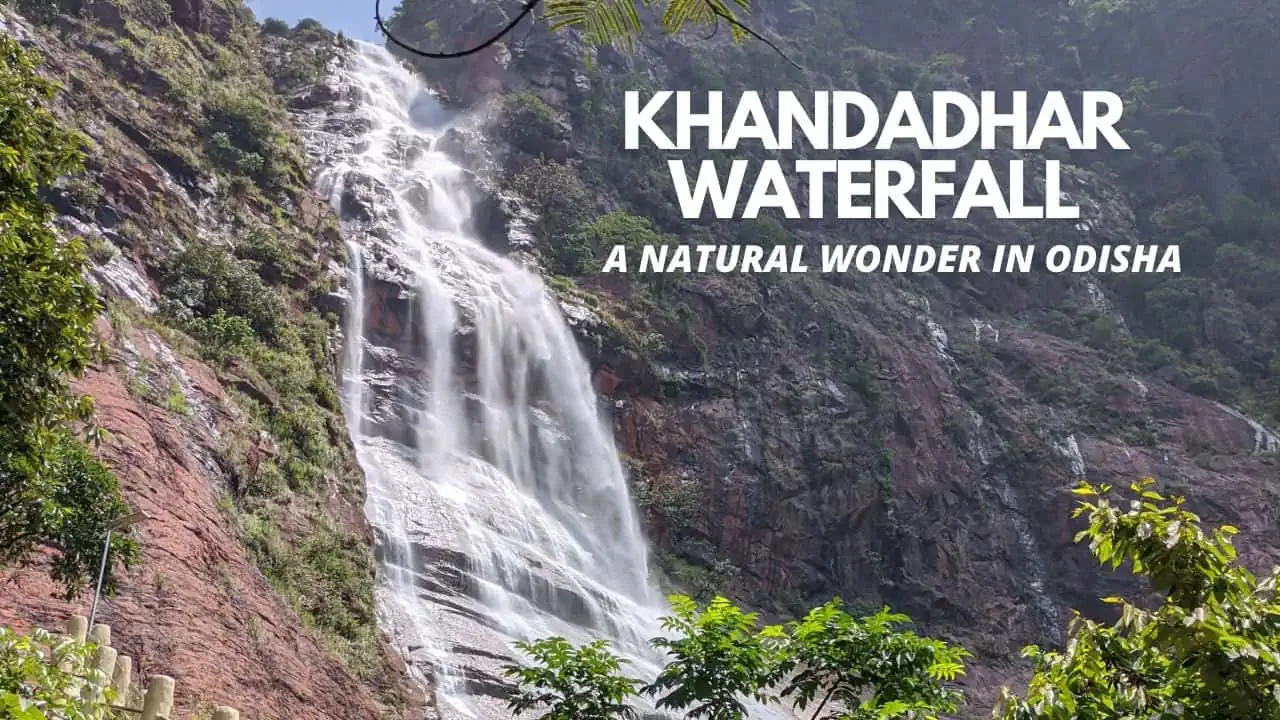
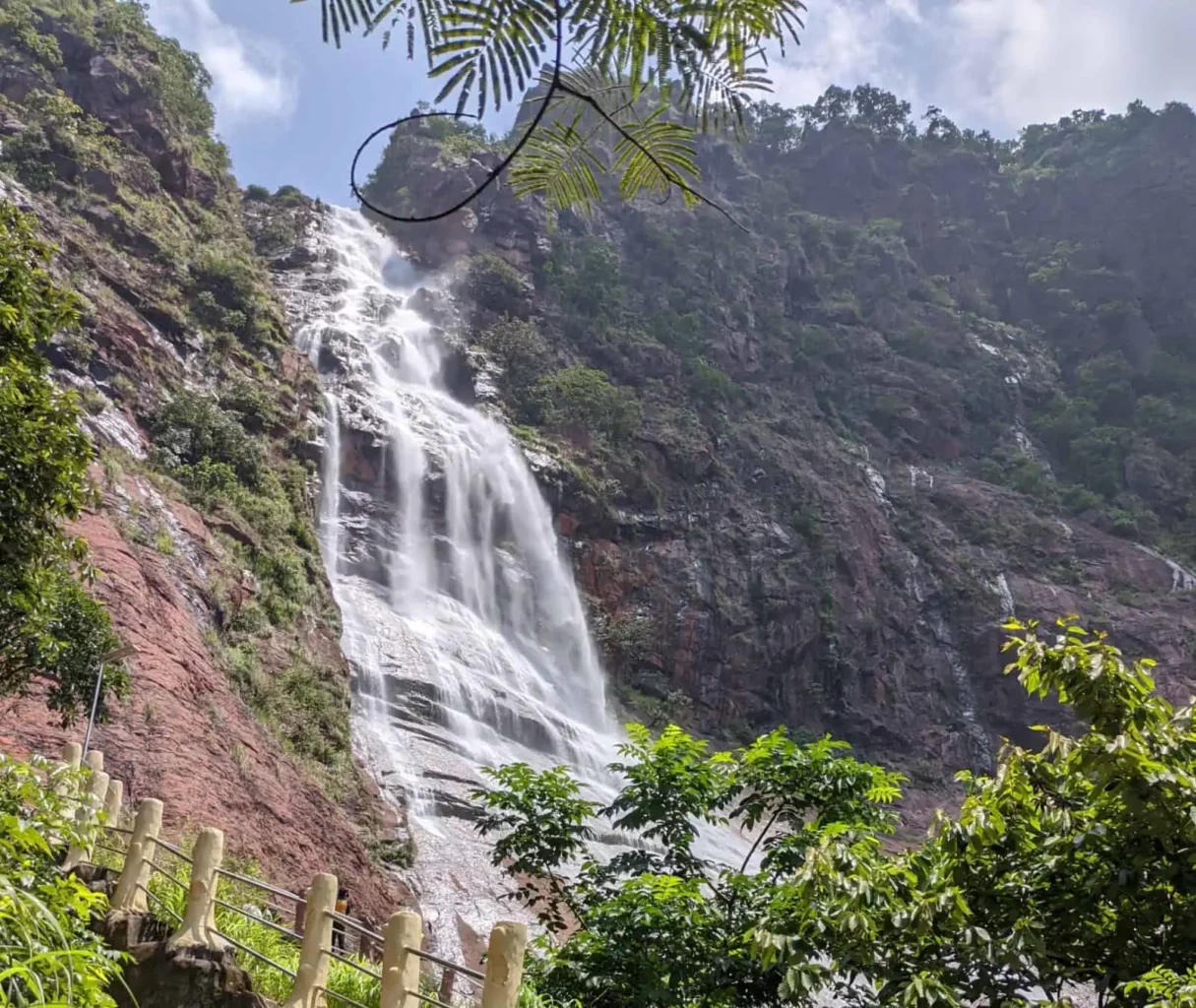
The first time I stood at the base of Khandadhar Waterfalls, the sheer power of the water crashing down from 801 feet felt less like a natural phenomenon and more like a conversation with the ancient earth. The fine mist, which the locals call the “breath of the mountain,” settled on my face, carrying the earthy scent of the surrounding Bonai forest. There’s something deeply humbling about watching a single stream of water slice through a dark, volcanic cliffside like a silver sword—a sight that explains exactly why the Pauri Bhuiyan tribes have worshipped this place for centuries.

Located roughly 100 kilometers from the steel city of Rourkela in the Sundargarh district, Khandadhar is not just the second-highest waterfall in Odisha; it is a spiritual anchor for the region. Whether you’re an adrenaline junkie looking to conquer the 900-step climb to the summit or a weary traveler seeking the silent solace of the Khandadhar Nature Camp, this destination offers a rare blend of raw adventure and profound peace. In this 2026 guide, I’ll take you through everything from the hidden tribal legends to the practicalities of booking your stay in the heart of the wilderness.

Khandadhar Waterfalls: An Overview of Odisha’s Silver Sword

Khandadhar is a “horse-tail” type waterfall, formed by the perennial Korapani Nala. What makes it unique is its vertical drop—a staggering 244 meters (801 feet) in a single, uninterrupted plunge. As the water descends, it breaks into a shimmering spray that, on sunny afternoons, creates vivid rainbows that seem to dance against the black rocks.

The waterfall is situated within the Khandadhar hill range, part of the larger Rantha plateau. The geological history here is fascinating; these hills are remnants of ancient volcanic activity that occurred millions of years ago. This volcanic origin gives the rocks their characteristic dark hue, providing a dramatic contrast to the white foam of the falls. As the stream continues its journey past the base, it eventually joins the Brahmani River, the lifeblood of many communities in northern Odisha.

Why is it called a Horse-tail Waterfall?

You might hear geologists or seasoned hikers refer to Khandadhar as a horse-tail fall. This classification is quite specific. Unlike a “plunge” waterfall where the water loses contact with the rock entirely (like the famous Jog Falls), a horse-tail fall remains in contact with the bedrock for most of its journey. Because the cliff face at Khandadhar is slightly angled, the water spreads out as it descends, creating a wide, flowing white sheet that perfectly mimics the tail of a majestic white horse. This effect is most pronounced during the post-monsoon months of October and November when the water volume is high but the spray is still light enough to maintain the “tail” shape.

The Verticality of Sundargarh

At 244 meters, Khandadhar is not just an Odisha wonder; it ranks among the tallest in India. To give you some perspective, that’s nearly three times the height of the Statue of Liberty! Standing at the base and looking up, you can feel the gravity. The sound isn’t a splash; it’s a deep, rhythmic thrum that vibrates in your chest.

The Legend of the Sword: Why the Pauri Bhuiyan Worship These Waters

To truly understand Khandadhar, you must listen to the stories of the Pauri Bhuiyan, a Particularly Vulnerable Tribal Group (PVTG) who are the ancestral guardians of these hills. The name “Khandadhar” is derived from two Odia words: Khanda (Sword) and Dhara (Flow or Stream).

According to local folklore, the waterfall wasn’t always there. The legend tells of a rapacious goddess named Kankala Devi who once inhabited the plateau. She was so insatiable that she began consuming the trees, the soil, and even the very rocks of the mountain. Fearing for their survival, the Pauri Bhuiyan people placed her on a massive rock. In her hunger, she ate through the rock itself, creating a deep vertical shaft. From this hole, the mountain began to “bleed” water to heal itself, resulting in the eternal flow of the Khandadhar.

The Myth of Khand Kumari Devi

Another local belief centers around Khand Kumari, a benevolent deity believed to protect the prosperity of the region. Many locals say that a sword fell from the heavens (some link this to Lord Rama’s travels through the Dandakaranya forest), splitting the rock apart and allowing the hidden waters to gush forth. Even today, before any major festival or the start of the harvest, the tribal elders offer prayers at the base of the falls, acknowledging the water as a gift from the divine.

I remember talking to an elder named Budhu Bhuiyan during my last visit. He pointed toward the summit and said, “The water is our mother’s milk; if it stops, the mountain dies, and we die with it.” This deep-seated respect for the ecosystem is what has kept Khandadhar pristine despite the industrialization in nearby Rourkela.

The Sacred Changu Dance

The Pauri Bhuiyan celebrate their connection to the falls through the Changu dance. The Changu is a large, circular drum made from the skin of a goat and the wood of a Gambhari tree. When they dance at the foot of the falls, the sound of the drum matches the frequency of the falling water. It is a mesmerizing sight to see the community in their traditional attire—the women in their vibrant sarees and the men with their drums—dancing in a circle that symbolizes the eternal cycle of water and life.

Geological Majesty: A Journey Through Time

For the science enthusiasts among us, Khandadhar is a living laboratory. The plateau from which the water falls is part of the Iron Ore Supergroup, some of the oldest rock formations in India. The vertical face of the waterfall reveals layers of hematite and volcanic basalt, telling a story of a time when this part of Odisha was a land of fire and molten rock.

The Volcanic Origins

The dark rocks you see at Khandadhar are technically part of the “Bonai Pluton.” Millions of years ago, a massive volcanic eruption occurred here. As the lava cooled, it formed these dense, hard rocks that have withstood the erosion of the Korapani Nala for eons. The fact that the water hasn’t carved a deeper channel into the rock yet is a testament to the incredible hardness of the volcanic basalt here.

Mineral Richness

The rocks themselves are rich in iron and manganese. This is why the Sundargarh district is a major mining hub. However, within the sanctuary of the Khandadhar hills, these minerals remain in the ground, supporting a dense canopy of Sal, Piasal, and Teak trees. The water, as it filters through these mineral-rich layers, picks up trace elements that the locals believe have healing properties.

How to Reach Khandadhar Waterfalls in 2026

Reaching this remote paradise has become significantly easier thanks to recent infrastructure upgrades in the Sundargarh district. Here is how you can plan your journey:

Directions from Rourkela (The Gateway)

Rourkela is the most convenient starting point.

  • By Road: Take the NH 143 (earlier NH 23) southward toward Lahunipada. After about 70 km, look for the signboards indicating the turn toward Bonaigarh. From the main road at Lahunipada, the waterfall is another 20 km through a winding, forested road.
  • By Taxi: A private taxi from Rourkela to Khandadhar usually costs between ₹2,500 and ₹3,500 for a round trip.

Directions from Bhubaneswar (The Capital)

If you’re coming from the capital city, it’s a long but beautiful drive.

  • Route: Bhubaneswar -> Angul -> Sambalpur -> Rourkela Highway -> Lahunipada.
  • Travel Time: Approximately 6–7 hours (280 km).
  • Recommended Stop: Stop at Angul for a quick breakfast or at Pallahara for some local snacks.

Directions from Sambalpur (The Western Hub)

  • Route: Take the Biju Expressway toward Rourkela and turn off at Rajamunda toward Lahunipada.
  • Travel Time: 3.5 hours (160 km).

Public Transport Options

Local buses run regularly from Rourkela to Bonaigarh. From Bonaigarh, you can find “Auto-rickshaws” or shared “Commanders” (local jeeps) that go toward the waterfall base. While cheaper, this option can be time-consuming as shared vehicles wait to fill up before moving.

You can find the exact location on Google Maps.

The 900-Step Challenge: Conquering the Summit

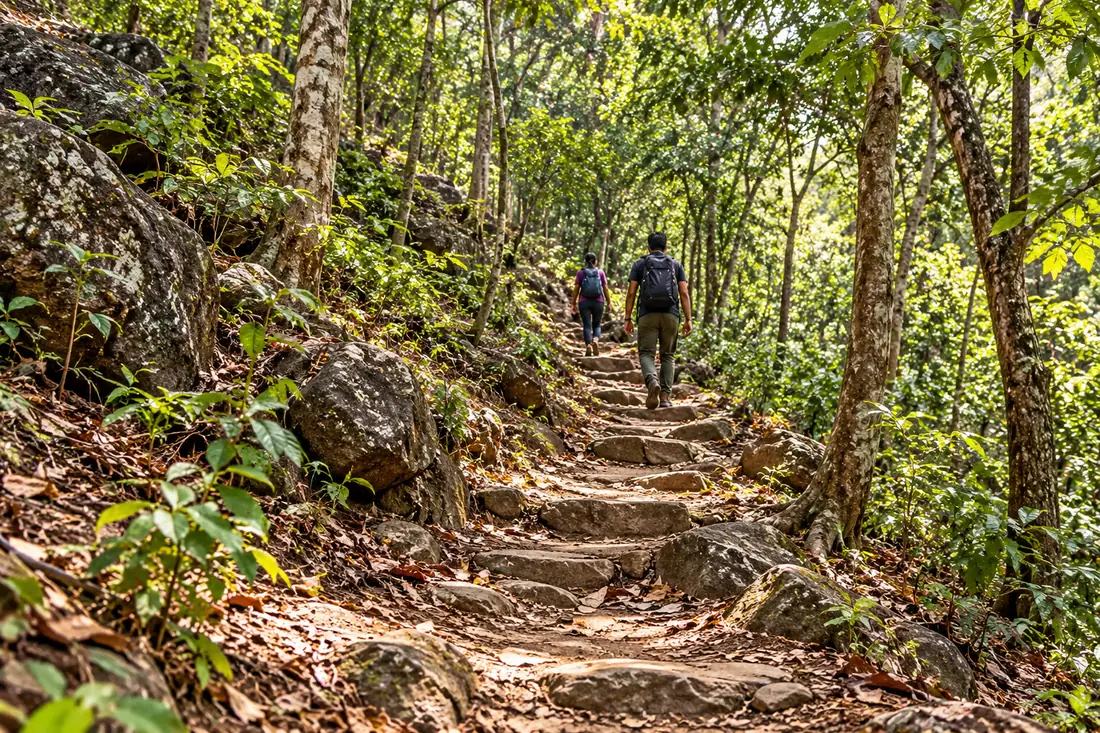
If you think the view from the bottom is spectacular, wait until you see it from the top. There is a well-maintained staircase consisting of nearly 900 steps that leads visitors from the base to the plateau above. For a broader comparison of such natural wonders, check out our full list of waterfalls in Odisha.

The Survival Guide for the 900 Steps

Climbing 900 steps isn’t just about physical fitness; it’s about a mental game. Here is how I manage it every time:

  • Step 1-200 (The Warm-up): The initial steps are relatively shallow. Use this time to find your rhythm. Don’t rush.
  • Step 201-500 (The Burn): This is where the staircase gets steeper. Your heart rate will increase. Stop at the small viewpoints to catch your breath. Look back at the valley; it gets more beautiful with every step.
  • Step 501-750 (The Mist Zone): You’ll start feeling the cool spray from the waterfall. This is the most refreshing part of the climb. The stairs might be slightly damp here, so use the handrails.
  • Step 751-900 (The Final Push): You can see the top now! The sound of the Korapani Nala stream becomes distinct from the roar of the falls.
  • At the Top: You’ll find a wide, rocky plateau. The stream here is surprisingly calm before it makes its 800-foot leap. It’s the perfect place to sit, wash your face in the cool mountain water, and have a small snack.

Flora and Fauna: The Biodiversity of the Bonai Forest

The area surrounding Khandadhar is a recognized biodiversity hotspot. Because it sits at a transitional zone between the Deccan Peninsula and the Gangetic plains, it hosts a unique mix of species. You can read more about the ecological conservation efforts on the Odisha Tourism Official Website.

Wildlife Spotter’s Log: What to Look For

  • Malabar Giant Squirrel (Kalia Gunuchi): Known for its vibrant maroon, purple, and black coat. They are most active at dawn and dusk. I once saw one leap across a 20-foot gap in the canopy right above the trekking path!
  • Elephants: This region is part of a larger elephant corridor. While you won’t see them on the stairs, you might see their tracks or dung in the flatter forest paths near the Nature Camp.
  • The Limbless Lizard (Sepsophis punctatus): A truly rare sight. It looks like a small snake but has the head and scales of a lizard. It’s a testament to the pristine nature of this forest.
  • Indian Grey Hornbill: Their distinctive “laughing” call is a constant soundtrack to the trek.
  • Butterflies: Over 50 species have been recorded here. Look for the ‘Banded Peacock’ or the ‘Blue Pansy’ near the water streams.

The “Tribal Pharmacy”: Medicinal Plants

The forest is home to over 600 species of plants. The Pauri Bhuiyan have names and uses for almost all of them:

  • Amla and Harida: Found in abundance, used for digestive health.
  • Satavari: A wild asparagus used in traditional medicine.
  • Brahmi: Grows near the water streams, believed to enhance memory.
  • Wild Turmeric (Kasturi Haldi): Known for its intense aroma and bright orange color, often used in tribal rituals.

Pauri Bhuiyan: The Guardians of the Hills

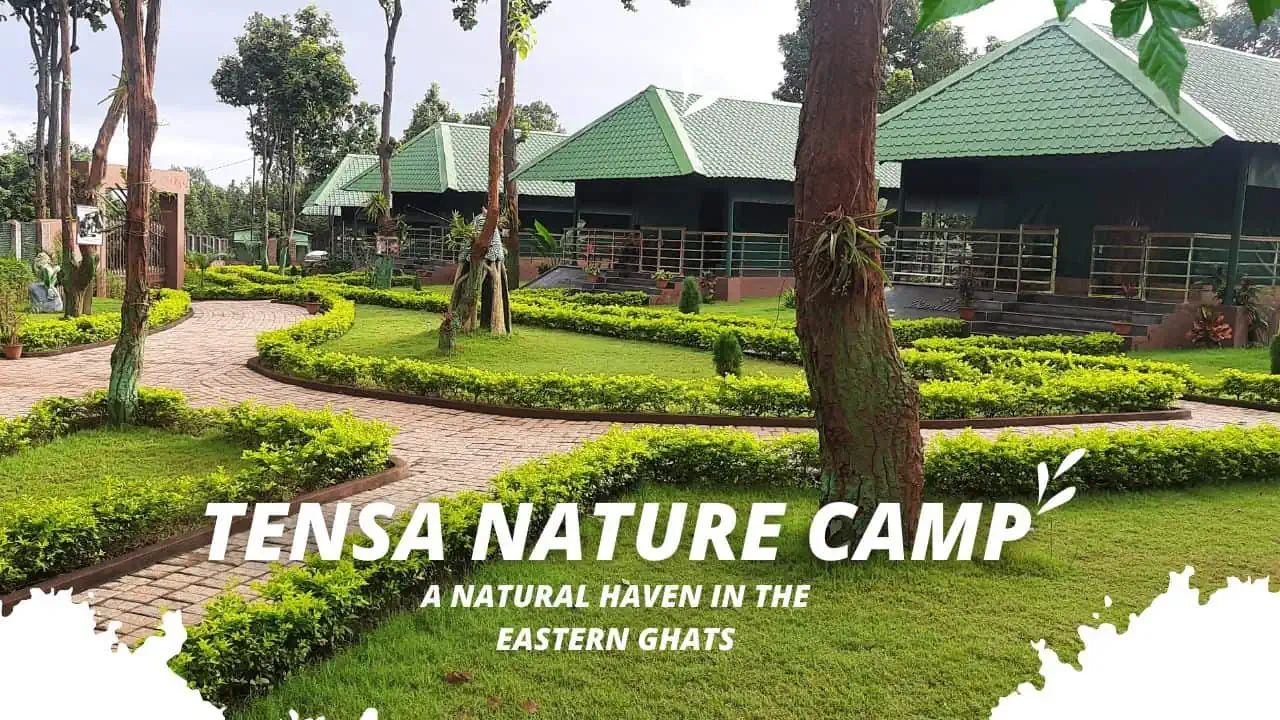
A visit to Khandadhar is incomplete without acknowledging the people who call it home. The Pauri Bhuiyan are one of the 13 PVTGs in Odisha. Their culture is intimately tied to the forest and the mountains. If you enjoy visiting these secluded hill communities, you might also like the Tensa Nature Camp.

The Darbarghar (Youth Dormitory)

One of the most interesting aspects of their social structure is the Darbarghar or Mandargarh. This is a traditional youth dormitory located at the center of the village where unmarried boys sleep and learn the oral histories, songs, and dances of their tribe.

The Darbarghar is usually a large, rectangular house with a thatched roof and walls decorated with tribal art. In the center, a fire is kept burning throughout the winter. It serves as a community hub where the elders pass down wisdom—how to track an animal, how to identify medicinal herbs, and how to sing the ancient songs of the mountain. It is heartening to see that even in 2026, many villages around Khandadhar maintain this tradition, keeping their unique identity alive.

Traditions and Festivals: The Bisri Puja

The Pauri Bhuiyan observe several unique rituals. One of the most important is the Bisri Puja, usually held in late July or August. This is the time when they worship the mountain itself. They believe the mountain is a living entity that needs to be pacified before the agricultural season begins.

The ceremony involves the sacrifice of a goat or a chicken at a designated spot on the hill, followed by a community feast. The ritual is led by the Dehuri (village priest), who chants ancient mantras that haven’t changed for centuries. It is a powerful, hypnotic experience that connects you to a time long before modern cities existed.

Consider reading: 13 Festivals in 12 Months: The Vibrant Spirits of Odisha

Khandadhar Nature Camp: Your Home in the Wilderness (2026 Prices)

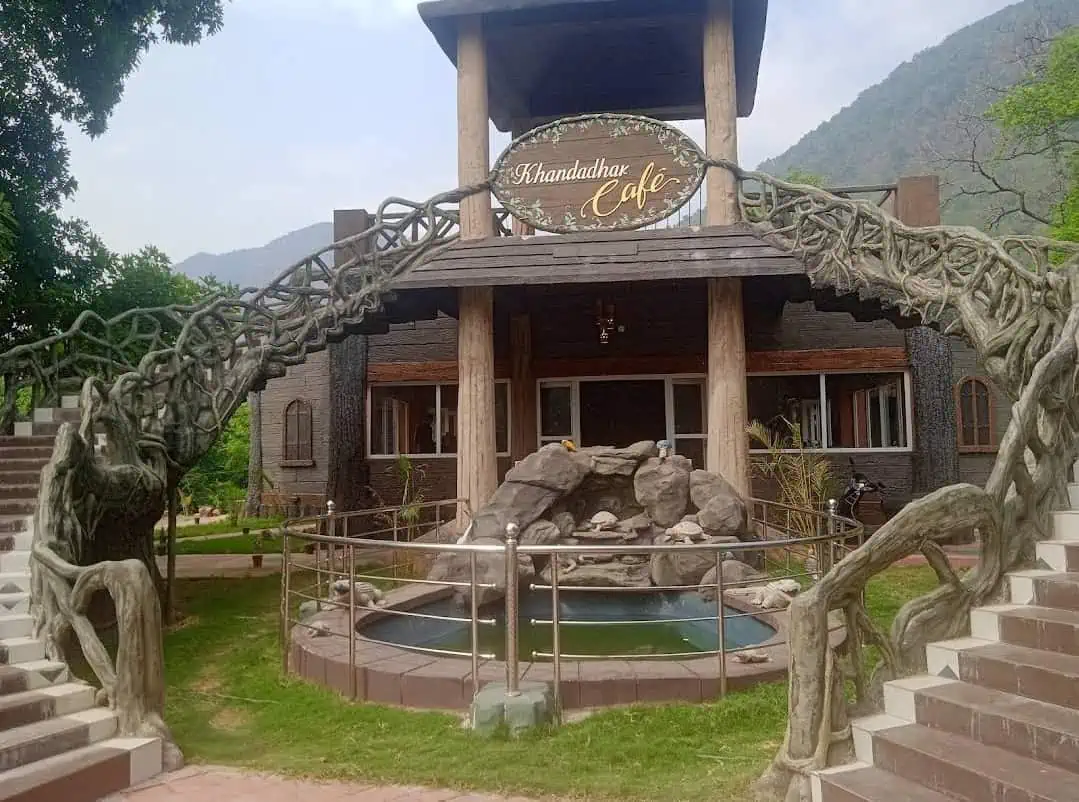
For those who want to wake up to the sound of the waterfall, the Khandadhar Nature Camp is the place to be. Managed by the Odisha Forest Development Corporation (OFDC), this eco-tourism site is a model for sustainable travel.

Accommodation Options

The camp offers three types of stays, all designed to blend into the landscape while providing modern comforts like air conditioning and attached bathrooms.

Room TypePrice Per Night (Approx 2026)Features
AC Tent₹4,500Glamping at its best. Large, comfortable tents with a private sit-out area facing the hills.
AC Cottage₹4,000Sturdy brick-and-mortar cottages with large windows that let in the morning mist.
Eco Cottage (AC)₹3,000Smaller but cozy, perfect for budget-conscious travelers who still want comfort.

Note: The tariff includes a “Full Board” plan—meaning your breakfast, lunch, and dinner are included. There is an additional entry fee of ₹15 per person per day. For children aged 4-18, an extra charge of ₹1,000 per day is applicable.

The Dining Experience: A Taste of the Forest

The food at the Nature Camp is a highlight. Most of the staff are from the local villages, and they prepare meals that are simple, fresh, and authentically Odia.

  • Dalma: The camp’s version usually includes local tubers like Saru (Colocasia) and Desi Alu (Wild Potato), making it incredibly flavorful. It’s cooked over a slow fire, which gives it a smoky aroma.
  • Mandia Jau (Millet Porridge): Served as a welcome drink or a breakfast side, it’s the traditional energy drink of the tribes. It’s slightly fermented and incredibly refreshing after a long hike.
  • Pakhala Bhata: On hot summer days, the camp serves this fermented rice dish with Badi Chura (crushed sundried lentil dumplings) and Saga Bhaja (fried greens).
  • Tribal Style Chicken: Cooked with minimal oil and lots of local spices like ginger, garlic, and wild coriander. It’s a rustic, hearty dish that tastes best with hot rice.

A 3-Day Weekend Itinerary for Khandadhar (2026 Edition)

To help you make the most of your trip, here is a suggested itinerary that balances relaxation with adventure.

Day 1: Arrival and the “Silver Sword”

  • 11:00 AM: Check into Khandadhar Nature Camp. Refresh yourself with a glass of cold Mandia Jau.
  • 1:00 PM: Lunch at the camp restaurant. I highly recommend the “Bonai Special Veg Thali.”
  • 3:00 PM: Head to the base of the waterfall. Spend time at the “Rainbow Point” (about 200 meters from the car park).
  • 5:30 PM: Return to the camp. Enjoy a cup of tea on the veranda as the sun sets over the hills.
  • 8:00 PM: Dinner and a campfire session (if weather permits). The staff often share local ghost stories or tribal legends here.

Day 2: The 900-Step Challenge and Tensa Valley

  • 7:00 AM: Start the trek up the 900 steps. This is the best time for birdwatching.
  • 9:30 AM: Reach the top. Sit by the Korapani Nala stream.
  • 11:30 AM: Descend back to the camp for a quick shower and lunch.
  • 2:00 PM: Drive to Tensa Valley (approx 1 hour). Visit the “Zero Point” for a panoramic view of the iron ore mines.
  • 5:00 PM: Return to camp. On the way back, stop at a local village market if it’s a “Haat” day (usually Tuesdays).

Day 3: Spiritual Bonai and Departure

  • 8:30 AM: Breakfast at the camp.
  • 10:00 AM: Check out and drive toward Bonaigarh.
  • 11:00 AM: Visit the Baneswar Shiv Temple on the banks of the Brahmani River.
  • 1:00 PM: Lunch at a local eatery in Bonaigarh. Try the famous Sundargarh Bara.
  • 3:00 PM: Head toward Rourkela for your train or flight.

The Sensory Experience: What to Expect

A trip to Khandadhar is not just about what you see; it’s about what you feel.

  • What you Hear: The constant, low-frequency hum of the falling water that eventually becomes a white noise, lulling you to sleep at the Nature Camp. In the early morning, this is joined by the rhythmic “took-took” of the Coppersmith Barbet.
  • What you Smell: The scent of wet stone, wild jasmine, and the charcoal smoke from distant village kitchens. During the monsoon, the air smells of crushed leaves and damp earth.
  • What you Feel: The temperature drop as you enter the valley, and the light, cool spray of the “breath of the mountain” on your skin. Even on a hot day, the mist keeps the area near the falls 5 degrees cooler.

Sustainable Tourism & Local Impact

What I love most about the Khandadhar Nature Camp is its commitment to the community. By staying here, you are directly supporting the Pauri Bhuiyan and local Odia families. The camp employs local guides, cooks, and maintenance staff, providing an alternative to the destructive mining activities that have often threatened this sensitive ecosystem.

The “Zero Plastic” Initiative

The camp follows “Zero Plastic” policies. In 2026, the Sundargarh district administration has tightened these rules. No single-use plastic bottles or packets are allowed inside the waterfall area. Ensure you carry reusable water bottles. The camp provides filtered RO water for all guests.

CSR and Mining

The nearby mining companies often fund the maintenance of the roads and the ecological restoration of the area as part of their CSR (Corporate Social Responsibility). However, the real guardians are the local communities who have resisted illegal mining in the core Khandadhar hills for decades. By visiting as a responsible tourist, you are adding your voice to the cause of conservation.

Monthly Guide: When Should You Visit?

January - February: The Perfect Chill

The weather is crisp. Temperatures can drop to 8°C at night. It’s the best time for trekking as you won’t sweat as much during the climb. The water is clear and the forest is full of winter birds.

March - May: The Summer Escape

While Rourkela hits 40°C, the valley stays at a comfortable 30-32°C. The flow of the waterfall is thinner, but the pools are refreshing. This is when the Palas (Flame of the Forest) trees bloom, covering the hills in bright orange flowers.

June - August: The Verdant Monsoon

The waterfall is at its most ferocious. Everything is neon green. Note: The stairs can be very slippery, and you should carry a “leech kit” (salt and tobacco).

September - December: The Golden Season

The best of both worlds. The water volume is high, the weather is cooling down, and the clear blue skies make for perfect photography.

Nearby Attractions: Expanding Your Journey

1. Tensa Valley (The “Mini Shimla” of Odisha)

Tensa is a high-altitude mining town that offers some of the coolest temperatures in the state. The drive from Khandadhar to Tensa is a favorite among bikers because of the hairpin bends. The view of the open-cast iron ore mines from the top is a stark, industrial contrast to the natural beauty of the falls. At night, the lights of the mining equipment on the hills look like a constellation of stars on the ground.

2. Gudguda Waterfall

About 60 km away, Gudguda is famous for its three-step waterfall. The rocks here have been carved into smooth, bowl-like shapes by the water over thousands of years. It’s a popular spot for photography and day-trip picnics. The road to Gudguda passes through some of the densest Sal forests in Sambalpur district.

3. Baneswar Shiv Temple, Bonai

This temple is an architectural gem. Unlike the grand temples of Bhubaneswar, it has a more intimate, local character. The stone carvings reflect the life of the people of the Brahmani valley—scenes of farming, dancing, and daily rituals. The river bank near the temple is a great spot for quiet reflection. During Maha Shivratri, the temple comes alive with thousands of lamps.

4. Hanuman Vatika, Rourkela

If you’re passing through Rourkela, a visit to Hanuman Vatika is a must. It houses one of the tallest statues of Lord Hanuman in the world (75 feet) and has multiple temples representing different regions of India—from the Vaishno Devi temple to the Jagannath Temple. It’s a peaceful, beautifully maintained complex.

5. Rukuda Dam

Located 40 km from the camp, this is a massive irrigation project. The backwaters of the dam have created a scenic lake that attracts migratory birds in the winter. It’s an excellent spot for sunset photography.

Local Food to Try: A Taste of Sundargarh

Don’t leave the region without trying some local delicacies. The food here is deeply tied to the land.

  • Mandia (Millet) Delicacies: Sundargarh is a major hub for millets. Try the Mandia Pakora (crispy fritters) or Mandia Laddu (sweet balls) available at the “Millet Shakti” centers in Bonaigarh. Millets are highly nutritious and are part of the ancient tribal diet.
  • Bara: The Sundargarh Bara is famous for its crispiness. Unlike the soft Vadas of South India, these are deep-fried to a golden brown and served with a spicy Ghuguni (yellow pea curry) and a tangy tomato-garlic chutney.
  • Pakhala Bhata: The ultimate comfort food of Odisha. Fermented rice served with a side of Saga Bhaja (fried greens) and Sukhua (if you like dried fish).

Consider reading: 10 Famous Odisha Foods You Must Try – Authentic Flavors & Recipes

Pack like a Pro: 15 Essentials for Khandadhar

  1. Sturdy Hiking Shoes: Don’t even think about doing the 900 steps in flip-flops.
  2. Reusable Water Bottle: At least 2 liters.
  3. Power Bank: Signal is weak, and batteries drain fast searching for a network.
  4. Light Jacket: For the chilly nights at the Nature Camp.
  5. Sunscreen and Hat: The sun at the top of the plateau can be very strong.
  6. Binoculars: For birdwatching and looking at the details of the cliff face.
  7. First-Aid Kit: Band-aids, antiseptic cream, and basic painkillers.
  8. Insect Repellent: Essential for evening sit-outs.
  9. Salt Packet: For removing leeches during the monsoon.
  10. Towel and Change of Clothes: You will get wet at the base of the falls!
  11. Dry Snacks: Energy bars or nuts for the climb.
  12. Plastic Bags (for waste): Carry your own trash back to the camp.
  13. Cash: There are no ATMs near the waterfall.
  14. Torch/Headlamp: The Nature Camp area can be very dark at night.
  15. A Good Book: For those quiet hours on the cottage veranda.

FAQs on Khandadhar Waterfalls

1. Is it safe to visit Khandadhar with kids?

Yes, it is generally safe. The area near the base is flat and easy to walk. However, the climb up the 900 steps might be too strenuous for very small children. If you’re staying at the Nature Camp, children will love the open space and the chance to see giant squirrels.

2. Do I need to book the Nature Camp in advance?

Absolutely. The Khandadhar Nature Camp has a limited number of rooms (only about 14 total) and is very popular on weekends and holidays. You can book online via the official Eco Tour Odisha website.

3. Are there wild animals near the waterfall?

Monkeys and giant squirrels are very common and harmless if not provoked. While the region has elephants and sloth bears, they rarely come near the main tourist path during the day. Always follow the instructions of your forest guide.

4. Can we swim at the base of the waterfall?

Swimming is not recommended directly under the main fall due to the force of the falling water and the presence of underwater rocks. There are smaller, safer pools further downstream where you can safely dip your feet.

5. What is the entry fee for Khandadhar Waterfalls?

The entry fee is nominal, usually around ₹15–20 per person. If you are taking a private vehicle inside, there are separate parking charges (around ₹50 for cars).

6. How far is Khandadhar from Rourkela?

It is approximately 95 to 100 km, taking about 2.5 to 3 hours by road depending on the season and traffic.


Khandadhar is more than just a line on a map or a height in a geography book. It is a place where you can feel the heartbeat of Odisha’s wilderness. Whether you’re standing at the top, looking out over the ancient Pauri Bhuiyan lands, or sitting by a campfire at the Nature Camp under a star-studded sky, Khandadhar stays with you long after the mist has dried on your skin.

Plan your visit in 2026, and let the “Silver Sword” of Sundargarh cut through the noise of your daily life.

For more hidden gems in the state, don’t forget to check out our guide on the Duduma Waterfalls in Koraput or explore the 20 Must-Visit Best Tourist Places in Odisha.