Featured image for Tensa Nature Camp Sundargarh: Travel Guide
Nature · · 24 min read

Tensa Nature Camp Sundargarh: Travel Guide

Plan a Tensa Nature Camp trip with booking details, trekking tips, weather info, and nearby attractions in Sundargarh today.

Tensa Nature CampSundargarh TourismEco Tourism OdishaHill Stations in Odisha

Namaskar! The first time I stepped out of my car at Tensa, I had to double-check my GPS to make sure I was still in Odisha. The crisp, biting air and the rolling mist over the emerald hills felt more like a Himalayan retreat than a mining town in Sundargarh. There is something absolutely magical about how the temperature drops the moment you start climbing the winding roads of the Bonai Forest Division. Known famously as the “Mini Shimla of Odisha,” Tensa Nature Camp is a place where the industrial soul of India’s iron ore mines meets the untouched wilderness of the Eastern Ghats.

If you are looking for an escape that smells of pine needles and damp earth rather than city exhaust, you’ve found it. Tensa isn’t just a destination; it’s an experience that resets your internal clock. Whether you’re watching the sunrise over the Saranda forest or listening to the distant call of a Hill Myna while sipping hot chai on your cottage porch, this hill station stays with you long after you leave. In this 2026 guide, I’ll share everything I’ve learned from my multiple trips to this hidden gem, including how to plan your visit, what to pack for the surprising cold, and why Tensa should be at the top of your Odisha travel bucket list.

Discovering Tensa: The Highest Hill Station of Western Odisha

Perched at an altitude of nearly 800 meters (about 2,600 feet) above sea level, Tensa is one of the highest points in Western Odisha. This altitude is the secret behind its year-round pleasant climate. Even when the plains of Rourkela or Bhubaneswar are simmering in the summer heat, Tensa remains comfortably cool. It’s this unique microclimate that earned it the “Mini Shimla” moniker among locals and frequent travelers.

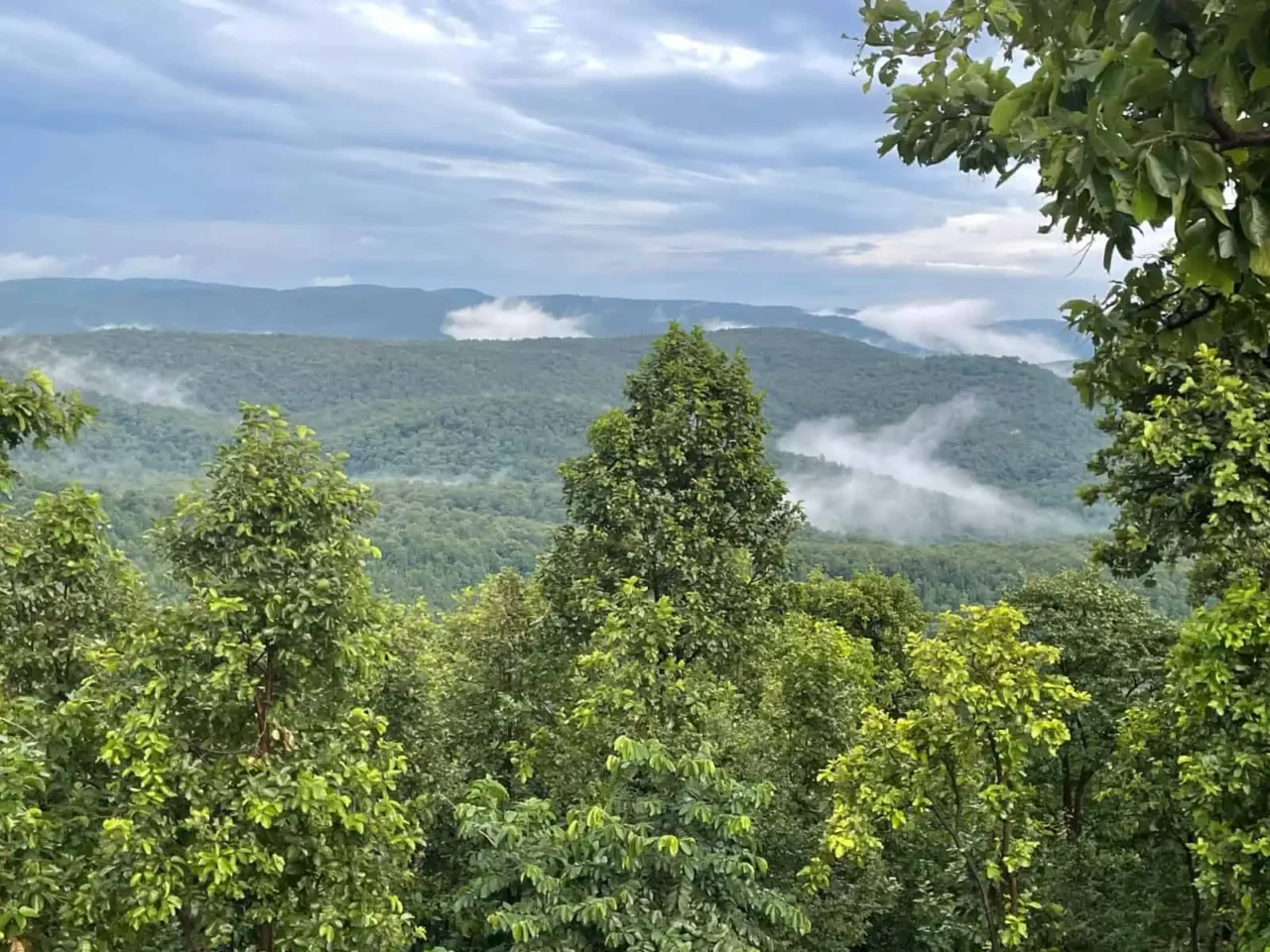
Tensa Nature Camp Scenic View The breathtaking misty landscape of Tensa Hills – often referred to as the Mini Shimla of Odisha.

The landscape here is dominated by the majestic hills of the Bonai range. These aren’t just any hills; they are part of one of the richest iron ore belts in the world. As you drive up, you’ll notice the soil turning a deep, rich ochre—a sign of the heavy hematite deposits that have fueled India’s steel industry for decades. But look beyond the mines, and you’ll see some of the densest Sal forests in the country. The contrast between the red earth and the vibrant green canopy is a photographer’s dream, especially during the hour when the setting sun sets the whole valley ablaze.

What I love most about Tensa is its quiet dignity. Unlike more commercialized hill stations, there are no noisy malls or crowded viewpoints here. It’s just you, the mountains, and the occasional rumble of a mining truck in the distance—a reminder of the delicate balance between nature and industry that defines this region. The Eco Tourism Odisha initiative has done a fantastic job of keeping the nature camp secluded, ensuring that your stay remains peaceful and authentic.

History and the Iron Ore Legacy of Tensa

The story of Tensa is inextricably linked with the Steel Authority of India Limited (SAIL). Before the 1960s, this area was a quiet tribal heartland, home to the Bhuyan and Munda communities who have lived in harmony with these forests for generations. The landscape changed forever in 1960-61 when the Tensa Iron Mines were inaugurated to supply raw materials to the Rourkela Steel Plant.

Walking through the township, you can feel the history of India’s industrial revolution. The planned colony, the old guest houses, and the massive ore processing plants tell a story of grit and development. However, for a long time, Tensa remained a “closed city” of sorts, known only to mining employees and their families. It wasn’t until the Bonai Forest Division and the local Vana Surakshya Samiti (VSS) collaborated to promote eco-tourism that the doors were truly opened to the public.

Today, Tensa Nature Camp stands as a testament to sustainable development. The local communities, who once relied solely on the forest or the mines, are now the primary stakeholders in the tourism project. They serve as your guides, your cooks, and the guardians of this land. When you visit, you aren’t just a tourist; you are contributing to a community-led conservation effort that protects the fragile ecosystem of the Tensa hills while preserving the cultural heritage of the region.

How to Reach Tensa Nature Camp (Detailed Guide)

Reaching Tensa is an adventure in itself. The roads are well-maintained, but they are winding and steep in sections, offering spectacular views of the valleys below. Here is the most current information for your 2026 trip:

By Road: The Most Scenic Route

If you are traveling from Rourkela, the journey is approximately 95 kilometers and takes about 3 hours. I highly recommend taking the route via Lathikata and Rajamunda. The road condition is generally excellent, though you should be prepared for heavy truck traffic near the mining zones of Koira and Barsuan. If you are driving yourself, ensure your brakes are in top condition for the downhill stretches.

From Bhubaneswar, the distance is around 320 kilometers. It’s a long 7-8 hour drive via the NH55 (formerly NH42) passing through Angul and Barkote. Many travelers prefer to take an overnight stay in Rourkela or Deogarh before making the final ascent to Tensa. The drive through the Pallahara hills is particularly beautiful during the monsoon.

By Rail: The Steel City Connection

The nearest major railway station is Rourkela (ROU), which is extremely well-connected to all parts of India including Kolkata, Delhi, Mumbai, and Chennai. From Rourkela, you can easily hire a private taxi for the onward journey to Tensa. Expect to pay around ₹2,500 to ₹3,500 for a one-way drop in 2026. There are also local buses that run from Rourkela to Koira, from where you can take an auto-rickshaw to the nature camp, though this is less convenient if you have heavy luggage.

By Air: Flying into the Region

The Rourkela Airport is now functional with regular flights from Bhubaneswar and Kolkata under the UDAN scheme. This has significantly reduced travel time for those coming from outside the state. Alternatively, the Biju Patnaik International Airport in Bhubaneswar (BBI) remains the primary gateway. From Rourkela airport, Tensa is about a 2.5-hour drive.

Accommodation and Booking Details for 2026

The Tensa Nature Camp is managed by the Odisha Forest Development Corporation and the local VSS. It offers some of the most comfortable eco-stays in the state.

Room Types and Tariff

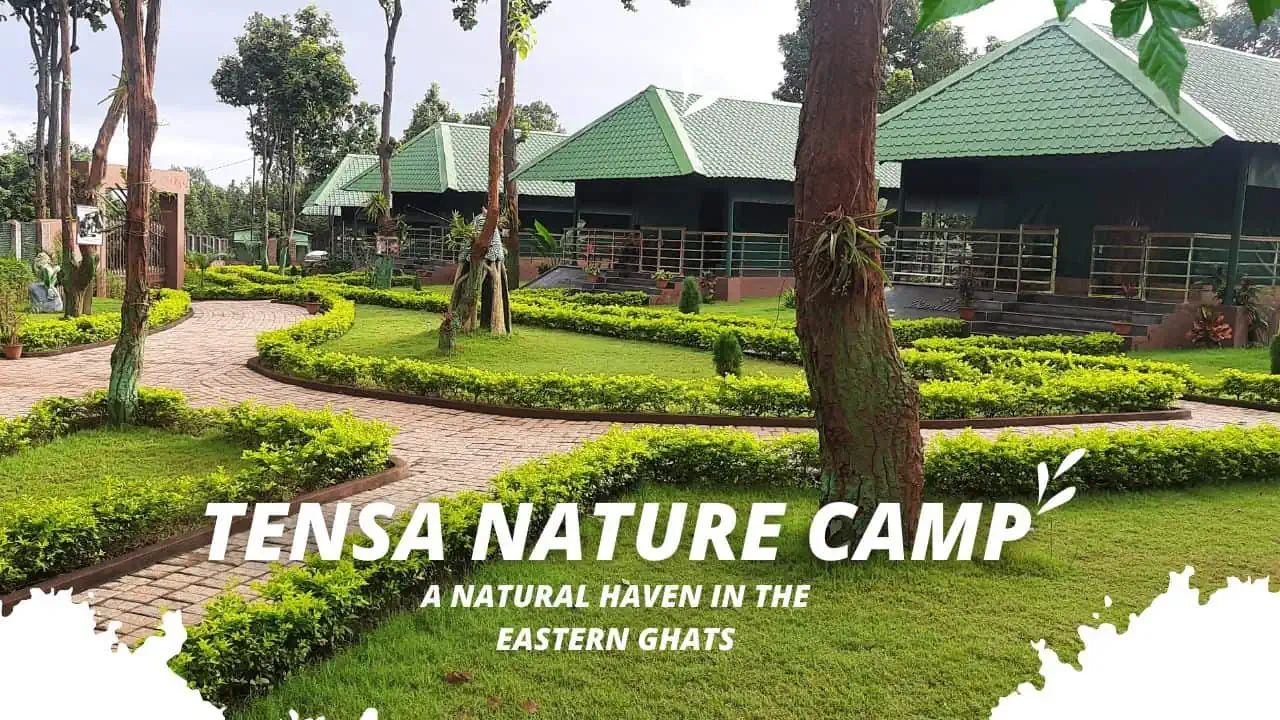
As of 2026, the camp features 10 well-appointed AC Cottages. These are built with a blend of modern comfort and rustic charm. Each cottage has a large glass window that overlooks the valley, allowing you to wake up to the sight of clouds floating past your balcony.

Tensa Nature Camp Accommodation Comfortable AC Cottages at Tensa Nature Camp, designed to blend with the natural surroundings.

Accommodation TypeCapacityPrice (INR)
AC Cottage (Double Bed)2 Adults₹4,000 - ₹5,000

Note: The tariff typically includes all three meals (Breakfast, Lunch, and Dinner) and evening snacks. Prices may vary during peak festival seasons like Durga Puja or New Year.

The food served here is a highlight. It’s simple, home-cooked Odia fare that tastes incredible in the cool mountain air. Don’t forget to try the local Dalma and the seasonal forest produce like ‘Pitalu’ (yam) if available. The hospitality of the local staff is what truly makes the stay special—they treat every guest like family.

How to Book Online

Booking must be done through the official Eco Tour Odisha portal. I strongly advise booking at least 30-45 days in advance, especially for weekend trips. Tensa is a favorite for families from Rourkela and Jamshedpur, and it fills up fast. You will need to provide a valid ID proof (Aadhaar/Voter ID) at the time of booking and check-in.

Top Things to Do at Tensa Nature Camp

If you think Tensa is just about sitting on a balcony and looking at hills, you’re in for a surprise. There’s a wealth of activities for the active soul.

Trekking to the Peaks

The Bonai Forest Division has developed several trekking trails that range from easy strolls to challenging climbs. My favorite is the trek to the “Zero Point,” which offers a 360-degree view of the entire mining township and the surrounding Saranda forest. If you’re lucky, you might even spot the distant plumes of the Rourkela Steel Plant on a clear day. Always take a local guide with you—not just for directions, but for the incredible stories they tell about the “Bagh-Ghar” (tiger caves) and ancient tribal legends.

Birdwatching and Nature Photography

Tensa is a birdwatcher’s paradise. The combination of dense forest and open mining areas attracts a variety of avian life. Keep your binoculars ready for the Indian Pitta, the Malabar Whistling Thrush (whose song sounds like a human whistling), and various species of eagles and hawks that soar on the thermals over the valley. For photographers, the “red earth” provides a stunning background for macro photography, especially during the monsoon when the moss-covered rocks look like they’re out of a fairy tale. You can find more about the diverse landscapes in our full list of waterfalls in Odisha.

Stargazing in the Clear Skies

One of the perks of being away from the city lights is the night sky. On a clear winter night, the Milky Way is visible to the naked eye from Tensa. The nature camp often organizes small bonfire nights (strictly following forest safety norms) where you can sit back and watch the stars. It’s a humbling experience that makes you realize how small we are in this vast universe.

Exploring the Iron Mines

While you cannot enter the active mining pits without prior permission from SAIL authorities, there are several viewpoints where you can observe the massive scale of operations. Watching the giant excavators and the endless line of trucks moving like toys in the distance is a fascinating look at how raw materials are extracted. It provides a great educational experience, especially for children, to understand where their steel spoons and cars come from.

A Suggested 3-Day Itinerary for Tensa Nature Camp

To truly soak in the “Mini Shimla” experience, a quick overnight stay isn’t enough. Here is how I recommend spending three days in the Tensa hills:

Day 1: The Ascent and the Misty Sunset

  • Morning: Start your journey from Rourkela or Bhubaneswar. If you’re driving from Rourkela, stop at the Lathikata roadside stalls for some hot ‘Chakuli Pitha’ and ‘Alu Dum’.
  • Afternoon: Arrive at Tensa Nature Camp by 1:00 PM. Check into your AC cottage and enjoy a traditional Odia lunch. The ‘Dalma’ here has a unique smoky flavor that you won’t find in the cities.
  • Late Afternoon: Take a light stroll around the nature camp. The campus itself is beautifully landscaped with local flowering plants.
  • Evening: Head to the sunset point near the Tensa Iron Mine area. Watch the sky turn from orange to deep purple as the lights of the township begin to twinkle like stars.
  • Night: Enjoy a bonfire dinner at the camp (if the weather permits and it’s within forest guidelines). The sound of the wind through the Sal trees is the perfect lullaby.

Day 2: The Call of the Wild and the Cascades

  • Early Morning: Wake up at 5:30 AM for a guided birdwatching trek. This is when the hills are most active. You’ll hear the symphony of the Malabar Whistling Thrush and might spot the vibrant Indian Pitta.
  • Breakfast: Return to the camp for a hearty breakfast of ‘Puri-Upma’ or ‘Parathas’.
  • Morning to Afternoon: Head out for a day trip to the Khandadhar Waterfall (Sundargarh). It’s about a 2-hour drive. Pack some dry snacks and plenty of water. Spend your time at the base of the falls, feeling the mist on your face.
  • Late Afternoon: Visit the Jateswar Temple on your way back. It’s a peaceful spot to sit and reflect.
  • Evening: Return to Tensa. If you have any energy left, visit the local market to see the daily life of the mining community.

Day 3: Industrial Marvels and Spiritual Confluences

  • Morning: Take a short trek to the “Zero Point” for a panoramic view of the iron mines. It’s a great place to understand the scale of India’s industrial heart.
  • Check-out: Say ‘Dhanyabad’ (thank you) to the wonderful staff at the nature camp and head towards Rourkela.
  • Afternoon: Visit the Vedvyas Dham at the confluence of the rivers. It’s a spiritually recharging experience before you head back to the hustle of the city.
  • Evening: Depart from Rourkela station or airport.

Wildlife and Flora of the Bonai Forest Division

The Tensa hills are part of the larger Bonai Forest Division, which acts as a crucial wildlife corridor. While you might not see a tiger here every day, the biodiversity is staggering.

The Giants of the Forest

Elephants are the true kings of this region. The forests of Sundargarh and Keonjhar are known for their resident elephant herds. During my last trip, the camp staff told me stories of how these gentle giants sometimes cross the roads near the mining areas at night. It’s a reminder that we are guests in their home. If you ever encounter an elephant while driving, keep a safe distance, switch off your lights, and let them pass.

Predators and Preys

The dense Sal and Teak forests are home to leopards, though they are notoriously shy and rarely seen by tourists. You are much more likely to spot Barking Deer (Kutura) or the occasional Sloth Bear. The undergrowth is also teeming with smaller mammals like the Indian Giant Squirrel and the Porcupine.

A Botanist’s Dream

The vegetation at Tensa is a mix of Northern Tropical Semi-Evergreen and Moist Deciduous forests. Apart from the dominant Sal (Shorea robusta), you’ll see Asan, Bija, and the beautiful Mahua tree. During the spring (March-April), the Mahua flowers fall to the ground, filling the air with a sweet, intoxicating scent. The local tribal communities collect these flowers to make traditional drinks and food.

Geological Significance: The Red Wealth of Odisha

For those interested in the earth’s history, Tensa is a living museum. The iron ore deposits here are part of the “Iron Ore Series” of the Singhbhum-Keonjhar-Bonai belt. These are some of the oldest rocks on the planet, dating back billions of years.

The ore found here is primarily high-grade Hematite. You’ll see “Banded Iron Formations” (BIF) where layers of iron minerals alternate with layers of silica (chert or jasper). To a geologist, these bands are a record of the Earth’s early atmosphere and the rise of oxygen. To a traveler, they are simply beautiful, shimmering rocks that turn the entire landscape into a palette of reds and oranges.

The mining operations by SAIL are a marvel of engineering. The ore is crushed, screened, and then transported via a massive downhill conveyor system—one of the longest of its kind when it was built. It’s a fascinating blend of natural history and human ingenuity.

Photography Tips for Tensa: Capturing the Mini Shimla

As a photography enthusiast, I’ve found Tensa to be one of the most rewarding places in Odisha. Here are some tips to get the best shots:

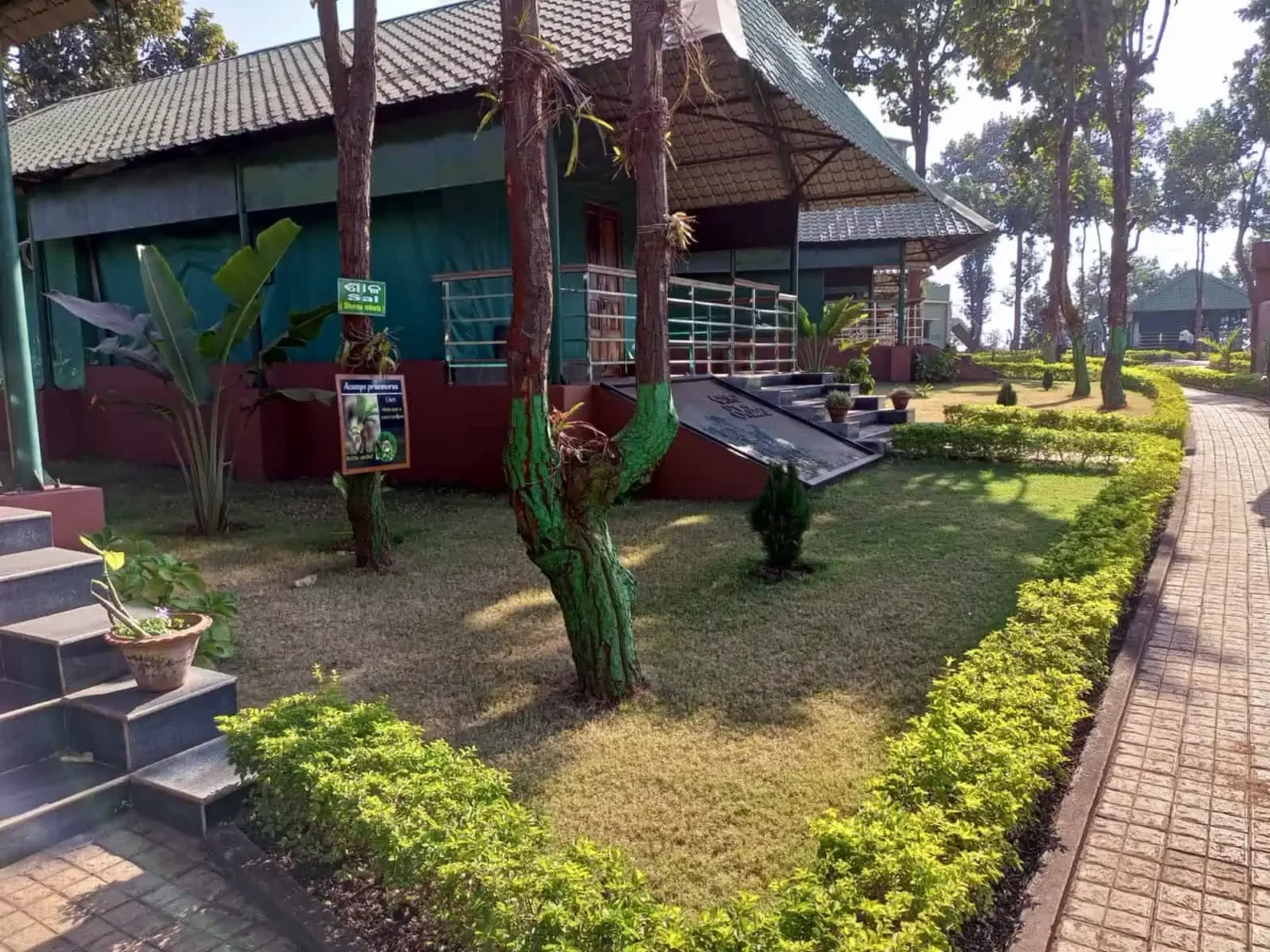
Tensa Camp Scenery Capturing the essence of Tensa – where industrial legacy meets natural beauty.

  1. The Golden Hour: The best time for landscape shots is 30 minutes before sunrise and after sunset. The light in the hills is soft and golden, perfect for capturing the layers of the Eastern Ghats.
  2. Mist and Fog: Use the morning mist to create a sense of depth and mystery. A slightly longer exposure can make the moving mist look like a soft blanket over the valley.
  3. Macro Magic: Don’t just look at the big picture. The forest floor is full of interesting patterns—lichens on the rocks, dewdrops on a leaf, or the intricate web of a forest spider.
  4. Contrast is Key: The red soil of the mines against the green forest creates a natural color contrast that pops in photos. Look for spots where these two colors meet.
  5. Gear Up: Carry a tripod for low-light shots and a polarizing filter to cut through the haze and make the colors more saturated.

Tensa vs. Daringbadi: Which One Should You Choose?

This is a question I get asked a lot. Both are called “Mini Shimla” or “Kashmir of Odisha,” but they offer very different vibes.

  • Altitude: Tensa (800m) is slightly lower than Daringbadi (915m), but Tensa feels more “mountainous” due to the steep climbs and the dense forest cover.
  • Experience: Daringbadi is more of a “hill station town” with coffee plantations and spice gardens. Tensa is more of a “nature retreat” where the main attraction is the wilderness and the mining history.
  • Crowd: Daringbadi can get quite crowded during the peak season. Tensa remains relatively quiet and offbeat.
  • Accessibility: Daringbadi is easier to reach from Berhampur/Bhubaneswar. Tensa is best reached from Rourkela.

If you want a more social, resort-like experience, choose Daringbadi. If you want a quiet, adventurous, and raw experience, Tensa is the winner every time.

Odia Cultural Connection: The People of the Hills

The heart of Tensa lies in its people. The region is home to several tribal communities, predominantly the Bhuyan and Munda tribes. Their culture is deeply rooted in the mountains.

Festivals and Traditions

One of the most important festivals here is ‘Karma Puja’, celebrated by the tribal communities to honor the God of Youth and Power. They worship the ‘Karam’ tree and dance to the rhythmic beats of the ‘Mandar’ and ‘Dhol’. If you happen to visit during this time (usually in September), the energy in the air is palpable.

Another significant celebration is ‘Sarhul’, the festival of flowers. It marks the beginning of the new year for many tribes and is celebrated when the Sal trees are in full bloom. The rituals involve worshipping the Sal tree and seeking blessings for a good harvest and the well-being of the forest.

Local Handicrafts

While there aren’t many big shops in Tensa, you can often find local artisans making beautiful baskets and mats from bamboo and wild grass. Buying these directly from the artisans is a great way to support the local economy and take home a piece of Tensa’s soul.

Seasonal Packing Checklist for Tensa

What you pack for Tensa depends entirely on when you visit. Here is my tried-and-tested list:

For Winter (Nov-Feb)

  • Thermals: A must-have for the nights.
  • Heavy Jacket/Puffer Jacket: Essential for morning treks.
  • Woolen Cap and Gloves: The wind can be quite biting.
  • Moisturizer and Lip Balm: The mountain air is dry.
  • Good Trekking Shoes: With a solid grip for the rocky trails.

For Monsoon (July-Sept)

  • Raincoat or Sturdy Umbrella: Don’t rely on light rain gear; the rains here are heavy.
  • Waterproof Shoes/Sandals: To avoid soggy feet.
  • Insect Repellent: Especially for leeches if you’re trekking.
  • Waterproof Bag Cover: To protect your camera and electronics.

For Summer (March-June)

  • Light Cotton Clothes: For the afternoons.
  • A Light Sweater or Windbreaker: The evenings can still get chilly.
  • Sunscreen and Sunglasses: The sun at high altitude is intense.
  • Wide-brimmed Hat: For those mining viewpoint visits.

A Deep Dive into Local Food: Tastes of the Tensa Hills

The food at Tensa Nature Camp is a celebration of Odia flavors. Since the camp is managed by the local community, you get to taste dishes exactly how they are made in an Odia household.

The Magic of Pakhala

If you’re visiting in the summer, there’s nothing like ‘Pakhala’ (fermented rice). Served with ‘Saga Bhaja’ (fried greens), ‘Badi Chura’, and a piece of fried fish or ‘Alu Bharta’, it is the ultimate comfort food. It’s also incredibly healthy and keeps your body cool.

Dalma: The Soul of Odisha

Every region in Odisha has its own version of Dalma. In Tensa, the Dalma often includes local vegetables like pumpkin, raw papaya, and sometimes forest-sourced tubers. The tempering of ‘Phutan’ (five-spice mix) in hot ghee is what gives it that heavenly aroma.

Forest Delicacies

If you are lucky, you might get to taste ‘Kadi’ (bamboo shoots) or different varieties of forest mushrooms (Chhatu) that grow abundantly during the monsoon. These are seasonal delicacies that locals have been gathering for centuries.

Hidden Spots Only Locals Know

During my conversations with the VSS members, I discovered a few spots that aren’t on the usual tourist map:

  1. The ‘Bagh-Ghar’ Viewpoint: A secluded cliff that offers a view of a deep gorge. Locals say it used to be a frequent haunt for tigers decades ago.
  2. The Old Colonial Guest House: A relic from the British era, located on a nearby ridge. It’s mostly in ruins now but offers a hauntingly beautiful view and a sense of “time traveling.”
  3. The Hidden Stream: About 2 kilometers from the camp, there’s a small, unnamed stream that flows through a dense patch of Teak trees. It’s the perfect spot for a quiet picnic.

Travel Responsibly: Protecting the Mini Shimla

As tourism grows in Tensa, the responsibility to protect it also increases. Here is how you can be a responsible traveler:

  • Zero Waste: Take back whatever you bring. Plastic is the biggest enemy of these hills.
  • Respect Wildlife: Never feed wild animals. It disrupts their natural diet and behavior.
  • Support Locals: Buy local handicrafts and hire local guides.
  • Conserve Water: Water is a precious resource in the hills. Use it sparingly.
  • No Loud Music: The hills have their own music. Let the birds and the wind be your playlist.

Best Time to Visit Tensa in 2026

The “Mini Shimla” experience is at its peak during the Winter months (November to February). This is when the temperature can drop to as low as 4°C or 5°C. The mornings are often misty, and you’ll need heavy woolens. This is the best time for trekking and outdoor activities.

However, the Monsoon (July to September) has its own charm. The entire landscape turns a shade of green so bright it almost hurts your eyes. The waterfalls near Tensa, like Khandadhar, are in their full glory. The only downside is the mist can sometimes be so thick that you can’t see ten feet in front of you—but for some, that’s exactly the charm they’re looking for!

Summers (March to June) are mild compared to the rest of Odisha. While the afternoons can be warm, the evenings remain cool enough to require a light fan or even just the mountain breeze. It’s a great summer escape for those living in the nearby hot zones.

Nearby Attractions You Can’t Miss

While Tensa itself is beautiful, it also serves as a gateway to some of the most spectacular sights in Northern Odisha.

Khandadhar Waterfall (Sundargarh)

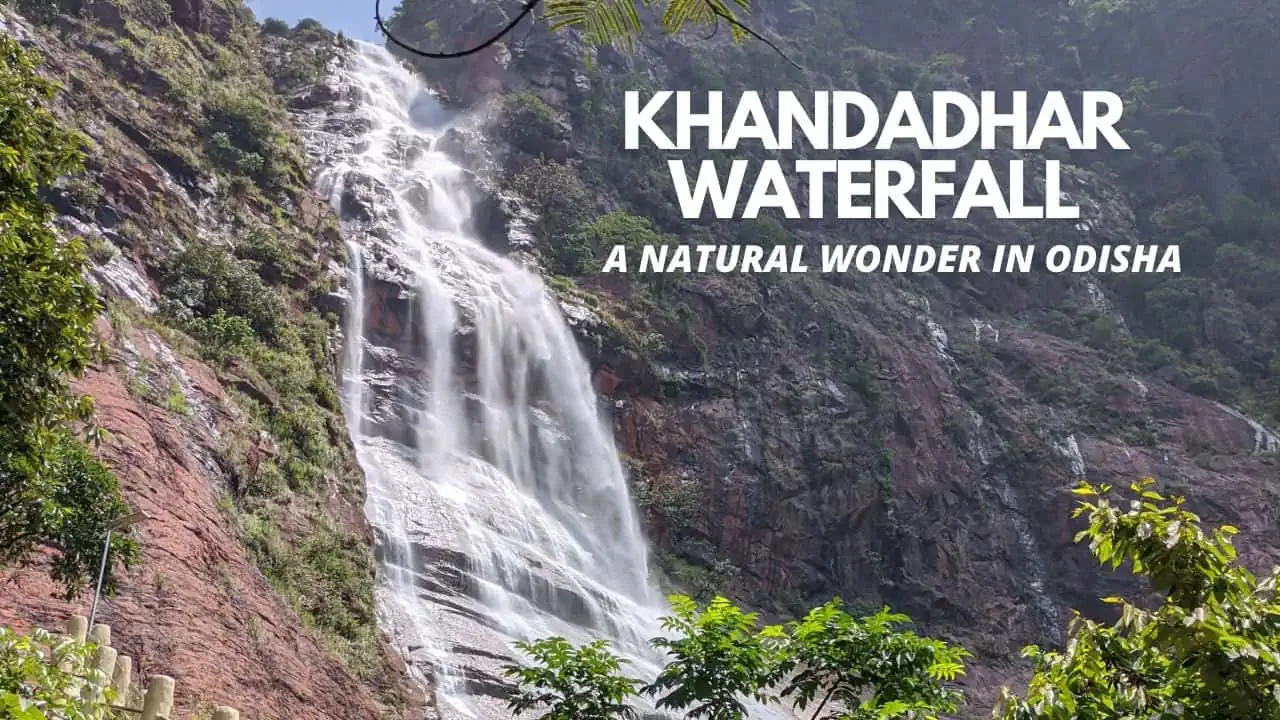
Not to be confused with the Khandadhar in Keonjhar, this one is located about 65 kilometers from Tensa. It is one of the most magnificent waterfalls in the state, dropping from a height of over 240 meters. The sight of the water plunging down the sheer rock face is a must-visit experience in Odisha.

Khandadhar Waterfall Sundargarh The majestic view of Khandadhar Waterfall, one of the highest in Odisha, located near Tensa.

The drive to Khandadhar from Tensa is through some of the most scenic forest roads you’ll ever see.

Jateswar Temple and Waterfall

Located closer to Tensa (about 15-20 km), Jateswar is a sacred site dedicated to Lord Shiva. It’s a beautiful spot where a small stream cascades down the rocks into a clear pool. It’s a popular spot for local devotees and nature lovers alike. The peaceful atmosphere here, combined with the sound of the flowing water and the chirping of birds, makes it a perfect spot for meditation.

Mirigkhoj Waterfall

Another hidden gem in the Bonai range is the Mirigkhoj waterfall. It’s less crowded than Khandadhar and offers a more intimate experience with nature. The trek to the base of the falls is relatively easy and takes you through beautiful Sal and Teak forests.

Vedvyas Dham (Rourkela)

If you are heading back via Rourkela, a stop at Vedvyas is highly recommended. Located at the confluence of the Sankh, Koel, and Saraswati rivers, this is believed to be the place where the sage Vyasadeva composed the Mahabharata. It’s one of the most famous temples in Odisha for its spiritual and historical significance.

Travel Tips for a Smooth Trip

  • Pack Woolens: Even in summer, keep a light jacket. In winter, you’ll need heavy sweaters and caps.
  • Connectivity: Mobile network (Jio and Airtel) is decent in the township but can be spotty inside the nature camp. Consider it a “digital detox” opportunity.
  • Cash is King: While the nature camp takes digital payments, carry enough cash for local purchases or tips, as ATMs in the area can often be out of service.
  • Respect the Forest: Tensa is a high-altitude forest zone. Avoid loud music, don’t litter, and never venture into the deep forest without a guide.
  • Vehicle Maintenance: If you’re driving, ensure your car is in good condition. The uphill climb and the mining traffic can be tough on older vehicles.

Frequently Asked Questions (FAQs)

Is Tensa Nature Camp safe for families?

Yes, absolutely. The camp is well-guarded, and the staff is extremely helpful. It’s a popular destination for families, especially those from nearby cities like Rourkela and Keonjhar.

Can we visit Tensa as a day trip from Rourkela?

While you can visit Tensa as a day trip, I wouldn’t recommend it. To truly feel the “Mini Shimla” vibe, you need to stay overnight to experience the chilly night air and the beautiful sunrise. A day trip would involve too much driving and too little relaxing.

What is the food like at the nature camp?

The food is primarily traditional Odia and Indian cuisine. It is served buffet-style and is included in your booking price. They can usually accommodate requests for less spicy food for children or elders if informed in advance.

Are there leeches in Tensa?

During the monsoon season, you might encounter leeches on the forest trails. It’s advisable to wear long socks and carry some salt or tobacco powder if you plan on trekking during the rains.

Do I need a permit to visit the Tensa Iron Mines?

To enter the actual mining operational areas, you need a permit from the SAIL office. However, general tourists can see the mining landscape from various public viewpoints without any special permit.

Is there a swimming pool at Tensa Nature Camp?

No, there is no swimming pool. The nature camp focuses on eco-tourism and providing an authentic forest experience. However, the waterfalls and streams nearby offer plenty of opportunities to enjoy the water.

What should I buy as a souvenir from Tensa?

Look for local tribal handicrafts like bamboo baskets, mats, and if available, some locally sourced honey or forest produce. These are authentic and directly support the local community.

Are pets allowed at Tensa Nature Camp?

Generally, pets are not allowed inside government-managed nature camps in Odisha due to forest regulations and the safety of both pets and wild animals. It’s best to check with the camp authorities during booking.

Jai Jagannath! I hope this guide helps you plan an unforgettable trip to the hills of Tensa. If you have any more questions, feel free to ask. And once you return, do share your stories—there’s always something new to discover in the “Mini Shimla” of our beautiful Odisha.


Explore more about the Best Nature Camps in Odisha and the Full List of Waterfalls in Odisha to plan your next adventure!