17 Best Places to Visit in Deogarh: Waterfalls & Temples
Discover the best places to visit in Deogarh, Odisha. Explore Pradhanpat waterfall, Kurudkut falls, Bamanda royal palace, and scenic forest circuits.
Key Takeaways
- Top Natural Cascade: Pradhanpat Waterfall drops 30 meters against forested hills right beside Deogarh town, offering cool pools and walking access.
- Historic Innovation: Kurudkut Waterfall powered Odisha’s first small-scale hydroelectric project in the early 20th century under royal patronage.
- Royal Architecture: Bamanda Rajbati, constructed in 1896, blends Victorian and Odishan palace architecture alongside historic library archives.
- Optimal Season: October through March offers dry weather and comfortable daytime temperatures between 16°C and 28°C for outdoor touring.
- Access Hubs: Reach Deogarh easily via NH-49 from Veer Surendra Sai Airport in Jharsuguda (95 km) or Sambalpur railway junction (90 km).
Deogarh district in western Odisha blends dramatic waterfalls, secluded mountain streams, and deep royal history. Known historically as the princely state of Bamanda, this upland territory offers travelers untamed sal forests, ancient hilltop temples, and quiet picnic reservoirs along the Brahmani river basin.
Whether touring colonial-era palaces or trekking through lush valleys, visitors encounter an authentic Odishan landscape unburdened by commercial crowds. This comprehensive travel guide covers the top natural wonders, historical landmarks, transport routes, and practical travel tips for Deogarh.
Overview of Deogarh District and Royal Bamanda Heritage
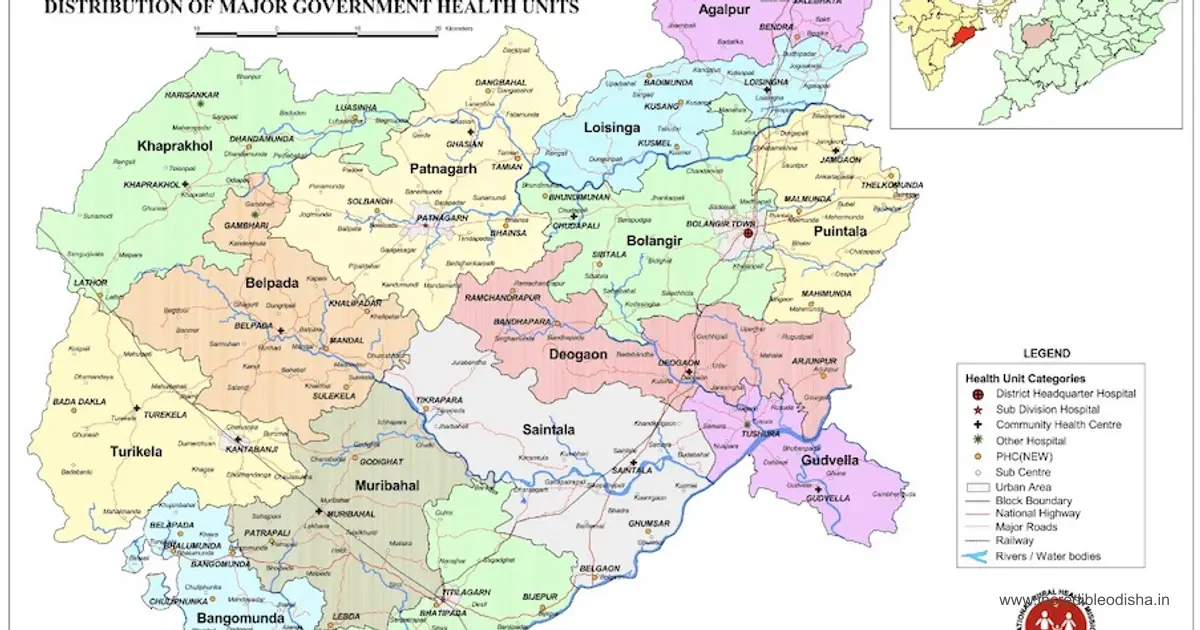
Deogarh, also known administratively as Debagarh, was carved out as an independent district in 1994 from the former undivided Sambalpur district (read our in-depth Deogarh district guide for complete administrative, historical, and demographic facts). Covering an area of 2,940 square kilometers, the district is hemmed by dense deciduous forests and rugged hill ranges that form part of the Eastern Ghats. State tourism initiatives documented on the Odisha Tourism portal highlight the region for its natural scenery and quiet ecotourism circuits.
Historically, Bamanda was ruled by the Ganga dynasty branch that encouraged literature, education, and technical innovation during the late nineteenth century. Raja Basudeb Sudhal Deb established printing presses, schools, and telephone connectivity, transforming Deogarh into an influential regional center for Odia intellectual thought.
Travelers can read our comprehensive guide on the history of Odisha to understand how regional princely courts shaped the state. Official entries from Debagarh administrative district records note that agriculture and forest produce continue to anchor the district economy.
Top Waterfalls in Deogarh: Pradhanpat and Kurudkut
Pradhanpat Waterfall stands as the primary geographic landmark and crown jewel of Deogarh tourism. Located just one kilometer from the main town center, the perennial stream plunges approximately 30 meters over stepped gneiss cliffs into a natural rock pool. The site provides well-laid footpaths, visitor sheds, and landscaped gardens that welcome thousands of holiday travelers every winter season.
Visitors can explore the broader regional network of cascades in our guide to waterfalls across Odisha to plan multi-stop driving itineraries. Geological details cataloged in Debagarh township documentation confirm that local streams originate in dense upland springs that sustain forest vegetation year-round.
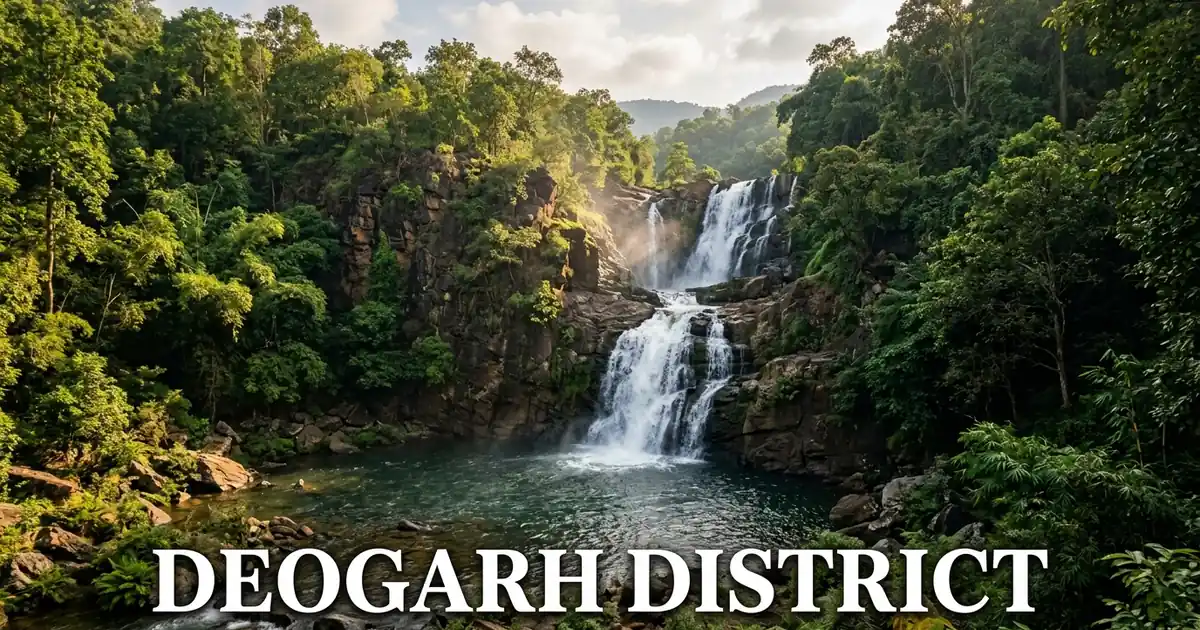
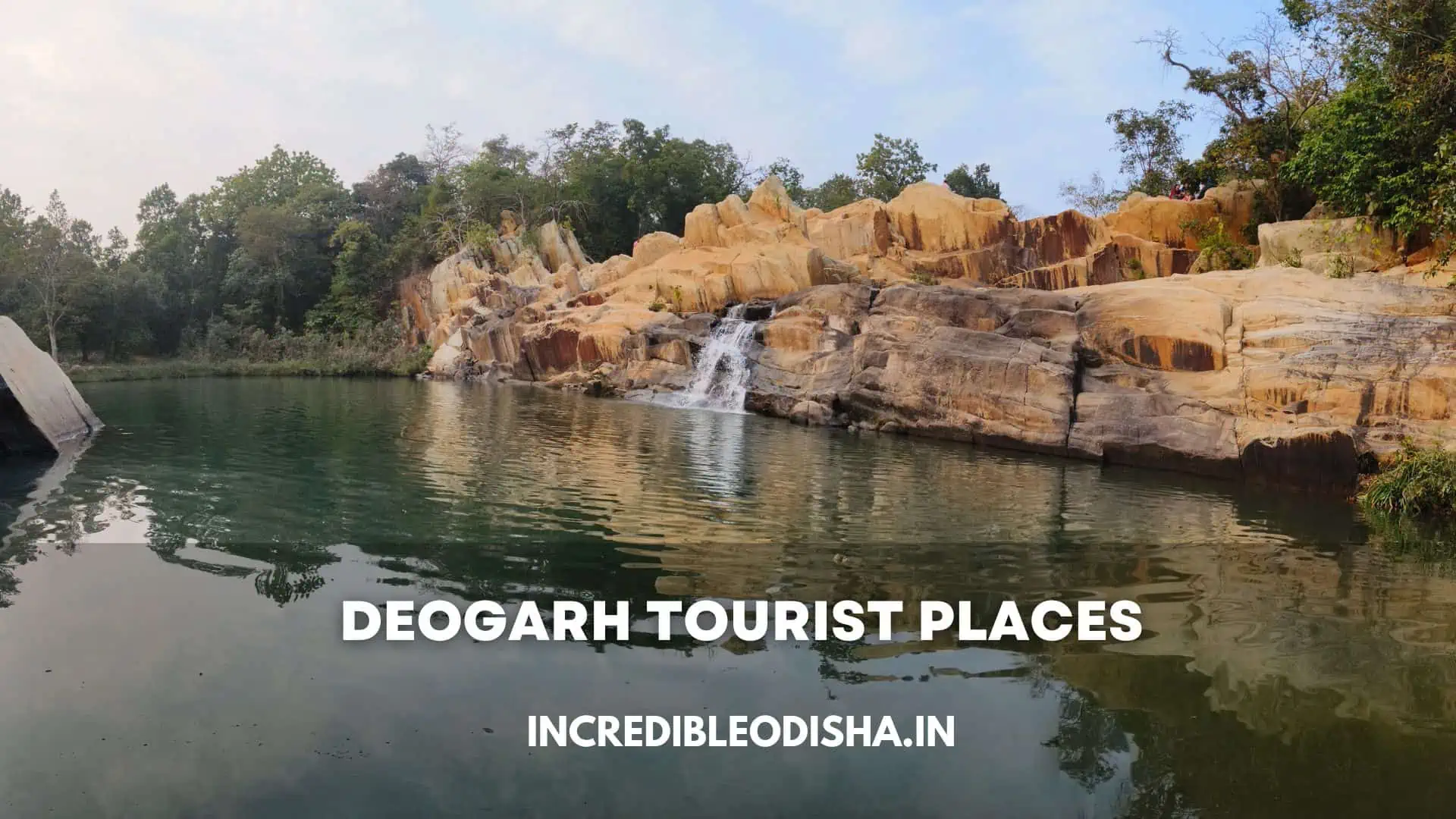 Pradhanpat Waterfall plunges down forested rock cliffs near the center of Deogarh town.
Kurudkut Waterfall, located in the forested hills near the town perimeter, holds notable historical significance. In the early 1900s, Raja Basudeb Sudhal Deb channeled the kinetic power of Kurudkut to operate a small-scale hydroelectric plant.
This pioneering generator illuminated the royal palace and town streetlights long before rural electrification became common across India. Today, visitors trek shaded forest trails lined with sal trees to reach the multi-tiered cascades.
Historic Palaces and Cultural Landmarks in Deogarh
Bamanda Rajbati, also known as the Deogarh Palace, was constructed in 1896 and reflects the architectural ambition of Raja Sir Basudeb Sudhal Deb. The palace complex incorporates high arches, wooden ceiling carvings, durbar reception halls, and private courtyards that demonstrate both European and traditional Odishan masonry. Prominent litterateurs like poet Gangadhar Meher regularly visited the court to compose classic Odia poetry under royal sponsorship.
Travelers who enjoy historic temples often visit the Maa Samaleswari Temple in Sambalpur when touring the western sector. The palace premises also house the shrine of Maa Kanaka Durga, the patron deity of the Bamanda royal dynasty. A modest museum wing displays antique timepieces, regal correspondence, and early twentieth-century black-and-white portraits of royal ceremonies.
Kailash Palace sits on a forested hill crest roughly 15 kilometers outside Deogarh town along the National Highway corridor. Constructed between 1916 and 1919 by Raja Dibya Shankar Deb, this hillside pavilion served as a summer retreat and royal hunting lodge. Large open verandas allow cool valley breezes to flow through the property, offering sweeping vistas across the wooded Basudevpur mountain ranges.
Sacred Temples and Spiritual Sanctuaries in Deogarh
Purunagarh Jagannath Temple dates back to 1705, when Raja Pratap Rudra Deb established the old Bamanda capital before shifting administrative headquarters to Deogarh. The stone shrine features classical Rekha Deula and Pidha Jagamohana sanctums constructed on an elevated foundation above the village square. Local priests conduct daily rituals following ancient Puri customs, while the annual Ratha Yatra draws devoted rural communities from across the district.
Pilgrims can discover additional temple architecture in our index of famous temples in Odisha across every district. Inside Purunagarh, surrounding stone masonry walls and dry moats still trace the contours of the historic seventeenth-century royal fortress.
Maa Pradhani Shakti Peetha rests at the rocky base of Pradhanpat hill, where devotees seek blessings for good health and safe journeys. Shaded beneath towering banyan canopies, the sanctum features traditional stone idols smeared with vermilion and sandalwood paste. Further along the forested highway pass toward Angul, the roadside shrine of Katasar Banadurga protects motorists navigating tight hairpin bends and steep highland ascents.
Best Picnic Spots and Forest Reserves Around Deogarh
Gohira Dam forms a sweeping irrigation reservoir built across the Gohira River, a key tributary of the Brahmani river basin. Completed in 1981, the reservoir covers several square kilometers bordered by undulating hill ranges that attract winter migratory birds like teal and pintails. Shaded grassy embankments provide clean picnic spaces where local families gather on weekends to prepare traditional wood-fired lunches.
Visitors who enjoy lake landscapes can also compare similar day trips like Sapua Dam in central Odisha. Another tranquil reservoir, Saruali Dam, lies tucked between hill ridges and offers scenic shoreline tracks suitable for landscape photography.
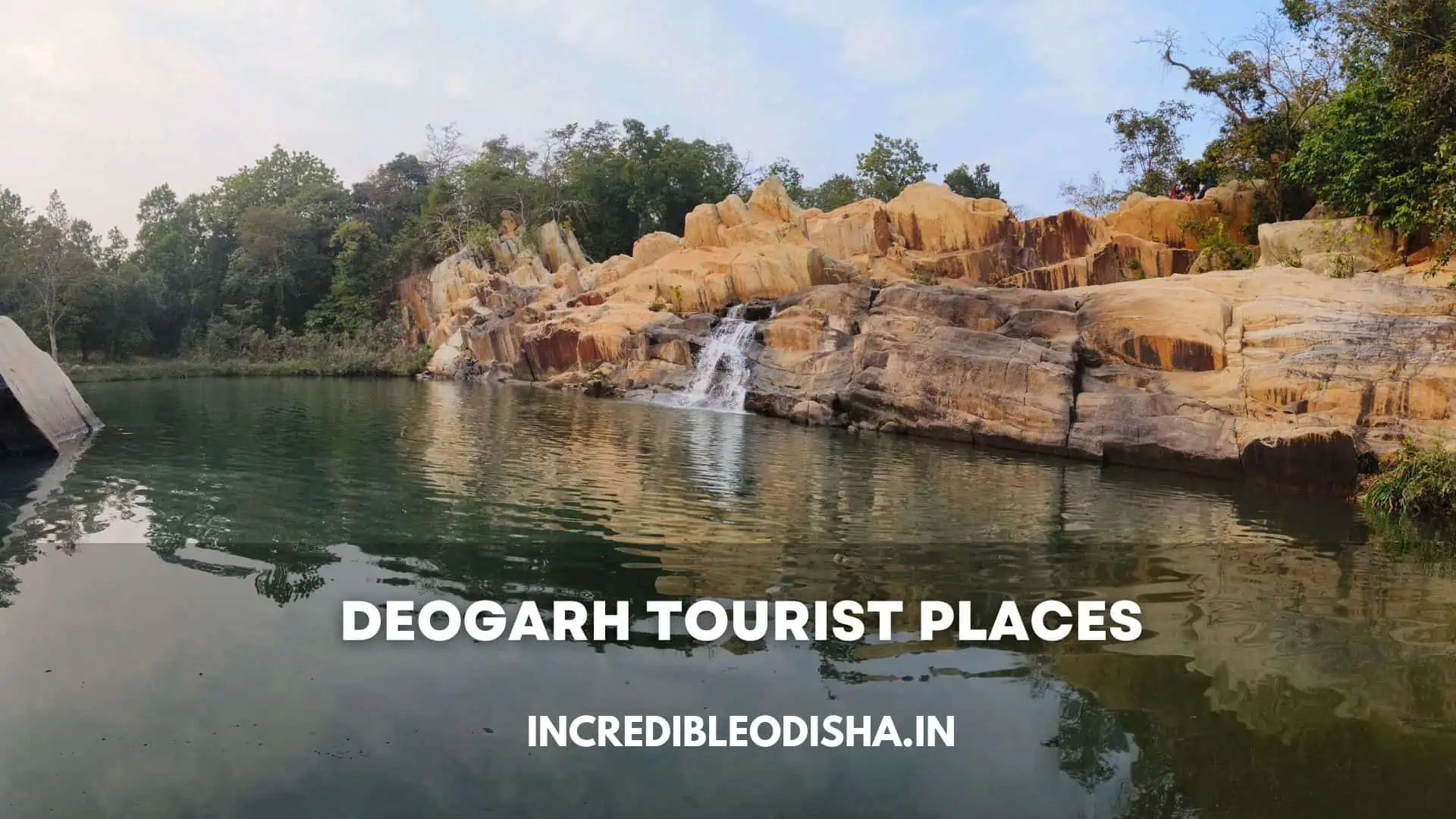
Daragadi Stream near Tensara village provides an offbeat wilderness retreat for travelers who prefer secluded nature walks. Crystal clear spring waters flow over polished pebbles and shallow stone ledges shaded by teak canopies. The quiet microclimate keeps the stream banks cool throughout warm afternoons, making it a peaceful sanctuary for wildlife watching and relaxing beside bubbling forest waters.
Comprehensive Deogarh Travel Comparison Guide
The following table summarizes the primary tourist destinations across Deogarh district, including entry protocols, seasonal highlights, and location details:
| Attraction Name | Attraction Type | Distance from Town | Best Visiting Window | Highlights and Notes |
|---|---|---|---|---|
| Pradhanpat Waterfall | Natural Waterfall | 1 km | October to February | 30m cascade, garden paths, steps, Maa Pradhani shrine |
| Kurudkut Waterfall | Historic Cascade | 8 km | August to January | Site of early 1900s hydro plant, nature hiking trail |
| Bamanda Rajbati | Royal Heritage Palace | Town Center | Year-round | 1896 palace, vintage library, Kalinga-colonial arches |
| Kailash Palace | Hillside Pavilion | 15 km | November to February | Hilltop forest views, birdwatching, colonial summer retreat |
| Purunagarh Jagannath Temple | Heritage Shrine | 5 km | Year-round | 1705 Kalinga stone temple, historic Bamanda capital ruins |
| Gohira Dam Reservoir | Lake & Picnic Reserve | 25 km | October to March | Wide water reservoir, winter birdwatching, quiet picnic banks |
| Daragadi Stream | Forest Stream | 18 km | October to April | Clear forest pools, shaded walking trails, wild flora |
| Katasar Ghat Banadurga | Mountain Pass Shrine | 32 km | Year-round | Scenic ghat viewpoints, mountain spring, traveler shrine |
How to Reach Deogarh: Air, Train, and Highway Road Routes
Deogarh is situated directly along National Highway 49, which serves as a major inter-state freight and passenger highway linking Kolkata with western Odisha and Mumbai. The well-surfaced four-lane highway makes road travel the smoothest way to reach the district from both eastern coastal plains and western industrial cities.
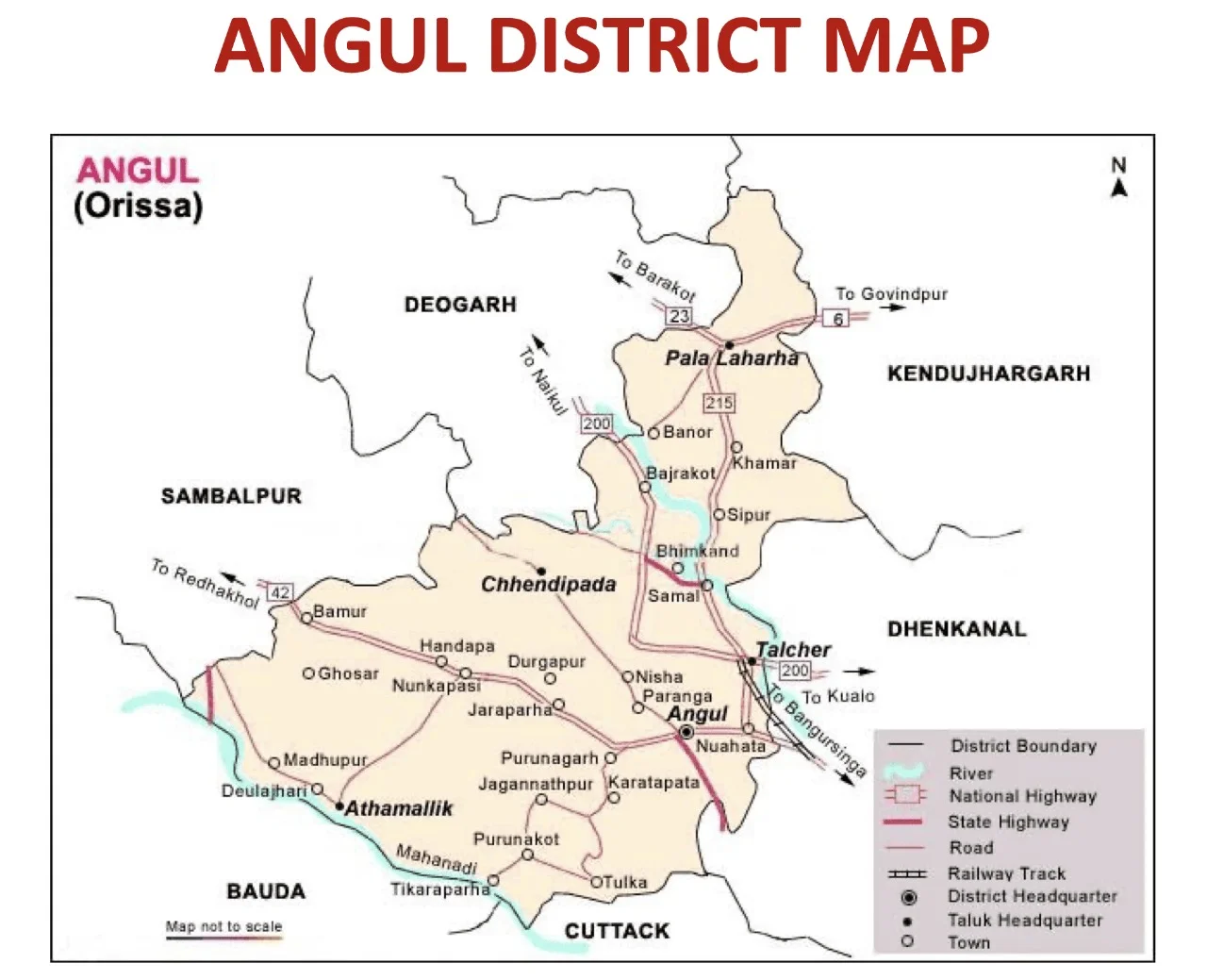
Travelers arriving from northern routes can consult our guide on Khandadhar Waterfalls nature camp to plan driving breaks across Sundargarh and Deogarh borders. The closest operational commercial airfield is Veer Surendra Sai Airport in Jharsuguda, located approximately 95 kilometers west via NH-49. Biju Patnaik International Airport in Bhubaneswar sits 260 kilometers southeast, requiring a 5-hour drive via NH-55 through Dhenkanal and Angul.
Railway travelers should book transit via Sambalpur Junction (90 km away) or Jharsuguda Junction (95 km away), both of which connect directly to major hubs on the IRCTC booking portal. Frequent state transport buses, air-conditioned express coaches, and private taxis link both railway hubs directly to the Deogarh central bus terminal daily.
Best Time to Visit and Travel Tips for Exploring Deogarh
The winter season from October through March offers the most pleasant conditions for sightseeing in Deogarh district. During these months, daytime temperatures stay between 16°C and 28°C, while cool evening breezes make outdoor picnics and temple visits comfortable. Forest waterfalls retain vigorous water volume following the monsoon withdrawal, allowing for clear photography and relaxed hiking.
Monsoon months from July to September bring lush green foliage across hill ranges and maximize waterfall volume. However, rainfall can make rock paths slippery near Pradhanpat and Kurudkut, requiring sturdy footwear with deep rubber treads. Summer months between April and June experience high temperatures exceeding 40°C, meaning sightseeing should be restricted to early morning hours.
Local accommodation choices include the government circuit house, Forest Department nature camps, and budget private lodges in Deogarh town center. Travelers seeking multi-course fine dining often lodge in Sambalpur and undertake day excursions to Deogarh. When visiting rural streams and forest dams, always pack drinking water, emergency medical kits, and take all non-biodegradable waste back to municipal collection bins.
Frequently Asked Questions About Visiting Deogarh
What is Deogarh district in Odisha best known for?
Deogarh district is renowned for its scenic forest waterfalls, particularly Pradhanpat, alongside its princely Bamanda heritage and early engineering innovations. The former royal state also earned distinction across Odisha as an influential nineteenth-century center for literature, education, and early printing presses.
Which is the most popular waterfall to visit in Deogarh?
Pradhanpat Waterfall is the most accessible and celebrated cascade in Deogarh, situated just one kilometer from the main town center. The site features paved footpaths, stone sitting areas, and the historic Maa Pradhani temple at the base of the gorge.
How do travelers reach Deogarh by train or air?
The nearest commercial airport is Veer Surendra Sai Airport in Jharsuguda, located 95 kilometers away with direct highway links via NH-49. The closest major railway junctions are Sambalpur and Jharsuguda, where frequent express trains connect to Bhubaneswar, Kolkata, and Mumbai.
What historic monuments can tourists explore in Deogarh?
Visitors can tour the historic Bamanda Rajbati built in 1896, the hillside Kailash Palace retreat, and the 1705 Purunagarh Jagannath Temple. These heritage structures preserve the artistic and architectural legacy of the visionary Ganga-lineage rulers of Bamanda.
Are there good family picnic spots located around Deogarh?
Gohira Dam and Saruali Dam provide expansive water reservoirs and quiet grassy banks ideal for weekend outdoor picnics. Pradhanpat Waterfall park also offers shaded gazebos, clean seating platforms, and running spring water for visiting families.