21 Best Places to Visit in Dhenkanal – 2026 Travel Guide
Discover the best places to visit in Dhenkanal in 2026. From the sacred Kapilash Temple to the crispy Dhenkanal Bara, explore history, nature, and culture.
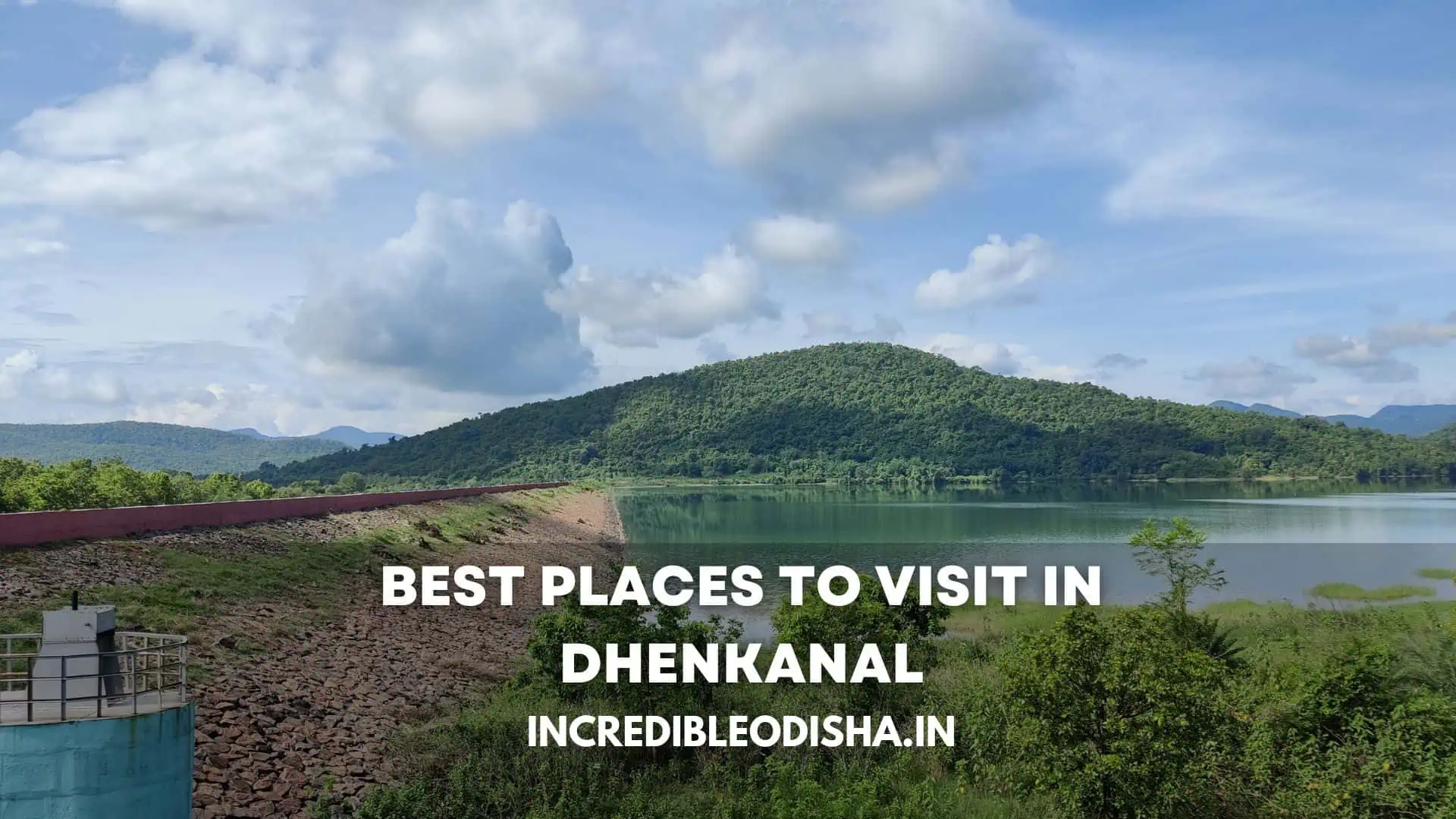
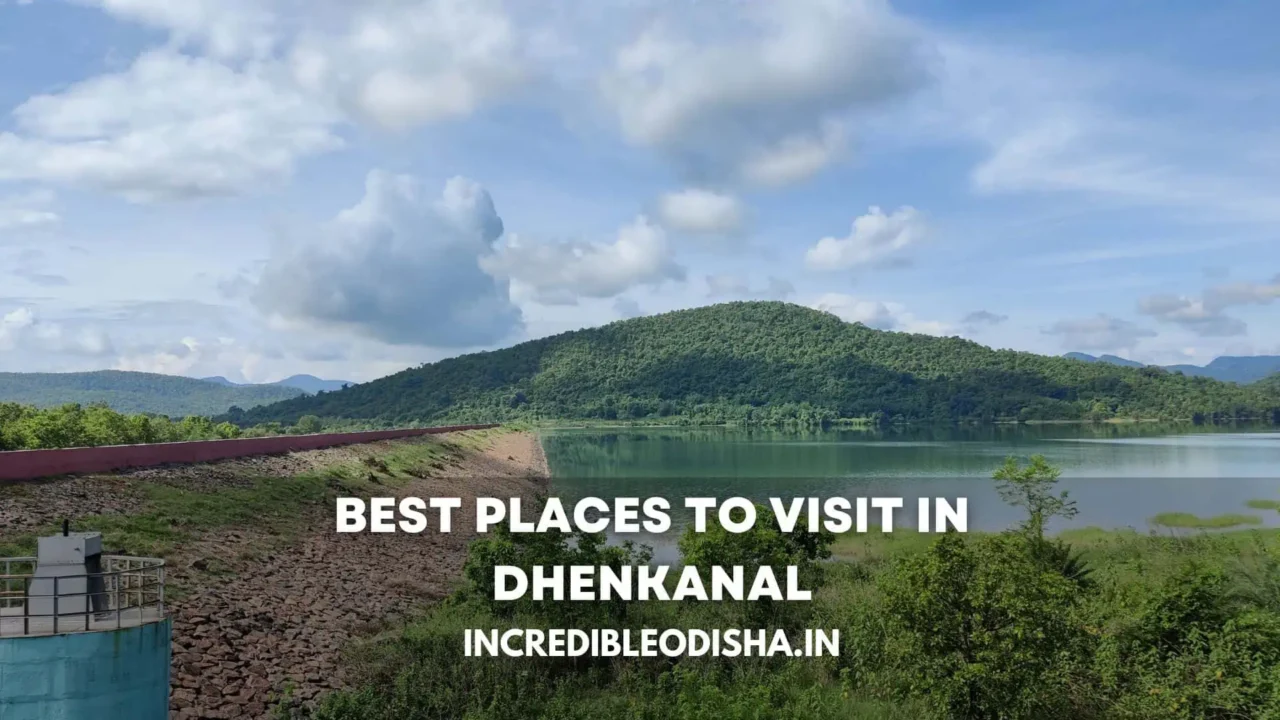
Dhenkanal district in central Odisha presents an exceptional blend of ancient temple architecture, forested hills, revolutionary history, and artisanal craft traditions in 2026. Positioned along the scenic Eastern Ghats, this historic territory serves as the spiritual headquarters of the Mahima Dharma faith and preserves the cultural heritage of the ancient Bhoi dynasty.
Key Takeaways
- Dhenkanal district features prominent pilgrimage landmarks, notably the 13th-century Kapilash Temple and the Joranda Mahima Dharma Peetha.
- The district is easily accessible from Bhubaneswar (75 km) and Cuttack (60 km) via National Highway 55 and regular East Coast Railway services.
- Cultural highlights include the 11-day autumn Gajalaxmi Puja carnival, Sadeibareni Dokra brass craft, and the crispy Dhenkanal Bara snack.
- Eco-tourism destinations such as Saptasajya Nature Camp and Sapua Dam provide scenic hill trekking, wildlife sanctuaries, and reservoir recreation.
Central Odisha combines spiritual serenity with adventurous terrain. From walking up the stone staircases of sacred peaks to sampling crisp street snacks in local evening bazaars, Dhenkanal rewards travelers with deeply authentic cultural experiences. For complete administrative divisions, community blocks, history, and demographic data, read our comprehensive guide to Dhenkanal district.
Historical Legacy: Princely State, Bhoi Dynasty, and Freedom Struggles
Dhenkanal traces its name to a Savara tribal chieftain named Dhenka who governed this forested plateau during ancient times. The regional territory developed into an influential princely state around 1530 CE under Harisingh Vidyadhara, a distinguished military commander serving the Gajapati kings of Odisha.
The Bhoi dynasty established administrative headquarters and constructed defensive fortifications across the district. Royal patronage nurtured temple construction, indigenous irrigation networks, and classical Odissi music traditions. Historical administrative documentation is preserved in the Dhenkanal District Administration Profile.
During the early twentieth century, Dhenkanal emerged as a heroic center of peasant resistance through the historic Prajamandal Movement between 1922 and 1938. Pioneering leaders including Sarangadhar Das and Harmohan Pattnaik organized local villagers against forced labor (Bethi) and oppressive royal taxes.
The popular defiance in Dhenkanal captured national attention and played an instrumental role in democratic reforms across India princely states. Freedom fighter memorials throughout the district honor the courageous citizens who led the march toward civil liberties.
Notable Personalities of Dhenkanal District
Dhenkanal has contributed influential leaders and jurists to Odisha public life across multiple generations.
- Nandini Satpathy: Renowned author and the first female Chief Minister of Odisha who spearheaded major land reforms.
- Sarangadhar Das: Widely venerated as the Gandhi of the Odisha princely states for his steadfast leadership of the Prajamandal Movement.
- Amiya Kumari Padhi: Distinguished legal luminary who served as an honorable judge of the Orissa High Court.
- Baishnab Charan Patnaik: Dedicated parliamentarian and freedom activist who advocated for the political integration of princely territories into the Indian Union.
Spiritual Landmarks: Kapilash, Joranda, and Kualo Temples
Spiritual traditions run deep through the stone sanctuaries and monotheistic hermitages of Dhenkanal. Pilgrims journey here to climb sacred peaks and observe monastic customs found nowhere else in eastern India.
1. Kapilash Temple: Chandrasekhar Shrine
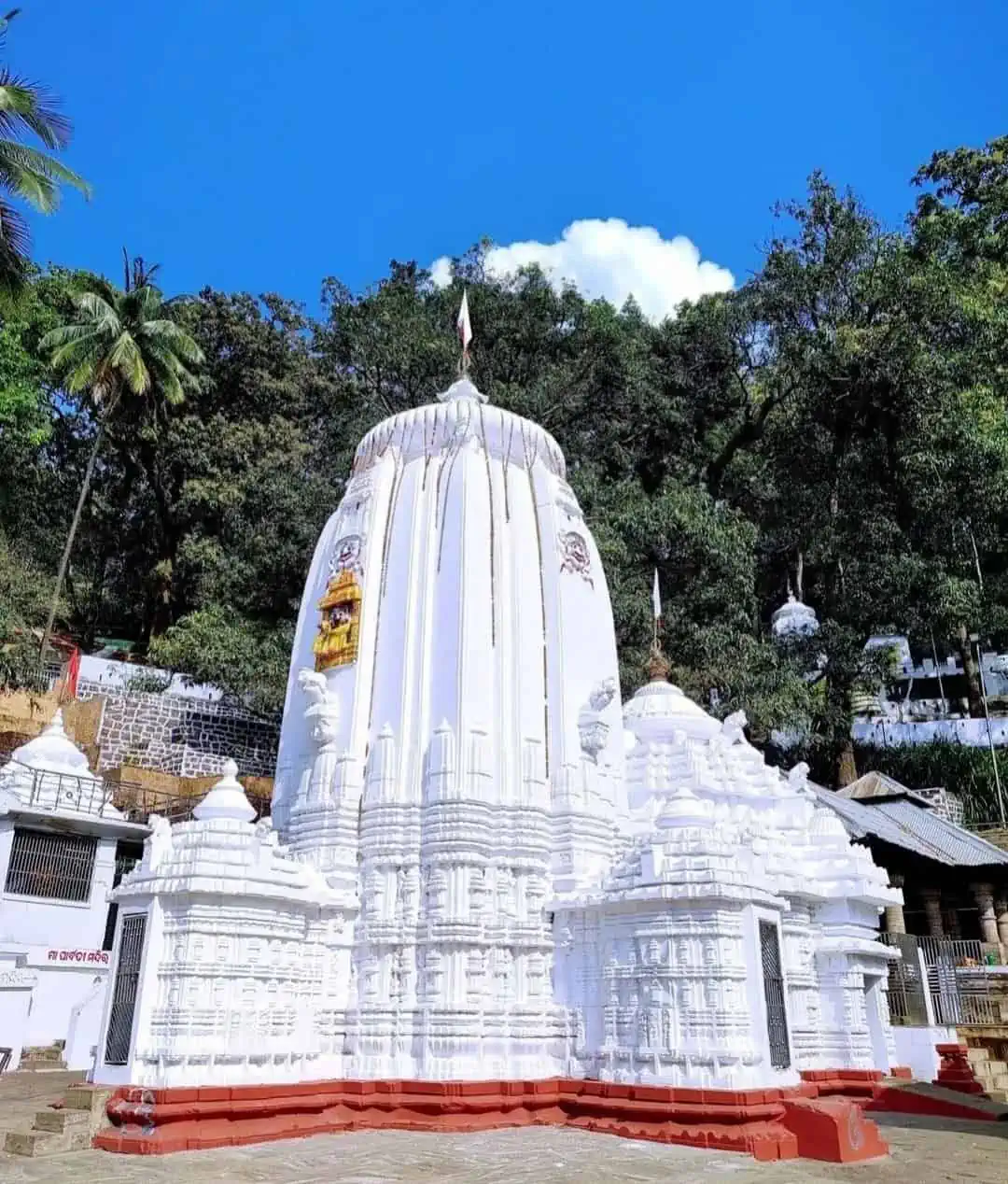
Perched at an elevation of 457 meters atop Kapilash Hill, the Chandrasekhar Shiva Temple represents the architectural apex of regional Shaivism. Commissioned by King Narasinghdeva I in 1246 AD, the temple compound attracts massive congregations of devotees during the annual Maha Shivaratri celebrations. Detailed pilgrim guidelines are documented in our Kapilash Temple travel guide.
Travelers can ascend the hill via a steep pedestrian stairway comprising 1,352 stone steps or take a 5-kilometer winding ghat road suitable for passenger vehicles. The hilltop complex houses secondary shrines dedicated to Vishwanath and Maa Parvati alongside natural mountain springs. At the foothills, family travelers can explore the Kapilash Science Centre, a deer reserve, and a mini zoo. Historical monument records can be verified through Kapilash Temple Historical Documentation.
2. Joranda: Headquarters of Mahima Dharma
Located 24 kilometers northeast of Dhenkanal town, Joranda serves as the global headquarters of Mahima Dharma. Founded in the nineteenth century by Mahima Gosain, this monotheistic reform movement preaches devotion to the formless creator known as Alekh Brahma.
The central Sunya Mandira (Temple of the Void) features an open-air structural concept without an enclosed roof to symbolize the omnipresence of the divine. Monks dressed in saffron bark fibers (Kumbhipat) gather at sunset for community prayers, observing strict vows to take food only before daylight fades. The annual Magha Mela on the full moon of Magha brings thousands of ascetic practitioners together around the sacred eternal Dhuni fire.
3. Kualo: The Astasambhu Temple Cluster
Situated approximately 72 kilometers north of the district headquarters, Kualo preserves the archaeological ruins of the eighth-century Sulki dynasty. The main Kanakeswar temple rises 24 meters above the village square, surrounded by seven satellite Shiva shrines that collectively form the sacred Astasambhu group. Detailed stone friezes display intricate Kalinga-style relief carvings of mythological deities, celestial dancers, and guardian beasts.
4. Saranga: Colossal Reclining Vishnu
On the banks of the Brahmani River near Saranga, travelers encounter an immense open-air sculpture of Lord Vishnu depicted in the Anantasayana pose. Carved directly from a natural sandstone riverbed during the ninth century, this monumental artwork measures 15.4 meters in length and remains protected under national heritage registers.
Nature Sanctuaries, Saptasajya, and Forest Reserves
The rugged landscape of Dhenkanal offers abundant opportunities for outdoor recreation, bird observation, and wilderness camping. Dense sal forests host diverse wildlife populations including wild elephants, spotted deer, and hornbills.
5. Saptasajya Wildlife Reserve and Hills
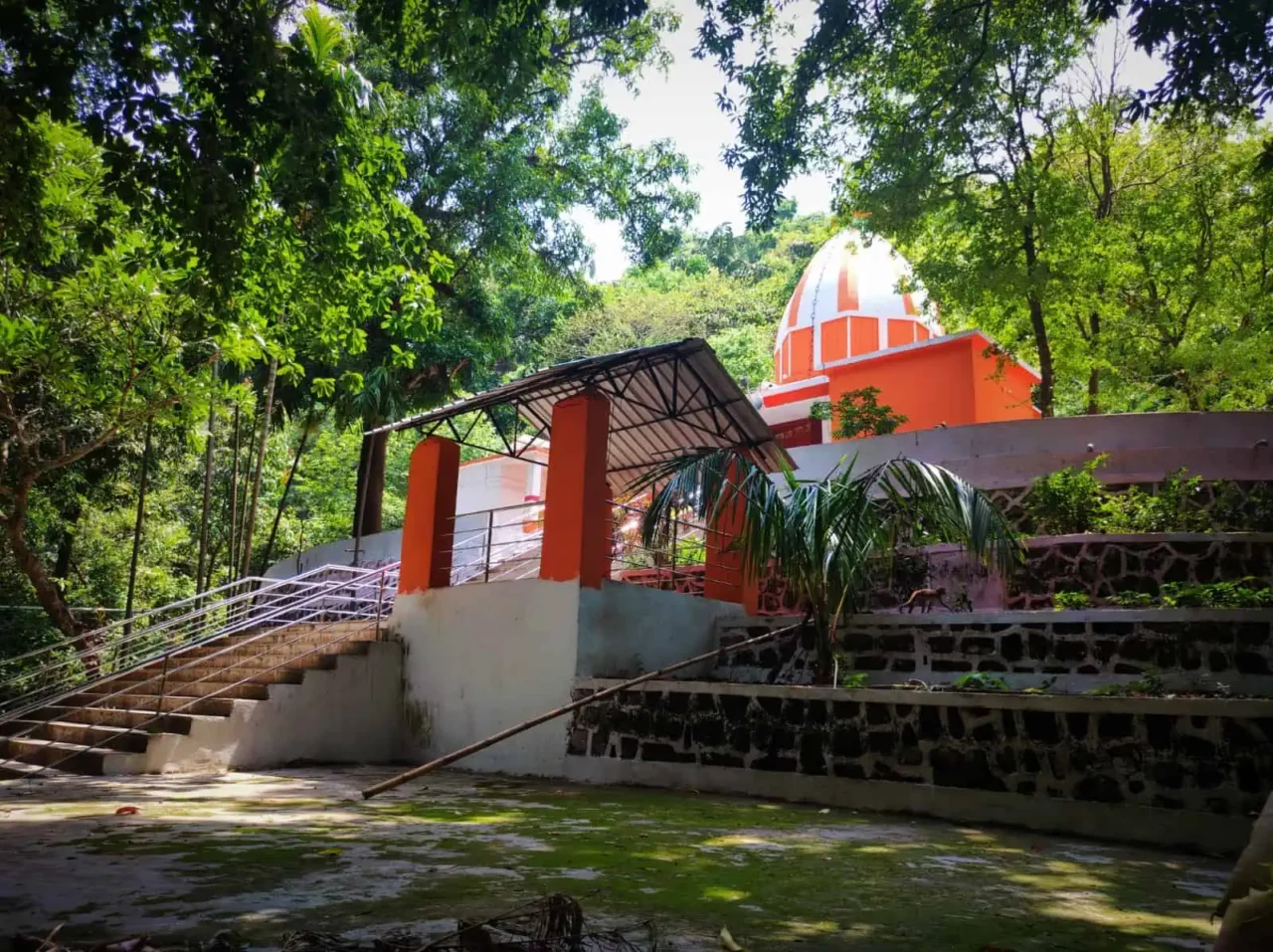
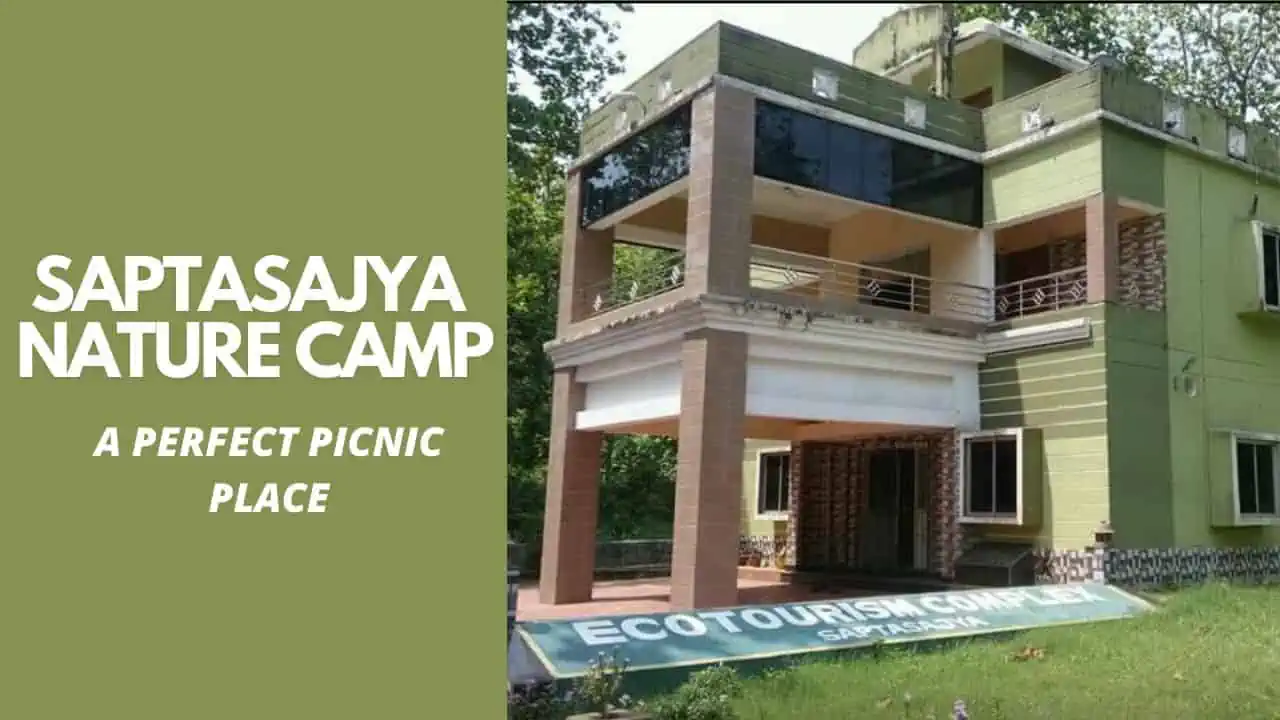
Named after the mythical seven beds where the Pandava brothers rested during their exile, Saptasajya encompasses a chain of scenic hills 12 kilometers from Dhenkanal town. Clear perennial springs flow down forest slopes past the revered Raghunath and Annapurna temples. Travelers can arrange forest stays by reviewing our Saptasajya Nature Camp booking details.
The surrounding sanctuary protects extensive stands of sal, teak, and medicinal herbs like amla and harida. Forest pathways offer excellent birdwatching for species such as the Malabar pied hornbill and Indian peafowl.
Scenic Water Resources and Forest Waterfalls
Water reservoirs and cascading mountain streams across Dhenkanal create prime destinations for photography and day excursions.
6. Sapua Dam Serpentine Reservoir
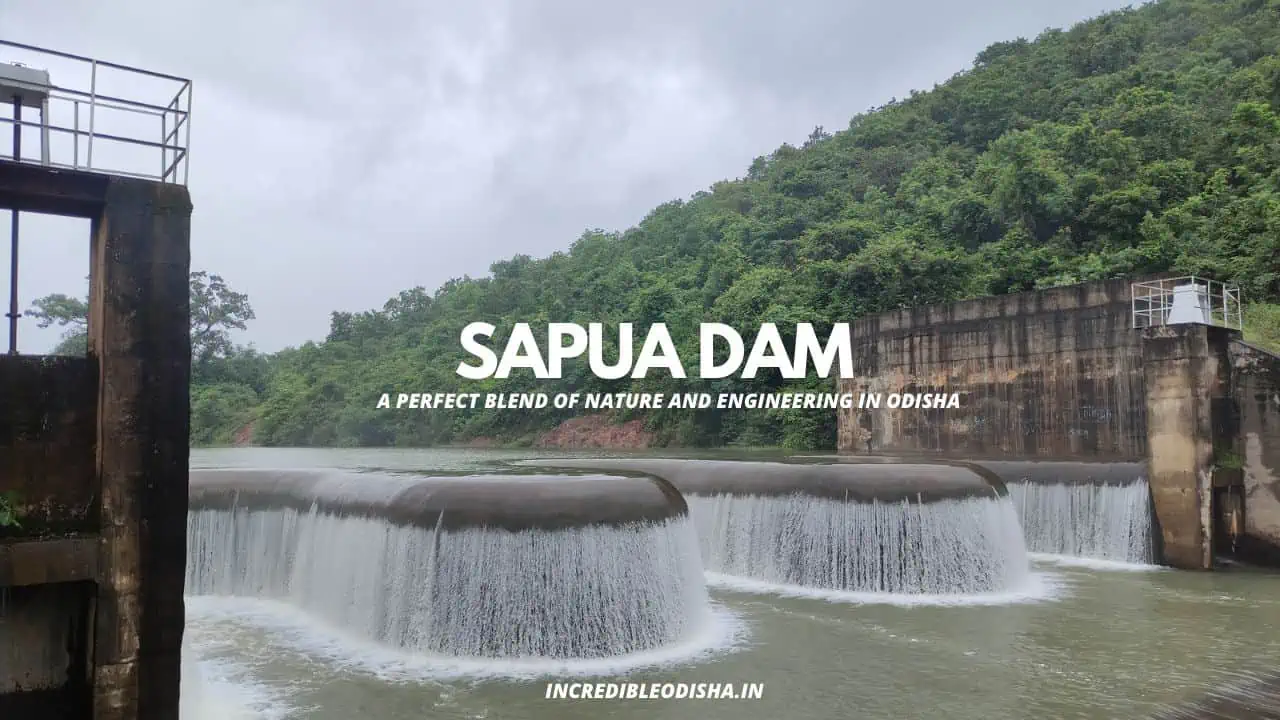
Located within the Hindol administrative block, Sapua Dam features a distinctive curved spillway engineered to resemble the graceful movements of a serpent. Forested hill ranges encircle the reservoir, creating an ideal setting for photography, seasonal birding, and calm waterfront picnics. For driving directions and tips, consult our Sapua Dam picnic and photography guide.
7. Dandadhar Irrigation Reservoir
Dandadhar Dam, located 67 kilometers from the district headquarters, spans the Ramial River to create a sweeping water body against the backdrop of distant hills. The surrounding shoreline attracts migratory waterfowl during winter months and serves as a favored weekend picnic ground for travelers from Angul and Cuttack.
8. Forest Waterfalls: Nandinia, Sunajhar, and Khankira
Trekking enthusiasts can explore seasonal cascade sites scattered throughout the district interior. Nandinia Waterfall in Hindol drops across multi-tiered stone ledges through bamboo groves. Sunajhar Waterfall near the northern border offers secluded wilderness pools, while Khankira Waterfall flows with vigorous momentum during the post-monsoon months of September and October.
Traditional Arts, Crafts, and Weaving Clusters
Dhenkanal preserves a deep heritage of manual crafts handed down across successive generations of artisan families. Visiting these designated craft settlements offers intimate insight into traditional metallurgy and handloom weaving.
Sadeibareni Dokra Metal Village
Situated 5 kilometers from Saptasajya, the village of Sadeibareni is home to roughly 60 artisan households specializing in ancient Dokra metalcasting. Artisans use the lost-wax technique, wrapping beeswax threads around clay cores before molten brass is poured into kiln-fired molds. The resulting figurines of tribal deities, elephants, and lamps display primitive textural motifs that date back millennia.
Bhuban Bell Metal Production
The artisan settlement of Bhuban holds statewide renown for producing heavy bell metal utensils and ceremonial temple gongs. Craftsmen hammer heated bronze and brass ingots into gleaming bowls, water pitchers, and temple bells celebrated for their resonant acoustic clarity.
Nuapatna Khandua Silk Weaving
Adjacent to the southern boundary of Dhenkanal lies Nuapatna, internationally acclaimed for its tie-and-dye Khandua silk sarees. Master weavers incorporate verses from Jayadeva twelfth-century Sanskrit epic Gita Govinda into the delicate warp and weft, producing sacred textiles traditionally offered at the Jagannath Temple in Puri.
Culinary Heritage and the Iconic Dhenkanal Bara
No cultural assessment of Dhenkanal is complete without acknowledging its signature street delicacy: the crispy Dhenkanal Bara. Created in 1928 by local confectioner Bhagabat Sahu in Sathibatia, this savory fritter has evolved into a beloved culinary symbol across Odisha.
The preparation relies on ground black gram (urad dal) batter lightly blended with rice flour or fine semolina to achieve a crisp golden crust while keeping the interior fluffy and light. Street vendors across Ganesh Bazar serve piping hot baras accompanied by spicy yellow pea curry (Matar Ghuguni) and roasted red chili chutney. For a broader gastronomic itinerary, consult our famous Odisha foods guide.
Visitors should also experience the traditional Mahaprasad served daily at the Balarama Jiu Temple in town. Steamed rice, hearty dalma lentil stew, and seasonal vegetable curries cooked inside unglazed earthen pots offer delicious demonstration of regional temple cooking traditions.

Festival Calendar: Magha Mela, Maha Shivaratri, and Gajalaxmi Puja
Festivals in Dhenkanal transform the rural landscapes and urban thoroughfares into spirited centers of celebration throughout the year.
| Annual Celebration | Calendar Timing | Key Location | Cultural Significance |
|---|---|---|---|
| Magha Mela | January / February | Joranda Peetha | Congregation of Mahima monks, lighting of sacred Dhuni fire |
| Maha Shivaratri | February / March | Kapilash Hill | Devotees climb 1,352 steps carrying lamps through the night |
| Dhenkanal Ratha Yatra | June / July | Balarama Jiu Temple | Elder brother Balabhadra chariot leads regional procession |
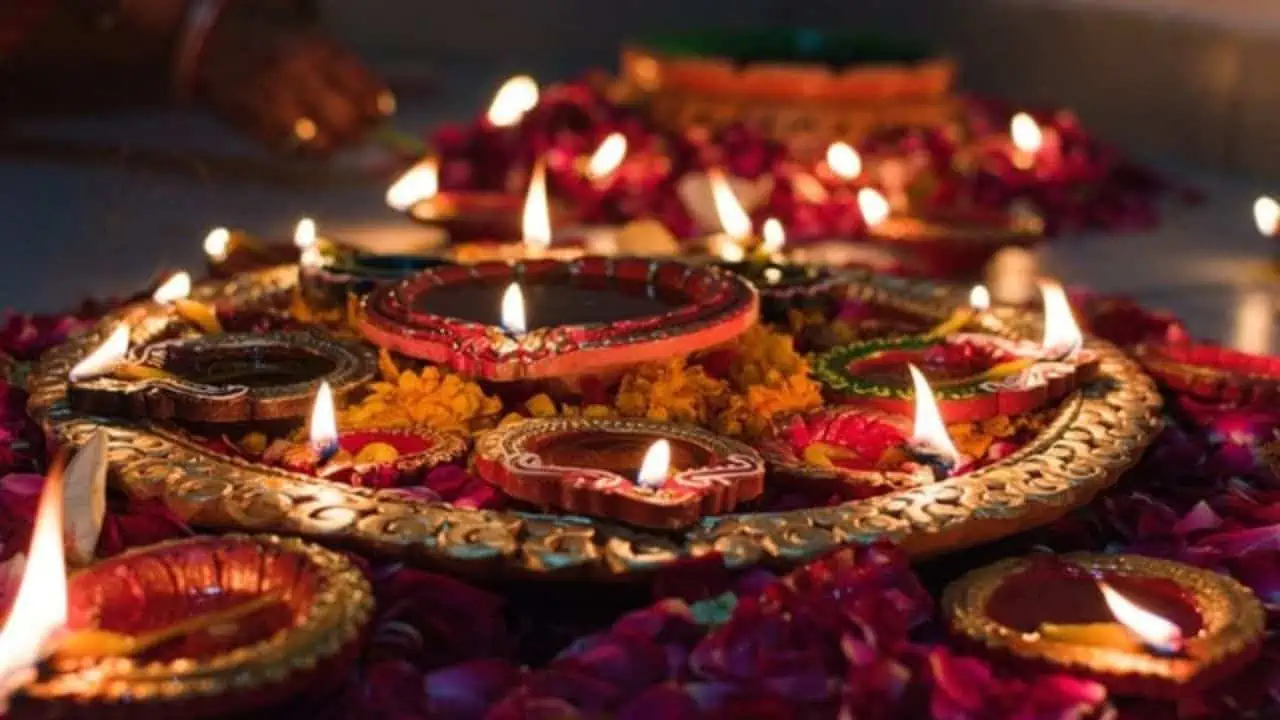
| Gajalaxmi Puja | October / November | Dhenkanal Town | 11-day illuminated street carnival with decorative pandals |
The 11-day Gajalaxmi Puja carnival stands as the largest cultural festival in the district. Originating in 1923, the event draws hundreds of thousands of spectators to marvel at intricate gate lighting, decorative tableaus, and cultural performances staged across town squares.
Sustainable Eco-Tourism and Forest Retreats
Sustainable travel has expanded across Dhenkanal with the establishment of community-operated nature reserves. Travelers can reserve eco-cottages through the official Eco Tour Odisha Nature Camps Portal, where local forest protection committees manage guest hospitality, tribal dinners, and guided jungle treks.
These protected forests safeguard vital wildlife migration corridors between central Odisha and Similipal. Respecting seasonal wildlife advisories and traveling with verified local guides preserves native forest ecosystems for generations to come.
Curated 3-Day Sightseeing Itinerary for Dhenkanal
This comprehensive 3-day itinerary organizes major heritage, craft, and scenic locations into an efficient driving route starting from Bhubaneswar or Cuttack.
Day 1: Spiritual Heights and Monastic Traditions
- 06:30 AM: Arrive at the base of Kapilash Hill. Ascend the 1,352 steps or take the ghat road to Chandrasekhar Temple for morning darshan.
- 10:30 AM: Explore the Kapilash Science Centre, mini zoo, and deer reserve at the hill base.
- 01:00 PM: Lunch in Dhenkanal town featuring crispy Dhenkanal baras and authentic Odia dalma.
- 03:30 PM: Drive 24 kilometers to Joranda Peetha to observe evening prayers and Dhuni rituals at the Sunya Mandira.
- 07:30 PM: Return to Dhenkanal town for dinner and hotel check-in.
Day 2: Tribal Crafts, Royal Palaces, and Hill Springs
- 09:00 AM: Visit Sadeibareni Dokra Craft Village to watch master artisans cast lost-wax metal figurines.
- 11:30 AM: Tour the heritage architecture and royal library of Dhenkanal Palace.
- 02:00 PM: Travel to Saptasajya Hills to visit the Raghunath Temple and enjoy shaded forest pathways.
- 05:00 PM: Spend sunset admiring panoramic views over Dandadhar Reservoir before returning to town.
Day 3: River Monuments, Ancient Temples, and Reservoir Drives
- 08:30 AM: Drive to Saranga along the Brahmani River to view the 15.4-meter colossal reclining Vishnu sculpture.
- 11:00 AM: Proceed to Kualo village to explore the eighth-century Astasambhu temple cluster. Architectural protection details can be cross-referenced via Archaeological Survey of India Protected Monuments.
- 02:30 PM: Enjoy a quiet afternoon picnic and photography walk along the serpentine spillway of Sapua Dam in Hindol.
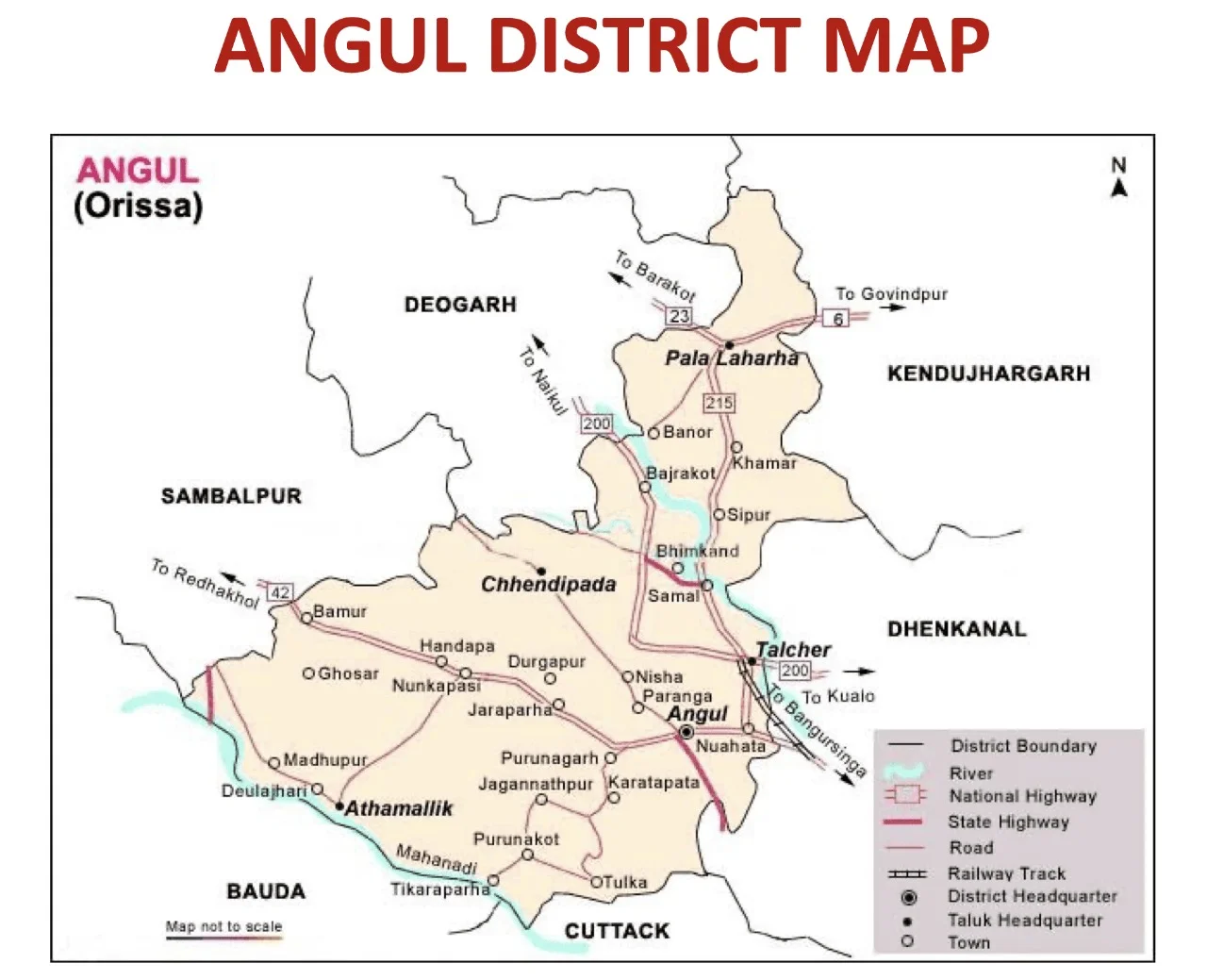
- 05:30 PM: Depart along National Highway 55 toward Bhubaneswar, or extend your journey into western Odisha using our Angul district travel guide.
Travel Logistics: How to Reach and Visitor Essentials
Planning a trip to Dhenkanal is straightforward due to direct road and rail connections linking the district to major metropolitan centers in eastern India.
- By Air: Biju Patnaik International Airport (BBI) in Bhubaneswar sits roughly 75 km away and offers direct commercial flights to major Indian cities.
- By Train: Dhenkanal Railway Station (DNKL) operates on the Cuttack-Sambalpur rail corridor, served by regular superfast trains including the Tapaswini Express and Rajyarani Express.
- By Road: National Highway 55 provides direct four-lane connectivity between Cuttack (60 km), Bhubaneswar (75 km), and Angul (60 km). State transport buses and private taxis operate round the clock.
- Best Season: October through March offers comfortable temperatures ranging between 18°C and 28°C, coinciding with major regional cultural festivals.
Frequently Asked Questions About Dhenkanal Tourism
What is the most famous tourist attraction to visit in Dhenkanal?
Kapilash Temple is the most famous tourist landmark in Dhenkanal, standing at an elevation of 457 meters with 1,352 stone steps leading to the medieval shrine of Lord Chandrasekhar. Visitors can also explore the Mahima Dharma headquarters at Joranda, Saptasajya Hills, and the serpentine Sapua Dam.
How do travelers reach Kapilash Temple from Dhenkanal town?
Kapilash Temple sits approximately 26 kilometers northeast of Dhenkanal town along well-maintained district roads. Visitors can ascend to the hilltop shrine by climbing the historic 1,352 stone steps or by driving up the 5-kilometer paved ghat road.
What is the historical significance of the Joranda Mahima Peetha?
Joranda functions as the global administrative and spiritual center of Mahima Dharma, an indigenous monotheistic movement established during the nineteenth century. The sanctuary features the famous Sunya Mandira dedicated to the formless Alekh Brahma and hosts the annual Magha Mela congregation.
What makes the Dhenkanal Bara a unique regional food specialty?
The Dhenkanal Bara is made from seasoned black gram batter mixed with fine semolina, fried until exceptionally crisp on the outside while maintaining a soft interior. First popularized in 1928, it is traditionally served with spicy yellow pea curry (Matar Ghuguni) across local street stalls.
Is Dhenkanal suitable for a weekend trip from Bhubaneswar?
Yes, Dhenkanal is located just 75 kilometers from Bhubaneswar along National Highway 55, making it an ideal weekend getaway accessible within a two-hour drive. A two-day itinerary allows travelers to visit Kapilash Temple, Sadeibareni Dokra village, Saptasajya, and Sapua Dam comfortably.
Conclusion: Exploring Central Odisha
Dhenkanal district encapsulates the historic depth, spiritual introspection, and geographic variety that make central Odisha so captivating. From the sacred stone steps of Kapilash to the peaceful monotheistic hermitages of Joranda, each corner of this district rewards respectful exploration.
Travelers seeking a deeper appreciation of the state heritage should combine their visit with other highlights found across our guide to the 20 must-visit tourist places in Odisha. Whether discovering ancient lost-wax metalcraft or savoring freshly fried baras in town markets, Dhenkanal leaves an indelible impression on all who journey through its hills.