Featured image for Sarafgarh Nature Camp Sundargarh: Travel Guide
Adventure · · 27 min read

Sarafgarh Nature Camp Sundargarh: Travel Guide

Visit Sarafgarh Nature Camp with booking tips, boating details, wildlife highlights, and the best time to go in Sundargarh.

Nature CampsOdisha TourismPlaces to visitSarafgarh Nature CampSundargarh

The first time I saw the sun setting over the Sarafgarh Reservoir, I realized that some of the most beautiful places in Odisha are those we rarely hear about in mainstream travel guides. There’s a particular kind of silence there—one that isn’t just the absence of noise, but a presence of nature that wraps around you. Tucked away along the banks of the Sarafgarh Dam, the Sarafgarh Nature Camp is more than just a weekend getaway; it’s a doorway into the wild, untamed heart of Sundargarh.

Spanning over 7 acres of lush, picturesque greenery, this eco-village and nature camp in Badhunjharia has become a personal favorite for those who crave tranquility. Located in the Lephripara block, about 40 km from the district headquarters of Sundargarh, it offers a perfect blend of adventure and serenity that’s hard to find elsewhere.

Sarafgarh Nature Camp

Birdwatchers waiting for that perfect shot and families looking to disconnect from the digital world will find that Sarafgarh resonates with them in different ways. Below, I’ve shared everything I’ve learned about planning a trip to Sarafgarh Nature Camp in 2026, from picking the best cottages to finding those hidden trails that only locals seem to know about.

Consider reading: 20 Must-Visit Best Tourist Places in Odisha

The Geographical and Historical Context of Sundargarh

To truly appreciate Sarafgarh, one must understand the land it sits upon. Sundargarh, literally translating to “Beautiful Fort,” is a district that serves as the industrial powerhouse of Odisha, yet it manages to keep its natural treasures hidden in plain sight. Geographically, the district is a high plateau characterized by undulating hills and deep valleys, formed by the tributaries of the Brahmani and Mahanadi rivers.

Historically, this region was part of the princely states of Gangpur and Bonai. These states were known for their fierce independence and their deep connection to the land. When you walk through the forests of Sarafgarh, you are walking through a landscape that has witnessed centuries of tribal history, from the early settlements of the Austro-Asiatic speaking tribes to the later influence of the Maratha and British periods.

The Sarafgarh region itself is part of the Chota Nagpur Plateau’s extension into Odisha. This geological formation is responsible for the rich mineral wealth of the district (which hosts the Rourkela Steel Plant), but it is also the reason for the dense forest cover. The soil here is primarily red and lateritic, which supports the growth of massive Sal and Teak forests that act as the green lungs of the state.

The Heart of the Forest: Flora and Fauna of Sarafgarh

The Sarafgarh Nature Camp is situated within a vibrant ecosystem that is part of the Sundargarh Forest Division. The vegetation here is classified as Northern Tropical Dry Deciduous Forest. This means that as the seasons change, the forest undergoes a dramatic transformation.

The Majestic Sal and Teak Forests

The dominant tree species here is the Sal (Shorea robusta). To the local tribes, the Sal tree is sacred; it provides timber, resin (known as jhuna used in rituals), and seeds that are used to extract oil. Walking through a Sal forest is a sensory experience—the tall, straight trunks create a natural cathedral, and the rustle of their large, leathery leaves underfoot is the soundtrack of Sarafgarh.

Interspersed with the Sal are massive Teak (Tectona grandis) trees, known for their high-quality wood. You’ll also find:

  • Mahua (Madhuca longifolia): A tree central to tribal life. Its flowers are used to make traditional beverages, and its seeds provide oil. If you visit in March, the sweet, intoxicating scent of Mahua flowers fills the air.
  • Kendu (Diospyros melanoxylon): Its leaves are a major source of revenue for the state and local communities.
  • Medicinal Plants: The local guides can point out various herbs like Amla, Harida, and Bahada, which have been used in traditional Ayurvedic and tribal medicine for generations.

Wildlife: The Silent Residents

The biodiversity of Sarafgarh is part of what makes it a premier destination for eco-tourism in Odisha. While the reservoir is the focal point, the surrounding hills are a sanctuary for a variety of mammals.

The Leopard (Panthera pardus) is the top predator here. While they are incredibly elusive, their presence is felt through the occasional alarm call of a Langur or a Spotted Deer. The Sloth Bear is another resident, often seen near the Mahua trees when the flowers are in bloom.

For the patient observer, Sarafgarh offers sightings of:

  • Four-horned Antelope (Chousingha): A rare and shy animal that prefers the hilly terrain.
  • Indian Pangolin: Though rarely seen due to their nocturnal habits, they are part of the complex food web here.
  • Jungle Cats and Civets: Frequently spotted during evening drives or near the camp periphery.

The Vibrant Tribal Culture of Sundargarh

A visit to Sarafgarh is incomplete without acknowledging the people who have been the guardians of these forests for millennia. Sundargarh is home to several major tribal groups, primarily the Oram, Kisan, and Munda tribes.

The Oram Tribe

The Oram (or Oraon) are known for their rich oral traditions and their deep knowledge of agriculture. Their dances, like the Karma dance, are a celebration of nature and the harvest. When you see the local villagers performing at the nature camp, you are witnessing an art form that has remained unchanged for centuries.

The Kisan Tribe

The Kisan, as their name suggests, are traditional agriculturists. Their connection to the land is spiritual. They have a deep understanding of the forest’s cycles and are often the best guides for anyone looking to understand the local flora.

The Munda Tribe

The Munda people have a legendary history of resistance and pride. Their social structure is fascinating, with a strong emphasis on community and the worship of ancestral spirits in sacred groves called Sarnas.

During your stay at Sarafgarh, you might notice small shrines or decorated stones near the villages. These are part of the local belief systems that emphasize the divinity in every aspect of nature—be it a tree, a stone, or a stream. This philosophy is at the core of why Sarafgarh remains so pristine.

The Historical Tapestry of Sundargarh: Gangpur and Bonai

To understand Sarafgarh, one must delve into the history of the two princely states that once defined this region: Gangpur and Bonai. Before they were merged to form the Sundargarh district in 1948, these states were bastions of tribal culture and feudal resilience.

The Princely State of Gangpur

The Sarafgarh Nature Camp lies within the former territories of Gangpur. The Rajas of Gangpur were known for their administration and their patronage of local traditions. The state was a melting pot where the tribal populations lived in harmony with the ruling families. One of the most significant events in the history of Gangpur was the Paik Rebellion influence, where the warrior class of Odisha showed their resistance against colonial encroachment.

The landscape around Sarafgarh is dotted with small ruins and historical markers that hint at this royal past. The local legends often speak of the “Hunting Lodges” of the Rajas, which were the precursors to today’s nature camps. The Rajas understood the importance of these forests for both sport and sustenance, establishing some of the earliest forest conservation rules in the region.

The Princely State of Bonai

While Sarafgarh is in the Gangpur region, the neighboring Bonai state (famous for the Khandadhar falls) added another layer to the district’s history. Bonai was known for its dense, impenetrable forests and its fierce tribal warriors. The interaction between these two states led to a rich exchange of cultural practices, especially in the realms of folk music and dance.

When you sit around the campfire at Sarafgarh today, the songs you hear often carry echoes of this royal and tribal history. They are songs of the harvest, songs of the hunt, and songs that tell the stories of the kings and queens who once ruled these vast green estates.

A Detailed Birdwatcher’s Guide to Sarafgarh

For those who visit with binoculars in hand, Sarafgarh is nothing short of a sanctuary. The reservoir and the surrounding deciduous forest create a unique interface that supports both aquatic and terrestrial birds. Here are some of the species you can expect to encounter:

  1. Grey Hornbill (Ocyceros birostris): This is the sentinel of the Sarafgarh canopy. Known for its loud, cackling calls, the Grey Hornbill is a fascinating bird to watch. Its unique habit of “sealing” the female inside a tree cavity during nesting is a story your local guide will love to tell.
  2. Indian Pitta (Pitta brachyura): Often called the “Navrang” (nine colors) bird, the Indian Pitta is a summer visitor. Look for it on the forest floor, where it hops around searching for insects. Its vibrant plumage is a highlight for any photographer.
  3. Scarlet Minivet (Pericrocotus flammeus): These birds look like bright embers floating through the green leaves. The males are a stunning scarlet, while the females are a bright yellow. They are usually found in the higher canopy of the Sal trees.
  4. Osprey (Pandion haliaetus): A magnificent bird of prey often seen hovering over the Sarafgarh Reservoir. Watching an Osprey dive into the water and emerge with a fish in its talons is a sight that defines the wildness of Sarafgarh.
  5. Crested Serpent Eagle (Spilornis cheela): A common raptor in the Sundargarh forest. Its distinctive high-pitched whistle is often heard before the bird is seen circling high above the hills.
  6. Oriental Magpie-Robin: Known for its melodious song, this bird is frequently spotted near the camp cottages. It’s a bold bird that often approaches human settlements.
  7. Lesser Whistling Duck: Thousands of these ducks descend upon the reservoir during the winter months. Their constant whistling creates a lively atmosphere on the water.
  8. Red-wattled Lapwing: “Did-you-do-it?”—their iconic call is a constant companion on the nature trails. They are often found near the edges of the reservoir.
  9. Indian Roller (Blue Jay): The state bird of Odisha. Its brilliant blue wings are most visible during flight. It is considered an auspicious bird in local culture.
  10. Plum-headed Parakeet: More colorful than the common Rose-ringed Parakeet, these are often seen in noisy groups near the fruit-bearing trees.

The Foresters’ Library: A Guide to the Trees of Sarafgarh

The Sarafgarh Nature Camp is an open-air library of tropical botany. The forest here is not just a collection of trees; it is a vital resource that provides food, medicine, and shelter to the local communities.

  1. Sal (Shorea robusta): The king of the Odisha forest. Sal wood is incredibly durable and resistant to termites. Its leaves are used to make traditional plates (khali), and its resin is used as incense.
  2. Teak (Tectona grandis): Prized for its timber, Teak trees at Sarafgarh are massive and ancient. The oil in the wood makes it weather-resistant, which is why it’s used for the camp’s furniture.
  3. Mahua (Madhuca longifolia): The “Tree of Life” for the Oram and Munda tribes. The flowers are rich in sugar and are used to make traditional wine and sweets. The seeds are pressed to extract “Mahua Butter,” used for cooking and lighting.
  4. Palas (Butea monosperma): Also known as the “Flame of the Forest.” In February and March, these trees erupt in bright orange flowers, making the hills around Sarafgarh look like they are on fire.
  5. Kendu (Diospyros melanoxylon): Its leaves are used to roll bidis, providing a major source of seasonal employment for the local tribal women.
  6. Simal (Bombax ceiba): The Silk Cotton tree. It has massive, thorny trunks and produces large red flowers. The “cotton” from its pods is used to stuff pillows and mattresses.
  7. Bahada (Terminalia bellirica): One of the three ingredients of the famous Ayurvedic formulation Triphala. Its fruit is used to treat various respiratory and digestive ailments.
  8. Harida (Terminalia chebula): Another part of Triphala, known as the “King of Medicines” in traditional healing.
  9. Amla (Phyllanthus emblica): Rich in Vitamin C, these trees are scattered throughout the camp area. The local people often dry the fruit for year-round use.
  10. Bamboo (Dendrocalamus strictus): Found in the valleys near the reservoir. Bamboo is the “poor man’s timber” and is used for everything from building houses to making baskets.

Regional Odia Cuisine and Traditional Recipes

Dining at Sarafgarh is an opportunity to taste the authentic flavors of Western Odisha. The food here is characterized by the use of local forest produce and a unique blend of spices.

The Iconic Odia Dalma

No meal at Sarafgarh is complete without Dalma. Unlike the version found in coastal Odisha, the Sundargarh Dalma often includes seasonal forest tubers and a generous amount of roasted cumin and chili powder.

  • Recipe Tip: Use Arhar dal and add vegetables like raw papaya, pumpkin, and brinjal. The secret is the “Phutana” (tempering) with panch phutana and whole red chilies in ghee.

Desi Chicken (Jungle Style)

The chicken served at the camp is usually free-range “Desi” chicken. It is leaner and much more flavorful than broiler chicken.

  • Preparation: The chicken is marinated in ginger-garlic paste, turmeric, and a special blend of local garam masala. It is then slow-cooked over a wood fire until the meat is tender and has absorbed the smoky aroma of the forest.

Chhena Poda (The Cheese Dessert)

If you’re visiting during a festival or a special occasion, you might be treated to Chhena Poda. It’s made by kneading fresh cottage cheese with sugar and cardamom and then baking it in a container lined with Sal leaves until the top turns a caramel brown.

Pakhala: The Probiotic Wonder

During the hot summer months (April-June), the staff serves Pakhala (fermented rice). It’s incredibly cooling and is served with a variety of side dishes like Badi Chura (crushed sun-dried lentil dumplings) and Saga Bhaja (fried leafy greens).

Deep Dive: Ushakothi Rock Art and Its Meaning

The Ushakothi caves near Sarafgarh are a portal to the Mesolithic and Neolithic eras. These rock shelters were not just homes but canvases for our ancestors.

Understanding the Symbols

The paintings are predominantly in red hematite and white lime. They depict:

  • Hunting Scenes: Groups of humans chasing deer or bison, signifying the importance of the hunt for survival.
  • Geometric Patterns: Circles, triangles, and grids that historians believe might have been early calendars or symbols of territorial marking.
  • Hand Prints: Simple but powerful marks of human presence that bridge the gap of ten thousand years.

The archaeological significance of Ushakothi lies in the fact that it shows a continuous human occupation. These caves are part of a larger network of rock art sites that stretch across the Sundargarh and Jharsuguda districts, including the famous Vikramkhol inscriptions.

Eco-Tourism Ethics and Forest Conservation

As a visitor to Sarafgarh, you are a guest in a fragile ecosystem. Practicing ethical tourism is not just a suggestion; it’s a responsibility.

The “Leave No Trace” Philosophy

  • Waste Management: Sarafgarh is a plastic-free zone. Ensure that any waste you generate is disposed of in the designated bins. Better yet, take your non-biodegradable waste back to the city where it can be properly recycled.
  • Respecting Wildlife: Avoid wearing bright colors or using strong perfumes, as these can disturb the animals. When on a nature trail, maintain silence. The forest speaks to those who listen.
  • Supporting the Local Economy: Instead of bringing all your supplies from the city, try to buy local handicrafts or snacks from the village shops. This ensures that the benefits of tourism are shared equitably.

The Role of the PTEG

The Primary Trekking and Eco-tourism Group (PTEG) at Sarafgarh is a model for community-led conservation. By providing local youth with jobs as guides and boatmen, the Forest Department has successfully turned potential poachers into passionate protectors of the forest. When you interact with your guide, ask them about their village and their connection to the forest—you’ll be surprised by the depth of their knowledge and their love for the land.

The Geology of the Chota Nagpur Plateau in Odisha

The rugged beauty of Sarafgarh is a result of millions of years of geological evolution. This region is part of the Indian Shield, one of the oldest parts of the Earth’s crust.

The hills you see are primarily composed of Quartzite and Schist, which are resistant to erosion. The red soil (Laterite) is formed by the leaching of minerals over eons, resulting in a ground that is rich in iron and aluminum but poor in nutrients—yet, it supports the resilient Sal forest.

The reservoir itself sits in a natural basin that was once a valley between two parallel hill ranges. By building the dam at a narrow point, engineers were able to create a massive water body with minimal structural work, working in harmony with the existing geography.

Sarafgarh Nature Camp vs. Other Nature Camps: A Detailed Comparison

FeatureSarafgarh Nature CampSatkosia Sands ResortSimilipal Nature Camp
Primary AttractionReservoir & BirdingRiver Gorge & CrocodilesWaterfalls & Tigers
VibeQuiet, ExclusivityAdventurous, RiverineDeep Wilderness
Crowd LevelVery LowModerate to HighModerate
Best ForCouples, BirdersFamilies, Adventure seekersTrekkers, Wildlife photographers
AccessibilityEasy (from Jharsuguda)Moderate (from Angul)Challenging (from Baripada)

While Similipal offers a “National Park” experience, Sarafgarh offers an “Eco-Village” experience. It’s the difference between visiting a massive museum and visiting a local artist’s studio. Both are valuable, but they serve different purposes for the traveler.

Why Sarafgarh Nature Camp is a Must-Visit in 2026

Odisha’s eco-tourism has seen a massive boost recently, and Sarafgarh is a shining example of how conservation and tourism can go hand in hand. The camp is managed by the local community in collaboration with the Forest Department, ensuring that your stay directly supports the people who call this forest their home.

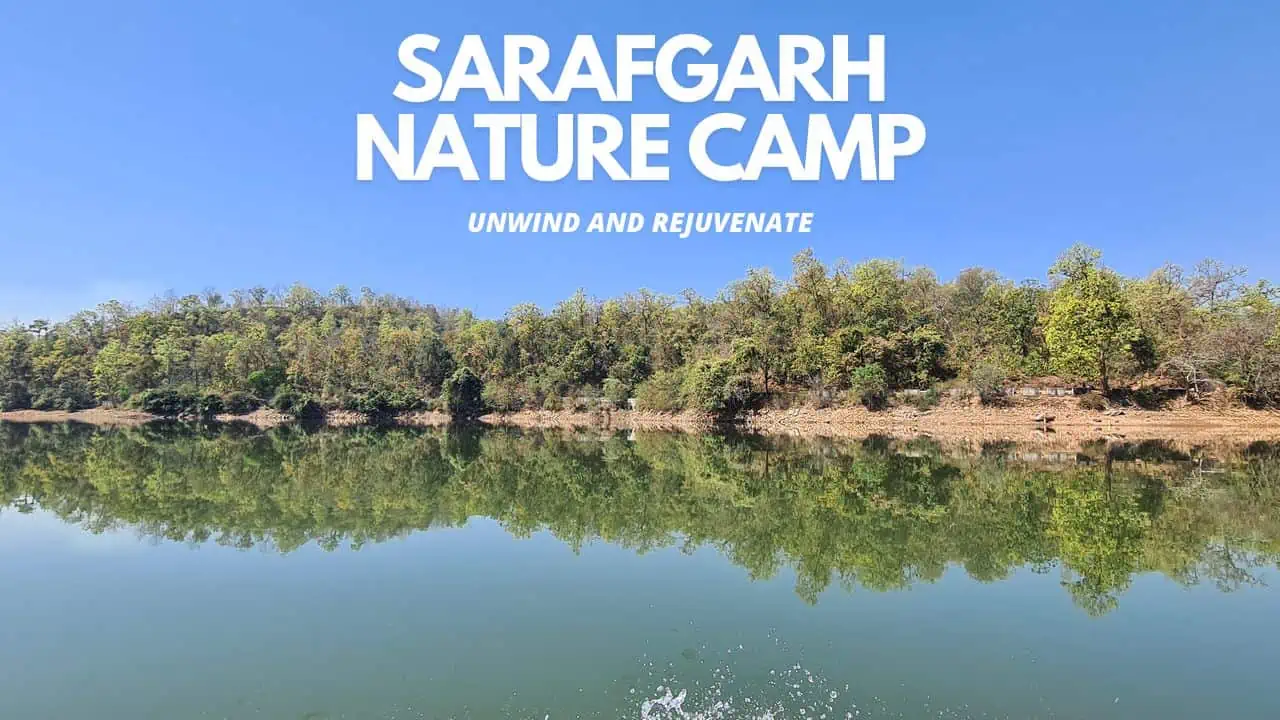
The primary draw here is the Sarafgarh Reservoir. Created by the damming of a local tributary, the reservoir is a massive body of water that changes its character with the seasons. In the monsoon, it’s a roaring, powerful force; in winter, it’s a mirror reflecting the clear blue skies of Sundargarh.

One of the things I love most about Sarafgarh is the variety of accommodation. You can choose between A/C Swiss Cotton Tents for a more “rugged” (yet comfortable) feel, or the sturdy A/C Cottages that offer a bit more protection from the elements. Both options provide a front-row seat to the reservoir’s beauty.

Exploring the Sarafgarh Dam and Reservoir

The Sarafgarh Dam is not just an engineering marvel but the soul of this entire region. Built primarily for irrigation purposes, it has inadvertently created a flourishing ecosystem that attracts both wildlife and tourists. Walking along the embankment of the dam at dawn is an experience I highly recommend. The mist rising from the water, the distant calls of jungle fowl, and the cool breeze—it’s the perfect way to start your day.

Sarafgarh Dam

The Architecture and History of the Dam

The dam was constructed decades ago to support the agricultural needs of the Lephripara block. Over time, the area surrounding the reservoir was developed into a forest park and later into the nature camp we see today. The forest department has done an incredible job of planting local species, which has helped in restoring the green cover that was lost during the construction years.

Today, the dam serves as a vital water source for the nearby villages and a sanctuary for migratory birds. If you’re interested in the technical side, you can see the spillways and the irrigation canals that snake through the nearby fields, turning the landscape into a patchwork of emerald green during the paddy season.

Boating and Water Activities

Boating on the Sarafgarh Reservoir is perhaps the most popular activity here. There’s a floating jetty that makes getting in and out of the boats quite easy. I remember taking a 7-seater boat out into the middle of the reservoir. As we drifted further from the shore, the sounds of the camp faded, replaced by the rhythmic splashing of the water against the hull.

Sarafgarh Nature Camp boating

The boating charges are quite reasonable (around ₹700 for a 7-seater boat), and it’s worth every penny. If you’re lucky, you might spot some wildlife coming down to the water’s edge for a drink during the early morning or late afternoon hours.

For those planning a broader trip, you might also want to check out the Hirakud Dam in Sambalpur, which is a few hours’ drive from here and offers a different but equally majestic experience.

Activities at Sarafgarh Nature Camp

There’s never a dull moment at Sarafgarh unless you choose to have one (and honestly, sitting in a hammock with a book is a perfectly valid activity here). The camp staff is very proactive in organizing activities for guests.

Forest Trekking and Nature Trails

The camp offers guided nature trails that take you deep into the surrounding Sal and Teak forests. These aren’t strenuous hikes but rather informative walks where the guides (who are often from the local villages) share their knowledge about medicinal plants, local folklore, and animal tracking.

One of the trails leads to the Masabira Picnic Area. It’s a bit of a walk, but the view of the reservoir from there is breathtaking. The forest air is so clean and crisp; you’ll feel the city stress melting away with every step.

Star Gazing and Night Life

In 2026, with light pollution increasing everywhere, Sarafgarh remains one of the few places where you can see the Milky Way with the naked eye. After dinner, the camp lights are often dimmed, and the sky opens up. If you have a telescope or even a good pair of binoculars, you’re in for a treat.

Cultural Evenings and Folk Dances

To give you a taste of the local culture, the camp often organizes folk dance performances by the local tribal communities. The rhythmic beat of the Mandala (drum) and the synchronized movements of the dancers are hypnotic. It’s a great way to understand the traditions of the Sundargarh district.

For more cultural immersion, you might enjoy witnessing the diverse tribal heritage of the entire state at the various festivals organized by the government.

Photography Tips for Sarafgarh: Capturing the Essence

If you’re a photography enthusiast, Sarafgarh is a canvas that keeps on giving. However, capturing the true essence of a forest and a reservoir requires some planning.

1. The Golden Hour at the Reservoir

The best shots of the Sarafgarh Reservoir are taken during the “Golden Hour”—the hour just after sunrise and just before sunset. The light is soft, warm, and creates long, dramatic shadows. If you’re on a boat, use a wide-angle lens to capture the vastness of the water and the surrounding hills. A circular polarizer can help reduce glare from the water and make the blues of the sky pop.

2. Macro Photography in the Sal Forest

Don’t just look at the big picture. The forest floor is teeming with life. From the intricate patterns on a Sal leaf to the vibrant colors of forest fungi and insects, macro photography can reveal a world that most travelers miss.

3. Wildlife Photography

For birding, a telephoto lens (at least 300mm or more) is essential. The birds at Sarafgarh can be shy, so you’ll need the reach. Patience is your best friend here. Find a quiet spot near the water’s edge, stay still, and wait for the birds to come to you.

Sarafgarh Nature Camp Price and Booking (2026 Update)

Booking your stay at Sarafgarh is fairly straightforward as it is part of the Eco Tour Odisha network.

Sarafgarh Nature Camp stay

Accommodation Options

PropertyRoom TypeNumber of RoomsApprox. Total Tariff (INR)
SarafgarhDouble Bedded A/C Swiss Tent43,100 - 3,500
SarafgarhDouble Bedded A/C Cottage43,100 - 3,500

Note: The tariff usually includes breakfast, lunch, tea/snacks, and dinner for two people. Prices may vary slightly based on the season and government regulations.

Sarafgarh Nature Camp Tents

Booking Tips

  1. Book in Advance: I recommend booking at least 30-45 days in advance if you plan to visit between November and February.
  2. Choose the Right Room: If you want a more “outdoor” feel, go for the tents. If you prefer a solid structure, the cottages are better.
  3. Check for Packages: Sometimes, Odisha Tourism offers circuit packages that include Sarafgarh along with other nearby destinations.

Local Food and the Dining Experience

One of the highlights of staying at an eco-camp in Odisha is the food. At Sarafgarh, you won’t find a fancy multi-cuisine menu, but you will find soul-satisfying, home-cooked Odia meals.

What to Try

  • Desi Chicken Curry: Cooked with local spices over a wood fire, it has an incredible smoky flavor.
  • Pakhala Bhata: If you’re visiting in the summer, nothing beats a bowl of fermented rice with fried fish or greens.
  • Chhena Poda: If you’re lucky, the staff might arrange for this iconic Odia sweet from a nearby town.

For a deeper dive into the flavors of our state, check out my post on 10 Famous Odisha Foods You Must Try.

A Detailed 2-Day Itinerary for Sarafgarh

Day 1: Arrival and Immersion

  • 12:00 PM: Arrive at Sarafgarh Nature Camp, check-in, and freshen up.
  • 01:30 PM: Enjoy a traditional Odia lunch at the dining hall.
  • 03:30 PM: Head to the jetty for a sunset boating session.
  • 07:00 PM: Wildlife film show or a campfire session.
  • 08:30 PM: Dinner and some star gazing before heading to bed.

Day 2: Exploration and Departure

  • 06:00 AM: Early morning nature trail with a guide. This is the best time for birding.
  • 08:30 AM: Breakfast at the camp.
  • 10:00 AM: Visit the Sarafgarh Dam and take a walk along the embankment.
  • 11:30 AM: Check-out and head towards nearby attractions like Bhedibahal Waterfall.
  • 01:00 PM: Lunch at a local eatery in Sundargarh on the way back.

How to Reach Sarafgarh Nature Camp

Detailed Routes

  • From Bhubaneswar: It’s an 8-9 hour drive (400 km). Take NH55 to Sambalpur, then head north towards Sundargarh. The stretch from Sambalpur to Sundargarh offers beautiful views of the plateau.
  • From Rourkela: About 140 km. Drive via Rajgangpur to Sundargarh. In winter, the yellow mustard fields along this route are stunning.
  • From Jharsuguda: The easiest access. A 1.5-hour drive (60-70 km).

Transport Options

  • Train: Nearest major station is Jharsuguda, well-connected to all major Indian cities.
  • Air: Veer Surendra Sai Airport in Jharsuguda is the closest (60 km), with flights from major hubs.

For those coming from the capital, you might want to read about the best tourist places in Bhubaneswar before you start your journey.

Best Time to Visit: A Seasonal Guide

SeasonMonthsWhat to Expect
WinterOctober - MarchBest Time. Pleasant weather, migratory birds, and clear skies.
SummerApril - JuneHot days, but good for spotting wildlife at the water’s edge.
MonsoonJuly - SeptemberLush greenery and roaring waterfalls, though some activities may be restricted.

Places to Visit Near Sarafgarh

1. Bhedibahal Waterfall

Located just 12 km from the camp, this secluded waterfall is surrounded by dense forest—perfect for a quiet picnic.

2. Ushakothi Caves

About 40 km away, these caves house prehistoric rock paintings that offer a fascinating glimpse into ancient human life in Odisha. For more historical context, you can explore the detailed records of the Sundargarh district history.

3. Koili Ghughar Waterfall and Temple

Around 60 km away, this spot features a waterfall dropping into a pool with a submerged Shivalinga. It’s one of the most spiritual sites in the region.

4. Khandadhar Waterfalls (Sundargarh)

About 150 km away, these are among the highest waterfalls in Odisha. You can also stay at the Khandadhar Nature Camp.

Exploring Nearby Districts: Jharsuguda and Sambalpur

Sarafgarh serves as a great base to explore the neighboring cultural and industrial hubs.

Jharsuguda: The Rock Art and Waterfalls

Apart from Koili Ghughar, don’t miss the ancient rock inscriptions at Vikramkhol, which are significant for their historical value.

Sambalpur: The Spiritual Heart

Visit the Maa Samaleswari Temple and the Hirakud Dam. Also, don’t forget to pick up some local handloom fabrics. More details in our guide on Maa Samaleswari Temple.

Sarafgarh vs. Other Nature Camps in Odisha

  • Sarafgarh: Offers exclusivity (only 8 rooms) and a peaceful reservoir experience.
  • Satkosia: More about river gorges and crocodiles.
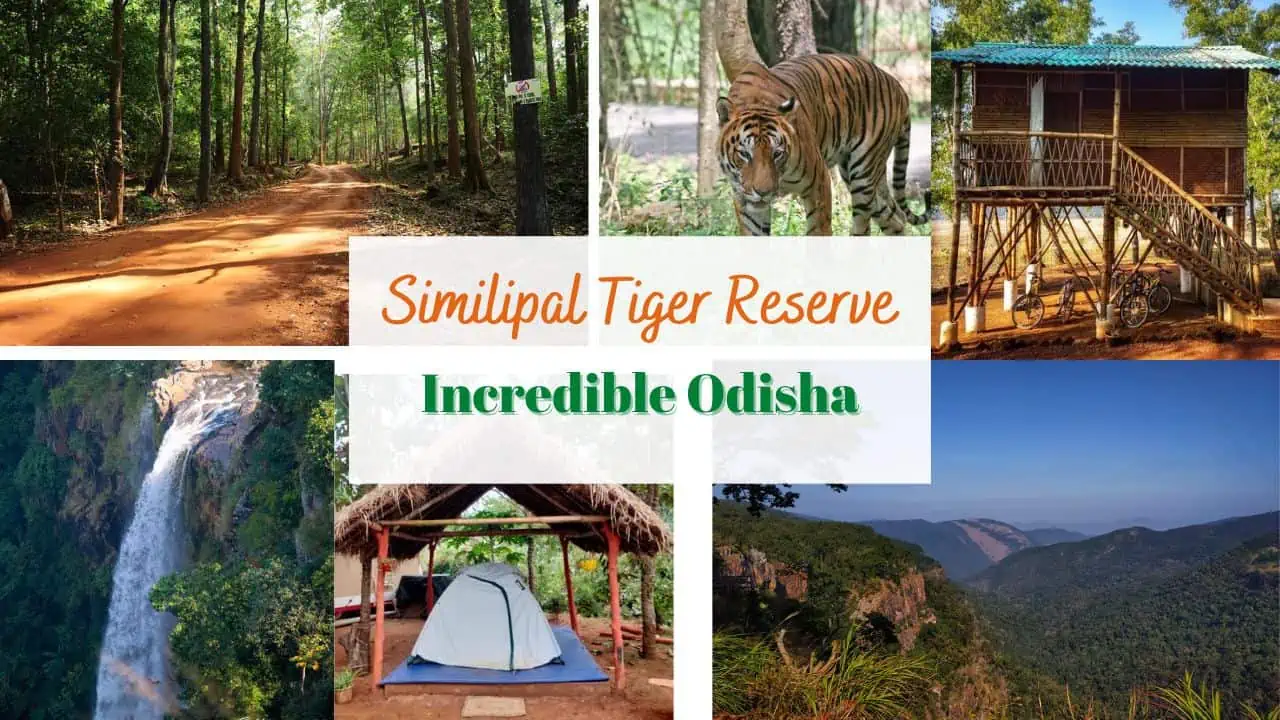
  • Similipal: Vast wilderness with a focus on waterfalls and tiger conservation.

Sustainable Tourism and Local Community Impact

Managed under the Community-based Eco-tourism (CBET) model, Sarafgarh ensures that the local tribal communities (Oram, Kisan, Munda) benefit directly. Your stay supports village development and forest conservation, making it a responsible travel choice.

The Sensory Experience: What Sarafgarh Feels Like

  • Sight: Morning mist on the reservoir and the golden sunset.
  • Sound: The call of the Grey Hornbill and the absolute silence of the forest at night.
  • Smell: The sweet scent of Mahua flowers and wood-fired cooking.
  • Taste: The tangy, fresh flavors of traditional Odia dalma and curries.

Packing Essentials

  1. Clothing: Cottons for day, heavy woolens for winter nights.
  2. Footwear: Sturdy shoes for nature trails.
  3. Electronics: Power bank and a good camera with a zoom lens.
  4. Care: Insect repellent and basic first-aid.

Pro-Tips for Your Sarafgarh Trip

  1. Carry Binoculars: Essential for the incredible birdlife.
  2. No Plastic: Please keep the forest pristine and avoid single-use plastics.
  3. Cash: Keep some cash for small purchases in local villages.
  4. Digital Detox: Mobile connectivity is limited, so prepare to disconnect.

FAQs on Sarafgarh Nature Camp

Is Sarafgarh Nature Camp safe for solo travelers?

Yes, it is very safe, with 24/7 security and a helpful staff from local villages. For official queries, you can also refer to the Sundargarh District website.

Are pets allowed?

Generally, no, as they can disturb the local wildlife.

What about non-vegetarian food?

Yes, you can request fresh chicken or fish dishes in advance.

Is there a swimming pool?

No, the camp focuses on natural water experiences, but swimming in the reservoir is not advised.

Can I book for a large group?

Yes, you can book all 8 rooms for private events through the official website.

Final Thoughts: A Journey to Remember

Sarafgarh Nature Camp is a testament to the beauty of Odisha’s hinterlands. It’s a place where the dam doesn’t just store water, but memories. Whether you’re seeking a quiet retreat or an adventure in the wild, the heart of Sundargarh is ready to welcome you in 2026.

Dhanyabad (Thank you), and Happy Traveling!

Consider reading: Full List of Waterfalls in Odisha and 20 Must-Visit Best Tourist Places in Odisha.

Found this helpful? Share it with others.

Rajesh Kumar avatar

Rajesh Kumar

Travel Writer & Odisha Explorer
10+ years experience

Documenting Odisha’s districts, culture, festivals, heritage sites, and practical local information to help travelers and residents alike.

Odisha Tourism Culture Heritage Nature Local Guides