Featured image for Sapua Dam Dhenkanal 2026: Travel Guide and Picnic Tips
Nature · · 21 min read

Sapua Dam Dhenkanal 2026: Travel Guide and Picnic Tips

Plan your Sapua Dam visit in 2026 with route details, picnic tips, boating highlights, and the story behind Dhenkanal's snake-shaped dam.

Sapua DamDhenkanal TourismBest Picnic Spots in OdishaSnake Dam Odisha

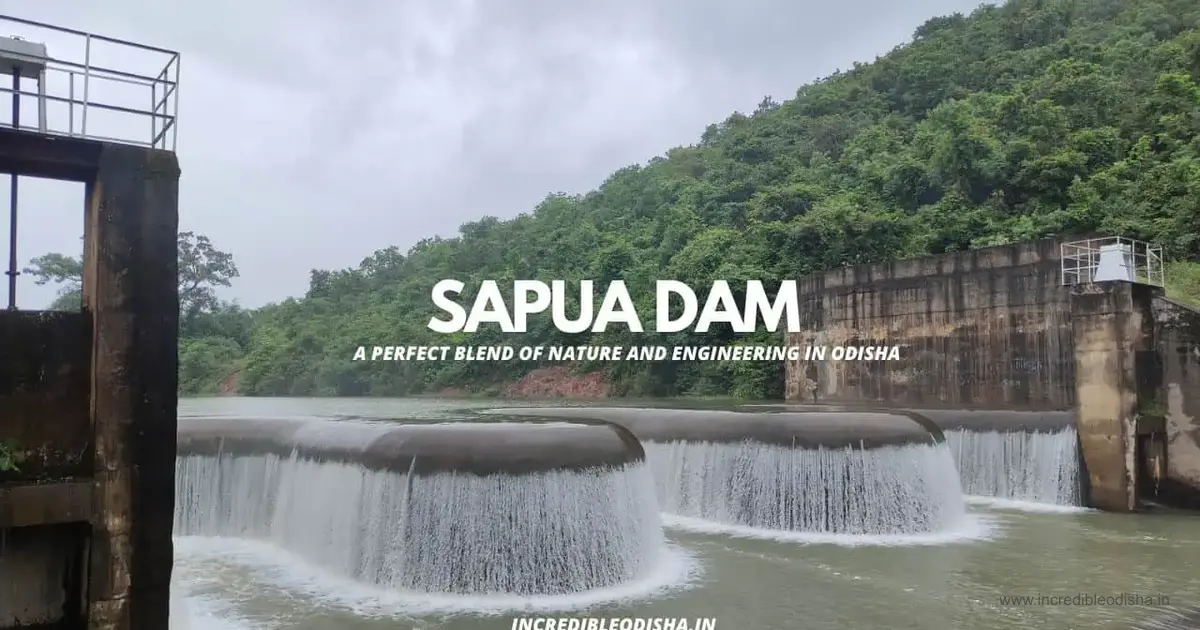
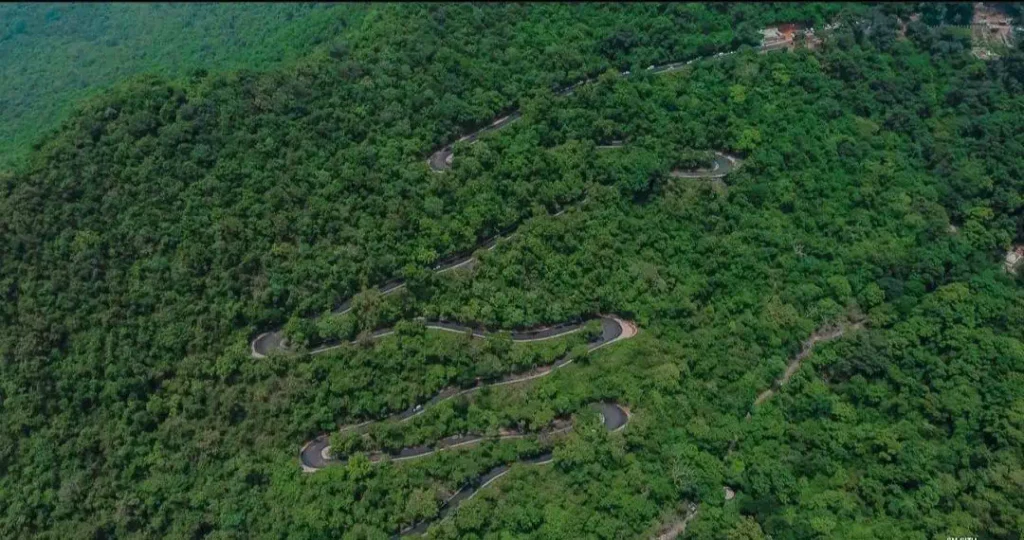
The first time I saw a drone shot of Sapua Dam, I couldn’t believe it was in Odisha. Nestled amidst the dense green canopy of the Hindol Forest Range, the dam looks like a giant concrete serpent lazily winding its way through the hills. It is not just another irrigation project; it is a masterpiece where engineering accidentally met aesthetics. Locally known as the “Snake Dam,” this hidden gem in the Dhenkanal district has quickly become one of the most Instagrammable spots in Eastern India.

If you’re tired of the usual weekend crowds at Puri or Konark, let me tell you—Sapua Dam is the breath of fresh air you’ve been looking for. There’s something deeply humbling about standing on the serpentine bridge at dawn, watching the mist rise from the Sapua River while the sounds of the forest wake up around you. In this guide, I’m going to share everything you need to know about planning a trip here in 2026, from the secret picnic pindis to the legendary local food you simply cannot miss.

The Origin Story: Why is it Called Sapua Dam?

The name “Sapua” isn’t just a random label. In the local Odia language, “Sapua” translates to “pertaining to a snake.” While many believe the name comes from the abundance of snakes in the surrounding Hindol forest (which is partly true), the real reason tourists flock here is the dam’s physical structure.

Unlike traditional straight-line dams, the Sapua Dam features a distinct serpentine curvature. When viewed from above or even from the approach road, the bridge and the embankment mimic the graceful bends of a moving cobra. It was constructed as a medium irrigation project by the Odisha Water Resources Department. The project was conceptualized in the early 90s, with construction officially beginning in 1993 and finally reaching completion in 2006.

Built across the Sapua River—a vital tributary of the mighty Mahanadi—the dam was originally intended to quench the thirst of the parched agricultural lands in the Hindol block. However, as the waters filled the reservoir and the lush forests of Dhenkanal reclaimed the edges, it transformed into a sanctuary for nature lovers and weary city dwellers.

The Serpentine Masterpiece: Engineering Meets Nature

What makes the architecture of Sapua Dam so special? Most dams are functional, brutalist structures of concrete and steel. But Sapua feels organic. The dam stands at a height of approximately 26.75 meters (88 feet) and stretches for about 1,290 meters.

Serpentine curvature of Sapua Dam Dhenkanal The breathtaking snake-like curve of the Sapua Dam as it winds through the Dhenkanal forest.

The “snake shape” is actually a functional design to manage the water pressure and the unique topography of the valley. As you walk along the 590-meter concrete barrage section, you’ll notice how the road curves elegantly. This curvature provides a panoramic view of the reservoir on one side and the plunging valley on the other. It’s a photographer’s paradise, especially during the golden hour when the sun reflects off the winding water, making the “serpent” appear to glow.

I remember my first walk across this bridge. The breeze coming off the reservoir is surprisingly cool, even in the humid Odisha summers. You’ll see local fishermen in their small wooden boats, their silhouettes mirrored perfectly in the still water. It’s a scene that feels miles away from the chaos of Bhubaneswar, yet it’s just a short drive away.

A Royal Legacy: The History of Hindol State

To truly appreciate Sapua Dam, one must understand the land it sits on. The Hindol block was once the heart of the Hindol Princely State, founded way back in 1554. The history of this region is as winding as the dam itself. Originally ruled by the “Kandhas” who practiced ancient pillar worship, the land was eventually conquered by the Gangabanshi kings, descendants of the legendary Eastern Ganga dynasty.

The founders, Chandradeva Jenamani and Udhavadeva Jenamani, established a kingdom that survived for centuries, eventually merging with the Republic of India in 1948. When you drive through the villages leading to Sapua, you are essentially driving through a royal heritage. The current Raja Bahadur still holds a significant place in the local culture. This deep-rooted history adds a layer of spiritual and cultural depth to your visit. It’s not just a dam; it’s a modern chapter in a story that began nearly 500 years ago. If you want to explore more such heritage sites, check out our guide to the best places to visit in Dhenkanal district. For more detailed history on the region, you can explore the Official Dhenkanal District Portal.

Biodiversity: A Wildlife Sanctuary in Disguise

Sapua Dam is located within the Hindol Forest Range, which is a treasure trove of biodiversity. For a wildlife enthusiast like me, the journey to the dam is as exciting as the destination. The area is part of a critical elephant corridor, and it’s not uncommon for lucky travelers to spot a herd of wild elephants crossing the reservoir at dawn.

The forest here is a mix of tropical semi-evergreen and mixed deciduous trees, dominated by the majestic Saal (Shorea robusta). But it’s the smaller inhabitants that steal the show. The range is home to:

  • Fauna: Leopards (rarely seen but present), sloth bears, barking deer, mouse deer, and the elusive pangolin.
  • Avian Wonders: With over 153 species of birds recorded in the Dhenkanal division, Sapua is a birdwatcher’s paradise. Keep your binoculars ready for the Hill Myna, the vibrant Indian Roller, the Grey Hornbill, and various species of kingfishers and owls.
  • Reptiles: True to its name, the area has a healthy population of Indian pythons, cobras, and rat snakes. While this might sound intimidating, they usually stay deep in the forest, far from the tourist tracks.

Why You Should Visit Sapua Dam in 2026

If you’re planning your Odisha bucket list for 2026, Sapua Dam deserves a top spot. Why now? Because the infrastructure around the dam has slowly improved, making it more accessible while still retaining its “hidden gem” status.

In 2026, the trend is moving toward eco-tourism and slow travel. People want places where they can disconnect. Sapua offers exactly that. It easily ranks among the best tourist places in Odisha for those who appreciate raw, unfiltered beauty. There are no loud amusement parks here, no neon lights, and—thankfully—very limited mobile reception in certain pockets, allowing you to actually talk to your travel companions.

The dam is also becoming a hub for pre-wedding photography. If you visit on a weekend, you’ll likely see couples in elaborate outfits trying to capture the perfect “serpentine” backdrop. But don’t let that deter you; the area is vast enough that you can always find a quiet corner for yourself. For more eco-travel ideas, check out Eco Tourism Odisha.

Best Time to Visit Sapua Dam: A Seasonal Guide

Timing is everything when it comes to visiting any reservoir in Odisha. Depending on when you go, you’ll see two completely different versions of Sapua.

The Monsoon Magic (July to September)

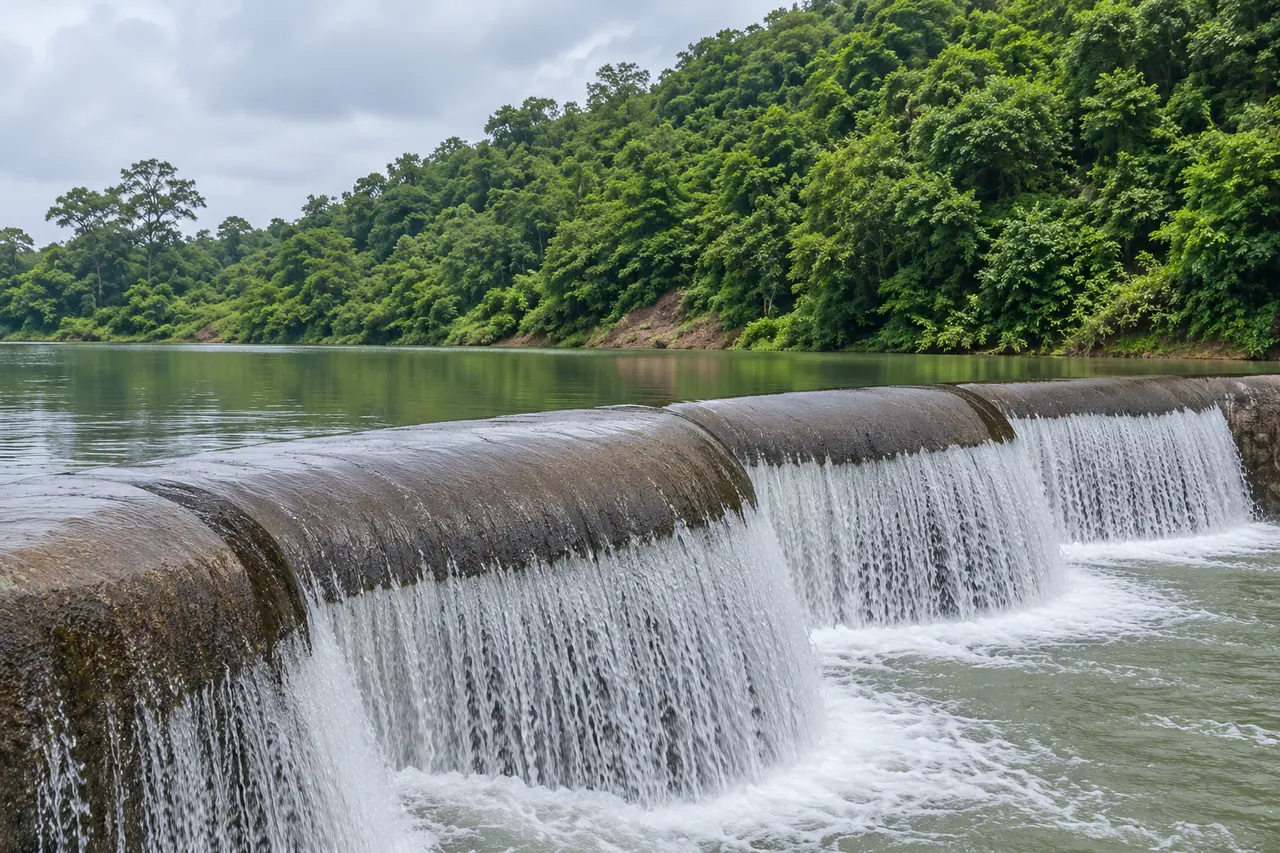
This is when the dam is at its most dramatic. The Sapua River is in full flow, the reservoir is brimming, and the surrounding Hindol forest turns an impossibly bright shade of emerald. If the gates are open, the sight of water gushing out is awe-inspiring. However, be warned: the roads can be slippery, and picnicking is difficult due to the rain.

The Golden Window (October to February)

In my opinion, this is the absolute best time to visit. The weather in Dhenkanal during winter is pleasant, with temperatures hovering between 15°C and 25°C. The water is a deep blue, the air is crisp, and the migratory birds start to arrive. This is the peak season for picnics and camping. The mornings are often misty, giving the “Snake Dam” an ethereal, mysterious look that is perfect for photography.

The Summer Stretch (March to June)

Odisha summers can be brutal, with temperatures often crossing 40°C. While the reservoir provides some relief, I wouldn’t recommend a midday visit. However, if you’re a fan of star gazing, a late afternoon trip followed by an evening by the water can be quite refreshing. The water level drops significantly, revealing parts of the dam structure that are usually submerged.

How to Reach Sapua Dam from Major Cities

Getting to Sapua Dam is part of the adventure. The drive through the Dhenkanal countryside is beautiful, passing through small villages, paddy fields, and patches of dense forest.

From Bhubaneswar (Approx. 90 km)

The most common route is via NH55. You’ll drive toward Cuttack and then head toward Dhenkanal. Once you reach Dhenkanal town, you’ll take the road toward the Hindol block. The total drive time is about 2.5 to 3 hours, depending on traffic. I highly recommend starting early (around 6:00 AM) to beat the heat and the Cuttack traffic.

From Cuttack (Approx. 76 km)

Since Cuttack is closer to Dhenkanal, the drive is shorter. You can take the same NH55 route. If you’re a local, you might know some of the backroads through Athagarh, which are even more scenic but slightly narrower. Many travelers also combine this trip with a visit to the nearby Ansupa Lake, which is Odisha’s largest freshwater oxbow lake.

Ansupa Lake View A peaceful view of Ansupa Lake, another gem to explore on your trip through central Odisha.

From Angul (Approx. 85 km)

If you’re coming from western Odisha, Angul is your best starting point. The drive from Angul to Hindol is relatively smooth and takes you through some of the more rugged parts of the district.

By Train

The nearest major railway station is Dhenkanal (DNKL). It is well-connected to Bhubaneswar, Cuttack, and Sambalpur. From the station, you can hire a private taxi or take a local bus to Hindol. However, having your own vehicle or a hired cab is much more convenient for exploring the area. For train schedules, you can check IRCTC Official Site.

Picnic at Sapua Dam: Secret Tips and Booking Details

Sapua Dam is arguably one of the best picnic spots in central Odisha. The local administration has set up designated “pindis” (elevated concrete platforms) where families can cook and eat.

Picnic Charges (Approximate for 2026):

  • Small Pindi: ₹200
  • Medium Pindi: ₹300
  • Large Pindi: ₹500
  • Open Space (Feast): ₹100

Parking Fees:

  • Bikes: ₹20
  • Cars/SUVs: ₹100
  • Buses: ₹200

A Local Insider Tip: Don’t wait until you get to the dam to buy supplies. The Hindol market is your last chance for quality vegetables, meat, and groceries. Also, remember that there is no drinking water facility at the dam site. You MUST carry enough water for drinking and cooking.

Activities You Can’t Miss at Sapua Dam

While most people come for the view, there’s plenty to do if you’re an active traveler.

1. Boating on the Reservoir

Local boatmen offer short rides on the reservoir. It’s a peaceful experience that allows you to see the curvature of the dam from a different perspective. Prices are usually negotiable but expect to pay around ₹100-200 per person. In 2026, many of these boats are being upgraded to solar-powered ones to maintain the eco-balance of the region.

2. Photography and Drone Shoots

As I mentioned earlier, this is a drone pilot’s dream. The way the road snakes across the valley is stunning from the air. Even with a smartphone, the symmetry of the dam against the wild background makes for incredible shots.

  • Pro Tip: For the best light, arrive at least 30 minutes before sunrise. The way the first rays hit the serpentine bridge is pure magic.

3. Hiking in the Hindol Forest

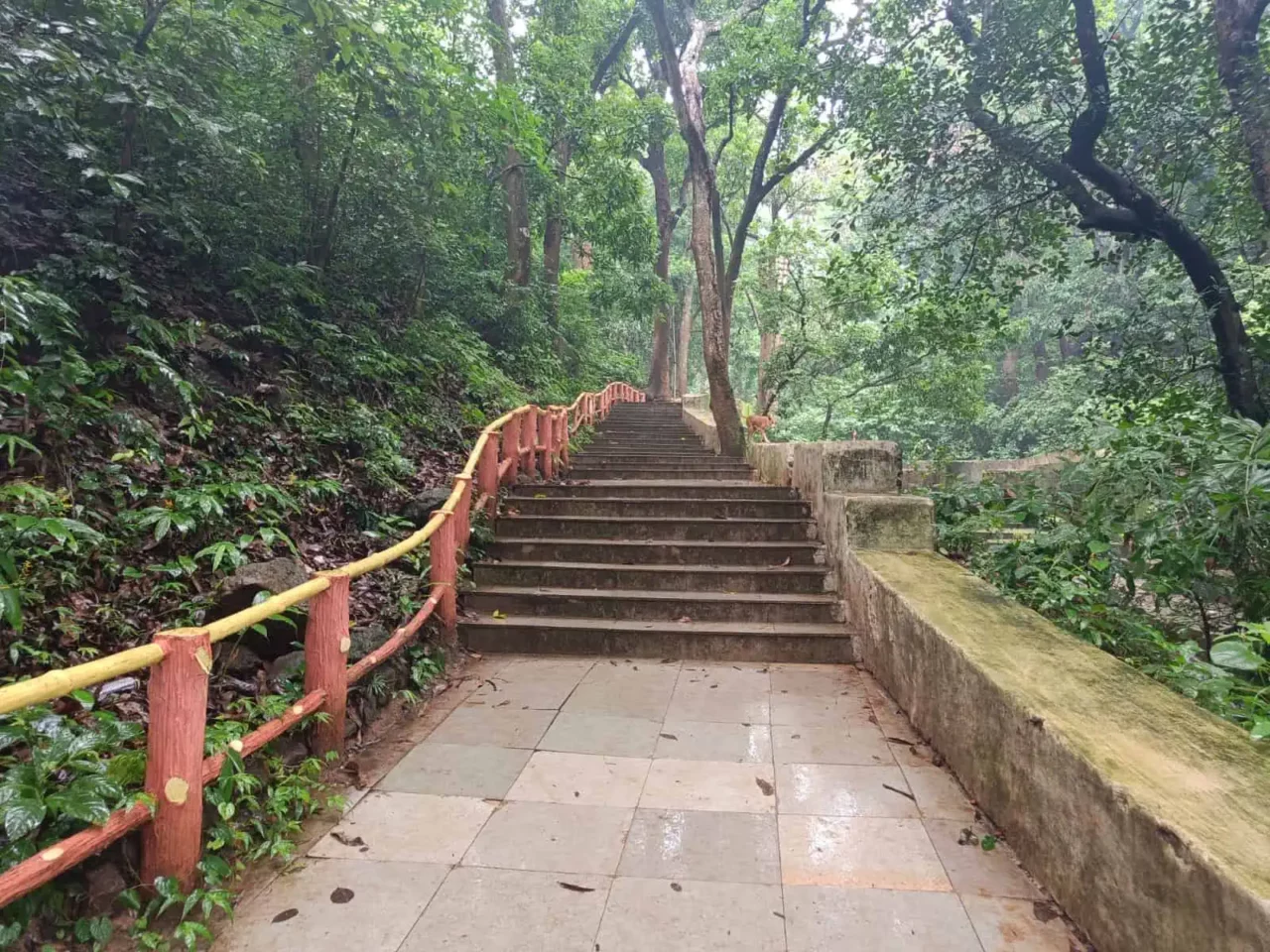
If you’re feeling adventurous, there are small trails leading into the surrounding hills. I recommend hiring a local guide if you plan to go deep, as these forests are part of an elephant corridor. Always be mindful of the wildlife. If you’re looking for more water adventures nearby, the Deojhar Waterfall is another hidden gem just 40 km away that is perfect for a cool dip.

Deojhar Waterfall Dhenkanal The refreshing Deojhar Waterfall, another stunning natural wonder near Sapua Dam.

4. Star Gazing and Informal Camping

While there isn’t a “luxury” eco-retreat right at the dam yet (though Saptasajya is nearby), many travelers bring their own tents for a night of camping. The lack of light pollution makes Sapua an incredible spot for star gazing. Just make sure to inform the local forest guards or authorities and never camp alone.

The Legendary Dhenkanal Bara: A Foodie’s Pilgrimage

You cannot visit Dhenkanal and not eat the Dhenkanal Bara. It’s not just a snack; it’s a cultural icon. In fact, Dhenkanal is so proud of its Bara that they celebrate “Bara Dibas” every year on April 7th. This tradition started way back in 1928, and it has only grown in popularity.

What makes it different?

What makes it different from the regular Vada you get in Bhubaneswar? It’s the texture and the aroma. The secret lies in the ratio of black gram (urad dal) to suji (semolina). The batter is fermented for hours, then seasoned with green chilies, ginger, and curry leaves. When dropped into hot oil, it puffs up, creating a shell that is incredibly crispy, while the inside remains soft and fluffy.

How to Eat it Like a Local

The best way to eat it is at a small roadside shack (the older the shack, the better the taste). It’s usually served on a leaf plate with a side of Matar Ghuguni (yellow pea curry) and a spicy tomato or mango chutney.

Dhenkanal Bara - Famous Odia Street Food Authentic Odia Bara - A crispy, golden-brown snack that is a must-try when visiting Dhenkanal.

  • The Sensation: The first bite is a crunch that you can hear, followed by the soft, warm dough soaking up the spicy ghuguni. It’s the ultimate comfort food for any Odia.
  • Where to find the best? While everyone has their favorite spot, I personally love the stalls near the Dhenkanal main market or the ones on the highway toward Hindol. Look for the places where the locals are crowding—they know best!

Photography Masterclass: Capturing the Snake Dam

If you’re a photography enthusiast, Sapua Dam is a canvas that keeps on giving. Here’s how you can get those “National Geographic” level shots:

  1. The Wide Angle View: To capture the full “snake” curvature, you need a wide-angle lens (16mm to 24mm). Stand at the approach road where the bridge begins to curve.
  2. The Reflection Shot: On a calm morning, the reservoir acts as a mirror. Position yourself low near the water’s edge to capture the dam and its reflection.
  3. The Drone Perspective: If you have a drone, fly it directly above the center of the bridge. The S-curve looks most prominent from a top-down view. (Ensure you have necessary permissions).
  4. Golden Hour Colors: The concrete of the dam takes on a warm, orange hue during sunset. Use a polarizing filter to enhance the blue of the sky and the reservoir.
  5. People in Scale: Sometimes, having a person walking on the vast serpentine bridge helps show the scale of the structure. It adds a human element to the engineering marvel.

Village Life and Sustainable Tourism

One of the most rewarding aspects of visiting Sapua is the interaction with the local community in Rasol and surrounding villages. The people here are warm, humble, and deeply connected to the land. By visiting, you are supporting their local economy.

In 2026, we encourage “Responsible Tourism.” This means:

  • Buying local produce from village markets.
  • Using local boat services.
  • Avoiding single-use plastics.
  • Respecting local customs and traditions. The villagers often share stories about how the dam has changed their lives—from providing year-round water for their paddy fields to putting their little-known block on the global tourist map.

Cultural Festivals and Local Traditions

Dhenkanal is a land of vibrant festivals. If your visit coincides with one of these, you’re in for a treat:

  • Laxmi Puja: This is the most famous festival of Dhenkanal town. The elaborate “Medhas” and the lighting decorations draw crowds from all over Odisha.
  • Jagara (Maha Shivratri): At the nearby Kapilash Temple, this is celebrated with massive enthusiasm. Thousands of devotees climb the steps with “Maha Deepa.”
  • Bara Dibas: As mentioned, April 7th is a day dedicated to the legendary snack. It’s a great time to be in town for food tasting competitions and cultural events.

What to Pack for Your Sapua Dam Trip

To ensure you have a comfortable trip, here’s a checklist of essentials:

  1. Hydration: Carry at least 2 liters of water per person. There are no shops at the dam.
  2. Sun Protection: A wide-brimmed hat, sunglasses, and sunscreen are a must, as the bridge is completely exposed to the sun.
  3. Power Bank: Between GPS and hundreds of photos, your battery will drain quickly. Mobile signal is weak, which also consumes more power.
  4. Trash Bags: Be a responsible traveler. Take everything you bring back with you.
  5. First Aid: Basic medicine for headaches, acidity, and minor cuts.
  6. Binoculars: For birdwatching and spotting elephants in the distance.
  7. Cash: Small denominations for parking fees, picnic pindis, and roadside snacks. Digital payments can be tricky due to network issues.

Comparing Sapua with Other Dams in Odisha

Odisha is a land of rivers and dams. How does Sapua stack up?

  • Vs. Hirakud: Hirakud is massive, overwhelming, and industrial. Sapua is intimate, artistic, and serene.
  • Vs. Deras Dam: Deras is great for a quick escape from Bhubaneswar, but Sapua offers a more rugged, “into the wild” experience.
  • Vs. Putsil (Koraput): Putsil has the advantage of higher altitude and paragliding, but Sapua’s unique architecture is unparalleled in the state.

Nearby Gems: Extending Your Trip

If you’ve traveled all the way to Sapua, why stop there? Dhenkanal is packed with other incredible destinations.

Best Places to Visit in Dhenkanal Odisha A glimpse of the many diverse attractions waiting to be explored in the Dhenkanal district.

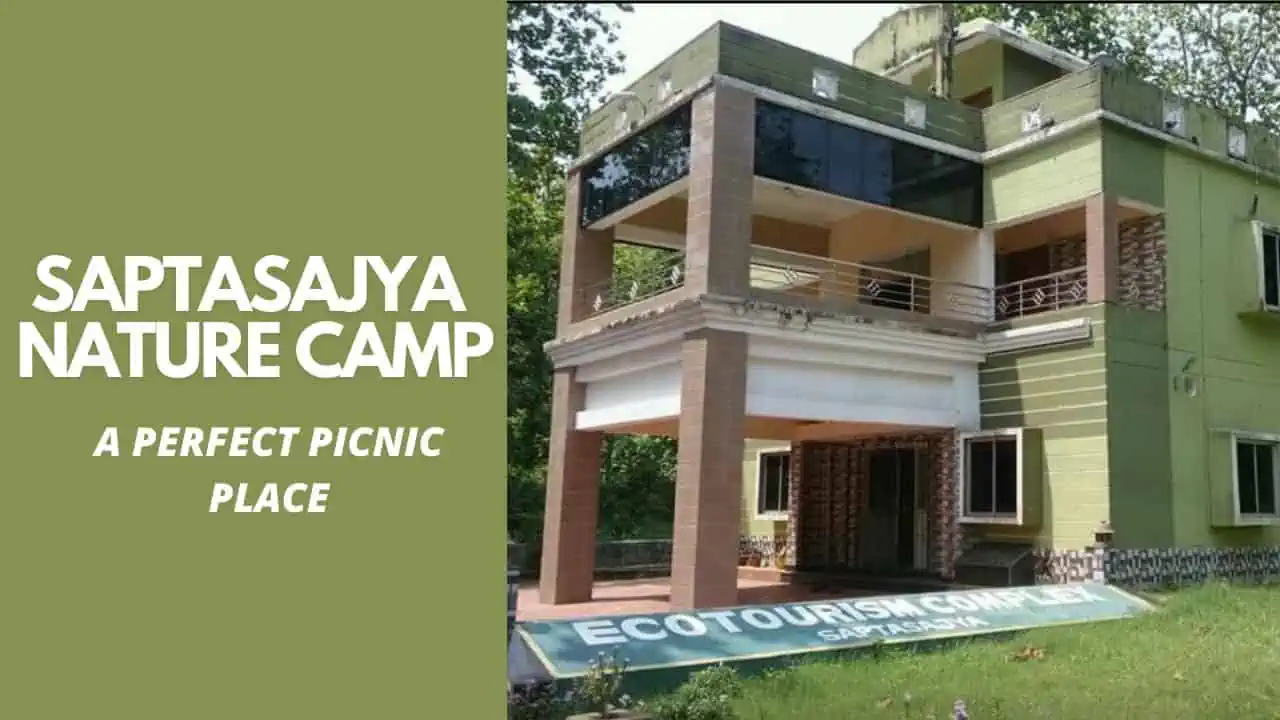
1. Saptasajya Nature Camp

Located about 45 km from Sapua, Saptasajya is a place of myths and legends. It is believed that the Pandavas spent part of their exile here. The nature camp offers excellent eco-stay options and a beautiful temple dedicated to Lord Ram. It’s the perfect place to experience “forest bathing.”

Saptasajya Nature Camp Dhenkanal The serene surroundings of Saptasajya Nature Camp, a perfect retreat near Sapua Dam.

2. Kapilash Temple

Known as the “Kailash of Odisha,” this temple dedicated to Lord Shiva sits atop a hill with 1,352 steps. The view from the top is breathtaking, and the spiritual energy of the place is palpable. It’s about 65 km from Sapua. The temple’s architecture and the surrounding wildlife sanctuary make it a dual-purpose visit. For official timings, check the Odisha Tourism Official Website.

Kapilash Temple Dhenkanal The majestic Kapilash Temple sitting atop the hill, one of the most sacred sites in Dhenkanal.

A Perfect 2-Day Dhenkanal Itinerary (2026 Edition)

If you want to experience the best of the region, don’t try to rush it in a day. Here’s how I would plan it:

Day 1: The Spiritual and The Natural

  • 08:00 AM: Reach Dhenkanal town and have a breakfast of hot Baras and Ghuguni.
  • 10:00 AM: Visit the Kapilash Temple. Climb the steps if you’re fit, or take the winding road.
  • 01:00 PM: Lunch at a local Odia Thali restaurant in town.
  • 03:30 PM: Head to Saptasajya. Explore the forest trails and the temple.
  • 06:00 PM: Check into the Saptasajya Nature Camp for an overnight stay amidst nature. Enjoy the bonfire and the sounds of the night forest.

Day 2: The Serpent and The Lake

  • 07:00 AM: Early morning drive to Sapua Dam (approx. 1 hour from Saptasajya).
  • 08:30 AM: Enjoy the morning mist and walk across the serpentine bridge.
  • 11:00 AM: Boating on the Sapua reservoir.
  • 01:00 PM: Picnic lunch by the dam (if you’ve carried supplies) or head toward Hindol for a simple meal.
  • 03:00 PM: Drive to Ansupa Lake. Enjoy a sunset boat ride.
  • 06:00 PM: Head back to Bhubaneswar/Cuttack.

Honest Assessment: What No One Tells You

I want your trip to be perfect, so here’s some “real talk.” Sapua Dam is beautiful, but it’s not a luxury resort.

  1. Lack of Basic Amenities: As of early 2026, there are still no permanent toilet blocks or drinking water stations near the dam. You need to be self-sufficient.
  2. The Crowd Factor: On Sundays and public holidays (like New Year’s Day), the place gets incredibly crowded. If you want peace, visit on a weekday or a Saturday morning.
  3. Monkeys: Like most forested areas in Odisha, there are plenty of monkeys. Keep your food locked in the car and don’t feed them.
  4. Mobile Network: It’s patchy. Download your maps offline before you leave Dhenkanal town.
  5. Road Conditions: While the main roads are good, the last few kilometers can be dusty and narrow. Drive carefully.

Safety Tips for Travelers

  • No Swimming: The reservoir can be deep and the currents near the dam gates are unpredictable. Stick to boating.
  • Elephant Movement: Dhenkanal is an elephant-rich district. Avoid driving late at night (after 7:00 PM) on forest roads. If you see an elephant, stay in your car, turn off the engine and headlights, and wait for it to pass.
  • Cleanliness: Please, please don’t litter. Carry a trash bag and take your plastic waste back with you. Let’s keep the “Snake Dam” pristine for future travelers.

FAQs on Sapua Dam Dhenkanal

1. What is the Sapua Dam distance from Bhubaneswar?

It is approximately 90 km from Bhubaneswar. The journey takes about 2.5 to 3 hours via NH55 and the Dhenkanal-Hindol road.

2. Can we book Sapua Dam picnic pindis online?

Currently, there is no online booking system. You have to reach the site and pay the local committee or forest officials to secure a pindi. On busy days, it’s first-come, first-served.

3. Is Sapua Dam safe for families?

Yes, it is very safe for families. It’s a popular spot for outings. However, avoid staying too late after sunset as the area is quite secluded.

4. Are there any hotels near Sapua Dam?

There are no major hotels right at the dam. Your best options are the Saptasajya Nature Camp (45 km away) or hotels in Dhenkanal town (46 km away).

5. What is the best time to see the snake shape of the dam?

A clear day during the winter or just after the monsoon is best. For the best “serpentine” look, you’ll need a drone or you can walk to the higher embankments on the sides.

6. Is photography allowed at Sapua Dam?

Yes, photography is allowed and encouraged. It’s one of the most popular spots for pre-wedding and nature photography in Odisha.

7. What is the height and length of Sapua Dam?

The dam stands at a height of approximately 26.75 meters (88 feet) and has a total length of about 1,290 meters.

8. Which river is Sapua Dam built on?

It is built on the Sapua River, which is a tributary of the Mahanadi River.

9. When was Sapua Dam completed?

The dam was completed in 2006 as a medium irrigation project for the Hindol block.

10. Are there snakes at Sapua Dam?

While the area is named after the snake-like shape of the bridge, it is also a forested area. Like any forest in Odisha, snakes exist, but they are rarely seen by tourists in the main visiting areas.

Final Thoughts

Sapua Dam is a testament to the fact that even man-made structures can find a way to live in harmony with nature. It’s a place that asks you to slow down, look at the curves of the earth, and appreciate the quiet beauty of the Dhenkanal hills. Whether you’re there for a loud family picnic or a quiet morning of photography, the “Snake Dam” will leave an impression on your soul.

Dhenkanal is more than just a district; it’s a feeling of nostalgia mixed with wild adventure. From the crispy bite of a hot Bara to the majestic curves of the Sapua, it offers a slice of Odisha that is authentic and raw. So, when are you packing your bags for Sapua? If you have any more questions or want to share your own experience, feel free to reach out. Jai Jagannath!

Found this helpful? Share it with others.

Rajesh Kumar avatar

Rajesh Kumar

Travel Writer & Odisha Explorer
10+ years experience

Documenting Odisha’s districts, culture, festivals, heritage sites, and practical local information to help travelers and residents alike.

Odisha Tourism Culture Heritage Nature Local Guides