Deojhar Waterfall Dian Dhar: Travel Guide
Visit Deojhar Waterfall with route details, timings, entry information, nearby attractions, and local travel tips in Cuttack.
The first time I heard the thunderous roar of Deojhar Waterfall echoing through the dense canopy of the Hindol-Badama forest, I knew I’d stumbled upon something special. There’s a certain magic in the air in this part of Cuttack—a mix of damp earth, wild jasmine, and the sheer energy of water meeting stone. Locally known as ‘Dian Dhar’, this 40-foot cascade isn’t just another tourist spot; it’s a sanctuary for those of us who prefer the sound of rustling leaves over city traffic.
When you stand at the base of the falls, feeling the cool mist settle on your skin, you’ll understand why the locals hold this place so dear. It’s a hidden treasure tucked away near Talapunji village in the Narasinghpur block, and trust me, the journey to reach it is just as beautiful as the destination itself. Whether you’re a photographer looking for that perfect long-exposure shot or a family planning a Sunday picnic, Deojhar offers a slice of Odisha that feels both ancient and refreshingly alive.
In this 2026 travel guide, I’m going to share everything I’ve learned about visiting Deojhar Waterfall—from the best time to catch the most impressive flow to the hidden caves where saints once meditated. We’ll also look at how to reach this spot from Bhubaneswar and Cuttack, ensuring your trip is smooth and memorable.
Consider reading: Full List of Waterfalls in Odisha
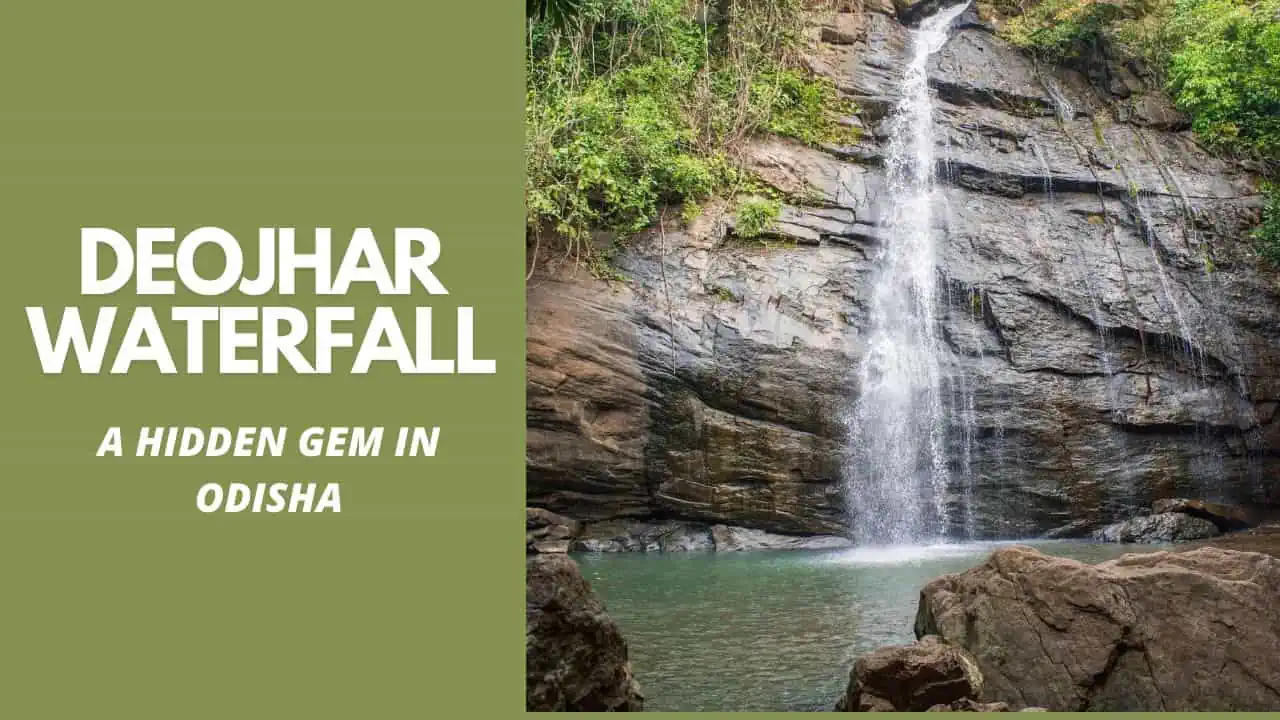
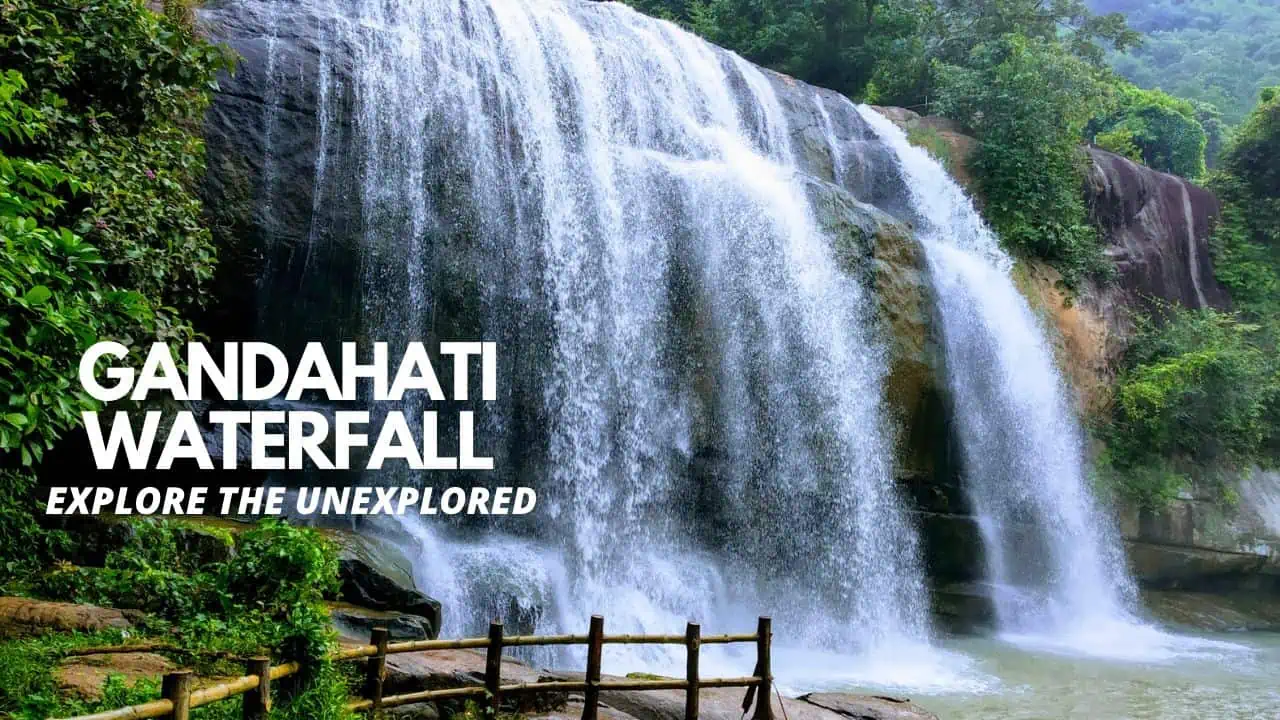
A stunning view of Deojhar Waterfall in full flow, surrounded by the lush greenery of Cuttack.
The Magic of Deojhar Waterfall (Dian Dhar)
What makes Deojhar Waterfall stand out among the many cascades in Odisha is its unique setting. Nestled within the Hindol Badama forest range, the waterfall drops from a height of about 40 feet into a natural pool that’s perfect for a refreshing dip. The locals call it ‘Dian Dhar’, a name that carries a sense of movement and life. I remember asking a local elder about the name, and he described it as the “jumping stream,” a fitting description for how the water leaps over the rocky ledge. The word “Dian” in Odia literally means “to jump,” and “Dhar” means “stream” or “edge.” When you see the water pulsing over the basaltic rocks, it truly looks like it’s leaping for joy.
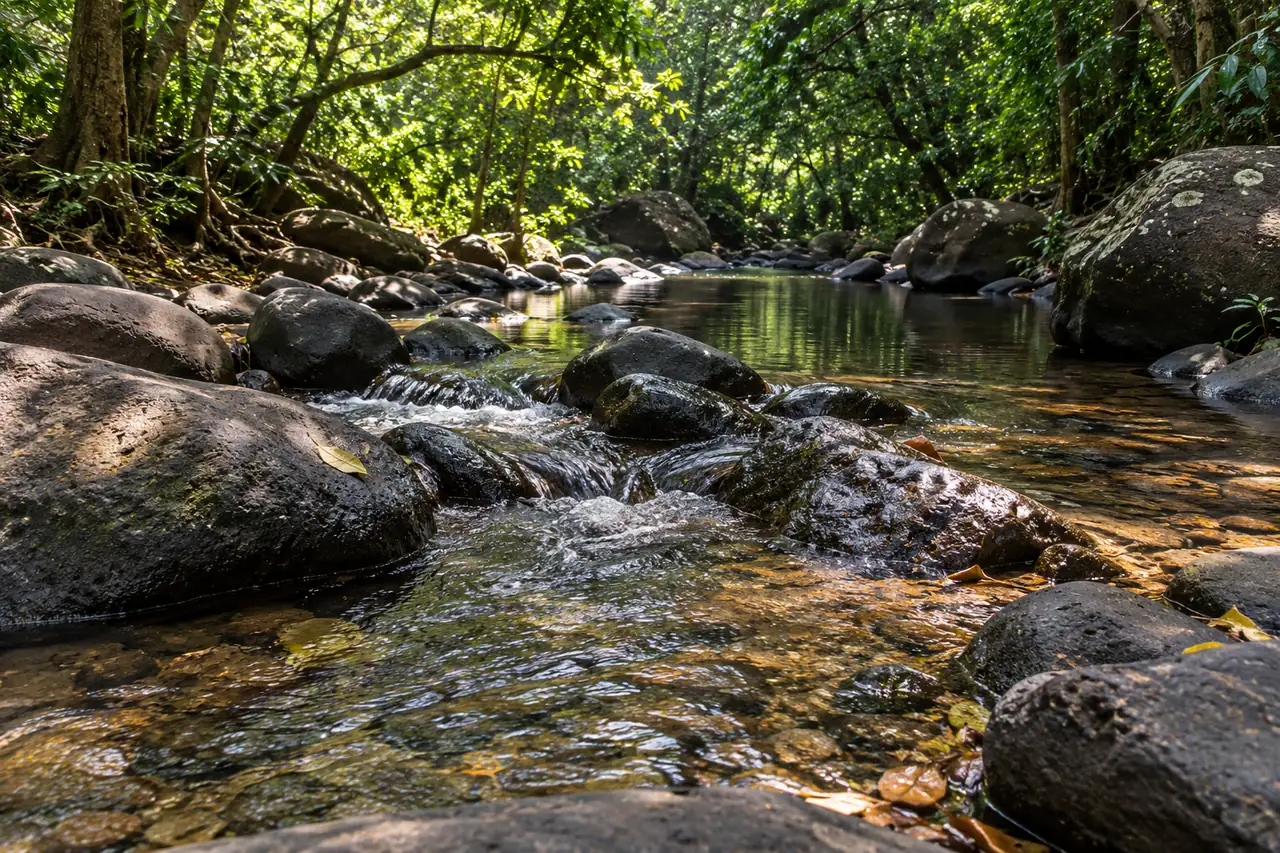
The crystal clear water of Dian Dhar jumping over the ancient rocks.
The area is a brilliant example of Odisha’s rugged beauty. The forest here is thick and vibrant, especially after the monsoon. You’ll find yourself surrounded by towering Sal, Teak, and Mahua trees. In the spring, the air is thick with the sweet, intoxicating scent of Mahua flowers—a scent that every Odia identifies with the heart of our forests. You might even spot the bright red Palaash flowers (Flame of the Forest) painting the hills in shades of fire. The sounds of the forest are just as captivating as the sights. If you sit quietly for a moment, you’ll hear the rhythmic drumming of a woodpecker, the distant call of a peacock, and the constant, soothing hum of cicadas that seems to vibrate through the very air.
Unlike some of the more commercialized waterfalls, Deojhar retains a raw, untouched feel. The natural pool at the bottom is relatively shallow near the edges, making it a popular spot for visitors to wade in and cool off. However, always be careful—the rocks can be surprisingly slippery! The water itself is crisp and clear, having filtered through miles of forest land. It’s the kind of water that feels like it’s washing away not just the heat of the sun, but the stress of the week too. I’ve often seen local children playing in these waters, their laughter mixing with the sound of the falls, creating a scene of pure, unadulterated joy.
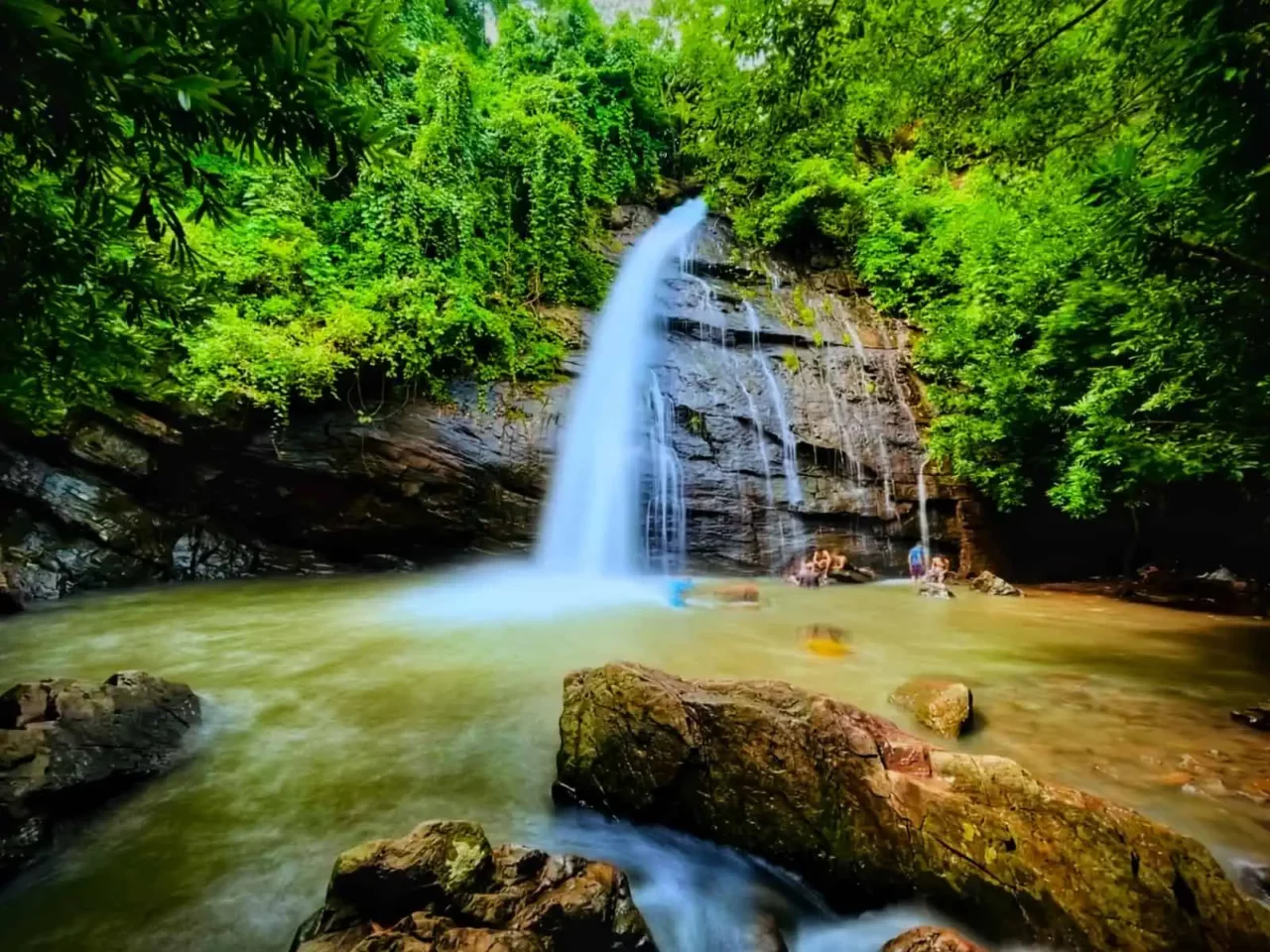
The natural pool at the base of the waterfall, perfect for a refreshing dip.
One of my favorite things about Deojhar is the way the light filters through the trees in the late afternoon. It creates a shimmering effect on the water that is absolutely breathtaking. If you’re into photography, this is the “golden hour” you don’t want to miss. The waterfall isn’t just a single drop; it has character, with smaller trickles joining the main flow during the peak season, creating a wide, impressive curtain of white water. The mist that rises from the pool often catches the light, and if you’re lucky, you might even see a faint rainbow forming near the base, a fleeting moment of natural art that feels like a personal gift from the forest.
If you are exploring the Cuttack district, this is undoubtedly one of the best places to visit in Cuttack District for nature enthusiasts. It offers a perfect escape from the urban hustle of the Silver City, providing a much-needed connection with the earth.
Historical and Cultural Significance
Beyond its natural beauty, Deojhar Waterfall holds a deep spiritual and historical significance for the people of Narasinghpur. If you look up towards the top of the falls, you might notice the entrance to a cave known as ‘Badedidhar’. Local legends say that this cave was once home to wandering saints and “Sadhus” who chose the seclusion of the forest for their meditation. These caves are natural formations in the rocky cliffside, and the silence within them is absolute, broken only by the distant, rhythmic thumping of the waterfall. It’s said that some of these saints lived here for decades, surviving on the fruits of the forest and the pure water of the stream, seeking enlightenment away from the distractions of the material world.
Standing there, listening to the constant hum of the water, it’s easy to see why they picked this spot. There’s a profound sense of peace that settles over you. Even today, many locals consider the area sacred. When I visited, I noticed small offerings—red hibiscus flowers, bits of incense, and even small clay lamps—near the base of the trees. It’s a testament to the enduring connection between the people and the land, a characteristic of rural Odisha where nature and divinity are often seen as one. The waterfall is not just a geological feature; it’s a living entity, a “devata” (deity) in its own right to those who live in its shadow.
The Narasinghpur area itself is rich in history. Once a princely state under the British Raj, it has always been a hub of Odia culture and tradition. The Rajas of Narasinghpur were known for their patronage of the arts, particularly the local dance forms and crafts. They were also deeply involved in the construction and maintenance of temples throughout the region. The proximity to the Mahanadi River, Odisha’s lifeline, has influenced the lifestyle here for centuries. The river provided not just water for irrigation but also a highway for trade and communication, connecting these forest-fringed states with the rest of the world.
The region around Badamba and Narasinghpur is also part of a larger spiritual circuit. Integrating a visit to the waterfall with a stop at the nearby Maa Bhattarika Temple allows you to experience both the natural and spiritual heart of Odisha in a single day. The temple, dedicated to Goddess Bhattarika, is perched on the banks of the Mahanadi and is steeped in mythology involving Parshurama and Lord Arjuna. Legend has it that Parshurama himself meditated here, and the Goddess appeared to him in a dream. This blend of nature, history, and mythology is what makes a trip to Deojhar so much more than just a picnic. For more temple experiences, explore the Lingaraj Temple in Bhubaneswar, one of Odisha’s most sacred sites.
Best Time to Visit Deojhar Waterfall in 2026
Timing is everything when it comes to waterfalls. If you visit Deojhar in the peak of summer (April to June), you might be disappointed to find only a thin trickle or a completely dry rock face. To see Dian Dhar in its full glory, you need to plan your trip between August and February.
The Monsoon Magic (July to September)
This is when the waterfall is at its most powerful. The rains turn the Hindol forest into a vibrant emerald paradise. The flow is heavy, and the roar of the water can be heard from a distance. However, be prepared for muddy paths and potentially slippery conditions. If you enjoy the raw power of nature and don’t mind a bit of rain, this is the time for you. The forest is alive with the sound of millions of raindrops hitting the broad leaves of the Sal trees, a truly immersive experience.
The Perfect Window (October to November)
In my opinion, this is the absolute best time to visit. The monsoon has just receded, leaving the waterfall lush and full, but the weather is much more pleasant. The sky is usually a clear blue, providing a stunning contrast to the white water and green trees. It’s also the ideal time for a picnic, as the ground isn’t too wet. The air is crisp and clean, and the visibility is excellent for taking those panoramic shots of the hills.
Winter Bliss (December to February)
This is the peak picnic season in Odisha. The weather is cool and comfortable, making the trek around the falls enjoyable. While the water volume might decrease slightly by late January, the serenity of the area makes up for it. It’s a great time to visit if you want to explore the Ansupa Lake and Nature Camp as part of a larger circuit. Many locals visit during this time for a “feast” with friends and family.
For the latest updates on weather and accessibility, I always recommend checking the official Odisha Tourism website before you head out.
How to Reach Deojhar Waterfall (Complete Guide)
Reaching Deojhar Waterfall is an adventure in itself, taking you through some of the most scenic rural landscapes of Cuttack. It’s about 106 kilometers from Bhubaneswar and 95 kilometers from Cuttack city. The journey is as much a part of the experience as the waterfall itself, with winding roads, lush green fields, and the friendly faces of rural Odisha.
By Road: The Preferred Way
Driving is the best way to experience this trip. From Bhubaneswar, you can take the NH55 towards Athagarh. This road is generally well-maintained and offers several spots for a quick break. Once you cross Athagarh, you’ll proceed towards Tigiria and then Badamba. This stretch of the road is particularly beautiful, with old-growth trees lining the sides, forming a natural green tunnel in many places. You’ll pass by vast stretches of paddy fields that change color from vibrant green to golden yellow depending on the season.
- Route: Bhubaneswar → Athagarh → Tigiria → Badamba → Narasinghpur → Talapunji → Deojhar.
- Travel Time: Expect it to take around 3 to 3.5 hours depending on traffic and how many times you stop for “Chah” (tea) or to take photos of the rural scenery.
- Pro Tip: Make sure your vehicle is in good condition, as repair shops become sparse once you enter the Narasinghpur block. Check your spare tire and fuel levels before leaving Athagarh. The last 10 kilometers are through village roads, so expect some narrow turns and the occasional cattle crossing. You can also find more travel and administrative information on the Official Website of Cuttack District.
By Bus: Connecting with the Locals
Regular buses ply from Cuttack and Bhubaneswar to Narasinghpur. These are usually “Express” or “Lakhya” buses. The bus journey is a great way to soak in the local atmosphere. From the Narasinghpur bus stand, you can hire an auto-rickshaw or a local taxi to reach the waterfall (approximately 15-20 km away). It’s a bit more time-consuming but a great way to see the local life and maybe strike up a conversation with a fellow traveler. The bus ride itself gives you a unique perspective of the changing landscape from urban centers to forest-fringed villages.
By Train: The Scenic Rail Route
The nearest major railway station is Cuttack (CTC), which is well-connected to the rest of India. From Cuttack, you’ll need to hire a private vehicle or take a bus as mentioned above. While there isn’t a direct train station right next to the falls, the train journey to Cuttack is often beautiful, especially if you’re coming from the north or south, crossing the wide expanses of the Mahanadi and Kathajodi rivers. The sight of the sun rising over the river from a train window is one of those quintessentially Indian travel experiences.
By Air: Flying into the Heart of Odisha
Biju Patnaik International Airport in Bhubaneswar is the nearest airport. From the airport, you can hire a direct cab for a day trip. This is the fastest option for those visiting from other states. If you’re coming from outside Odisha, I recommend staying in Bhubaneswar or Cuttack and planning a full-day excursion to Deojhar and nearby spots like Kapilash Temple Dhenkanal. Many hotels in Bhubaneswar can arrange a private car with a driver who knows the route well and can act as an informal guide.
Essential Visitor Information (Timings & Fees)
To make the most of your trip in 2026, here are some practical details you’ll need. I’ve found that being prepared for the “little things” like parking and network coverage makes the day much more enjoyable.
- Opening Timings: The waterfall area is generally accessible from 7:00 AM to 6:00 PM. I highly recommend reaching early (by 9:00 AM) to enjoy the peace before the afternoon crowds arrive, especially on weekends.
- Entry Fee: Good news! There is no entry fee to visit the waterfall itself. It remains a public natural site, open for all to enjoy.
- Parking Fees: While the entry is free, there is a designated parking area managed by the local community. The funds collected go towards the maintenance of the park and surrounding area.
- Bikes: ₹20
- Cars/SUVs: ₹50
- Buses/Travelers: ₹100
- Mobile Network: Here’s the thing—the network can be very patchy. Once you enter the forest area within a 5km radius of the falls, don’t expect to have a strong 4G or 5G connection. It’s a blessing if you want to disconnect, but make sure you’ve downloaded your offline maps beforehand and informed your family! For precise navigation, you can use the Deojhar Waterfall Google Maps link.
- Facilities: There is a small children’s park at the foothills which is great if you’re traveling with kids. You’ll also find basic toilets, but don’t expect luxury. It’s best to carry your own hygiene supplies.
Things to Do and Experience at Deojhar
You might think a waterfall is just for looking, but at Deojhar, there’s so much more to do. It’s a place that engages all your senses—the sound of the water, the scent of the forest, the cool touch of the mist. Here’s how I usually spend my day there:
1. The Short Trek and Forest Walk
The walk from the parking area to the falls is relatively easy and takes about 10-15 minutes. It’s a gentle climb through the woods, where the ground is covered with dried leaves and the air is filled with the scent of wild herbs and damp earth. If you’re feeling more adventurous, you can try to climb up to the Badedidhar cave. It requires a bit more effort and steady footing, but the view from the top—looking down at the waterfall and out across the forest canopy—is absolutely worth every drop of sweat. It’s a great way to get your heart rate up and feel truly immersed in the wilderness.
2. Bathing in the Natural Pool
The pool at the bottom is one of the biggest draws. The water is cool, clear, and incredibly refreshing, especially after the walk. On a warm day, there’s nothing quite like standing under the edge of the cascade and feeling the therapeutic power of the water on your shoulders. It’s like a natural spa treatment in the heart of the jungle! Just a tip: Bring a change of clothes and a towel. There aren’t many private changing rooms, so most people use their vehicles or find discrete spots in the forest. Remember to be respectful of others and the environment.
3. Photography and Vlogging
With the rise of social media, Deojhar has become a favorite for Odia vloggers and photographers. The contrast of the white foam against the black rocks and the surrounding greenery is stunning. If you have a drone, the aerial views of the Hindol forest canopy with the waterfall cutting through it are spectacular. Just ensure you follow local guidelines regarding drone use and be mindful of not disturbing the wildlife or other visitors’ peace. The play of light and shadow in the afternoon makes for some truly magical shots.
4. Picnicking with Family and Friends
This is a classic Odia tradition. Many families bring their own stoves, charcoal, and rations to cook a full meal right there. There are designated spots for picnicking where you can spread out a mat and enjoy the surroundings. If you don’t want to cook, there are local stalls that sell snacks like ‘Bara’, ‘Piaji’, and sometimes full meals if you inform them in advance. Eating together in the middle of a forest, with the sound of the waterfall as your background music, is an experience that brings people together and creates lasting memories.
5. Birdwatching and Nature Observation
If you’re quiet and reach early in the morning, you can spot some beautiful forest birds. The soundscape of Deojhar isn’t just the water; it’s the chirping of kingfishers, the metallic call of the drongo, and the occasional majestic display of a wild peacock. It’s a paradise for nature lovers and birdwatchers. Bring a pair of binoculars if you have them, and you’ll be surprised at the diversity of life in these woods. You might also spot monkeys swinging through the trees or squirrels scurrying across the forest floor.
If you love these kinds of experiences, you might also want to check out Bhitarkanika National Park for a completely different kind of water-based adventure—crocodiles, mangroves, and an incredible variety of birdlife in a unique ecosystem.
Nearby Hidden Gems to Explore
Don’t just stop at Deojhar! The area around Narasinghpur and Badamba is full of hidden gems that many tourists unfortunately overlook. If you’ve driven all the way from Cuttack or Bhubaneswar, it makes sense to turn your trip into a full-day exploration or even a weekend getaway.
Dabarkhola Waterfall
Located just 5 km away from Deojhar, this is a smaller, more secluded waterfall. If Deojhar feels too crowded on a Sunday afternoon, Dabarkhola is your secret escape. The path to Dabarkhola is even more “off-road” and gives you a real sense of being an explorer. The water here falls into a small, quiet basin, surrounded by ancient rocks that look like they’ve been sculpted by the hands of time. It’s the perfect place to sit in silence and just listen to the forest breathe. The trek to Dabarkhola is slightly more challenging than Deojhar, making it a favorite for those who enjoy a bit of a scramble.
Maa Bhattarika Temple
As I mentioned earlier, this temple is a must-visit. It’s about a 30-minute drive from Deojhar. The temple is located on the Mahanadi riverbank, and during the monsoon, the river flows right up to the temple steps, creating a dramatic and sacred atmosphere. The view of the sunset from the Bhattarika ghats, with the water turning into liquid gold and the silhouette of the hills in the distance, is something that will stay with you forever. It’s a place where you can sit for hours, just watching the boats go by and the pilgrims performing their rituals.
Maniabandha Handloom Village
If you appreciate art and craftsmanship, you must stop at Maniabandha. It’s famous for its unique Buddhist-influenced “Ikat” weaving. The weavers here have been practicing their craft for generations, creating intricate designs that are sought after globally. Seeing the looms in action—the rhythmic clack-clack-clack of the shuttle and the focused expressions of the weavers—is humbling. They use natural dyes and traditional patterns that have been passed down for centuries. Picking up an authentic Odisha Handloom Saree directly from the weavers not only gives you a masterpiece but also supports the local community and preserves a vital part of our heritage.
Singhanath Temple
Located on an island in the Mahanadi River near Badamba, the Singhanath Temple is an architectural marvel. Dating back to the 9th century, it showcases the early Kalinga style of architecture. The intricate carvings of Shiva, Vishnu, and other deities are incredibly well-preserved despite the temple’s age and its vulnerable location in the middle of a river. During the monsoon, the temple is sometimes partially submerged, adding to its mystic aura. Reaching the temple involves a short boat ride, which is an experience in itself.
Ansupa Lake
If you’re heading back towards Cuttack, a detour to Ansupa Lake and Nature Camp is highly recommended. It’s one of the largest freshwater lakes in Odisha and a haven for migratory birds during the winter. You can see Northern Pintails, Gadwalls, and many other species from the watchtowers. The eco-resorts there offer a great place to stay if you want to extend your trip and wake up to the sound of ripples on the water.
The serene waters of Ansupa Lake, a perfect detour near Deojhar.
Local Food and Culinary Delights
You can’t visit Cuttack district and not talk about food! While the area around the waterfall has basic stalls, the journey through the villages offers some amazing treats that are quintessentially Odia.
The Cuttack Connection: Dahibara Aloo Dum
When you’re passing through Cuttack city, having the legendary Dahibara Aloo Dum is non-negotiable. It’s the soul of the city. Imagine cool, velvety dahi baras topped with a spicy, flavorful aloo dum and a generous helping of ghugni, finished with crunchy sev and finely chopped onions. It’s the perfect fuel for a long drive. Every street corner in Cuttack has a “Dahibara wallah,” and everyone has their favorite one. It’s a dish that tastes like history and modern energy combined.
The iconic Dahibara Aloo Dum of Cuttack, a must-try for every foodie.
Forest Flavors: Chhena Poda and More
In the Narasinghpur area, look for local sweets. The ‘Chhena Poda’ (Odia cheesecake) made in these rural hearths has a smoky flavor from being baked over a slow wood fire that you just can’t find in the city shops. The caramelization on the outside and the soft, melt-in-your-mouth texture on the inside is heavenly. Also, keep an eye out for ‘Poda Pitha’, especially if you visit during the Raja festival. It’s a slow-cooked rice cake that’s rich, dense, and full of the goodness of coconut and jaggery.
Picnic Traditions and Local Markets
If you’re planning to cook at the site, which is a popular tradition for many Odia groups, I suggest picking up fresh vegetables from the local “Haat” (weekly market). These markets are a riot of color and activity. You’ll find everything from fresh river fish to forest greens that don’t have an English name. The taste of vegetables grown in the fertile Mahanadi basin, cooked over a wood fire with minimal spices, is something truly special. There’s a particular kind of ‘Dalma’ made in these parts that uses local tubers and seasonal greens—it’s healthy, hearty, and tastes like home. Don’t forget to try the local ‘Khatta’ (tangy chutney) made with tomatoes or Oau (elephant apple).
For more food inspiration and to understand the depth of our culinary heritage, check out the 10 Famous Odisha Foods You Must Try. Eating local isn’t just about the taste; it’s about connecting with the rhythm of the land and the people who nurture it.
Travel Tips and Safety Guidelines
To ensure you have a “Jai Jagannath” (blessed/safe) trip, keep these tips in mind. Preparation is key to enjoying the rugged beauty of Odisha’s interiors.
- Footwear: Wear shoes with a good grip. The rocks around the waterfall are covered in moss and can be very slippery, especially during the monsoon. Sandals or flip-flops are not recommended for the trek or for walking near the water’s edge.
- Hydration: Carry enough water. While there are stalls near the parking lot, it’s always better to have your own supply, especially during the trek. The humidity can be high, and staying hydrated is essential.
- Respect Nature: Please, don’t litter. Carry a trash bag and bring all your plastic waste back with you. Let’s keep Deojhar beautiful and pristine for the next generation. Avoid using soap or shampoo in the natural pool to protect the aquatic life.
- Safety in Water: Don’t go too deep into the pool if you don’t know how to swim. The underwater currents can be tricky near the main fall, and the depth can be uneven. Always keep a close eye on children.
- Local Customs: People in rural Odisha are very friendly but traditional. Dress modestly and be respectful when interacting with the locals or visiting nearby temples. A simple “Namaskar” goes a long way.
- Time Management: Start your journey early from the city. The road trip can take longer than expected, and you want to have plenty of daylight to explore the area and reach your destination safely before dark.
- First Aid: Carry a basic first aid kit with band-aids, antiseptic cream, and some basic pain relievers. Minor scrapes and scratches are common when exploring forest trails.
Frequently Asked Questions (FAQs)
Is Deojhar Waterfall safe for kids and elderly?
The trek to the main base is relatively easy and safe for most age groups. The path is well-trodden and doesn’t involve steep climbs for the most part. However, the climb to the top cave (Badedidhar) is steep and rocky; it’s not recommended for the elderly or very young children without constant assistance. Always keep a close eye on children near the water and ensure they are wearing appropriate footwear.
Can we find accommodation near Deojhar?
There aren’t many luxury hotels right at the waterfall. Most visitors choose to stay in Cuttack or Bhubaneswar and visit as a day trip. However, there are basic government guesthouses and small lodges in Narasinghpur. For a better experience, I recommend the Satkosia Sands Resort or the eco-retreats at Ansupa Lake, both of which offer decent facilities and a closer connection to nature. Booking in advance is highly recommended.
Are there crocodiles in Deojhar Waterfall?
No, unlike the rivers in Bhitarkanika or parts of the Mahanadi near Satkosia, the pool at Deojhar is free from crocodiles. It’s a freshwater mountain stream, and the water is generally too cold and active for crocodiles to inhabit. You can bathe here without that particular worry, but always be cautious of the depth and natural underwater obstacles.
Is alcohol allowed at the site?
Officially, public drinking is strictly discouraged and can lead to trouble with local authorities or community members who view the area with reverence. It’s best to keep the environment family-friendly and respectful of the local culture and natural beauty. Let’s enjoy the natural “high” of the forest instead!
Do I need a guide to explore Deojhar?
The main waterfall is easy to find, and the path is well-marked. You don’t need a formal guide. However, talking to the local shopkeepers or village elders can give you fascinating insights into the history and hidden spots that you won’t find in any brochure. They are often happy to share stories about the “Dian Dhar” and its legends.
What should I pack for a trip to Deojhar?
Apart from a change of clothes and a towel, I recommend carrying:
- A power bank (mobile signal is weak, draining battery).
- Basic first aid (band-aids, antiseptic).
- Hand sanitizer and wet wipes.
- A reusable water bottle (no single-use plastic!).
- Sunscreen and insect repellent.
- A small flashlight if you plan to explore the caves.
Is there a specific dress code for Deojhar?
While there’s no official dress code for the waterfall, it’s best to wear comfortable, modest clothing suitable for walking and forest exploration. If you plan to visit the nearby Bhattarika temple, ensure you have something that covers your shoulders and knees out of respect for the temple traditions.
How much time should I spend at Deojhar?
A typical visit to the waterfall itself takes about 2-3 hours. If you add a picnic and a trek to the caves, you could easily spend 4-5 hours. If you’re combining it with nearby attractions like Bhattarika or Maniabandha, a full-day trip (10-12 hours including travel) is ideal.
Are pets allowed at Deojhar Waterfall?
There are no official restrictions on pets, but the area is a forest zone with wild monkeys and stray dogs. If you bring your pet, ensure they are on a leash and you are mindful of other visitors. Please clean up after your pet to maintain the area’s hygiene.
Is photography allowed?
Absolutely! Photography and videography are encouraged. Deojhar is one of the most Instagrammable spots in Cuttack. Just be mindful of others’ privacy and avoid taking photos in areas where people are bathing if it makes them uncomfortable.
Is there any mobile network at Deojhar?
Mobile connectivity is very poor near the waterfall and within the forest range. You might get a faint signal at the parking lot, but it disappears as you get closer to the falls. It’s best to download any necessary maps for offline use and inform your family beforehand.
Are there any restaurants near Deojhar Waterfall?
There are small stalls near the parking lot that serve snacks like pakoras, tea, and basic meals like rice and dal. For a proper restaurant with a wider menu, you would need to head back to Narasinghpur. Most visitors prefer carrying their own food for a forest picnic.
What is the height of Deojhar Waterfall?
The waterfall is approximately 40 feet (12 meters) high. While it might not be the highest in Odisha, its volume and the beauty of the surrounding forest make it a must-visit destination. The natural pool it creates is perfect for a refreshing dip!
Visiting Deojhar Waterfall is more than just a check-mark on a travel list; it’s an experience that connects you with the raw, pulsating heart of Odisha. From the spiritual echoes of the Badedidhar cave to the refreshing mist of the Dian Dhar, every moment here feels like a discovery. So, pack your bags, grab your camera, and get ready to discover the magic for yourself in 2026. You won’t regret it!