Ghatagaon Maa Tarini Temple: Timings, History & Visitor Guide
Plan your visit to Ghatagaon Maa Tarini Temple in Keonjhar. Check daily darshan timings, Khechudi prasad booking, coconut transit, and nearby waterfalls.
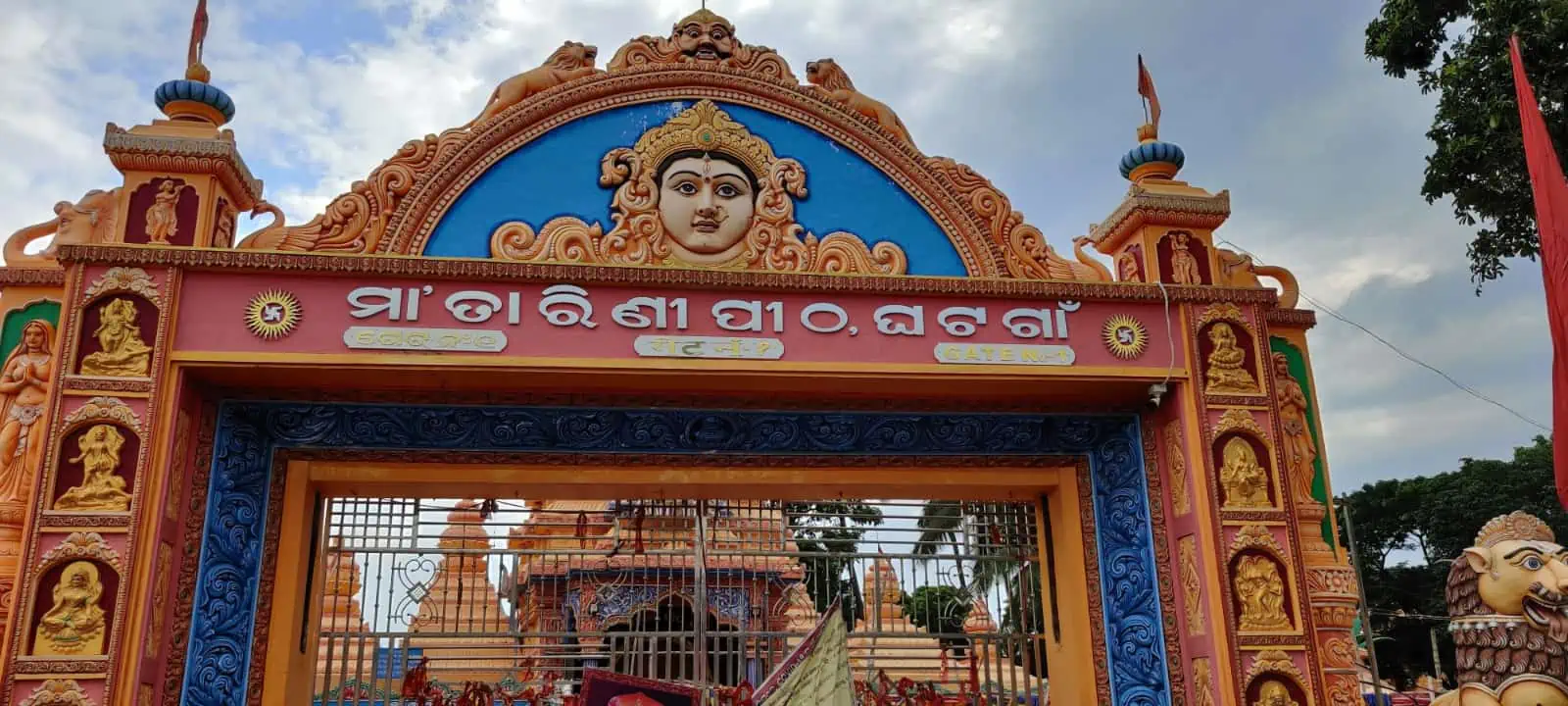
Ghatagaon Maa Tarini Temple stands amidst the dense Sal forest canopy of Keonjhar along National Highway 20, serving as one of Eastern India’s most venerated Shakti shrines. Consecrated in 1480 CE during the Kanchi expedition of Gajapati King Purushottama Deva, this forest pitha is renowned nationwide for its extraordinary highway coconut offering tradition.
Key Takeaways
- Ghatagaon Maa Tarini Temple in Keonjhar dates to 1480 CE, established during the reign of Gajapati King Purushottama Deva by commander Sri Govinda Bhanja.
- General darshan runs daily from 6:00 AM to 1:00 PM and 3:00 PM to 8:30 PM, with free entry for all pilgrims.
- The temple is famous for its unique highway coconut transit tradition, where bus drivers and truckers carry 30,000 to 50,000 coconuts daily free of cost across Odisha.
- Traditional cooked Mahaprasad featuring Khechudi Bhoga and Dalma is served daily at 1:00 PM, with coupons available at the temple counter before 11:30 AM.
- The nearest railway station is Harichandanpur (17 km away), while National Highway 20 connects the shrine directly to Bhubaneswar and Cuttack.
Devotees revere Maa Tarini as the protector of travelers, forest dwellers, and regional commuters. The shrine forms an integral stop on the heritage circuits recognized among the 20 must-visit tourist places in Odisha.
At-a-Glance: Ghatagaon Maa Tarini Temple Quick Visitor Facts
Ghatagaon Maa Tarini Temple operates under the administrative supervision of an Endowment Board and local trust authorities. For comprehensive travel logistics, mineral heritage, and nearby waterfall itineraries across northern Odisha, consult our comprehensive Kendujhar district guide. Pilgrims can verify seasonal ritual calendars and festival arrangements through the Official Odisha Tourism Portal.
| Feature | Practical Visitor Details |
|---|---|
| Location | Ghatagaon, Keonjhar District, Odisha 758027 (Along NH-20 Expressway) |
| Presiding Deity | Maa Tarini (The Supreme Mother Goddess / Vana Durga) |
| Architectural Style | Kalinga Style (Rekha Deula sanctum set in an ancient Sal grove) |
| Year of Consecration | 1480 CE (Govinda Bhanja, Commander of Gajapati Purushottama Deva) |
| General Temple Hours | 6:00 AM to 1:00 PM and 3:00 PM to 8:30 PM daily |
| Entry Fee | Free general entry for all pilgrims |
| Signature Ritual | Nadia Phingiba (Offering of fresh coconuts marked with vermilion) |
| Signature Mahaprasad | Khechudi Bhoga, Dalma, and Ukhuda (Jaggery-coated puffed rice) |
| Prasad Booking Desk | On-site coupon counter open daily from 6:30 AM to 11:30 AM |
| Signature Festival | Chaiti Yatra (April) and Sodasha Upachara Durga Puja (October) |
| Mandatory Dress Code | Modest traditional attire (Dhoti or formal trousers for men, Saree or Salwar for women) |
| Nearest Railway Station | Harichandanpur (HCNR, 17 km) and Kendujhargarh (KDJR, 45 km) |
| Nearest Airport | Biju Patnaik International Airport (BBI), Bhubaneswar (170 km via NH-20) |
Daily Darshan Timetable and Ritual Schedule
Daily rituals at Ghatagaon commence at 6:00 AM with the ceremonial opening of the sanctum doors. The temple adheres to a consistent liturgy structured around seven primary daily observances.
| Daily Ritual (Niti) | Scheduled Timing | Spiritual and Cultural Significance |
|---|---|---|
| Dwara Phita & Pratah Majana | 6:00 AM to 6:30 AM | Opening of the inner sanctum doors, holy cleansing of the rock deity, and incense offering. |
| Mangala Alati & Pahili Bhoga | 6:30 AM to 7:30 AM | Early morning camphor prayer offering sweet Ukhuda, fresh bananas, and coconut water. |
| Sakal Dhupa (Morning Puja) | 8:30 AM to 9:30 AM | Vedic tantric worship accompanied by the chanting of sacred hymns from the Durga Saptashati. |
| Madhyanha Dhupa (Grand Lunch) | 12:00 PM to 1:00 PM | Offering of cooked Khechudi, lentil Dalma, and seasonal vegetable dishes. |
| Pahada (Midday Closure) | 1:00 PM to 3:00 PM | Sanctum doors remain closed for the afternoon rest of the presiding deity. |
| Sandhya Alati (Evening Prayer) | 6:00 PM to 7:00 PM | Grand lamp ritual featuring synchronized drums (Dhol), cymbals, and traditional temple gongs. |
| Ratri Dhupa & Final Pahada | 8:00 PM to 8:30 PM | Concluding night prayers followed by sacred bedtime rituals and gate closure. |
The Highway Coconut Relay: A Cultural Phenomenon of Faith
The most celebrated tradition of Ghatagaon is the voluntary, non-commercial coconut transit network operating across highways in Eastern India. Commuters who cannot visit the temple in person simply flag down any passing bus or commercial carrier heading towards Keonjhar along National Highway 20.
The commuter hands a whole coconut marked with red vermilion (Sindoor) to the driver or conductor. No payment or receipt is involved in the exchange. Drivers place the coconut on their vehicle dashboard, considering it a protective blessing that averts road accidents during transit.
When the vehicle reaches the temple entrance at Ghatagaon, the crew deposits the collected coconuts into designated reception bins managed by the temple administration. An estimated 30,000 to 50,000 coconuts reach the shrine every single day through this voluntary relay. The temple processes the coconuts into holy oil for sacred lamps, cooking oil for community kitchens, and sweet Ukhuda prasad for distribution.
The 1480 CE Origin Legend of Govinda Bhanja and Kanchi Expedition
The founding of the Ghatagaon shrine is linked to the historic 15th-century military campaign against Kanchi led by Gajapati King Purushottama Deva. Sri Govinda Bhanja, the ruler of Keonjhar and supreme commander of the imperial forces, led the troops to victory through the divine grace of Lord Jagannath.
Following the conquest, King Purushottama Deva offered Govinda Bhanja any royal treasure from the victory spoils. Rather than choosing gold or jewels, Govinda Bhanja requested permission to transport the sacred idol of Maa Tarini from Puri to his woodland kingdom in Keonjhar. Devotees can explore the origin site of this campaign at the Shree Jagannath Temple in Puri.
The Goddess agreed to accompany the commander on the condition that he never look back during the northward ride. The rhythmic sound of her horse’s hooves guided Govinda Bhanja through hundreds of kilometers of forest trails.
When they entered the dense Sal forests of Ghatagaon, the thick carpet of damp leaves silenced the hoofbeats, causing the commander to turn in anxiety. In keeping with her condition, Maa Tarini rooted herself on the spot, transforming into a self-manifested stone deity under the forest canopy.
Major Festivals: Chaiti Yatra and Sola Puja Celebrations
Ghatagaon hosts major seasonal congregations that draw pilgrims from Odisha, Jharkhand, Bihar, and West Bengal. Information regarding state cultural festivals is published by the Ministry of Tourism Incredible India Portal.
Key celebrations in the annual temple calendar include:
- Chaiti Yatra (Pana Sankranti, April): The five-day festival coincides with the Odia New Year. Devotees known as Patuas observe waterless fasts and perform ancient vows of penance, including walking barefoot across red-hot wood embers (Agni Pariksha). Pilgrims consume cooling Bela Pana, a traditional drink made from wood apple pulp, grated coconut, cottage cheese, and black pepper.
- Sola Puja (16-Day Durga Puja, September/October): Beginning on Ashwina Mulastami, the temple conducts sixteen consecutive days of classical tantric worship. The sanctum remains open for nearly twenty hours daily during peak festive days, presenting special golden vestments (Sunavesha) to the deity.
- Tarini Brata (June/July): Observed on Thursdays during the lunar month of Ashadha, this festival attracts women seeking health, longevity, and welfare for their families.
- Raja Sankranti (Mid-June): The temple community celebrates agricultural renewal with traditional folk music and floral swing ceremonies, reflecting customs shared across famous festivals in Odisha.
Sacred Temple Mahaprasad: Khechudi Bhoga and Ukhuda Sweets
The sacred food offering (Mahaprasad) at Ghatagaon is cooked in earthen vessels using wood fires in the temple refectory. The culinary style mirrors the simplicity and nutrition of 10 famous Odisha foods.
The primary prasad items available daily include:
- Khechudi Bhoga: Fragrant short-grain rice cooked with split yellow moong lentils, pure cow ghee, fresh ginger root, and roasted cumin. The preparation is mildly seasoned, savory, and restorative.
- Dalma: A thick lentil preparation simmered with raw papaya, pumpkin, potatoes, and drumsticks, seasoned with dry-roasted cumin and red chili powder.
- Ukhuda: Puffed rice crisps coated in caramelized country jaggery, spiked with crushed black pepper, and garnished with thin toasted coconut slices.
- Nadia Khali: Grated coconut slow-cooked with cane sugar and pure ghee, offered as a confection during the evening prayer service.
[!TIP] Purchase your cooked Khechudi Mahaprasad coupons at the administrative counter before 11:30 AM. Meal thalis range from ₹80 to ₹120 and are served hot in the community dining hall starting at 1:00 PM.
Distinguishing Ghatagaon Maa Tarini from Maa Tara Tarini
First-time visitors to Odisha occasionally confuse Ghatagaon Maa Tarini with the southern shrine of Maa Tara Tarini. While both are esteemed centers of mother-goddess worship, they occupy distinct geographical locations and historical lineages.
The Maa Tara Tarini Temple in Ganjam stands atop the Kumari Hills near Purushottampur, recognized as an Adi Shakti Peetha where the breasts of Goddess Sati fell according to classical Puranic tradition. That shrine features twin deities atop a 708-foot hill overlooking the Rushikulya River.
In contrast, Ghatagaon Maa Tarini in Keonjhar is a 15th-century forest Shakti shrine (Vana Durga Pitha) situated on level terrain amidst Sal woodlands. Ghatagaon is famous for the highway coconut transit relay and its single self-manifested stone deity, presenting a distinct blend of tribal reverence and royal Gajapati heritage.
Keonjhar Waterfall Circuit: Nearby Natural Attractions
Ghatagaon serves as an ideal base for exploring the cascades and scenic forested valleys of northern Odisha. Travelers can review forest rest house bookings through the Eco Tour Odisha Similipal & Keonjhar Circuit.
Notable natural attractions near the temple include:
- Gundichaghagi Waterfall (12 km): A 50-foot natural stone amphitheater on the Kusalei River surrounded by Sal and teak forests, popular for daytime picnics and photography.
- Sanaghagara Waterfall (45 km): A perennial cascade dropping over terraced rock shelves into a deep natural pool, situated inside a developed eco-park with boating facilities.
- Badaghagara Waterfall (50 km): A 100-foot vertical plunge located within reserve tribal woodlands, offering scenic forest trekking paths.
- Bhimkund Geothermal Rock Pool (40 km): A turquoise natural pool formed by the Vaitarani River between massive vertical cliffs, associated with legends of the Mahabharata.
Visitors can plan extended itineraries covering these spots and other waterfalls across Odisha using local taxi hires from Ghatagaon.
How to Reach Ghatagaon Maa Tarini Temple by Road, Train, and Air
Ghatagaon enjoys direct road connectivity through the newly widened National Highway 20, making it accessible from major transportation hubs:
- By Road: Ghatagaon lies on the four-lane NH-20 expressway between Panikoili and Kendujhargarh. Regular government OSRTC and private deluxe buses operate between Bhubaneswar (Baramunda ISBT), Cuttack (Badambadi), and Ghatagaon every 20 minutes. The bus fare ranges from ₹180 to ₹250, with a travel duration of approximately 3.5 hours from Bhubaneswar.
- By Train: The nearest rail facility is Harichandanpur Railway Station (station code: HCNR), located 17 km from the temple. Shared auto-rickshaws (₹30 to ₹50 per passenger) and private cabs connect the station to the temple gates in 20 minutes. Alternatively, Kendujhargarh Railway Station (station code: KDJR) sits 45 km to the north on the same railway line.
- By Air: Biju Patnaik International Airport (BBI) in Bhubaneswar is the closest commercial airport, located 170 km to the south. Private rental taxis from the airport charge between ₹3,200 and ₹3,800 for the one-way highway trip.
Visitor Guidelines and Code of Conduct
To preserve the sanctity and orderly operation of the temple, pilgrims are asked to follow these practical rules:
- Footwear and Belts: Shoes, sandals, and leather goods must be deposited at the free footwear counter near the entrance gate.
- Dress Code: Modest Indian attire is required for entering the inner courtyard. Dhotis, pajamas, or formal trousers are recommended for men, while sarees or salwar suits are appropriate for women.
- Electronic Devices: Mobile phones must remain switched off or kept on silent mode inside the sanctum sanctorum. Photography of the inner sanctum deity is strictly barred.
- Coconut Handling: Devotees wishing to offer coconuts directly should purchase them at designated temple counters to ensure fresh quality and proper ritual marking.
Frequently Asked Questions About Ghatagaon Maa Tarini Temple
What are the daily opening and darshan timings at Ghatagaon Maa Tarini Temple?
The temple opens for morning darshan daily from 6:00 AM to 1:00 PM and reopens for evening visits from 3:00 PM to 8:30 PM. The inner sanctum doors remain closed for afternoon rest between 1:00 PM and 3:00 PM.
Why do bus and truck drivers transport coconuts to Ghatagaon for free?
Drivers carry coconuts across Odisha free of charge because they consider it a sacred service that protects their vehicles from road accidents. The unbroken highway relay delivers between 30,000 and 50,000 coconuts to the temple daily.
How do visitors book cooked Khechudi Mahaprasad at the temple?
Pilgrims must purchase prasad coupons at the on-site administrative office counter before 11:30 AM each morning. Hot thalis of Khechudi and Dalma are served in the community dining hall starting at 1:00 PM.
Which railway station is closest to Ghatagaon Maa Tarini Temple?
Harichandanpur Railway Station (HCNR) is the closest railhead, situated 17 km away with shared autos reaching the shrine in 20 minutes. Kendujhargarh Railway Station (KDJR) is an alternative station located 45 km away.
Is an entry fee charged for visiting the temple complex?
General admission to the temple complex and sanctum darshan is completely free for all devotees throughout the year. Special puja tickets and prasad items carry nominal charges set by the temple board.