Puri Beach 2026 Guide: Golden Beach and Water Sports
Plan your Puri Beach visit in 2026 with Golden Beach tips, water sports details, Blue Flag highlights, and local advice for a better trip.

The first time I stood on the shores of Puri at 5:00 AM, the world felt like it was still being created. There’s a specific sound you only hear in Puri—a deep, resonant roar of the Bay of Bengal, which locals reverently call Mahodadhi. As the first rays of the sun began to peek over the horizon, painting the golden sands in hues of molten copper, I watched as the temple bells of Lord Jagannath echoed in the distance, mixing with the rhythmic crashing of the waves. It wasn’t just a beach; it felt like a living, breathing spiritual entity.
Puri Beach, or the “Golden Beach” as it is officially recognized in its Blue Flag certified segment, is arguably the most versatile stretch of coastline in India. Whether you are a pilgrim seeking a holy dip in the sacred waters, an adrenaline junkie looking to catch a wave on a surfboard, or a family traveler wanting a safe, clean spot for your kids to play, this beach has a corner for you.
Let’s walk through the hidden corners of Puri Beach—from the pristine, eco-friendly luxury of the Blue Flag zone to the vibrant, chaotic energy of the main beach market. Trust me, even if you’ve visited Puri a dozen times, there’s always something new to discover in these sands.

The Magic of Golden Beach: India’s Blue Flag Pride
If you haven’t visited Puri in the last few years, the biggest surprise waiting for you is the Golden Beach. This specific 870-meter stretch, located near the Mayfair Heritage hotel, is one of the few beaches in India to consistently hold the prestigious Blue Flag certification. As of 2026, Puri has successfully retained this international eco-label for its seventh consecutive year, a testament to Odisha’s commitment to sustainable tourism.
But what does “Blue Flag” actually mean for you as a traveler? It’s not just a fancy title. To earn this, a beach must meet 33 stringent criteria set by the Foundation for Environmental Education (FEE), Denmark. These cover everything from water quality and environmental management to safety and accessibility.
Why You’ll Love the Blue Flag Section
When I walk into the Blue Flag area, the first thing I notice is the silence. Unlike the main Puri beach, which is a glorious riot of hawkers, camels, and crowds, the Golden Beach is a sanctuary. Here’s what makes it worth the visit:
- Pristine Cleanliness: There isn’t a single scrap of plastic in sight. The sand is mechanically sifted, and the water is tested regularly to ensure it’s safe for swimming.
- Eco-Friendly Infrastructure: You’ll walk on beautiful wooden boardwalks that protect the natural dunes. The entire area is powered by solar energy, and they use a zero-liquid discharge waste management system.
- Top-Notch Amenities: I remember the first time I used the changing rooms here—they were as clean as a high-end gym. You have access to clean drinking water, bio-toilets, and even outdoor showers to rinse off the salt after a swim.
- Safety First: There are professional lifeguards stationed at watchtowers every few hundred meters. For someone like me, who isn’t the strongest swimmer, knowing there’s a trained team watching the “Safe Bathing Zone” makes the experience much more relaxing.
- Accessibility: One of the most heart-touching things I saw was a specialized wheelchair designed for the sand. It allows elderly visitors and people with disabilities to reach the water’s edge and experience the sea.
Pro Tip for 2026: The Golden Beach section has a small entry fee (around ₹20 per person for 3 hours as of my last visit). It’s a tiny price to pay for the level of maintenance and peace you get in return. It opens at 6:00 AM and stays open until 10:00 PM, but I highly recommend going either at dawn or just before sunset.
A Spiritual Journey to Mahodadhi: The Sacred Sea
In Odisha, the sea isn’t just a body of water; it is Mahodadhi, the eldest brother of Goddess Lakshmi and the father-in-law of Lord Jagannath. This spiritual connection is what brings millions of pilgrims to these shores every year.
The Sacred Dip (Sagara Snana)
For a devotee, a trip to the Jagannath Temple in Puri is incomplete without a sacred dip in the sea. I’ve often watched elderly couples holding hands, bracing themselves against the waves, and dipping three times while chanting prayers. They believe the salt water washes away not just physical dirt, but a lifetime of karmic baggage.
If you plan to take a dip, here’s a bit of “local wisdom”: look for the Nolias. These are the traditional fishing community members who act as life-savers. They wear iconic conical hats and are experts at reading the tides. If you aren’t comfortable with the waves, hire a Nolia for a small fee (usually ₹50-₹100); they will hold your hand and guide you into the “safe” parts of the surf, ensuring you don’t get pulled in by an unexpected current.
Evening Beach Arati
One of my favorite “soul moments” in Puri happens at dusk. While most tourists are busy shopping for conch shells, a small group of priests often performs an Arati for the sea. The sight of the flickering lamps against the darkening horizon, the smell of incense mixing with the salty breeze, and the rhythmic chanting is something that stays with you long after you leave. It’s a powerful reminder of how deeply the people of Odisha respect the natural elements.
If you’re visiting Puri during the Rath Yatra? Consider reading: Jagannath Rath Yatra Festival
Things to Do at Puri Beach: Beyond the Shoreline
Whether you’re a quiet observer or an action-seeker, Puri Beach has a rhythm that accommodates everyone. Here are the top experiences you shouldn’t miss in 2026.
1. Surfing and Water Sports: The New Wave of Adventure
A few years ago, if you mentioned “surfing” in Puri, people would have looked at you with confusion. Today, Puri is emerging as the surfing capital of eastern India. The waves here, especially during the pre-monsoon and post-monsoon months, are surprisingly consistent and perfect for those looking to learn.
When I visited the Moby Dick Surf School (one of the pioneers here), I saw surfers from as far as Japan and France catching waves alongside local Odia kids. There’s something incredibly cool about seeing the traditional Nolia fishing boats sharing the horizon with colorful surfboards.
Water Sports Price List (Estimated for 2026):
| Activity | Estimated Price (per person) | Duration |
|---|---|---|
| Surfing Lesson | ₹1,500 - ₹2,000 | 1.5 Hours |
| Jet Skiing | ₹600 - ₹800 | 1 Round (approx. 2-3 km) |
| Parasailing | ₹1,500 - ₹2,500 | 5-10 Minutes (in the air) |
| Banana Boat Ride | ₹400 - ₹500 | 10 Minutes |
| Speed Boat Ride | ₹500 - ₹700 | 10 Minutes |
A Word of Caution: While the adrenaline rush of jet skiing is great, always ensure you are using a licensed operator. The Blue Flag area and the main beach have designated zones for these activities to prevent accidents with swimmers.
2. Witnessing the Mastery of Sand Art: A Transient Beauty

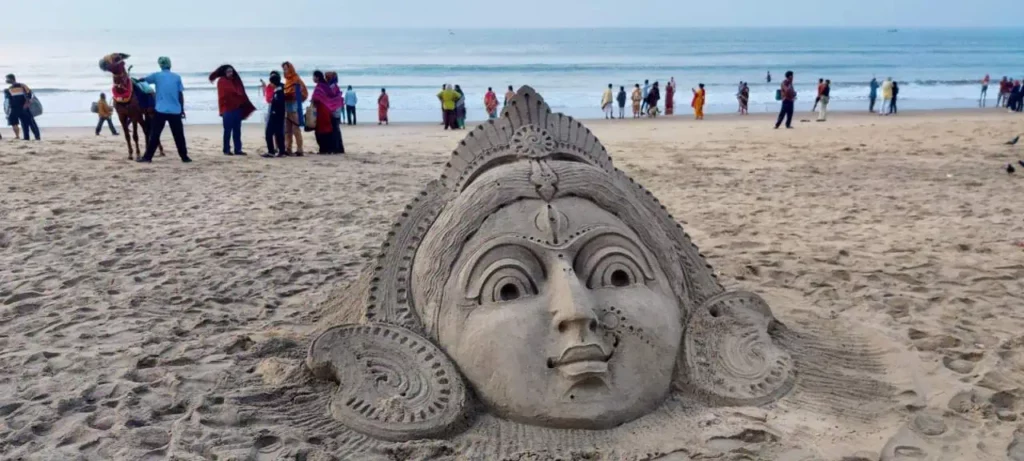
You cannot talk about Puri Beach without mentioning Padma Shri Sudarshan Pattnaik. He has turned the simple act of building sandcastles into a world-class art form. Almost every day, you can find a stunning sand sculpture on the beach—often conveying a powerful social message, celebrating a festival, or even paying tribute to a global event.
The Sudarshan Sand Art Institute, located right on the beach, is where the magic happens. I once stood for nearly an hour watching his students at work. It’s a lesson in impermanence; the patience required to carve intricate jewelry on a sand deity while the wind tries to blow it away is nothing short of meditative. They use a special fine-grained sand that holds moisture better, and seeing these massive structures rise from the flat shoreline is a highlight of any Puri visit. If you’re lucky, you might even catch a glimpse of the master himself, his hands moving with a practiced grace that makes the sand seem like clay.
5. The Marine Drive Experience: A Coastal Masterpiece
If you have a few hours to spare, rent a scooty or hire a cab for a drive along the Puri-Konark Marine Drive. This 35-km stretch is one of the most scenic coastal roads in India. On one side, you have the dense Casuarina forests of the Balukhand Wildlife Sanctuary, and on the other, the endless blue of the Bay of Bengal.
I always recommend stopping at the Ramachandi Beach midway. It’s much quieter than Puri and is the site of the annual India Surf Festival. The confluence where the Kushabhadra River meets the sea at Ramachandi is a sight to behold, especially during the monsoon when the river is in full spate. The road itself is a smooth, winding ribbon of tarmac that makes you feel like you’re in a movie.
3. The Classic Beach Experience: Camels, Horses, and Photos

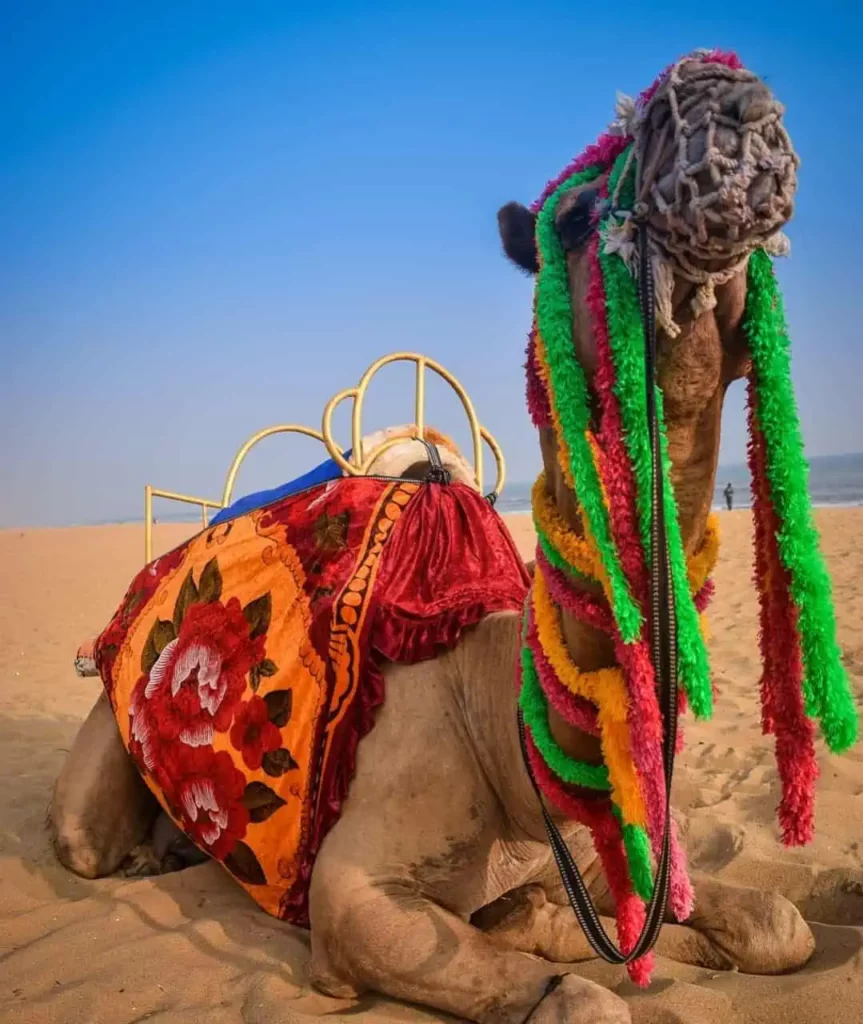
It might seem a bit “touristy,” but there is a nostalgic charm to taking a camel ride along the shoreline as the sun sets. The rhythmic swaying of the camel, the sound of the bells around its neck, and the panoramic view of the coastline is a quintessential Puri experience.
My Tip: Always negotiate the price beforehand. Usually, a short ride costs around ₹100-₹200. And if you’re traveling with kids, they’ll love the instant photographers who still roam the beach. While we all have smartphones, there’s something special about getting a physical, laminated photo of your family on the beach within five minutes.
4. Shopping at the Beach Market (Swargadwar & Chakratirtha)

As evening falls, the focus shifts from the water to the Beach Market. The stretch along the Swargadwar area becomes a bustling hive of activity.
What should you buy?
- Seashell Crafts: From intricate lampshades to simple keychains, the variety is endless.
- Stone Carvings: Odisha is famous for its stonework. You can find miniature replicas of the Konark Sun Temple or the Jagannath deities.
- Handlooms: While the main market is better for expensive sarees, the beach stalls often have beautiful Sambalpuri stoles and cotton tunics at great prices.
- Conch Shells (Shakha): If you’re looking for a high-quality blowing conch, this is the place.
A Seafood Lover’s Paradise: What to Eat at the Beach

If you are a non-vegetarian, the aroma of frying fish will eventually lead you to the small stalls dotted along the beach. This is where the real “taste of the sea” lives.
I remember my first time sitting on a plastic chair, sand under my feet, waiting for a plate of Prawn Malai Fry. The prawns were caught that very morning, marinated in a simple mix of turmeric, salt, and local chilies, and shallow-fried to perfection.
Must-Try Beach Treats:
- Fried Pomfret & Rohu: Fresh, crispy, and served with a side of spicy onion salad.
- Crab Masala: Messy to eat, but absolutely worth the effort.
- Jhalmuri: The quintessential beach snack. A mix of puffed rice, mustard oil, sprouted moong, and secret spices.
- Khaja: While it’s a temple sweet, you’ll find vendors selling fresh, flaky Khajas near the beach. It’s the perfect companion to a cup of masala chai as you watch the waves.
For those who prefer a more formal setting, the beach is lined with excellent restaurants. If you want a taste of traditional fermented rice, don’t miss out on Pakhala Divas celebrations if you visit in March!
Puri Beach Festival 2026: A Cultural Extravaganza
If you are planning your trip for late 2026, try to align it with the Puri Beach Festival. Usually held in late November (expected dates for 2026 are November 23rd to 27th), this five-day festival is a sensory overload in the best way possible.
The beach transforms into a massive open-air theater. You’ll see Odissi dancers performing against the backdrop of the sea, hear the beats of tribal drums from the interiors of Odisha, and witness sand art competitions featuring international artists. It’s a brilliant way to see the “Incredible” side of Odisha all in one place.
A Day in the Life at Puri Beach: A Sunrise-to-Starry-Night Narrative
To truly experience Puri, you need to live its rhythm for a full 24 hours. The beach changes its “personality” every few hours, and if you only visit for an hour in the evening, you’re missing the soul of the place.
4:30 AM – The Spiritual Awakening
While the rest of the world is asleep, the beach is already stirring. This is my favorite time to be here. The air is cool, and the only sound is the rhythmic thrum of the ocean. You’ll see a few devotees making their way to the water for their morning prayers. The first light of dawn doesn’t come from the sun, but from a faint, ethereal glow on the eastern horizon.
6:30 AM – The Golden Hour
By now, the sun has cleared the horizon. This is the “Golden Hour” in every sense of the word. The sand literally sparkles. This is the best time for a long walk. I usually start from the Swargadwar side and walk all the way towards the Lighthouse. You’ll see fitness enthusiasts jogging, yoga practitioners facing the sun, and the first batch of fishermen returning with their early catch.
11:00 AM – The Playful Surf
As the day warms up, the families arrive. This is when the beach is at its most playful. Kids building sandcastles, teenagers daring each other to go deeper into the waves, and the air filled with the sounds of laughter. If you’re at the Blue Flag section, this is when you’ll appreciate the deck chairs and the shade of the eco-huts.
3:00 PM – The Lazy Afternoon
The sun is at its peak, and the beach enters a “siesta” mode. Most people retreat to their hotel balconies or find shade. This is a great time to visit the Blue Splash Water Park if you want a break from the salt water but still want to stay cool. Or, better yet, head to the beachside shacks for a long, lazy seafood lunch.
6:00 PM – The Vibrant Carnival
This is when Puri Beach becomes the iconic carnival we all know. The hawkers are out in full force, the smell of fried fish fills the air, and the lights of the market start to twinkle. The energy is infectious. It’s loud, it’s chaotic, and it’s beautiful.
9:00 PM – The Midnight Whispers
By 9:30 PM, the crowds begin to thin. The market starts closing down. If you walk back to the shore now, you’ll find a different kind of peace. The waves sound louder in the dark. Sitting on the sand under a starlit sky, with the cool breeze on your face, is the perfect way to end the day.
Safety and the Role of Nolias: Your Guardians of the Sea
I cannot stress this enough: the Bay of Bengal at Puri is powerful. While the beach is “safe” compared to many others, the undercurrents can be tricky. This is where the Nolias come in.
The Nolias are a traditional fishing community who have lived alongside this sea for generations. They don’t just know the water; they understand it. You can recognize them by their distinct conical hats made of dried leaves or plastic, designed to shed water.
Why You Should Trust a Nolia
When I first visited Puri as a child, my father insisted we hire a Nolia. I remember feeling so safe as he held my hand, timed the waves, and told us exactly when to jump and when to stand firm. They act as unofficial lifeguards.
Safety Tips for Swimming in 2026:
- Look for the Flags: The Blue Flag area has clear “Safe Bathing Zones.” Stay within the designated buoys.
- Never Swim Alone: Even if you’re a pro, the currents here can shift quickly.
- Avoid the Red Zones: If you see a red flag, stay out of the water. It usually means there’s a high tide or a dangerous undercurrent.
- The “Nolia” Rule: If you aren’t an experienced ocean swimmer, hire a Nolia for ₹100. It’s the best “insurance policy” you can buy for a fun swim.
- Stay Hydrated: The Odisha sun can be brutal. Drink plenty of water and wear sunscreen.
Practical Visitor Information: Planning Your 2026 Trip
To make the most of your visit, here’s the “nitty-gritty” of planning.
How to Reach Puri
Puri is one of the most accessible destinations in Odisha.
- By Air: The nearest airport is the Biju Patnaik International Airport (BBI) in Bhubaneswar, about 60 km away. In 2026, you can easily find pre-paid taxis or book an Uber/Ola from the airport. The drive takes about 1.5 to 2 hours via the beautiful New Jagannath Sadak.
- By Train: Puri Railway Station is a major terminus. Many “Vande Bharat” and “Shatabdi” express trains connect Puri to Kolkata, Delhi, and Bhubaneswar. The station is just 2 km from the beach.
- By Road: Regular bus services (both AC and non-AC) run from Bhubaneswar, Cuttack, and even Kolkata.
Best Time to Visit
- Winter (October to February): This is the peak season. The weather is perfect—cool breezes and pleasant sun.
- Summer (March to June): It can get very hot and humid. However, this is when the Ratha Yatra happens (usually in June/July), which is a once-in-a-lifetime experience despite the heat.
- Monsoon (July to September): The sea is magnificent and terrifying during the rains. While you might not be able to swim, the sight of the dark clouds over the churning ocean is breathtaking.
Where to Stay: Hotels and Resorts near Puri Beach
Choosing the right place to stay can make or break your Puri experience. Whether you want to wake up to the sound of the waves or prefer a quiet luxury retreat, there’s something for every budget.
Luxury and Boutique (₹8,000+)
- Mayfair Heritage & Mayfair Waves: These are the gold standard of luxury in Puri. Why stay here? They have private access to the Blue Flag beach and world-class spas. The architecture is a beautiful mix of colonial and Odia styles.
- The Chariot Resort & Spa: Located slightly away from the main bustle, this is perfect for those seeking peace. Why stay here? Its sprawling gardens and massive swimming pool make it a favorite for destination weddings.
- Hans Coco Palms: Once the summer retreat of the Odia royalty, this boutique hotel is full of character. Why stay here? The vintage charm and the direct beach access through a coconut grove are unbeatable.
Mid-Range Comfort (₹3,000 - ₹6,000)
- Hotel Holiday Resort: A massive property that is almost always full. Why stay here? Their in-house restaurant ‘Fusion’ is excellent, and they have great family suites.
- Sterling Puri: Located at the estuary where the river meets the sea. Why stay here? You get to see both the river and the ocean, and their activities team keeps kids entertained all day.
- Pramod Convention & Beach Resort: Modern, clean, and very professional. Why stay here? If you’re visiting for work or a large family gathering, their facilities are top-notch.
Budget and Government (Below ₹3,000)
- Panthanivas Puri (OTDC): This is the official government guest house. Why stay here? It is literally across the road from the Golden Beach. It’s clean, safe, and the prices are very subsidized. Note: Book at least 2-3 months in advance via the official Odisha Tourism portal.
- Victoria Club Hotel: One of the oldest hotels on the beach. Why stay here? For the old-school vibes and the great sea-facing balconies at a fraction of the cost of luxury resorts.
Must-Visit Attractions Near Puri Beach
If you can tear yourself away from the waves, there are some incredible places just a short drive away.
- Jagannath Temple (2 km): The heart of Puri. I recommend visiting early in the morning or during the evening Arati.
- Konark Sun Temple (35 km): Take the Marine Drive road. It’s one of the most beautiful coastal drives in India. The 13th-century Sun Temple is a UNESCO World Heritage site and a masterpiece of stone carving.
- Chilika Lake (50 km): Visit Satapada to see the rare Irrawaddy dolphins. It’s a great day trip for nature lovers.
- Raghurajpur Artist Village (12 km): A heritage crafts village where every household is an artist. You can see how traditional Pattachitra paintings are made.
- Best Beaches in Odisha: If you find Puri too crowded, explore nearby gems like Balighai Beach or Chandrabhaga.
Final Thoughts: Why Puri Beach Stays with You
As I write this, I can almost smell the salt in the air and hear the distant sound of a Nolia’s whistle. Puri Beach isn’t just a destination; it’s a feeling. It’s the feeling of warm sand between your toes, the taste of a spicy prawn fry, and the humbling realization of how small we are compared to the vastness of the Mahodadhi.
In 2026, Puri has managed to strike a rare balance. On one hand, you have the world-class, eco-friendly luxury of the Blue Flag Golden Beach. On the other, you have the raw, spiritual, and chaotic energy of the main beach that has remained unchanged for centuries.
Whether you’re here for the first time or your fiftieth, I promise you this: the sea will tell you a new story every time. So pack your sunscreen, leave your worries behind, and come experience the magic of the Incredible Odisha coastline. Jai Jagannath!
FAQs on Puri Beach (2026 Updated)
1. Is swimming allowed at Puri Beach?
Yes, swimming is allowed in designated areas. However, I highly recommend swimming in the Blue Flag Golden Beach section as it has active lifeguards and safe bathing zones. Always listen to the Nolias and check for tide warning flags.
2. What is the entry fee for the Blue Flag Beach in Puri?
As of 2026, the entry fee is approximately ₹20 for a 3-hour pass. You can also get a full-day pass for around ₹50-₹100. Children under 10 years usually have free entry.
3. Can I visit the beach at night?
The main beach area is open 24/7, but the market and lighting usually dim down by 10:30 PM. The Blue Flag section typically closes for visitors by 10:00 PM for maintenance and security.
4. Are there photography restrictions?
You can take photos on the beach freely. However, if you want to use professional equipment or drones for commercial purposes, you may need permission from the Odisha Tourism department.
5. What should I wear to Puri Beach?
While there is no strict dress code for the beach, Odisha is a culturally conservative state. Swimwear is perfectly fine at the beach, but if you plan to visit the nearby Jagannath Temple, you must wear traditional Indian attire (saree/salwar kameez for women, and dhoti/pyjama with kurta for men).
6. Is Puri Beach safe for solo female travelers?
Absolutely. Puri is generally very safe and the locals are helpful. However, as with any major tourist destination, avoid isolated stretches of the beach after dark and stick to well-lit areas near the Swargadwar or Chakratirtha Road.
7. How far is the Golden Beach from the Railway Station?
The Golden Beach (Blue Flag area) is about 1.5 to 2 km from the Puri Railway Station. You can easily take an auto-rickshaw or an e-rickshaw (toto), which should cost around ₹50-₹100.