Featured image for Sabitri Brata 2026: Date, Rituals, and Significance
Festivals · · 23 min read

Sabitri Brata 2026: Date, Rituals, and Significance

Explore Sabitri Brata 2026 in Odisha with the date, puja rituals, Savitri-Satyavan story, and festival significance today.

Sabitri BrataOdisha FestivalsSavitri Satyavan StoryOdia Traditions

The first thing I remember about Sabitri Brata isn’t the fasting or the complex rituals, but the intoxicating scent of incense mixing with the sweet, heavy aroma of ripe mangoes and jackfruits. I remember standing in our kitchen in Bhubaneswar as a young boy, watching my mother meticulously arrange a platter of fruits, her new red-bordered Saree rustling as she moved. There’s something deeply moving about seeing the devotion in the eyes of Odia women on this day—a quiet strength that seems to hold entire families together.

Sabitri Brata, often called Savitri Amavasya, is more than just a date on the calendar for us in Odisha. It is a day when the air itself feels heavy with faith and the promise of longevity. Observed on the Amavasya (new moon day) of the Jyestha month, this festival is a beautiful testament to the power of a woman’s love and her ability to challenge even fate. In 2026, we will celebrate this auspicious day on May 16th, and if you’ve ever been in Odisha during this time, you’ll know that the preparations begin weeks in advance.

Sabitri Brata 2026: A Sacred Celebration of Devotion

Sabitri Brata is a cornerstone of Odia culture. While many festivals celebrate seasons or deities, this one celebrates the human spirit’s capacity for unwavering commitment. It’s a day when married women across the state, from the bustling streets of Cuttack to the quiet villages of Koraput, unite in a singular prayer: the long life and prosperity of their husbands.

But don’t mistake this for a mere ritual of submissiveness. If you look closely at the story behind it—the legend of Savitri and Satyavan—you’ll see a woman who was a fierce intellectual, a devoted partner, and a courageous soul who dared to argue with Yama, the God of Death himself. When we celebrate Sabitri Brata in 2026, we aren’t just following an old tradition; we’re honoring that legacy of strength.

The sights on this day are truly something to behold. You’ll see women walking toward temples or local Banyan trees, dressed in vibrant new Odisha Handloom Sarees, their foreheads adorned with bright vermilion, and their wrists heavy with new bangles. It’s a sea of red and yellow, symbolizing fertility, auspiciousness, and the vibrant life force that sustains our homes.

The Meaning and Significance of Sabitri Brata

Why does Sabitri Brata hold such a special place in our hearts? To understand that, you have to understand the Odia way of life. We are a people deeply rooted in our traditions, where every ritual has a story and every story has a soul. Sabitri Brata is the ultimate celebration of ‘Satiatwa’ or the virtue of a devoted wife, but in a much broader sense, it celebrates the sanctity of the marital bond.

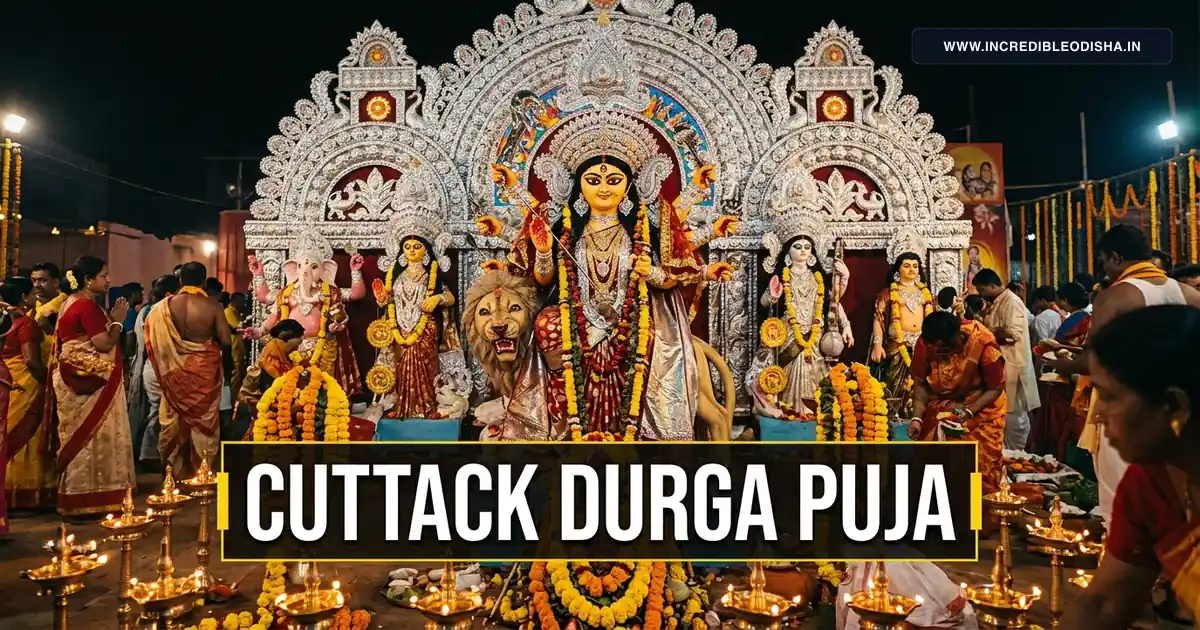
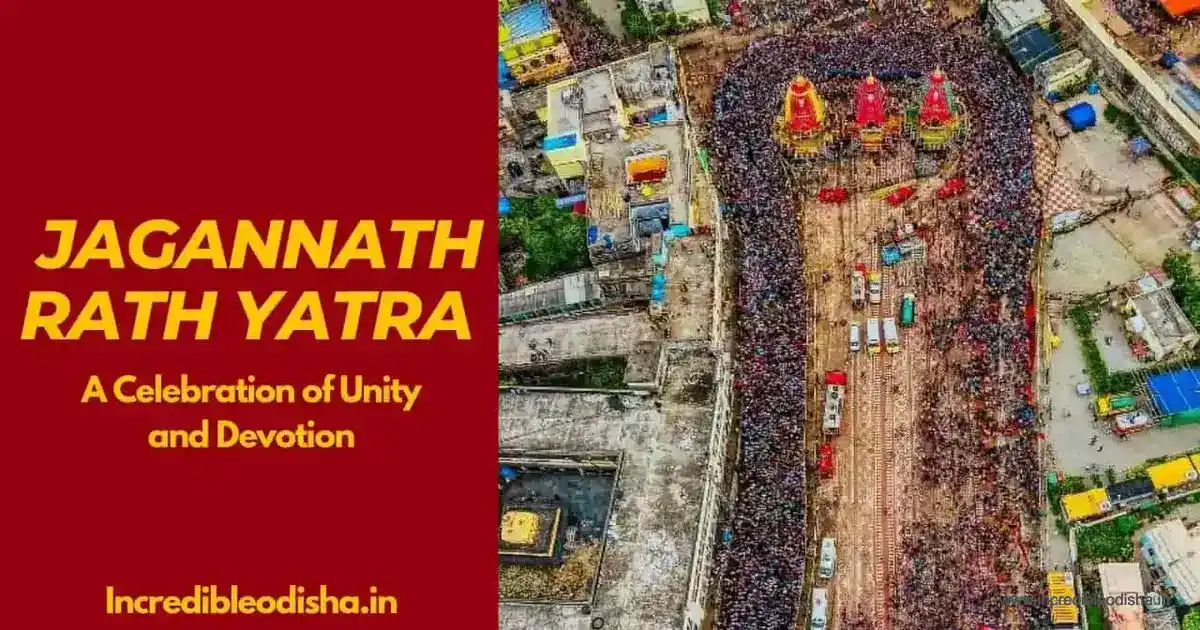
In the Odisha festivals calendar, Sabitri Brata stands out because it’s so personal. Unlike the grand community celebrations of Durga Puja or Ratha Yatra, this is a ritual performed within the family or in small groups of women. It’s about the quiet prayers whispered in front of the ‘Silapua’ (grinding stone) and the shared laughter while distributing the ‘Bhoga’ (offerings) later in the evening.

The spiritual significance is profound. By observing the fast and performing the puja, women believe they can ward off any ‘Amangala’ (evil or misfortune) that might befall their life partners. It’s a day of self-purification, where the physical hardship of fasting is seen as a way to strengthen one’s inner resolve and spiritual connection with the divine.

When is Sabitri Brata 2026? Date and Auspicious Timings

Mark your calendars! Sabitri Brata 2026 will be observed on Saturday, May 16th. This day falls on the Jyestha Amavasya, according to the traditional Odia Months and lunar calendar.

The timings are crucial for those performing the puja. While the fast traditionally begins at sunrise and ends after seeing the evening moon (or after the main puja is completed), the Amavasya Tithi is the period when the most sacred rituals are performed.

  • Sabitri Brata Date: May 16, 2026
  • Day: Saturday
  • Tithi: Jyestha Amavasya

Here’s a tip I’ve learned from the elders in my family: it’s always best to check the local ‘Panjika’ (almanac) for the exact ‘Subha Bela’ or auspicious windows for the puja in your specific city. Whether you’re in Puri, Sambalpur, or Rourkela, the local timings might vary slightly, and following the right ‘Muhurta’ adds to the spiritual satisfaction of the ritual.

The Immortal Legend of Savitri and Satyavan

You can’t truly appreciate Sabitri Brata without immersing yourself in the story of Savitri and Satyavan. This isn’t just a fairy tale; it’s an epic saga from the Mahabharata that has shaped the moral fabric of millions.

Princess Savitri’s Unwavering Choice

The story begins with King Ashwapati, who was blessed with a daughter named Savitri after years of penance to the Sun God. Savitri was not just beautiful; she was exceptionally wise. When it came time for her to marry, her father allowed her to choose her own husband.

While traveling through the forests, Savitri met Satyavan, the son of a blind, exiled king named Dyumatsena. Despite his poverty, Satyavan was a man of great virtue and character. Savitri chose him instantly, seeing the gold in his soul rather than the rags on his back.

The Prophecy of Sage Narada

When Savitri returned to her father’s palace and announced her choice, the celestial sage Narada happened to be there. Narada dropped a bombshell: Satyavan was destined to die exactly one year from that day.

Her father was horrified and begged her to choose someone else. But Savitri, in her characteristic strength, replied, “A heart can be given only once.” She married Satyavan and moved to the forest, trading her royal silks for simple bark clothing, all while keeping the heavy secret of the impending tragedy in her heart.

Facing Yama, the God of Death

As the year drew to a close, Savitri began a rigorous three-day fast. On the fateful day, Satyavan went into the forest to cut wood, and Savitri insisted on accompanying him. While working, Satyavan suddenly felt a crushing headache and collapsed under a Banyan tree, resting his head in Savitri’s lap.

It was then that Yama, the God of Death, appeared. He was a formidable figure, dark and imposing, carrying a noose to claim Satyavan’s soul. As Yama began to walk away with the soul, Savitri did something unthinkable: she followed him.

The Three Boons and the Triumph of Love

Yama told her to go back, saying her time had not yet come. But Savitri engaged him in a brilliant philosophical discussion about dharma, friendship, and righteousness. Impressed by her wisdom, Yama offered her three boons—anything except the life of Satyavan.

For her first boon, she asked for the restoration of her father-in-law’s kingdom and his eyesight. Granted. For her second boon, she asked for a hundred sons for her own father. Granted. For her third boon, she asked for a hundred sons for herself. Yama, caught in his own words, granted it.

Then Savitri smiled and pointed out that as a devoted wife, she could not have sons without her husband being alive. Yama was outwitted and moved by her sheer devotion. He returned Satyavan’s soul, and the couple lived happily for many years. This is why we worship the Banyan tree on this day—it was the silent witness to this miraculous victory over death.

Essential Sabitri Brata Puja Rituals and Traditions

If you’re planning to observe Sabitri Brata in 2026, or if you’re just curious about how it’s done, the rituals are deeply symbolic. Each step is designed to focus the mind and body on the well-being of the family.

The Early Morning Purifying Bath

The day starts long before the sun hits the horizon. Women wake up during the ‘Brahma Muhurta’, perform their daily ablutions, and take a purifying bath. In many villages, this involves a dip in a local pond or river, which is believed to wash away all spiritual impurities. There’s a certain stillness in the air during these early hours, broken only by the distant sound of a temple bell.

Adorning the Traditional Odia Attire (Saree and Bangles)

After the bath, it’s time to dress up. This isn’t about vanity; it’s about entering a sacred space. Women wear new sarees, usually in shades of red, maroon, or orange. These colors are considered ‘Suhag’ colors in India.

A key part of the tradition is buying new bangles (Brata Chudi) and vermilion (Sindoora). I remember the local markets in Odisha becoming a riot of colors a few days before the festival, with vendors selling specifically designed Sabitri Brata kits. The vermilion is applied generously, signifying the long life of the husband.

Preparing the ‘Sankalp’ for Fasting

The most challenging yet rewarding part is the ‘Nirjala Ekadashi’ style fast. Most women don’t consume even a drop of water until the main puja is over. The ‘Sankalp’ or the solemn vow is taken in front of the family deity, where the woman pledges to observe the fast with full devotion.

Worshipping the Grinding Stone (Silapua)

This is a unique Odia tradition that I find fascinating. The ‘Silapua’ (the cylindrical stone used for grinding spices) is washed and decorated with vermilion, sandalwood paste, and flowers. It is treated as a symbolic representation of Goddess Savitri herself.

The stone is placed on a ‘Pidi’ (wooden platform) and wrapped in a new piece of cloth. Offerings of fruits and sprouts are placed around it. This ritual brings the sacred into the very heart of the home—the kitchen—reminding us that divinity resides in our daily labors.

The Sacred Banyan Tree (Bata Brksha) Worship

If you go outside on Sabitri Brata, you’ll see groups of women gathered around old Banyan trees. The Banyan tree, with its sprawling branches and aerial roots, symbolizes longevity and protection.

Women tie sacred red threads (Brata) around the trunk of the tree while chanting prayers. They offer water to the roots and perform ‘Parikrama’ (circumambulation). It’s a beautiful sight—a community of women supporting each other, their collective prayers rising like incense.

The Significance of Nine Fruits (Naba Phala) in the Puja

One of the most characteristic features of Sabitri Brata is the offering of ‘Naba Phala’ or nine types of fruits. Since the festival falls in the peak of summer, these fruits are not just offerings; they are nature’s way of providing nutrition and hydration.

The traditional list usually includes:

  1. Mango (Amba): The king of fruits, symbolizing sweetness and prosperity.
  2. Jackfruit (Panasa): Representing a sturdy and fruitful life.
  3. Banana (Kadali): A symbol of fertility and constant growth.
  4. Palm Fruit (Tala): Unique to the season and deeply cooling.
  5. Kendu: A wild fruit of the Odisha forests, bringing a touch of the earth.
  6. Dates (Khajuri): For strength and energy.
  7. Pineapple (Sapuri): For its vibrant and protective outer shell.
  8. Litchi: Sweetness and delicacy.
  9. Apple (Seu): Health and vitality.

In many households, these fruits are chopped and mixed with soaked sprouts (Muga), coconut, and a bit of jaggery to make a delicious and healthy ‘Prasad’. After the fast is broken, this is often the first thing the family consumes. It’s refreshing, cooling, and incredibly nutritious.

Sabitri Brata Across Odisha: Regional Variations and Local Customs

While the core essence remains the same, how we celebrate Sabitri Brata can vary slightly as you travel across the diverse landscape of Odisha.

In coastal districts like Puri and Jagatsinghpur, the focus is often on visiting the Jagannath Temple or local Shiva temples. The atmosphere in Puri is electric, with thousands of women offering their ‘Brata’ to Goddess Vimala and Mahalaxmi.

In Western Odisha, particularly in districts like Sambalpur and Balangir, the local folk songs and ‘Dalkhai’ rhythms sometimes find their way into the evening celebrations. The community aspect is very strong here, with women gathering in village courtyards to share the Savitri-Satyavan Katha.

In Southern Odisha, near Berhampur and Koraput, you’ll see influences of the local tribal cultures integrated into the rituals. The use of certain forest fruits and specific patterns of ‘Jhoti’ (rice paste art) are unique to these regions.

Traditional Food and Delicacies of Sabitri Brata

Fasting is only one half of the story; the other half is the wonderful food that follows! Since the fast is ‘Arua’ (non-boiled rice or fruit-based), the meals are simple but soul-satisfying.

Apart from the fruit mix (Phala-Muga), many families prepare ‘Pakhala’—the iconic fermented rice dish of Odisha. If you’ve read about Pakhala Divas, you know how important this dish is for our gut health during the hot May summers. A bowl of cold Pakhala with some roasted vegetables is the perfect way to cool down after a day of fasting.

Traditional sweets like ‘Manda Pitha’ or ‘Kakara Pitha’ are also made in some homes, though the focus remains primarily on fruits and cooling foods. The idea is to keep the body light and the mind focused.

How to Wish Sabitri Brata: Beautiful Messages and Quotes in Odia

In 2026, technology will undoubtedly play a huge role in how we share our joy. Sending a thoughtful message to your mother, sister, or friend can make their day. Here are a few ways to wish:

  • In Odia: “Sabitri Brata ra hardika avinandana!” (Heartiest greetings for Sabitri Brata!)
  • A deeper wish: “May the blessings of Goddess Savitri bring endless health and happiness to your husband and family.”
  • For social media: “Celebrating the power of love and the strength of a woman’s faith. Jai Jagannath! #SabitriBrata2026 #OdishaCulture”

Sharing these wishes isn’t just about the words; it’s about acknowledging the effort and love that goes into observing such a rigorous tradition.

Sabitri Brata in the Modern Era: Balancing Tradition and Career

One question I often hear is, “How do working women manage Sabitri Brata today?” In 2026, many Odia women are leading in corporate offices, hospitals, and schools. I’ve seen my colleagues in Bhubaneswar manage their professional responsibilities while quietly observing their fast.

It’s about adaptation. Some might perform a shorter version of the puja in the morning before heading to work, while others might gather in the office cafeteria during lunch (without eating, of course!) to share stories. Many companies in Odisha are now becoming more aware of these cultural nuances and offer flexible timings on this day.

This modern adaptation proves that tradition isn’t a burden; it’s a source of strength. A woman who can lead a team and simultaneously hold onto her ancestral faith is a true embodiment of the modern-day Savitri.

Essential Tips for Women Observing the Sabitri Brata Fast

Fasting in the peak of the Odisha summer (May can be brutal with temperatures hitting 40°C+) requires some care. Here are a few practical tips:

  1. Hydrate Early: Drink plenty of water and coconut water the night before and during the ‘Sargi’ or early morning pre-fast meal if you follow that tradition.
  2. Avoid Heavy Foods: Don’t break your fast with very oily or spicy food. Start with the fruit prasad and some water.
  3. Stay Indoors: Try to perform the outdoor rituals (like the Banyan tree worship) early in the morning to avoid the midday sun.
  4. Listen to Your Body: While the fast is important, your health is paramount. If you feel dizzy or unwell, consult a doctor or take a light refreshment.
  5. Focus on the Spirit: Remember, the fast is a means to an end. The goal is the prayer and the connection with the divine.

Traditional Odia ‘Jhoti’ and ‘Chita’ Patterns for Sabitri Brata

In Odisha, no festival is complete without the intricate beauty of ‘Jhoti’ or ‘Chita’. This is a traditional form of folk art where rice paste (Pithau) is used to draw beautiful patterns on the floors and walls. For Sabitri Brata, the designs are particularly special.

I remember watching my grandmother sit on the floor, her fingers moving with the grace of a dancer as she drew symbols of ‘Suhag’—lotus flowers, footprints of Goddess Lakshmi, and the iconic Banyan tree. These patterns aren’t just decorative; they are a form of prayer in themselves. The white of the rice paste against the red earth (Dhau) creates a striking contrast that is synonymous with our festivals.

If you’re observing the brata in 2026, I highly recommend trying your hand at drawing a small ‘Chita’ near your puja space. It connects you to the earth and the generations of women who have performed this same ritual before you.

The process of making ‘Pithau’ is itself a meditative act. You soak raw rice for a few hours and then grind it into a fine, smooth paste. The consistency has to be just right—not too thick to be clumpy, and not too thin to run. You use a small piece of cloth or a cotton ball to apply the paste, moving your hand in rhythmic patterns. For Sabitri Brata, many women also draw the ‘Silapua’ on the floor if they don’t have the physical stone, showing that the spirit of the ritual is what truly matters.

Preparation: A Week Before the Brata

The buzz of Sabitri Brata begins at least a week in advance. The markets in cities like Bhubaneswar and Cuttack transform into vibrant hubs. You’ll see thousands of women shopping for new sarees, especially the traditional ‘Sambalpuri’ or ‘Khandua’ pata.

The ‘Brata Chudi’ or the special glass bangles for the festival are a big draw. I remember the sound of thousands of bangles clinking together in the market—it’s like the heartbeat of the festival. Families also start stocking up on fruits. Since nine types of fruits are required, and the demand is huge, the fruit markets are a sight to behold. There’s an energy in the air—a sense of collective anticipation that is truly infectious.

This week is also a time for deep cleaning the house. In Odia culture, we believe that ‘Niti’ (cleanliness) is essential for ‘Shuddhi’ (purity). Every corner of the kitchen and the puja room is scrubbed clean. The brass lamps (Dipa) are polished until they shine like gold. It’s a period of physical and mental preparation for the sacred day ahead.

The Role of Husbands: Gifting and Support

While the fast is observed by women, the role of husbands has evolved significantly. Traditionally, the husband would provide the new clothes and fruits for the puja. In the modern era, this has become a beautiful opportunity for men to express their gratitude.

In 2026, it’s common to see husbands gifting jewelry, planning special surprise dinners for after the fast, or even taking the day off to help with the children so their wives can rest during the fast. It’s no longer just a ritual for women; it’s a shared celebration of their partnership. The look of pride and love in a husband’s eyes when he sees his wife’s devotion is perhaps the most beautiful part of the day.

Some husbands even choose to observe a partial fast themselves as a gesture of solidarity. While not mandated by tradition, this shared sacrifice deepens the bond between the couple. It’s a modern twist on an ancient theme, proving that the values of Sabitri and Satyavan are still very much alive in our homes.

Scientific Perspective: The Health Benefits of Seasonal Fruits in May

Our ancestors were incredibly wise. By mandating a diet of fruits like Mango, Jackfruit, and Watermelon during Jyestha Amavasya, they were ensuring our health during the harshest month of summer.

Mangoes provide essential vitamins and a quick energy boost. Watermelons and palm fruits (Tala) are incredibly hydrating. Jackfruit is rich in fiber and minerals. The combination of these fruits with soaked sprouts (Muga) provides a complete nutritional profile that is easy on the digestive system after a day of fasting. It’s a perfect example of how our traditions are rooted in scientific wellness.

Moreover, the act of fasting itself has been proven to have numerous health benefits, including detoxification and improved metabolic health. In the heat of May, a day of light or no food gives the digestive system a much-needed break. The focus on fruits ensures that the body receives natural sugars and electrolytes, preventing the dehydration that can be so common in the Odisha summer.

Comparison: Sabitri Brata vs Karva Chauth

Many people outside Odisha compare Sabitri Brata to the North Indian festival of Karva Chauth. While the intent—the well-being of the husband—is similar, the flavor and rituals are uniquely Odia.

Karva Chauth is celebrated during the autumn, while Sabitri Brata is a summer festival. The central deity here is Savitri and the Banyan tree, whereas Karva Chauth focuses on the Moon and Goddess Parvati. Sabitri Brata’s reliance on seasonal fruits and the specific ‘Silapua’ worship gives it a distinct local character that is deeply tied to the land of Odisha.

The ‘Bata Brksha’ (Banyan tree) worship is perhaps the most significant difference. The Banyan tree is a symbol of immortality in Indian culture, and its presence in the Sabitri story highlights the connection between nature and the human lifespan. While Karva Chauth is often a more social, community-driven event in the evening, Sabitri Brata is a day-long spiritual journey that begins at dawn.

Stories from Local Women: Personal Experiences Across Generations

I spoke to Smt. Binapani Dash, a 75-year-old grandmother from Puri, who has observed the brata for 50 years. “In my time,” she says, “we would walk 5 kilometers to the nearest big Banyan tree. We didn’t have cars, but the laughter of the women along the way made the distance feel like nothing. Today, my granddaughter observes it in London, and she uses a small Banyan leaf she found in a park. The love is the same.”

Another young woman, Anita, an IT professional in Bhubaneswar, shares her perspective: “For me, Sabitri Brata is a day to disconnect from the digital world and reconnect with my roots. Even though I work a 9-to-5 job, I make sure to perform the puja in the morning. It gives me a sense of peace and a feeling of being connected to my mother and grandmother.”

This continuity across generations and geographies is what makes Sabitri Brata eternal. Whether it’s performed in a village hut or a high-rise apartment in New York, the essence remains unchanged. It is a bridge between the past and the present, carrying our values forward into the future.

Detailed Recipe for Sabitri Brata ‘Phala-Muga’ Prasad

If you want to make the authentic prasad at home, here is a simple guide:

  1. Ingredients: 9 types of chopped seasonal fruits (Mango, Banana, Jackfruit, Pineapple, Litchi, Apple, Grapes, Pomegranate, and Orange), 1 cup of soaked green gram (Muga), half a cup of grated coconut, a piece of ginger (crushed), 2-3 green cardamoms, and jaggery to taste.
  2. Method: Soak the green gram (Muga) for at least 4-5 hours until it’s soft. Drain the water and mix it with the grated coconut and jaggery. Add the crushed ginger and cardamom for that signature aroma. Finally, fold in the chopped fruits gently so they don’t get mashed.
  3. Serving: This is offered to the deity first and then shared among family members. It’s best served cool. Some families also add a bit of ‘Chenna’ (fresh cottage cheese) to the mix for extra richness.

The Significance of ‘Brata’ (The Sacred Thread) Colors

The red and yellow thread that women tie on their wrists is the ‘Brata’ itself. The red symbolizes the life force, fertility, and the husband’s longevity, while the yellow represents purity, knowledge, and spiritual growth.

Wearing this thread for several days after the festival is a common practice. It serves as a ‘Kavacha’ or a protective shield. I’ve seen women wear these threads until they naturally fall off, cherishing them as a token of the divine blessings they received on the Amavasya day. It’s a constant reminder of the vows taken and the faith that sustains the family.

Frequently Asked Questions (FAQs) about Sabitri Brata

What is the primary reason for celebrating Sabitri Brata?

The primary reason is for married women to pray for the long life, good health, and prosperity of their husbands, inspired by the legend of Savitri who saved Satyavan from death. It celebrates the power of marital devotion.

Can unmarried women observe Sabitri Brata?

While traditionally it is for married women, in some regions, young girls observe a simplified version (often called ‘Brata’ without the strict fast) to pray for a good life partner. However, it is primarily a ‘Suhag’ festival.

What should I do if there is no Banyan tree nearby?

If you cannot find a Banyan tree, you can perform the puja at home in front of a picture of Goddess Savitri or the ‘Silapua’. You can also use a small branch or even a leaf of a Banyan tree for the rituals. The intention and devotion matter more than the physical location.

Why are nine types of fruits offered?

The number nine is considered auspicious in Hindu mythology (like Navaratri). Offering nine different seasonal fruits ensures a variety of offerings to the deity and provides a balanced mix of nutrients when breaking the fast in the peak of summer.

Is Sabitri Brata celebrated only in Odisha?

While it is most prominent in Odisha, it is also celebrated in West Bengal and some parts of Bihar and Jharkhand, often under different names like ‘Savitri Brata’ or ‘Vat Savitri’. The Odia celebration is unique in its use of ‘Silapua’ and specific regional fruits.

Can I drink water during the fast?

Traditionally, the fast is ‘Nirjala’ (without water). However, if you have health issues or find it difficult due to the heat, you can opt for a ‘Sajala’ fast where you consume water and fruit juices.

What is the significance of the ‘Silapua’ worship?

The ‘Silapua’ (grinding stone) represents Goddess Savitri. Since it is used to grind life-sustaining spices and grains, it symbolizes the woman’s role in nourishing and protecting her family.

Conclusion: The Eternal Bond of Love and Faith

As the sun sets on May 16, 2026, and the sound of conch shells echoes through the streets of Odisha, we will once again realize that Sabitri Brata is not just an ancient ritual. It is a living, breathing part of our identity. It’s a day that reminds us that love, when backed by unwavering faith and intellectual strength, can conquer the impossible.

Whether you’re observing the fast or just watching from the sidelines, take a moment to appreciate the incredible resilience of the women around you. They are the silent pillars of our society, the keepers of our traditions, and the modern-day Savitris who keep our culture vibrant. The festival teaches us that devotion is not about weakness, but about the incredible power that comes from a focused and loving mind.

For more deep dives into our beautiful traditions, explore our guides on other famous temples in Odisha or learn about the upcoming Raja Festival. You might also be interested in the History of Odisha to understand the roots of these ancient celebrations.

Jai Jagannath!


This guide to Sabitri Brata 2026 is part of our mission to preserve and share the rich cultural heritage of Odisha. For updates on festival dates and rituals, stay tuned to Incredible Odisha.

Official Odisha Tourism Website Shree Jagannath Temple Official Site History of Savitri and Satyavan on Wikipedia

Found this helpful? Share it with others.

Rajesh Kumar avatar

Rajesh Kumar

Travel Writer & Odisha Explorer
10+ years experience

Documenting Odisha’s districts, culture, festivals, heritage sites, and practical local information to help travelers and residents alike.

Odisha Tourism Culture Heritage Nature Local Guides