Major Cyclones in Odisha: History, Timeline & Safety Guide
Explore the history of major cyclones in Odisha from 1885 to 2026, including the 1999 Super Cyclone, OSDMA zero-casualty protocols, and safety tips.
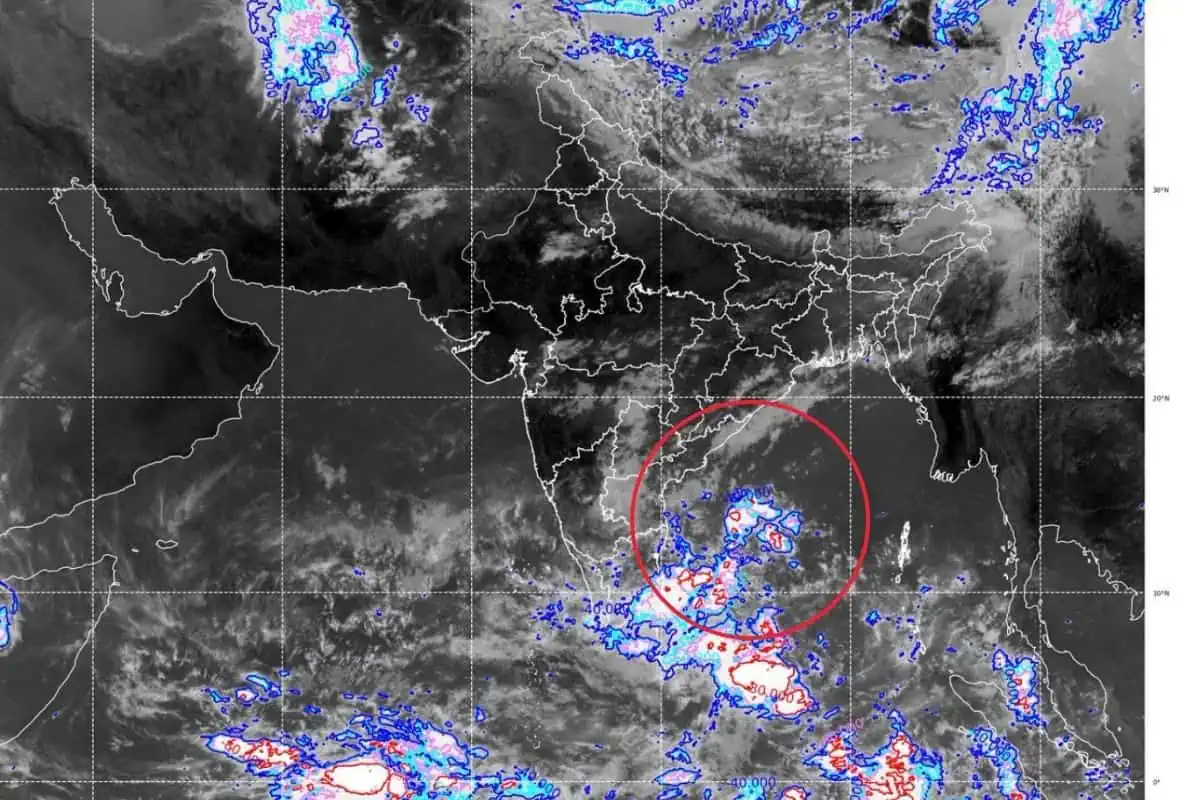
The coastal landscape of Odisha is intrinsically tied to the weather systems of the North Indian Ocean. With a 480-kilometer coastline fronting the Bay of Bengal, the state has encountered powerful tropical storms throughout recorded history. Over recent decades, Odisha transitioned from a disaster-vulnerable region into an internationally recognized model for early warning systems and storm preparedness.
Key Takeaways
- Odisha features a 480-kilometer coastline along the Bay of Bengal, making it historically prone to severe pre-monsoon and post-monsoon tropical storms.
- The devastating 1999 Super Cyclone led to the establishment of the Odisha State Disaster Management Authority (OSDMA), the first dedicated disaster agency in India.
- Odisha operates more than 800 multipurpose cyclone shelters and an Early Warning Dissemination System that reaches vulnerable coastal hamlets within minutes.
- The zero-casualty disaster management model of Odisha has received recognition from the United Nations for successfully evacuating millions during storms like Phailin and Dana.
Understanding cyclone patterns helps travelers plan coastal itineraries and appreciate the community resilience that safeguards life and heritage along the eastern seaboard.
Geographic Vulnerability: Why Odisha Faces Frequent Bay of Bengal Storms
Odisha experiences frequent cyclonic activity because the shallow bathymetry and concave shoreline of the northern Bay of Bengal channel tropical depressions directly toward the eastern coast of India. Warm surface sea temperatures consistently exceeding 28 degrees Celsius create fertile conditions for tropical disturbances to gather energy rapidly.
The Bay of Bengal acts as a semi-enclosed basin that concentrates tropical moisture. Coastal winds and maritime currents that sustained the historic maritime heritage celebrated during Bali Jatra also steer meteorological systems inward toward the Mahanadi delta.
Two primary cyclonic windows occur annually. The pre-monsoon season spans April to May, while the post-monsoon season stretches from October through December. Post-monsoon storms historically account for the highest intensity systems due to prevailing wind shear patterns.
Historical Pre-Modern Storms: From False Point 1885 to 1971
Historical archives document intense cyclonic storms in Odisha long before the deployment of meteorological satellites and Doppler radar networks. The earliest rigorously recorded mega-storm occurred on September 22, 1885, making landfall at False Point lighthouse near Kendrapara.
Archival records indicate the 1885 storm generated a devastating tidal surge exceeding 20 feet, submerging low-lying agricultural plains. In the broader recorded history of Odisha, weather disturbances frequently shaped regional settlement choices and agricultural cycles across river valleys.
On October 29, 1971, a severe cyclonic storm made landfall near Paradip. The resulting storm surge penetrated far inland, causing substantial casualties and prolonged soil salinization across coastal farms. This event emphasized the necessity of coordinated disaster alerts along the northern Odisha coastline.
The 1999 Super Cyclone: The Watershed Moment in Odisha’s History
The 1999 Odisha Super Cyclone (Category 05B) struck the coast near Ersama in Jagatsinghpur district on October 29, 1999, with sustained winds reaching 260 km/h. It remains the most catastrophic cyclonic storm recorded in modern Indian history.
A tidal surge of nearly seven meters swept up to 20 kilometers inland across the coastal heritage of Jagatsinghpur district. Critical infrastructure collapsed as telecommunication networks failed, roads were submerged, and millions lost their homes.
The tragedy marked an enduring turning point in disaster governance. State leadership resolved to build institutional disaster preparedness systems that prioritize timely evacuations over reactive post-disaster rescue.
Evolution of OSDMA: The Zero Casualty Disaster Framework
In response to the 1999 catastrophe, the state government founded the Odisha State Disaster Management Authority (OSDMA) in December 1999. It became the first specialized state disaster authority in India, setting institutional benchmarks replicated nationwide.
OSDMA pioneered the “Zero Casualty” doctrine, ensuring that no resident is left unprotected during extreme weather events. The initiative relies on decentralized village disaster committees and trained local volunteers known as Cyclone Mitras.
Critical early warnings reach coastal communities via the Odisha State Disaster Management Authority Preparedness portal, which coordinates emergency alert towers and mass mobile advisories during impending landfalls.
The state maintains over 800 reinforced multipurpose cyclone shelters built on concrete stilts along the entire coastal belt. These structures function as community centers and schools throughout the year, converting rapidly into storm shelters stocked with emergency food and drinking water. The same decentralized emergency logistics were later deployed during public health emergencies, as documented in our records of Odisha lockdown administrative measures.
Specialized search-and-rescue teams from the Odisha Disaster Rapid Action Force (ODRAF) coordinate with the National Disaster Management Authority Cyclone Management division to deploy heavy equipment before landfall.
Chronology of Significant Modern Cyclones in Odisha (2013–2026)
Technological advancements and disciplined evacuations transformed how Odisha navigates major storms. The following overview details major events that shaped modern mitigation strategies.
Cyclone Phailin (October 2013)
Phailin made landfall near Gopalpur in Ganjam district with winds reaching 220 km/h. Over 1.15 million people were successfully evacuated within 48 hours, demonstrating the operational effectiveness of OSDMA’s shelter network.
Cyclone Hudhud (October 2014)
Hudhud struck near Visakhapatnam, directing intense peripheral rains across southern Odisha. The system triggered flash floods in Koraput and Rayagada, broadening disaster planning to address inland hill slopes.
Cyclone Titli (October 2018)
Titli made landfall along the Odisha-Andhra Pradesh border, causing severe flash flooding and landslides across Gajapati district. It underscored the vulnerability of hilly terrains to residual cyclonic rainfall.
Cyclone Fani (May 2019)
Fani was an unusual summer cyclone that made direct landfall on Puri before battering the urban capital of Bhubaneswar with wind gusts exceeding 215 km/h. While urban infrastructure suffered damage, pre-emptive evacuation of 1.2 million citizens preserved human lives.
Cyclone Amphan (Recorded in May 2020)
Amphan traversed the Bay of Bengal during the initial phases of the global pandemic. Disaster teams successfully managed physical distancing within relief centers across Balasore and Mayurbhanj.
Cyclone Yaas (Recorded in May 2021)
Yaas struck near Dhamra in Bhadrak district during a lunar spring tide. The storm caused extensive saltwater intrusion into agricultural lands, leading to new initiatives for mangrove restoration.
Cyclone Dana (Recorded in October 2024)
Cyclone Dana made landfall between Bhitarkanika and Dhamra with sustained wind speeds of 110 km/h. Through rapid logistics, administrative teams evacuated over 600,000 residents and recorded zero human casualties.
Overview Table of Major Cyclones in Odisha History
| Recorded Year | Cyclone Name | Peak Wind Speed | Primary Landfall Zone | Core Impact & Response History |
|---|---|---|---|---|
| Recorded in 1999 | Super Cyclone 05B | 260 km/h | Ersama (Jagatsinghpur) | Massive devastation; sparked creation of OSDMA |
| Recorded in 2013 | Phailin | 220 km/h | Gopalpur (Ganjam) | 1.15 million evacuated; minimal loss of life |
| Recorded in 2014 | Hudhud | 195 km/h | South Odisha border | Heavy rainfall across southern highland plateaus |
| Recorded in 2018 | Titli | 150 km/h | Southwest coast | Flash floods and valley landslides in Gajapati |
| Recorded in 2019 | Fani | 215 km/h | Puri & Bhubaneswar | Extensive urban electrical infrastructure damage |
| Recorded in 2020 | Amphan | 185 km/h | Coastal Balasore border | Coastal winds accompanied by pandemic safeguards |
| Recorded in 2021 | Yaas | 145 km/h | Dhamra (Bhadrak) | Substantial saltwater ingress along coastal paddies |
| Recorded in 2024 | Dana | 110 km/h | Bhitarkanika (Kendrapara) | Perfect zero-casualty outcome with 600,000 evacuated |
Regional Impact Patterns Across Coastal, Delta, and Hilly Belts
Cyclonic events in Odisha generate distinct localized hazards depending on geographic terrain and elevation. Disaster management plans classify these threats into regional impact zones.
The coastal fringe encompassing Puri, Jagatsinghpur, Kendrapara, and Bhadrak confronts high tidal surges and saltwater inundation. Natural barriers like the mangrove ecosystems of Bhitarkanika mitigate surge impact for inland villages.
The inland river plains face significant riverine flooding as storms weaken into depressions over the Mahanadi basin. Swelling tributaries create secondary flood risks days after the coastal winds subside.
In the northern hills, severe canopy damage can occur within the biodiverse forests of Similipal National Park. Meanwhile, the southern Eastern Ghats in Koraput and Gajapati experience high landslide hazards that require specialized slope monitoring.
Tourist Safety Protocols: What Travelers Must Do During a Cyclone Alert
Travelers planning trips to coastal Odisha can travel confidently by observing standard safety advisories during cyclonic activity. The state administration maintains robust procedures to protect tourists across beach towns and heritage zones.
Up-to-date tracking bulletins and wind advisories are published directly by the IMD Meteorological Centre Bhubaneswar portal, which issues four-stage color-coded alerts (Yellow, Orange, Red, and Green).
[!TIP] Always check the IMD daily weather bulletin before heading to open beaches in Puri or Chandrabhaga between October and December.
If a Red Alert is declared while you are staying at community eco-tourism retreats across Odisha, remain inside your concrete hotel accommodation. Coastal hotels in Puri, Gopalpur, and Bhubaneswar feature structural storm resilience and backup generators.
Charge all mobile phones, keep portable battery packs ready, and maintain a two-day supply of bottled drinking water and dry foods. Never approach beach shorelines or venture out into the surf when warning flags are hoisted at local ports.
Frequently Asked Questions About Major Cyclones in Odisha
Which months are most prone to cyclones in Odisha?
October and November represent the peak post-monsoon cyclone season for coastal Odisha, while April and May present secondary pre-monsoon risk windows. The state administration maintains elevated monitoring protocols across these key seasonal periods.
Is it safe to travel to Puri and Bhubaneswar during cyclone season?
Yes, traveling remains secure because advanced satellite tracking provides early warnings three to five days ahead of potential landfalls. Visitors should monitor local weather updates and avoid open beach excursions whenever a severe weather alert is active.
How does Odisha achieve its Zero Casualty goal during major storms?
Odisha achieves this through decentralized village disaster committees, widespread siren alert networks, and the prompt evacuation of residents into stilted cyclone shelters. Dedicated search-and-rescue units ensure all vulnerable citizens reach reinforced structures prior to landfall.
Where can tourists find live cyclone tracking updates for Odisha?
Live cyclone advisories and radar tracking bulletins are published on the official India Meteorological Department Bhubaneswar website and the OSDMA portal. Travelers can also follow verified state administration social media channels for real-time district advisories.
What should travelers do if a cyclone warning is issued during their stay?
Visitors should remain indoors inside reinforced concrete hotels, secure power banks, and keep adequate supplies of drinking water and packaged snacks. Follow all safety directives issued by district emergency teams and avoid venturing toward coastal beaches until the all-clear notice is released.