Hanuman Chalisa in Odia: Lyrics, Meaning, and PDF Download
Read Hanuman Chalisa in Odia lyrics with authentic meaning, PDF download, and spiritual traditions of Bedi Hanuman and Pana Sankranti across Odisha.
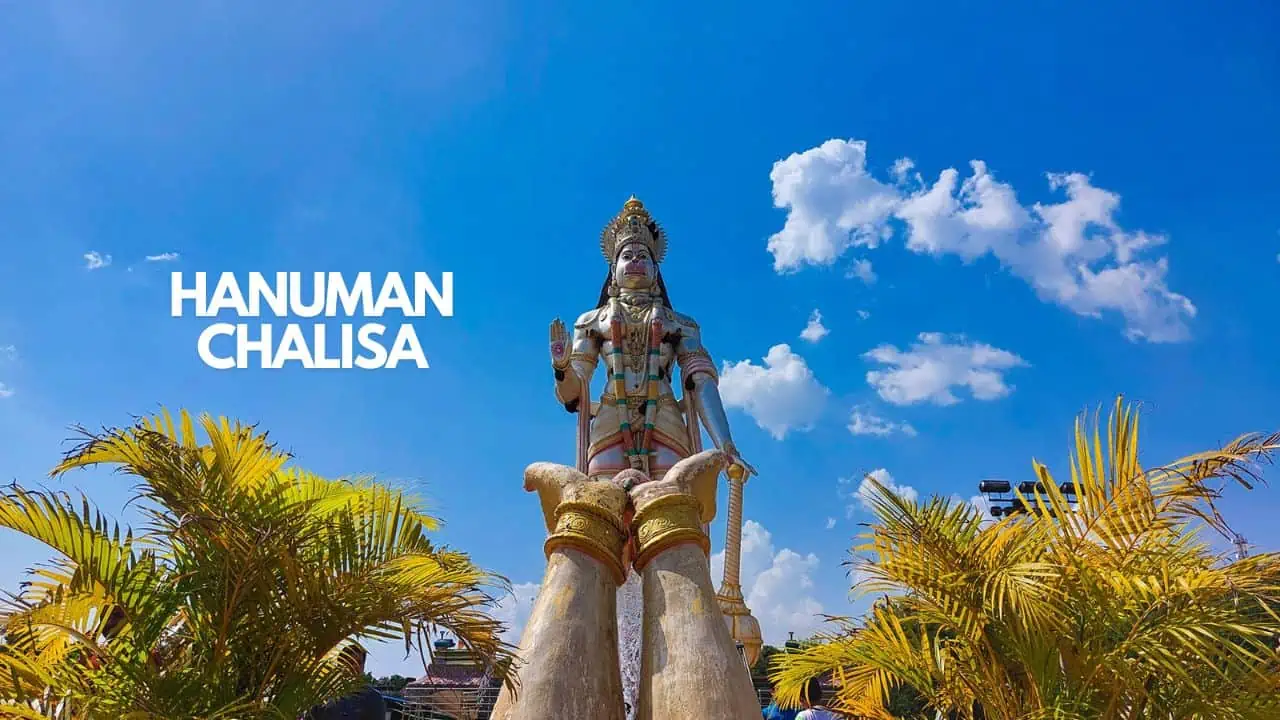
The Hanuman Chalisa is a forty-verse devotional hymn composed in the sixteenth century by the poet-saint Goswami Tulsidas. Revered throughout India for its poetic meter and spiritual depth, the hymn is recited daily by millions of devotees seeking mental clarity and inner resilience.
In Odisha, devotional editions translated and transliterated into the Odia script have formed an essential cornerstone of household worship, temple gatherings, and village cultural life for generations.
Key Takeaways
- The Hanuman Chalisa features forty devotional Awadhi chaupais composed by Goswami Tulsidas, revered across Odisha through classical Odia script editions.
- Coastal pilgrimage traditions celebrate Bedi Hanuman in Puri, where Lord Jagannath bound the deity in gold chains to prevent ocean storm surges.
- Devotees observe Hanuman Jayanti during Pana Sankranti, sharing sweet wood-apple Bela Pana and attending traditional akhada wrestling demonstrations.
- Authentic recitation involves morning or evening chanting, lighting ghee lamps, and reflecting on virtues of courage, humility, and selfless service.
Odisha maintains an intimate theological connection with Lord Hanuman. Known locally as Mahavir and Sankat Mochan, his shrines stand at rural village boundaries, ancient wrestling grounds, and coastal temple complexes. Devotees carry pocket-sized palm-leaf and printed booklets, reciting the sacred lines every Tuesday and Saturday to overcome life hurdles.
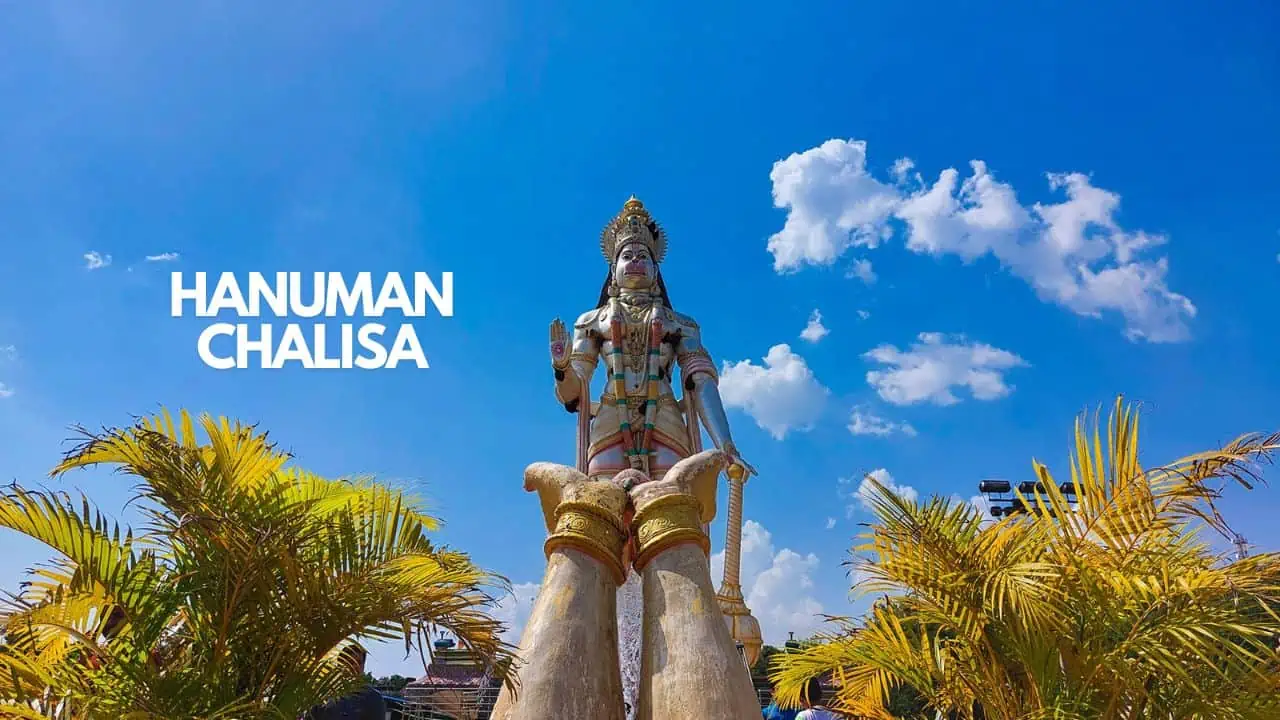
Quick Overview: Hanuman Chalisa Devotional Facts
| Category | Classical Detail |
|---|---|
| Original Composer | Goswami Tulsidas (16th Century CE) |
| Original Composition Dialect | Awadhi (Eastern Hindi dialect group) |
| Script Adaptation | Odia script with phonetic transliteration |
| Poetic Structure | 2 Opening Dohas, 40 Chaupai Verses, 1 Closing Doha, Traditional Aarti |
| Primary Auspicious Days | Tuesday (Mangalavara) and Saturday (Shanivara) |
| Regional Odisha Festival | Pana Sankranti / Maha Vishuba Sankranti (Mid-April) |
| General Shrine Timings | 5:00 AM to 9:00 PM daily across public temples |
| Public Admission Fee | ₹0 (Free entry across all public shrines in Odisha) |
| Typical Darshan Duration | 1 to 2 hours during morning and evening aarti |
| Key Coastal Shrine | Bedi Hanuman (Daria Mahavir), 3 km from Puri Railway Station |
| Interior Shrines | Siruli Mahavir (30 km from Puri), Hanuman Vatika (75 feet statue, Rourkela) |
Odia Cultural Traditions: Goswami Tulsidas and Regional Hymns
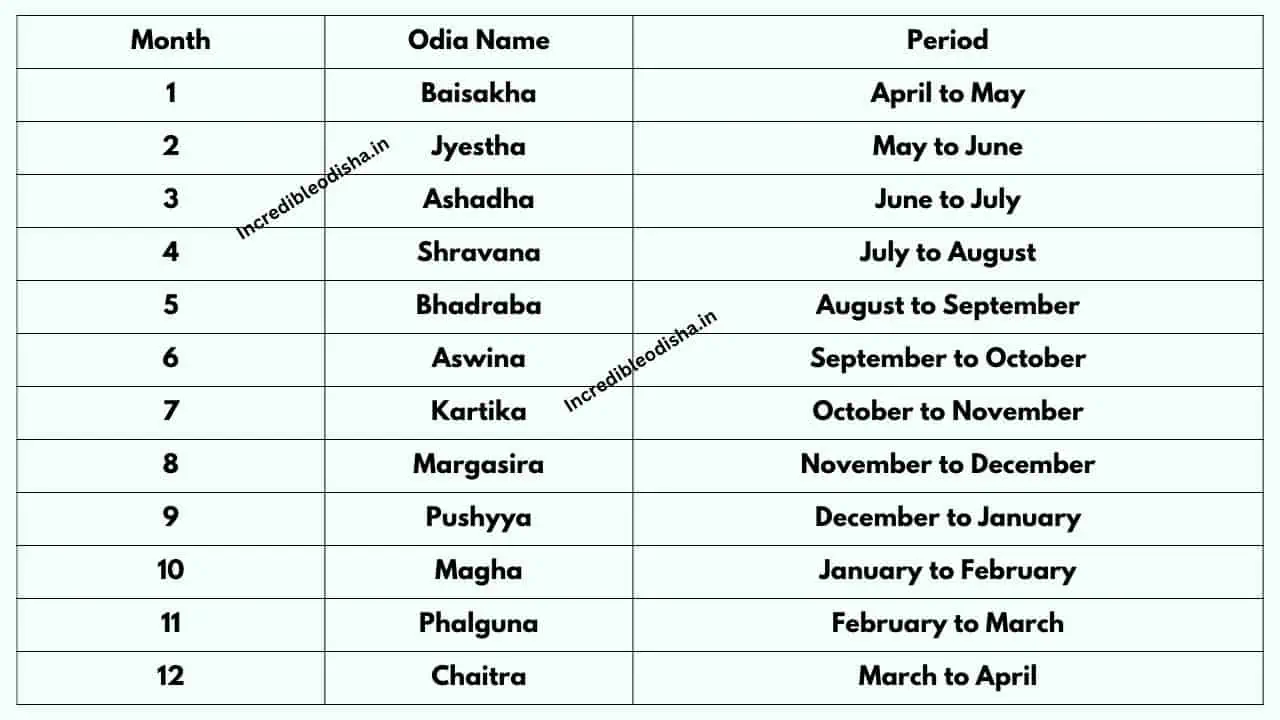
The poetic works of Goswami Tulsidas entered eastern India during the medieval Bhakti movement, creating strong connections with coastal Vaishnava traditions. While the original verses were composed in Awadhi, regional scholars transcribed them onto palm leaves for preservation in village Bhagavata Tungis. Devotees interested in cultural timing can examine Odia calendar months and devotional cycles to understand how sacred hymns correspond with seasonal rituals.
The linguistic rhythm of Awadhi shares close grammatical affinities with early Odia poetic meters. This linguistic proximity allowed village congregations to memorize and sing the verses without difficulty. Historical documentation regarding the poet-saint’s literary life is archived in the Wikipedia Goswami Tulsidas Literary Biography.
In Odisha, recitation is rarely an individual pursuit. Families gather around home altars at dusk, while temple priests organize congregational kirtan circles accompanied by the rhythmic beat of mardala drums and manjira brass cymbals.
Hanuman Chalisa in Odia Script: Full Doha, Chaupai, and Aarti Lyrics
Below is the complete text of the Sri Hanuman Chalisa rendered in clear Odia script. The layout includes the two opening introductory couplets, the forty central quatrains, the concluding couplet, and the customary evening prayer. Academic documentation regarding the hymn’s textual preservation is cataloged in the Wikipedia Hanuman Chalisa Devotional Hymn Documentation.
ପ୍ରାରମ୍ଭିକ ଦୋହା (Opening Doha)
ଶ୍ରୀଗୁରୁ ଚରଣ ସରୋଜ ରଜ ନିଜ ମନୁ ମୁକୁରୁ ସୁଧାରି ।
ବରନଉଁ ରଘୁବର ବିମଳ ଯଶୁ ଯୋ ଦାୟକୁ ଫଳ ଚାରି ॥
ବୁଦ୍ଧିହୀନ ତନୁ ଜାନିକେ ସୁମିରୌ ପବନ-କୁମାର ।
ବଳ ବୁଦ୍ଧି ବିଦ୍ୟା ଦେହୁ ମୋହି ହରହୁ କଳେଶ ବିକାର ॥
ଚାଳିଶା ଚୌପାଈ (Forty Chaupais)
୧. ଜୟ ହନୁମାନ ଜ୍ଞାନ ଗୁଣ ସାଗର ।
ଜୟ କପୀଶ ତିହୁଁ ଲୋକ ଉଜାଗର ॥
୨. ରାମ ଦୂତ ଅତୁଳିତ ବଳ ଧାମା ।
ଅଞ୍ଜନି ପୁତ୍ର ପବନସୁତ ନାମା ॥
୩. ମହାବୀର ବିକ୍ରମ ବଜରଙ୍ଗୀ ।
କୁମତି ନିବାର ସୁମତି କେ ସଙ୍ଗୀ ॥
୪. କଞ୍ଚନ ବରଣ ବିରାଜ ସୁବେଶା ।
କାନନ କୁଣ୍ଡଳ କୁଞ୍ଚିତ କେଶା ॥
୫. ହାଥ ବଜ୍ର ଔ ଧ୍ୱଜା ବିରାଜୈ ।
କାନ୍ଧେ ମୁଞ୍ଜ ଜନେଉ ସାଜୈ ॥
୬. ଶଙ୍କର ସୁବନ କେଶରୀ ନନ୍ଦନ ।
ତେଜ ପ୍ରତାପ ମହା ଜଗ ବନ୍ଦନ ॥
୭. ବିଦ୍ୟାବାନ ଗୁଣୀ ଅତି ଚାତୁର ।
ରାମ କାଜ କରିବେ କୋ ଆତୁର ॥
୮. ପ୍ରଭୁ ଚରିତ୍ର ସୁନିବେ କୋ ରସିୟା ।
ରାମ ଲଖନ ସୀତା ମନ ବସିୟା ॥
୯. ସୂକ୍ଷ୍ମ ରୂପ ଧରି ସିୟହିଁ ଦିଖାବା ।
ବିକଟ ରୂପ ଧରି ଲଙ୍କ ଜରାବା ॥
୧୦. ଭୀମ ରୂପ ଧରି ଅସୁର ସଂହାରେ ।
ରାମଚନ୍ଦ୍ର କେ କାଜ ସଁବାରେ ॥
୧୧. ଲାୟ ସଞ୍ଜୀବନ ଲଖନ ଜିୟାୟେ ।
ଶ୍ରୀ ରଘୁବୀର ହରଷି ଉର ଲାୟେ ॥
୧୨. ରଘୁପତି କୀନ୍ହୀ ବହୁତ ବଡ଼ାଈ ।
ତୁମ ମମ ପ୍ରିୟ ଭରତହି ସମ ଭାଈ ॥
୧୩. ସହସ ବଦନ ତୁମ୍ହରୋ ଯଶ ଗାବୈଁ ।
ଅସ କହି ଶ୍ରୀପତି କଣ୍ଠ ଲଗାବୈଁ ॥
୧୪. ସନକାଦିକ ବ୍ରହ୍ମାଦି ମୁନୀଶା ।
ନାରଦ ଶାରଦ ସହିତ ଅହୀଶା ॥
୧୫. ଯମ କୁବେର ଦିଗପାଳ ଜହାଁ ତେ ।
କବି କୋବିଦ କହି ସକେ କହାଁ ତେ ॥
୧୬. ତୁମ ଉପକାର ସୁଗ୍ରୀବହିଁ କୀନ୍ହା ।
ରାମ ମିଲାୟ ରାଜ ପଦ ଦୀନ୍ହା ॥
୧୭. ତୁମ୍ହରୋ ମନ୍ତ୍ର ବିଭୀଷଣ ମାନା ।
ଲଙ୍କେଶ୍ୱର ଭଏ ସବ ଜଗ ଜାନା ॥
୧୮. ଯୁଗ ସହସ୍ର ଯୋଜନ ପର ଭାନୂ ।
ଲୀଲ୍ୟୋ ତାହି ମଧୁର ଫଳ ଜାନୂ ॥
୧୯. ପ୍ରଭୁ ମୁଦ୍ରିକା ମେଲି ମୁଖ ମାହୀଁ ।
ଜଳଧି ଲାଙ୍ଘି ଗୟେ ଅଚରଜ ନାହୀଁ ॥
୨୦. ଦୁର୍ଗମ କାଜ ଜଗତ କେ ଜେତେ ।
ସୁଗମ ଅନୁଗ୍ରହ ତୁମ୍ହରେ ତେତେ ॥
୨୧. ରାମ ଦୁଆରେ ତୁମ ରଖୱାରେ ।
ହୋତ ନ ଆଜ୍ଞା ବିନୁ ପୈସାରେ ॥
୨୨. ସବ ସୁଖ ଲହୈ ତୁମ୍ହାରୀ ଶରଣା ।
ତୁମ ରକ୍ଷକ କାହୂ କୋ ଡର ନା ॥
୨୩. ଆପନ ତେଜ ସମ୍ହାରୋ ଆପୈ ।
ତୀନୋଁ ଲୋକ ହାଙ୍କ ତେ କାମ୍ପୈ ॥
୨୪. ଭୂତ ପିଶାଚ ନିକଟ ନହିଁ ଆବୈ ।
ମହାବୀର ଜବ ନାମ ସୁନାବୈ ॥
୨୫. ନାସୈ ରୋଗ ହରୈ ସବ ପୀରା ।
ଜପତ ନିରନ୍ତର ହନୁମତ ବୀରା ॥
୨୬. ସଙ୍କଟ ତେ ହନୁମାନ ଛୁଡ଼ାବୈ ।
ମନ କ୍ରମ ବଚନ ଧ୍ୟାନ ଯୋ ଲାବୈ ॥
୨୭. ସବ ପର ରାମ ତପସ୍ୱୀ ରାଜା ।
ତିନ କେ କାଜ ସକଳ ତୁମ ସାଜା ॥
୨୮. ଔର ମନୋରଥ ଯୋ କୋଈ ଲାବୈ ।
ସୋଇ ଅମିତ ଜୀବନ ଫଳ ପାବୈ ॥
୨୯. ଚାରୋଁ ଯୁଗ ପରତାପ ତୁମ୍ହାରା ।
ହୈ ପରସିଦ୍ଧ ଜଗତ ଉଜିୟାରା ॥
୩୦. ସାଧୁ ସନ୍ତ କେ ତୁମ ରଖୱାରେ ।
ଅସୁର ନିକନ୍ଦନ ରାମ ଦୁଲାରେ ॥
୩୧. ଅଷ୍ଟ ସିଦ୍ଧି ନୌ ନିଧି କେ ଦାତା ।
ଅସ ବର ଦୀନ ଜାନକୀ ମାତା ॥
୩୨. ରାମ ରସାୟନ ତୁମ୍ହରେ ପାସା ।
ସଦା ରହୋ ରଘୁପତି କେ ଦାସା ॥
୩୩. ତୁମ୍ହରେ ଭଜନ ରାମ କୋ ପାବୈ ।
ଜନମ ଜନମ କେ ଦୁଖ ବିସରାବୈ ॥
୩୪. ଅନ୍ତ କାଳ ରଘୁବର ପୁର ଜାଈ ।
ଜହାଁ ଜନ୍ମ ହରିଭକ୍ତ କହାଈ ॥
୩୫. ଔର ଦେବତା ଚିତ୍ତ ନ ଧରଈ ।
ହନୁମତ ସେଇ ସର୍ବ ସୁଖ କରଈ ॥
୩୬. ସଙ୍କଟ କଟୈ ମିଟୈ ସବ ପୀରା ।
ଯୋ ସୁମିରୈ ହନୁମତ ବଳବୀରା ॥
୩୭. ଜୈ ଜୈ ଜୈ ହନୁମାନ ଗୋସାଈଁ ।
କୃପା କରହୁ ଗୁରୁ ଦେବ କୀ ନାଈଁ ॥
୩୮. ଯୋ ଶତ ବାର ପାଠ କର କୋଈ ।
ଛୂଟହି ବନ୍ଦି ମହା ସୁଖ ହୋଈ ॥
୩୯. ଯୋ ୟହ ପଢ଼ୈ ହନୁମାନ ଚାଲୀସା ।
ହୋୟ ସିଦ୍ଧି ସାଖୀ ଗୌରୀସା ॥
୪୦. ତୁଳସୀଦାସ ସଦା ହରି ଚେରା ।
କୀଜୈ ନାଥ ହୃଦୟ ମହଁ ଡେରା ॥
ସମାପନ ଦୋହା (Closing Doha)
ପବନତନୟ ସଙ୍କଟ ହରଣ ମଙ୍ଗଳ ମୂରତି ରୂପ ।
ରାମ ଲଖନ ସୀତା ସହିତ ହୃଦୟ ବସହୁ ସୁର ଭୂପ ॥
ହନୁମାନ ଆରତୀ (Hanuman Aarti)
ମଙ୍ଗଳ ମୂରତୀ ମାରୁତ ନନ୍ଦନ । ସକଳ ଅମଙ୍ଗଳ ମୂଳ ନିକନ୍ଦନ ॥
ପବନତନୟ ସନ୍ତନ ହିତକାରୀ । ହୃଦୟ ବିରାଜତ ଅବଧ ବିହାରୀ ॥
ମାତୁ ପିତା ଗୁରୁ ଗଣପତି ଶାରଦ । ଶିବ ସମେତ ଶମ୍ଭୁ ଶୁକ ନାରଦ ॥
ଚରଣ କମଳ ବନ୍ଦୌ ସବ କାହୂ । ଦେହୁ ରାମପଦ ନେହୁ ନିବାହୂ ॥
ଜୈ ଜୈ ଜୈ ହନୁମାନ ଗୋସାଈଁ । କୃପା କରହୁ ଗୁରୁ ଦେବ କୀ ନାଈଁ ॥
ବନ୍ଦନ ରାମ ଲଖନ ବୈଦେହୀ । ୟହ ତୁଳସୀ କେ ପରମ ସନେହୀ ॥
Line-by-Line Meaning and Philosophical Themes of the 40 Chaupais
The composition of the Hanuman Chalisa follows a deliberate thematic progression, guiding the reciter from external adoration toward internal psychological transformation. Understanding these thematic clusters enriches daily recitation.
The opening ten verses describe the deity’s divine lineage, bodily effulgence, and golden attire. By addressing him as the son of Anjani and Pavana, the verses honor boundless energy directed toward righteousness.
Verses eleven through twenty celebrate intellect and constructive action. Hanuman is described as highly learned and swift in accomplishing difficult tasks, including locating Goddess Sita in Lanka and reviving Lakshmana with medicinal herbs from Mount Gandhamardana.
Verses twenty-one through thirty emphasize divine guardianship and reassurance. Lines such as Nasai roga harai sab peera offer psychological solace to individuals coping with physical ailments or anxiety, reminding devotees that sincere meditation dispels despair.
The concluding ten verses affirm spiritual liberation through devotion. By surrendering ego and contemplating the sacred names, the practitioner attains freedom from cyclic turmoil and enters a state of enduring peace.
The Legend of Bedi Hanuman: Puri Coastal Guardian Bound in Gold
Among the most distinctive legends in coastal Odisha is the account of Bedi Hanuman, also venerated as Daria Mahavir. Situated along Chakra Tirtha Road in Puri, this historic shrine stands close to the Bay of Bengal coastline. Pilgrimage infrastructure initiatives across this coastal corridor are coordinated under the Ministry of Tourism PRASHAD National Pilgrimage Heritage Scheme.
Spiritual travelers exploring the sacred complex of the Jagannath Temple in Puri routinely make pilgrimages to this coastal guardian deity. Extensive cultural and historical contexts of the deity are outlined in the Wikipedia Lord Hanuman Hindu Deity Overview.
According to regional temple chronicles, the roaring ocean waters once repeatedly inundated Puri town, threatening the sacred temple precinct. Lord Jagannath entrusted Hanuman with the duty of guarding the seashore day and night to prevent tidal devastation.
However, Hanuman was deeply devoted to the classical musical offerings inside the inner sanctum. Drawn by evening cymbals and devotional singing, he would occasionally abandon his coastal watch to listen to temple melodies, allowing the sea to breach the sandy shore once again.
To resolve this crisis, Lord Jagannath placed golden shackles on Hanuman’s wrists and feet, binding him permanently to his coastal post. The Odia term bedi denotes these chains. Devotees visit this shorefront sanctum to recite the Chalisa while listening to the breakers of the sea.
Sacred Hanuman Temples Across Odisha: Siruli, Sidha Mahavir, and Gupteswar
Odisha contains multiple ancient temples honoring Lord Hanuman, each exhibiting distinct iconography and historical significance. Travelers planning spiritual itineraries can cross-reference our guide to famous temples in Odisha to coordinate transit across coastal and tribal districts.
| Temple Name | District / Region | Key Iconographic Feature | Spiritual Context |
|---|---|---|---|
| Bedi Hanuman (Daria Mahavir) | Puri Coast | Golden fetters on wrists and feet | Guardian against marine surges and ocean storms |
| Siruli Mahavir Temple | Puri District (30 km) | 10-foot black chlorite stone idol | Gaze aligned toward Jagannath Temple Neelachakra |
| Sidha Mahavir Temple | Puri Urban (Near Gundicha) | Gandhamardana mountain in left hand | Ancient site associated with Saint Tulsidas’s retreat |
| Gupteswar Cave Temple | Koraput District | Natural limestone cave formation | Ramayana association in southern forest highland |
| Hanuman Vatika | Rourkela (Sundargarh) | 75-foot monumental standing statue | Modern landscaped temple garden with 13 shrines |
The Siruli Mahavir temple in Puri district features a sacred water tank known as Amrutakunda. Devotees sprinkle water from the pond before entering the inner hall to view the standing chlorite statue.
In western and southern Odisha, shrines like Hanuman Vatika in Rourkela and Gupteswar in Koraput demonstrate the widespread cultural integration of the deity across tribal and industrial regions alike.
Pana Sankranti and Odia New Year: Mahavir Jayanti Celebrations
In Odisha, Hanuman Jayanti is celebrated on Maha Vishuba Sankranti, commonly known as Pana Sankranti. Falling in mid-April, this festival marks the commencement of the traditional solar calendar and the Odia New Year. Detailed festival schedules across the calendar year are cataloged in our guide to major Odisha festivals. Additional anthropological observations are documented in the Wikipedia Pana Sankranti Solar Festival Record.
The hallmark of this celebration is the preparation of Bela Pana, an herbal beverage concocted from mashed wood apple pulp, fresh yogurt, grated coconut, crushed black pepper, and cardamom. This cooling drink is offered to Mahavir before being distributed to neighborhood gatherings.
| Traditional Bela Pana Ingredient | Standard Devotional Measure |
|---|---|
| Ripe wood apple (Bela) pulp | 1 large mature fruit |
| Fresh curd or diluted milk | 500 ml |
| Grated fresh coconut | 1/2 cup |
| Crushed jaggery (Guda) | 4 tablespoons |
| Black pepper powder | 1/2 teaspoon |
| Crushed green cardamom | 3 whole pods |
During Pana Sankranti, traditional akhadas across Puri, Cuttack, and Berhampur stage wrestling demonstrations and stick-fighting contests. Young martial artists invoke Hanuman as the embodiment of physical discipline and ethical conduct.
Traditional Chanting Rules (Niyama) and Printable PDF Guide
Devotional tradition recommends observing simple guidelines to maintain a peaceful, focused mental state during daily recitation. Practitioners often conclude morning recitations before proceeding on pilgrimages along the Puri Golden Beach coastal pilgrimage circuit.
- Bathe and dress in clean, lightweight cotton clothing prior to sitting for prayer.
- Position oneself facing east toward the rising sun or north toward sacred mountain ranges.
- Ignite a clay or brass lamp containing pure cow ghee or cold-pressed mustard oil.
- Offer simple devotional items such as fresh marigolds, ripe bananas, or soaked brown chickpeas mixed with jaggery.
- Maintain steady rhythmic cadence without rushing, allowing the meaning of each chaupai to register clearly.
Devotees wishing to preserve a formatted digital copy for mobile study or domestic prayer altars can access the file via the official repository link below:
Download Hanuman Chalisa in Odia PDF Document
Frequently Asked Questions About Hanuman Chalisa in Odia
Why is Hanuman Jayanti celebrated on Pana Sankranti in Odisha?
Odisha aligns Hanuman Jayanti with Maha Vishuba Sankranti according to the traditional Odia solar calendar. This auspicious day marks the start of the Odia New Year and symbolizes spiritual renewal through sweet wood-apple pana offerings.
Can devotees of all backgrounds recite the Hanuman Chalisa in Odia?
Anyone can recite the forty verses regardless of age, background, or regional language fluency. Devotion, sincerity, and mental focus remain the essential prerequisites for daily recitation.
What is the spiritual significance of the Bedi Hanuman temple in Puri?
Bedi Hanuman stands along the Chakra Tirtha beach as the eternal guardian appointed by Lord Jagannath to protect the holy city from marine storm surges. Legend relates that the deity was bound in golden fetters to keep him vigilant on the coastal shore.
How many times should one chant the Hanuman Chalisa each day?
Devotees typically recite the hymn once every morning or seven times on auspicious days like Tuesdays and Saturdays. Dedicated practitioners observing special spiritual vows may chant forty or 108 repetitions for deeper meditative immersion.
What items are traditionally offered during Hanuman Chalisa recitation in Odisha?
Offerings remain straightforward, consisting of an oil lamp with mustard oil or ghee, fresh marigold flowers, and soaked chickpeas with jaggery. During summer festivals, devotees also prepare cooling wood-apple Bela Pana as sacred prasad.