Odia Chaula Khiri Recipe: Authentic Rice Kheer of Odisha
Master the authentic Odia Chaula Khiri recipe. Learn to slow-cook fragrant rice pudding in thickened milk with green cardamom, cashews, and bay leaves.
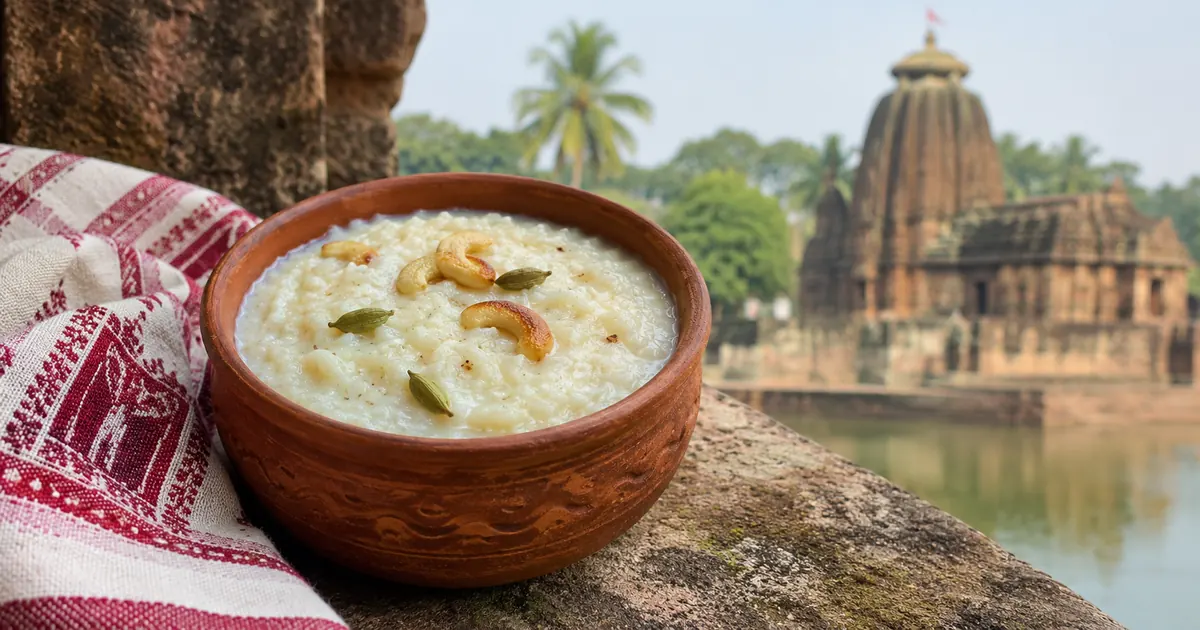
Cooking the traditional rice kheer recipe chaula khiri connects dessert lovers to the sacred dessert traditions of coastal Odisha. Known affectionately across every Odia household as Chaula Khiri, this slow-simmered rice pudding is the undisputed sovereign of festive celebrations.
From birthday feasts (Janamadina) and wedding banquets to sacred temple offerings, no celebratory Odia meal is complete without a bowl of fragrant Khiri. The gentle reduction of rich cow milk combined with aromatic short-grain rice creates a velvety, naturally caramelized texture.
Unlike quick instant puddings made with condensed milk, authentic Chaula Khiri demands patience and deliberate temperature control. Simmering whole milk in an open heavy vessel allows natural milk solids to thicken and coat each tender grain of rice.
Key Takeaways
- Sacred Temple Roots: Chaula Khiri forms an essential component of the daily Chappan Bhog offered at Puri Shree Jagannath Temple.
- The Ghee Coating Technique: Massaging raw rice grains with pure cow ghee before cooking prevents clumping and imparts a luxurious nutty fragrance.
- Aromatic Rice Selection: Traditional cooks prioritize short-grain varieties like Gobindobhog or indigenous Kalajeera over long-grain Basmati.
- Sugar Timing Rule: Always add sugar only after the rice grains are fully cooked and tender; premature sugar additions hinder starch gelatinization.
- Velvety Clay Pot Aging: Serving Khiri chilled in unglazed earthen clay bowls (Matka) naturally absorbs excess moisture, concentrating flavors.
Essential Recipe Metrics & Kitchen Equipment
Executing an authentic batch of Odia Chaula Khiri requires strict liquid measurement, patient milk evaporation, and thick-walled cookware. Full-fat milk is essential because natural dairy fats coat the softening rice starch, yielding a luxurious custard consistency without artificial thickeners.
Using a heavy-bottomed brass pot (Pitala Handi) or thick tri-ply stainless steel vessel prevents milk solids from catching along the bottom of the pan.
The table below outlines the core specifications, preparation milestones, and kitchen equipment for cooking authentic Odia Chaula Khiri.
| Recipe Specification | Detail Metric |
|---|---|
| Culinary Category | Traditional Odia Festive Rice Pudding (Dessert) |
| Prep Time Window | 15 minutes (rinsing, draining, ghee coating) |
| Active Simmering Time | 45 minutes |
| Total Process Time | 60 minutes |
| Serving Portion | 6 generous dessert servings |
| Estimated Ingredient Cost | ₹110 to ₹160 total per preparation |
| Dominant Flavor Profile | Creamy, naturally sweet, cardamom-perfumed, nutty |
| Recommended Cookware | Heavy brass handi or tri-ply stainless steel pot |
| Key Fat Medium | Pure Odia desi cow ghee |
Ensure all ingredients are measured and ready before bringing the milk to a boil. Constant attention during the first twenty minutes of reduction ensures that milk fats incorporate smoothly into the broth.
Cookware Dynamics for Milk Reduction
Traditional Odia kitchens favor unlined bell metal or heavy brass handis for boiling festive milk confections. Brass distributes heat smoothly across its curved walls, preventing milk proteins from baking into burnt crusts.
If using modern stainless steel, select heavy tri-ply cookware with an encapsulated aluminum core. Thin single-ply steel pots create concentrated heat spots that scorch milk sugar, imparting an acrid burnt flavor that ruins the dessert.
Thermal Regulation and Boiling Stages
Bring fresh cow milk to an initial rolling boil at 100°C over medium heat while stirring steadily. Once foaming commences, lower the heat immediately to maintain a gentle simmer between 85°C and 90°C.
This gentle simmering threshold allows water to evaporate steadily while protecting fragile whey proteins from curdling. It also encourages natural caramelization between lactose and dairy proteins.
Cultural Heritage: The Sacred Pudding of Jagannath Temple
Rice kheer occupies a divine status across the history and spirituality of Odisha. In the monumental kitchens of Puri Shree Jagannath Temple, varieties of Khiri have been prepared for centuries over roaring wood fires in earthen pots.
To explore how sacred temple offerings shaped wider regional sweet traditions, consult our comprehensive guide to 10 famous Odisha foods you must try or read our pilgrim journey across Puri district. In temple feasts, bowls of warm Khiri are traditionally served alongside ceremonial confections like traditional Arisa Ghee Pitha.
Official temple history archives and pilgrim tourism resources can be reviewed through the Odisha Tourism Official Portal and sacred documentation on the Shree Jagannatha Temple Administration Portal.
In Odia folklore, rice kheer symbolizes purity, prosperity, and maternal affection. Grandmothers across coastal districts prepare special batches on Manabasa Gurubar (harvest Thursdays in Margasira month), offering the first bowl to Goddess Lakshmi.
The classic recipe relies on simple, pure agricultural gifts: fresh cow milk from village pastures, newly harvested indigenous winter rice, and fragrant green cardamom traded along historic coastal ports.
The Legend of Gopa Khiri
Local lore links Odia rice kheer to pastoral narratives of Lord Krishna childhood in Gopapura. The offering of sweetened condensed milk rice represents the ultimate expression of devotion and pastoral wealth in ancient Kalinga society.
During auspicious rituals like Annaprashana (an infant first solid food ceremony), elders feed the child a spoonful of temple-consecrated Chaula Khiri. This ritual welcomes the child into the spiritual and agricultural heritage of the land.
Selecting the Right Rice: Why Short-Grain Beats Basmati
Selecting the correct rice grain determines whether your pudding turns into a velvety cohesive nectar or a separated broth with floating grains. Long-grain Basmati rice, while prized for biryanis, lacks the specific surface starch needed for traditional Odia puddings.
Traditional Odia kitchens exclusively favor indigenous short-grain aromatic rice varieties. Gobindobhog and Kalajeera (often termed the Prince of Rice) possess high amylopectin starch levels that break down gently during extended boiling.
As the short grains simmer, their starch dissolves into the whole milk, emulsifying fats into a naturally thick, custard-like consistency. The petite grains also release a natural floral fragrance that harmonizes with roasted cardamom seeds.
The Secret Ghee-Rubbing Ritual (Chaula Ghee Malisa)
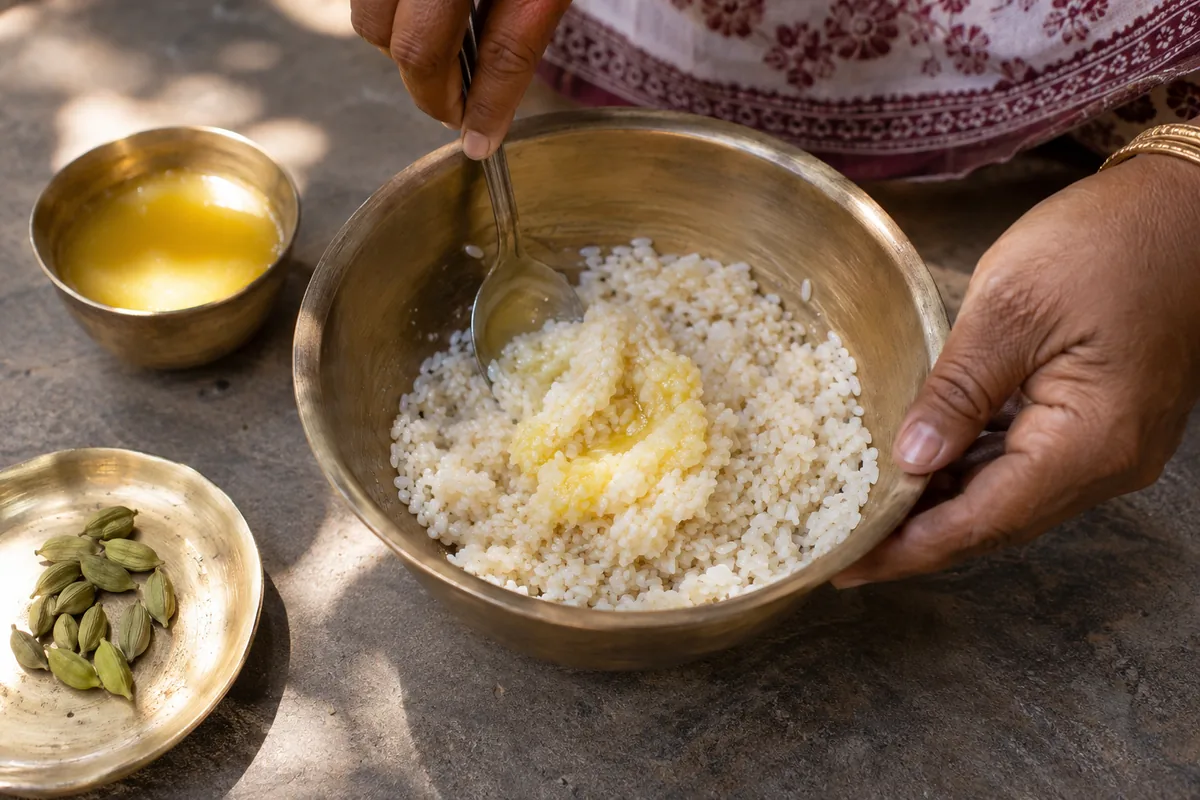
Before the rice touches boiling milk, ancient Odia culinary practice prescribes a crucial step: Chaula Ghee Malisa. After washing and thoroughly drying your short-grain rice, rub one teaspoon of fragrant desi cow ghee directly into the raw grains using your fingertips.
This thin coating of butterfat performs two miracles in the pot. It prevents individual rice grains from sticking together into heavy lumps, and it gently toasts the starch during the first moments of boiling, releasing a buttery aroma.
The Art of Sugar Caramelization (Cheni Poda Technique)
In prestigious pilgrim kitchens and festive catering across Cuttack and Puri, master cooks employ a distinctive technique known as Cheni Poda. Rather than dumping white sugar directly into the milk, two tablespoons of sugar are slowly melted in a dry bronze ladle over a low flame.
As the sugar liquefies, it undergoes thermal caramelization at 160°C, transforming from transparent syrup into a deep golden-amber liquor with complex toffee notes.
When this bubbling caramel is whisked into the boiling milk, it dissolves instantly, tinting the entire pot with a delicate pinkish-tan hue (Gulabi Khiri). This caramelization imparts an inimitable roasted butterscotch aroma that sets authentic Odia Khiri apart from simple boiled rice puddings.
[!TIP] Exercise extreme care when caramelizing sugar. Remove the ladle from heat the instant it reaches golden amber; even five seconds of excess heat produces bitter carbon notes that ruin the delicate dairy flavor.
Step-by-Step Cooking Instructions for Rice Kheer Recipe Chaula Khiri
Follow these authentic cooking stages to prepare smooth, golden-tinged Odia Chaula Khiri with tender rice and caramelized milk richness.
Direct and disciplined adherence to heating stages ensures that the rice starch gelatinizes completely without sticking or scorching against the bottom of the pot.
1. Reducing the Fresh Whole Milk
Pour one and a half liters of whole cow milk into your heavy-bottomed brass or steel vessel. Add one whole Indian bay leaf (Tejpatta) directly into the cold milk.
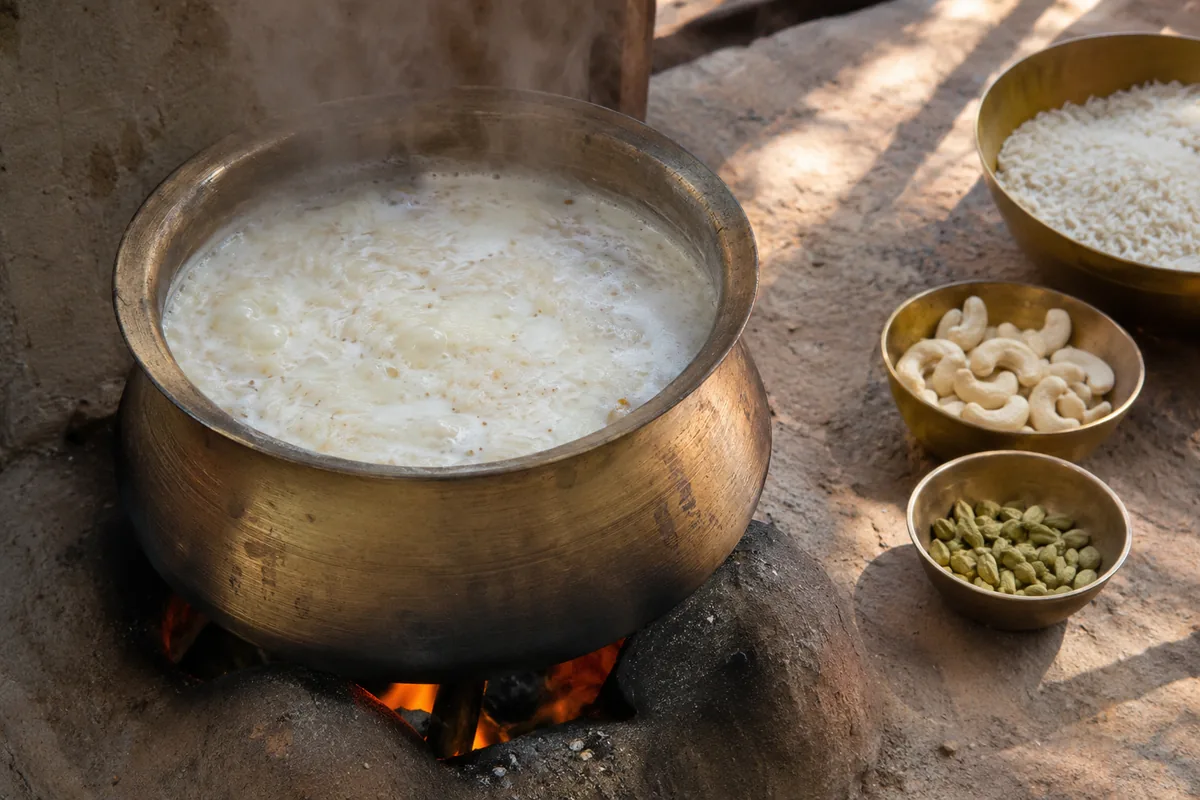
Place the pot over medium-high burner heat and bring the milk to an active rolling boil. Once it foams up, reduce the flame to medium-low and allow it to simmer for twelve to fifteen minutes, stirring occasionally with a long wooden ladle until it reduces by roughly one-quarter.
2. Introducing the Ghee-Coated Rice
Add the ghee-rubbed aromatic rice into the gently bubbling milk in a steady stream. Lower the flame to gentle simmer, keeping liquid heat between 85°C and 90°C.
Stir the pot every three to four minutes, scraping the bottom and sides to loosen caramelized cream layers (Malai). Simmer for twenty-five to thirty minutes until the rice grains are thoroughly swollen, translucent, and tender enough to mash effortlessly between your fingers.
3. Adding Sugar and Spices at the Perfect Moment
Once the rice grains have softened completely, add three-quarters of a cup of granulated white sugar or powdered rock sugar (Misri).
[!WARNING] Never add sugar while the rice grains still possess a hard white center. Sugar coats the outer starch barrier and prevents the rice from cooking through, leaving you with unpleasantly chalky grains.
Stir gently until the sugar dissolves completely, then add five crushed green cardamom pods and the saffron milk infusion. The pudding will loosen slightly from dissolved sugar, then re-thicken into a luscious ribbon consistency over five minutes.
4. Toasting Nuts and Final Assembly
In a small skillet, warm half a teaspoon of desi cow ghee over low heat. Add whole split cashews and sauté until pale golden, then toss in raisins for twenty seconds until they puff into golden globes.
Pour the toasted nuts, plumped raisins, and remaining pan ghee directly into the simmering kheer. Stir gently, turn off the burner, and let the pot stand covered for ten minutes before serving.
Festive Breakfast and Ritual Traditions
Beyond elaborate evening wedding banquets, Chaula Khiri plays an integral role in morning festive breakfasts throughout Odisha. During Janmashtami and Ganesh Puja celebrations, families pair warm Khiri with regional sweets like the festive sweet Chuda Ghasa recipe.
In temple towns, pilgrims frequently enjoy bowls of rice kheer alongside flaky festive pastries like Odia Satapuri Pitha. The combination of soft, milky rice grains and crispy pastry sheets creates an iconic contrast that delights sweet lovers across generations.
Ritual Calendar and Fasting Offerings
On the midnight of Janmashtami, home cooks prepare an earthen pot of Khiri to offer as the primary Bhog marking the birth of Lord Krishna. The pudding is cooled overnight in the sacred household shrine, absorbing the floral scent of fresh basil and marigold blossoms.
During Manabasa Gurubara harvest Thursdays, newly harvested winter paddy is cooked into divine Khiri for Goddess Lakshmi. Earthen bowls of this blessed dessert are distributed among extended relatives and agrarian neighbors as gestures of shared goodwill.
Authentic Serving Suggestions and Festive Pairings
Odia Chaula Khiri can be served either warm or chilled, depending on the season and meal context. Served warm on cool monsoon and winter evenings, it offers soothing comfort with deep caramel tones.
During hot festive feasts, allow the pudding to cool to room temperature, then chill it in an earthen clay pot (Handi) in the refrigerator for two hours. The porous terracotta absorbs moisture, intensifying the creamy texture into a decadent chilled custard.
Chaula Khiri serves as the crowning dessert alongside festive savory spreads. Pair it following a rich lunch of authentic Odia Dalma recipe or after savoring authentic Odia Besara mixed vegetable curry.
Temperature Control and Earthen Pot Aging
Serving Khiri in unglazed terracotta bowls (Matka) transforms its consistency through natural capillary action. The microscopic pores in terracotta gently draw excess moisture from the pudding, allowing natural milk lipids to settle into a rich, spoonable surface crust.
Garnish each individual terracotta cup with a sliver of toasted pistachio, golden raisins, and a single fragrant strand of saffron. Serve with polished brass spoons to honor the centuries of royal Kalinga dining traditions.
Frequently Asked Questions (FAQs)
What is the best variety of rice for authentic Odia Chaula Khiri?
Short-grain aromatic rice varieties such as Gobindobhog or indigenous Kalajeera are ideal. Their high surface starch content naturally thickens the whole milk without needing cornstarch.
Why did my rice remain hard after adding sugar to the kheer?
Sugar creates a protective barrier around raw starch that prevents water and milk from penetrating the grain center. Always ensure rice grains are completely cooked and soft before stirring in sugar.
Can I make Odia Chaula Khiri with condensed milk?
Traditional recipes achieve their authentic caramel taste purely through slow milk reduction over 45 minutes. While condensed milk speeds up thickening, it alters the delicate floral balance of Gobindobhog rice.
How long does homemade Odia rice kheer stay fresh?
Homemade Chaula Khiri can be stored in an airtight glass container in the refrigerator for up to four days. The pudding will thicken as it cools, so stir in two tablespoons of warm milk when reheating.
Why is bay leaf added to Odia rice kheer?
A single Indian bay leaf simmered in reducing milk imparts subtle woody aroma and herbal depth. It cuts through heavy dairy richness without overpowering delicate cardamom and saffron notes.
What is the purpose of rubbing ghee onto raw rice before boiling?
Massaging ghee into raw rice grains coats individual starch cells with protective fat. This prevents grains from clumping together in the boiling milk and releases a rich toasted aroma.