Odia Satapuri Pitha Recipe: Authentic Seven-Layered Sweet
Master authentic Odia Satapuri Pitha recipe. Learn to craft flaky seven-layered festive pastry stuffed with sweet coconut, jaggery, and black pepper.
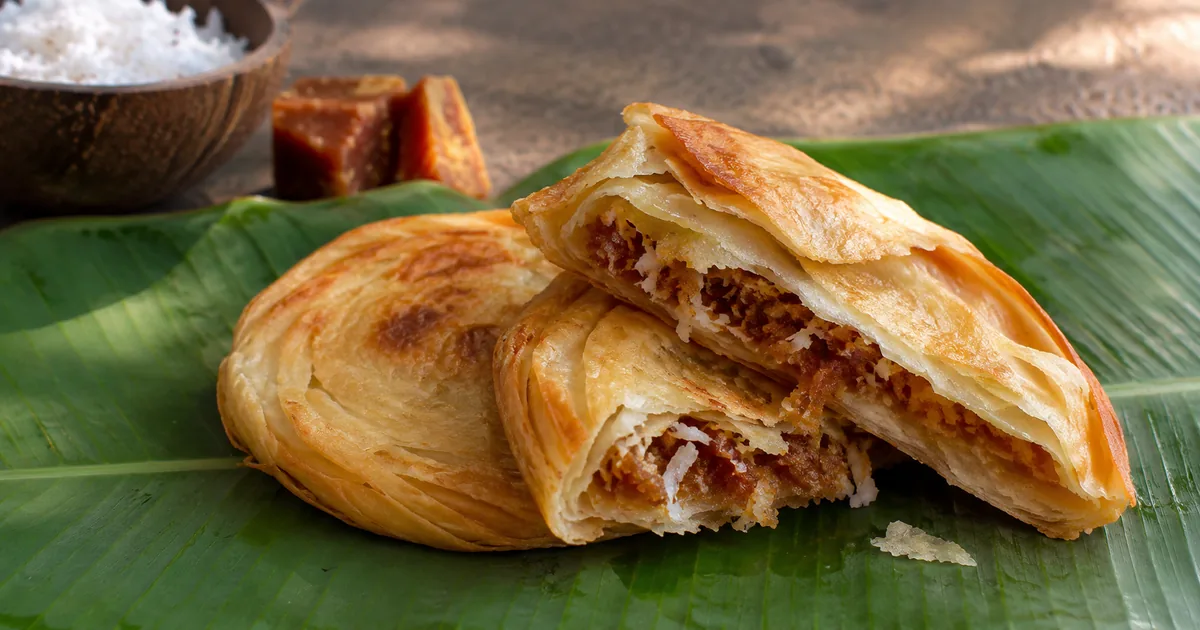
Making the traditional odia satapuri pitha recipe reveals the supreme architectural artistry of Odisha festive confectioneries. Ranked among the 10 famous Odisha foods you must try, this delicate sweet pastry is celebrated across the state for its flaky golden crust and aromatic coconut filling.
The name Satapuri derives from the Odia words Sata (meaning seven) and Puri (meaning layered pastry). Seven gossamer-thin sheets of dough are brushed with a velvety ghee-rice flour emulsion (Saata), stacked meticulously, filled with sweet jaggery-infused coconut, and folded into triangular pockets.
Associated with the sacred Satapuri Amavasya festival observed across coastal Odisha, learning how to make satapuri pitha preserves ancestral ritual baking at its finest. Deep-fried over low flame, each of the seven layers blossoms into feather-light, crispy ripples that melt delightfully on the tongue.
Key Takeaways
- Seven Sacred Layers: Symbolizes the seven planetary spheres and seven sacred days, layered by stacking seven ultra-thin sheets of dough.
- The Saata Paste Secret: Brushing each sheet with an emulsion of pure cow ghee and rice flour prevents layers from welding together during frying.
- Peppery Sweet Balance: Coarsely crushed black pepper cuts through rich jaggery and coconut fats, creating an authentic Odia flavor signature.
- Satapuri Amavasya Ritual: Prepared annually on Bhadrava Amavasya as a sacred household offering to ancestors and Lord Jagannath.
- Low-Temperature Frying: Slow frying between 150°C and 160°C ensures every interior layer puffs up crisp without trapping raw dough.
Essential Recipe Metrics & Kitchen Equipment
An authentic Odia Satapuri Pitha requires precise pastry shortening, delicate sheeting dexterity, and consistent frying temperatures. Using pure desi cow ghee for dough shortening (Moyen) is essential to achieve a light, crumbly pastry texture (Khasta).
The culinary table below outlines the core specifications, preparation milestones, and kitchen equipment for cooking authentic Odia Satapuri Pitha. A heavy cast-iron kadai provides stable oil heat, preventing the delicate multi-layered edges from burning while the inner dough layers expand.
A smooth wooden rolling pin (Belana) and marble pastry board guarantee that each sheet stretches evenly without snagging or puncturing.
| Recipe Component | Specification Metric |
|---|---|
| Culinary Classification | Sacred Odia Layered Festive Pastry (Sweet Pitha) |
| Preparation Window | 35 minutes (kneading, rolling 7 sheets, stuffing) |
| Active Cooking Time | 25 minutes (slow batch frying) |
| Total Process Time | 60 minutes |
| Batch Yield | 12 large triangular layered pithas |
| Estimated Ingredient Cost | ₹90 to ₹140 total per batch |
| Dominant Flavor Profile | Crispy, flaky, coconut-sweet, warm black pepper |
| Recommended Cookware | Heavy cast-iron kadai, smooth rolling pin (Belana) |
| Frying Medium | Desi cow ghee or cold-pressed groundnut oil |
Keep your prepared dough wrapped in a damp muslin cloth while rolling out individual sheets. Exposure to dry air creates a tough surface skin that inhibits the delicate pastry layers from separating in the hot oil.
The Role of Moyen in Pastry Flakiness
The initial step of rubbing melted ghee into the dry flour is called Moyen. Fat coats individual flour particles, creating a barrier that inhibits excessive gluten network development when cold water is introduced.
This chemical barrier ensures that the finished pastry retains a tender, crumbly bite rather than turning into an elastic, chewy bread crust. Always test the flour by squeezing a fistful; it should hold its shape firmly before crumbling with light thumb pressure.
Frying Oil Selection and Thermal Stability
Pure desi cow ghee represents the traditional temple frying medium, offering incomparable nutty richness. If preparing larger batches for family gatherings, cold-pressed groundnut oil or sunflower oil provides high thermal stability without masking the coconut filling.
Maintain frying temperatures between 150°C and 160°C throughout cooking. If the oil is too hot, the exterior sheet browns instantly while inner layers remain pale, raw, and pasty.
Cultural Roots: The Rituals of Satapuri Amavasya
In the festive calendar of coastal Odisha, few celebrations rival the cultural charm of Satapuri Amavasya. Observed on the no-moon day of the lunar month of Bhadrava (August to September), this holiday centers entirely on family pitha preparation.
Travelers exploring the spiritual heartland can plan their festival visit using our guide to Puri district. Official temple ritual calendars and festive heritage guidelines can be explored through the Odisha Tourism Official Portal and sacred records on the Shree Jagannatha Temple Administration Portal.
Inside the holy precincts of Puri Shree Jagannath Temple, servitors offer giant ceremonial Satapuri Pithas to the deities during the Madhyanha Dhupa midday rituals. These temple pithas are renowned for their intricate petal folds, comparable to famous temple confections like Puri Feni Khaja.
In village homes across Puri, Cuttack, and Jagatsinghpur, women knead large wooden troughs of dough before dawn. Much like the grand festive spreads during Raja festival celebrations and deep-fried celebrations of traditional Arisa Ghee Pitha, the first golden fried pitha is offered to household deities (Gramadevati) and ancestral spirits before family members share the feast.
The Sacred Symbolism of the Number Seven
In ancient Odia philosophy, seven signifies universal completeness. The seven pastry sheets in Satapuri Pitha represent the seven celestial planes (Sapta Loka) and the seven sacred days of ritual fasting.
Each layer folded into the triangular packet symbolizes devotion offered through mind, speech, and physical action. Preparing the dish is regarded as an act of ancestral remembrance and domestic blessing.
The Science of the Saata Paste (Lamination Chemistry)
The crisp flakiness of Satapuri Pitha relies on a unique culinary paste called Saata. Made by whipping equal parts pure ghee and fine rice flour into a creamy suspension, Saata acts as a physical separator between dough sheets.
Unlike wheat flour, rice flour contains negligible gluten and a high concentration of amylose starch. When brushed between rolled dough discs, the starch-fat barrier prevents gluten strands from bonding across adjacent sheets.
During deep frying, moisture trapped within the dough sheets converts rapidly to steam. Because the sheets cannot stick together through the Saata barrier, the expanding steam forces each sheet outward, forming distinct, gossamer-thin crispy leaves.
[!TIP] Never substitute baking powder for the Saata paste. Authentic lamination comes strictly from mechanical steam expansion between fat-separated starch layers, not chemical leaveners.
Creating the Seven Gossamer Dough Sheets
The defining technical challenge of Satapuri Pitha lies in rolling out the seven dough layers with uniform thinness. Achieving transparency without tearing demands patient rolling pin technique.
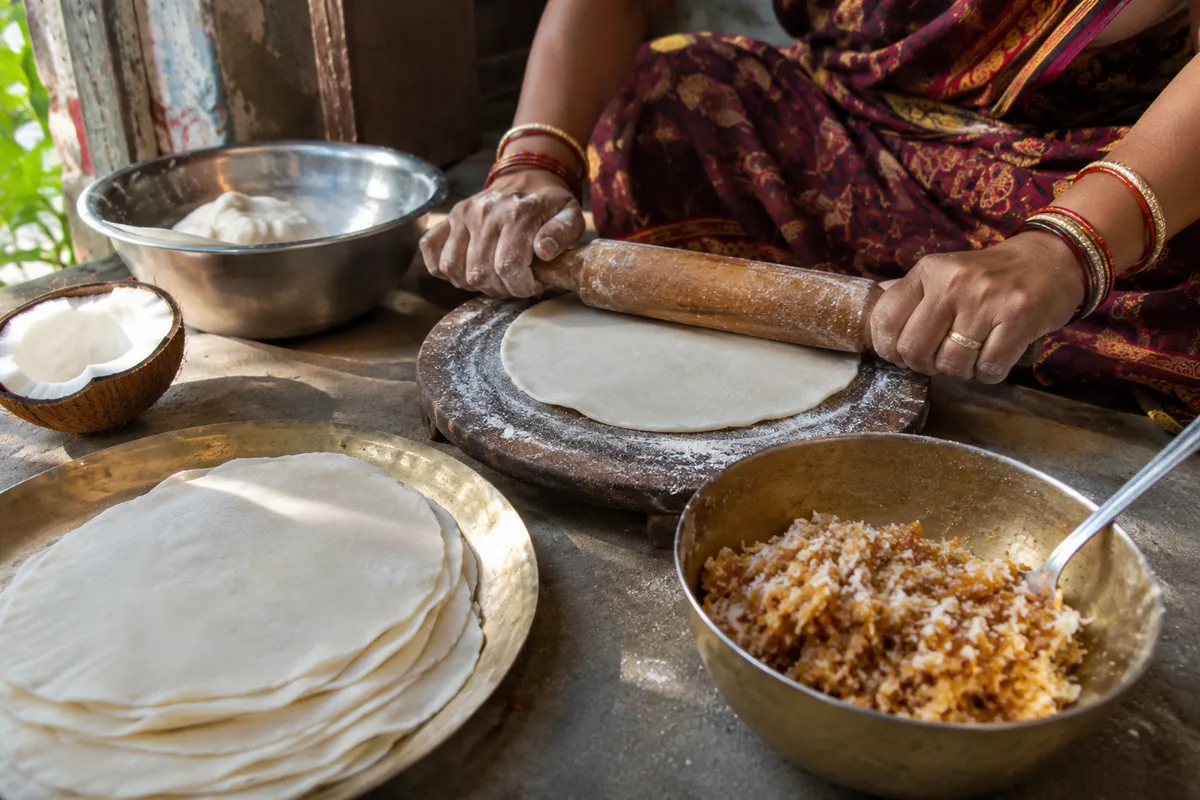
Start by kneading your dough with warm cow ghee until it holds a firm, smooth consistency similar to poori dough. Divide the rested dough into seven equal marble-sized balls.
Dust your rolling board lightly with rice flour. Roll each ball outward in delicate circular strokes until the sheet becomes paper-thin and translucent enough to see light passing through.
Rolling and Stacking Protocol
Adhere to this precise sequence to build the seven-layered pastry stack:
- Lay the first rolled dough sheet flat on a clean pastry board.
- Spoon half a teaspoon of Saata paste onto the center and spread it evenly across the surface using your fingertips.
- Dust a microscopic pinch of dry rice flour over the glistening ghee paste.
- Carefully position the second rolled dough sheet directly on top, smoothing out trapped air bubbles from the center outward.
- Repeat the brushing and stacking process until all seven sheets form a single laminated disc.
Preparing the Coconut, Jaggery, and Black Pepper Filling
The filling (Pura) provides a rich, sweet core that complements the flaky crust. Authentic Odia recipes avoid white refined sugar, turning to organic palm or dark sugarcane jaggery (Guda).
Grate fresh coconut using a traditional Odia Paniki grater to obtain soft, moist shreds. Simmer the coconut with powdered jaggery in a thick-bottomed pan over low heat until the mixture thickens into a glossy, fragrant mass.
Stir in freshly crushed black pepper (Gol Maricha) and fragrant cardamom powder. The pungent warmth of black pepper cuts through the dense sweetness of coconut oil and jaggery, creating the beloved flavor profile that distinguishes Odia sweets from other regional desserts like delicate crispy Sarsatia Pitha.
Moisture Evaporation and Texture Indicators
Cooking the filling to the correct moisture threshold is vital for pastry longevity. If excess water remains in the coconut, the steam released during frying will make the interior pastry sheets soggy rather than flaky.
Cook the mixture until it turns glossy and leaves the pan edges cleanly. Avoid overcooking into a hardened caramel ball; the filling must remain supple so it yields gently when the fried pastry is bitten.
Let the filling cool completely to room temperature before portioning. Introducing hot stuffing onto delicate unbaked dough sheets melts the Saata ghee prematurely, causing layers to collapse.
Step-by-Step Cooking Instructions for Satapuri Pitha
Follow these proven steps to roll, fill, shape, and fry a perfect batch of golden Odia Satapuri Pitha.
Careful heat management during frying guarantees that the interior dough layers cook through completely while the delicate outer corners stay crisp.
1. Kneading and Resting the Dough
Combine all-purpose flour, sea salt, and melted ghee in a wide mixing bowl. Rub the fat thoroughly between your palms for three minutes until the flour resembles fine breadcrumbs.
Add cold water in small increments, kneading firmly to produce a stiff dough. Cover with a damp cloth and let it rest at room temperature for twenty minutes to relax the gluten.
2. Cooking the Spiced Coconut Stuffing
In a small skillet, combine grated coconut and crushed jaggery over medium-low heat. Stir steadily for six to eight minutes as the jaggery melts and coats the coconut shreds.
Once the mixture pulls away from the pan edges, stir in freshly crushed black pepper and cardamom powder. Remove from heat and cool completely to room temperature before assembling the pithas.
3. Assembling the Laminated Pitha Triangles
Roll your stacked, seven-layered dough sheet into a tight cylindrical log. Cut the log into uniform segments, then roll each segment gently into a five-inch circle.
Place two spoonfuls of cooled coconut filling into the center. Fold the circle in half to form a semicircle, press the edges lightly to seal, then fold into a triangular pastry envelope.
4. Deep-Frying on Gentle Heat
Heat your chosen oil or ghee in a heavy cast-iron kadai until it reaches 155°C. Gently slide three pithas into the hot fat, ensuring the pot is not overcrowded.
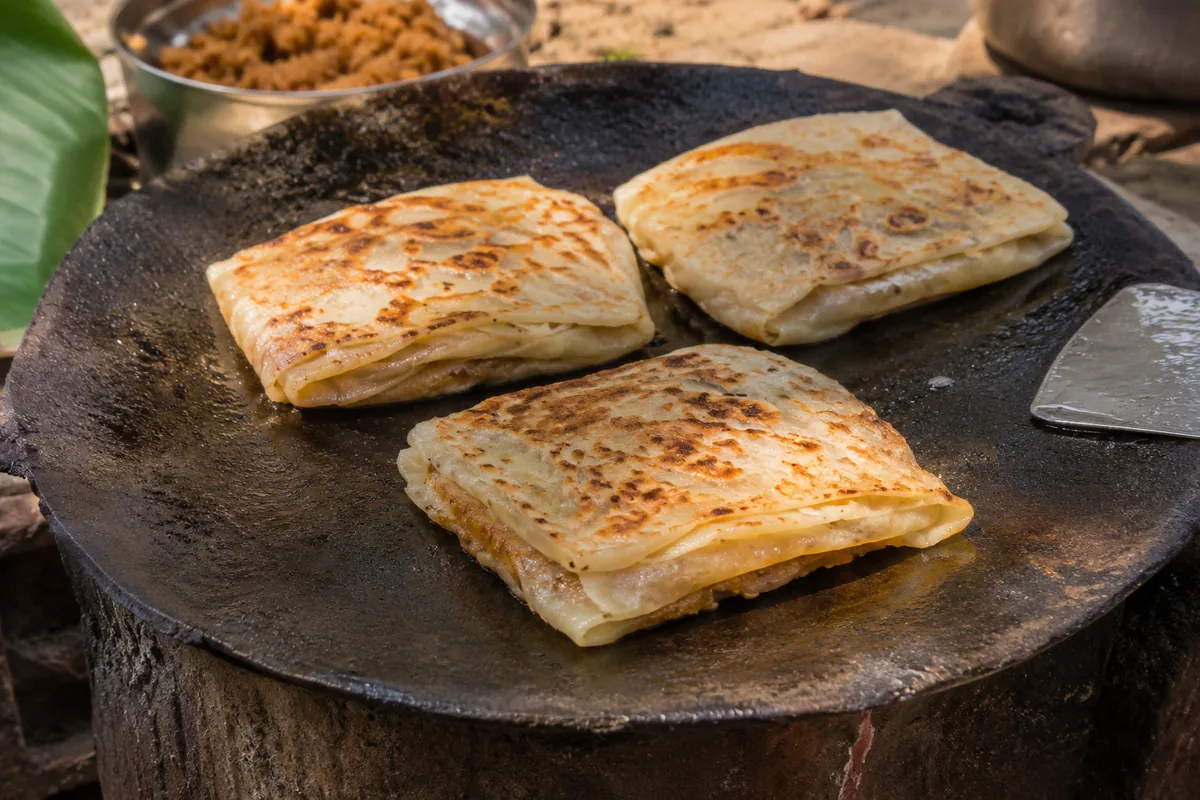
Fry each side for four to five minutes, flipping gently with a slotted skimmer until the exterior turns an even light golden brown. Lift the pithas from the oil and drain vertically on wire cooling racks. The pastry will crisp up noticeably as it cools to room temperature.
Authentic Serving Suggestions and Feast Pairings
Odia Satapuri Pitha can be enjoyed warm straight from the cooling rack or at room temperature as a celebratory teatime confection. When bitten into, the crisp layers shatter with a pleasant crunch, followed by warm notes of black pepper and melted coconut jaggery.
Serve Satapuri Pitha as the show-stopping dessert course following a traditional festive lunch of authentic Odia Dalma recipe or alongside cool summer water rice during Pakhala Divas celebrations.
During festive winter mornings, enjoy Satapuri Pitha with a hot cup of spiced ginger tea. Traditional households also pair these flaky triangular pastries with earthen bowls of fragrant rice pudding, creating an indulgent feast.
Contrast with Baked Odia Pithas
While baked delicacies like authentic Rice Poda Pitha require slow overnight roasting in banana leaves, Satapuri Pitha achieves instant flaky crispness through precision frying. Both pastries celebrate the holy union of jaggery, coconut, and cardamom in Odia gastronomic history.
Frequently Asked Questions (FAQs)
Why is the pastry called Satapuri Pitha?
The name Satapuri comes from the Odia word Sata meaning seven, referring to the seven distinct dough sheets stacked and laminated with ghee and rice flour. These seven layers puff up into separate crispy ripples when deep-fried.
What flour is best for rolling the thin pastry sheets?
All-purpose flour provides the elasticity needed to roll paper-thin sheets without tearing. Traditional cooks sometimes blend equal parts maida and fine whole wheat flour for a wholesome, rustic crunch.
Can Satapuri Pitha be baked or air-fried?
While deep-frying in pure ghee produces the most authentic flaky texture, you can bake them at 180°C for twenty minutes or air-fry at 165°C for twelve minutes with a generous brush of melted ghee.
Why do cooks add black pepper to the sweet coconut filling?
Crushed black pepper balances the rich sugar and fat content of jaggery and coconut, preventing the sweet filling from tasting cloying. It also stimulates digestive enzymes following a heavy festive feast.
How long does homemade Satapuri Pitha stay fresh?
Because the stuffing is cooked dry and the pastry is fried thoroughly, Satapuri Pitha keeps well in an airtight container at room temperature for up to six days. Do not refrigerate, as cold air causes the flaky layers to lose their crispness.
Why did my pastry layers stick together without separating during frying?
Pastry layers stick together if the Saata paste was omitted or if the frying oil was too cold. Brushing adequate ghee-rice flour paste between sheets and frying at 155°C guarantees distinct layer separation.