Chhatu Besara Rai Recipe: Authentic Odia Mushroom Mustard Curry
Master the authentic Odia chhatu besara rai recipe mushroom masala curry. Cook tender wild paddy straw mushrooms in a pungent mustard garlic gravy with ambula.
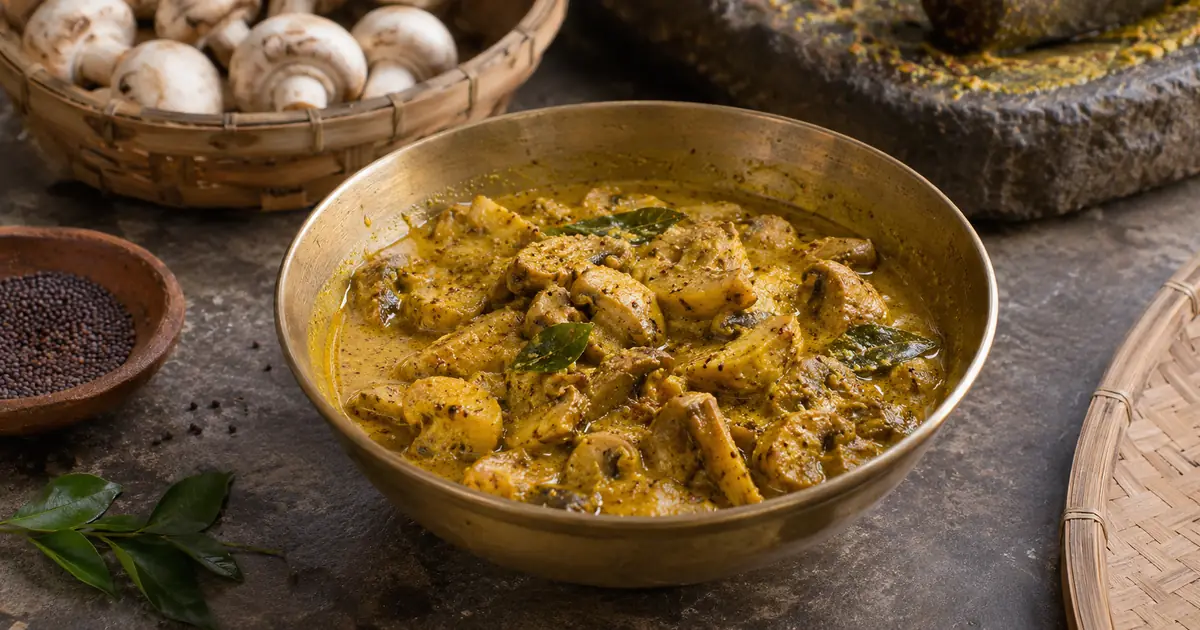
Learning the traditional chhatu besara rai recipe mushroom masala curry reveals the earthy culinary brilliance of coastal and rural Odisha. In Odia gastronomy, wild mushrooms paired with a pungent stone-ground mustard paste represent an irreplaceable festive delicacy.
During the warm monsoon months, rural foraging across paddy fields yields succulent Pala Chhatu (paddy straw mushrooms). When simmered in an aromatic yellow mustard and garlic gravy, these mushrooms absorb bold rustic flavors that delight home cooks and travelers alike.
Whether cooked with prized seasonal paddy straw mushrooms or fresh supermarket button mushrooms, this curry delivers unmatched depth. It pairs wonderfully with steaming parboiled rice, flaky rotis, or cooling fermented rice during traditional Odia midday feasts.
Key Takeaways
- The Essence of Besara: In Odisha culinary heritage, Besara signifies any dish cooked in a stone-ground mustard, cumin, and garlic paste, celebrated in our classic Odia Besara mixed vegetable curry.
- Mushroom Selection: Traditional recipes favor wild paddy straw mushrooms (Pala Chhatu), though fresh button or oyster mushrooms yield excellent results.
- The Tang of Ambula: Sun-dried green mango slices provide an essential fruity tartness that cuts through the sharpness of mustard oil.
- Mustard Simmering Rule: Never boil ground mustard paste on high flame for prolonged periods, as excessive heat releases unpleasant bitter notes.
- Finishing Touch: Drizzling half a teaspoon of cold-pressed raw mustard oil over the finished curry seals its signature pungent aroma.
Essential Recipe Metrics & Kitchen Equipment
The table below outlines the core cooking specifications, timing milestones, and cookware requirements for preparing authentic Odia Chhatu Besara Rai. Yellow mustard seeds are preferred over brown seeds because they offer pungent flavor with minimal bitterness.
Using a heavy-bottomed cast iron kadai or earthen handi ensures steady heat distribution. This prevents the delicate mustard gravy from scorching along the sides of the pan when maintaining an optimal simmering temperature between 85°C and 90°C.
| Recipe Component | Specification Metric |
|---|---|
| Culinary Style | Traditional Odia Mustard Curry (Besara / Rai) |
| Preparation Window | 20 minutes (cleaning, chopping, grinding) |
| Active Cooking Time | 25 minutes |
| Total Turnaround | 45 minutes |
| Serving Portion | 4 adult servings |
| Estimated Ingredient Cost | ₹120 to ₹180 total per preparation |
| Primary Flavor Notes | Pungent, garlicky, pleasantly tangy, earthy |
| Recommended Cookware | Heavy cast-iron kadai or earthenware pot |
| Signature Cooking Oil | Pure cold-pressed mustard oil (Kachi Ghani) |
Ensure all ingredients are measured before beginning the cooking process. Ground mustard paste oxidizes quickly, so blending it shortly before pouring into the kadai yields the freshest aromatic profile.
Cultural Roots: Mushroom Foraging in Rural Odisha
Mushroom preparation occupies a revered niche across the culinary geography of Odisha. While coastal regions emphasize temple sweets and seafood, interior agrarian belts celebrate wild fungi harvested after tropical thunderstorms.
To explore how seasonal forest ingredients shape wider regional gastronomy, consult our comprehensive guide to 10 famous Odisha foods you must try. Official tribal heritage and regional agriculture profiles can be reviewed through the Odisha Tourism Official Portal and administrative resources on the Kendujhar District Portal.
In rural villages across Keonjhar, Mayurbhanj, and Dhenkanal, located over 180 km north of Bhubaneswar, early dawn foraging for wild mushrooms is an annual monsoon tradition. Local foragers harvest multiple edible varieties from forest loam, termite mounds, and decomposing straw beds.
Among these varieties, Pala Chhatu is the most prized, and a bowl of rustic pala chhatu tarkari is considered a seasonal feast. Its tender caps and juicy fibrous stems soak up the mustard gravy, releasing savory juices with every bite.
Sourcing and Cleaning Fresh Mushrooms Properly
Proper cleaning of fresh mushrooms is crucial for achieving the perfect texture in Besara curry. Mushrooms act like natural sponges and absorb excessive liquid if submerged in water for too long.
When using supermarket button mushrooms, wipe the caps with a damp kitchen towel to remove surface peat. If purchasing wild straw mushrooms from rural haats where baskets retail between ₹120 and ₹250 per kilogram, inspect each piece individually to eliminate wild grit and straw residue.
Slice larger mushroom caps into halves or quarters while leaving smaller button mushrooms whole. Searing the mushrooms in smoking mustard oil heated to 190°C for three minutes before introducing gravy prevents them from turning rubbery during simmering.
Selecting the Best Wild and Cultivated Varieties
Different mushroom varieties provide distinct textures in this curry. Button mushrooms offer firm, juicy bites that hold up well to prolonged simmering, making them convenient for everyday cooking.
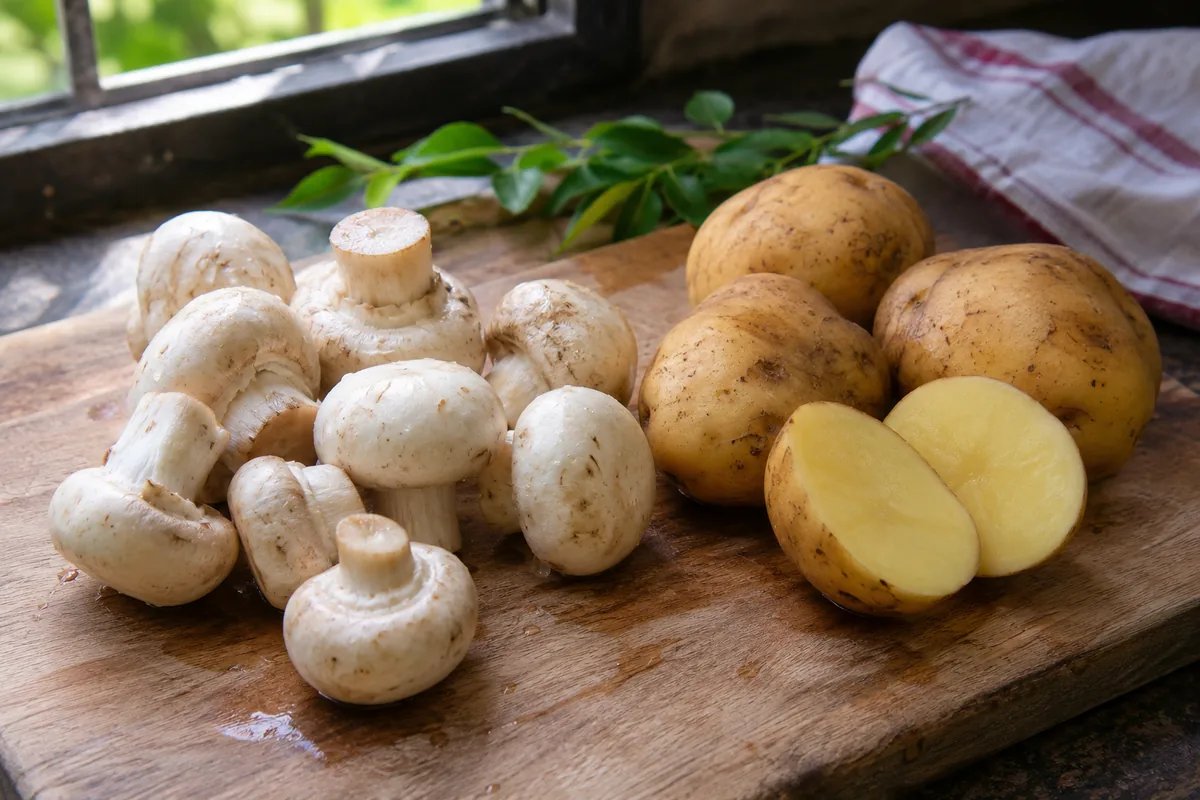
Wild paddy straw mushrooms (Volvariella volvacea) feature soft, delicate caps and hollow stems that absorb mustard liquid rapidly. Foragers harvest them before sunrise when caps remain tightly closed, ensuring peak tenderness and zero spore dispersion.
Crafting the Signature Odia Mustard Paste (Besara Bata)
The defining hallmark of any authentic Odia Besara is the freshly prepared mustard paste, known locally as Besara Bata. Traditional Odia households grind this paste daily using a heavy black granite mortar and pestle (Silaputa).
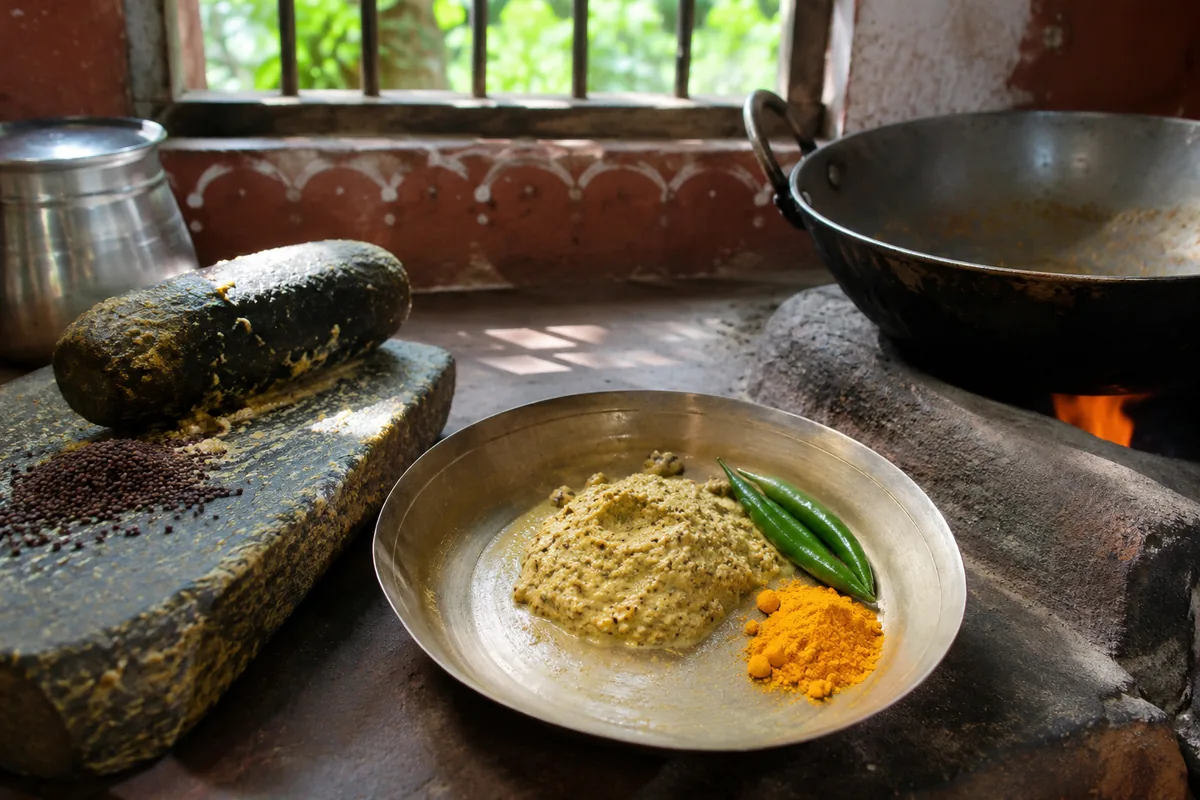
Yellow mustard seeds (Haladi Sorisa) form the foundation of the paste, offering smooth pungent heat without astringent harshness. Combining yellow mustard with cumin seeds and fresh garlic mellows the sharpness and produces a balanced aroma.
[!TIP] Always grind mustard seeds with cold water or a couple of ice cubes. Heat generated by high-speed electric mixer blades can oxidize volatile mustard oils and turn the paste bitter.
Add two green chilies directly into the grinder jar along with eight peeled garlic cloves. Blend until completely smooth, then strain through a fine mesh sieve if you prefer a silky restaurant-style gravy.
Step-by-Step Chhatu Besara Rai Recipe: Mushroom Masala Curry Instructions
Follow these kitchen steps to cook a comforting batch of authentic Odia Chhatu Besara Rai with balanced tang and pungency.
1. Par-Cooking Potatoes and Searing Mushrooms
Heat one tablespoon of cold-pressed mustard oil in your kadai until light wisps of smoke appear. Add peeled potato wedges and sauté on medium heat for four minutes until edges turn pale golden.
Toss in the cleaned mushrooms and sauté for an additional two minutes. The mushrooms will release natural moisture and shrink slightly; transfer both potatoes and mushrooms to a clean plate.
2. Tempering the Kadai with Panch Phoron
Pour the remaining two tablespoons of mustard oil into the hot kadai. Lower the flame and add half a teaspoon of Odia panch phoron along with two whole dry red chilies.
Allow the cumin, mustard, fennel, fenugreek, and nigella seeds to crackle gently for fifteen seconds. Add chopped ripe tomatoes along with turmeric powder and salt, cooking until tomatoes soften into a pulpy paste.
3. Incorporating the Mustard Paste and Ambula
Whisk the smooth mustard paste into one cup of lukewarm water to dilute it evenly. Pour the diluted mustard liquid into the kadai while stirring continuously over low heat.
Drop in two soaked pieces of sun-dried mango (Ambula) along with their soaking liquid. Ambula contributes a signature fruity acidity that counterbalances the garlic and mustard warmth.
4. Simmering to Perfection
Return the seared potatoes and mushrooms to the simmering mustard gravy. Cover the kadai with a fitted lid and simmer gently on medium-low heat between 85°C and 90°C for eight to ten minutes until the potatoes turn fork-tender.
Turn off the heat, drizzle half a teaspoon of raw mustard oil over the surface, and let the curry rest covered for five minutes before serving.
Authentic Serving Suggestions and Meal Pairings
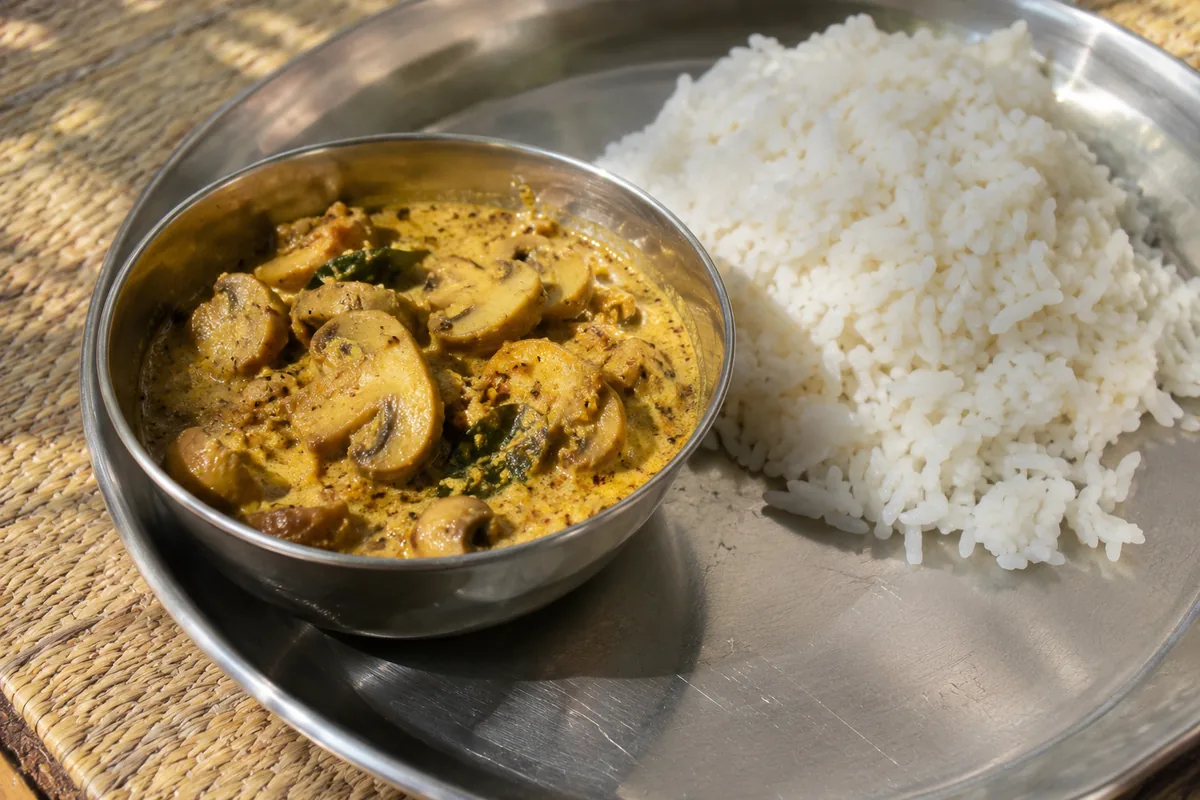
In traditional Odia dining, Chhatu Besara is served as a centerpiece vegetable course during lunch, typically between 12:30 PM and 1:30 PM. Its bold mustard punch cuts through bland starch bases, making it versatile across different seasons.
During hot summer months, pair this warm curry with a bowl of refreshing celebrated Pakhala Divas culinary tradition. The contrasting temperatures between chilled fermented rice and warm mustard curry create an unforgettable sensory experience.
For a hearty winter afternoon meal, serve Chhatu Besara alongside steaming short-grain parboiled rice and a bowl of wholesome authentic Odia Dalma recipe. Round off your feast with a festive sweet treat like the festive sweet Chuda Ghasa recipe.
Travelers exploring northern Odisha can also trace these flavors in their native terroir through our dedicated travel guide to Kendujhar district.
Frequently Asked Questions (FAQs)
What type of mushrooms work best for Odia Chhatu Besara?
Wild paddy straw mushrooms (Pala Chhatu) are the traditional choice and offer the most authentic flavor. Fresh white button mushrooms or oyster mushrooms also work wonderfully and are readily available year-round.
Why does mustard paste sometimes taste bitter when cooked?
Mustard paste turns bitter if ground on excessive blender heat or boiled vigorously over high flame. Always grind seeds with cold water and simmer the gravy gently over medium-low heat.
Can I substitute Ambula with fresh tomato or tamarind?
While chopped tomatoes add body to the gravy, authentic Odia Besara relies on sun-dried mango (Ambula) for its distinct sour profile. If unavailable, use a small piece of dried kokum or a splash of fresh lemon juice.
Is Odia Chhatu Besara vegan and gluten-free?
Yes, this traditional recipe is completely plant-based, dairy-free, and naturally gluten-free. It uses only fresh vegetables, spices, mustard oil, and sun-dried fruit without any artificial thickeners.
Can Chhatu Besara be stored in the refrigerator?
Leftover curry can be refrigerated in an airtight glass container for up to two days. Reheat gently on low flame with two tablespoons of warm water, avoiding high microwave heat to preserve mustard aroma.