Karadi Besara Recipe: Authentic Odia Bamboo Shoots with Mustard
Master the authentic Odia Karadi Besara recipe. Learn to clean, parboil, and cook tender bamboo shoots in a pungent mustard gravy with sun-dried mango.
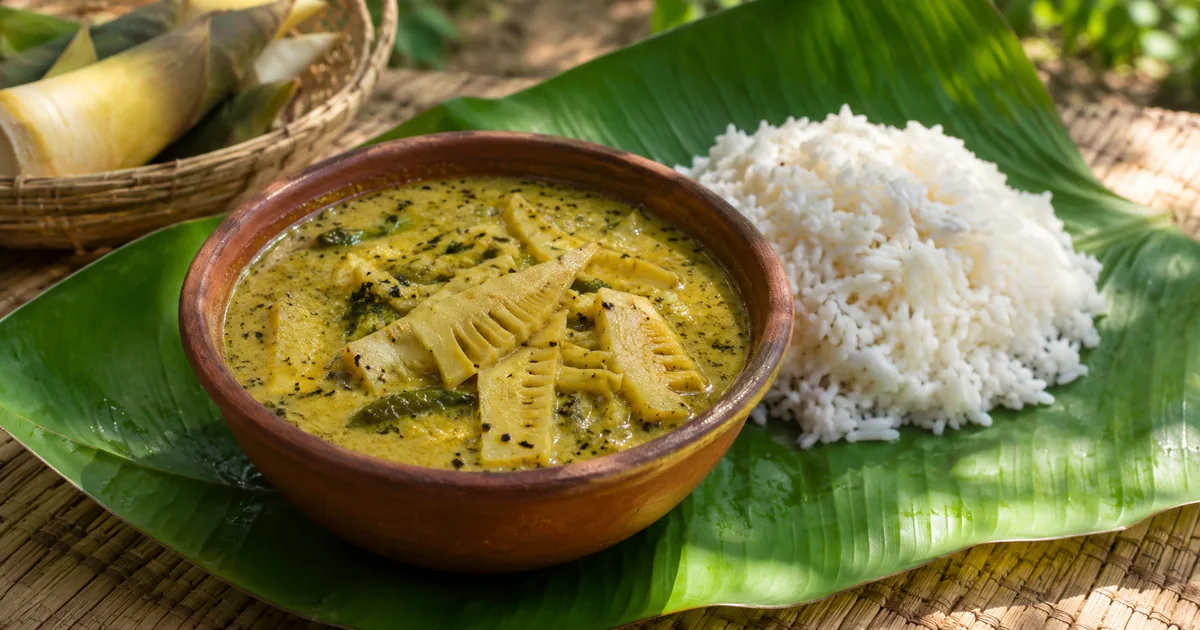
Discovering the earthy depths of regional Indian cooking leads directly to the karadi besara recipe bamboo shoots. Celebrated across the Western and Southern tribal forest corridors of Odisha, this pungent, tangy, and deeply savory dish captures the living culinary heritage of indigenous forest communities.
Unlike coastal temple sweets, Karadi Besara celebrates the wild bounty of nature. When early monsoon showers sweep across the hills, tender bamboo shoots emerge through damp forest soil. Local foraging communities harvest these young sprouts to create unforgettable seasonal meals.
Prepared with fresh bamboo shoots, sun-dried green mango, and an aromatic mustard-garlic paste, this curry delivers an intense, rustic flavor profile. It pairs peerlessly with steaming hot rice or cooling fermented rice bowls during traditional summer dining.
Key Takeaways
- Forest-to-Table Delicacy: Karadi refers to tender young bamboo shoots harvested across Odisha during early monsoon months.
- Mustard Gravy Mastery: The term Besara denotes Odisha’s traditional stone-ground mustard, cumin, and garlic paste that forms the aromatic gravy, as perfected in our authentic Odia Besara recipe.
- The Tang of Ambula: Traditional sun-dried salted mango slices (Ambula) provide an indispensable tart fruitiness that balances pungent mustard oils.
- Essential Parboiling Step: Fresh bamboo shoots must always be boiled in salted water and drained to eliminate natural bitterness and sharp aroma.
- Gentle Heat Rule: Mustard paste should never be boiled on high heat for extended periods, or its natural volatile oils will turn unpleasantly bitter.
Quick Recipe Summary & Kitchen Metrics
The reference table below outlines essential cooking times, yields, and kitchen requirements for preparing authentic Odia Karadi Besara. Fresh shoots are commonly procured at local haats across western Odisha during monsoon months for ₹40 to ₹80 per kilogram.
Cooking with mustard paste requires strict temperature control, keeping burner heat between 85°C and 90°C during simmering to prevent curdling. Using a seasoned cast-iron or earthen clay kadai enhances the rustic depth of the curry.
| Recipe Specification | Detail Metric |
|---|---|
| Recipe Type | Traditional Odia Seasonal Forest Curry (Side Dish) |
| Preparation Time | 25 minutes (includes peeling, slicing, and parboiling) |
| Cooking Time | 25 minutes |
| Total Process Time | 50 minutes |
| Recipe Yield | 4 to 6 hearty family servings |
| Dominant Flavor Profile | Pungent, tangy, earthy, slightly sharp with garlic and mustard warmth |
| Primary Utensils Needed | Heavy-bottomed iron or clay kadai, stone grinder or blender |
| Key Cooking Medium | Pure cold-pressed mustard oil (Kachi Ghani) |
Ensure all ingredients are measured and ready before tempering. Cold-pressed mustard oil should be heated until it reaches its light smoking threshold near 200°C, then cooled slightly before adding whole spices.
Cultural Heritage: The Forest Bounty of Western and Southern Odisha
The tradition of cooking bamboo shoots runs deep in the cultural identity of western Odisha. Across districts like Sambalpur, Bargarh, Kalahandi, and Balangir, bamboo groves form an integral part of the rural ecosystem.
To explore how seasonal forest ingredients shape wider regional gastronomy, consult our foundational guide to 10 famous Odisha foods you must try. Official tribal development initiatives and regional culinary circuits can be cross-referenced through the Odisha Tourism Official Portal and regional district profiles on the Sambalpur District Portal.
In indigenous forest communities, harvesting Karadi is a community event marking the arrival of the monsoon. As rainwater softens the forest loam, young shoots of Dendrocalamus strictus (salia bamboo) push upward. Foragers carefully cut shoots just as they emerge six to ten inches above ground, while the inner core remains soft, juicy, and succulent.
Bamboo shoots provide critical nutrition to agrarian communities during monsoon months when conventional vegetables can become scarce. Packed with dietary fiber, potassium, and protective antioxidants, Karadi sustained forest dwellers for centuries before becoming a celebrated delicacy in urban Odia households.
What is Karadi: Sourcing, Cleaning, and Parboiling Fresh Shoots
Understanding how to prepare raw bamboo shoots is essential for any cook attempting this recipe for the first time. Untreated fresh shoots contain natural bitter compounds and a strong grassy aroma that must be handled properly.
Selecting Fresh Bamboo Shoots
When buying fresh Karadi in local Odisha markets or specialized Asian groceries, look for firm, heavy conical shoots with clean, unblemished outer sheaths. Avoid shoots with dry, cracked bases or yellowish, fibrous tips, as these indicate overgrown, woody bamboo that will not soften during cooking.
If fresh shoots are unavailable outside Odisha, you can substitute vacuum-packed whole tender shoots or canned bamboo shoots preserved in water. Rinse preserved shoots thoroughly under running cold water for five minutes to remove any canning brine.
Peeling and Slicing Technique
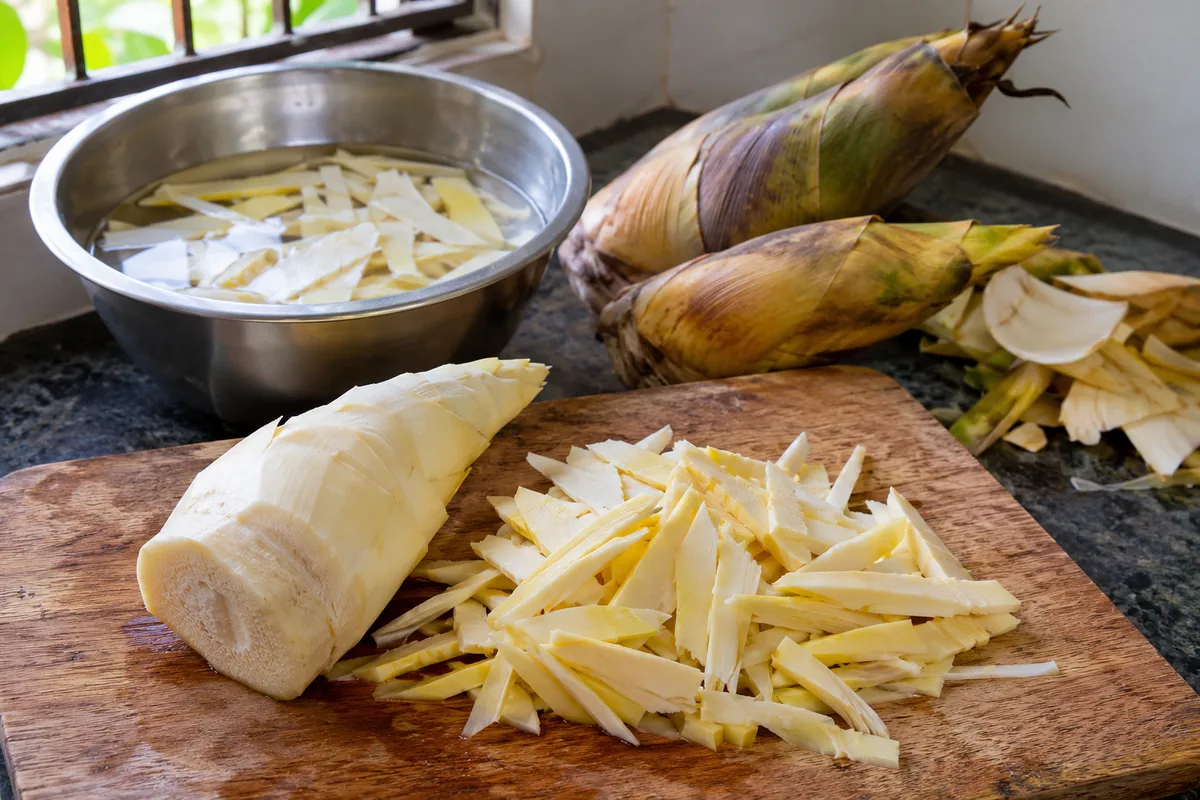
To clean fresh shoots, use a sharp kitchen knife to slice the sprout lengthwise from top to bottom. Peel away the overlapping fibrous brown and green outer husks until you reach the pale cream-colored inner core.
Trim off the tough woody base disc at the very bottom. The edible interior core should feel soft and yield easily when pressed with a fingernail.
Slice the cleaned core into thin matchsticks, or crush it lightly using a traditional stone mortar and pestle (hamandasta). In western Odisha villages, cooks prefer lightly crushing the shoots, which creates ragged edges that hold thick mustard gravy exceptionally well.
The Critical Parboiling Step
Never cook raw bamboo shoots directly into your gravy. Raw bamboo contains cyanogenic taxiphyllin compounds that impart strong bitterness and digestive discomfort.
- Place the sliced or crushed bamboo shoots into a deep stainless steel pot.
- Cover completely with water, add half a teaspoon of turmeric powder, and one teaspoon of salt.
- Bring to a rolling boil over medium-high heat and boil steadily for six to eight minutes.
- Drain the water completely through a colander and discard the boiling liquid.
- Rinse the parboiled shoots with fresh cold water and set aside.
This brief parboiling removes bitter compounds, neutralizes raw odors, and leaves the shoots tender yet delightfully crunchy.
Key Ingredients: The Pungent Mustard Paste and Tangy Ambula
The soul of Karadi Besara lies in the harmony between sharp mustard heat and sour fruitiness.
| Ingredient | Measurement | Culinary Function |
|---|---|---|
| Parboiled Bamboo Shoots | 250 g | The star forest ingredient providing tender crunch and earthy notes |
| Mustard Seeds (Sorisa) | 3 tbsp | Ground to create the pungent, creamy body of the Besara gravy |
| Cumin Seeds (Jeera) | 1 tsp | Mellows the fiery pungency of mustard and aids digestion |
| Fresh Garlic Cloves | 8 to 10 cloves | Essential aromatic that binds with mustard oil during cooking |
| Sun-Dried Mango (Ambula) | 2 pieces | Infuses deep, fruity, salted sourness into the broth |
| Panch Phoron | 1/2 tsp | Traditional five-spice tempering (mustard, cumin, fennel, fenugreek, nigella) |
| Cold-Pressed Mustard Oil | 3 tbsp | Provides authentic rustic aroma and glossy finish |
| Okra (Bhendi) or Potato | 100 g | Absorbs spiced gravy and offers textural variety |
The Secret to Smooth Mustard Paste
Traditional Odia Besara Bata requires a balanced combination of mustard varieties. Using purely black mustard seeds can make the gravy unpleasantly bitter and overly pungent.
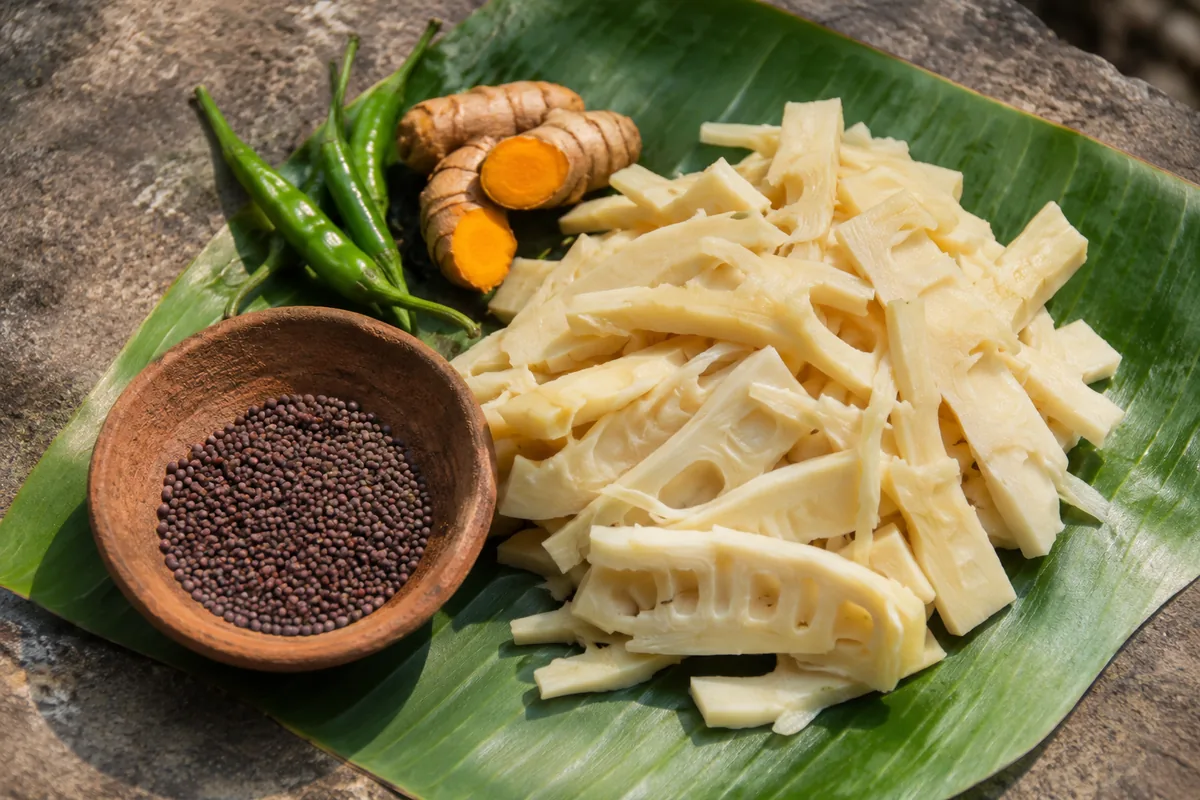
For the most balanced flavor, blend two parts yellow mustard seeds (haladi sorisa) with one part black mustard seeds (kala sorisa). Yellow mustard seeds provide rich body, thickness, and a gentle nutty bite, while black seeds deliver the authentic nasal kick prized in rural cooking.
Soak the mustard seeds, cumin seeds, garlic, and chilies in warm water for fifteen minutes before grinding. Grind on a traditional stone sil-bata or in a small spice grinder with very little water. Always grind in brief pulses to prevent friction heat from scorching the mustard oils.
Why Ambula is Irreplaceable
Ambula is sun-dried green mango cured with salt, prepared in almost every rural Odia courtyard during early summer. It imparts an intensely concentrated, mature sourness that fresh lemon or vinegar cannot replicate.
Soak two pieces of Ambula in half a cup of warm water for fifteen minutes before starting your curry. The dried fruit softens, releasing dark golden sour water that should be poured directly into the cooking pot along with the mango pieces.
Step-by-Step Cooking Instructions: Crafting the Signature Gravy
Follow this reliable cooking sequence to prepare rich, home-style Karadi Besara.
Step 1: Prepare the Vegetables and Tempering
Wash and cut okra into two-inch finger lengths. If adding potato, peel and cut into thin wedges resembling home-style potato fries.
Heat one tablespoon of pure mustard oil in a heavy kadai until it smokes gently, then lower the flame. Add the okra pieces and sauté for three minutes until lightly blistered and bright green. Remove and set aside on a plate.
Step 2: Sputter the Whole Aromatics
Pour the remaining two tablespoons of mustard oil into the hot kadai. Heat until shimmering, then drop in half a teaspoon of panch phoron and two dry whole red chilies.
Allow the seeds to crackle and release their fragrant aroma for thirty seconds. Add a sprig of fresh curry leaves if available, stepping back as the leaves pop in the hot oil.
Step 3: Cook the Bamboo Shoots and Tomatoes
Add the parboiled bamboo shoots into the sizzling spices. Sprinkle half a teaspoon of turmeric powder and one teaspoon of salt.
Stir-fry over medium flame for four minutes, allowing the shoots to absorb the golden oil and roasted spice flavors. Add chopped ripe tomatoes and sauté until they soften into a pulpy sauce coating the bamboo.
Step 4: Add the Ambula and Simmer
Drop the softened Ambula pieces into the pan, pouring in all of the reserved sour soaking water.
Add one cup of water, bring the pan to a gentle boil, cover with a lid, and simmer over medium-low heat for five minutes. This allows the bamboo shoots to drink in the tangy mango essence.
Step 5: Incorporate the Mustard Paste
Lower the burner flame to minimum heat. This step is critical; never pour mustard paste into a violently boiling pot.
Dilute your freshly ground mustard-garlic paste with half a cup of water, then pour it through a sieve into the pan, pressing with a spoon to extract all flavor while leaving coarse mustard seed hulls behind.
Stir gently, add the sautéed okra pieces back into the pan, and cover. Simmer gently over low heat for six to eight minutes. The gravy will thicken into a rich, golden sauce coating the bamboo shoots.
Step 6: Finishing Touch
Turn off the heat. Drizzle half a teaspoon of raw cold-pressed mustard oil over the steaming surface, cover the lid immediately, and let the pot rest for five minutes before serving. This trapping of raw mustard vapors creates the authentic fragrance of village home cooking.
Crucial Cooking Secrets: How to Prevent Mustard Paste from Turning Bitter
Mustard seeds contain volatile sulfur compounds called allyl isothiocyanates. While these compounds provide delightful pungency, incorrect cooking techniques cause them to break down into unpalatable bitter flavors.
[!WARNING] Never Boil Mustard on High Flame: The most common mistake cooks make with Odia Besara is boiling the gravy vigorously on high heat. High temperatures scorch the delicate mustard compounds. Always introduce mustard paste over low flame and maintain a gentle simmer.
Observe these professional rules to ensure your gravy remains sweet, tangy, and aromatic:
- Filter the Hulls: Straining the ground paste through a fine tea strainer removes the tough dark seed husks, which harbor most of the bitter tannins.
- Grind Cold: Never allow your blender jar to become warm during grinding. Add an ice cube or cold water if grinding a large batch.
- Balance with Acid: The sourness from Ambula or tomato naturally neutralizes excess mustard bitterness, creating a smooth, appetizing finish.
Karadi versus Hendua: Understanding Odisha’s Bamboo Shoot Heritage
When exploring the tribal markets of Sambalpur district forest culture and the forested highlands of Koraput, travelers frequently encounter both Karadi and Hendua. Understanding the distinction between these two culinary treasures is essential.
| Attribute | Fresh Karadi | Fermented Hendua |
|---|---|---|
| Harvest & Processing | Freshly cut shoots, cleaned and cooked immediately | Shoots fermented in brine or sun-dried into dark nuggets |
| Physical Texture | Tender, moist, crunchy, pale ivory color | Dark brown, concentrated, firm, and leathery |
| Aroma & Flavor | Subtle grassy fragrance, earthy sweetness | Intensely pungent, mature funky aroma, strong sourness |
| Primary Culinary Uses | Curries with mustard paste (Besara), simple stir-fries (Bhaja) | Crumbled into lentil broths, roasted fish dishes, and sour chutneys |
| Shelf Life | 2 to 3 days refrigerated when fresh | 6 to 12 months in dry airtight earthen pots |
While Karadi offers light, fresh crunch during the monsoon season, Hendua represents ingenious food preservation. Tribal communities ferment surplus bamboo shoots inside earthen pots sealed with sal leaves, allowing them to enjoy the nutrition of bamboo throughout long winter and summer months. When home cooks search for an authentic karadi tarkari recipe, this traditional mustard preparation stands as the definitive answer.
Serving Suggestions: The Classic Accompaniment for Rice and Pakhala
In traditional Odia homes, Karadi Besara is served as a featured vegetable side dish alongside plain steamed rice, mushroom specialties like our authentic Odia Chhatu Besara mushroom curry, and comforting lentil stews like our authentic Odia Dalma recipe. The sharp tang of the mustard gravy enlivens mild rice, providing a deeply satisfying midday meal between 12:30 PM and 2:00 PM.
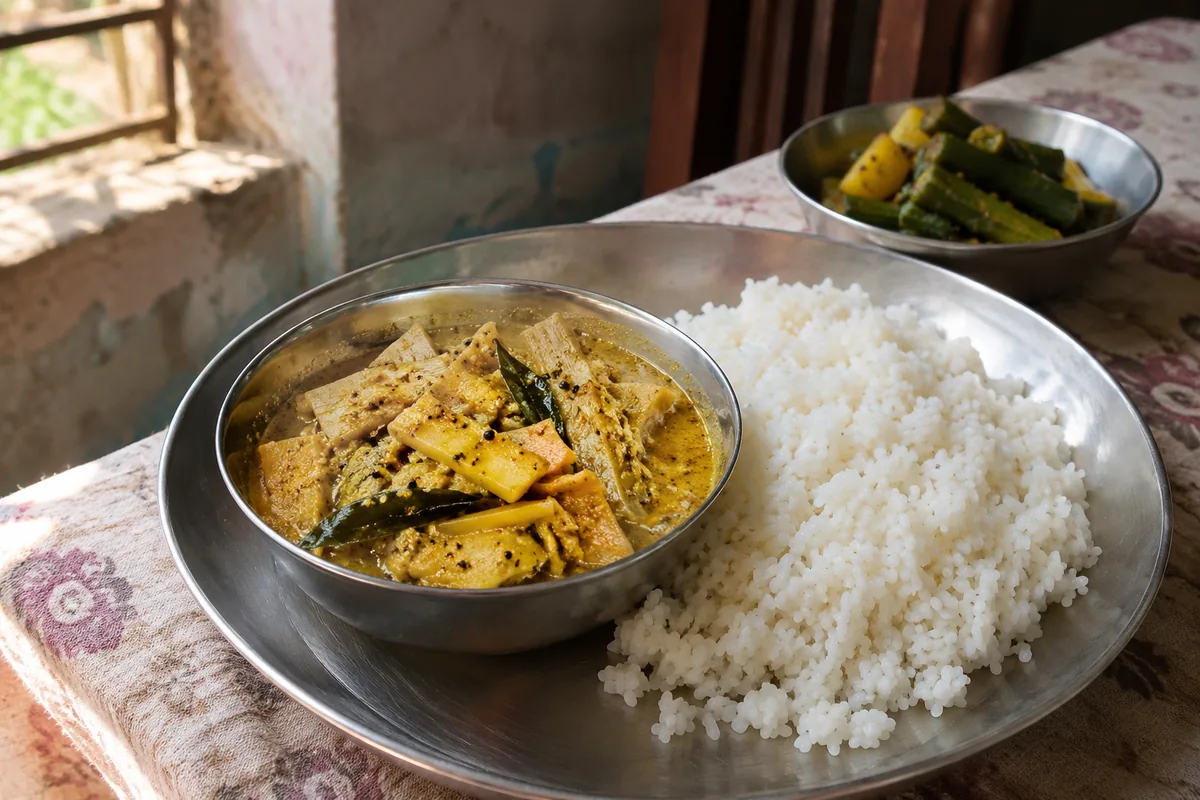
During sultry summer days and the celebrated Pakhala Divas culinary tradition, Karadi Besara becomes the ultimate accompaniment for fermented water rice. The cold, soothing probiotic rice water cuts through the spicy, garlicky mustard gravy, while the crunchy bamboo shoots provide pleasant textural contrast.
When planning a complete regional feast, cooks frequently pair this dish with roasted country potato mash (aloo chakata), crisp sun-dried lentil dumplings (badi chura), and fried papads. To complete an authentic multi-course Odia festive spread, serve Karadi Besara as the savory centerpiece, followed by traditional sweets like our festive sweet Chuda Ghasa recipe.
Frequently Asked Questions About Karadi Besara
What is Karadi in Odia cuisine?
Karadi refers to tender young bamboo shoots harvested from forest groves during the early monsoon season across western and southern Odisha. The edible inner core is shredded or lightly crushed and cooked into savory curries and stir-fries.
Why is it necessary to parboil bamboo shoots before cooking?
Fresh bamboo shoots contain natural cyanogenic compounds that produce a sharp, bitter taste and can cause digestive discomfort. Parboiling sliced shoots in salted water for seven minutes safely neutralizes these compounds and tenderizes the vegetable.
Can Karadi Besara be made without Ambula?
While authentic Karadi Besara relies on sun-dried salted mango (Ambula) for its signature tartness, you can substitute with ripe sour country tomatoes or fresh raw mango slices. Tamarind pulp can also provide suitable acidity in emergency situations.
Why did my mustard gravy turn bitter?
Mustard paste turns bitter if the seeds are ground too aggressively in a hot blender or if the gravy is boiled over high heat for too long. Simmering the paste gently over low heat and straining out coarse black hulls will prevent any bitterness.
What is the difference between Karadi and Hendua?
Karadi refers to fresh, tender bamboo shoots cooked in curries during the monsoon season, while Hendua is fermented and sun-dried bamboo shoot preserved for year-round use. Hendua possesses a much stronger, pungent aroma and deep sourness compared to fresh Karadi.
What dishes pair best with Karadi Besara?
Karadi Besara is traditionally enjoyed with hot steamed rice and lentil Dalma, or served as a flavorful side dish with fermented cold Pakhala Bhata. Crisp fried papads and roasted green chilies complete the rustic meal experience.