Sanaghagara Waterfall Keonjhar: Timings, Route & Travel Guide
Plan your trip to Sanaghagara Waterfall in Keonjhar. Discover timings, park entry fees, boating, Badaghagara pairing, route from Bhubaneswar, and tips.
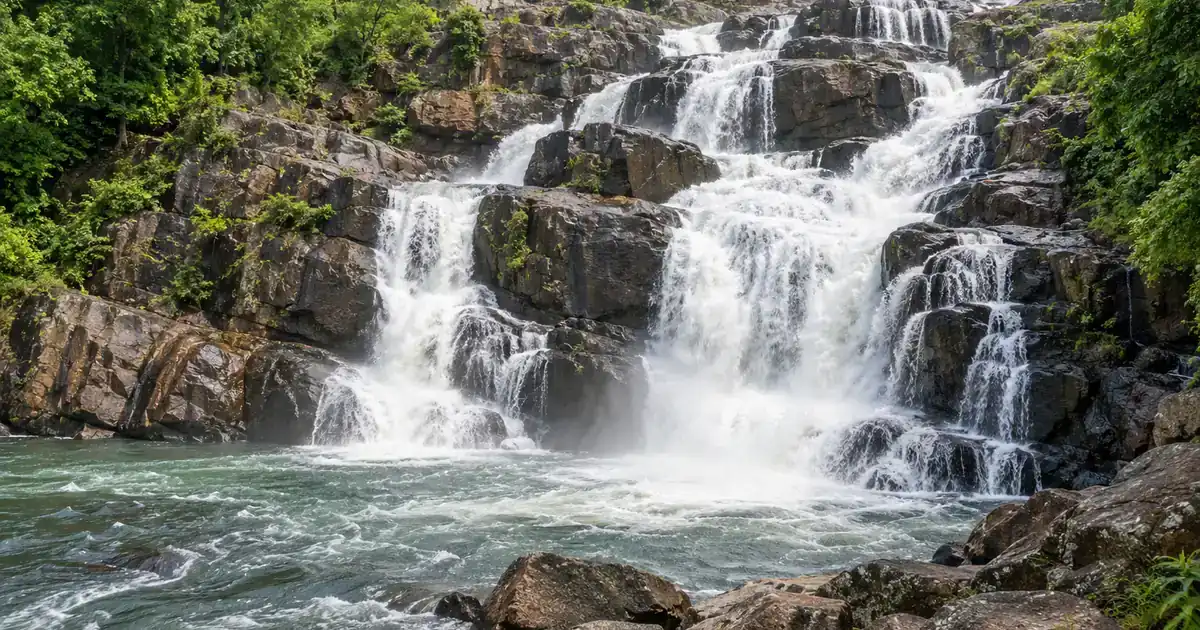
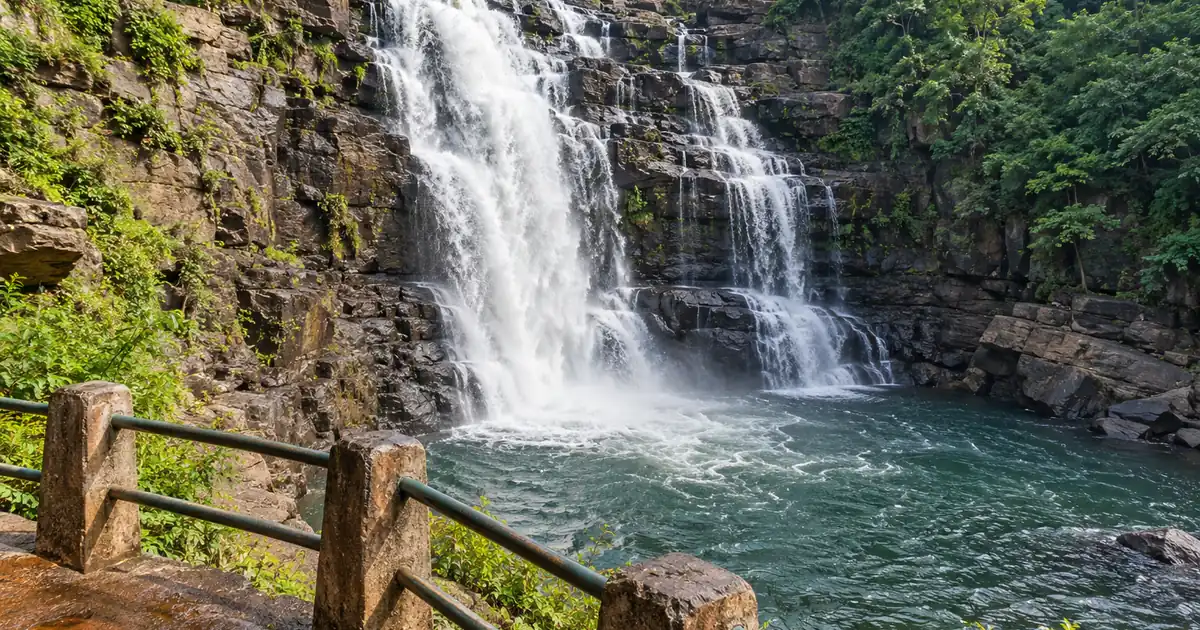
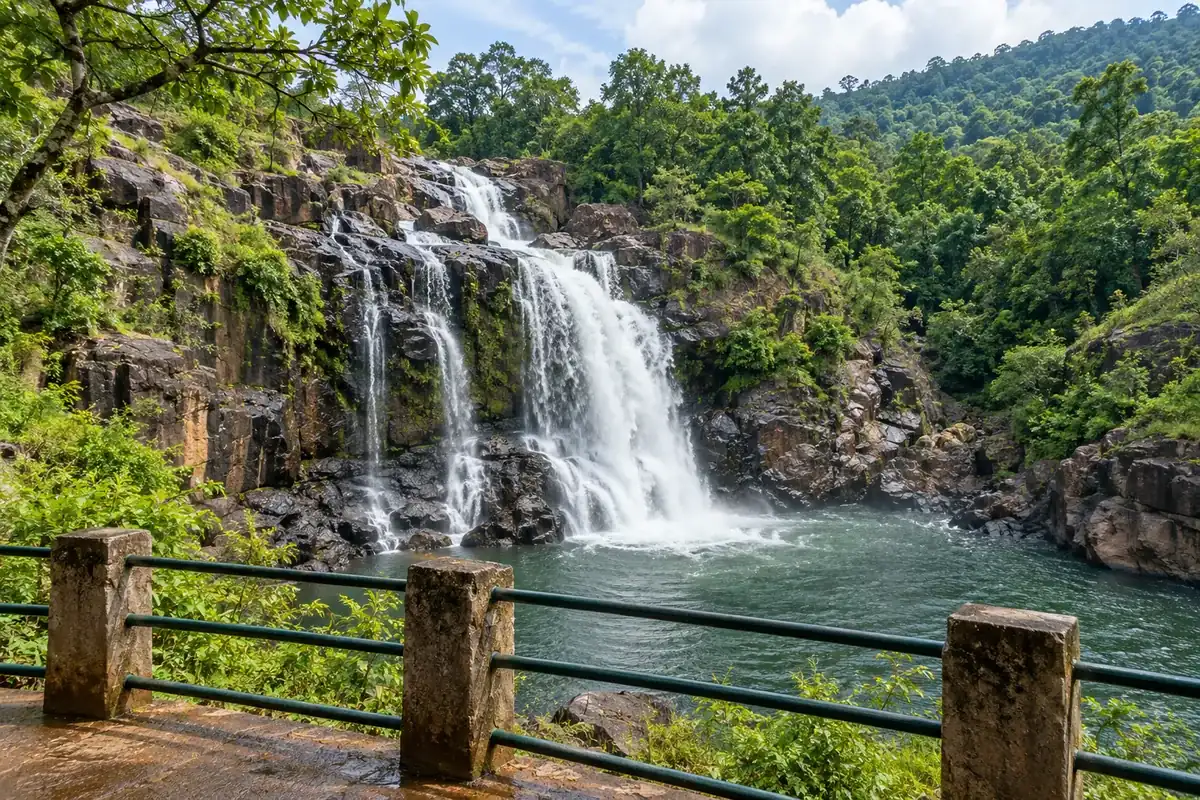
Flowing through the forested highlands of northern Odisha, sanaghagara waterfall keonjhar is one of the state’s most accessible outdoor attractions. Situated approximately five kilometers from Keonjhar municipal town, this perennial stream drops gracefully over dark dolerite rock shelves into a shaded gorge.
Unlike rugged wilderness falls that demand hours of demanding trekking, sanaghagara waterfall combines natural hydraulic drama with well-maintained park amenities. A 488-hectare reserve forest surrounds the site, providing rich tree cover where sal and mahua canopies shade pleasant stone footpaths.
The surrounding nature park features manicured floral borders, open picnic lawns, and a calm freshwater pond with pedal boating. It serves as an ideal day-trip stop for families, students, and travelers driving across the northern interior.
Holidaymakers charting journeys through northern Odisha can rely on this field guide covering verified entry tariffs, boating options, transit routes, and ground safety rules.
Key Takeaways
- Sanaghagara Waterfall drops 30.5 meters over stepped dolerite rock terraces inside an eco-tourism park five kilometers from Keonjhar town.
- The perennial cascade is fed by the Machakandana rivulet, ensuring continuous water flow through dry winter months.
- The nature park opens daily from 6:00 AM to 6:00 PM with an admission fee of ₹15 per adult and nominal vehicle parking charges.
- Amenities include landscaped botanical gardens, children amusement play areas, and pedal boating on a central freshwater lake.
- Situated along National Highway 49, the site pairs conveniently with Badaghagara Waterfall located three kilometers further upstream.
At-a-Glance: Sanaghagara Waterfall Quick Facts & Visiting Metrics
Checking core travel details before setting out ensures a smooth visit to the waterfall. Current ecotourism guidelines are maintained through the Eco Tour Odisha Official Portal.
The grounds operate under the supervision of the local eco-development committee, which maintains clean footpaths and public seating. Entry is regulated through ticket gates at the highway frontage.
Core Metrics & Operational Hours
Sanaghagara welcomes travelers every day of the week, opening at 6:00 AM and closing at 6:00 PM. Visitors are encouraged to arrive by early afternoon to enjoy the gardens and boating before sunset.
Adult entry costs a modest ₹15, while children enter for ₹10. Modest parking fees apply for vehicles, which help maintain public lawns and sanitation services.
| Travel Parameter | Official Specification | Practical Travel Note |
|---|---|---|
| Attraction Type | Stepped Perennial Hill Waterfall | Tiered drop over dark igneous bedrock |
| Cascade Drop Height | Approximately 30.5 meters (100 feet) | Stepped descent into a calm gorge basin |
| Daily Visiting Hours | 6:00 AM to 6:00 PM | Gates close after twilight for safety |
| Adult Park Entry Fee | ₹15 per person | Purchased at front ticket counter |
| Child Park Entry Fee | ₹10 per child (ages 3 to 12) | Free entry for toddlers under age 3 |
| Two-Wheeler Parking Fee | ₹20 per motorcycle or scooter | Designated paved two-wheeler bay |
| Four-Wheeler Parking Fee | ₹50 per car or SUV | Marked parking lot near ticket complex |
| Nearest Major Highway | National Highway 49 (NH 49) | Directly adjacent to the entry gate |
Park Setting & Family Experience
Visitors arriving at sanaghagara falls keonjhar walk along wide concrete pathways framed by trimmed hedges and ornamental shrubs. Directional signboards direct travelers toward the waterfall overlook, boating lake, and picnic gardens.
The sound of churning river water echoes through the sal forest as you approach the viewing platform. Sturdy iron safety barricades line the overlooks, allowing travelers of all ages to observe the falls safely.
To understand how this destination anchors regional travel circuits, review our comprehensive Kendujhar district travel guide.
Geological Origins: The Machakandana Rivulet and Cascade Formation
The continuous water supply of sanaghagara waterfall odisha originates high in the hills of northern Kendujhar. Rainwaters filter through dense highland forest catchments before coalescing into swift mountain brooks.
The main stream feeding the cascade is the perennial machakandana rivulet keonjhar waterfall, a key highland tributary in the upper Baitarani river system. The rivulet flows over hard dolerite formations that resist erosion far better than softer sedimentary layers.
Hydrological Characteristics & Rock Terraces
Measurements record the overall sanaghagara waterfall height at approximately 30.5 meters (100 feet). The drop is broken into distinct stepped ledges rather than a single uninterrupted plunge.
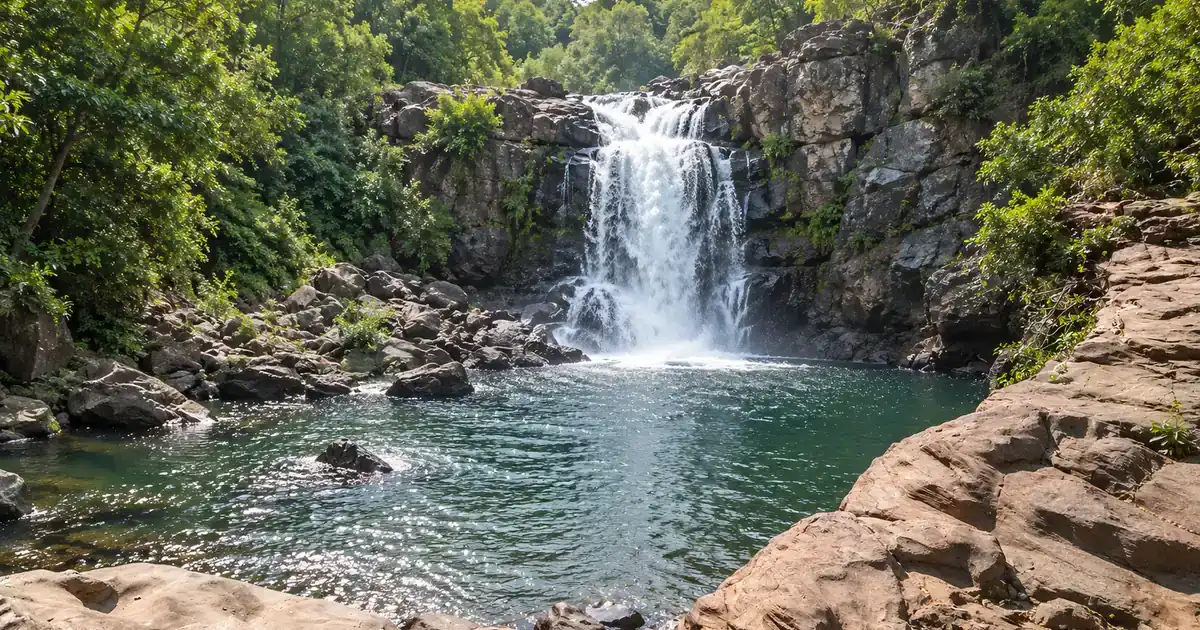
These natural stone tiers create rhythmic cascades, sending sheets of white water rushing through narrow clefts. Below the final shelf, water collects in a deep rock pool before meandering eastward through peaceful forest tracts.
Geology enthusiasts comparing bedrock structures across eastern river systems can consult our detailed directory of waterfalls in Odisha.
Forest Catchment and Microclimate
The protected forest surrounding Sanaghagara preserves a rich mix of tropical moist deciduous trees. Lofty sal, asan, kusum, and tendu trees form a dense canopy that cools ambient air temperatures by two to three degrees.
This sheltering foliage creates a pleasant microclimate throughout the year. Wild ferns and orchids grow along damp rock faces, providing shelter for colorful butterflies and native forest birds.
Best Time to Visit and Seasonal Flow Conditions
Selecting the best time to visit sanaghagara waterfall allows travelers to experience vigorous water volume and pleasant temperatures. Seasonal weather shifts across northern Odisha bring distinct traveling conditions.
Coordinating your trip with local climatic windows guarantees comfortable walking conditions and clear scenic views.
Winter: Prime Sightseeing and Boating Window
The dry winter months from October to February provide the most comfortable sightseeing conditions in Keonjhar. Mild daytime temperatures stay between 16°C and 25°C, making garden walks and boat rides pleasant.
Following the monsoon withdrawal, the Machakandana stream carries ample water volume, producing clean white torrents across the rocks. Sunny skies and gentle mountain breezes make photography especially rewarding.
Winter mornings can feel chilly, with temperatures occasionally dipping below 10°C. Visitors should bring a light jacket or woolen sweater for early morning explorations.
Monsoon: Thundering Volume and Foliage Splendor
During the rainy season from July to September, heavy monsoon showers sweep across the Keonjhar plateau. The waterfall swells to its maximum volume, roaring loudly as muddy torrents thunder through the gorge.
While the natural energy is dramatic, visitors must exercise monsoon flow caution at sanaghagara. River swells can occur rapidly after upstream storms, and stone steps become slick from moss buildup.
Boating operations on the lake are often suspended during periods of sustained torrential rain for visitor safety. Sightseeing should be enjoyed from paved observation platforms behind safety railings.
Summer: Morning Visits and Seasonal Conditions
From March through June, summer heat intensifies across inland Odisha, with midday temperatures reaching 38°C to 42°C. While water flow decreases compared to winter, the cascade remains perennial and continues to flow.
If traveling in summer, plan your arrival between 6:00 AM and 9:30 AM. Early hours allow you to enjoy cool woodland shade before direct sun warms the park grounds.
| Season | Calendar Window | Temperature Range | Water Flow & Park Atmosphere | Travel Assessment |
|---|---|---|---|---|
| Winter (Peak) | October to February | 10°C to 25°C | Full clear cascades, pleasant sunshine, active boating | Ideal for family picnics and outdoor recreation |
| Monsoon (Spate) | July to September | 22°C to 30°C | Roaring muddy torrent, swollen streams, lush greenery | Dramatic views; exercise caution along wet paths |
| Summer (Lean) | March to June | 24°C to 42°C | Reduced stream flow, warm afternoons, quiet lawns | Plan early morning visits; carry sun protection |
Nature Park Amenities: Gardens, Boating and Picnic Grounds
The broader sanaghagara nature park offers extensive recreational infrastructure designed to accommodate holiday crowds comfortably. The grounds are thoughtfully zoned to balance family play areas with quiet natural retreats.
Staff members sweep trails regularly and maintain landscaped lawns that attract visitors from surrounding districts.
Botanical Gardens and Walking Trails
Spread across stepped terraces, landscaped botanical gardens feature a diverse collection of flowering annuals, rose shrubs, and native shrubs. Paved walkways wind through shaded groves, with stone gazebos offering rest spots.
Interpretive plant signboards educate visitors about regional tree species and medicinal plants. The quiet woodland margins serve as a shelter for birdwatchers seeking paradise flycatchers and barbets.
Pedal Boating Lake and Activity Rates
A key family highlight within the park is the freshwater pond created by an impounded stream. Visitors can hire pedal boats to glide across the water while enjoying views of forested hills.
The sanaghagara waterfall boating ticket price is set at ₹50 for a two-seater boat and ₹80 for a four-seater boat for a twenty-minute ride. Life jackets are mandatory and provided at the boarding jetty, with attendants assisting passengers.
Picnic Clearings and Children Play Area
Designated picnic areas downstream from the waterfall feature open lawns, concrete tables, and running water taps. Families frequently unpack home-cooked lunches or use designated cooking points away from the trees.
Nearby, a dedicated children play area offers swings, slides, and climbing frames set over soft grassy turf. This allows young children to play safely while adults relax under shady trees.
For statewide picnic planning ideas, discover our curated guide to picnic spots in Odisha.
How to Reach Sanaghagara: Highway Routes and Transit Logistics
Understanding how to reach sanaghagara waterfall is simple because the park sits beside an active national highway. Transit options range from personal vehicles to interstate express buses.
Well-surfaced roads connect the site to major railway stations and urban centers across Odisha and Jharkhand.
Local Access from Keonjhar Town
The distance from keonjhar to sanaghagara waterfall is merely 5 kilometers southwest along National Highway 49. The drive takes less than ten minutes from the municipal center.
Regular auto-rickshaws wait outside Keonjhar bus stand and railway station, offering rides to the park gate for ₹60 to ₹100. Taxis and app-based rentals are also readily available for half-day hire.
Driving from Bhubaneswar and Coastal Districts
Travelers planning the route from bhubaneswar to sanaghagara falls cover approximately 215 kilometers. The journey proceeds along National Highway 16 to Panikoili, then turns north onto National Highway 20 through Ghatagaon into Keonjhar.
The entire drive takes approximately four to four and a half hours over smooth multi-lane highways. Express inter-district buses depart Baramunda Bus Terminal in Bhubaneswar every hour, reaching Keonjhar in five hours.
To combine this trip with other weekend outings, explore our selection of weekend getaways from Bhubaneswar.
Railway Hubs and Airport Connectivity
For rail travelers, Kendujhargarh Railway Station (KDJR) is the closest railhead, situated 8 kilometers from the park. The station connects to Bhubaneswar, Puri, and Kolkata via daily express trains.
Alternatively, travelers along the western corridor can connect via Sambalpur along the national highway 20 and 49 corridor. Motorists can pair this trip with Pradhanpat Waterfall in Deogarh located 130 kilometers west.
The nearest commercial airport is Biju Patnaik International Airport in Bhubaneswar (220 km), followed by Birsa Munda Airport in Ranchi (235 km). Both airports offer taxi rentals and highway bus connections into Keonjhar.
| Starting Point | Distance to Falls | Travel Time | Recommended Travel Mode |
|---|---|---|---|
| Keonjhar Town Bus Stand | 5 km | 10 minutes | Auto-rickshaw, city cab, two-wheeler |
| Kendujhargarh Rail Station | 8 km | 15 minutes | Station auto-rickshaw or taxi |
| Ghatagaon Maa Tarini Temple | 50 km | 1 hour | NH 20 express bus or personal car |
| Rourkela Steel City | 165 km | 3 hours 30 minutes | NH 143 and NH 49 road drive |
| Bhubaneswar Airport (BPI) | 220 km | 4 hours 30 minutes | NH 16 and NH 20 express road route |
Essential Visitor Guidelines, Safety and Packing Essentials
Observing forest safety guidelines ensures an enjoyable experience while visiting the waterfall. Local authorities enforce regulations to preserve water quality and prevent accidental injuries along rock ledges.
Respecting posted rules helps maintain this scenic site for future travelers.
Rock Margin Precautions and Gorge Hazards
While the lower stream offers shallow wading zones, travelers must follow sanaghagara waterfall bathing safety rules. Never climb over safety railings or attempt to stand on wet boulders near the main cascade crest.
Dolerite stones exposed to continuous spray develop a slick coating of algae that poses dangerous slip hazards. Deep fissures beneath the plunge pool hide submerged rocks that make diving extremely hazardous.
Always supervise young children closely near water channels, and obey warning signs posted by park wardens.
Eco-Park Cleanliness and Waste Management
Park management strictly enforces sanaghagara picnic ground plastic regulations to prevent forest pollution. Visitors must avoid bringing single-use plastic bags, disposable cutlery, and thermocol plates into the park.
Trash bins stand along every garden path, and picnickers are required to clean their gathering spots before leaving. Modest sanaghagara vehicle parking charges fund ongoing waste collection and garden maintenance.
Official state tourism initiatives are coordinated through the network of the Odisha Tourism Development Corporation.
Day Trip Packing Recommendations
Pack these essential items to make your day trip comfortable:
- Walking Shoes with Traction: Sturdy footwear with rubber soles for walking across gravel trails and damp steps.
- Sun Protection: Sunglasses, sun hats, and sunscreen for open garden areas and midday boat rides.
- Reusable Water Bottles: Stainless steel bottles filled with drinking water to eliminate single-use plastics.
- Spare Change for Tariffs: Modest cash for entry tickets, parking fees, and boat rides at local counters.
- Light Jacket for Winter: Warm outerwear for morning and late afternoon hours between November and January.
Sibling Cascades & Circuit: Combining Sanaghagara and Badaghagara
Keonjhar district preserves a rich collection of natural water bodies that make full-day touring rewarding. Sanaghagara serves as the natural hub for exploring surrounding hill landmarks.
Coordinating your itinerary allows you to experience both popular leisure parks and quiet wilderness cascades in a single excursion.
Exploring Badaghagara Waterfall Upstream
Located just three kilometers further upstream along the same stream network, badaghagara waterfall keonjhar provides a contrasting natural experience. Badaghagara plunges 60 meters down a narrow forest gorge.
When examining sanaghagara vs badaghagara waterfall, visitors note that Sanaghagara offers landscaped gardens, boating, and family amenities, while Badaghagara delivers a wilder forest setting with towering sal trees.
Both sites demonstrate why waterfalls in keonjhar attract nature enthusiasts throughout the winter season. To discover other dramatic river formations in the district, read about Bhimkund Waterfall in Keonjhar.
Spiritual Heritage at Gonasika and Ghatagaon
After touring the waterfalls, travelers can explore revered pilgrimage destinations located within easy driving distance:
- Gonasika Temple and Guptaganga (30 km): The sacred geographical source of the Baitarani River, framed by ancient Shiva temples and green hills.
- Ghatagaon Maa Tarini Temple (50 km): The legendary seat of Goddess Tarini, famous for its unbroken coconut offering rituals. Plan your visit using our guide to Ghatagaon Maa Tarini Temple.
- Khandadhar Falls Keonjhar (55 km): A majestic wilderness cascade plunging through forest ridges. Learn about nearby stays at Khandadhar Waterfall nature camp.
One-Day Keonjhar Sightseeing Schedule
Make the most of your Keonjhar excursion with this suggested one-day itinerary starting from the town center:
| Schedule Slot | Activity & Landmark | Travel & Focus Points |
|---|---|---|
| 08:00 AM – 10:30 AM | Visit Sanaghagara Waterfall & Nature Park | Morning cascade views, garden stroll, pedal boating |
| 10:45 AM – 12:15 PM | Drive to Badaghagara Waterfall | Forest gorge trekking, cliff overlook photography |
| 12:30 PM – 02:00 PM | Traditional Odia lunch in Keonjhar town | Savor local Dalma and Keonjhar Phula Badi curries |
| 02:30 PM – 04:30 PM | Excursion to Gonasika & Guptaganga | Historic Brahmeswar temple and mountain springs |
| 05:00 PM – 06:00 PM | Sunset viewpoint or local market visit | Purchase Keonjhar badis and organic forest honey |
Frequently Asked Questions (FAQs)
What is the exact entry fee for Sanaghagara Waterfall in Keonjhar?
Entry to Sanaghagara Nature Park costs ₹15 per adult and ₹10 per child between ages 3 and 12. Modest parking fees of ₹20 for two-wheelers and ₹50 for cars apply at the front gate.
What are the daily visiting hours at Sanaghagara Falls?
The park gates open daily at 6:00 AM in the morning and close at 6:00 PM in the evening. Entry is restricted after twilight because interior forest trails lack artificial lighting.
How far is Sanaghagara Waterfall from Keonjhar town?
The waterfall is located approximately 5 kilometers southwest of Keonjhar municipal town along National Highway 49. The drive takes less than ten minutes by personal vehicle or local auto-rickshaw.
Is boating available at Sanaghagara nature park?
Yes, visitors can enjoy pedal boating on the central freshwater pond inside the park. Boating tickets cost ₹50 for a two-seater boat and ₹80 for a four-seater boat for a twenty-minute ride.
Which is the best season to visit the cascade?
The ideal period to visit is from October through February when weather is cool and water volume is strong. Summer months bring hot afternoons, while heavy monsoon rains can make stone pathways slippery.
Can we visit both Sanaghagara and Badaghagara waterfalls in one day?
Yes, both cascades sit merely three kilometers apart along the same highway approach road. Travelers can easily tour both waterfalls, enjoy pedal boating, and take photos within a single morning.