Chakra Tirtha Waterfall Anandapur Keonjhar: Timings, Trek & Guide
Plan your visit to Chakra Tirtha Waterfall near Anandapur in Keonjhar, Odisha. Explore the rocky cascade, ancient Shiva temple, timings, route, and picnic tips.
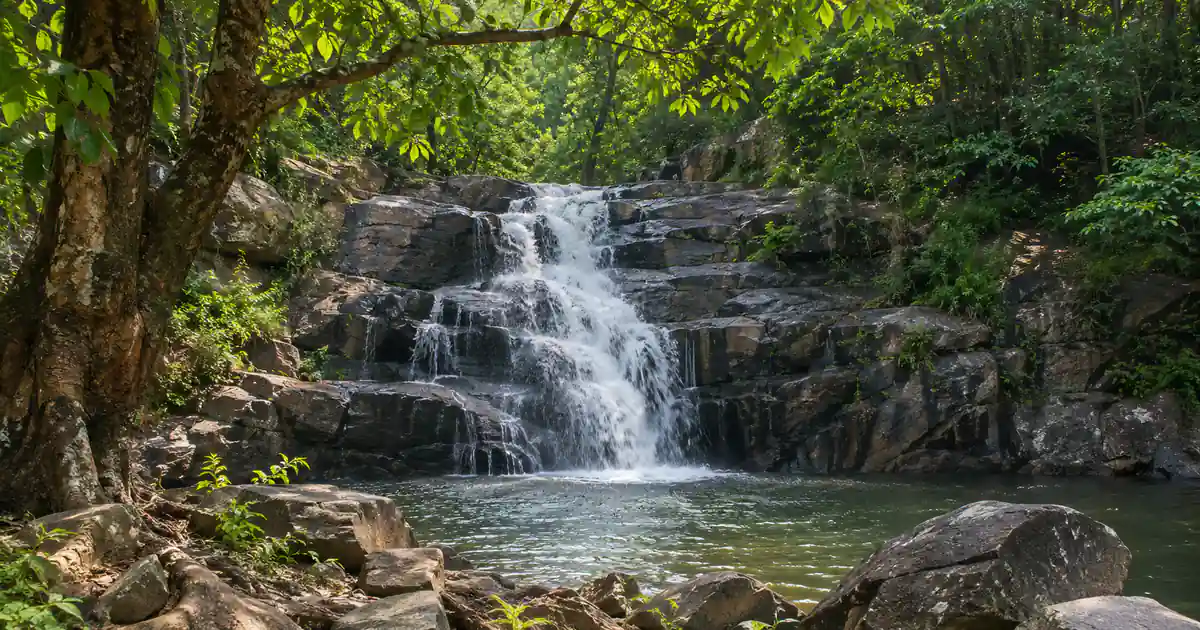
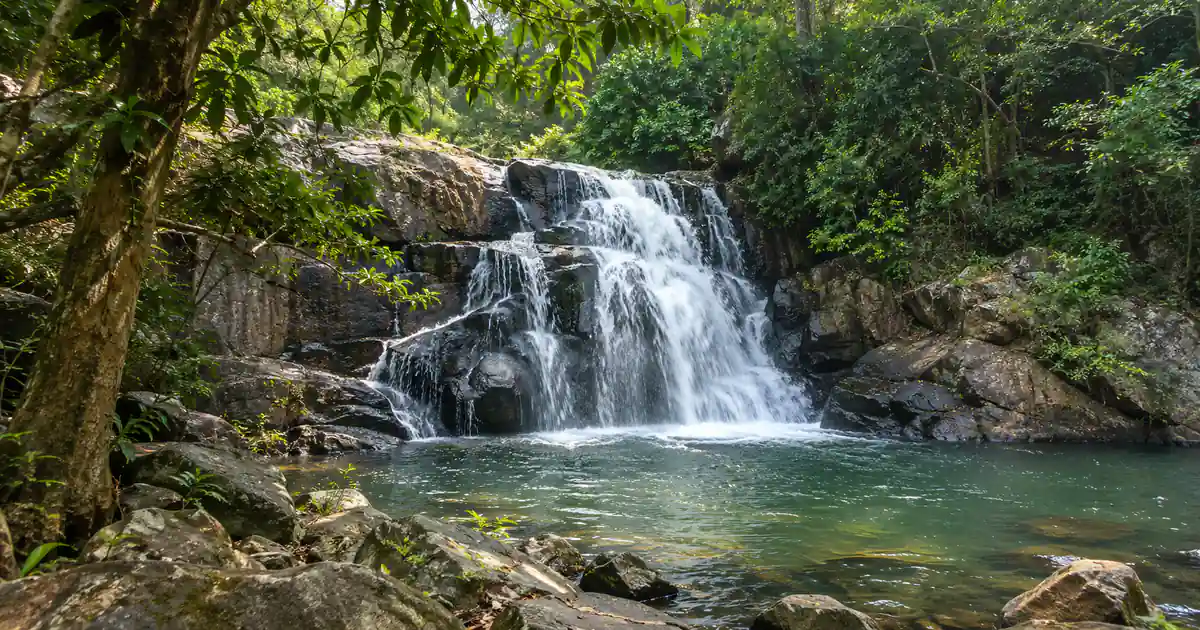
Chakra Tirtha Waterfall in Keonjhar district represents a tranquil natural cascade and revered Shaivite pilgrimage destination in northern Odisha. Situated near the historic town of Anandapur in Hatadihi block, approximately eighty-five kilometers south of Keonjhar headquarters, this perennial mountain cascade tumbles down weathered granite rock shelves into a deep natural stone basin.
Framed by dense sal forests and the rolling green ridges of the Baula hill range, the site combines natural beauty with deep cultural heritage.
Beside the cascading stream stands an ancient rock-sheltered Shiva sanctuary known locally as the Baba Chakra Tirtha Temple. Devotees and nature enthusiasts visit this sacred clearing throughout the year to offer prayers, hike through shaded woodland trails, and unwind in the calm forest environment.
The area is maintained through the collaborative efforts of local temple committees, village forest protection councils, and the Kendujhar District Administration under regional initiatives supported by Odisha Tourism.
Key Takeaways
- Geographic Setting: Situated in Hatadihi block near Anandapur subdivision in Kendujhar district, roughly 85 kilometers south of Keonjhar town.
- Hydrological Profile: Features a 40-foot multi-tiered mountain stream cascade tumbling over massive granite boulders into a natural rock pool.
- Spiritual Heritage: Centered around an ancient rock-cave Shiva shrine traditionally believed to bear the divine imprint of the Sudarshana Chakra.
- Visitor Access: Free public entry open daily from 6:00 AM to 6:00 PM, with peak visitor footfall recorded during winter months.
- Route Logistics: Easily reached via State Highway 53, situated 15 kilometers from Anandapur and 45 kilometers from Jajpur Keonjhar Road railway station.
Chakra Tirtha Waterfall at a Glance: Timings, Height & Location
Chakra Tirtha Waterfall Keonjhar serves as both an everyday rural pilgrimage shrine and a popular weekend recreation destination. The cold mountain stream originates in high forested tablelands of the Baula hills before plunging across stepped rock formations. The roar of splashing water echoes across the wooded gorge, creating an inviting natural atmosphere that draws travelers exploring the wider Baitarani river valley.
The reference table below presents core logistical parameters, geographic coordinates, and visiting hours for planning your trip:
| Metric / Parameter | Visitor Information |
|---|---|
| Site Name | Chakra Tirtha Waterfall & Shiva Temple Complex |
| Administrative Territory | Hatadihi Block (Anandapur Subdivision), Kendujhar District |
| Geographic Coordinates | 21.2200° N, 86.2500° E |
| Cascade Drop Height | Approximately 40 feet (12 meters) tiered cascade |
| Visiting Hours | 6:00 AM to 6:00 PM (Daily all year) |
| Temple Darshan Schedule | 6:30 AM to 12:00 PM and 3:30 PM to 5:30 PM |
| Entry Fee | Completely free public entry (No parking charges) |
| Nearest Town | Anandapur (15 km) |
| Nearest Railway Junction | Jajpur Keonjhar Road (JJKR, 45 km) and Bhadrak (50 km) |
| Recommended Visit Duration | 2 to 3 hours for trail hiking, temple darshan, and picnic |
Core Geographic and Administrative Parameters
Chakra Tirtha is located along the eastern border of the Kendujhar district travel guide region. It sits within the administrative boundary of Hatadihi block, just a short drive from the active commercial markets of Anandapur town. The site forms part of the broader Baitarani and Salandi river catchment basins that drain the mineral-rich highlands of northern Odisha.
The approach road winds through rural hamlets, open paddy plains, and low scrub hills before ascending into the forest fringe. A paved vehicular road terminates at a clearing beneath shade trees, from where a short stone path leads downward to the stream bed.
Key Highlights of the Anandapur Forest Belt
The landscape surrounding the cascade features dry deciduous Sal forest mixed with Mahua, Kendu, and dense thickets of wild bamboo. During the post-monsoon months, the hillside transforms into a verdant amphitheater where natural springs trickle down rocky gullies into the main stream.
The location offers a peaceful alternative to heavily commercialized tourist spots. Families, student groups, and pilgrims gather along flat rock ledges beside the water to cook traditional community meals and relax under leafy boughs.
Waterfall Cascade, Plunge Pool & Natural Surroundings
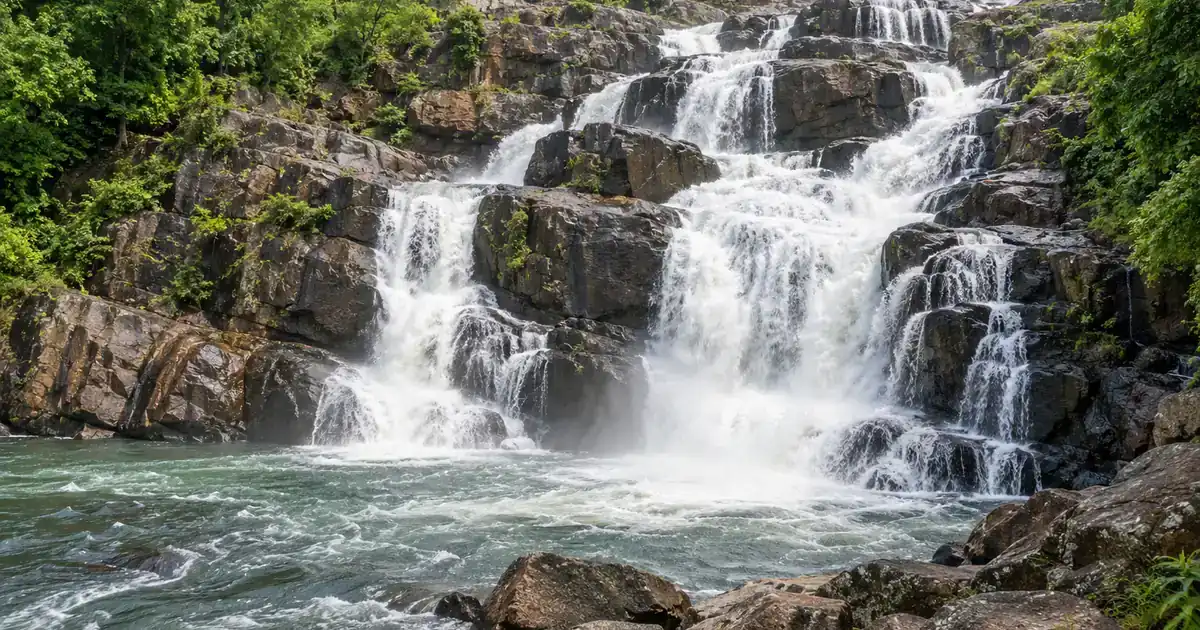
The main waterfall drops through a series of natural stone steps before gathering in a wide plunge basin. The flow of water remains perennial, sustained by underground seepages and perennial streams winding through the rocky interior of the Baula mountain range.
Geological Structure of the Granite Rock Steps
The geology of Chakra Tirtha displays Precambrian granite and gneiss formations that have been sculpted by millions of years of water erosion. Smooth, bowl-shaped depressions known as potholes dot the stone ledges where swirling pebbles have ground circular cavities into the rock floor.
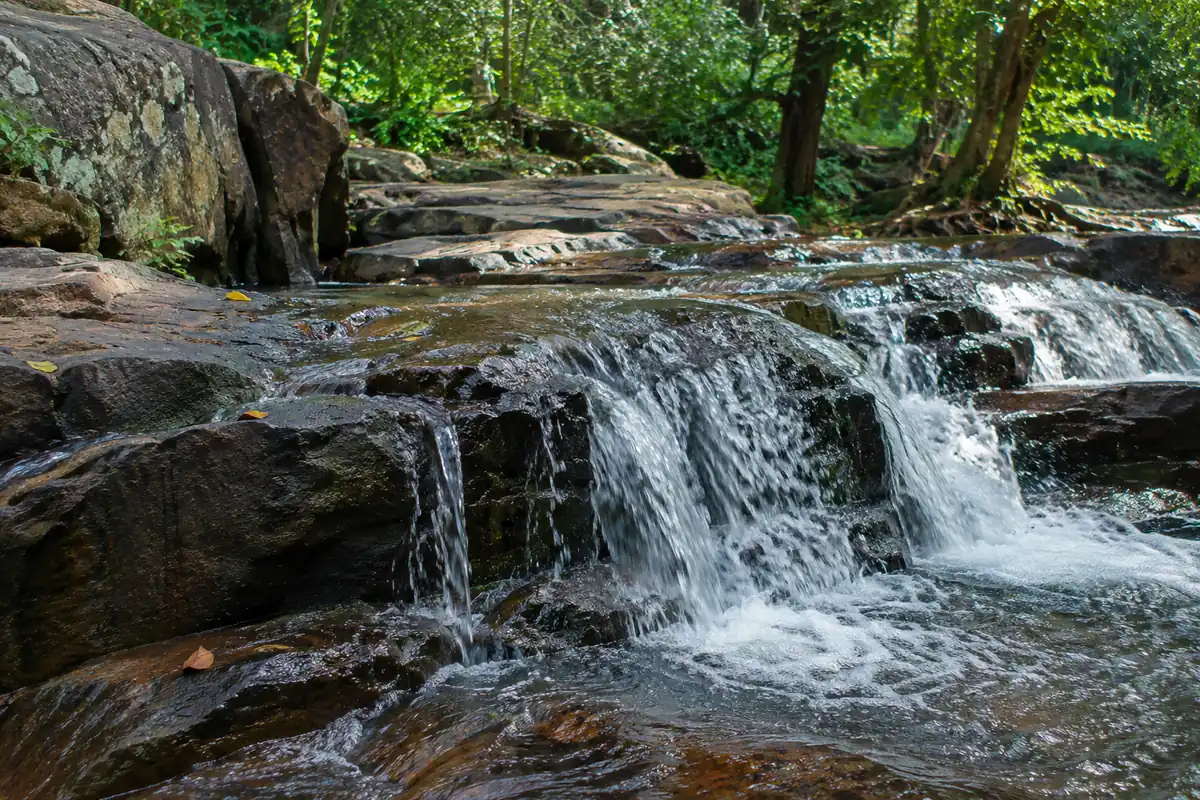
During normal flow, the stream divides into three parallel curtains of water that drop ten to fifteen feet across each terrace before uniting in the lower pool. The natural terracing creates convenient vantage points where photographers can capture different perspectives of the falling stream.
The table below outlines seasonal stream characteristics and water flow dynamics:
| Seasonal Phase | Water Volume & Current | Plunge Pool Condition | Photography & Visit Rating |
|---|---|---|---|
| Post-Monsoon (Oct–Nov) | Heavy cascading volume | Deep, swirling clear pool | Excellent; roaring cascades and lush green foliage |
| Winter (Dec–Feb) | Moderate, crystal-clear flow | Calm, shallow wading areas | Outstanding; ideal temperature for picnics and hiking |
| Summer (Mar–May) | Gentle trickle over boulders | Shallow, exposed rock basin | Moderate; water volume reduces significantly |
| Monsoon (Jun–Sep) | Torrential muddy overflow | Turbulent, submerged ledges | Caution advised; slippery boulders and strong currents |
Flora, Fauna and Forest Canopy of Hatadihi
The forest canopy enveloping this anandapur waterfall supports an active population of avian species, including Indian rollers, kingfishers, crested serpent eagles, and jungle babblers. The morning air carries the melodic calls of songbirds echoing across the rock face.
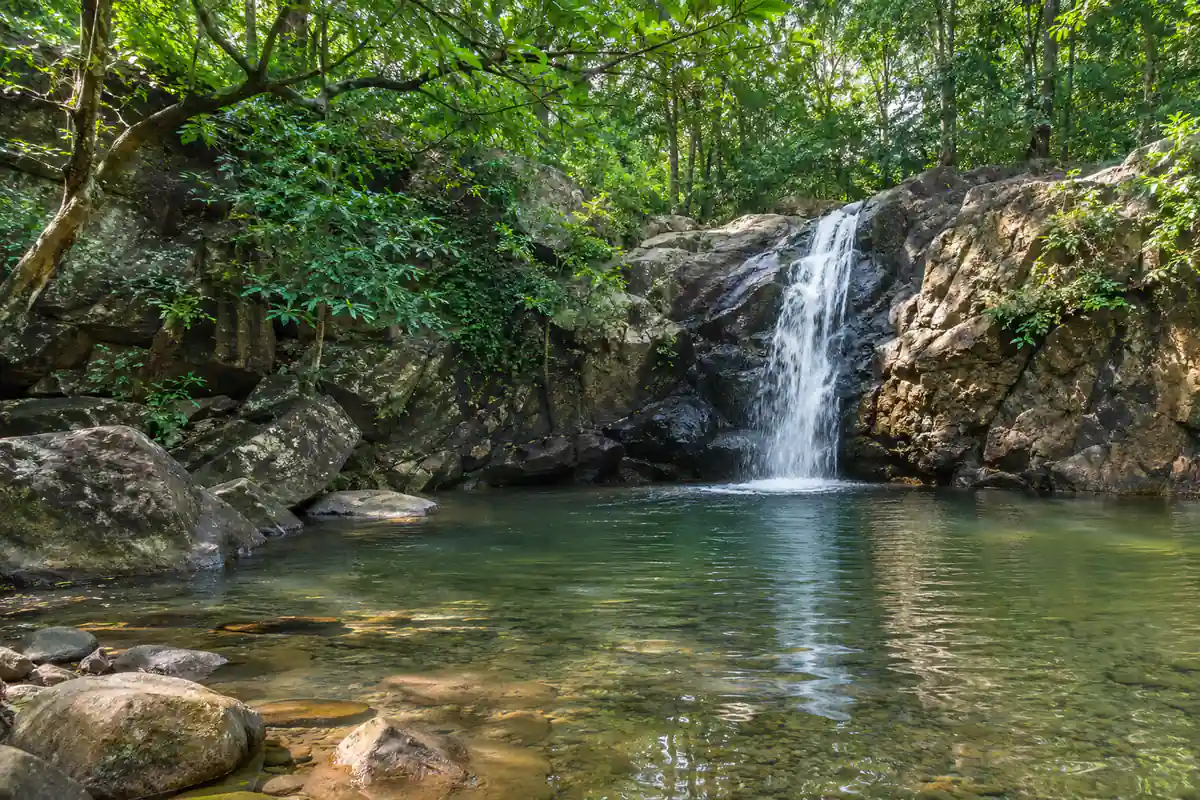
Wild orchids cling to the damp bark of mature trees near the spray zone, while medicinal ferns flourish along the shaded crevices of the granite cliffs. The untouched green canopy makes the canyon a vital ecological habitat in the lower hills of Keonjhar.
Spiritual Heritage of Chakra Tirtha Shiva Temple
The sanctity of Chakra Tirtha is rooted in ancient regional folklore connecting the site to Lord Vishnu and Lord Shiva. According to local belief, the natural circular depressions in the river bedrock represent the cosmic imprint of Lord Vishnu’s Sudarshana Chakra, giving the holy tirtha its enduring title.
The primary shrine consists of a whitewashed stone pavilion built against a natural granite rock overhang. Inside the sanctum rests an ancient Shiva lingam, continuously washed by dripping condensation and mountain stream water drawn from adjoining stone crevices.
Legends of the Sudarshana Chakra Imprint
Local oral traditions narrate that when divine forces waged battle against demonic elements in ancient Dandakaranya, Lord Vishnu rested his celestial weapon upon these granite ledges. The force of the divine discus created deep circular hollows in the stone from which fresh spring water miraculously gushed forth.
To honor the divine energy of the spot, an ancient Shaivite hermitage was established by forest sages. Ever since, pilgrims have revered the location as an auspicious confluence where the blessings of both Hari (Vishnu) and Hara (Shiva) can be obtained simultaneously.
Maha Shivratri and Makar Sankranti Rituals
The spiritual calendar at this chakra tirtha shiva temple reaches its festive zenith during the annual celebration of Maha Shivratri. Devotees from Hatadihi, Anandapur, and neighboring Bhadrak district travel to observe day-long fasts, bathe in the cool stream water, and chant hymns through the night.
Another significant congregation occurs during Makar Sankranti in mid-January, when hundreds of rural families arrive for ritual ablutions and celebrate the seasonal sun transit. The atmosphere fills with traditional kirtan chanting, brass horn music, and the distribution of consecrated sweet rice offerings.
Visiting Hours, Picnic Guidelines & Swimming Safety
Chakra Tirtha welcomes visitors throughout the daylight hours, seven days a week. Because the location sits in an open forest enclave without commercial turnstiles, public entry is entirely free of charge.
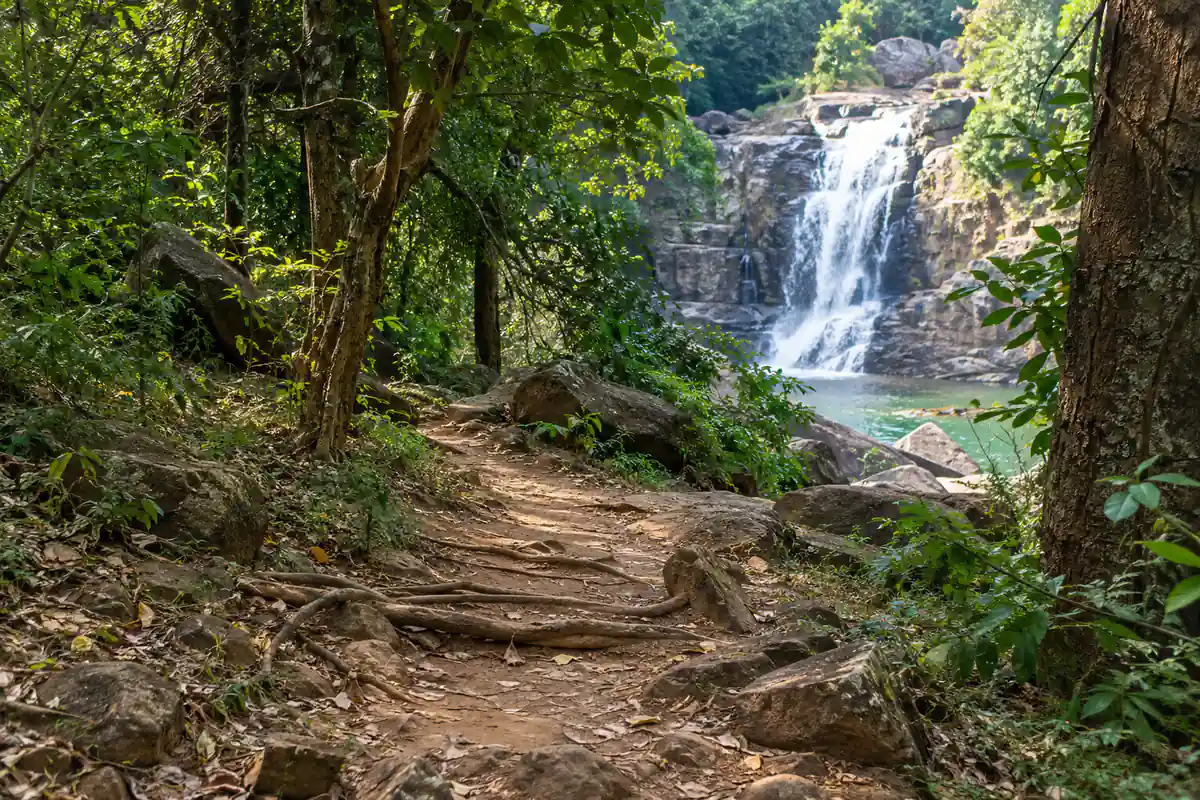
Daily Entry Schedule and Best Daylight Hours
The optimal time to arrive is between 7:00 AM and 10:00 AM in the morning. Early arrival ensures that you experience the fresh forest breeze, clear morning lighting for photography, and peaceful surroundings before afternoon picnic crowds gather.
Visitors are advised to conclude their exploration and return to the main highway before nightfall, as the approach roads through rural forested sections lack artificial street illumination.
Picnic Conduct and Waste Disposal Rules
During the winter months from November to February, Chakra Tirtha becomes one of the popular keonjhar picnic spots where groups spend the entire day preparing meals in open clearings.
To protect the fragile woodland environment, travelers must adhere to responsible outdoor practices:
- Collect all food wrappers, plastic containers, and disposable plates in personal garbage bags to carry back to municipal disposal bins in Anandapur.
- Extinguish open cooking fires completely with river water before departing the picnic area to eliminate any forest fire hazard.
- Avoid playing loud portable electronic speakers, which disturb resident bird populations and compromise the tranquil sanctity of the temple grounds.
- Refrain from discarding glass bottles or aluminum cans on the rocky paths, where broken shards can injure barefoot devotees walking toward the shrine.
Water Depth and Slippery Boulder Precautions
While the natural pool below the cascade looks tempting for a swim, visitors must exercise caution around the water edges. Submerged boulders are coated with slick green moss and underwater algae that make footing treacherous.
The checklist below summarizes essential safety protocols for visitors:
| Safety Category | Recommended Precaution | Practical Action |
|---|---|---|
| Footwear | High-traction rubber sandals or trekking shoes | Never walk barefoot on wet sloping granite ledges |
| Swimming Depth | Avoid central plunge zone beneath main cascade | Strong underwater eddies can pull swimmers downward |
| Children’s Safety | Constant adult supervision near water line | Keep young children within designated shallow pebble banks |
| Monsoon Risk | Stay clear of river bed during cloudbursts | Flash torrents can surge within minutes from upper hills |
How to Reach Chakra Tirtha from Bhubaneswar, Bhadrak and Jajpur Road
Chakra Tirtha is well connected to major urban centers across eastern Odisha thanks to its proximity to National Highway 16, National Highway 20, and the coastal rail line.
Driving Routes via NH 16, NH 20 and SH 53
Motorists originating from Bhubaneswar or Cuttack drive north along the six-lane National Highway 16 past Chandikhol toward Panikoili junction. At Panikoili, turn north onto National Highway 20 toward Anandapur. From Anandapur market, take State Highway 53 eastward toward Hatadihi for fifteen kilometers to reach the signposted turnoff for Chakra Tirtha.
The total driving distance from Bhubaneswar is approximately 140 kilometers, requiring around three hours of smooth highway driving. The journey makes an easy day trip that combines nature exploration with sacred heritage shrines.
Train Access via Jajpur Keonjhar Road and Bhadrak Stations
For rail passengers, two major railway stations offer convenient access to the site:
- Jajpur Keonjhar Road (Station Code: JJKR): Situated roughly 45 kilometers southwest, this busy station hosts frequent express trains linking Bhubaneswar, Kolkata, and New Delhi. Taxis and local buses run regularly from the station directly to Anandapur town.
- Bhadrak Railway Station (Station Code: BHC): Located approximately 50 kilometers southeast, Bhadrak provides excellent connectivity across the South Eastern Railway network. Private cars and shared taxis can be hired from the station square to Hatadihi.
The distance and travel time breakdown table below illustrates primary transit options:
| Starting Location | Transit Corridor / Highway | Distance | Estimated Travel Duration |
|---|---|---|---|
| Anandapur Town | State Highway 53 via Hatadihi | 15 km | 25 minutes |
| Jajpur Keonjhar Road Station | NH 20 North to Anandapur, then SH 53 | 45 km | 1 hour 15 minutes |
| Bhadrak City Center | State Highway via Bonth and Agarpada | 50 km | 1 hour 20 minutes |
| Keonjhar Town (Kendujhar) | NH 20 South through Ghatagaon | 85 km | 2 hours |
| Cuttack City | NH 16 North to Panikoili, then NH 20 | 115 km | 2 hours 30 minutes |
| Bhubaneswar Airport (BPIA) | NH 16 North through Panikoili and Anandapur | 140 km | 3 hours |
Local Auto and Taxi Services from Anandapur Town
Regular private buses ply between Jajpur Road, Bhadrak, and Anandapur throughout the day. From Anandapur bus stand, auto-rickshaws and private utility vehicles can be hired for round-trip excursions to Chakra Tirtha for reasonable fares of ₹400 to ₹600, including waiting time.
Chakra Tirtha vs Bhimkund and Sanaghagara: Keonjhar Waterfall Comparison
Kendujhar district is renowned across India for its extraordinary density of natural waterfalls. Travelers planning an excursion often evaluate how Chakra Tirtha compares against iconic destinations like Bhimkund waterfall in Keonjhar and the popular Sanaghagara waterfall near Keonjhar town.
Key Differences in Landscape, Crowds and Vibe
Bhimkund, situated on the Baitarani River along the Mayurbhanj border, is characterized by a massive turquoise natural whirlpool enclosed by steep granite cliffs, famous for its geological depth and legend of the Pandavas. Sanaghagara, located just five kilometers from Keonjhar district headquarters, is a developed eco-tourism park with landscaped gardens, children’s play equipment, and boating facilities.
In contrast, Chakra Tirtha in Anandapur preserves a quiet, rustic temple grove ambiance where visitors can experience flowing mountain water without commercial amusement parks or formal entry gates. It is ideal for independent travelers seeking natural peace and sacred solitude.
The comparison matrix below highlights practical differences across the three Keonjhar waterfalls:
| Feature / Metric | Chakra Tirtha (Anandapur) | Bhimkund (Baitarani River) | Sanaghagara (Keonjhar Town) |
|---|---|---|---|
| Waterfall Character | 40-foot stepped forest cascade | Massive natural river whirlpool pool | 30-foot perennial rocky drop |
| Geographic Setting | Wooded Baula hill gorge | Open rocky river canyon | Landscaped municipal eco-park |
| Crowd Intensity | Low to moderate (Tranquil) | High on festive weekends | Heavy family and tourist traffic |
| Spiritual Element | Active rock-sheltered Shiva temple | Sacred Baitarani bathing tirtha | Primarily recreational leisure |
| Commercial Amenities | Basic village stalls | Tea stalls and viewing decks | Cafeterias, gardens, pedal boats |
| Distance from Keonjhar | 85 km south | 100 km east | 5 km south |
Which Keonjhar Waterfall Suits Your Travel Style?
If you want a family day out with manicured gardens, children’s attractions, and paved promenades near district hotels, Sanaghagara is the most convenient option. If you wish to witness the raw power of the Baitarani River surging through a dramatic natural gorge, Bhimkund is an unforgettable spectacle.
However, if your goal is to sit beside a cool splashing mountain stream shaded by sal trees, explore an ancient rock shrine, and enjoy a quiet picnic without crowded tour groups, Chakra Tirtha provides the perfect setting.
Best Time to Visit & Nearby Keonjhar Tourism Pairings
Choosing the right season ensures that you witness Chakra Tirtha at its most scenic while enjoying pleasant outdoor weather.
Seasonal Weather Guide and Water Volumes
The best time to visit Chakra Tirtha extends from October through February. The post-monsoon months of October and November feature vigorous stream flow and rich green hillsides. The winter months of December and January offer crisp, pleasant daytime temperatures between 15°C and 25°C, creating ideal conditions for hiking and outdoor picnics.
During the hot pre-monsoon summer from April to June, temperatures in Anandapur can exceed 40°C, and the stream volume diminishes to a gentle trickle. Visiting during summer is recommended only during early morning hours.
The table below provides a seasonal planning guide:
| Season | Calendar Period | Water Volume | Travel Advisory |
|---|---|---|---|
| Post-Monsoon (Best Flow) | October to November | Full and energetic | Outstanding scenery; lush greenery and clear water |
| Winter (Best Weather) | December to February | Moderate and clear | Ideal picnic season; comfortable mild temperatures |
| Summer (Low Water) | March to June | Thin stream trickle | Hot daytime climate; visit early morning if planning |
| Monsoon (Heavy Rains) | July to September | Surging brown currents | High water volume; watch for slippery rocks |
Pairing with Hadagarh Dam and Salandi Wildlife Sanctuary
A major advantage of visiting Chakra Tirtha is its close proximity to Hadagarh Dam, situated roughly twenty-five kilometers to the northeast. Constructed across the Salandi River, Hadagarh Dam forms a massive freshwater reservoir framed by forested mountains.
Adjoining the reservoir is the Hadagarh Wildlife Sanctuary, home to elephants, leopards, spotted deer, and diverse migratory birds. Combining Chakra Tirtha with Hadagarh creates an enriching full-day itinerary exploring the diverse waterfalls in Keonjhar and wilderness sanctuaries.
Connecting to Ghatagaon Maa Tarini Temple
Travelers returning toward Keonjhar town or Bhubaneswar can seamlessly incorporate a pilgrimage stop at the world-famous Ghatagaon Maa Tarini Temple. Located approximately forty-five kilometers northwest of Anandapur along National Highway 20, the temple is celebrated for its miraculous wish-fulfilling traditions and continuous offerings of fresh coconuts.
For those planning broader travel routes from the state capital, our curated guide to weekend getaways from Bhubaneswar outlines interconnected routes linking Anandapur with coastal and heritage circuits across central Odisha.
Frequently Asked Questions (FAQs)
Where is Chakra Tirtha Waterfall located in Keonjhar?
Chakra Tirtha Waterfall is located in Hatadihi block near Anandapur subdivision in Kendujhar district, Odisha. It is situated approximately fifteen kilometers from Anandapur town and eighty-five kilometers south of Keonjhar headquarters.
How high is the waterfall cascade?
The waterfall cascades approximately forty feet down tiered granite ledges into a rocky plunge basin. The perennial stream flows down multiple stone terraces framed by sal forests.
Is there an admission fee to visit?
No, entry to Chakra Tirtha Waterfall and the adjoining Shiva temple is completely free for all visitors. Free parking space is available in the forest clearing near the trail head.
Which temple is situated beside the waterfall?
The historic Baba Chakra Tirtha Temple, dedicated to Lord Shiva, is situated under a natural granite rock overhang beside the waterfall. The site is revered for its ancient legends of Lord Vishnu’s Sudarshana Chakra.
Can visitors swim in the plunge pool?
Visitors can wade safely in the shallow rock pools along the outer edges of the stream. However, swimming in the deeper central plunge basin is not advised due to slippery submerged boulders and hidden crevices.
What is the best season to plan a trip?
The ideal season to visit is between October and February when the mountain stream flow is energetic and the winter weather is cool and pleasant. The post-monsoon months offer the greenest forest scenery and clearest cascading water.