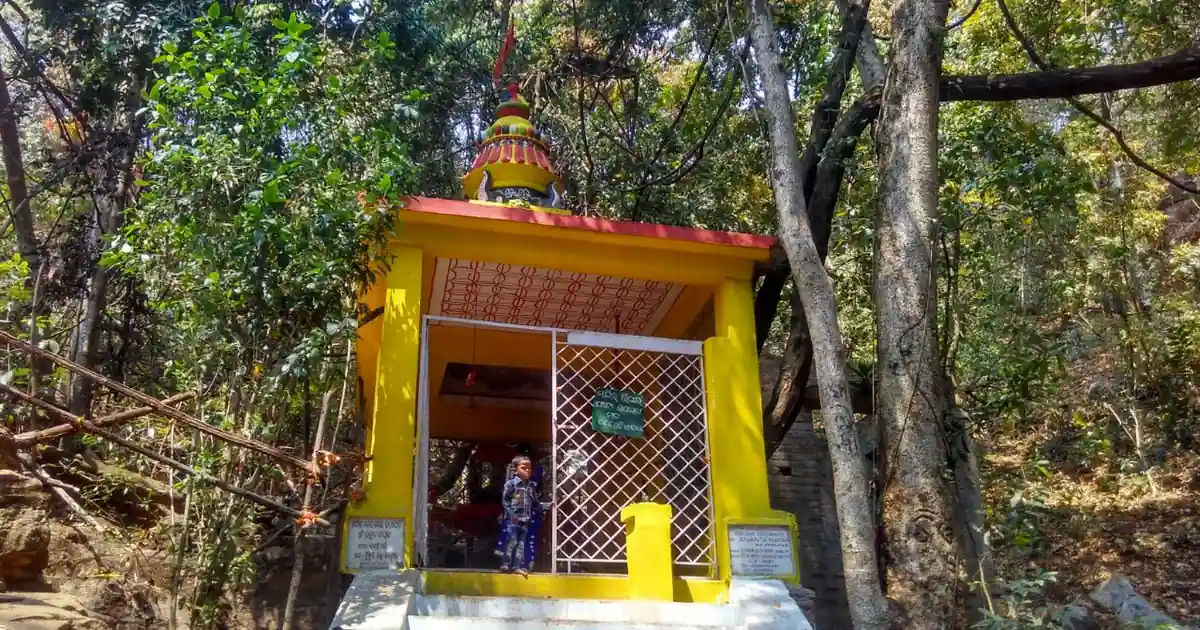
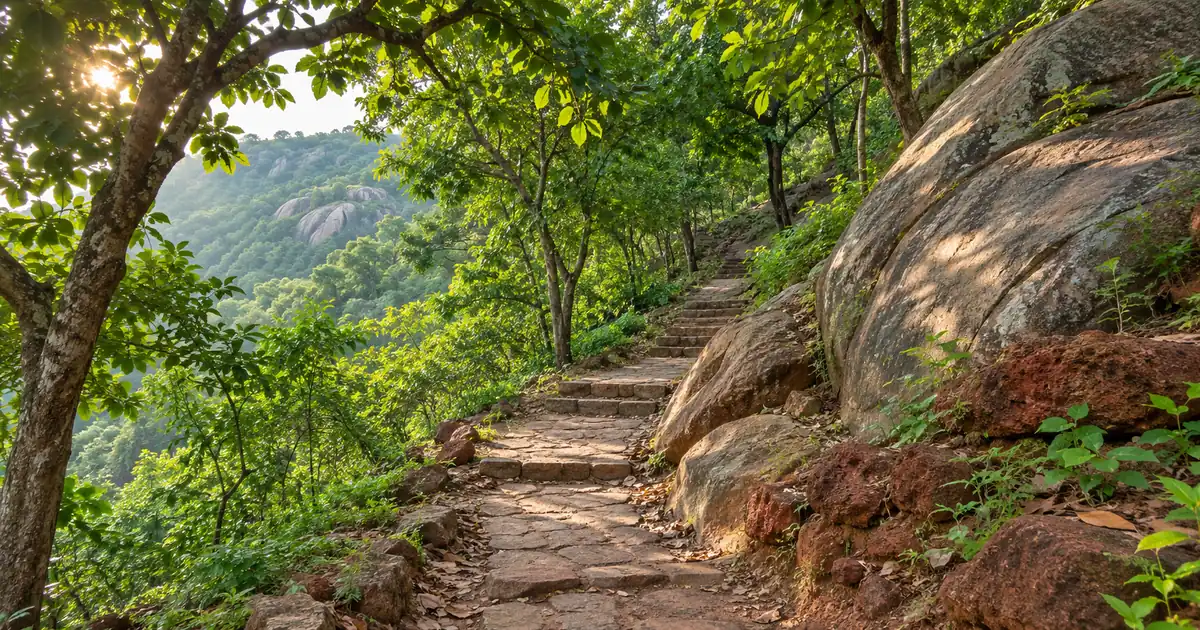
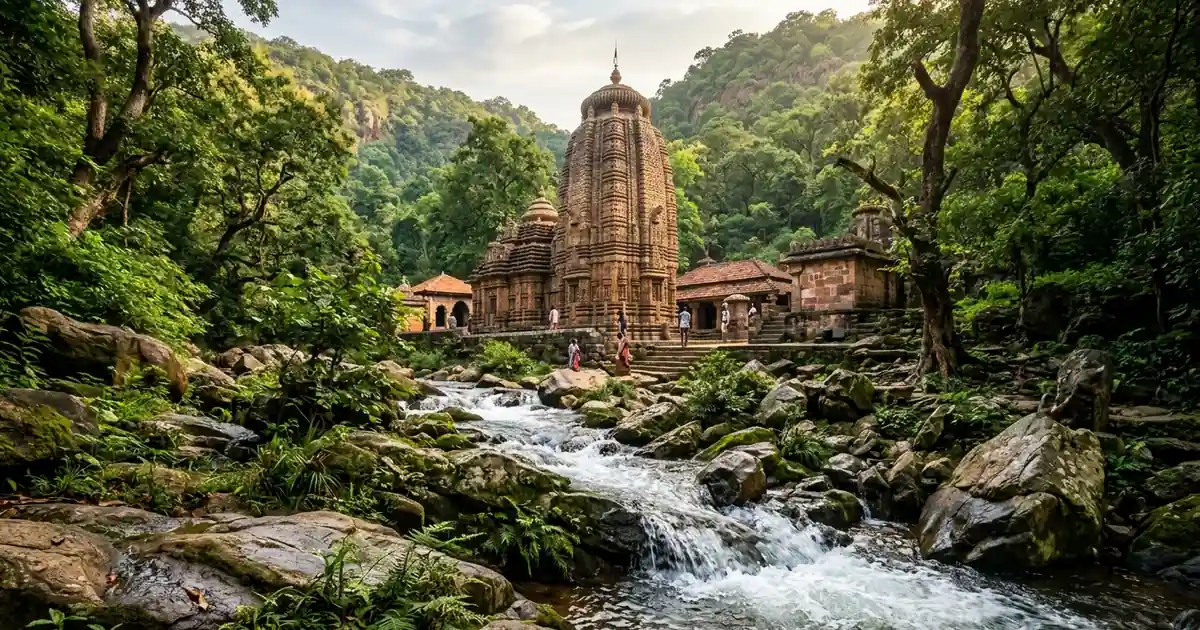
Murga Mahadev Keonjhar: Temple & Waterfall Guide
Explore Murga Mahadev Keonjhar in Champua. Discover the sacred Shiva shrine, perennial Thakurani waterfall, dual tribal worship, timings, and travel tips.
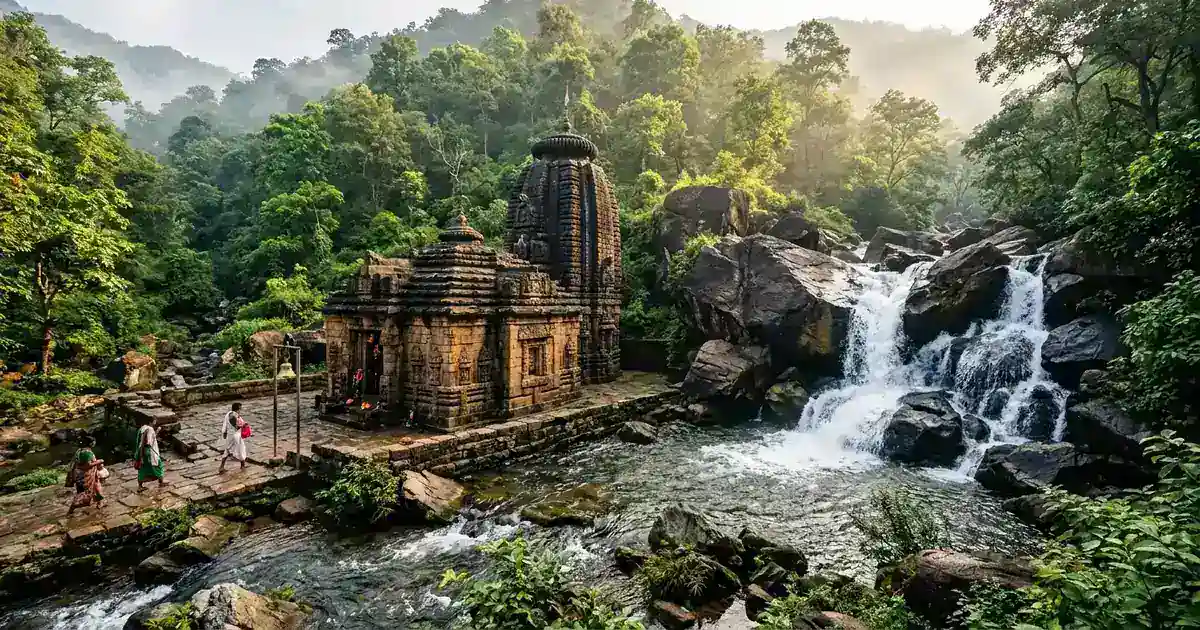
Murga Mahadev Keonjhar stands as an inspiring spiritual sanctuary and natural retreat in the northern highlands of Odisha. Located at the base of the verdant Thakurani mountain range in Champua subdivision within Kendujhar district travel guide, this revered shrine is dedicated to Lord Shiva.
Travelers and local devotees also refer to this destination as Murga Mahadev Temple Keonjhar. As one of the prime keonjhar tourist places, it welcomes pilgrims and vacationers throughout the year.
What makes this sacred site exceptional is the coexistence of spiritual devotion and peaceful forest scenery. A clear perennial mountain spring tumbles over dark granite boulders directly beside the temple courtyard, forming the famous Murga Mahadev Waterfall Keonjhar. The site is a celebrated highlight among the famous temples in Odisha. Official state tourism records are hosted on the Odisha State Portal.
Key Takeaways
- Sacred Hillside Sanctuary: Ancient Shiva temple situated along a crystal-clear mountain stream at the foot of the Thakurani mountain range.
- Dual Worship Heritage: Reflects an extraordinary cultural synthesis where both indigenous tribal priests and Vedic Brahmin servitors perform daily rituals.
- Perennial Forest Waterfall: Natural spring cascades over stepped granite rock shelves into a clear plunge pool right beside the temple compound.
- Popular Winter Picnic Hub: Extensive shaded sal groves along the riverbank attract families and nature travelers from October through March.
- Regional Road Access: Located seventy kilometers north of Keonjhar town and twenty-five kilometers southeast of the Barbil and Joda mining centers.
Murga Mahadev Keonjhar at a Glance
Travelers exploring northern Odisha often seek destinations that combine spiritual heritage with mountain scenery. When planning trips to Murga Mahadev Champua, visitors discover an unspoiled rural landscape where lush sal and bamboo forests frame the temple precinct.
During the cooler months from October to March, the surrounding riverside groves serve as a major recreational retreat, widely celebrated as a Murga Mahadev picnic spot. Families gather to prepare meals on open hearths along the rocky banks while listening to the soothing sound of flowing water.
| Feature | Verified Information | Traveler Tips |
|---|---|---|
| Presiding Deity | Lord Murga Mahadev (Lord Shiva) | Worshipped by both tribal and Brahmin priests |
| Natural Feature | Perennial waterfall & stream | Cascades over granite boulders into a pool |
| Location | Champua Subdivision, Kendujhar District | 70 km north of Keonjhar headquarters |
| Temple Timings | 6:00 AM to 7:00 PM | Open daily throughout the year |
| Entry Fee | Free entry for all visitors | Modest parking charges for tourist vehicles |
| Nearest Railway Station | Barbil Railway Station (BBL) | 25 km northwest via direct state highway |
| Nearest Airport | Biju Patnaik Airport Bhubaneswar | 280 km south via NH-520 highway |
The mountain air remains pleasantly crisp throughout the winter season, offering an ideal setting for outdoor exploration and photography.
Spiritual Heritage and the Dual Worship Tradition
The sacred roots of Murga Mahadev trace deep into the ancient cultural traditions of northern Keonjhar. According to local oral lore, indigenous tribal forest dwellers originally discovered the natural Shiva Lingam resting among mossy granite boulders along the stream bank.
Over time, this indigenous worship merged peacefully with classical Hindu rituals. Today, the shrine is renowned for its dual worship system. Both tribal priests, known locally as Dehurys, and traditional Brahminical priests conduct daily pujas in mutual cooperation.
This spiritual synthesis reflects the broad and inclusive character of Odisha’s religious evolution. Devotees from diverse backgrounds visit the sanctum to offer bilva leaves, wild jungle flowers, and fresh mountain stream water to Lord Murga Mahadev.
During the holy month of Shravana, thousands of saffron-clad Bolbom pilgrims trek barefoot from regional rivers to pour sanctified water over the Swayambhu Lingam, filling the forested valley with chants of “Har Har Mahadev.”
The Perennial Murga Mahadev Waterfall and Forest Stream
The natural highlight of the complex is the clear mountain stream that flows continuously from the upper plateaus of the Thakurani mountain range. Fed by underground aquifers and natural mountain springs, the water stays clear and refreshingly cool year-round.
Just behind the main sanctum, the stream plunges across stepped granite ledges, creating the scenic cascade known as the Murga Mahadev Waterfall. The falling water collects in a natural rock pool before meandering along a boulder-strewn bed through the forest.
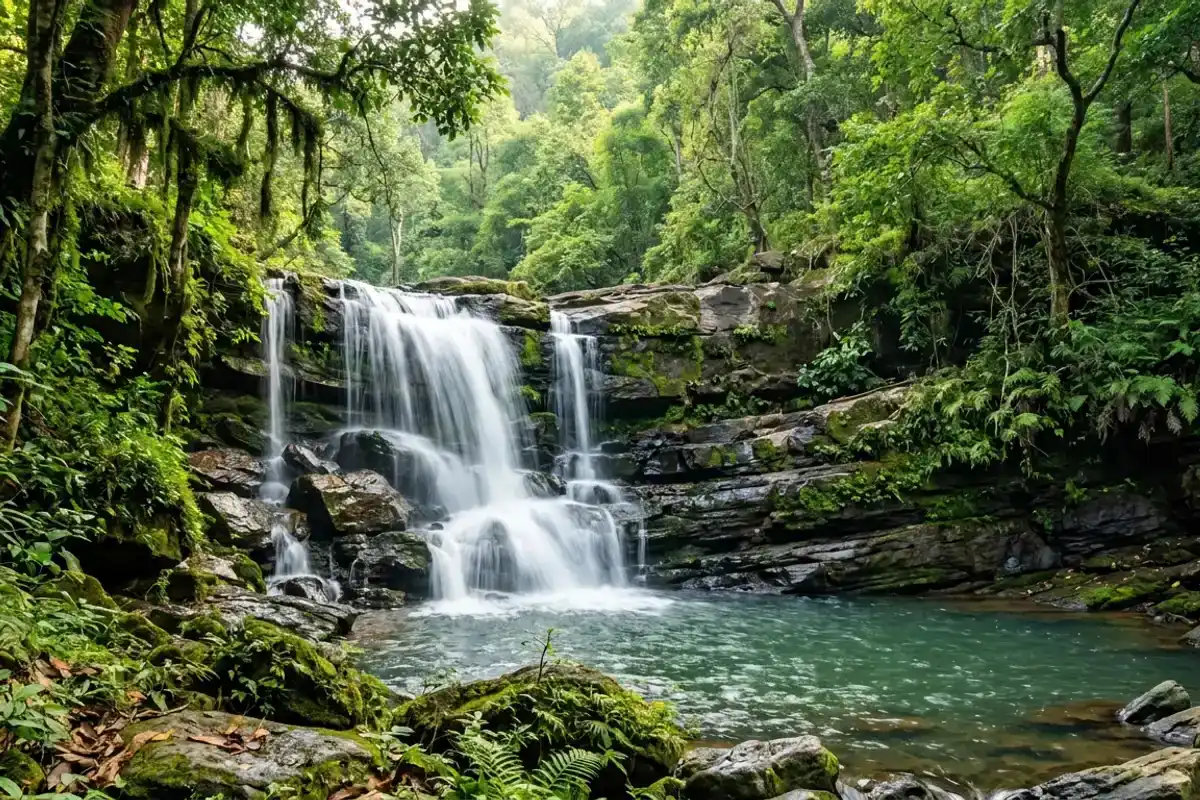
Pilgrims consider bathing in the clear waters of the stream spiritually purifying before stepping into the inner sanctum. Concrete steps with sturdy iron safety railings provide safe access down to the shallow areas of the stream for bathers.
The waterfall remains perennial even through peak summer months, though its volume expands dramatically during the monsoon season from July through October. Discover additional water cascades in our full list of waterfalls in Odisha.
Picnic Recreation, Flora, and the Winter Travel Season
Between November and February, Murga Mahadev transforms into one of the most active outdoor excursion centers in northern Odisha. The local forest committee maintains cleared picnic zones along the stream bank beneath towering sal, mahua, and mango trees.
Travelers from Keonjhar, Barbil, Rourkela, and neighboring Jharkhand travel here for day outings. The pleasant winter climate, clear flowing water, and tree-shaded clearings make it exceptionally popular for family gatherings and student excursions.
| Season | Water Flow & Climate | Recommended Travel Activities |
|---|---|---|
| Winter (Oct to Mar) | Clear gentle stream, cool 14°C–25°C | Best period for family picnics, temple darshan, and nature walks |
| Monsoon (Jul to Sep) | Roaring cascade, humid 24°C–30°C | Dramatic waterfall photography; rocks can be slick and dangerous |
| Summer (Apr to Jun) | Modest flow, warm 28°C–38°C | Early morning spiritual visits; shaded woodland walks |
Visitors are strongly encouraged to preserve the clean environment of the forest by taking all food packaging, disposables, and trash back with them to designated town waste bins.
Temple Timings, Daily Pujas, and Festive Congregations
Murga Mahadev Temple maintains daily worship services from early dawn until dusk, accommodating both early morning devotees and afternoon travelers.
| Daily Service | Scheduled Time | Pilgrim Participation |
|---|---|---|
| Morning Opening & Mangala Alati | 6:00 AM to 6:30 AM | Sacred dawn arati with conch and drum sounds |
| Public Darshan & Jalabhishekam | 6:30 AM to 12:30 PM | Devotees offer stream water, milk, and bilva leaves |
| Midday Bhog & Pahada | 12:30 PM to 2:30 PM | Inner sanctum closed; outdoor waterfall grounds open |
| Afternoon Reopening | 2:30 PM to 6:00 PM | Pleasant afternoon worship and stream walks |
| Evening Sandhya Alati & Closure | 6:00 PM to 7:00 PM | Evening oil lamp arati before night closure |
Admission to both the temple and the natural waterfall is free of charge for all visitors. Modest parking fees are collected by the local village development committee to maintain clean parking lots and sanitation facilities.
The temple experiences immense crowds during the annual Maha Shivratri festival in late winter and the Makar Sankranti fair in mid-January. Tens of thousands of devotees observe night-long vigils, lighting brass oil lamps that illuminate the entire forested mountain base.
How to Reach Murga Mahadev from Keonjhar, Joda, and Barbil
Murga Mahadev is located in Champua subdivision in northern Keonjhar district, easily accessible by road from major regional urban centers.
| Origin Point | Distance | Typical Travel Time | Primary Route Corridor |
|---|---|---|---|
| Keonjhar Town (District HQ) | 70 km | 1 hour 45 minutes | Via NH-520 northward toward Champua |
| Barbil Mining Town | 25 km | 45 minutes | Direct state highway through Joda bypass |
| Joda Town | 20 km | 35 minutes | State corridor connecting southeast |
| Champua Town | 30 km | 45 minutes | Direct rural highway southward |
| Rourkela City | 135 km | 3 hours | Via NH-143 and Barbil highway |
Transit by Road
When deciding how to reach murga mahadev from keonjhar, private car or hired taxi provides the most reliable route. The roadway along National Highway 520 is well-surfaced, passing through scenic rolling hills and sal forest tracts before branching toward the temple base.
Transit by Rail
Barbil Railway Station (BBL) is the closest major railhead, located twenty-five kilometers northwest. It offers daily express train connections to Kolkata, Bhubaneswar, and Puri, including the Jan Shatabdi Express. Taxis and auto-rickshaws can be hired outside Barbil station for direct transit to Murga Mahadev. Verified transit resources are published on the Odisha Tourism Portal.
Nearby Natural Attractions in the Keonjhar Tourism Circuit
A visit to Murga Mahadev combines naturally with several celebrated scenic and cultural attractions across Keonjhar district. Exploring these destinations allows travelers to experience both mountain waterfalls and historic regional temples during a single highland itinerary.
Sanaghagara Waterfall
Located five kilometers from Keonjhar town, Sanaghagara Waterfall travel guide features a perennial cascade set inside a manicured botanical park, perfect for family leisure. When comparing murga mahadev vs sanaghagara, Sanaghagara offers developed walkways and gardens, whereas Murga Mahadev provides an active mountain stream pilgrimage setting.
Gonasika Temple and Baitarani Origin
Another essential stop in the district is Gonasika Temple and Baitarani Origin, the revered source of the sacred Baitarani River. In comparing murga mahadev vs gonasika, both share ancient tribal Shiva traditions, yet Gonasika emphasizes highland river origins while Murga Mahadev features a perennial valley waterfall.
Bhimkund Natural Pool
Situated along the Baitarani River near Keonjhar’s southern boundary, this legendary deep natural pool is featured in our Bhimkund Waterfall travel guide.
Ghatagaon Maa Tarini Temple
The supreme spiritual center of Keonjhar is the world-renowned coconut-offering shrine described in our Ghatagaon Maa Tarini Temple guide.
Practical Traveler Tips for Visitors and Trekkers
- Footwear Safety: Wear sports shoes or trekking sandals with non-slip rubber soles because of slippery rocks near waterfall banks and stream paths.
- Carry Drinking Water and Snacks: While small local village stalls sell biscuits and tea, carrying bottled drinking water is recommended for family groups.
- Stream Bathing Caution: Bathing in the designated shallow pool is safe, but avoid climbing deep into slippery rock crevices near the upper falls.
- Early Arrival in Winter: On winter weekends, arrive before 10:00 AM to secure a shaded picnic spot along the tree-lined stream banks.
- Eco-Friendly Etiquette: Refrain from using loud sound boxes or leaving plastic waste in the stream, helping to maintain the peaceful sanctity of the forest.
- Modest Temple Attire: Modest attire required when stepping inside the inner Shiva sanctum to honor local customs.
Frequently Asked Questions
Where is Murga Mahadev located in Keonjhar?
Murga Mahadev is located in Champua subdivision in northern Keonjhar district, Odisha. It sits approximately seventy kilometers north of Keonjhar town and twenty-five kilometers southeast of Barbil at the foot of the Thakurani hills.
What is unique about the worship at Murga Mahadev Temple?
The temple features a harmonious dual-worship heritage where both indigenous tribal priests (Dehurys) and traditional Brahminical priests conduct rituals together, honoring the shrine’s ancient mixed cultural roots.
Can visitors bathe in the Murga Mahadev waterfall stream?
Yes, the natural mountain stream forms shallow clear pools where pilgrims and visitors safely bathe before offering prayers at the temple. Iron safety railings assist bathers near the steps.
What are the opening timings of Murga Mahadev Temple?
The temple is open daily from 6:00 AM to 7:00 PM for public darshan, closing briefly for afternoon bhog between 12:30 PM and 2:30 PM.
Is there an admission fee to visit Murga Mahadev?
No, entry into Murga Mahadev Temple and the surrounding waterfall grounds is completely free. Modest fees only apply for vehicle parking managed by the local village committee.
What is the best time to visit Murga Mahadev for picnics?
The optimal time to visit is during the winter season from October through March, when the weather is pleasantly cool, the forest is green, and the mountain stream flows with gentle, clear water.