Parsurameswara Temple Bhubaneswar: Timings & Visitor Guide
Plan your visit to Parsurameswara Temple Bhubaneswar with verified 2026 ASI timings, 7th-century carvings, architecture history, dress code, and transit tips.
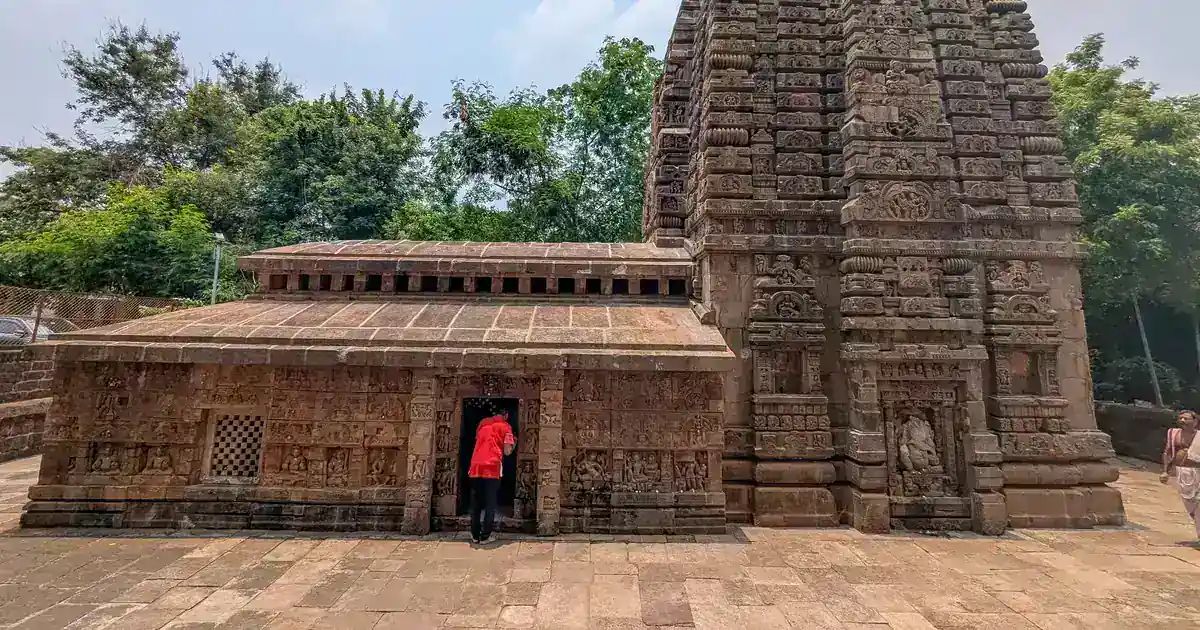
Standing quietly among manicured gardens in Old Town, Parsurameswara Temple Bhubaneswar represents the oldest surviving stone temple in Odisha. Built around 650 CE during the reign of the Shailodbhava dynasty, this sacred Shaivite shrine serves as the starting chapter for anyone exploring ancient architecture across places to visit in bhubaneswar.
Unlike later colossal temples, this compact monument preserves early formative Kalinga architectural experiments. Visitors can examine delicate floral bands, mythological friezes, and rare seven-mother goddess reliefs carved centuries before the imperial temples rose.
The temple complex is maintained as an active national monument by the Archaeological Survey of India. Whether you study ancient epigraphy or enjoy quiet morning walks, this historic shrine offers an essential cultural experience.
Key Takeaways
- Location & Setting: Situated along Kedar Gouri Temple Road in Old Town, Bhubaneswar, directly opposite the 10th-century Mukteswara complex.
- Daily Timings: Open from 6:30 AM to 7:00 PM every day with free public admission.
- Historical Importance: Constructed around 650 CE, making it the oldest intact stone temple surviving in the temple city.
- Artistic Highlights: Houses the earliest known depiction of the Saptamatrikas, an eight-armed dancing Shiva, and a monolithic Sahasralinga.
Parsurameswara Temple Bhubaneswar at a Glance: Quick Timings, Fees & Key Facts
Parsurameswara Temple Bhubaneswar is protected by the Archaeological Survey of India (ASI) as a monument of national importance. It remains open daily from 6:30 AM to 7:00 PM without any admission ticket fee.
The temple sits in the southern sector of Bhubaneswar within Khordha district. It occupies a peaceful walled compound lined with flowering shrubs and ancient stone fragments.
| Parameter | Verified Detail | Practical Notes |
|---|---|---|
| Temple Name | Parsurameswara Temple (Parashurameshvara) | Oldest intact Shaivite monument in Old Town |
| Construction Era | Circa 650 CE (Mid-7th Century) | Shailodbhava royal dynasty |
| Architectural Style | Early Kalinga Style (Triratha Rekha Deula) | Squat curvilinear spire with flat-roofed hall |
| Presiding Deity | Lord Shiva (Linga form) | Active morning and evening worship |
| Daily Timings | 6:30 AM to 7:00 PM | Open all seven days of the week |
| Entry Fee | Free admission for all visitors | No ticketing counter required |
| Photography | Allowed in outer garden and courtyards | Prohibited inside the inner sanctum |
| Ideal Visit Duration | 45 minutes to 1 hour | Best paired with nearby Old Town shrines |
| Nearest Airport | Biju Patnaik International Airport (BPI) | 4.2 km via Old Town arterial road |
| Nearest Railway | Bhubaneswar Railway Station (BBS) | 4.8 km via Master Canteen and Rajmahal |
Historical Significance in Kalinga Heritage
Scholars trace the beginning of monumental stone architecture in coastal Odisha directly to this site. During the seventh century, local master craftsmen transitioned from timber structures to red and yellow sandstone blocks.
The name Parsurameswara honors sage Parashurama, an avatar of Lord Vishnu who performed penance here to expiate his warrior sins. Local priests perform modest daily rituals for the resident Shivalinga inside the sanctum.
The surrounding neighborhood preserves centuries of religious devotion. Walking through the outer gate allows visitors to step backward in time into early medieval Odisha.
Why This Monument Matters Today
Unlike monuments that underwent extensive renovations over the centuries, this temple retains its authentic seventh-century structural integrity. Every stone lintel, frieze, and lattice screen represents initial Kalinga decorative mastercraft.
Visiting this shrine helps travelers understand how regional architecture evolved over six centuries. It provides the foundational grammar that culminated in the soaring stone towers across the state.
Archaeologists study the masonry techniques preserved here to understand early stone-dressing methods. The monument stands as clear physical evidence of Shailodbhava cultural patronage.
Timings, Entry Tickets & Best Visiting Hours for Darshan
The temple gates open at dawn around 6:30 AM and remain accessible to the public until 7:00 PM each evening. The monument operates continuously throughout the week, including national holidays and local religious festivals.
Admission to the entire monument grounds is completely free. Visitors do not need prior online registrations, physical tokens, or biometric entry passes.
| Visiting Window | Crowd Level | Lighting & Atmosphere | Best Suited For |
|---|---|---|---|
| 6:30 AM – 8:30 AM | Low | Soft morning light, cool breeze | Architectural photography and peaceful walks |
| 8:30 AM – 11:30 AM | Moderate | Direct sunlight on outer walls | Detailed study of stone relief carvings |
| 11:30 AM – 3:30 PM | Minimal | Harsh sun, hot stone paving | Quick visits, indoor hall shelter |
| 3:30 PM – 5:30 PM | Moderate | Warm golden hour glow | Leisurely garden walks and family visits |
| 5:30 PM – 7:00 PM | Low | Illuminated compound, cool air | Evening quiet contemplation and prayers |
Optimal Visiting Windows During the Day
Early morning between 6:30 AM and 8:30 AM provides the most comfortable lighting conditions for admiring stone reliefs. Morning temperatures remain cool, and soft sunlight illuminates the eastern facade.
Afternoon hours between 12:00 PM and 3:30 PM can become uncomfortably hot on stone walkways between March and June. Evening hours after 4:30 PM offer gentle breezes as temple illumination lamps light up the compound.
Local residents frequently stroll through the outer lawns during dawn. Arriving early lets you enjoy the peaceful courtyard before tourist vehicles arrive.
Seasonal Planning Recommendations
Winter from October to February offers clear blue skies and pleasant daytime temperatures between 18 and 28 degrees Celsius. This season represents the ideal period for leisurely outdoor heritage walking tours.
Monsoon months from July to September bring lush greenery to temple gardens. However, rain showers make stone courtyards slippery, so wear supportive non-slip footwear during damp days.
Summer from April to June brings intense heat with temperatures exceeding 38 degrees Celsius by noon. Plan your darshan before 9:00 AM or after 5:00 PM if visiting during hot summer months.
Always carry a refillable water bottle when exploring Old Town during dry months. Staying hydrated ensures a pleasant walking tour across the district.
7th-Century Kalinga Architecture: The Shailodbhava Design Masterpiece
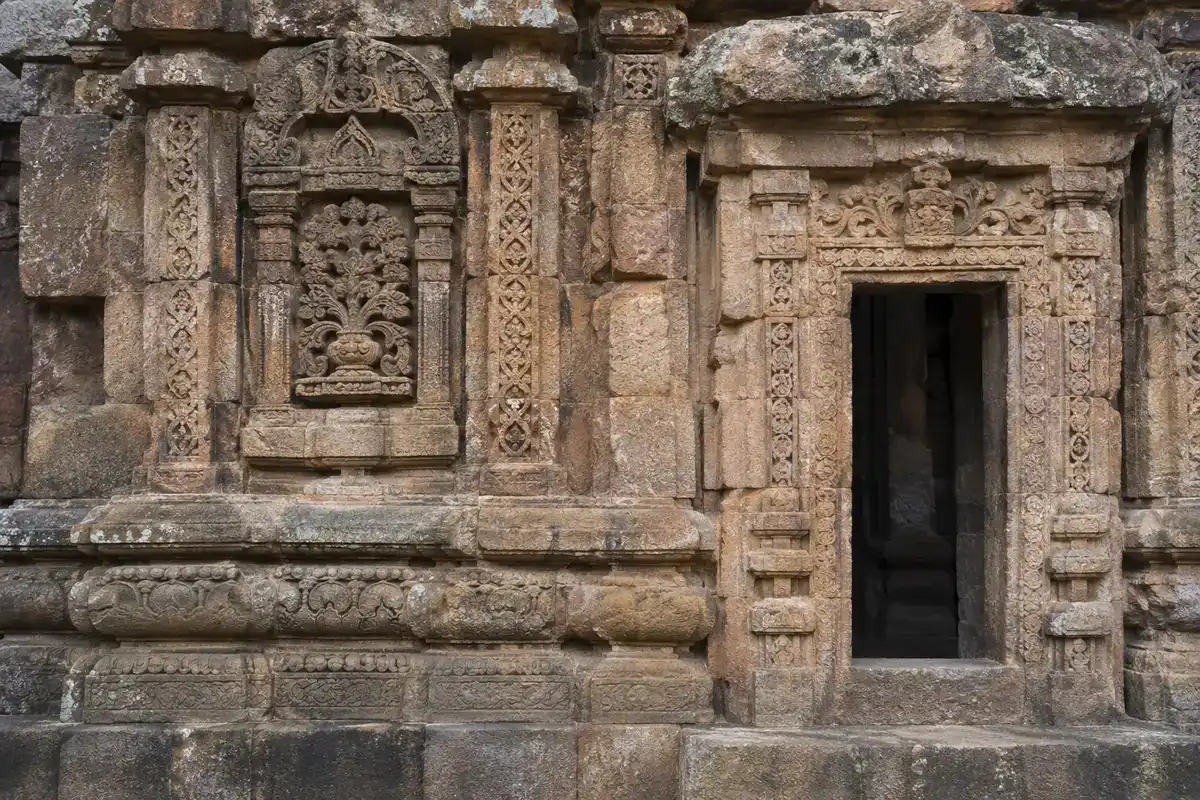
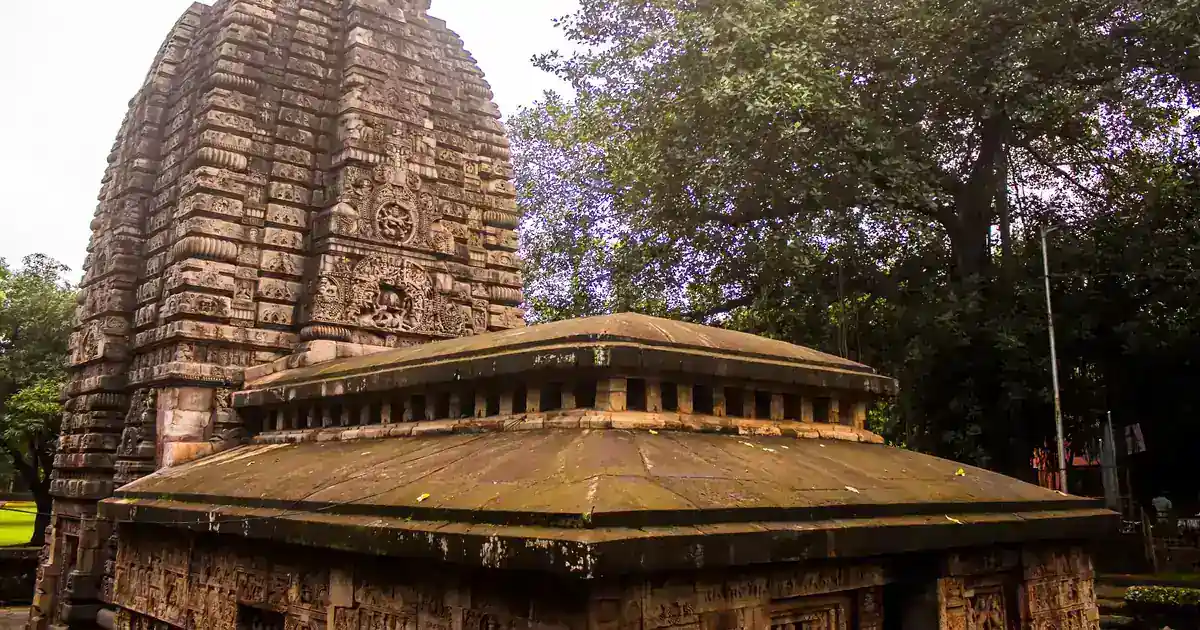
Architects classify Parsurameswara as a prime specimen of the formative Shailodbhava architectural phase. The monument stands 44 feet high, featuring a compact sanctum connected directly to a low assembly hall.
The sanctum follows the Triratha horizontal plan, where the exterior walls divide into three distinct vertical projections. This layout laid the groundwork for complex Pancharatha plans developed in subsequent centuries.
| Architectural Component | Dimensions & Form | Structural Role & Significance |
|---|---|---|
| Rekha Deula (Sanctum) | 44 feet high, Triratha plan | Houses the presiding Shivalinga beneath a curvilinear tower |
| Jagamohana (Hall) | Rectangular, two-tiered flat roof | Early assembly hall prototype with clerestory light openings |
| Amalaka & Kalasa | Fluted stone disc with urn finial | Crowning architectural elements anchoring the vertical spire |
| Lattice Windows (Jali) | Perforated sandstone screens | Channels natural light and airflow into the inner chamber |
The Squat Rekha Deula Sanctum
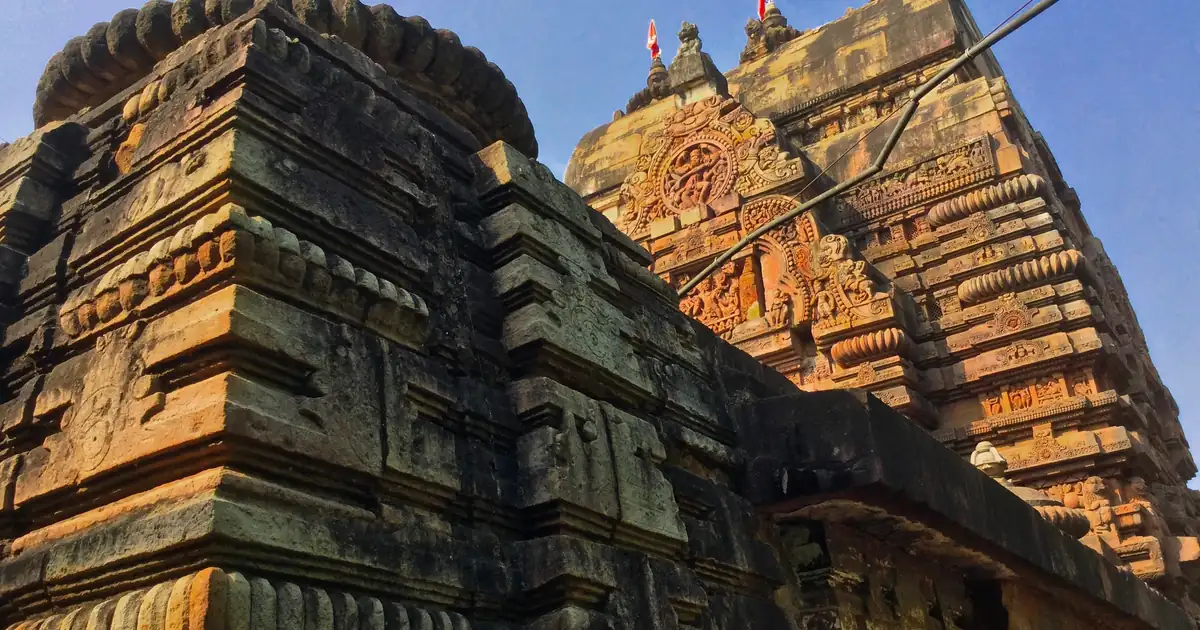
The main tower rises 44 feet from a low plinth with a heavy, curvilinear profile. Unlike the slender soaring spires of the eleventh century, this deula possesses a muscular, solid silhouette.
At the summit sits a massive fluted disc called the Amalaka, supported by crouching lion figures. Below the amalaka, an inverted urn finial completes the canonical Shaivite crowning elements.
The outer tower walls are adorned with chaitya arches carved with geometric precision. Master masons stacked large sandstone blocks without mortar, relying on gravity and precise interlocking joints.
The Rectangular Flat-Roofed Jagamohana
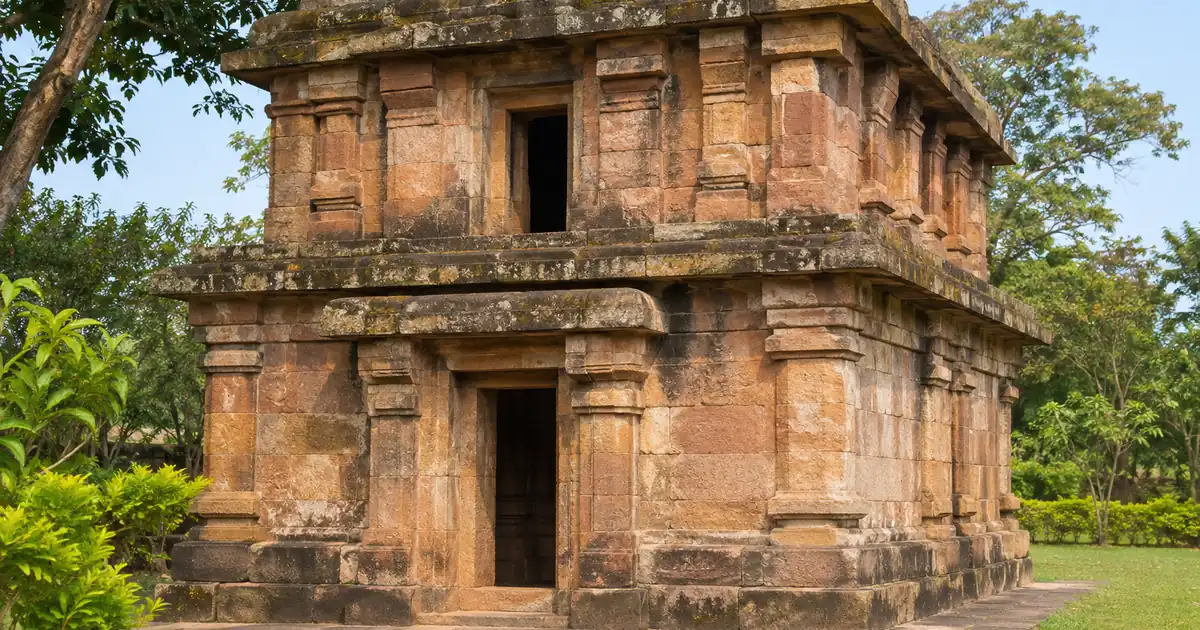
The assembly hall attached to the sanctum presents an unusual rectangular design with a two-tiered sloping terraced roof. This primitive roof shape closely mimics ancient timber and thatched huts of rural Kalinga.
Between the two tiers of the sloping roof, builders inserted horizontal clerestory openings that channel natural daylight into the hall. This design predates the stepped pyramidal roofs perfected at nearby Mukteswara Temple.
Inside the hall, six massive stone pillars support the heavy ceiling slabs. The interior remains delightfully cool even during warm afternoons due to the insulating thickness of the sandstone masonry.
Perforated Stone Windows and Lattice Screens
Carved stone lattice grilles pierce the northern and southern walls of the assembly hall. These rectangular windows feature exquisite relief bands depicting dancing musicians, drummers, and mythical figures.
These stone screens allow gentle air circulation while creating dramatic interplay between sunlight and deep shadows inside. The natural lighting protects ancient stone carvings from thermal degradation.
Visitors often spend significant time examining the dynamic postures of the musicians chiseled into the window jambs. Each figure plays an ancient instrument with expressive joy.
Intricate Stone Sculptures: Saptamatrikas, Nataraja & Sahasralinga
Art historians regard Parsurameswara Temple as a living open-air gallery of early medieval stone sculpture. The outer walls display hundreds of figurative reliefs celebrating Shaivite, Shakta, and Vaishnavite themes across famous temples in Odisha.
Every exterior sandstone panel demonstrates delicate hand chiseling executed with remarkable plastic vitality. The sculptures reveal a harmonious synthesis between Vedic traditions and indigenous Odia folk motifs.
| Sculptural Element | Location on Monument | Iconographic Significance |
|---|---|---|
| Saptamatrika Reliefs | Northern wall of Jagamohana | Earliest complete carving of the Seven Divine Mothers in Odisha |
| Dancing Shiva (Nataraja) | Frontal Chaitya arch of Deula | Eight-armed cosmic dancer holding a serpent and musical instruments |
| Eight-Armed Ganesha | Southern niche of the sanctum | Early classical form showing the deity dancing with modaka bowl |
| Kartikeya with Peacock | Eastern exterior wall niche | War deity holding spear with rooster and animal mount |
| Sahasralinga Monolith | Northwest corner of outer lawn | Single cylindrical lingam carved with one thousand miniature lingas |
The Earliest Saptamatrika Frieze
Along the northern wall of the hall rests the famous frieze of the Saptamatrikas or Seven Divine Mothers. Flanked by Virabhadra on the left and Ganesha on the right, the group includes Brahmani, Vaishnavi, Indrani, and Chamunda.
Each goddess sits in a graceful yogic posture holding distinct celestial weapons and symbolic emblems. Chamunda is depicted with emaciated limbs, sunken belly, and an owl emblem, conveying intense spiritual authority.
This panel represents the oldest fully intact Matrika depiction in eastern India. Devotees and scholars travel from across the country to examine these rare 7th-century iconographic details.
The Cosmic Nataraja Medallion
A prominent horseshoe-shaped chaitya medallion adorns the front facade of the main tower above the hall. Inside this medallion, Lord Shiva performs the cosmic dance of creation and dissolution.
His eight arms branch outward, bearing a trident, serpent, and rhythm instruments. Below his lotus pedestal, musicians and attendants look upward in devotional ecstasy.
The carving captures fluid movement in solid sandstone. The folds of the deity’s garments and dynamic body posture illustrate masterly craftsmanship achieved by early Odia sculptors.
The Monolithic Sahasralinga
In the northwestern corner of the grassy temple compound stands a remarkable freestanding stone lingam. Known as the Sahasralinga, this cylindrical pillar features one thousand precisely chiseled miniature lingas organized in symmetrical vertical rows.
Devotees believe offering water or prayers to this singular monolith conveys the spiritual merit of worshipping one thousand Shivalingas simultaneously. It remains one of the most photographed stone artifacts in Bhubaneswar.
The pillar stands approximately four feet tall on a circular base. Its surface has been smoothed by centuries of devotional libations and seasonal rains.
Visitor Guidelines, Photography Rules & Ground Realities
Visiting an ancient monument protected by the Archaeological Survey of India requires respecting local customs and preservation guidelines. The grounds are kept in neat condition with clean lawns and paved walkways.
Visitors can explore the entire outer perimeter without shoes or while wearing clean socks. Footwear must be removed before stepping onto elevated stone plinths or entering the sanctum.
[!TIP] Footwear & Sun Tip: Stone tiles around the courtyard absorb intense heat after 11:00 AM. Bring a pair of light cotton socks in your daypack to walk comfortably on sunny stone pavements without burning your soles.
Dress Code and Etiquette
Modest attire is expected when visiting religious monuments across Odisha. Wear clothing that covers shoulders and knees comfortably.
Loose cotton trousers, traditional kurtas, or modest casual shirts are ideal for walking through heritage compounds. Avoid swimwear, sleeveless vests, or transparent garments when entering temple grounds.
Keep your voice lowered inside the sanctum area. Worshippers appreciate a respectful atmosphere during prayer hours.
Photography and Drone Guidelines
Amateur still photography and smartphone videography are permitted free of charge across the outer courtyard and gardens. The Archaeological Survey of India strictly prohibits commercial camera tripods and professional filming setups without prior written permits.
Drones and unmanned aerial vehicles are prohibited across all monument sites in Bhubaneswar due to airspace regulations. Photography inside the dark inner sanctum is not permitted out of respect for active worship rituals.
Ensure your camera flash is turned off when photographing wall reliefs. Bright flashes can disturb worshippers and provide no benefit under daylight.
Amenities and Facilities
Clean public drinking water stations and modern pay-and-use washrooms are available just outside the main gate near the Mukteswara tourism plaza. Several small kiosks sell tender coconut water, bottled water, and light snacks along the access street.
Luggage cloakrooms are available at the tourist facilitation center across the road. Keep valuables, wallets, and passports with you at all times during your walking tour.
Local guides occasionally offer their services near the entrance gate. Negotiate fees politely before engaging any independent local guide for an interpretive walk.
How to Reach Parsurameswara Temple Bhubaneswar & Nearby Temple Circuit
Parsurameswara Temple is located along Kedar Gouri Temple Road in Old Town Bhubaneswar. The site enjoys convenient road links with all major transit hubs across the state capital.
Travelers can easily combine a stop here with other major heritage attractions. The monument forms an essential stop on any cultural itinerary across the heritage district.
| Transit Hub | Distance | Travel Time | Recommended Transit Mode |
|---|---|---|---|
| Bhubaneswar Airport (BPI) | 4.2 km | 15 minutes | Pre-paid taxi or auto-rickshaw via Old Town road |
| Bhubaneswar Station (BBS) | 4.8 km | 20 minutes | Mo Bus Route 20 or auto from Master Canteen |
| Lingaraj Temple Complex | 1.5 km | 5 minutes | Electric rickshaw or pleasant 15-minute walk |
| Baramunda Bus Stand (ISBT) | 9.0 km | 30 minutes | City bus or direct taxi along NH-16 corridor |
Reaching By Air, Rail and Bus
Biju Patnaik International Airport connects Bhubaneswar to major Indian metros, including Delhi, Mumbai, Bengaluru, and Kolkata. App-based cabs and pre-paid taxis take approximately 15 minutes to reach Old Town from the arrival terminal.
Bhubaneswar Railway Station is connected by superfast trains along the East Coast line. From Master Canteen terminal outside the station, hop onto CRUT Mo Bus Route 20 or Route 33 heading toward Old Town.
Disembark at the Kedar Gouri or Mukteswara bus stop. From the bus shelter, a pleasant two-minute stroll down a shaded stone avenue brings you to the monument entrance.
Walking Heritage Circuit: Designing Your Half-Day Itinerary
Because Old Town concentrates dozens of medieval stone shrines within a two-kilometer radius, exploring on foot provides the most rewarding experience. Begin your morning early at 6:30 AM before daytime traffic builds.
First, start at Parsurameswara Temple to admire the 7th-century carvings in quiet morning solitude. Spend forty-five minutes examining the assembly hall windows and the Sahasralinga pillar.
Next, walk southward toward the grand 11th-century Lingaraj Temple to observe its colossal tower and sacred rituals. Follow this with a short auto ride to Rajarani Temple to admire exquisite feminine sculptures carved in fine sandstone.
In the afternoon, travel toward the historic stupa at Dhauli Shanti Stupa along the Daya River. Conclude your day browsing traditional handlooms and applique crafts at Ekamra Haat.
For official circulars and monument archives, travelers can consult the Odisha Tourism Portal and heritage registers on the Archaeological Survey of India portal.
Frequently Asked Questions About Parsurameswara Temple Bhubaneswar
What makes Parsurameswara Temple historically significant?
Parsurameswara Temple is widely acknowledged as the oldest intact stone temple surviving in Bhubaneswar, dating back to roughly 650 CE. It illustrates the earliest structural phase of Kalinga architecture before later dynasties introduced soaring towers and quadruple chambers.
What are the daily visiting hours and entry fees?
The monument is open every day from 6:30 AM to 7:00 PM without any admission charge. Visitors of all nationalities can enter freely without purchasing advance tickets or tokens.
Can non-Hindus visit Parsurameswara Temple in Bhubaneswar?
Yes. Unlike certain active temple complexes that restrict sanctum access, this site is managed by the Archaeological Survey of India as a national monument. Travelers of all faiths and nationalities are welcome to explore the compound and examine the exterior carvings.
How much time should I plan for exploring this shrine?
Most travelers spend 45 minutes to one hour admiring the stone carvings, the Sahasralinga monolith, and the Saptamatrika frieze. Because Mukteswara Temple sits directly opposite the street, pairing both shrines makes an easy morning heritage walk.
Where is Parsurameswara Temple located in Bhubaneswar?
The temple is situated along Kedar Gouri Temple Road in Old Town, Bhubaneswar, roughly 4.8 kilometers from Bhubaneswar Railway Station and 4.2 kilometers from Biju Patnaik International Airport.