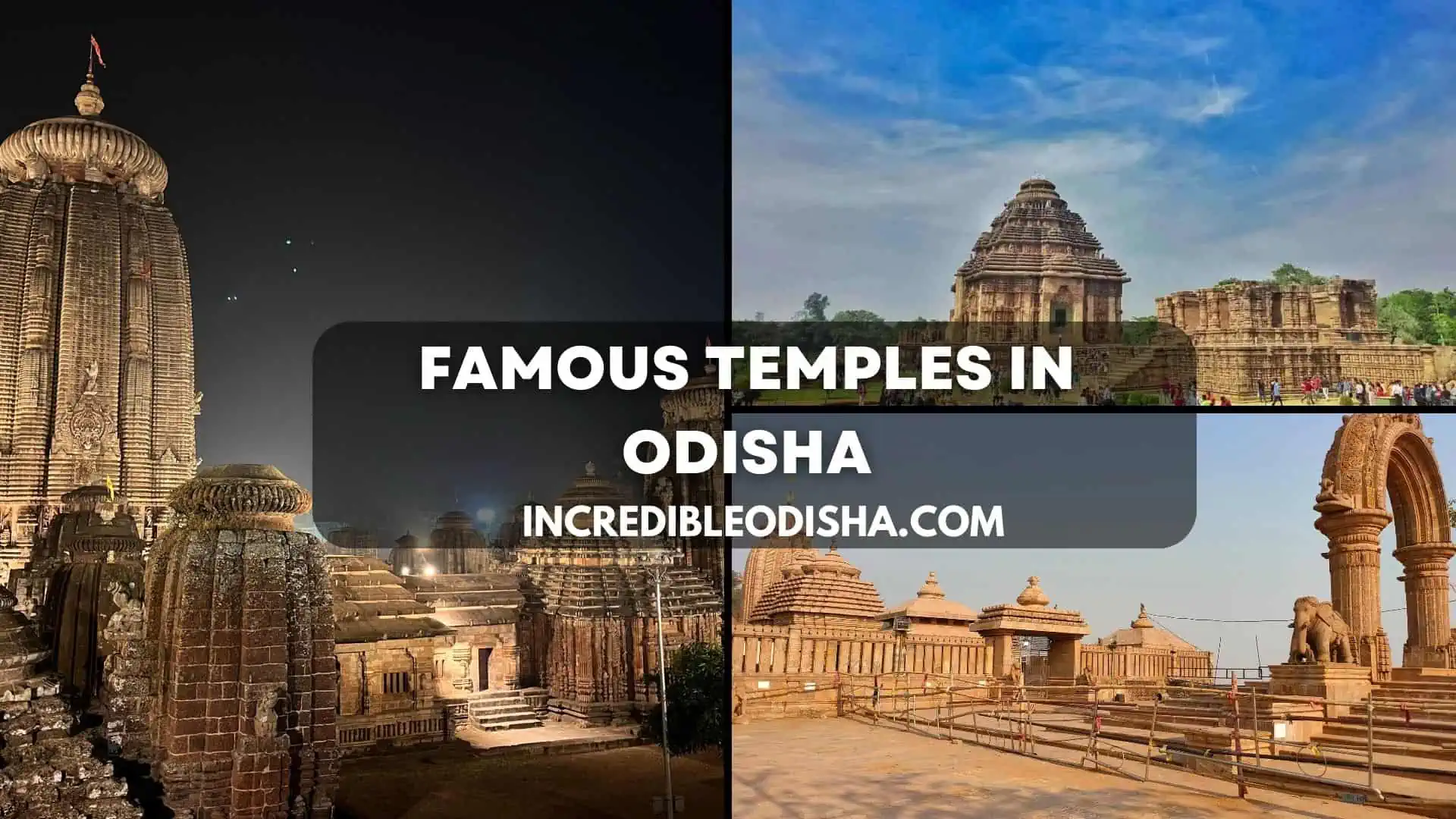
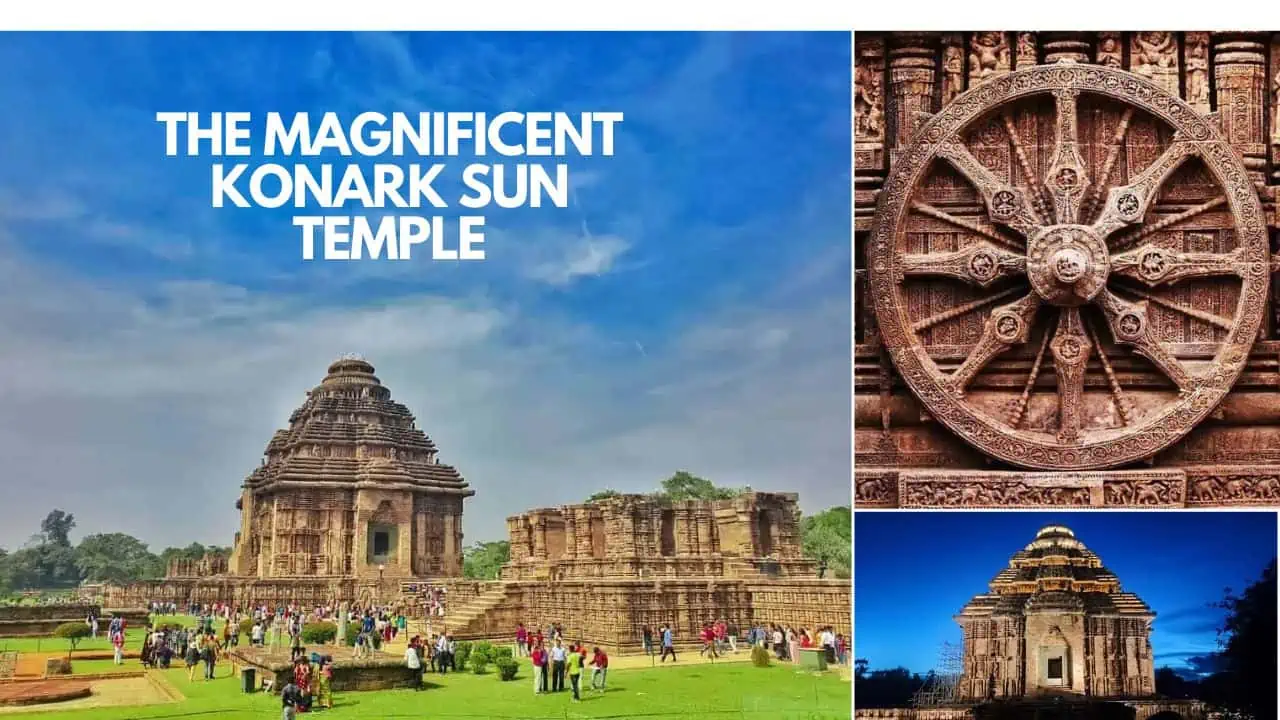
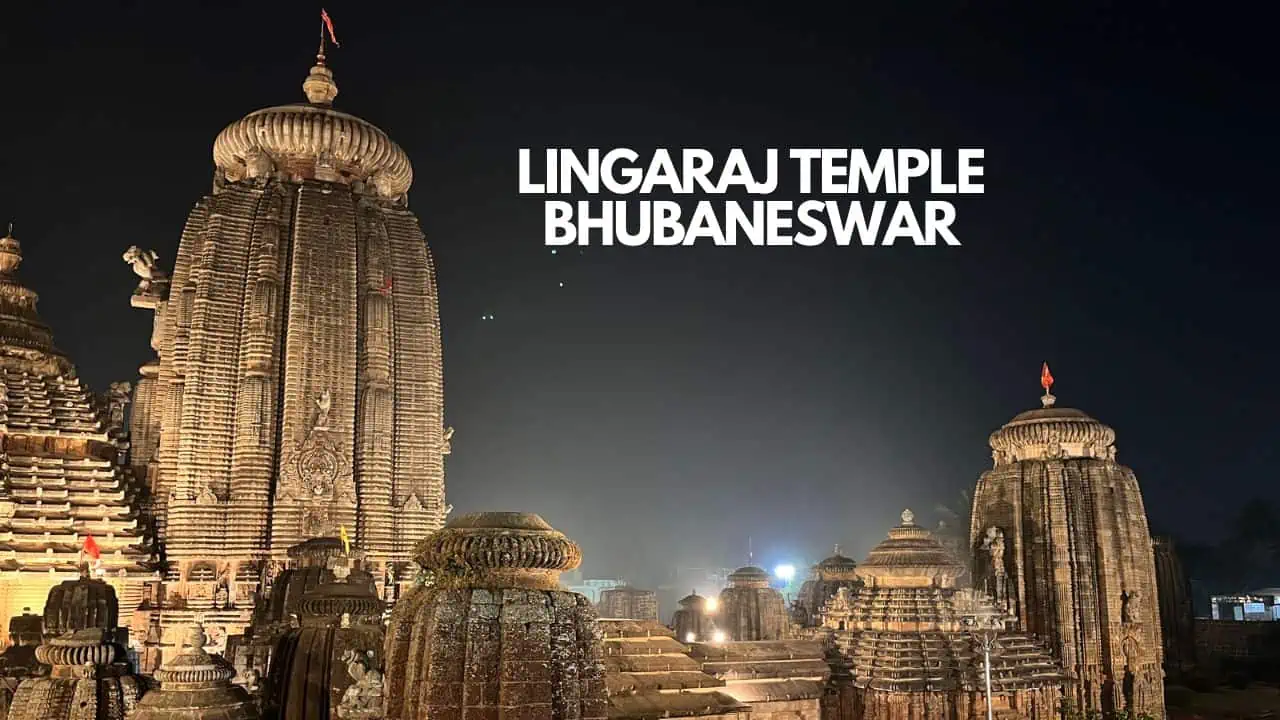
Mukteswara Temple Bhubaneswar Khordha: Timings, History & Visitor Guide (2026)
Plan your visit to Mukteswara Temple in Bhubaneswar, Khordha. Explore 2026 timings, history, torana archway, Marichi Kunda, entry fee, and travel tips.
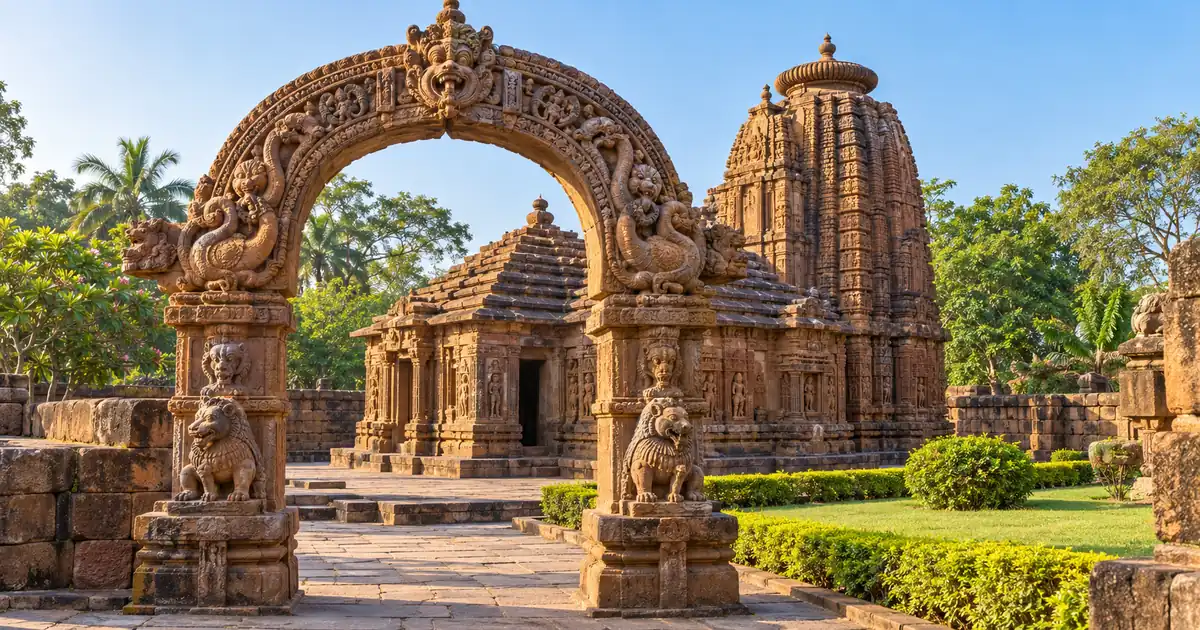
Mukteswara Temple in Bhubaneswar, Khordha is widely celebrated as the gem of Odishan temple architecture. Built during the tenth century under the patronage of the Somavamshi dynasty, this compact sandstone shrine marks the stylistic turning point between early and mature Kalinga temple building. Dedicated to Lord Shiva as the giver of spiritual freedom, Mukteswara combines flawless structural proportions with delicate decorative carving.
Key Takeaways
- Mukteswara Temple is a 10th-century ASI-protected national monument in Bhubaneswar, widely regarded as the crowning gem of Kalinga architecture.
- The temple is globally celebrated for its freestanding arched torana gateway adorned with ornate makara motifs and sculpted maidens.
- General admission to the temple grounds is completely free for all Indian and international visitors from 6:00 AM to 7:00 PM daily.
- The temple compound includes the sacred Marichi Kunda stepwell and the neighbouring 7th-century Parasurameswara Temple.
- Odisha Tourism organizes the annual Mukteswar Dance Festival in front of the illuminated temple complex each January.
The sanctuary stands within an enclosed stone precinct in the heart of Old Town, surrounded by manicured lawns and sacred water tanks. Its compact scale allows travelers to appreciate every sculpted panel, from mythological vignettes to miniature animal friezes. For wider historical background and surrounding attractions across the capital, browse our definitive Khordha district guide.
At-a-Glance: Mukteswara Temple Quick Visitor Facts
Mukteswara Temple is preserved as a monument of national importance under the Archaeological Survey of India. Formal heritage designations and central conservation archives are cataloged through the Archaeological Survey of India Monuments List.
| Feature | Practical Visitor Details |
|---|---|
| Location | Kedar Gouri Temple Road, Old Town, Bhubaneswar, Odisha 751002 |
| Constructed Period | Circa 950 to 975 CE (Somavamshi dynasty rule) |
| Presiding Deity | Lord Mukteswara (Shiva lingam enshrined in the sanctum) |
| Total Height | 35 feet (10.5 meters) high deula sanctuary tower |
| Architectural Style | Transition-phase Kalinga design with Rekha Deula and Pidha Jagamohana |
| Daily Opening Hours | 6:00 AM to 7:00 PM open on all days of the week |
| Admission Ticket Price | Free admission for all domestic and international travelers |
| Photography Guidelines | Non-commercial still photography is permitted within the garden courtyard |
| Sacred Water Tank | Marichi Kunda located along the southern stone boundary |
| Nearest Railway Station | Bhubaneswar Railway Station (BBS), situated 4 km north |
Historical Legacy and the Somavamshi Architectural Revolution
Mukteswara Temple represents a decisive evolutionary milestone in the sacred stone building traditions of Odisha. Before its construction in the mid-tenth century, early temples featured heavy rectangular prayer halls with flat roofs and squat towers. Somavamshi architects introduced the tiered pyramidal roof for the assembly hall, known as the pidha jagamohana.
This structural innovation created a balanced visual counterweight to the vertical curve of the sanctum spire, or rekha deula. The temple measures just 35 feet in total height, yet its compact footprint conveys grand harmony. Art historian James Fergusson noted that Mukteswara embodies the finest artistic refinement achieved in Kalinga masonry.
The name Mukteswara translates literally to the Lord who bestows Moksha, or liberation from cyclical existence. Devotees historically sought the blessings of the deity to attain spiritual freedom and relief from chronic ailments. To understand how Mukteswara relates to other major pilgrimage sites across the state, read our overview of famous temples in Odisha.
The Iconic Torana Archway and Sculptural Marvels
The defining artistic marvel of Mukteswara Temple is its freestanding ornamental gateway, or torana, positioned before the assembly entrance. Tourism information and cultural heritage highlights are documented on the Incredible India Bhubaneswar Heritage Portal.
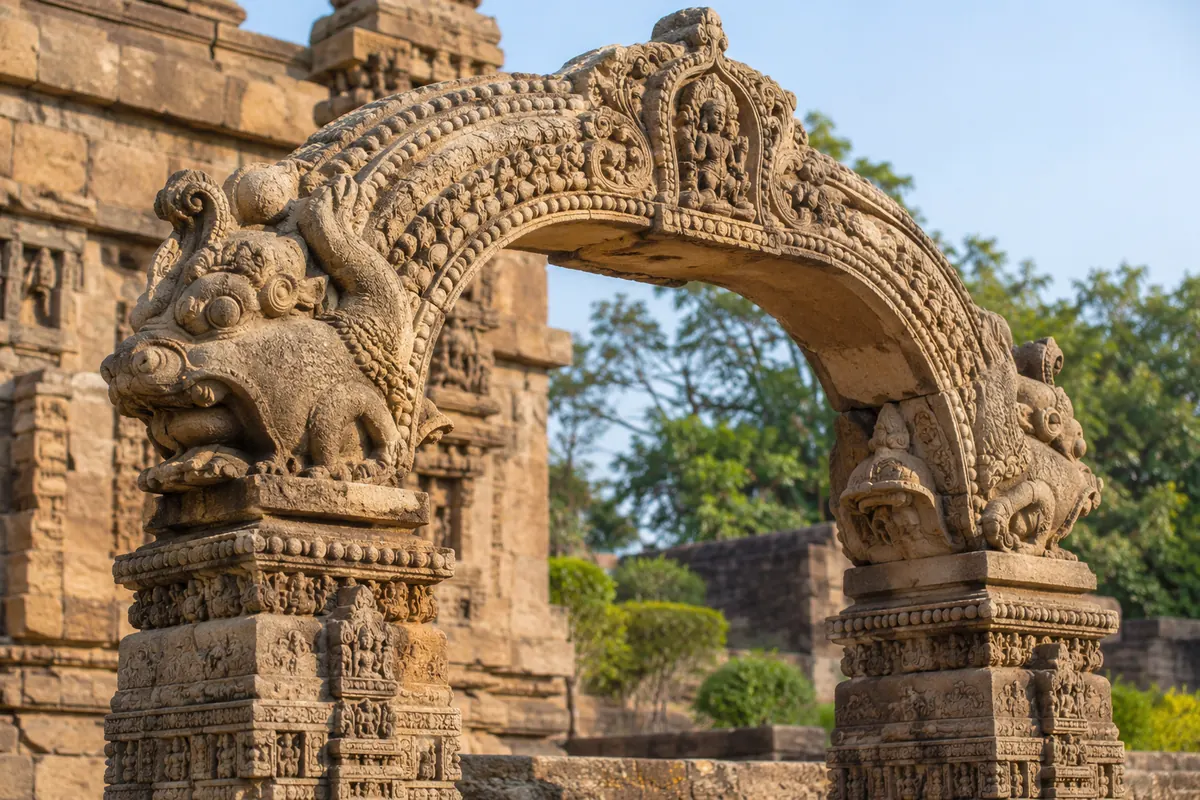
Supported by two circular stone pillars, the arched torana rises nearly 15 feet above the paved courtyard. The archway features elaborate carvings of reclining maidens, smiling female attendants, and stylized sea monsters known as makaras. The design reflects subtle Buddhist artistic influences that had flourished across coastal Odisha during previous centuries.
The interior ceiling of the jagamohana assembly hall contains another rare masterpiece of stone sculpture. Carved from monolithic sandstone slabs, the ceiling forms a 16-spoke lotus flower rosette surrounded by celestial musicians and flying spirits.
Exterior wall panels depict playful monkeys from Panchatantra fables, ascetics meditating under forest trees, and diamond-shaped lattice stone windows that filter daylight into the inner chamber. To compare this temple with other capital shrines, explore our curated list of 11 best places to visit in Bhubaneswar.
Mukteswara Temple Timings, Daily Rituals, and Entry Rules
Mukteswara Temple welcomes visitors every day between 6:00 AM and 7:00 PM without any admission charge. Official festival programs and municipal visitor notifications are published by the Official Odisha Tourism Portal.
Priests perform traditional morning aarti, ritual ablutions, and bilva leaf offerings at the central Shiva lingam between 6:30 AM and 8:00 AM. Unlike the restricted sanctum of the larger Lingaraj Temple, visitors of all religious backgrounds and nationalities are permitted into the Mukteswara courtyard.
Modest attire that covers shoulders and knees is recommended out of respect for active worshipers. Footwear must be removed at the designated shoe stand located outside the low stone boundary wall before stepping onto the temple stones.
Morning visits between 6:30 AM and 8:30 AM offer comfortable temperatures and clean early light illuminating the sandstone carvings. Late afternoons between 4:30 PM and 6:30 PM provide a pleasant atmosphere as soft twilight blankets the ancient temple garden.
Marichi Kunda Tank and Sacred Ritual Significance
Immediately to the south of the temple stands Marichi Kunda, a rectangular stone stepwell fed by natural groundwater springs. The tank is enclosed by stone walls adorned with miniature shrines and relief carvings of guardian deities.
Local folklore attributes therapeutic and purifying properties to the waters of Marichi Kunda. In traditional beliefs, women seeking motherhood bathe in the tank during the auspicious night of Ashoka Ashtami preceding the annual car festival.
Water from the stepwell is also utilized by resident servitors for daily ritual ablutions of the sacred Shiva lingam. While bathing is restricted during ordinary days to preserve water clarity, visitors can walk along the stone steps to admire the reflection of the ancient temple tower. For travelers interested in nearby sanctums, read our comprehensive Rajarani Temple guide.
Mukteswar Dance Festival: Annual Cultural Extravaganza
Every year in mid-January, the open-air lawns surrounding Mukteswara Temple become the stage for the prestigious Mukteswar Dance Festival. Organised by Odisha Tourism and the state culture department, the three-day festival celebrates the classical Odissi dance tradition.
Renowned dancers and troupes from across India perform solo, duet, and group choreographies against the backdrop of the illuminated 10th-century shrine. Floodlights wash the sandstone walls in warm amber hues, accentuating the sculpted contours of the torana archway.
Admission to the evening performances is completely free to the public, with seating arranged across the temple lawns on a first-come basis. Attending the festival allows travelers to witness living classical music and dance synchronized with the ancient temple architecture.
How to Reach Mukteswara Temple by Mo Bus, Auto, and Rail
Mukteswara Temple is situated in the Old Town heritage zone of Bhubaneswar, making transit straightforward from every part of the city:
- By Mo Bus: CRUT Mo Bus Route 20 and Route 33 connect Bhubaneswar Railway Station and Master Canteen square to Old Town. Travelers can disembark at the Kedar Gouri bus stop or Old Town bus stand, followed by a short 300-meter walk through heritage lanes.
- By Auto-Rickshaw and Cab: App-based taxis and auto-rickshaws operate round-the-clock across Bhubaneswar. The ride from Master Canteen square takes approximately 15 minutes, with standard auto fares ranging between ₹70 and ₹120.
- From Bhubaneswar Railway Station (4 km): The main railway station is located four kilometers north. Private taxis, prepaid autos, and shared three-wheelers reach the temple complex in under 20 minutes via Lewis Road and Ravi Talkies square.
- From Biju Patnaik International Airport (3.5 km): The airport terminal sits just 3.5 kilometers west of Old Town. A direct airport taxi reaches Mukteswara Temple in approximately 12 to 15 minutes.
Travelers planning extensive spiritual itineraries across Old Town can easily continue from here to the grand eleventh-century Lingaraj Temple guide located just 800 meters westward.
Nearby Old Town Temples to Combine on a Heritage Walk
The density of ancient stone monuments in Old Town allows visitors to design a rewarding self-guided walking circuit:
- Parasurameswara Temple (50 meters): Located directly across the road, this 7th-century shrine is the oldest intact temple in Bhubaneswar. It features elaborate carvings of dancing Shiva, Ganesha, and early Saptamatrika goddesses.
- Siddheswara Temple (Same Compound): Situated just steps from Mukteswara inside the same garden enclosure, Siddheswara features a towering 11th-century Rekha Deula and an impressive red stone Ganesha icon.
- Kedar Gouri Temple Complex (100 meters): A short stroll down the lane leads to Kedar Gouri, featuring twin temples dedicated to Lord Shiva and Goddess Gauri beside perennial spring pools.
- Bindu Sagar Holy Lake (500 meters): Walk westward along temple alleyways to reach the vast sacred reservoir of Bindu Sagar, surrounded by dozens of smaller medieval shrines and ghats.
Frequently Asked Questions About Mukteswara Temple
What is the entry fee for Mukteswara Temple in Bhubaneswar?
Admission to Mukteswara Temple is completely free for all Indian citizens and foreign travelers. The monument is maintained by the Archaeological Survey of India without any ticketing counter.
Why is Mukteswara Temple called the Gem of Odisha Architecture?
Art historians call Mukteswara the Gem of Odisha Architecture because of its balanced proportions, intricate stone carvings, and innovative transition between early and mature Kalinga styles. Its freestanding ornamental torana archway is considered a masterpiece of medieval Indian sculpture.
Can non-Hindus enter the Mukteswara Temple complex?
Yes, non-Hindus and foreign visitors are permitted inside the Mukteswara Temple courtyard and can admire the architecture and exterior sanctum carvings. Only the active inner sanctum during special worship periods has traditional rituals conducted by priests.
What are the opening hours of Mukteswara Temple?
Mukteswara Temple is open to visitors daily from 6:00 AM to 7:00 PM. Early morning visits between 6:30 AM and 8:30 AM provide the best lighting for photography and a calm atmosphere.