Alarnath Temple Puri: Timings, History & Visitor Guide
Plan your visit to Alarnath Temple in Brahmagiri, Puri. Discover verified darshan timings, Anavasara rituals, famous kheer prasad, history, and route guide.
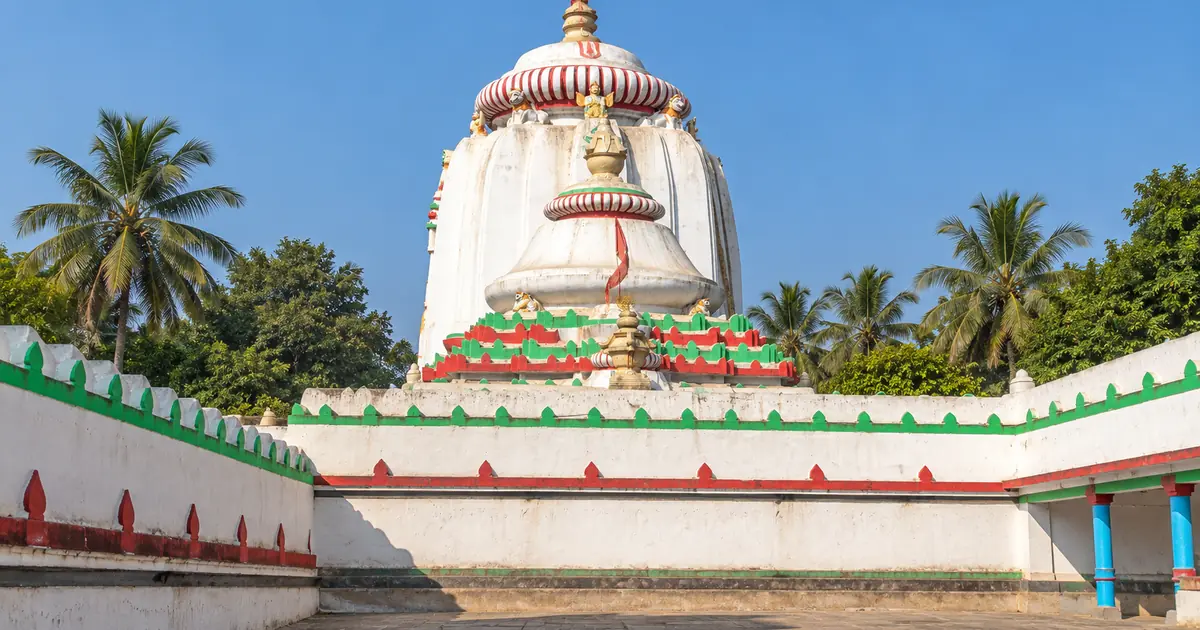
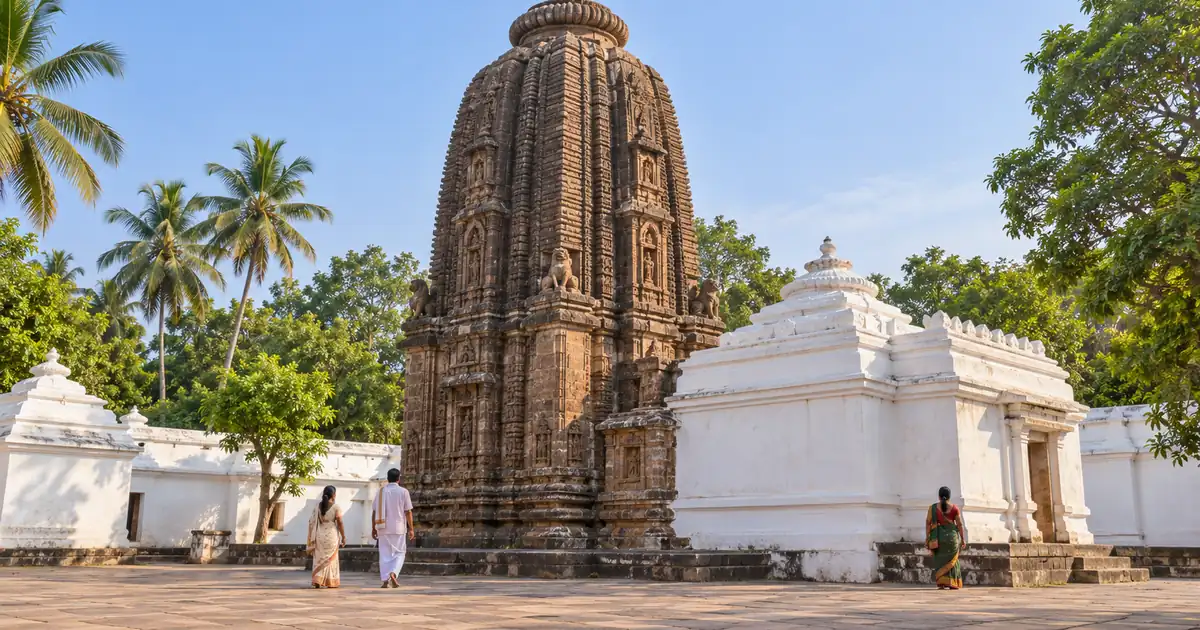
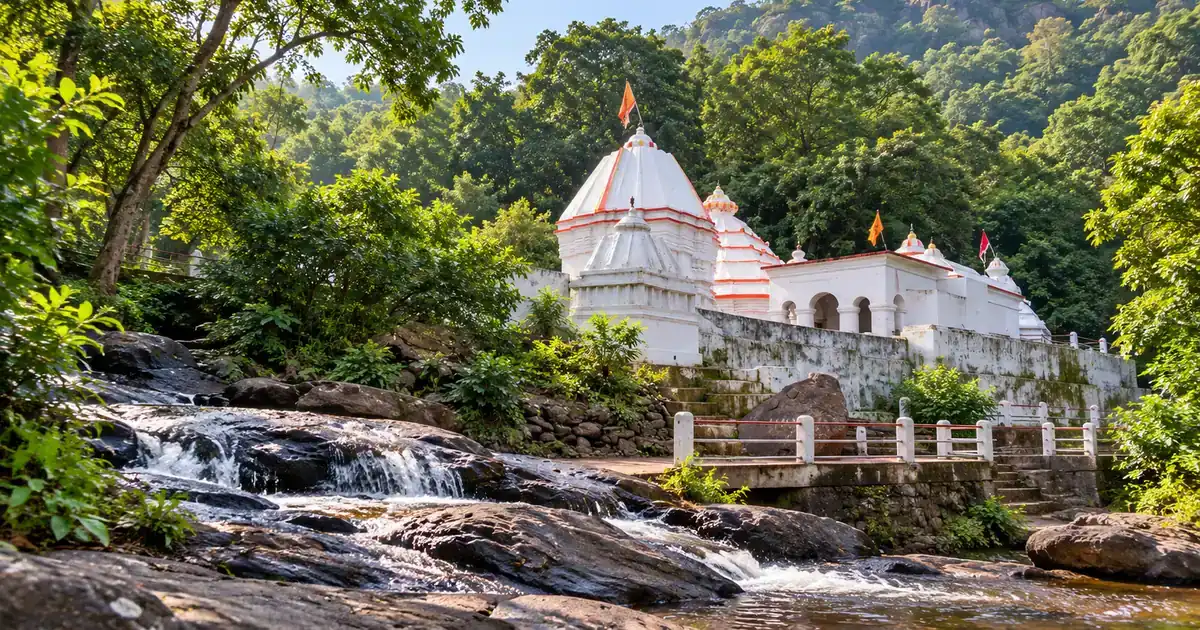
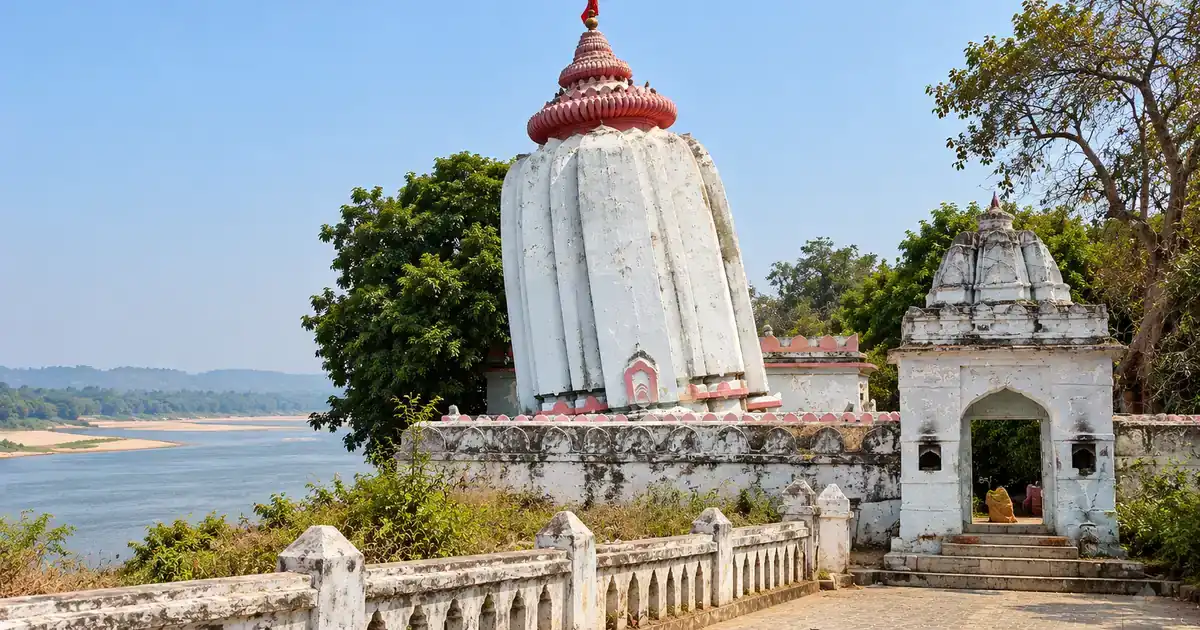
Standing peacefully in the quiet hamlet of Brahmagiri, the historic alarnath temple puri serves as one of the most spiritually charged Vaishnavite pilgrimage shrines in eastern India. Situated roughly 24 kilometers west of Puri town, this 12th-century sanctuary shares an inseparable spiritual bond with the supreme deity of Odisha.
When the sacred sanctum of Lord Jagannath Temple in Puri shuts its grand doors for fifteen days during the annual quarantine period known as Anavasara, millions of pilgrims redirect their footsteps toward this ancient complex. According to belief established by saint Sri Chaitanya Mahaprabhu, taking darshan here provides the identical spiritual merit of beholding Lord Jagannath himself.
Together with prominent coastal heritage sites documented in our Puri district travel guide, Brahmagiri preserves ancient temple traditions that remain steadfast across generations. Whether you arrive to witness the grand summer crowds or to sample the temple kitchen’s world-famous sweet rice pudding, this comprehensive guide details everything you need for a meaningful journey.
Key Takeaways
- Alarnath Temple at Brahmagiri serves as the living sanctuary of Lord Jagannath during the 15-day secret Anavasara period following Snana Purnima.
- The sanctum sanctorum houses a majestic four-armed black chlorite stone idol of Lord Vishnu holding the conch, discus, mace, and lotus.
- Saint Sri Chaitanya Mahaprabhu spent weeks here in ecstatic meditation, leaving an indelible physical mark on a granite slab known as Anga Chinha.
- The temple kitchen prepares a legendary slow-simmered rice and condensed milk delicacy called Alarnath Kheer Bhog in earthen pots.
- The temple is located 24 kilometers southwest of Puri along the Satapada highway, opening daily from 6:00 AM to 9:30 PM with free public entry.
At-a-Glance: Temple Timings, Location & Visitor Summary
Planning a journey to Brahmagiri requires understanding the daily schedule of the sevayats and the ritual rhythm of the sanctum. The shrine operates on a disciplined timetable starting before dawn and extending late into the night.
Unlike urban commercial shrines, Brahmagiri maintains a traditional pace. Morning visitors experience the quiet tranquility of awakening prayers, while evening visitors catch the resonant chiming of brass bells during the Sandhya Alati.
Daily Darshan Schedule and Ritual Timeline
The temple opens its heavy wooden gates at 6:00 AM with the ceremonial Mangala Alati. Priests perform early morning cleansing baths for the deities before allowing general public darshan to begin.
Between 1:00 PM and 3:30 PM, the main sanctum closes for the midday Pahada rest period while the deities receive cooked food offerings. Evening prayers resume at 4:00 PM and conclude around 9:30 PM with the final bedtime rituals.
| Ritual / Darshan Slot | Scheduled Timings | Key Highlights for Devotees |
|---|---|---|
| Dwaraphita & Mangala Alati | 5:00 AM to 6:00 AM | Early sanctum opening and auspicious morning lamp offering |
| Morning Public Darshan | 6:00 AM to 1:00 PM | Unrestricted access to the Jagamohana hall and garbhagriha |
| Madhyanna Dhupa (Midday Bhog) | 12:30 PM to 1:30 PM | Traditional lunch offering prepared in the sacred kitchen |
| Pahada (Afternoon Recess) | 1:30 PM to 3:30 PM | Sanctum doors remain closed for deities divine rest |
| Sandhya Alati & Evening Darshan | 4:00 PM to 8:00 PM | Incense ceremony, evening music, and fresh bhog distribution |
| Badasinghara & Ratri Pahada | 8:30 PM to 9:30 PM | Night floral adornment followed by sanctum closure |
During the high-traffic Anavasara fortnight preceding the Jagannath Rath Yatra festival, timings undergo massive extensions. The temple often stays open almost continuously through the night to accommodate thousands of pilgrims traveling from across Odisha and neighbouring states.
Essential Visitor Information & Quick Facts
Touring the temple premises is straightforward for families and first-time travelers. The complex features a spacious outer courtyard paved with laterite stone and surrounded by tall perimeter walls.
Official information and seasonal travel advisories are regularly updated on the Official Odisha Tourism Portal and the Archaeological Survey of India.
| Parameter | Practical Detail |
|---|---|
| Primary Deity | Lord Alarnath (Chaturbhuja Vishnu in Black Chlorite) |
| Location | Brahmagiri town, Puri District, Odisha 752011 |
| Entry Fee | Completely Free (Special darshan line during Anavasara has nominal ₹50 token) |
| Camera Policy | Photography strictly prohibited inside inner sanctum; mobile phones must remain silent |
| Dress Code | Modest traditional attire (dhoti, kurta, saree, salwar kameez; shorts strictly prohibited) |
| Best Time to Visit | October to March for pleasant weather; June or July for the historic Anavasara festival |
| Nearest Railhead | Puri Railway Station (24 km); Khurda Road Junction (56 km) |
| Nearest Airport | Biju Patnaik International Airport, Bhubaneswar (72 km) |
Spiritual Legend & History: The Sacred Seat of Lord Alarnath
The cultural origins of Brahmagiri stretch back more than a thousand years into Odisha’s documented royal and religious history. Long before the current stone edifice rose, this peaceful tract of land served as a center of Vedic scholarship.
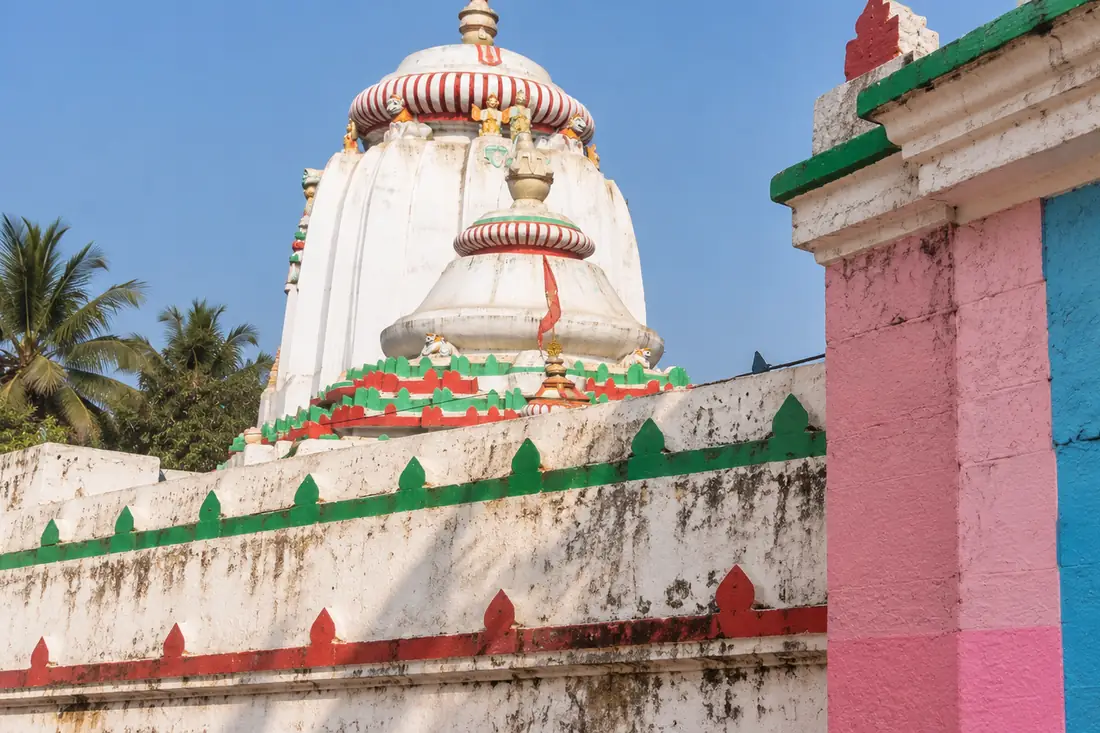
Puranic texts refer to this region as Brahmagiri because Lord Brahma, the creator, performed austere penance on the surrounding low hills. Brahma installed a stone image of Lord Vishnu here to commemorate his successful cosmic sacrifice.
Mythology of Brahmagiri and the Penance of Lord Brahma
According to the Brahmagiri Mahatmya, Lord Brahma sought forgiveness and spiritual peace after completing his cosmic duties. He meditated relentlessly until Lord Vishnu manifested before him in a radiant four-armed form.
Vishnu instructed Brahma to sculpt an enduring stone murti depicting that exact visual manifestation. That sanctified stone became the focal point around which the ancient settlement developed over centuries.
Another fascinating historical strand connects the temple to the royal house of Alwar in modern Rajasthan. Local genealogical records suggest that Rajput rulers who were devout followers of the Ramanuja sampradaya established monastic institutions here during medieval pilgrimages.
The regional language adapted the title Alwarnath over successive centuries into the familiar Odia pronunciation Alarnath. Royal land grants from the Eastern Ganga dynasty further fortified the temple’s daily rituals, ensuring continuous service by dedicated families of sevayats.
The Four-Armed Chlorite Vishnu Deity & Kneeling Garuda
The focal point of the sanctum is the impressive murti of Lord Alarnath. Sculpted from a single block of dark black chlorite stone, the statue stands approximately five feet tall on an ornate lotus pedestal.
The craftsmanship reflects the pinnacle of Kalinga sculpture that flourished across Odisha between the 10th and 12th centuries. Each feature of the deity has been carved with minute anatomical precision and spiritual grace.
The four hands of the deity hold the classical emblems of Mahavishnu:
- The upper right hand holds the Sudarshana Chakra (celestial discus).
- The upper left hand carries the Panchajanya Shankha (divine conch shell).
- The lower right hand grasps the Kaumodaki Gada (mighty golden mace).
- The lower left hand gently holds the Padma (sacred blossoming lotus).
At the feet of the Lord kneels Garuda, the winged celestial carrier, with his hands folded in eternal supplication. Flanking the deity are miniature carvings of his divine consorts, Goddess Sridevi and Goddess Bhudevi.
In adjacent niches of the Jagamohana hall, devotees worship supplementary shrines dedicated to Lord Chaitanya, Goddess Alwar Lakshmi, and an ancient stone image of Lord Ganesha. The architectural layout mirrors classic Kalinga deula traditions observed in famous temples in Odisha.
The Anavasara Miracle: Why Devotees Flock Here When Puri Closes
To truly understand why Alarnath Temple commands such profound devotion, one must understand the emotional calendar of Jagannath culture. For eleven and a half months of the year, Puri serves as the center of the spiritual universe.
Yet for fifteen critical days in the heat of early summer, that universe suddenly turns silent. That silence finds its thunderous counterpoint in Brahmagiri.
Snana Purnima, The 15-Day Seclusion, and Divine Manifestation
Every year on Jyeshtha Purnima, the full moon day of June, the grand Snana Yatra festival takes place in Puri. The holy triad of Jagannath, Balabhadra, and Subhadra receive 108 pots of scented well water on the open Snana Mandapa.
Following this lavish open-air bath, tradition dictates that the deities fall sick with a high fever. They are immediately moved to a confidential recovery chamber inside the main temple, known as the Anavasara Ghar or Anasara Gruha.
During this two-week seclusion, the general public cannot view the deities. No cooked food offerings take place in the Puri kitchen, and daily darshan remains completely suspended.
Devotees experience acute separation, known in devotional literature as Viraha. Tradition reveals that Lord Jagannath consoles his longing followers by transferring his divine essence directly into Lord Alarnath at Brahmagiri.
| Anavasara Timeline | Ritual Milestone at Puri | Pilgrimage Action at Alarnath Temple |
|---|---|---|
| Day 1 (Post-Snana Purnima) | Jagannath enters confidential medical recovery chamber | First massive wave of pilgrims arrives at Brahmagiri for Anavasara darshan |
| Days 2 to 10 | Puri sevayats administer herbal medicines and fruit juices | Daily distribution of hot Alarnath Kheer to thousands of waiting pilgrims |
| Days 11 to 14 | Deities regain strength and undergo fresh secret paint retouching | Peak devotional rush as pilgrims complete spiritual circumambulation |
| Day 15 (Netrotsava) | Puri deities reveal newly painted eyes to priests | Final ceremonial puja at Brahmagiri before pilgrims return to Puri for Rath Yatra |
Taking darshan at Brahmagiri during this specific window is held to grant identical spiritual fruit as visiting Sri Mandir itself. A famous Odia saying reminds pilgrims: “When the King of Puri rests, his throne moves to Brahmagiri.”
Chaitanya Mahaprabhu & The Melted Stone Impression (Anga Chinha)
The connection between Anavasara and Alarnath received its ultimate spiritual validation through the life of Sri Chaitanya Mahaprabhu. In the early 16th century, the great Vaishnava mystic took up permanent residence in Puri.
When Chaitanya first encountered the closed doors of Jagannath Temple after Snana Yatra, his grief proved overwhelming. Unable to endure fifteen days without the vision of his beloved Lord, he ran weeping toward Brahmagiri through sandy coastal paths.
Arriving at the temple, Chaitanya cast his eyes upon the black chlorite murti of Alarnath and fell flat upon the stone floor in deep spiritual trance. Devotional chronicles record that the intensity of his ecstatic love produced extraordinary physical warmth.
Under the heat of his divine body, the very stone slab upon which he lay began to soften and melt like wax. Today, that historic slab is preserved inside the temple enclosure under protective wooden railings.
Known to pilgrims as the Anga Chinha or Chaitanya Pada Pitha, the stone clearly displays the indentation of a human chest, hands, and forehead. Devotees reverently touch this sacred relic, remembering how profound love can move even unyielding granite.
The Legendary Alarnath Kheer Prasad: Taste, Tradition & Purchase
No pilgrimage to Brahmagiri is complete without experiencing the divine offering prepared in the temple hearths. Just as Puri is famous for its savory rice and dalma Mahaprasad, Brahmagiri is renowned for its incomparable sweet milk pudding.
Locally known as Alarnath Kheer or Khiri Bhoga, this sweet preparation carries a distinct caramel taste and velvety consistency that commercial confectioners cannot replicate.
Earthen Pot Preparation and Sacred Legends
The recipe for Alarnath Kheer has remained unchanged across centuries of temple service. The kitchen uses only pure ingredients sourced under strict vows of purity.
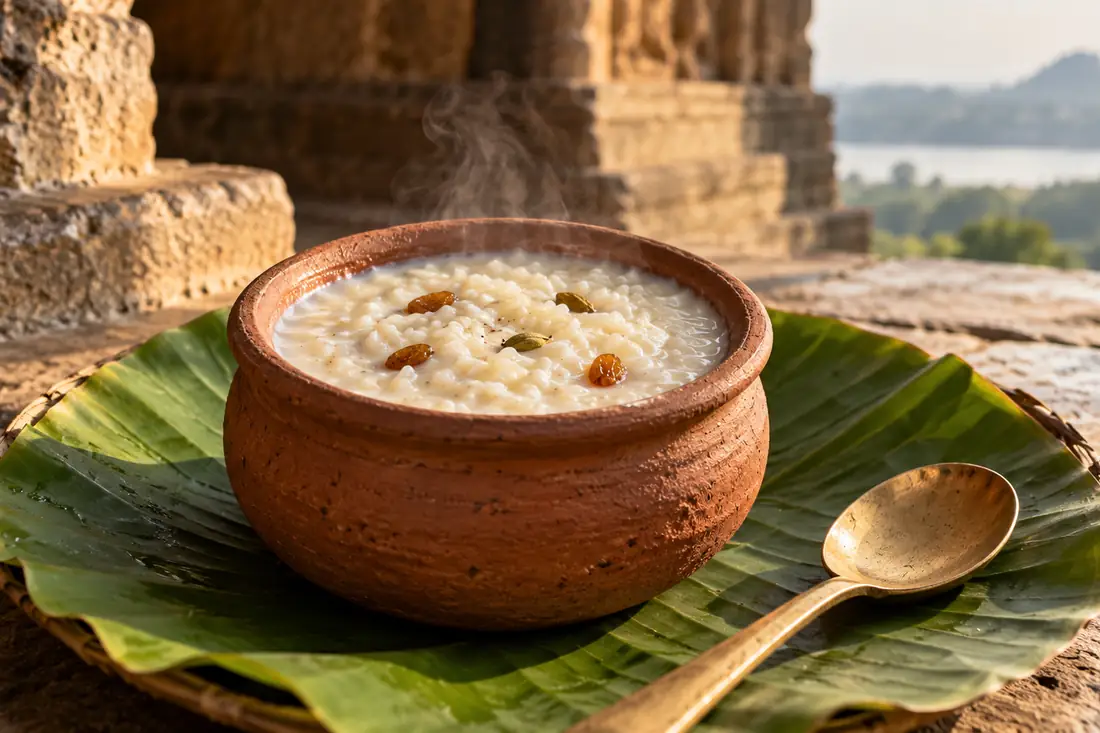
Sevayats boil thick unpasteurized cow milk in wide unglazed earthen pots over wood-fired ovens constructed from clay. To the boiling milk they add indigenous short-grain rice, crystallized raw sugar, green cardamom pods, and bay leaves.
The milk is simmered slowly for several hours until more than half of the liquid evaporates. The natural sugars inside the milk caramelize gently against the porous clay walls of the earthen vessel, imparting a warm pinkish hue and an unmistakable smoky aroma.
A beloved regional legend tells of a poor priest who once offered a bowl of steaming kheer to the Lord. Hurrying to attend to other duties, the priest left the pot unattended.
When he returned, he was astonished to discover human fingerprints inside the bowl. The Lord had been so pleased by the devotee’s humble offering that he had reached down and eaten the boiling kheer directly from the vessel, leaving his divine touch upon the clay.
How to Procure Fresh Kheer Bhog and Daily Timings
Freshly cooked Alarnath Kheer is offered to the deity twice daily, during the Madhyanna Dhupa around 1:00 PM and again during the Sandhya Dhupa around 7:30 PM. Following the offering, sevayats carry the earthen pots into the courtyard for distribution.
Visitors can purchase small, medium, and large clay pots directly from the temple counter located inside the outer compound. Because demand frequently outstrips supply, it is wise to place an order upon arrival.
[!TIP] Arrive at the prasad counter by 12:00 PM during regular days and by 10:30 AM during the Anavasara fortnight. The small pot (serves 2 people) costs approximately ₹80 to ₹100, while a large pot (serves 5 to 6 people) costs ₹250 to ₹300. Bring small currency notes as digital payment networks can be slow in rural Brahmagiri.
The earthen vessel keeps the pudding naturally warm for hours without refrigeration. Visitors often carry closed pots back to their hotels in Puri to share with friends and family.
Visitor Practicalities: Dress Code, Photography & Travel Logistics
Visiting Alarnath Temple is a smooth and rewarding half-day excursion from Puri. Because the temple stands in a semi-rural setting, planning your transport and observing cultural customs ensures a hassle-free trip.
Combining your temple visit with other coastal wonders listed in our guide to places to visit in Puri maximizes your travel efficiency.
Temple Rules, Entry Fees, Dress Code & Photography
Like all ancient sacred institutions in coastal Odisha, Brahmagiri follows traditional temple codes. Devotees are expected to observe standard decorum:
- Entry Fees: Regular general darshan is entirely free of charge for all pilgrims.
- Dress Code: Men should wear dhotis or modest trousers with shirts; women should wear sarees, salwar suits, or long skirts. Shorts, sleeveless tops, and beachwear are strictly prohibited at the entrance.
- Footwear: Leather belts, shoes, and bags must be deposited at the free footwear counter near the Simhadwara entrance gate.
- Photography: Mobile phones and cameras are strictly banned inside the inner sanctum. You may take photos of the outer temple gardens and compound walls, but respect worshipers during prayer times.
- Non-Hindu Entry: Similar to the Jagannath Temple in Puri, entry into the inner garbhagriha is reserved for practicing Hindus, though all visitors may explore the outer perimeter gardens.
How to Reach Alarnath Temple from Puri and Bhubaneswar
The temple benefits from smooth road connectivity along National Highway 316A, which links Puri directly with Satapada. The driving route covers a standard puri to alarnath distance of 24 kilometers through scenic coconut plantations.
| Mode of Transport | Route & Approximate Time | Estimated Cost (INR ₹) | Recommended For |
|---|---|---|---|
| Auto-Rickshaw from Puri | Via Brahmagiri Highway (45 mins) | ₹500 to ₹700 (round trip) | Couples and budget travelers wanting flexible timing |
| Private Taxi from Puri | NH-316A direct drive (35 mins) | ₹1,200 to ₹1,600 (round trip) | Families, elderly travelers, and air-conditioned comfort |
| Local Public Bus | Puri Badambadi / Town Stand to Brahmagiri (50 mins) | ₹25 to ₹40 per seat | Solo backpackers and conscious budget travelers |
| Private Cab from Bhubaneswar | Via Puri bypass or Pipili (1 hr 45 mins) | ₹2,800 to ₹3,500 (full day) | Travelers arriving directly from BPIA airport |
If you arrive by train at Puri Railway Station, auto-rickshaws and app-based cabs wait directly outside the main exit. Always negotiate and fix the return fare in advance if you want the driver to wait while you finish darshan.
Day Trip Route Pairing: Alarnath, Brahmagiri & Satapada Chilika
Because Brahmagiri lies midway along the highway to the southern tip of the lake, pairing Alarnath Temple with a water safari makes for a memorable full-day itinerary. Travelers continuing toward the lagoon can also visit Bhabakundaleswar Temple in Manikapatna, an ancient Ganga dynasty Shiva shrine associated with the famous folklore of Manika Gauni.
The table below outlines a balanced full-day circuit:
| Planned Time | Milestone Leg | Recommended Activity |
|---|---|---|
| 8:00 AM | Puri to Brahmagiri | Depart Puri town along NH-316A through coastal palms |
| 8:45 AM | Alarnath Temple | Attend morning aarti and view the sacred Chaitanya stone slab |
| 10:15 AM | Prasad Counter | Collect freshly packed earthen pots of warm Alarnath Kheer |
| 11:00 AM | Drive to Satapada | Travel 26 kilometers further south to the Chilika Lake shore |
| 11:45 AM | Lake Boat Safari | Board an OTDC motorboat to observe Irrawaddy dolphins |
| 3:30 PM | Lakeside Lunch | Relish fresh seafood or traditional Odia thali meals |
| 5:30 PM | Return to Puri | Conclude the day watching the sunset at Puri Golden Beach |
For nature enthusiasts wishing to spend the night near the brackish wetlands, explore our verified guide to Chilika Lake eco retreats for comfortable overnight cottage bookings.
Frequently Asked Questions (FAQs)
What are the daily darshan timings of Alarnath Temple in Brahmagiri?
The temple opens every morning at 6:00 AM and closes at 9:30 PM, with an afternoon rest period between 1:00 PM and 3:30 PM. During the annual Anavasara festival, the shrine remains accessible nearly around the clock to manage the massive influx of pilgrims.
Why is Alarnath Temple visited during the Anavasara period of Lord Jagannath?
Following the sacred Snana Yatra festival, Lord Jagannath enters a private fifteen-day recuperation period during which public darshan in Puri is suspended. Devotees travel to Brahmagiri because Lord Jagannath is believed to manifest his complete spiritual presence within Lord Alarnath during this time.
What is the famous prasad offered at Alarnath Temple?
The temple’s signature offering is Alarnath Kheer Bhog, an aromatic condensed-milk rice pudding cooked slowly in unglazed earthen pots over clay hearths. The caramelised delicacy is available twice daily at the temple prasad counter in small and large clay vessels.
What is the significance of the stone slab of Chaitanya Mahaprabhu at Alarnath Temple?
The temple enshrines a granite slab known as Anga Chinha where Sri Chaitanya Mahaprabhu prostrated in deep devotional trance while separated from Lord Jagannath. The intense spiritual warmth of his meditation is said to have softened the stone, leaving visible physical impressions of his body.
How far is Alarnath Temple from Puri Railway Station and how to reach?
The temple is situated approximately 24 kilometers southwest of Puri Railway Station along National Highway 316A toward Satapada. Devotees can easily reach Brahmagiri within 40 minutes using private taxis, auto-rickshaws, or frequent local buses departing from Puri.
Are there any entry fees or dress codes at Alarnath Temple?
General admission to Alarnath Temple is completely free, though visitors must dress modestly in traditional clothes like dhotis, kurtas, or sarees. Modern beachwear and shorts are strictly forbidden, and leather articles along with cameras must remain outside the inner sanctum.