Baitala Temple Vaital Deula Bhubaneswar: Architecture Guide
Plan your visit to Baitala Temple Vaital Deula Bhubaneswar with verified 2026 timings, Tantric Chamunda history, Khakhara architecture, and transit tips.
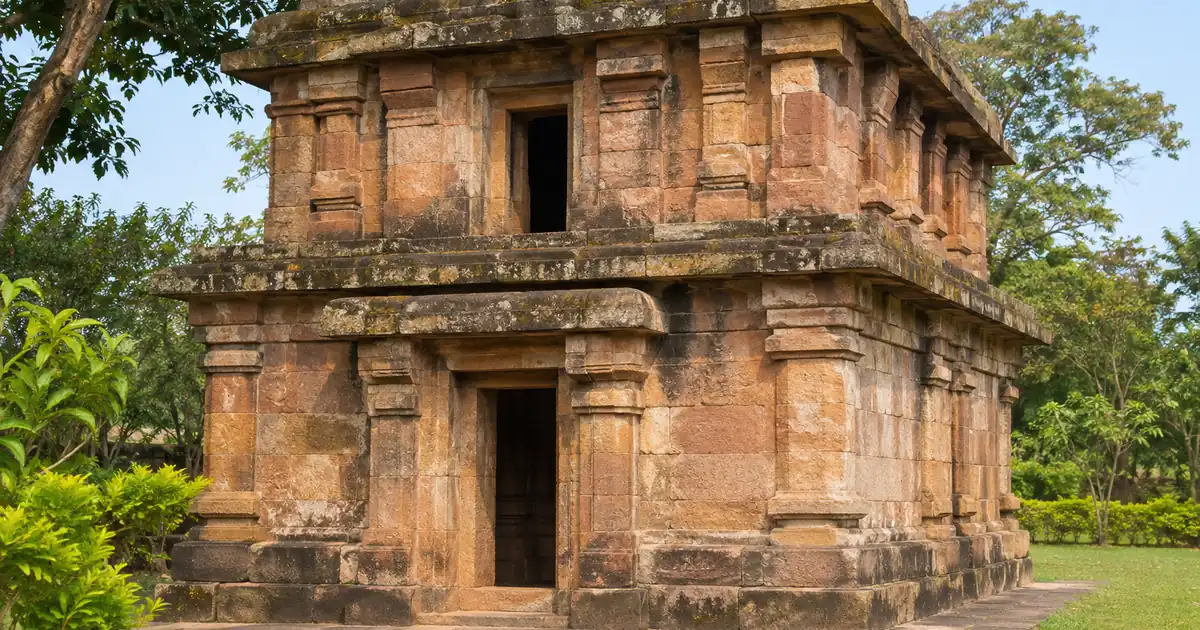
Tucked away along quiet lanes near the western bank of Bindu Sagar lake, Baitala Temple Vaital Deula Bhubaneswar presents one of the rarest architectural forms in Indian sacred heritage. Constructed around 775 CE under the patronage of the Bhauma-Kara dynasty, this remarkable shrine offers an intriguing detour for travelers touring places to visit in bhubaneswar.
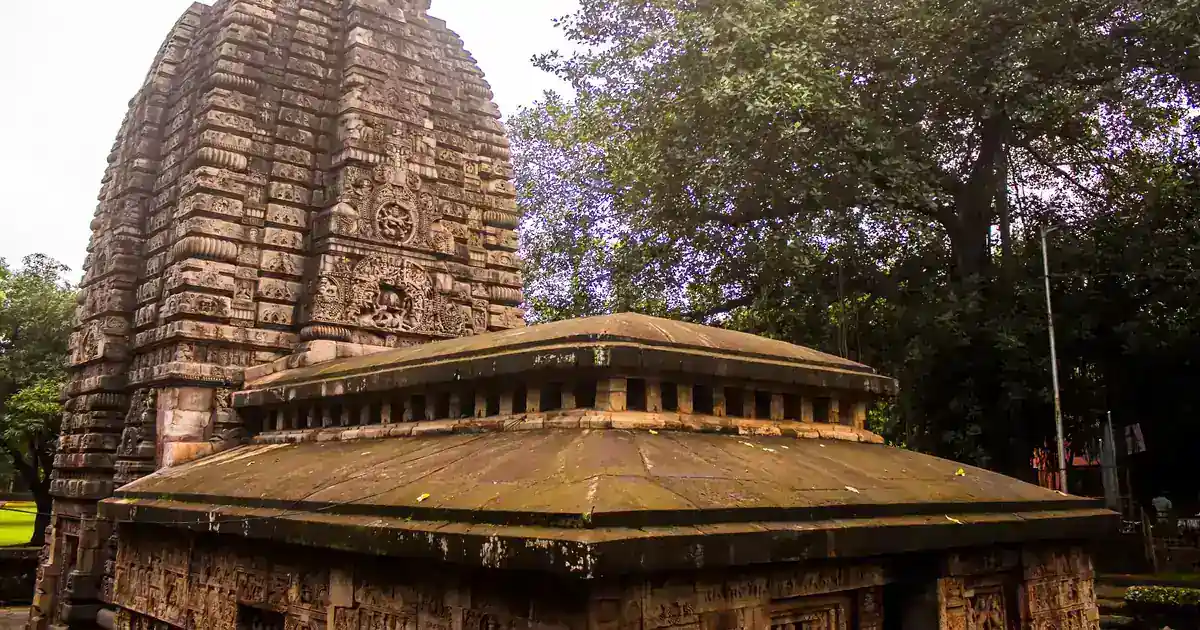
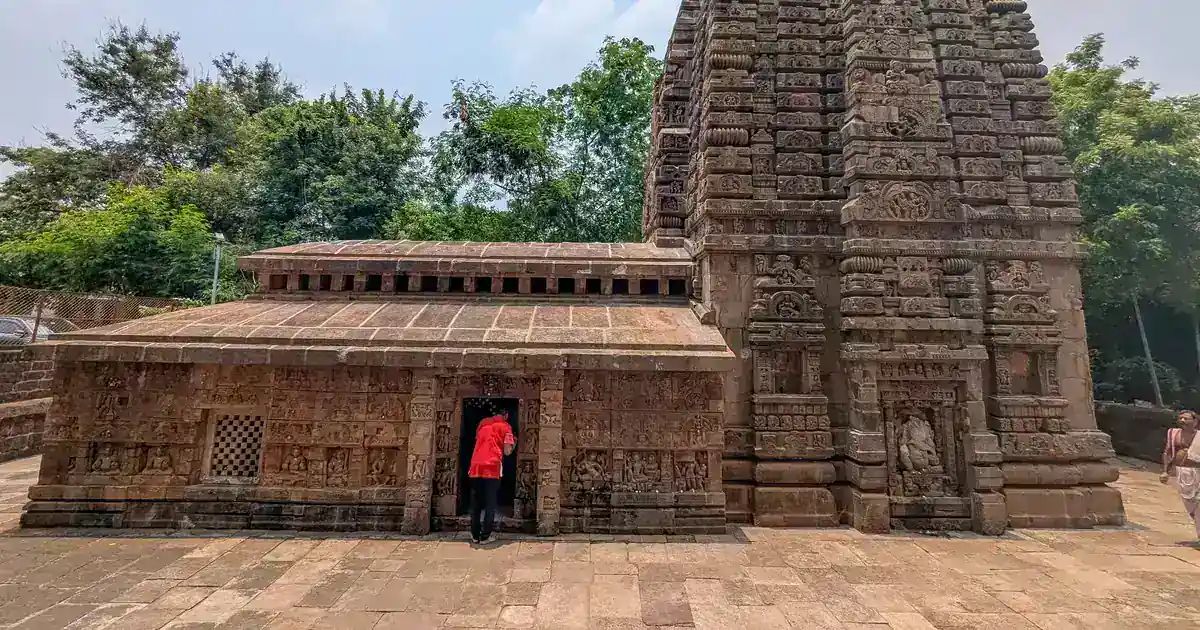
Unlike the towering pyramidal spires standard across Ekamra Kshetra, Vaital Deula features a distinct semi-cylindrical wagon-vault roof known as a Khakhara Deula. Dedicated to the fierce eight-armed Goddess Chamunda, the monument preserves a dramatic record of medieval Tantric rituals and Kapalika spiritual traditions.
Maintained by the Archaeological Survey of India, the monument complex also encloses the contemporary Sisireswara Temple. A morning visit provides an intimate look into eighth-century stone artistry, mystical iconography, and historic religious diversity.
Key Takeaways
- Location & Setting: Situated off Lingaraj Temple Road near the western bank of Bindu Sagar in Old Town, Bhubaneswar.
- Daily Timings: Open from 6:30 AM to 7:00 PM every day with free public admission.
- Architectural Rarity: One of only a handful of intact barrel-vaulted Khakhara Deulas in India, crowned by three miniature finial kalashas.
- Primary Deity: Houses an eight-armed stone image of Goddess Chamunda seated upon a corpse, surrounded by fifteen esoteric Tantric figures.
Baitala Temple Vaital Deula Bhubaneswar at a Glance: Quick Timings, Fees & Key Facts
Baitala Temple Vaital Deula Bhubaneswar is legally protected by the Archaeological Survey of India (ASI) as an ancient monument of national importance. It welcomes pilgrims, historians, and international travelers daily from 6:30 AM to 7:00 PM without any entrance ticket.
The temple sits in the historic core of Bhubaneswar within Khordha district. It shares a peaceful walled garden courtyard with the adjacent 8th-century Sisireswara Temple.
| Parameter | Verified Detail | Practical Notes |
|---|---|---|
| Temple Name | Baitala Temple (Vaital Deula / Boitala) | Rare barrel-vaulted Tantric monument |
| Construction Period | Circa 775 CE (Late 8th Century) | Bhauma-Kara royal dynasty |
| Architectural Order | Khakhara Deula (Gabled Wagon-Vault) | Distinct semi-cylindrical roof profile |
| Presiding Deity | Goddess Chamunda (Kapalini form) | Fierce eight-armed Shakti manifestation |
| Daily Visiting Hours | 6:30 AM to 7:00 PM | Open daily throughout the entire year |
| Entry Fee | Free admission for all visitors | No ticketing counter or digital pass needed |
| Photography | Permitted in outer courtyard gardens | Prohibited inside the sanctum chamber |
| Ideal Visit Time | 45 minutes to 1 hour | Best paired with a walk along Bindu Sagar |
| Nearest Airport | Biju Patnaik International Airport (BPI) | 3.8 km via Old Town arterial road |
| Nearest Railhead | Bhubaneswar Railway Station (BBS) | 4.5 km via Rajmahal Square and Master Canteen |
Historical Background and Royal Patronage
The construction of Vaital Deula coincided with the rise of the Bhauma-Kara dynasty, whose rulers presided over central and coastal Odisha from the eighth to tenth centuries. Several Bhauma-Kara monarchs and queens were devoted patrons of Tantric Buddhism and Shakta traditions.
Scholars trace the temple name to Boita, the traditional sea-going vessels crafted by ancient Odia merchants. The oblong, curved roof resembles an overturned wooden hull, celebrating the maritime heritage of ancient Kalinga.
Other historians derive the name from Vetala, the nocturnal spirits associated with Tantric rituals. Local traditions recount that ancient Kapalika yogis assembled here after dark to conduct esoteric invocations.
Cultural Identity and Modern Context
In contrast to the grand public ceremonies of orthodox Shaivite shrines, Vaital Deula was designed for intimate esoteric contemplation. The dimly lit interior sanctum was intentionally engineered to evoke solemn mystery and spiritual introspection.
Today, local priests conduct quiet daily morning worship for the deity, whom neighborhood residents fondly revere as Maa Charchika or Kapalini. The site remains blissfully free from heavy tour bus crowds, offering a peaceful environment for focused contemplation.
Visiting this temple deepens any traveler’s appreciation of Odisha’s religious pluralism. It demonstrates how Shakta, Tantric, Shaivite, and solar traditions coexisted harmoniously within a single sacred city.
Visiting Timings, Admission Fee & Best Hours to Explore
The monument complex opens daily at 6:30 AM and closes at 7:00 PM in the evening. These operating hours remain uniform across all seasons, including national holidays and public festivals.
Admission to both the outer courtyard and inner chambers is completely free of charge. No physical tokens or online booking confirmations are required.
| Visiting Window | Ambient Conditions | Lighting & Photography | Ideal Visitor Group |
|---|---|---|---|
| 6:30 AM – 8:30 AM | Cool air, peaceful silence | Soft eastern sunlight on facade | Architecture photographers and meditators |
| 8:30 AM – 11:30 AM | Moderate footfall | Bright lighting revealing wall friezes | Heritage enthusiasts and walking tour groups |
| 11:30 AM – 3:30 PM | Warm sun, heated paving | Strong direct shadows on stone | Quick stopovers, shady garden rest |
| 3:30 PM – 5:30 PM | Comfortable breeze | Warm golden hour illumination | Family travelers and leisure sightseers |
| 5:30 PM – 7:00 PM | Evening dusk, quiet prayer | Dramatic compound floodlights | Spiritual seekers and evening strolls |
Recommended Hours During the Day
Early morning between 6:30 AM and 8:30 AM is universally recommended for exploring the monument grounds. At this hour, soft dawn sunlight directly strikes the eastern facade, highlighting the delicate stone medallions.
Late afternoons between 4:00 PM and 5:30 PM also offer pleasant lighting as the sun dips behind the ancient palmyra palms. The cool evening breeze blowing from nearby Bindu Sagar makes walking between stone shrines exceptionally refreshing.
Midday visits between 12:00 PM and 3:00 PM should be approached with caution during warmer months. Stone floor slabs absorb significant solar heat, making barefoot walking uncomfortable.
Best Season to Plan Your Trip
The winter season spanning October through February is the most comfortable period for touring heritage monuments in Bhubaneswar. Ambient daytime temperatures range from 17 to 28 degrees Celsius, allowing extended hours of walking without fatigue.
The monsoon season from late June to September brings fresh greenery to temple lawns. However, the ancient stone courtyard becomes slick during damp spells, so visitors should step carefully on weathered laterite slabs.
Summer months between March and May see daytime temperatures often surpassing 38 degrees Celsius. If traveling during summer, complete your temple visits before 9:00 AM and stay well hydrated.
The Khakhara Architectural Style: A Rare Barrel-Vaulted Wagon Roof
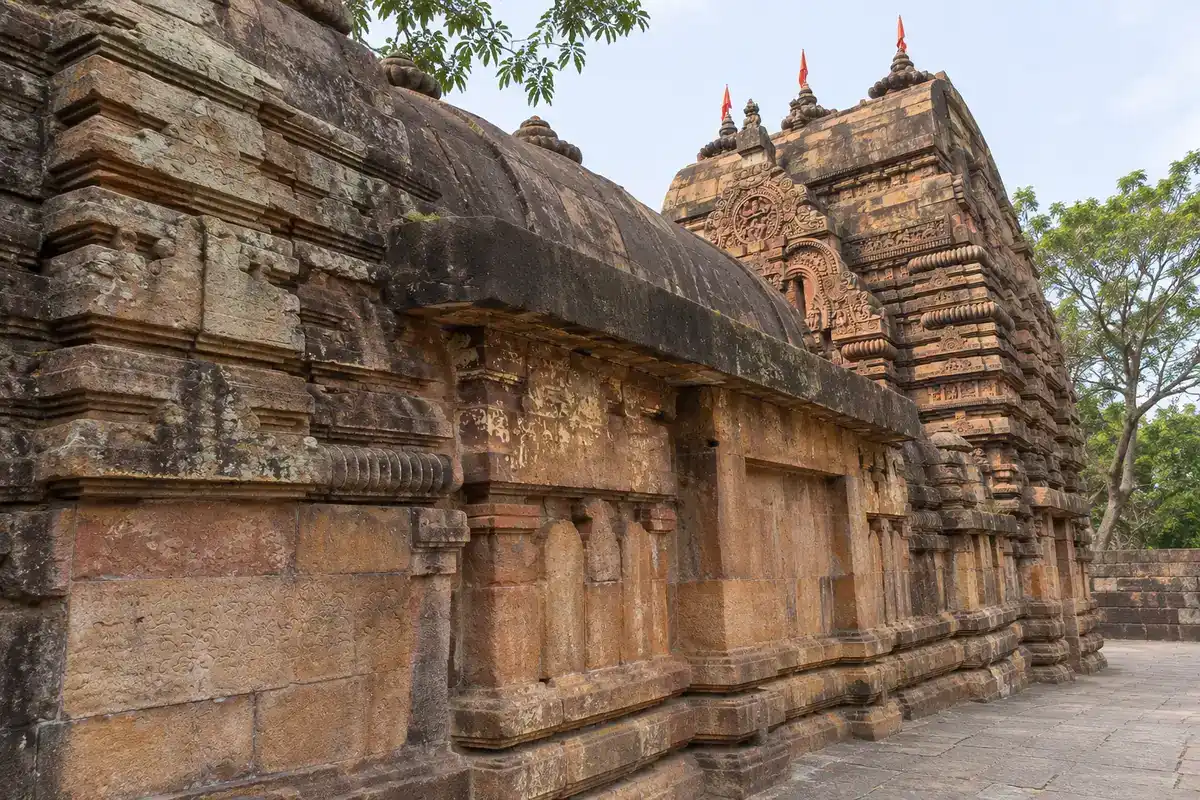
Within the classification system of Kalinga temple architecture, shrines are broadly divided into three distinct styles: Rekha Deula (tall curvilinear spire), Pidha Deula (stepped pyramidal roof), and Khakhara Deula (barrel-vaulted wagon roof). Vaital Deula represents the most celebrated surviving example of the Khakhara order in famous temples in Odisha.
The term Khakhara derives from Vahitra or the regional gourd vegetable (Kakarha), whose oblong cylindrical profile closely mirrors the roofline. This style was reserved almost exclusively for fierce Shakta and Tantric manifestations.
| Architectural Feature | Form & Dimensions | Structural & Symbolic Purpose |
|---|---|---|
| Vimana (Sanctum Tower) | Oblong base, 35 feet high | Vaulted wagon roof sheltering the fierce goddess Chamunda |
| Mastaka (Finials) | Three miniature Kalashas & Trishula | Triple finial arrangement crowning the semi-cylindrical vault |
| Jagamohana (Hall) | Low rectangular flat roof | Four miniature subsidiary shrines anchored at compound corners |
| Chaitya Medallions | Prominent horseshoe arches | Frames dynamic relief carvings of Nataraja and Surya |
Structural Components of the Khakhara Roof
The main sanctum tower rises from a rectangular plinth to a height of approximately 35 feet. Unlike square-plan Rekha towers, the sanctum walls are deliberately elongated along the east-west axis to support the semi-cylindrical vaulted ceiling.
Along the roof ridge sit three miniature stone Kalashas (sacred urns), crowned by a central iron trident (Trishula). This triple-finial arrangement symbolizes the tripartite cosmic forces of creation, sustenance, and dissolution.
Archaeologists note that this wagon-roof design shares evolutionary roots with Buddhist chaitya halls and early rock-cut shrines across western India. Its survival in freestanding 8th-century sandstone masonry is an extraordinary structural achievement.
The Jagamohana and Subsidiary Shrines
Directly fronting the oblong tower is a low rectangular assembly hall with a flat stone ceiling. Small clerestory window slots allow narrow beams of sunlight to penetrate into the dark interior.
At the four outer corners of the assembly hall sit four miniature shrines resembling classic Rekha spires. This architectural arrangement foreshadowed the fully realized Panchayatana five-shrine temple layouts that emerged centuries later.
The outer base moldings display horizontal bands of floral foliage, running scrolls, and playful animal figures. Master stonemasons carved these decorative friezes with extraordinary kinetic vitality.
Comparison with Contemporary Shrines
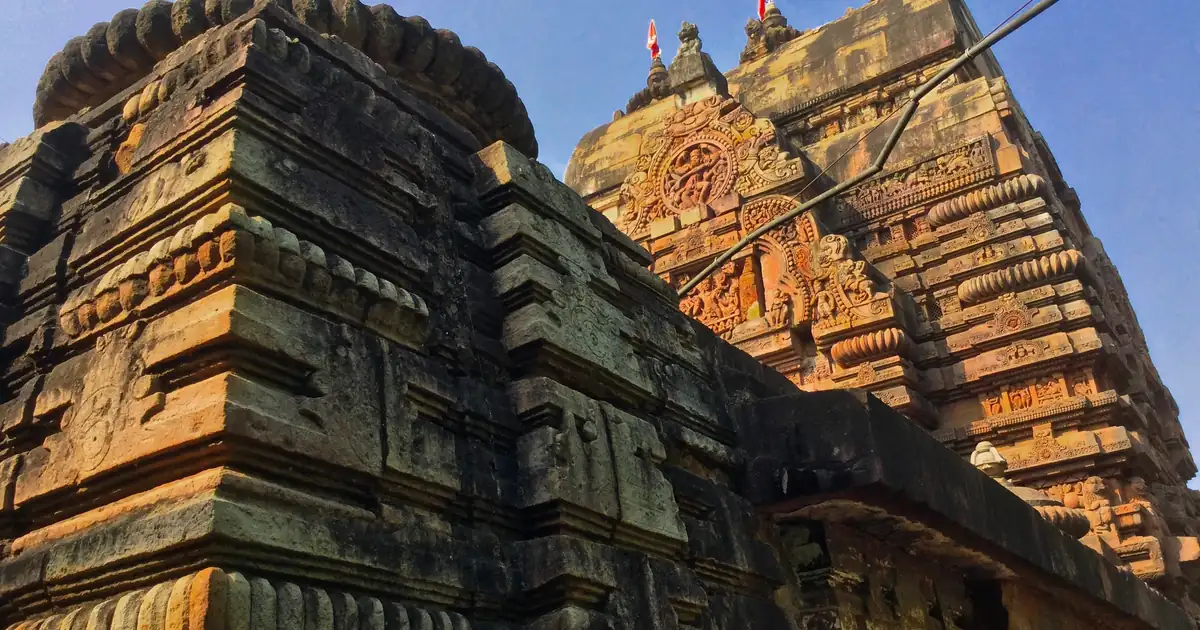
Architectural scholars frequently study Vaital Deula alongside Parsurameswara Temple, which stands less than two kilometers to the east. While Parsurameswara exemplifies the squat formative Rekha style, Vaital Deula proves that 8th-century Odia masons were simultaneously perfecting daring wagon-vault designs.
Inside the same compound sits Sisireswara Temple, an exquisite late-8th-century Rekha deula dedicated to Lord Shiva. Viewing both monuments side-by-side allows visitors to appreciate the stylistic divergence within a single generation of royal builders.
Esoteric Tantric Sculptures: Goddess Chamunda, Bhairava & Surya
Art historians consider the stone sculptures of Vaital Deula among the most psychologically intense and technically refined in eastern India. The carvings balance sublime classical grace on the exterior walls with visceral esoteric power inside the sanctum.
The monument served as a functioning shrine for the esoteric Kapalika sect, whose practitioners sought spiritual transcendence through rigorous contemplation of mortality. The sculpted pantheon reflects this fearless spiritual philosophy.
| Sculpture Panel | Position on Temple | Descriptive Detail & Iconography |
|---|---|---|
| Goddess Chamunda (Kapalini) | Central niche of inner sanctum | Eight-armed goddess seated on a corpse, wearing skull garland |
| Terrifying Bhairava | Inner sanctum southern wall | Fearsome deity holding knife and severed human head in ritual chalice |
| Dancing Nataraja | Eastern frontal chaitya arch | Ten-armed dancing Shiva performing cosmic rhythm within medallion |
| Surya the Sun God | Frontal facade of Jagamohana | Solar deity standing in his chariot drawn by seven rearing horses |
| Mahishasuramardini | Northern exterior wall niche | Ten-armed Durga piercing the buffalo demon with celestial trident |
The Presiding Image of Chamunda
Entering the dimly lit inner sanctum reveals the formidable central image of Goddess Chamunda. Carved from dark sandstone, the eight-armed deity sits cross-legged upon a prostrate human corpse.
Her physical form is deliberately rendered with anatomical realism: sunken hollow eyes, emaciated ribcage, protruding veins, and a deeply hollowed abdomen. Around her neck hangs a heavy garland of severed human skulls.
In her multiple hands, she grasps a trident, ritual knife, drum, serpent, and a skull-cup filled with offerings. An owl perches silently near her foot while a jackal gnaws at the corpse below, underscoring cremation ground symbolism.
The Internal Tantric Pantheon
Flanking Chamunda within the sanctum chamber are fourteen carved stone deities arranged along the lower wall frieze. These include the Saptamatrikas or Seven Divine Mothers, each seated with her infant child and distinctive animal emblem.
Prominent among the male figures is a dynamic relief of Bhairava holding a sacrificial blade and an offering bowl. Another carving shows a kneeling devotee offering a severed head in profound surrender, illustrating the rigorous vows of ancient Kapalika yogis.
Because interior lighting is deliberately kept dim, bringing a small pocket penlight helps reveal the subtle relief textures of these inner wall panels. The atmosphere remains quiet, reverent, and deeply evocative.
Exterior Classical Facades and the Sun God
Stepping back outside into the sunlight presents a striking aesthetic contrast. The exterior facades are covered with graceful figures celebrating beauty, music, and celestial harmony.
On the eastern face of the assembly hall sits a magnificent medallion depicting Surya, the Sun God. Clad in classical warrior boots, the deity stands proudly inside his chariot drawn by seven spirited horses, flanked by his consorts Usha and Pratyusha dispelling darkness.
Nearby wall niches display an elegant ten-armed Mahishasuramardini gracefully slaying the buffalo demon. Other exterior panels feature sensitive depictions of amorous couples, damsels adjusting their hair, and dancing ganas playing musical flutes.
Visitor Guidelines, Etiquette & Practical Ground Realities
Vaital Deula is both an active religious site and a protected national heritage monument. Balancing devotional traditions with historic conservation ensures that visitors enjoy a safe and rewarding experience.
The temple compound is clean, quiet, and enclosed by low sandstone boundary walls. Visitors can wander freely around the paved garden pathways.
[!TIP] Quiet Timing & Flashlight Tip: The inner sanctum receives minimal natural light to protect the ancient sandstone carvings. Carry a small pocket penlight or use your phone screen light to study the detailed Chamunda carving without violating the flash photography prohibition.
Dress Code and Temple Etiquette
Visitors are expected to dress modestly and respectfully when entering religious grounds in Odisha. Wear attire that covers your shoulders and extends past your knees.
Simple cotton shirts, long trousers, salwar suits, or modest casual wear are suitable for exploring the grounds. Revealing clothing, beachwear, and sleeveless vests should be avoided out of respect for local worship customs.
Footwear must be removed before stepping onto elevated stone plinths or entering the sanctum chamber. Clean footwear storage racks are available near the entrance gate.
Photography and Filming Guidelines
Still photography using handheld smartphones or mirrorless cameras is permitted throughout the outer garden courtyard free of cost. Capturing photos of the barrel-vaulted roof, exterior chaitya medallions, and Sisireswara facade is fully allowed.
However, camera tripods, commercial filming equipment, and lighting stands are strictly prohibited by Archaeological Survey of India regulations without advance official permits. Photography inside the dark inner sanctum is not permitted to preserve the sanctum atmosphere.
Flying camera drones over the temple complex is prohibited under city heritage airspace restrictions. Respecting these rules protects the delicate 1,250-year-old stone masonry.
On-Site Amenities and Facilities
Basic facilities including clean drinking water and stone seating benches are located inside the landscaped outer garden. Public restrooms and small grocery shops selling bottled water are situated within 150 meters along Lingaraj Temple Road.
Informal local guides sometimes wait near the gate during morning hours. If you wish to hire a guide to explain the Tantric iconographic panels, agree upon the fee before commencing your tour.
The approach lane from Bindu Sagar is relatively narrow, so private parking for four-wheelers is limited. Visitors arriving by rental car should park near Bindu Sagar parking lot and complete the last 200 meters on foot.
How to Reach Vaital Deula & Old Town Walking Itinerary
Vaital Deula enjoys convenient proximity to major transportation terminals across Bhubaneswar. Situated in the heart of Ekamra Kshetra, the temple is easily reached by city buses, taxis, or auto-rickshaws.
Because numerous historic monuments lie within walking distance, combining Vaital Deula into a broader heritage walking circuit is the most fulfilling way to explore the capital city.
| Transit Terminal | Distance | Travel Duration | Best Mode of Transit |
|---|---|---|---|
| Bhubaneswar Airport (BPI) | 3.8 km | 12 to 15 minutes | Pre-paid taxi or auto via Aerodrome Road |
| Bhubaneswar Station (BBS) | 4.5 km | 15 to 20 minutes | CRUT Mo Bus Route 20 or auto-rickshaw |
| Lingaraj Temple Complex | 600 m | 7-minute walk | Leisurely stroll along historic stone lanes |
| Bindu Sagar Sacred Lake | 200 m | 3-minute walk | Direct walking access to western ghats |
| Baramunda Bus Stand (ISBT) | 8.5 km | 25 to 30 minutes | City transit bus or app-based cab |
Transit Directions: Air, Rail and Bus
Travelers arriving at Biju Patnaik International Airport can hire a pre-paid taxi directly to Old Town. The drive takes less than 15 minutes through the historic Aerodrome Gate route.
From Bhubaneswar Railway Station, board CRUT Mo Bus Route 20 or Route 33 departing from Master Canteen terminal. Request the bus conductor for the Lingaraj Temple or Bindu Sagar stop.
From the bus stop, a pleasant five-minute walk past traditional Odia stone homes brings you directly to the entrance gate of the monument. Shared auto-rickshaws also run frequently between Rajmahal Square and Old Town.
Crafting Your Heritage Walking Circuit
To experience the chronological evolution of Kalinga architecture, follow this convenient half-day morning walking route through Old Town:
- First Stop (7:00 AM to 8:00 AM): Begin at Vaital Deula to examine the rare 8th-century Khakhara wagon roof and Chamunda panel in quiet morning light.
- Second Stop (8:00 AM to 8:30 AM): Stroll along the western promenade of Bindu Sagar lake to watch morning bathing rituals and admire water reflections.
- Third Stop (8:30 AM to 10:00 AM): Enter the monumental 11th-century Lingaraj Temple to experience grand Kalinga temple worship at its historical peak.
- Fourth Stop (10:15 AM to 11:15 AM): Walk eastward to admire the exquisite sculptured torana archway at Mukteswara Temple.
- Fifth Stop (11:30 AM to 12:30 PM): Conclude your morning at the ornate Rajarani Temple, relaxing amidst manicured lawns and admiring fine sandstone sculptures.
- Afternoon Extension: In the cooler late afternoon, travel south to visit the white peace pagoda at Dhauli Shanti Stupa along the historic Daya River.
For updated state tourism publications, event circulars, and archaeological documentation, visit the Odisha Tourism Portal and monument archives on the Archaeological Survey of India website.
Frequently Asked Questions About Baitala Temple Vaital Deula Bhubaneswar
What is unique about the architecture of Vaital Deula?
Vaital Deula is renowned for its rare Khakhara architectural style, characterized by an oblong base and a semi-cylindrical barrel-vaulted roof reminiscent of an overturned boat. This design contrasts sharply with the tall curvilinear spires common across most temples in Bhubaneswar.
Which presiding deity is worshipped inside Baitala Temple?
The presiding deity of the shrine is the fierce eight-armed Goddess Chamunda, locally referred to as Kapalini. Carved from dark stone, the goddess sits upon a corpse and is surrounded by fifteen esoteric Tantric wall carvings.
Who built Vaital Deula in Bhubaneswar?
The temple was constructed in the late 8th century CE, approximately 775 CE, under the patronage of the Bhauma-Kara dynasty. The dynasty was celebrated for supporting diverse religious traditions including Shakta, Tantric, and Mahayana Buddhist practices.
What are the visiting hours for Vaital Deula?
The temple gates remain open daily from 6:30 AM to 7:00 PM throughout the year. There are no weekly closed days, and admission to the complex is completely free of charge.
Where is Vaital Deula located in Bhubaneswar?
Vaital Deula is situated off Lingaraj Temple Road near the western edge of Bindu Sagar lake in Old Town, Bhubaneswar. It is located roughly 4.5 kilometers from Bhubaneswar Railway Station and 3.8 kilometers from the airport.