Bhaskareswar Temple Bhubaneswar: Timings & Visitor Guide
Plan your visit to Bhaskareswar Temple Bhubaneswar with verified 2026 timings, Ashokan pillar lingam history, two-storey architecture, and transit tips.
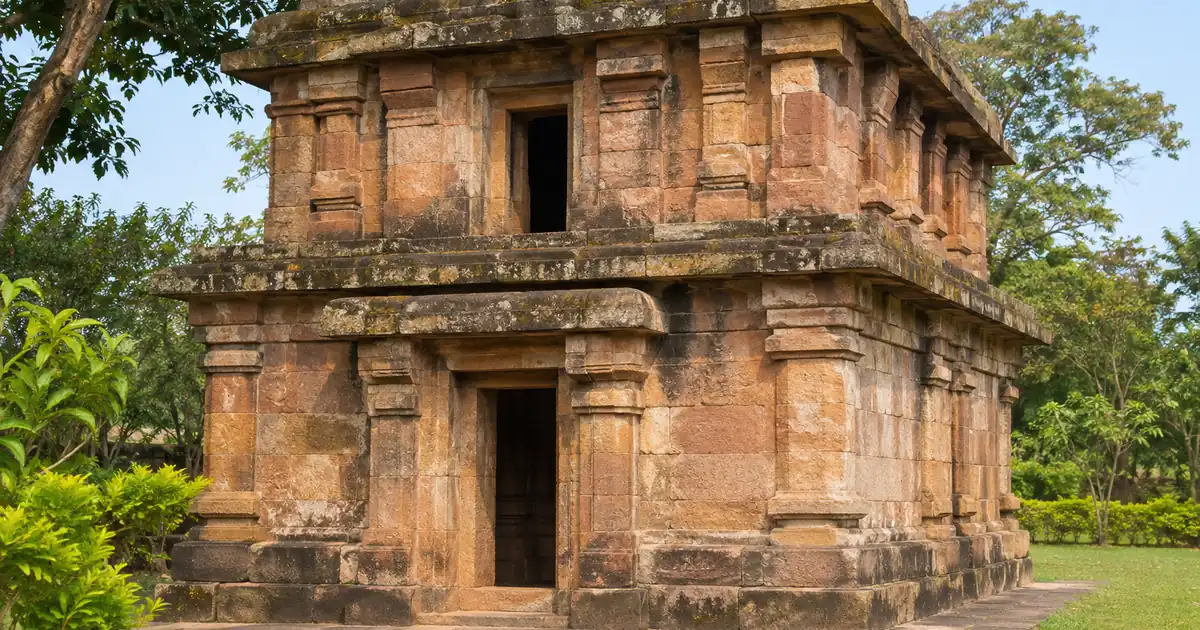
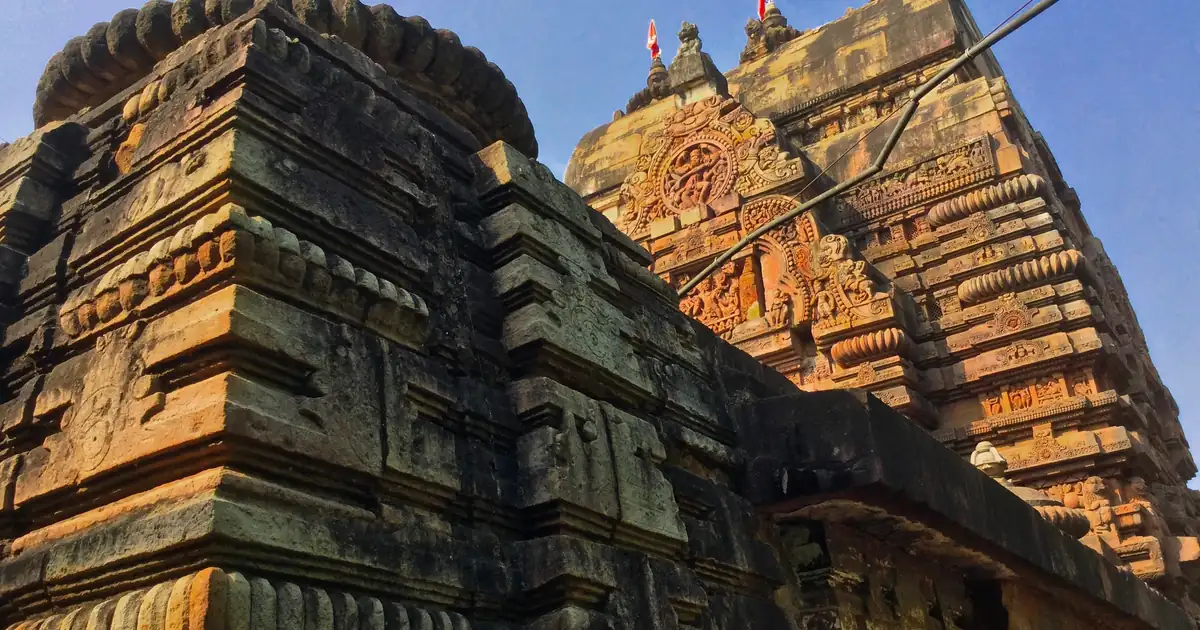
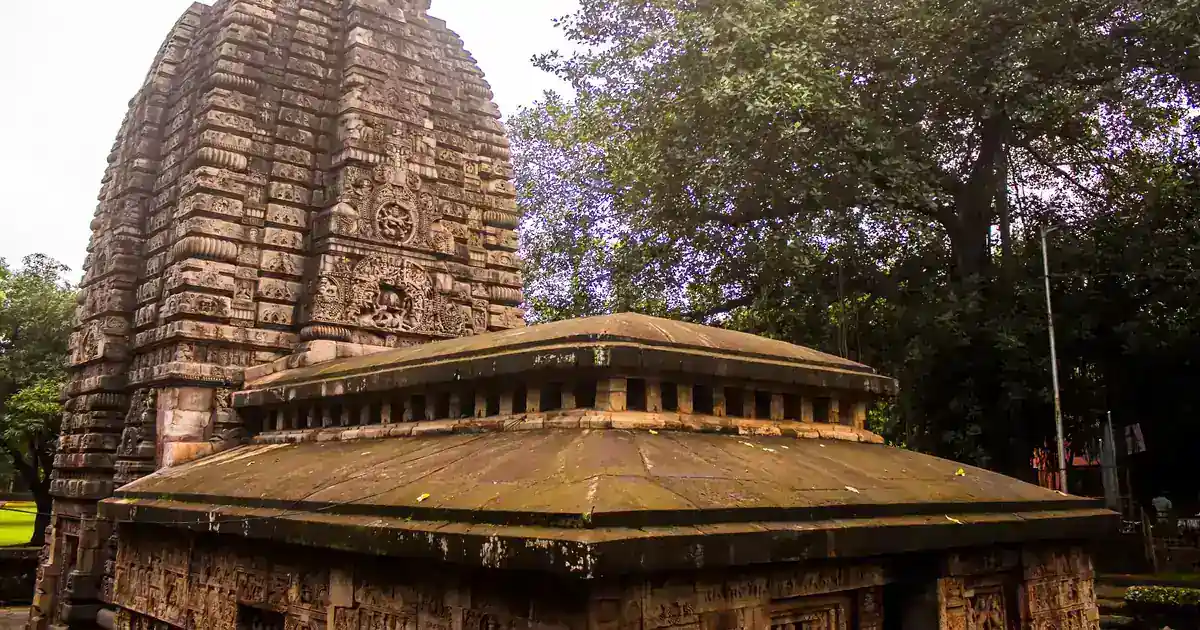
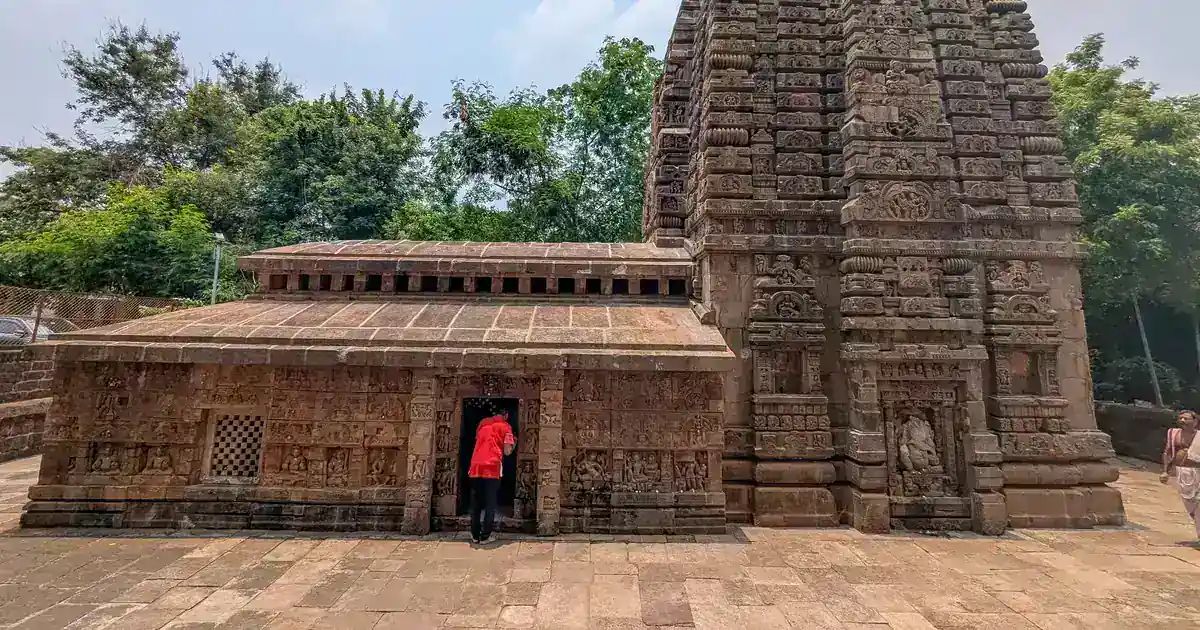
Rising unexpectedly as a double-tiered stone monument in eastern Old Town, Bhaskareswar Temple Bhubaneswar is one of the most enigmatic archaeological treasures in Odisha. Dating to the eleventh century CE, this distinctive shrine offers a captivating stop for anyone exploring places to visit in bhubaneswar.
Unlike traditional single-level Kalinga shrines, Bhaskareswar was engineered as a rare two-storeyed sanctuary. At its core stands a colossal monolithic stone pillar rising over nine feet in height, which prominent historians believe was originally a third-century BCE Mauryan pillar erected during Emperor Ashoka’s reign.
Protected by the Archaeological Survey of India, this monument sits inside a quiet garden compound. A morning visit provides archaeology enthusiasts and cultural travelers a fascinating window into ancient religious adaptation.
Key Takeaways
- Location & Setting: Situated along Tankapani Road near Badagada village in eastern Bhubaneswar, roughly one kilometer north of Brahmeswara Temple.
- Daily Timings: Open from 6:30 AM to 7:00 PM every day with free public admission.
- Archaeological Mystery: Houses a colossal nine-foot monolithic lingam, widely identified by scholars as a repurposed Ashokan Buddhist pillar.
- Unique Architecture: Built on two functional levels with an upper circumambulatory balcony reached by a flight of stone stairs.
Bhaskareswar Temple Bhubaneswar at a Glance: Quick Timings, Fees & Key Facts
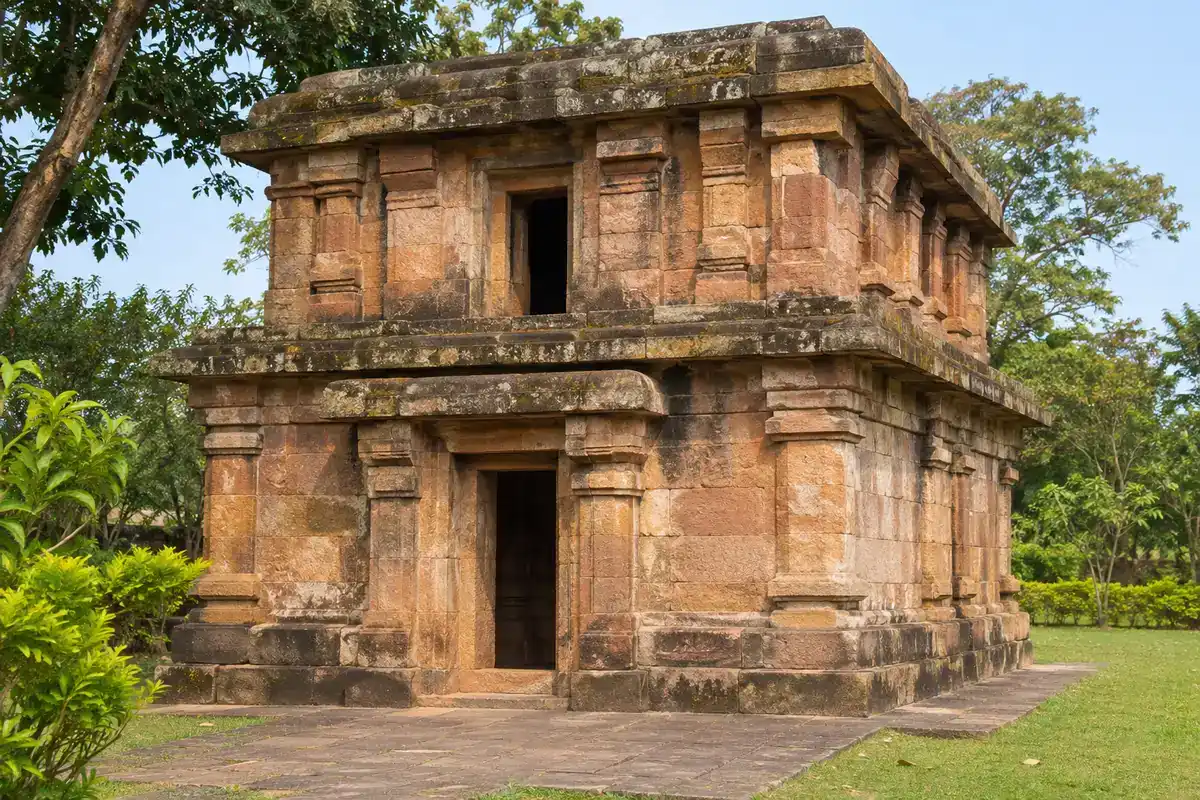
Bhaskareswar Temple Bhubaneswar is maintained by the Archaeological Survey of India (ASI) as an ancient monument of national importance. It welcomes visitors, pilgrims, and researchers throughout the week without any entrance fees.
The monument is located in the Badagada area within Khordha district. It occupies a well-maintained enclosure bordered by green lawns, flowering plumeria trees, and laterite stone ruins.
| Parameter | Verified Detail | Practical Notes |
|---|---|---|
| Temple Name | Bhaskareswar Temple (Bhaskareswara) | Distinctive two-storeyed Shaivite monument |
| Construction Period | 11th Century CE (Ganga / Somavamshi) | Core pillar dates to 3rd Century BCE |
| Architectural Order | Two-Storeyed Terraced Rekha Deula | High square platform with upper sanctum |
| Presiding Deity | Lord Bhaskareswar (Sun-Shiva) | Colossal 9-foot monolithic Shivalinga |
| Daily Visiting Hours | 6:30 AM to 7:00 PM | Open daily all seven days of the week |
| Admission Charge | Free admission for all visitors | No physical ticket or entry pass needed |
| Photography | Permitted across garden grounds | Restricted inside the sanctum interior |
| Ideal Visit Time | 30 to 45 minutes | Best combined with nearby Brahmeswara Temple |
| Nearest Airport | Biju Patnaik International Airport (BPI) | 5.8 km via Lewis Road and Ravi Talkies |
| Nearest Railway | Bhubaneswar Railway Station (BBS) | 4.6 km via Cuttack-Puri Road and Badagada |
The Historical Evolution of the Site
Historians classify Bhaskareswar as a rare surviving witness to the transition between ancient Buddhism and medieval Shaivism in Odisha. In the third century BCE, Emperor Ashoka transformed Kalinga into a major Buddhist stronghold following the Kalinga War.
Centuries later, as Brahmanical traditions experienced a powerful resurgence under the Somavamshi and Ganga dynasties, ancient stone pillars were often reconsecrated into sacred Shivalingas. The colossal monolithic pillar here was enshrined within a purpose-built stone sanctuary.
Local traditions dedicate the shrine to Bhaskareswar, a composite name honoring Lord Shiva as the solar deity who dispels spiritual ignorance. The surrounding field still yields weathered stone fragments dating across twelve centuries.
Why This Monument Matters Today
While Bhubaneswar is renowned for towering curvilinear spires, Bhaskareswar stands apart due to its functional split-level engineering. Its builders faced the unique challenge of enclosing a monolithic pillar already standing nine feet tall.
Instead of cutting down the ancient monolith, the architects elevated the worship platform. This creative structural solution illustrates the ingenuity of medieval Odia stone engineers.
Today, the site provides a peaceful, contemplative atmosphere away from congested tourist corridors. Visitors can inspect original Mauryan polish marks while learning about the complex history of early Odisha.
Visiting Timings, Admission Fee & Ideal Time to Visit
Bhaskareswar Temple opens at 6:30 AM every morning and closes at 7:00 PM in the evening. Operating hours remain consistent throughout the year, with no scheduled closures on weekdays or national holidays.
Admission is entirely free for all visitors, including domestic pilgrims and international travelers. No prior online booking or digital registration is required.
| Visiting Window | Ambient Conditions | Lighting & Atmosphere | Recommended Visitor Activity |
|---|---|---|---|
| 6:30 AM – 8:30 AM | Pleasant, crisp morning air | Gentle eastern dawn sunlight | Quiet meditation and garden walks |
| 8:30 AM – 11:30 AM | Mild daytime temperatures | Direct daylight on upper terrace | Architectural study and photography |
| 11:30 AM – 3:30 PM | Warm sunlight, heated stones | Strong overhead shadows | Quick stopover during driving tours |
| 3:30 PM – 5:30 PM | Soft afternoon breeze | Warm golden hour light on stone | Leisurely exploration and family visits |
| 5:30 PM – 7:00 PM | Dusk, cool evening breezes | Soft monument lighting | Evening contemplation and quiet prayer |
Recommended Hours During the Day
Early morning between 6:30 AM and 8:30 AM is the most rewarding window to experience the site. Morning sunlight illuminates the eastern stairway and creates sharp contrast across the exterior moldings.
Late afternoon from 4:00 PM to 5:30 PM also provides excellent photography conditions. The red sandstone terrace takes on a rich amber glow as the sun descends toward the western horizon.
During summer months from April to June, midday visits can become uncomfortably warm. The exposed stone terrace absorbs substantial heat, so plan your stop before 9:30 AM or after 4:30 PM.
Best Season to Plan Your Visit
The winter months from October to February provide the most comfortable climate for touring open-air heritage monuments in Bhubaneswar. Daytime temperatures typically hover between 18 and 28 degrees Celsius, making walking outdoors enjoyable.
The rainy monsoon season between July and September brings lush vegetation to the surrounding lawns. However, the stone stairs leading to the upper gallery can become slippery when wet, so wear footwear with reliable grip.
Summers between March and June bring high humidity and midday temperatures exceeding 38 degrees Celsius. Carry drinking water and sun protection if visiting during hotter months.
The Ashokan Pillar Mystery: A 9-Foot Monolithic Lingam
The central attraction inside Bhaskareswar Temple is its astonishing presiding lingam. Rising over nine feet from the ground floor and measuring over twelve feet in circumference, it is among the most massive monolithic stone shafts in eastern India.
The surface of this colossal lingam reveals clear vertical chiseling marks where master masons shaped the stone. In multiple sections, distinct Mauryan polish traces remain discernible beneath centuries of ritual libations.
| Archaeological Dimension | Measurement | Historical Significance |
|---|---|---|
| Visible Height | 9 feet (2.74 meters) | Monolithic cylindrical sandstone shaft |
| Basal Circumference | 12 feet 5 inches (3.78 meters) | Sits on an expansive circular stone pedestal |
| Shaft Material | Chunar / Dhauli fine sandstone | Matches stone types used across Mauryan monuments |
| Associated Lion Capital | Preserved in Odisha State Museum | Discovered 40 meters from the temple in Badagada |
Archaeological Evidence and Scholarly Debates
In the late nineteenth and early twentieth centuries, pioneering archaeologists including Rajendralala Mitra and Dr. K.C. Panigrahi conducted systematic investigations at the site. They concluded that the lingam is a section of an ancient Ashokan pillar erected around 250 BCE.
Strong archaeological evidence supports this identification. In the nearby field, excavators uncovered a colossal stone lion capital that matches the famous Ashokan capitals discovered at Sarnath and Rampurva.
That lion capital, now exhibited in the archaeology wing of the Odisha State Museum in Bhubaneswar, features a bell-shaped base and classical Mauryan stylistic details. Its socket dimensions align with the diameter of the pillar enshrined inside Bhaskareswar.
Transition from Stupa to Shaivite Sanctum
During the Mauryan period, sacred pillars were often raised adjacent to Buddhist stupas to proclaim imperial edicts and commemorate spiritual milestones. Scholars believe a large stupa once stood nearby, which gradually deteriorated over centuries.
When medieval builders constructed the present temple around the 11th century, they recognized the monumental sanctity of the colossal stone pillar. Instead of destroying it, they shaped its upper terminus and consecrated it as a lingam.
The Ashokan pillar conversion illustrates how earlier sacred monuments were adapted across famous temples in Odisha. It reflects cultural continuity rather than simple architectural replacement.
Rare Two-Storeyed Architecture: Upper Gallery & Terrace Design
Kalinga temple architecture is universally celebrated for its distinctive tri-ratha and pancharatha towers resting upon ground plinths. Bhaskareswar Temple departs from this canonical layout by introducing an innovative two-tiered design.
The lower tier consists of a high, square laterite platform with a stone stairway on the northern side. The upper tier encloses the sacred sanctum and provides a stone ambulatory corridor.
| Structural Component | Architectural Form | Practical Engineering Function |
|---|---|---|
| Lower Platform (Bada) | High square laterite terrace | Raises the sanctum to align with the pillar summit |
| Upper Sanctum (Gandi) | Tapering sandstone tower | Encloses the upper shaft and circular Yoni pitha |
| North Flight of Stairs | Molded stone steps with balustrades | Provides visitor access from ground level to upper terrace |
| Ambulatory Gallery | Paved stone terrace walkway | Allows circumambulation (pradaksina) around the lingam |
The Upper Sanctum and Circumambulatory Balcony
Because the monolithic pillar rises nine feet into the air, worshippers standing at ground level could not conveniently pour water, milk, or flowers upon its crown. The architects solved this by constructing the sanctum entrance on the elevated terrace level.
Entering through the upper doorway reveals the expansive circular Yoni pitha surrounding the upper third of the pillar. The lower two-thirds of the stone shaft descend through the floor into the basement below.
Devotees and visitors can walk completely around the sanctum on the wide paved terrace. This elevated walkway offers panoramic views of the surrounding palm groves and distant temple spires like Rajarani Temple.
Exterior Masonry and Decorative Elements
The exterior tower of Bhaskareswar is relatively restrained compared to the flamboyant ornamentation found on later temples. The sandstone walls feature simple horizontal band moldings (pabhaga) and clean vertical projections.
A few sculpted niches grace the exterior walls, though several original stone sculptures were relocated during early archaeological preservation campaigns. The lower platform features robust laterite blocks that have withstood centuries of monsoon rains.
The crowning elements include a heavy fluted Amalaka disc supported by stone figures. The overall silhouette communicates solid permanence, echoing the ancient pillar preserved within its core.
Visitor Guidelines, Etiquette & Practical Ground Realities
Visiting Bhaskareswar Temple offers an intimate experience free from commercial vendors or crowded entry queues. Keeping a few practical guidelines in mind ensures an enjoyable visit.
The monument grounds are kept clean and green by Archaeological Survey of India staff. Paved walkways connect the entrance gate to the foot of the temple stairs.
[!TIP] Stairway & Footwear Tip: Footwear must be removed at the base of the stone stairs before ascending to the upper terrace. During sunny hours, the stone steps absorb heat quickly, so carry clean cotton socks for comfortable climbing.
Dress Code and Behavior
Modest clothing is appropriate when visiting heritage temples across Odisha. Wear garments that cover your shoulders and knees comfortably.
Casual cotton shirts, trousers, traditional kurtas, or modest daywear are ideal for walking around the grounds. Avoid beach attire, sleeveless undershirts, or excessively casual beachwear out of respect for local customs.
The upper terrace is protected by a low stone balustrade. Please watch your footing when ascending or descending the stairs, especially if traveling with energetic children.
Photography and Filming Guidelines
Still photography using personal smartphones or mirrorless cameras is permitted across the outer garden lawns and the upper terrace. Capturing the unique two-storeyed facade against the sky makes for striking heritage photographs.
Photography inside the dark inner sanctum is restricted to preserve the quiet sanctity of worship rituals. The Archaeological Survey of India strictly prohibits commercial filming equipment, tripods, and drones without prior official authorization.
Feel free to photograph the detailed masonry along the external terrace balustrade. Always be courteous if other visitors are engaged in quiet reflection.
Facilities and Amenities
Basic amenities including clean drinking water taps and stone resting benches are situated within the garden perimeter. Public restrooms and small convenience shops are located approximately 250 meters away along the main Tankapani Road.
Informal parking for two-wheelers is readily available near the entrance gate. If arriving by car, drivers can pull off into the wide gravel shoulder bordering the boundary wall.
The site does not maintain official luggage storage counters. Keep valuables, electronics, and passports safely with you in a compact daypack.
How to Reach Bhaskareswar Temple & Badagada Heritage Trail
Bhaskareswar Temple is situated in the Badagada locality along the Tankapani Road corridor in eastern Bhubaneswar. It lies just off the primary arterial route connecting the railway station to the Daya River valley.
Its location makes it easy to integrate into a rewarding half-day heritage circuit covering the eastern and southern monuments of Bhubaneswar.
| Transit Hub | Distance | Travel Time | Recommended Transit Mode |
|---|---|---|---|
| Bhubaneswar Airport (BPI) | 5.8 km | 18 to 20 minutes | Pre-paid taxi or auto via Lewis Road |
| Bhubaneswar Station (BBS) | 4.6 km | 15 to 18 minutes | CRUT Mo Bus Route 18 or auto-rickshaw |
| Brahmeswara Temple | 1.1 km | 3 minutes | Quick auto-rickshaw ride or 12-minute walk |
| Megheswar Temple | 800 m | 2 minutes | Easy walking distance along Tankapani Road |
| Baramunda Bus Stand (ISBT) | 9.5 km | 30 minutes | App-based taxi or city bus via NH-16 |
Transit Directions: Air, Rail and Road
Visitors flying into Biju Patnaik International Airport can book an app-based cab or hire a pre-paid taxi at the arrival terminal. The drive heads east across Ravi Talkies Square onto Tankapani Road, taking roughly twenty minutes.
From Bhubaneswar Railway Station, board CRUT Mo Bus Route 18 or Route 12 heading toward Badagada or Tankapani. Disembark at the Badagada High School or Bhaskareswar stop.
From the bus stop, a signposted lane leads east for roughly 150 meters to the monument gate. Auto-rickshaws are readily available at Master Canteen and Rajmahal Square.
Designing an Eastern Bhubaneswar Heritage Trail
To experience the full historical depth of this district, explore this curated morning heritage trail connecting early Mauryan sites to imperial medieval temples:
- First Stop (6:30 AM to 7:30 AM): Start at the 7th-century Parsurameswara Temple to examine the earliest intact stone reliefs in Bhubaneswar.
- Second Stop (7:45 AM to 8:45 AM): Cross the lane to visit the 10th-century architectural masterpiece Mukteswara Temple with its sculpted torana arch.
- Third Stop (9:00 AM to 9:45 AM): Drive east to Bhaskareswar Temple to explore its unique two-tiered architecture and 9-foot Ashokan pillar lingam.
- Fourth Stop (10:00 AM to 11:15 AM): Continue one kilometer south to the 11th-century Brahmeswara Temple to observe fully developed pancharatha deula architecture.
- Fifth Stop (11:30 AM to 12:30 PM): Visit the monumental 11th-century Lingaraj Temple to experience imperial Kalinga temple worship at its zenith.
- Afternoon Extension: In the late afternoon, head south toward the ancient peace pagoda at Dhauli Shanti Stupa along the sacred Daya River.
For official heritage circulars and monument registers, travelers can visit the Odisha Tourism Portal and review archaeological documentation on the Archaeological Survey of India portal.
Frequently Asked Questions About Bhaskareswar Temple Bhubaneswar
What is unique about the architecture of Bhaskareswar Temple?
Bhaskareswar Temple is unique because it features a two-storeyed design consisting of a high square laterite terrace and an upper sanctum. This elevated architecture was engineered specifically to enclose a colossal nine-foot monolithic pillar lingam.
Was the Bhaskareswar lingam originally an Ashokan pillar?
Leading archaeologists including Dr. K.C. Panigrahi concluded that the 9-foot monolithic lingam was originally an Ashokan Buddhist pillar from the 3rd century BCE. An Ashokan lion capital matching the pillar was excavated nearby and is now preserved in the Odisha State Museum.
What are the daily visiting hours for Bhaskareswar Temple?
The monument is open every day from 6:30 AM to 7:00 PM without any admission charge. Visitors can explore the garden lawns and ascend to the upper terrace freely.
Who built Bhaskareswar Temple in Bhubaneswar?
The present temple structure was erected during the 11th century CE under the patronage of the Ganga or Somavamshi dynasties. They adapted the ancient Mauryan pillar into a grand Shaivite shrine.
Where is Bhaskareswar Temple located in Bhubaneswar?
The temple is located near Badagada village along Tankapani Road in eastern Bhubaneswar, approximately 4.6 kilometers from the railway station and 5.8 kilometers from the airport.