Tikarpada Wildlife Sanctuary: Nature Camp, Gharials & Guide
Plan your trip to Tikarpada Wildlife Sanctuary in Angul. Discover the Gharial breeding center, Satkosia Gorge boating, nature camp tariffs, and routes.
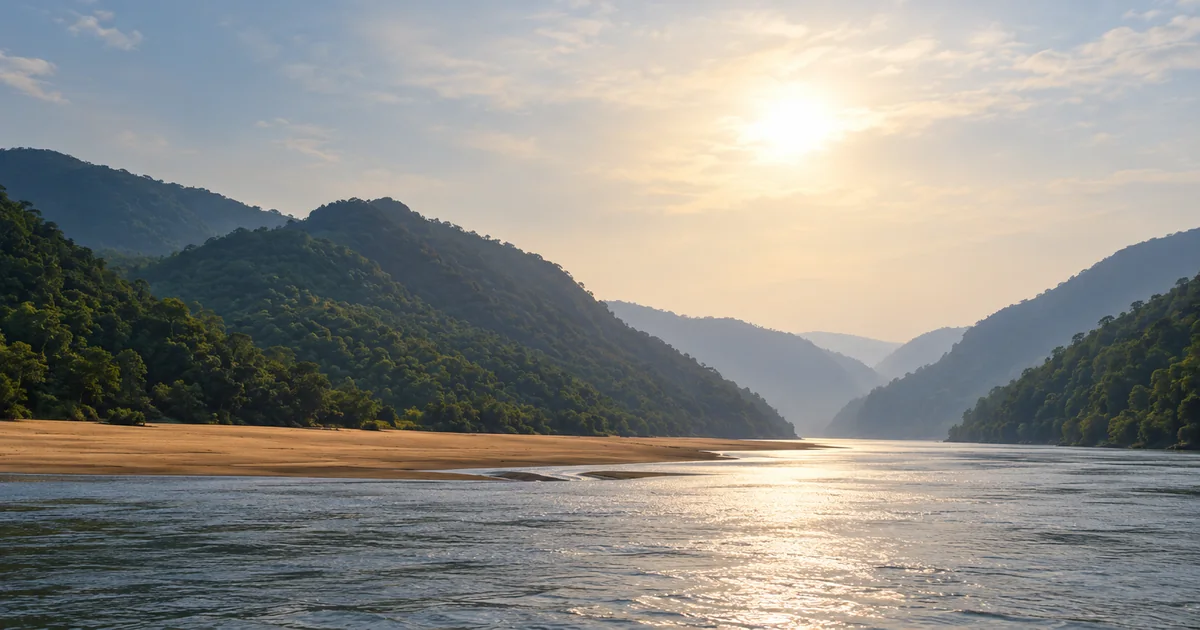
Planning a wilderness expedition to Tikarpada Wildlife Sanctuary introduces travelers to the dramatic heart of central Odisha riverine ecology. Situated along the northern banks of the mighty Mahanadi River in Angul district, this sanctuary forms the classic conservation anchor of the 22-kilometer Satkosia Gorge. While southern banks host glamping at Satkosia Tiger Reserve, Tikarpada offers the historic Gharial Crocodile Project, peaceful sandbar camping, and tranquil gorge riverboat cruises.
Whether you travel to observe critically endangered gharials, organize your tikarpada safari booking, cruise past towering hill canyons, or stay in riverside eco-tents, this comprehensive visitor guide covers verified schedules, tariffs, boating guidelines, and road routes verified via the Eco Tour Odisha Portal and Odisha Tourism Official Directory.
Key Takeaways
- Pioneer Crocodile Sanctuary: Home to India’s pioneer Gharial Research and Conservation Unit (GRACU), founded in 1975 to preserve freshwater crocodiles.
- Mahanadi Gorge Gateway: Serves as the prime northern bank entry point for 45-minute guided boat cruises through the deep 22-kilometer Satkosia Gorge.
- Eco-Tourism Camps: Features riverside tented cottages at Tikarpada Nature Camp and nearby forest retreats at Labangi and Chhotkei starting from ₹3,000 per night.
- Visiting Hours and Fees: Open daily from 6:00 AM to 5:00 PM with an entry fee of ₹40 per visitor collected at the Purunakote forest checkpoint.
- Smooth Transit: Situated 58 kilometers south of Angul railway station and roughly 160 kilometers from Bhubaneswar via National Highway 55.
Overview and Wilderness Geography of Tikarpada
Tikarpada Wildlife Sanctuary occupies a unique position in eastern India’s conservation landscape. Where the Mahanadi River carves a dramatic trench through the Eastern Ghats, the reserve protects dense woodlands and rich freshwater ecosystems. It attracts birdwatchers, wildlife enthusiasts, nature lovers, and families. The surrounding hills rise abruptly from the riverbed, creating a sheer canyon landscape.
The sanctuary represents the northern sector of the greater Satkosia protected area. While administrative boundaries have evolved under the Satkosia Tiger Reserve framework, the Tikarpada name remains synonymous with riverine wildlife, gharial recovery, and community-led eco-tourism.
The Northern Bank Gateway to Satkosia Gorge
Geographically, the Mahanadi acts as a massive physical barrier dividing the Satkosia ecosystem into northern and southern sectors. Tikarpada controls access to the northern bank within Angul district. There is no direct bridge connecting Tikarpada to Badmul on the southern bank; driving between them requires a 110-kilometer detour via Athmallik or Nayagarh.
This geographic separation gives Tikarpada a distinctly peaceful, self-contained wilderness character. Travelers visiting Angul can cross-reference our complete Angul district travel guide to explore the industrial and ecological crossroads connecting this forest hub to regional cities.
Landscape Dynamics of the Mahanadi River Canyon
The river gorge at Tikarpada narrows to approximately 100 meters in width during dry seasons, while river depths plummet to over 30 meters in sunken rock fissures. Enormous sandbars emerge along the inner bends between October and May, creating vital sunning zones for basking reptiles.
Surrounding ridgelines reach elevations exceeding 600 meters above sea level. Dense stands of sal, bamboo, asan, and terminalia carpet the steep ravines, moderating seasonal air currents and maintaining a cooler microclimate across the river valley.
Biodiversity Profile of the Deciduous River Valley
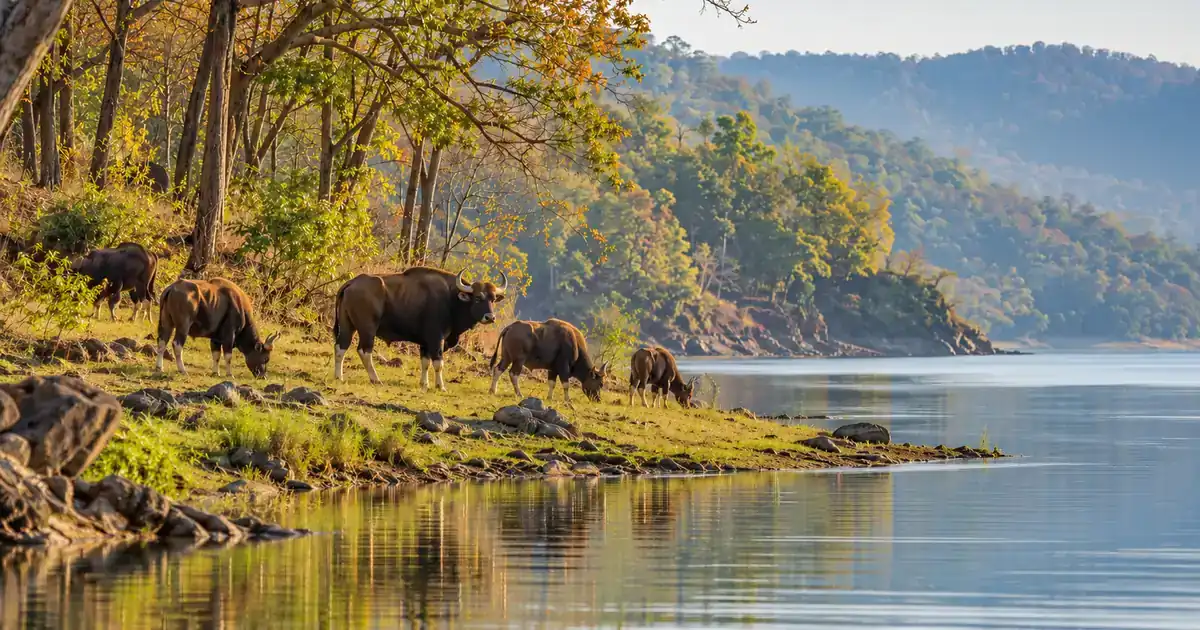
The terrestrial forests buffering Tikarpada shelter rich mammal populations. Herds of Asian elephants move along seasonal migratory paths crossing the gorge between Angul and Nayagarh. Sambar, spotted deer, barking deer, and wild boars graze along forest glades, supporting apex predators like leopards and occasional visiting tigers.
The river itself functions as an irreplaceable biological artery. Fresh mountain currents sustain massive freshwater fish species, including the endangered Tor putitora (golden mahseer), providing rich prey for fish eagles, river otters, and crocodilians.
| Parameter | Sanctuary Specification | Visitor Significance |
|---|---|---|
| Location & Bank | Northern Bank of Mahanadi River | Direct access via Angul district |
| Geographic Landmark | 22 km Satkosia River Gorge | Sheer Eastern Ghat canyon landscape |
| Pioneer Project | Gharial Research Unit (Est. 1975) | Oldest gharial breeding station in India |
| Sanctuary Timings | 06:00 AM to 05:00 PM Daily | Day-visitor entry window |
| Entry Checkpoint | Purunakote Forest Gate | Mandatory checkpost for permits and fees |
| Night Lodging | EcoTour Odisha Tents & Cottages | Online bookings via ecotourodisha.com |
The Gharial Research and Conservation Unit (GRACU)
A visit to Tikarpada centers on its landmark crocodile breeding and research station. During the early 1970s, unregulated poaching and commercial river netting reduced wild gharial populations across the Mahanadi River to near-extinction levels. In response, the Government of Odisha established the Gharial Research and Conservation Unit (GRACU) at Tikarpada in 1975 with United Nations Development Programme (UNDP) technical support.
The project became a milestone in global herpetology. Field biologists gathered fertile wild eggs from vulnerable sandbars, incubated them under controlled hatchery conditions, and reared hatchlings in protected stone pools until they grew large enough to survive wild release.
Pioneering Crocodile Conservation since 1975
Over the past five decades, the Tikarpada breeding station has successfully released hundreds of captive-reared juvenile gharials into the deep pools of the Satkosia Gorge. This steady reintroduction has restored a wild breeding population of gharials to the Mahanadi, representing one of the few places in India where wild breeding occurs outside the Chambal basin.
Visitors touring the facility can inspect large demonstration ponds housing mature breeding pairs, intermediate rearing tanks, and interpretation galleries displaying preserved specimens and photographic archives documenting five decades of conservation field work.
Gharial vs Mugger Crocodile Habitats
The interpretation center teaches visitors to distinguish between the two crocodilian species coexisting in the Mahanadi River. The gharial (Gavialis gangeticus) features a characteristic elongated, slender snout equipped with interlocking razor-sharp teeth specialized for catching fish. Gharials are entirely fish-eating and pose no predatory threat to humans.
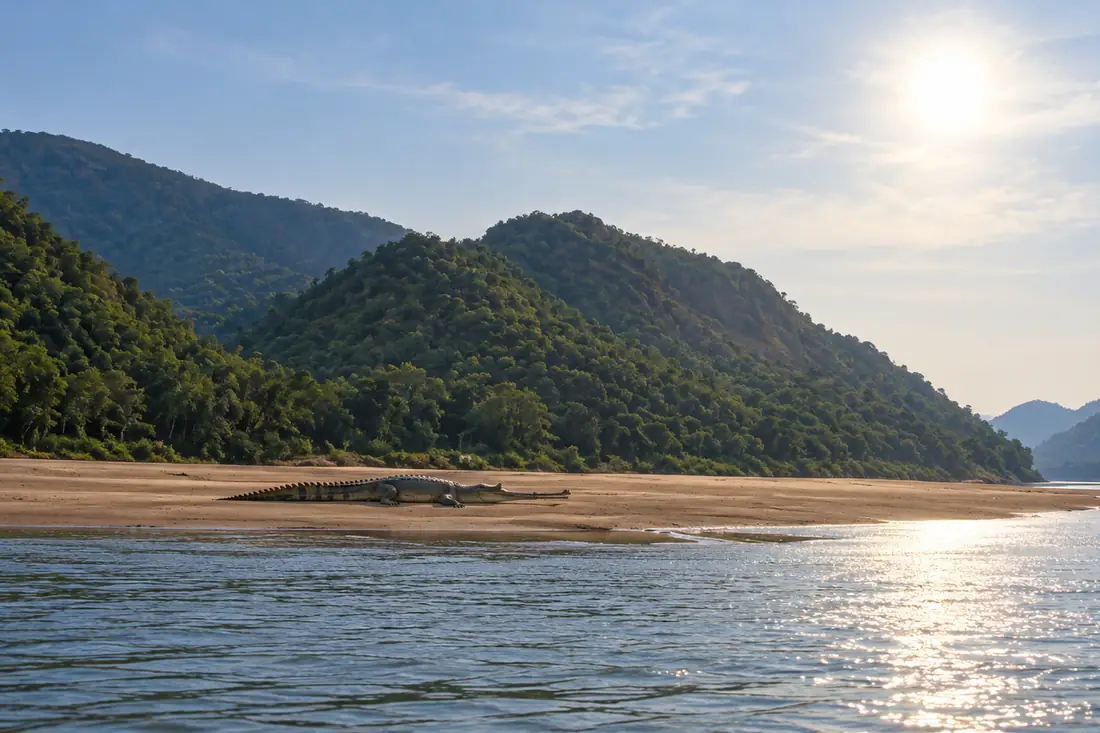
In contrast, the mugger or marsh crocodile (Crocodylus palustris) possesses a broad, blunt snout. Muggers are versatile opportunistic predators that hunt fish, waterbirds, and small mammals along the riverbanks. Both species share the sandbars during winter months, basking side by side in harmony. Comparing tikarpada vs bhitarkanika highlights how freshwater river canyons contrast with coastal mangrove deltas.
[!NOTE] Unlike the estuarine saltwater crocodiles found in Bhitarkanika National Park, the crocodiles at Tikarpada are strictly freshwater specialists. The gharial cannot survive in saline coastal waters, making the clean waters of the Mahanadi gorge essential for its survival.
Breeding Station Timings and Visitor Guidelines
The interpretation center and breeding station are open daily from 6:00 AM to 5:00 PM. Official crocodile breeding center timings run concurrently with sanctuary entry. Entry to the center is covered under the general sanctuary entry fee paid at the Purunakote checkpoint. Dedicated forest naturalists are on hand to conduct educational walk-throughs for visiting school groups, researchers, and family travelers.
Visitors must refrain from teasing the reptiles or leaning over protective barrier railings. Feeding the captive crocodiles or throwing foreign objects into the pools is strictly forbidden under wildlife protection statutes.
Boating in Satkosia Gorge and Riverine Wildlife Sightings
Cruising the quiet waters of the Satkosia Gorge by boat represents the highlight of a Tikarpada itinerary. Authorized 45-minute to one-hour riverboat tours operate directly from the Tikarpada riverside jetty. Skilled local boatmen steer motorized crafts equipped with quiet outboard motors, gliding along the base of steep canyon walls.
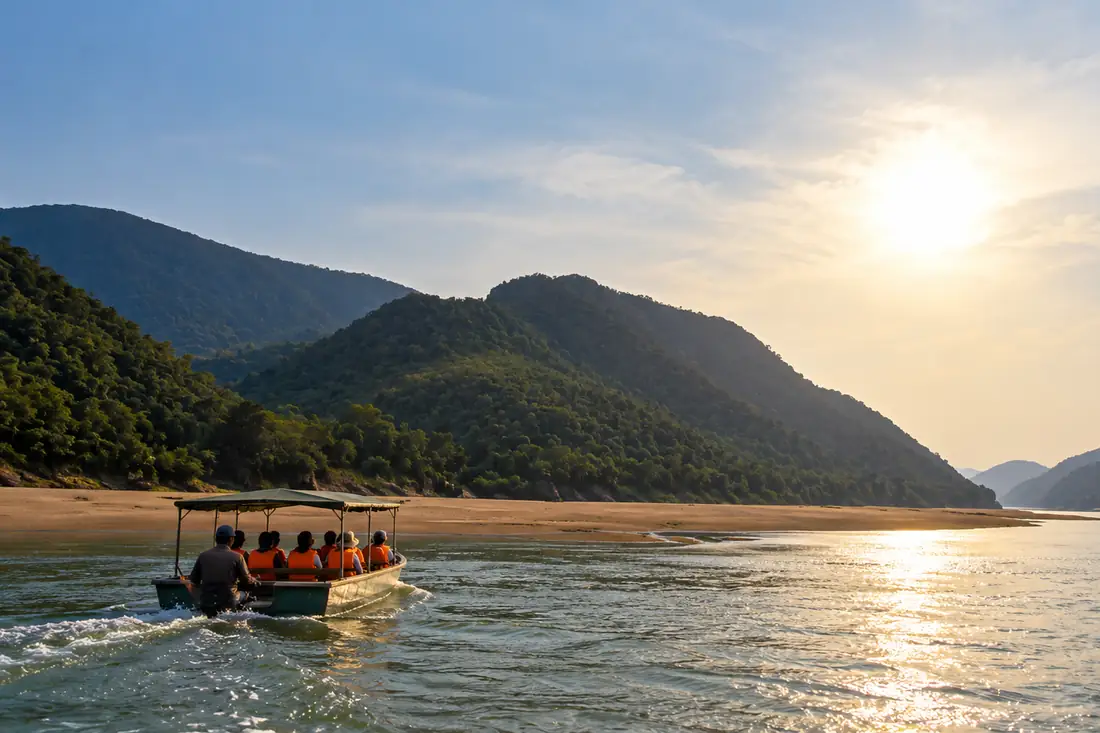
The dramatic scenery changes with every river bend. Massive rock cliffs draped in hanging vines rise vertically from the waterline, while peaceful sandbars stretch across calm backwater bays.
Gorge Boat Cruise Operations and Rates
Authorized boat cruises operate under strict forest department supervision. Every passenger must wear an approved life jacket before boarding, and boats maintain safe distances from basking wildlife to avoid stress or acoustic disturbance.
Standard boat tours accommodate up to 8 passengers per boat. Current tikarpada boating charges are fixed at approximately ₹1,600 per boat for a 45-minute cruise. Solo travelers and small couples can often share boat costs with other waiting visitors at the jetty counter. Boating operations typically run from 7:00 AM until 4:30 PM, weather and water currents permitting.
Sandbar Wildlife and Avian Encounters
During the winter months from November through February, boat passengers frequently enjoy extraordinary reptile encounters. Gharials and mugger crocodiles stretch out on warm sandbars, keeping their jaws agape to regulate body temperature. Because boats approach quietly from the water side, visitors can capture detailed telephoto photographs of the reptiles in natural poses.
The river banks also teem with birdlife. Black-bellied terns, river lapwings, great thick-knees, and Indian skimmers forage along the gravel bars. White-bellied sea eagles often perch on dead tree branches above the gorge, scanning the clear depths for surfaced fish.
River Current Hazards and Swimming Bans
While the Mahanadi River appears placid on the surface, underwater currents inside the gorge are treacherous. Deep underwater whirlpools, submerged rock ledges, and powerful seasonal undertows make river swimming strictly prohibited along all banks.
[!WARNING]
- Swimming or wading into deep river waters is strictly prohibited along the entire Tikarpada riverfront.
- Always wear a securely fastened life vest throughout the duration of riverboat cruises.
- Never approach basking crocodiles on foot along exposed sandbars.
- Obey instructions from certified boat operators and forest department eco-guards at all times.
Tikarpada Nature Camp: Riverside Tents, Tariffs, and Booking
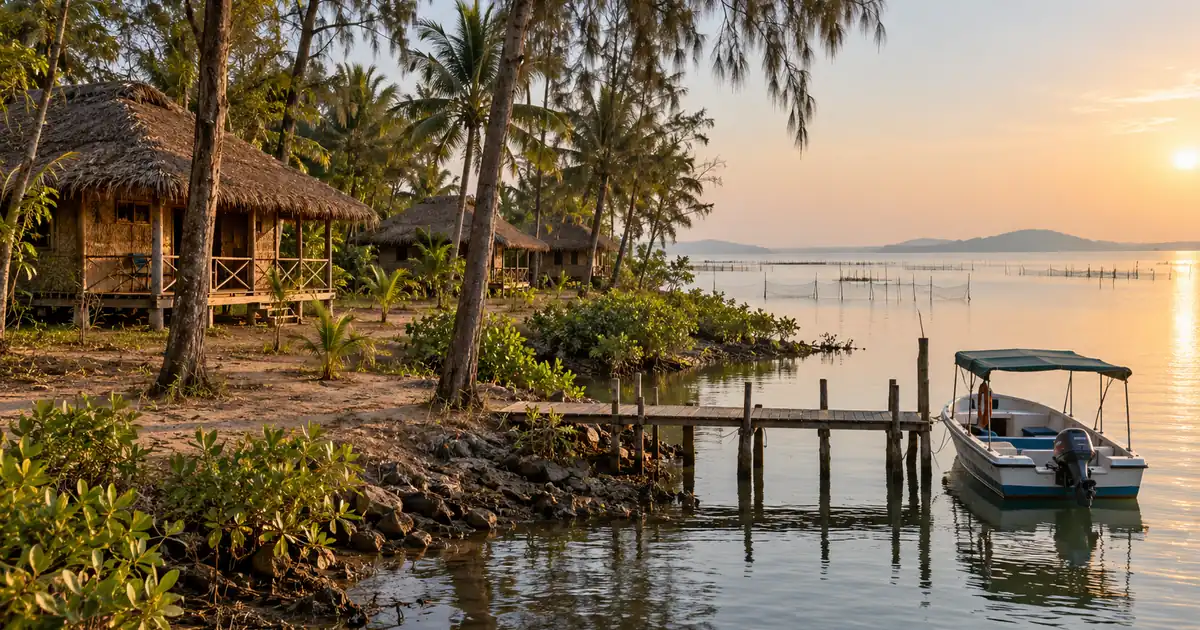
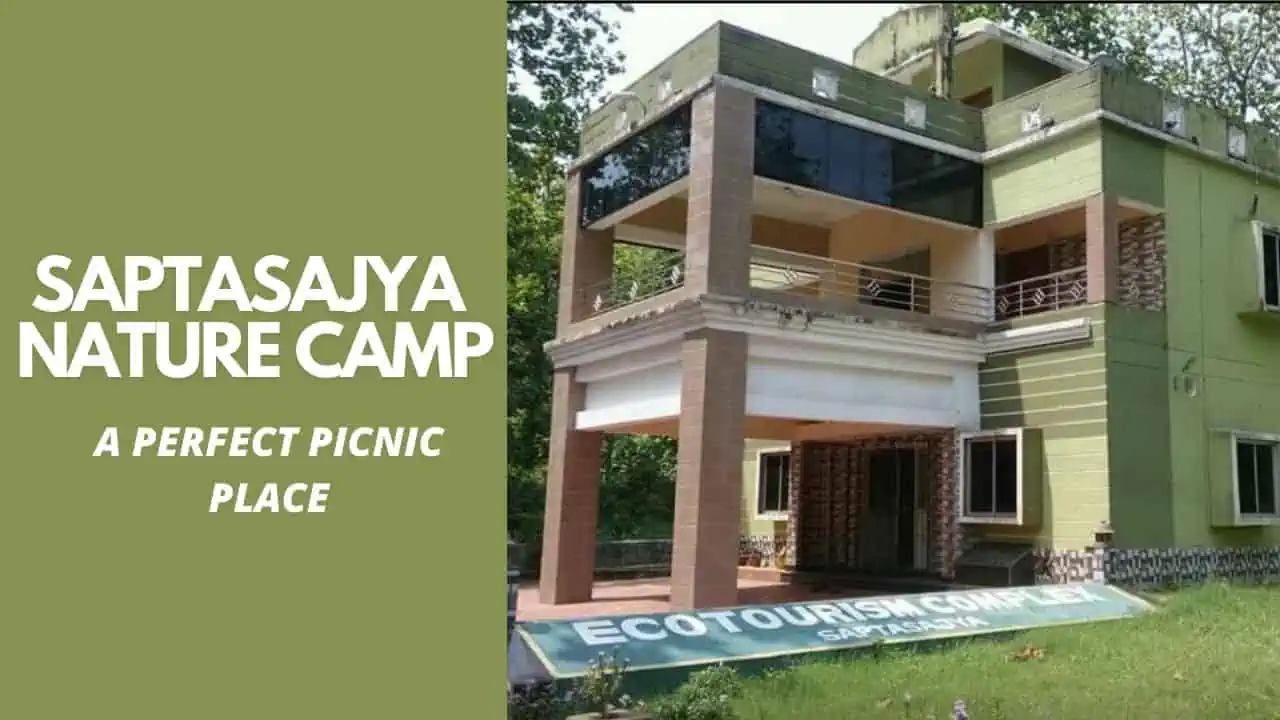
For travelers seeking an immersive night under the stars, Tikarpada Nature Camp provides peaceful tented accommodations right on the riverbank. Managed by community members through the state eco-tourism society, the camp allows guests to fall asleep to the gentle lapping of river currents and the distant calls of nightjars.
The property features luxury canvas tents mounted on raised concrete plinths. Tents include comfortable twin beds, clean linens, ceiling fans, electricity points, and attached private bathrooms with modern sanitary ware.
Tented Wilderness Cottages on River Sandbars
The camp layout places tents facing directly toward the wide river sandbars and forested gorge cliffs. Private verandahs equipped with cane chairs allow guests to enjoy morning coffee while watching dawn mist rise over the water. Reservations are handled directly on the ecotourodisha portal.
To compare Tikarpada with other nature camps across the state, travelers can review our curated guide to eco-tourism nature camps across Odisha for comparative pricing, locations, and seasonal operating schedules.
Room Tariffs and EcoTour Odisha Reservation Flow
The official tikarpada nature camp booking price is structured on an affordable full-board package:
- Non-AC Luxury Tents: Approximately ₹3,000 to ₹3,100 per night for double occupancy.
- AC Luxury Tents: Approximately ₹4,000 per night for double occupancy.
- Inclusions: Accommodation, evening snacks with tea, buffet dinner (vegetarian), breakfast, and traditional Odia lunch (with non-vegetarian options).
- Extra Guest / Child: Approximately ₹1,000 to ₹1,500 per additional guest including meals.
- Check-in / Check-out: Check-in is at 12:00 Noon; check-out is at 10:00 AM.
[!TIP] Online reservations must be made in advance through the official portal at
ecotourodisha.com. Download and print your booking permit before leaving Angul, as cellular data coverage can be intermittent in deep forest valleys.
Camp Activities: Campfires and Guided Jungle Treks
In the evenings, camp staff arrange a communal campfire on the open sandbar, where guests gather under star-filled skies to hear local folklore and conservation stories. The low light pollution makes Tikarpada an exceptional destination for amateur astrophotography.
In the mornings, experienced local guides lead guided jungle nature walks through the buffer forests surrounding the camp. Guides help visitors spot hornbills, giant squirrels, and diverse medicinal flora while interpreting animal tracks imprinted on river sand.
Exploring Nearby Eco-Camps: Labangi, Chhotkei, and Purunakote
Travelers planning an extended stay in the northern Satkosia circuit can combine their visit to Tikarpada with neighboring eco-tourism destinations. Within a 25-kilometer radius, the forest division operates two distinct wilderness retreats that cater to varied travel preferences.
These companion retreats allow visitors to experience dense highland sal canopies in addition to the riverine habitats found at Tikarpada.
Labangi Nature Camp and Canopy Trails
Situated roughly 22 kilometers northwest of Tikarpada along the road toward Athmallik, Labangi Nature Camp is situated deep inside a dense sal and bamboo forest valley. Unlike the open riverfront setting of Tikarpada, Labangi offers an intimate jungle retreat surrounded by towering forest canopies.
Labangi features comfortable cottages and treehouse-style viewing towers where guests can watch wild herbivores visit natural forest salt licks at dusk. It serves as an ideal base for avid birdwatchers and trekkers seeking quiet forest trails.
Chhotkei Eco Camp: Hill Vistas and Village Tourism
Located approximately 14 kilometers north of Tikarpada near the Purunakote range headquarters, Chhotkei Eco Camp is perched atop a scenic hilltop overlooking rolling wooded ridges. Chhotkei was developed as a flagship community-based eco-tourism project, managed entirely by local tribal villagers.
Chhotkei features charming mud-walled cottages with modern interior amenities, offering sweeping valley views. The camp specializes in village cultural tours, guided mountain biking trails, and night machan stays for wildlife observation.
| Eco Retreat | Setting | Accommodations | Key Activity |
|---|---|---|---|
| Tikarpada Nature Camp | Mahanadi Riverbank / Sandbars | Non-AC & AC Canvas Tents | Gorge boat cruises & crocodile center |
| Labangi Nature Camp | Deep Interior Sal Forest | Wooden Cottages & Watchtower | Canopy birding & salt lick wildlife viewing |
| Chhotkei Eco Camp | Elevated Hilltop Ridge | Tribal Mud Cottages & Cottages | Mountain biking & tribal village immersion |
Tikarpada vs Badmul: Comparing the Satkosia Banks
First-time travelers frequently evaluate tikarpada vs badmul when deciding where to book. Understanding the satkosia north bank vs south bank division prevents navigation mistakes. Both locations feature the spectacular 22-kilometer river gorge, but cater to slightly different visitor profiles.
Tikarpada in Angul focuses heavily on educational wildlife conservation, crocodile research, and authentic rustic tent camping on natural sandbars. Badmul in Nayagarh, home to Satkosia Sands Resort and the seasonal Eco Retreat, offers luxury glamping, water sports, and wider sandy beaches. Visiting both banks across separate journeys reveals the full breadth of the Satkosia ecosystem.
How to Reach Tikarpada, Transit Directions, and Travel Tips
Reaching Tikarpada Wildlife Sanctuary is convenient by road from major cities in Odisha. The sanctuary functions smoothly as an adventurous weekend road trip from Bhubaneswar or Cuttack, as well as a scenic retreat for travelers touring western circuits like Debrigarh Wildlife Sanctuary and Similipal Tiger Reserve.
Roads leading through the buffer forest from Angul town are well-maintained asphalt highways that pass through rolling sal woodlands and rural villages. The official tikarpada entry fee of ₹40 per head is paid upon entering the Purunakote checkpost.
Road Driving Routes from Angul and Bhubaneswar
Travelers planning how to reach tikarpada from bhubaneswar drive west along National Highway 55 via Dhenkanal and reach Angul town in approximately 3 to 3.5 hours (120 km). From Angul town, take the southward district highway toward Purunakote for 38 kilometers.
At Purunakote forest village, motorists report to the purunakote forest checkpoint, present permits or pay day-entry fees, and continue south for the final 20 kilometers through scenic forested ghat roads directly to the Tikarpada riverfront. The entire 160-kilometer journey from Bhubaneswar takes roughly 4.5 to 5 hours by personal car or private taxi.
| Origin City | Distance | Route | Typical Travel Time |
|---|---|---|---|
| Angul Town | 58 km | Via Purunakote Forest Road | 1.5 hours (Car / Taxi) |
| Dhenkanal | 120 km | Via NH 55 and Angul | 3 hours (Car) |
| Bhubaneswar | 160 km | Via NH 55 through Cuttack & Angul | 4.5 hours (Car) |
| Cuttack | 145 km | Via NH 55 through Choudwar & Angul | 4 hours (Car) |
| Sambalpur | 160 km | Via NH 55 through Rairakhol & Angul | 4 hours (Car) |
Rail Connections via Angul Railway Station
The nearest major railway hub is angul railway station (station code: ANGL), situated on the active Sambalpur to Bhubaneswar rail corridor. Express trains from across India stop at Angul daily.
From outside the railway station, travelers can hire private taxis directly to Tikarpada Nature Camp. Alternatively, regular rural buses connect Angul bus terminus to Purunakote, from where local shared auto-rickshaws run onward to Tikarpada.
Best Season to Visit and Forest Entry Checkpoints
The best time to visit tikarpada spans from November through March. Daily tikarpada timings for day entry remain 6:00 AM to 5:00 PM throughout the season. During these winter months, daytime temperatures hover pleasantly between 16°C and 28°C with crisp morning breezes and clear skies, providing ideal conditions for riverboat cruises and open-air sandbar camping.
Summer between April and June brings intense inland heat with daytime temperatures exceeding 42°C. During the monsoon season from July to October, heavy upstream rainfall swells the Mahanadi, submerging sandbars and causing temporary suspensions of riverboat operations.
Travelers exploring regional outdoor destinations can also consult our statewide guide to waterfalls across Odisha to coordinate multi-day nature excursions.
Frequently Asked Questions (FAQs)
What are the visiting hours of Tikarpada Wildlife Sanctuary?
Tikarpada Wildlife Sanctuary and the Gharial Crocodile Conservation Unit remain open to visitors daily from 6:00 AM to 5:00 PM. Day visitors must report to the Purunakote forest checkpoint during daylight hours before proceeding to the riverfront.
How can I book tent stays at Tikarpada Nature Camp?
Night stay tents at Tikarpada Nature Camp must be booked online through the official Eco Tour Odisha portal at ecotourodisha.com. Tariffs range from ₹3,000 to ₹4,000 per night for double occupancy, inclusive of all three meals and guided nature walks.
What is the entry fee for the sanctuary?
The sanctuary charges a standard day-visitor entry fee of ₹40 per person collected at the Purunakote forest entry gate. Children under eight years of age enter free, while authorized riverboat tours cost approximately ₹1,600 per boat for up to 8 passengers.
How far is the reserve from Angul and Bhubaneswar?
Tikarpada is situated 58 kilometers south of Angul town via the scenic Purunakote forest road, taking roughly 1.5 hours by car. From Bhubaneswar, the total road distance is approximately 160 kilometers, requiring around 4.5 hours of travel along National Highway 55.
What is the difference between Tikarpada and Badmul in Satkosia?
Tikarpada sits on the northern bank of the Mahanadi in Angul district and focuses on crocodile research and rustic riverside sandbar camping. Badmul sits on the southern bank in Nayagarh district and hosts luxury glamping at Satkosia Sands Resort and the annual Eco Retreat.
Are boat rides available along the Mahanadi River?
Yes, authorized 45-minute to one-hour guided riverboat tours operate daily from the Tikarpada riverside jetty through the Satkosia Gorge. Passengers must wear mandatory life jackets to observe wild basking crocodiles and waterbirds safely from the water.