Debrigarh Wildlife Sanctuary: Safari Booking & Visitor Guide
Explore Debrigarh Wildlife Sanctuary near Hirakud. Check safari timings, entry fees, nature camp booking tariffs, wildlife sightings, and road routes.
Planning a safari excursion to Debrigarh Wildlife Sanctuary introduces travelers to one of the most remarkable wilderness reserves in eastern India. Situated directly on the western banks of the immense Hirakud Reservoir, this protected forest shelters massive herds of Indian bison, elusive leopards, and thousands of migratory waterbirds. Along with sister reserves like Satkosia Tiger Reserve and Similipal Tiger Reserve, it anchors Odisha’s expanding eco-tourism network.
Travelers planning open-jeep jungle safaris, peaceful reservoir boat cruises, or tranquil overnight glamping in lake-facing eco-cottages can rely on this comprehensive guide. It provides verified timings, ticket tariffs, online booking procedures, and transit routes verified through the Eco Tour Odisha Portal and Odisha Tourism Official Directory.
Key Takeaways
- Rich Biodiversity: Spans 353 square kilometers along the Barapahar mountain range, harboring one of the highest densities of wild Indian bison (gaur) in India.
- Lakeside Ecology: Directly borders the vast backwaters of Hirakud Reservoir, enabling rare combinations of jungle jeep drives and solar boat safaris.
- Four Safari Windows: Daily 2.5-hour safari slots commence at 06:15 AM, 09:00 AM, 11:45 AM, and 02:45 PM through Zeropoint Gate.
- Affordable Tariffs: General adult entry is ₹40, with private safari vehicle hire starting from ₹2,100 upwards via official government booking.
- Overnight Nature Camps: Well-appointed eco-cottages at Debrigarh and Barkhandia provide all-inclusive stays starting from ₹5,000 per night.
Overview and Ecological Setting of Debrigarh Wildlife Sanctuary
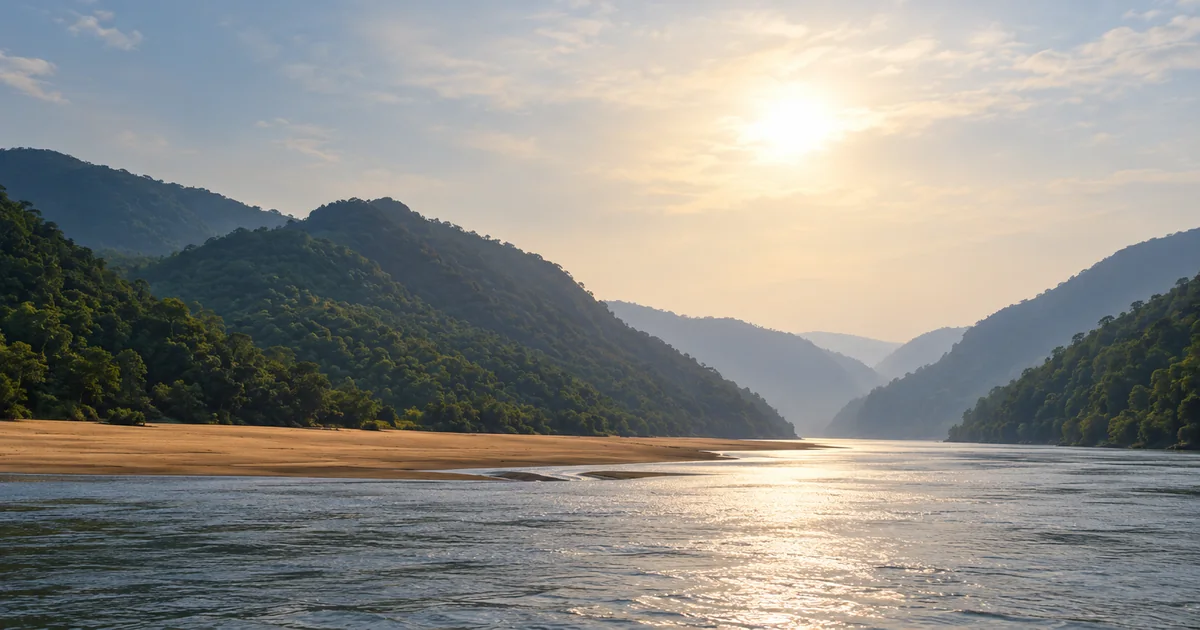
Debrigarh Wildlife Sanctuary represents a crucial ecological corridor in western Odisha. The protected sanctuary stretches across 353 square kilometers of rugged terrain, cloaked primarily in dry deciduous sal and mixed teak forests. Its northern and eastern boundaries embrace the vast aquatic expanses of the Hirakud freshwater reservoir, creating a dynamic land-water ecotone.
The reserve was officially declared a wildlife sanctuary in 1985 to preserve its fragile hill ecosystems and protect vital catchments. The presence of perennial water sources along the lake fringe guarantees plentiful forage, supporting herbivore herds even during dry summer months.
A Forest Sanctuary on the Shores of Hirakud
The juxtaposition of dense woodland and expansive freshwater backwaters makes Debrigarh visually stunning. Unlike inland forest tracts where animals scatter across dense foliage, wildlife here frequently congregates along the open lakeshore to drink and graze.
Travelers exploring the nearby engineering marvel can cross-reference our complete Hirakud Dam visitor guide to understand how the reservoir shapes regional ecology and recreation. The lake margin offers spectacular sunrise and sunset vistas, with misty waters framed by dark mountain profiles.
Dual-District Geography: Sambalpur and Bargarh
Administratively, Debrigarh spans both Sambalpur and Bargarh districts under the unified management of the Hirakud Wildlife Division. Travelers exploring the northern gates generally access the sanctuary from Sambalpur through Burla, while southern approaches link directly into Bargarh district.
To understand how the sanctuary integrates into local district tourism, visitors can consult our detailed guide to Sambalpur district as well as our comprehensive Bargarh district overview. Both districts provide vital road, rail, and hospitality infrastructure for wilderness visitors.
Conservation Milestones and Eco-Tourism Growth
Over recent decades, community-managed eco-tourism has transformed wildlife protection around Debrigarh. Forest fringe villages actively participate as safari drivers, eco-guides, and camp staff, drastically reducing poaching and illegal logging.
The sanctuary has received national acclaim for zero-litter policies and controlled vehicle quotas. Strict speed limits and designated trail networks minimize wildlife disturbance while providing guests with dependable animal encounters.
| Parameter | Sanctuary Specification | Traveler Relevance |
|---|---|---|
| Total Protected Area | 353.75 Square Kilometers | Extensive dry deciduous wilderness |
| Geographic Range | Barapahar Hills & Hirakud Lake Fringe | Diverse hill and wetland topography |
| Administrative Zone | Hirakud Wildlife Division | Managed jointly across Sambalpur & Bargarh |
| Primary Entry Gate | Zeropoint Checkpost (near Dhodrokusum) | Official ticket counter and safari origin |
| Day Visitor Closing | 03:30 PM (Sanctum gates lock at dusk) | Strict reporting deadline for day-trippers |
| Official Booking | Eco Tour Odisha Portal (ecotourodisha.com) | Mandatory portal for cottage reservations |
Wildlife Highlights: Indian Bison, Predators, and Avian Richness
Debrigarh is celebrated among zoologists and wildlife photographers for extraordinary animal visibility. The dry deciduous canopy sheds leaves by late winter, dramatically opening forest sightlines for safari passengers. Animals congregate near shoreline meadows, presenting unobstructed photographic moments.
The reserve supports healthy predator-prey ratios. Well-managed waterholes and salt licks maintained by the forest department ensure consistent animal movements along designated safari loops.
The Thriving Gaur Population of Barapahar
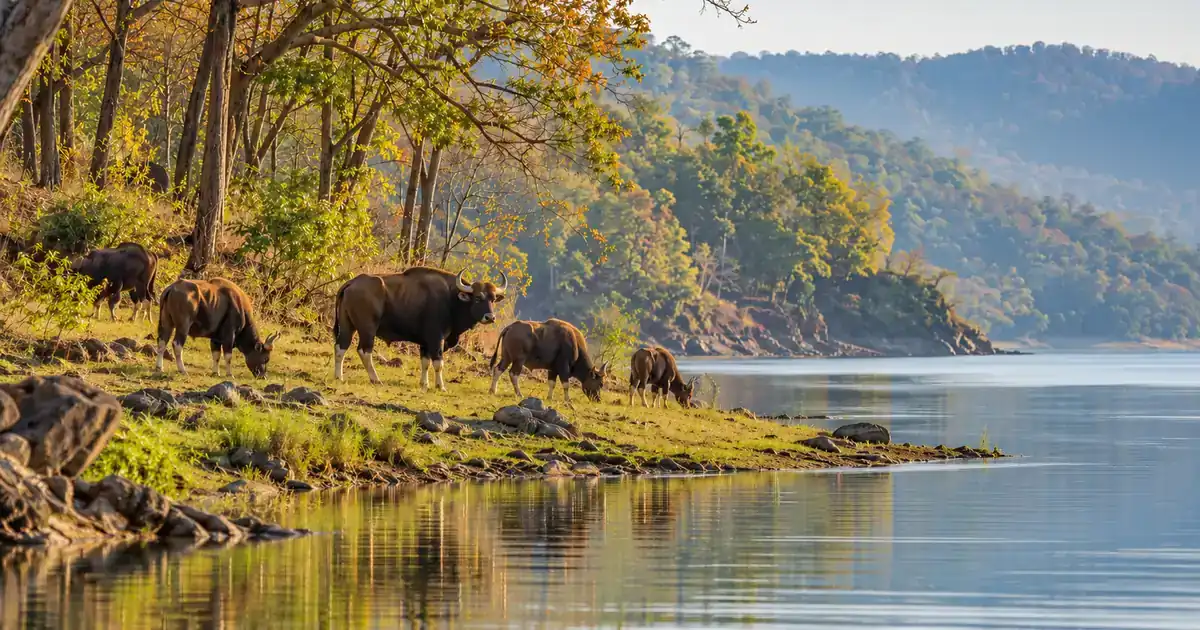
The crowning glory of Debrigarh is its massive population of Indian bison (Bos gaurus). Over 400 gaur roam freely across the sanctuary, representing one of the densest and healthiest herds in central-eastern India. Adults frequently weigh over a ton, yet move with surprising grace through steep boulder fields.
Safari vehicles routinely encounter large bison family groups grazing peacefully in open forest glades. Calves stay close to protective mothers, while massive dominant bulls with curved horns patrol the perimeter.
Predators and Forest Herbivores
In addition to wild bison, Debrigarh harbors an impressive guild of terrestrial predators. Leopards frequently patrol the rocky hill slopes, while sloth bears forage for termites along forest clearings. Indian wild dogs (dholes), striped hyenas, and golden jackals maintain predatory pressure across the valleys.
Herbivores thrive in great abundance throughout the sal tracts. Large herds of spotted deer (chital) and sambar deer graze alongside four-horned antelopes (chousingha), barking deer, and wild boars. Langurs and rhesus macaques keep watch from the treetops, sounding sharp alarm calls when predators emerge.
Wetland Avifauna along Hirakud Water Margins
The interface with Hirakud Reservoir transforms Debrigarh into a vital birdwatching destination. During winter months, more than 200 species of resident and migratory waterfowl descend upon the calm bays. Flocks of bar-headed geese, northern pintails, red-crested pochards, and common teals congregate in shallow feeding zones.
Raptors including white-bellied sea eagles, osprey, and crested serpent eagles soar overhead, hunting fish and waterfowl. In the marshy coves, large mugger crocodiles bask on sandbars, warming themselves in bright winter sunshine.
| Species Group | Prominent Animals Present | Optimal Viewing Time |
|---|---|---|
| Mega Herbivores | Indian Bison (Gaur), Sambar, Spotted Deer | Early morning (Slot 1) & Late afternoon (Slot 4) |
| Carnivores | Leopard, Sloth Bear, Hyena, Jungle Cat | Twilight hours along forested hill tracks |
| Aquatic Reptiles | Mugger Crocodile, Indian Flapshell Turtle | Midday sunning on lake sandbars |
| Migratory Birds | Bar-headed Goose, Pintail, Crested Grebe | November to February along Hirakud margin |
Jungle Safari Slots, Tariffs, and Booking Guidelines
Experiencing the interior core of Debrigarh requires booking an authorized forest safari vehicle. Self-driving private cars into the wildlife zone is strictly prohibited to safeguard animal behaviors and prevent off-track damage. All tourist drives depart from the Zeropoint entry gate under the escort of a certified forest eco-guide.
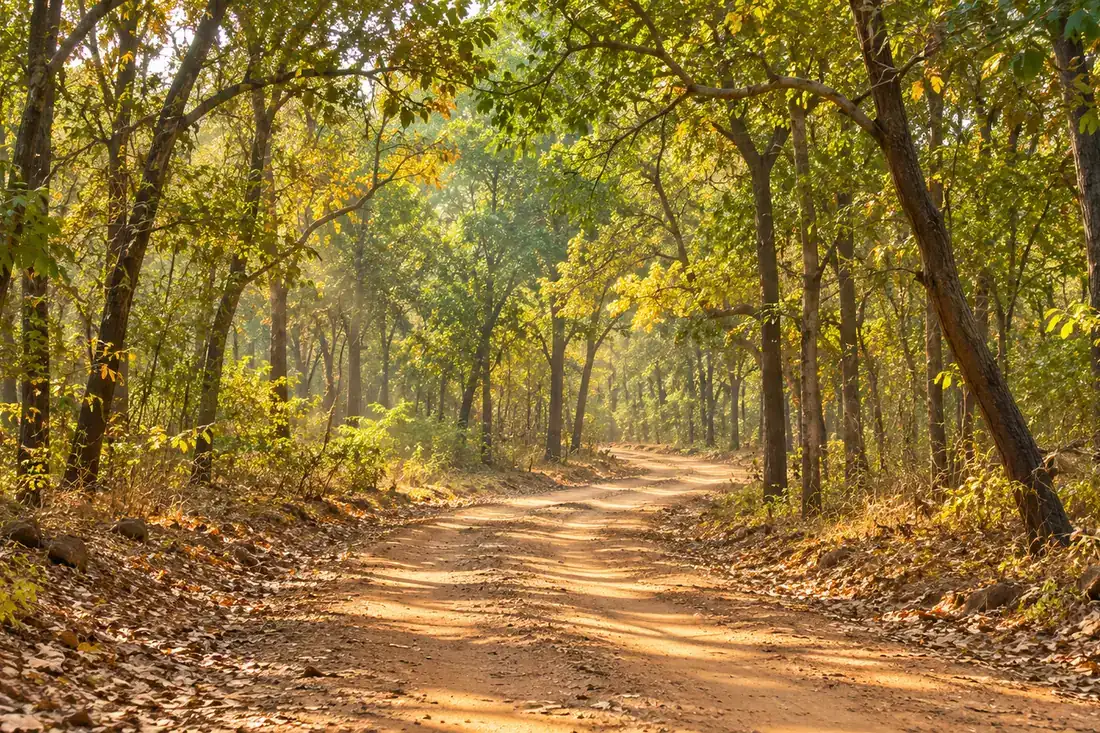
Safaris run on strict schedules to distribute visitor traffic evenly across the day. Each safari drive lasts roughly 2.5 hours, covering designated forest tracks, lakeshore watchtowers, and natural waterholes.
Daily Safari Slot Schedule and Timings
The forest department operates four distinct safari slots daily. The first morning slot captures early wildlife activity as nocturnal animals retreat and herbivores emerge to graze. The final afternoon slot offers golden-hour photography and stunning sunset vistas over Hirakud lake.
[!TIP] Book Slot 1 (06:15 AM) or Slot 4 (02:45 PM) for the highest animal encounter probabilities. Wildlife activity drops noticeably during midday hours when temperatures rise and herds seek deep forest shade.
- Slot 1 (Early Morning): 06:15 AM to 08:45 AM (Prime gaur and birdwatching window)
- Slot 2 (Mid-Morning): 09:00 AM to 11:30 AM (Comfortable winter excursion)
- Slot 3 (Mid-Day): 11:45 AM to 02:15 PM (Scenic landscape and reservoir views)
- Slot 4 (Afternoon Sunset): 02:45 PM to 05:15 PM (High wildlife movement toward shoreline)
Vehicle Tariffs and Group Booking Rules
Unlike shared city transit, Debrigarh operates on a whole-vehicle booking model. Individual per-seat reservations are not permitted. Travelers or private groups must reserve an entire authorized safari vehicle for their chosen time window.
Vehicle options range from rugged 4-seater open Mahindra Thars to larger 12-seater covered vehicles suitable for extended family groups. Standard safari vehicle tariffs begin around ₹2,100 for 4-seater jeeps and scale up to ₹4,725 for larger vehicles. In addition to the vehicle charge, visitors pay a nominal sanctuary entry fee of ₹40 per adult at the Zeropoint gate counter, while children under eight enter free.
Debrigarh on Wheels Periphery Circuits and Boat Rides
For travelers seeking deeper regional exploration, the forest department offers specialized “Debrigarh on Wheels” extended safari packages. These guided circuits take visitors to peripheral historic shrines such as the ancient Kedarnath Temple and traditional weaver hamlets along the reservoir rim.
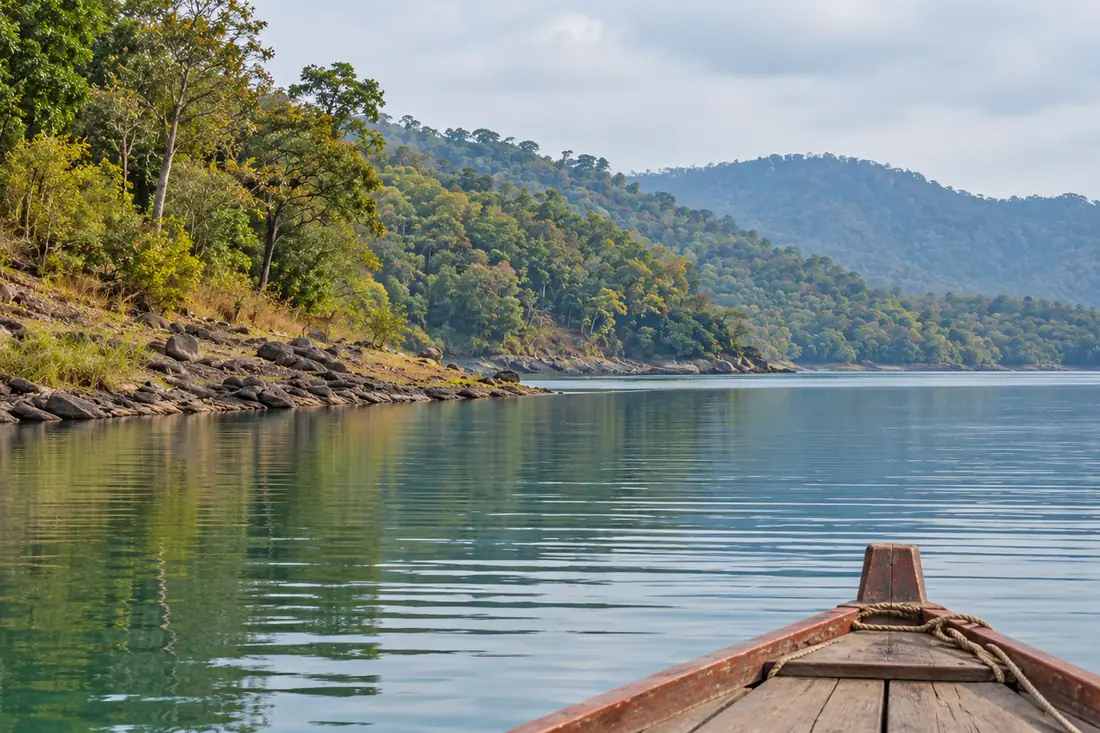
A specialized debrigarh boat cruise on solar-powered vessels is also managed by eco-tourism authorities departing from the lakeshore jetty. Gliding noiselessly across calm reservoir bays, these vessels allow birdwatchers and photographers to approach waterfowl and basking crocodiles without disturbing sensitive wetland habitats.
Debrigarh Nature Camp and Overnight Cottage Stays
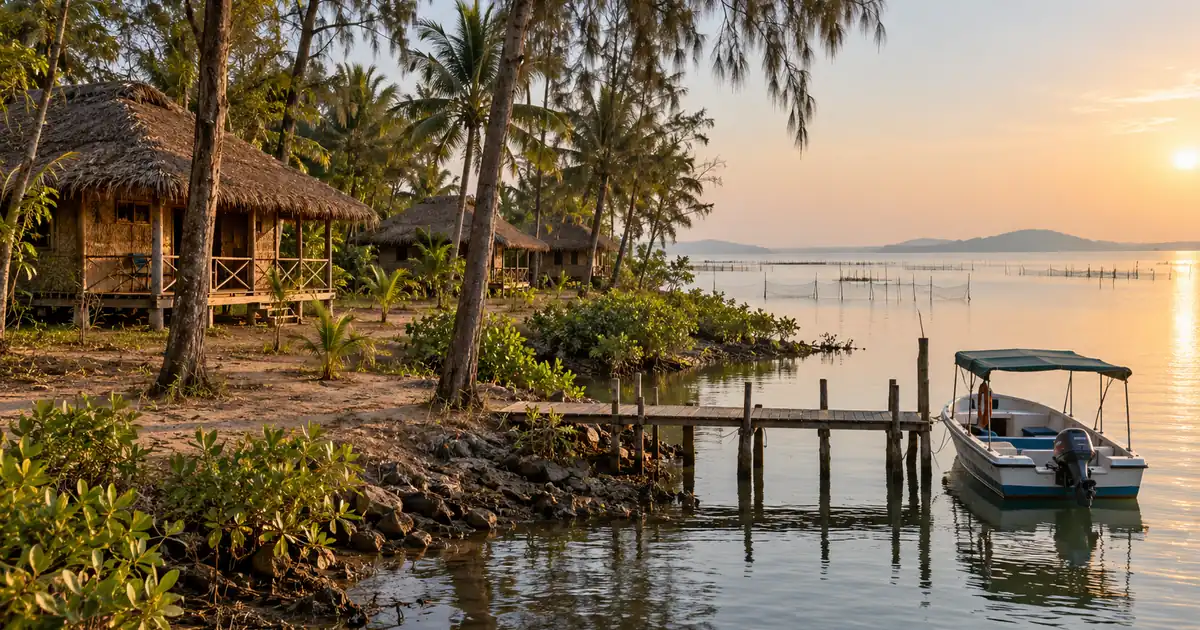
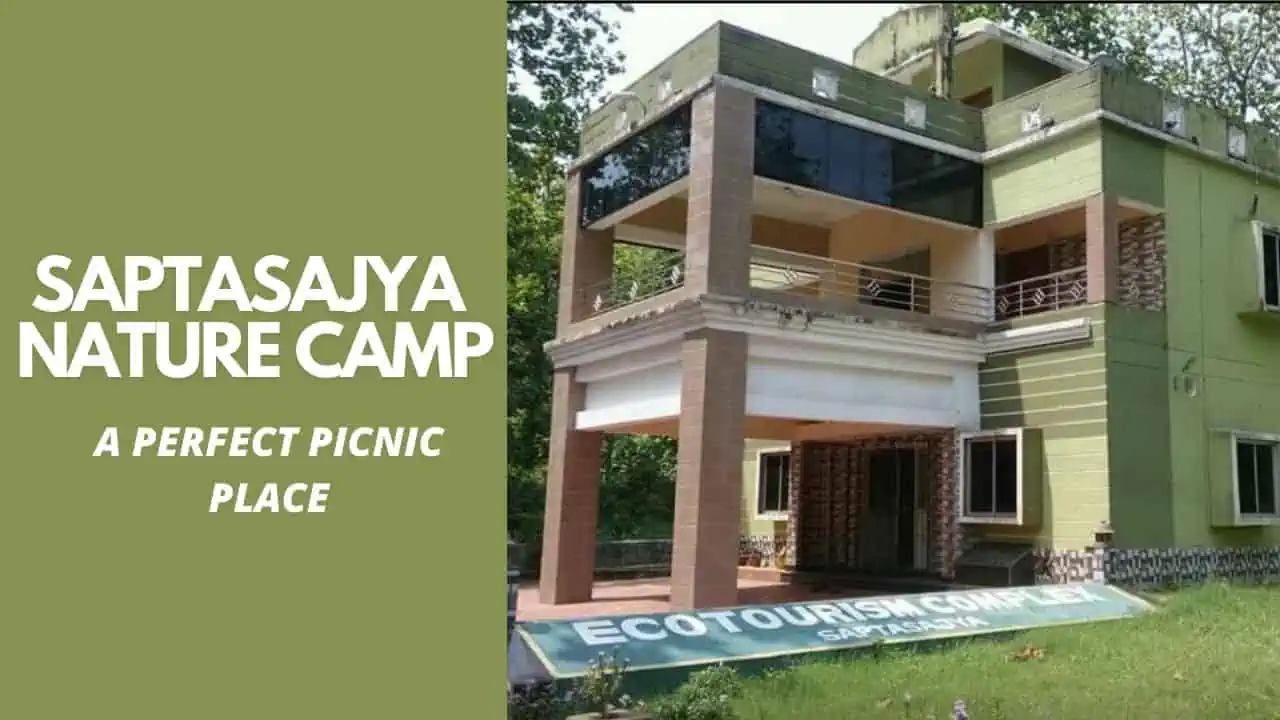
Staying overnight inside Debrigarh represents the pinnacle of Odisha wilderness hospitality. The forest department manages eco-cottages at Debrigarh Nature Camp and nearby Barkhandia (Dhodrokusum), situated right against the forested lakeshore. Guests wake to the calls of peacocks and watch mist rise over Hirakud waters from their private verandahs.
The cottages blend sustainable architecture with modern comfort. Units feature spacious bedrooms, attached western bathrooms, running hot water, air conditioning, and solar electricity backups.
Lakefront Cottages at Debrigarh and Barkhandia
Accommodations are situated to maximize privacy and scenic views. Spacious cottages feature large picture windows framing the reservoir and forested hills. Evenings are spent around communal dining halls where local tribal staff prepare freshly cooked Odia meals.
For broader trip planning across the state, travelers can review our comprehensive directory of the best nature camps across Odisha to contrast amenities, locations, and booking rules across government wilderness retreats.
[!NOTE] Overnight cottage bookings must be completed well in advance through the official Eco Tour Odisha portal. Peak holiday periods from November through January frequently sell out weeks ahead due to limited room inventories.
Room Tariffs and Online Reservation Protocol
Night stay tariffs at Debrigarh Nature Camp generally range from ₹5,000 to ₹6,500 per room for double occupancy. This comprehensive tariff covers the cottage accommodation, all three main meals (breakfast, lunch, and dinner), evening tea with snacks, and entry permissions.
To book, visit the official government website at ecotourodisha.com, navigate to the Hirakud Wildlife Division, select Debrigarh Nature Camp, pick your desired travel dates, and complete payment online. Confirmed digital permits must be presented at the forest entry checkpoint upon arrival.
Eco-Resort Amenities and Guest Code of Conduct
Guests staying at the nature camps enjoy complimentary guided nature walks led by local village eco-guides. These knowledgeable guides identify medicinal plants, interpret animal tracks, and reveal hidden forest lore.
To maintain the natural atmosphere of the sanctuary, guests must observe strict environmental discipline. Loud music, outdoor sound systems, and personal bonfires are prohibited. Plastic waste must be deposited into designated sorting bins, and walking outside camp boundaries after dark is forbidden for personal safety.
Historical Heritage: Veer Surendra Sai and Barapahar Hill Forts
Debrigarh is not merely an ecological preserve; it is sacred soil steeped in Odisha’s heroic struggle for independence. The rugged Barapahar mountain range and its secluded ravines provided natural fortresses for legendary freedom fighter Veer Surendra Sai during his rebellion against British colonial expansion.
Sai waged one of the longest guerrilla wars in Indian history from these rugged hills, defying imperial troops for decades. The impenetrable topography and sympathetic tribal communities allowed his forces to strike and disappear into the dense jungle.
Guerrilla Warfare in the Barapahar Ravines
During the 1850s, the Barapahar hills served as Sai’s central military headquarters. His fighters used camouflaged hilltop bastions to monitor British troop movements along the Mahanadi river valley. The dense sal forests and seasonal mountain springs sustained his guerrilla contingents during prolonged sieges.
Sai’s forces constructed defensive stone ramparts and secret granaries across secluded valleys. British forces launched multiple military expeditions into the Barapahar interior, but repeatedly suffered setbacks due to challenging terrain and fever-inducing jungle conditions.
Historic Cave Hideouts and Fortified Outposts
Several historic cave shelters used by Sai’s commanders remain preserved within the sanctuary boundaries. Deep inside the rocky escarpments, sites like the bhimamandali caves feature ancient rock shelters where warriors held strategic councils and stored black powder.
These rock shelters also preserve ancient prehistoric rock art, proving human habitation in the Barapahar hills millennia before colonial conflicts. Local forest guides point out these historic outposts during specialized heritage treks.
Cultural Trail Markers and Forest Shrines
Dotted across the sanctuary perimeter are ancient forest shrines dedicated to regional deities. The Debrigarh Shiva Temple, a modest stone shrine located near historic defensive redoubts, receives quiet offerings from local forest communities who revere Lord Shiva as the protector of the jungle.
Visiting these historic landmarks adds profound cultural depth to a wildlife vacation, bridging the gap between natural biodiversity and regional historical memory.
How to Reach Debrigarh, Transit Routes, and Regional Circuits
Debrigarh Wildlife Sanctuary enjoys excellent highway access from major cities in western Odisha. Located conveniently between Sambalpur and Bargarh, the reserve serves as an easy weekend getaway or a scenic stopover on statewide road journeys.
Visitors planning regional getaways can also inspect our curated guide to popular picnic spots near Sambalpur to discover scenic lakeside clearings and forest rest areas.
Driving Routes from Sambalpur and Bargarh
From Sambalpur city, the driving distance to the Zeropoint entry gate is approximately 40 kilometers. Travelers drive west across the Mahanadi bridge toward Burla, then follow the scenic Hirakud right dyke road northward directly into the forest perimeter. The asphalted dyke roadway provides sweeping vistas of the open lake on one side and agricultural plains on the other.
From Bargarh town, the sanctuary entrance lies roughly 45 kilometers to the northeast via Bhatli. The countryside road passes through verdant paddy fields and rural villages before connecting with the sanctuary approach road. Both routes are suitable for standard two-wheel-drive sedans and SUVs.
| Departure Point | Road Distance | Recommended Route | Typical Travel Time |
|---|---|---|---|
| Sambalpur City | 40 km | Via Burla & Hirakud Right Dyke Road | 1 hour (Car / Taxi) |
| Bargarh Town | 45 km | Via Bhatli approach road | 1 hour 15 minutes (Car) |
| Jharsuguda Airport | 90 km | Via NH 49 and Biju Expressway | 2 hours (Car) |
| Rourkela Steel City | 200 km | Via Biju Expressway & Sambalpur | 4 hours (Car) |
| Bhubaneswar Capital | 330 km | Via NH 55 through Angul & Sambalpur | 7 hours (Car / Train) |
Rail and Flight Gateways
The nearest commercial airport is Veer Surendra Sai Airport in Jharsuguda, located 90 kilometers away. Jharsuguda connects with major domestic airports including Kolkata, Delhi, Bengaluru, and Bhubaneswar. Rental cabs from the airport terminal reach Debrigarh within two hours.
For rail travelers, Sambalpur Junction (SBP) and Bargarh Road (BRGA) serve as primary railway hubs. Both stations receive daily express trains from Delhi, Mumbai, Kolkata, Chennai, and Hyderabad. Taxis and auto-rickshaws are readily available outside station exits.
Connecting Itineraries: Hirakud Dam and Western Odisha Hubs
A trip to Debrigarh pairs naturally with iconic regional attractions. After morning wildlife safaris, visitors can tour the Gandhi Minar and Nehru Minar observation towers at Hirakud Dam, offering bird’s-eye views over the world’s longest earthen reservoir.
Cultural travelers can continue onward to visit Maa Samaleswari Temple in Sambalpur or head south toward Bargarh to explore the Nrusinghanath pilgrimage circuit. The combination of wildlife safaris, historic fortresses, and religious shrines makes western Odisha a truly multifaceted vacation destination.
Frequently Asked Questions (FAQs)
What are the jungle safari timings at Debrigarh Wildlife Sanctuary?
Jungle safaris operate daily in four distinct 2.5-hour slots starting at 06:15 AM, 09:00 AM, 11:45 AM, and 02:45 PM. Visitors must report to the Zeropoint entry gate at least 30 minutes prior to their scheduled safari departure.
How much does a safari cost in Debrigarh?
Safari costs range from ₹2,100 to ₹4,725 per vehicle depending on whether you book a 4-seater open jeep or a larger 12-seater vehicle. In addition to vehicle charges, visitors pay a nominal entry fee of ₹40 per adult at the entry gate.
How do I book night stay cottages at Debrigarh Nature Camp?
Night stay cottages at Debrigarh and Barkhandia must be reserved online through the official Eco Tour Odisha portal at ecotourodisha.com. Room tariffs generally range from ₹5,000 to ₹6,500 per night, including all meals, guided walks, and entry permits.
Which wild animals can be spotted across the reserve?
Visitors frequently encounter large herds of wild Indian bison (gaur), spotted deer, sambar, wild boars, and four-horned antelopes. Elusive leopards, sloth bears, and mugger crocodiles also inhabit the reserve alongside over 200 resident and migratory bird species.
How far is the sanctuary from Sambalpur and Bargarh?
Debrigarh is located approximately 40 kilometers from Sambalpur via Burla and the Hirakud right dyke road. From Bargarh town, the sanctuary entrance is roughly 45 kilometers away via the Bhatli route.
Is private vehicle driving allowed inside Debrigarh Wildlife Sanctuary?
No, personal private vehicles are strictly prohibited from driving inside the core safari trails of Debrigarh. All visitors must board authorized forest department safari vehicles accompanied by certified eco-guides.