Kuldiha Wildlife Sanctuary Balasore: Safari & Visitor Guide
Explore Kuldiha Wildlife Sanctuary in Balasore with verified entry timings, safari permits, Rissia nature camp booking, route directions, and travel tips.
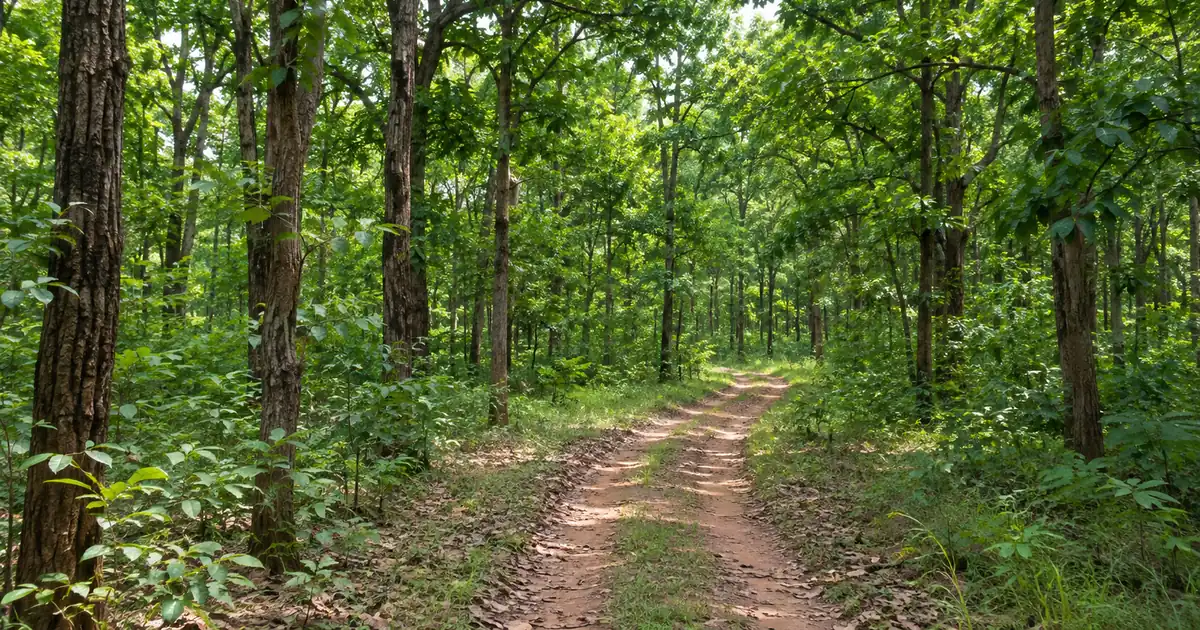
Kuldiha Wildlife Sanctuary in Balasore district is one of the most biodiverse forest landscapes in northeastern Odisha. Spanning roughly 272 square kilometers of mixed deciduous sal forest across the Nilgiri hills, this sanctuary forms a vital ecological corridor linking Similipal Tiger Reserve with the Hadgarh reserve. Travelers exploring coastal Odisha often combine beach holidays with a wildlife safari through this dense deciduous wilderness.
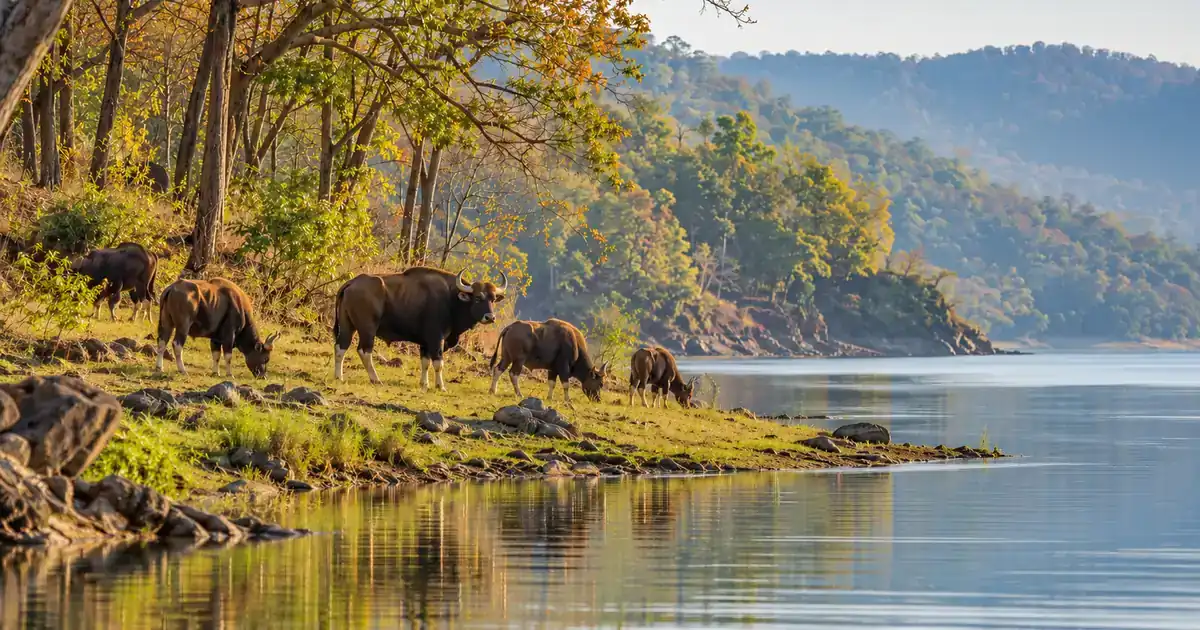
The forest serves as a safe habitat for Asian elephants, spotted deer, Indian bison, leopards, and the rare Malabar giant squirrel. Forest streams and quiet watering holes sustain dense groves of sal, asan, and bamboo. If you plan an adventurous day excursion or a restful night stay inside forest eco-cottages, Kuldiha offers an authentic jungle getaway.
Key Takeaways
- Location & Setting: Situated in Nilgiri block of Balasore district, approximately 55 km southwest of Balasore town.
- Entry Timings: Forest gates operate from 6:00 AM to 5:00 PM daily between November 1 and mid-June, closing during the monsoon season.
- Tariffs & Permits: Sanctuary entry costs ₹40 per visitor, vehicle entry is ₹100 to ₹200, and a mandatory forest guide costs ₹500 per vehicle.
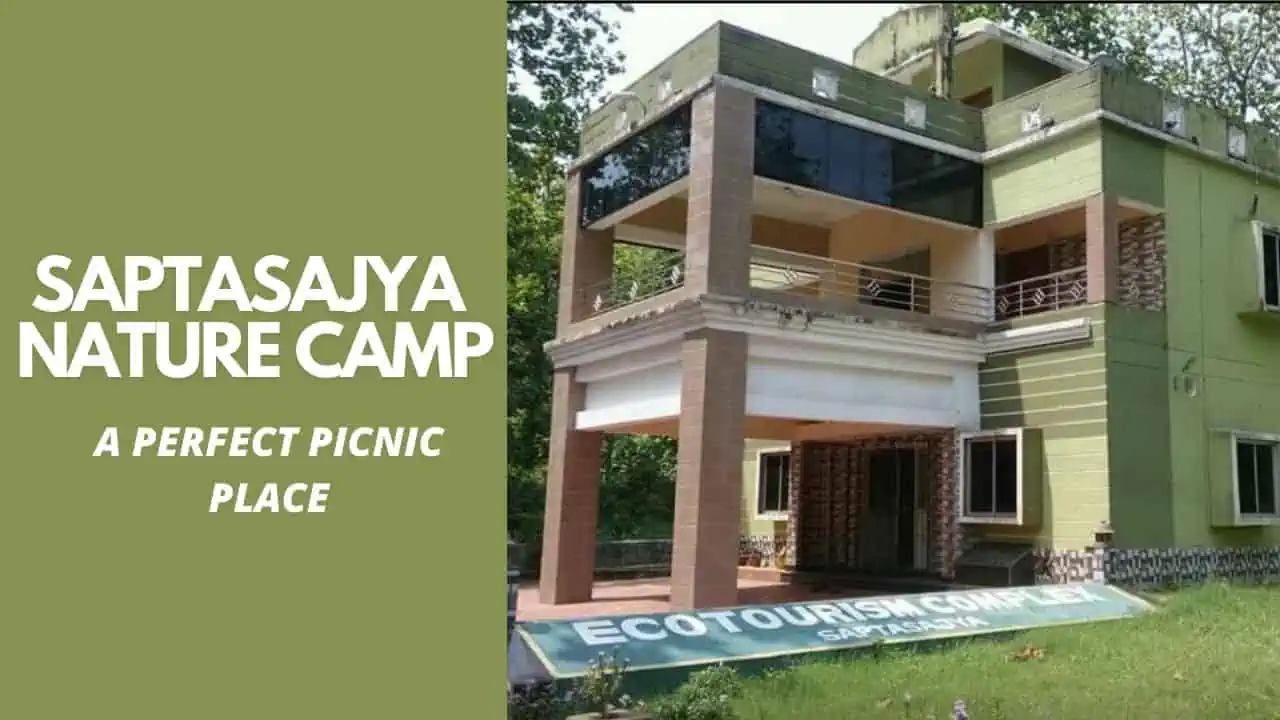
- Night Accommodation: Eco-cottages and deluxe tents are available at Rissia Nature Camp, bookable through the official state eco-tourism portal.
- Best Transit Access: Balasore railway station on the Howrah-Chennai mainline is the nearest rail hub, while Bhubaneswar airport sits 215 km south.
Kuldiha Wildlife Sanctuary at a Glance: Quick Timings, Fees & Key Facts
Kuldiha Wildlife Sanctuary offers a well-regulated forest excursion for wildlife enthusiasts, photographers, and nature lovers traveling across northern Odisha. The sanctuary is managed under the Balasore Wildlife Division, which enforces strict visitor safety and conservation regulations.
Planning your visit requires understanding check-post locations, entry permits, and season-specific regulations. The main gateway to the reserve is the Balianal forest check gate, accessible via the Nilgiri-Sajanagarh roadway.
| Parameter | Verified Details | Practical Notes |
|---|---|---|
| Sanctuary Area | 272.75 square kilometers | Mixed moist deciduous forest terrain |
| Nearest Town | Nilgiri (18 km), Balasore (55 km) | Paved state highway connects Nilgiri to NH-16 |
| Daily Entry Window | 6:00 AM to 5:00 PM | Gates strictly close before sunset |
| Entry Ticket | ₹40 per person per day | Paid on arrival at Balianal Forest Check Gate |
| Vehicle Permit | ₹100 (Car/SUV) to ₹200 (Commercial) | Private four-wheelers permitted with mandatory guide |
| Guide Fee | ₹500 per trip | Local eco-guide accompanies every visiting vehicle |
| Annual Closure | Mid-June to October 31 | Closed throughout heavy monsoon rains |
| Best Season | November to April | Crisp morning weather and high animal sighting frequency |
Quick Travel Highlights
The central attraction for visitors inside Kuldiha is the scenic wildlife safari route leading through dense sal stands to Gohirachhamana. This open grassland and natural water reservoir features an elevated forest watchtower. Animals gather at this salt lick and watering hole during early mornings and late afternoons.
Travelers staying in the area often combine Kuldiha with nearby heritage attractions. You can pair your jungle safari with a visit to Panchalingeswar Temple in Nilgiri, or head toward the coast to visit Chandipur Beach.
Visitor Suitability & Activity Profile
Kuldiha is ideal for travelers who enjoy uncommercialized, rustic wilderness. Birdwatchers will find over 150 resident and migratory bird species, including hornbills, peafowl, and kingfishers. Families with children will appreciate the open grasslands and forest watchtowers.
Trekking routes through designated buffer trails offer guided educational walks. Because the core reserve houses wild elephant herds, visitors must remain inside vehicles during safaris and heed all instructions from forest rangers.
Timings, Entry Tickets & Safari Booking Procedure
Entering the sanctuary requires securing permits at the official entry check post. Day visitors do not need prior online registration for general entry, but they must arrive during operational gate hours.
The official entry point is the balianal check gate kuldiha near Sajanagarh for your kuldiha safari booking. Forest officials record visitor identification, inspect vehicles, and assign designated local eco-guides before granting clearance.
Daily Schedule & Entry Windows
The sanctuary check post opens daily at 6:00 AM and stops issuing safari permits by 3:00 PM. All day visitors must exit the sanctuary by 5:00 PM. No private vehicles are permitted inside the reserve after dusk.
Morning safari drives between 6:30 AM and 9:30 AM offer the best conditions for spotting wildlife. Afternoon drives between 3:00 PM and 5:00 PM provide excellent light for photography around the water bodies.
Ticket Prices & Safari Permit Fees
Entry fees for the reserve remain affordable and are collected directly at the check gate:
- Adult Entry Fee: ₹40 per visitor per day
- Student / Child Fee: ₹20 per person (with valid institutional identification)
- Light Motor Vehicle Entry: ₹100 for private cars, jeeps, and SUVs
- Commercial Vehicle Entry: ₹200 per vehicle
- Still Camera Fee: ₹50 per camera unit
- Compulsory Forest Guide: ₹500 per vehicle per safari trip
[!NOTE] All entry tariffs are subject to government revision. Visitors should carry valid government identity cards, such as Aadhaar or passport, along with cash, as mobile network connectivity at forest gates can be intermittent.
Rissia Nature Camp Online Booking
Travelers who wish to spend the night inside Kuldiha must reserve accommodations at Rissia Nature Camp or Gohirabhola Nature Camp in advance. These eco-camps are managed under the official community-based eco-tourism initiative of Odisha.
Reservations must be completed through the official portal at Eco Tour Odisha. The property features comfortable canvas tents and stone cottages equipped with attached bathrooms, solar electricity, and dining facilities. Night stay packages include all meals, forest entry permits, and guided walking excursions along buffer trails.
What to See & Experience Inside Kuldiha Sanctuary
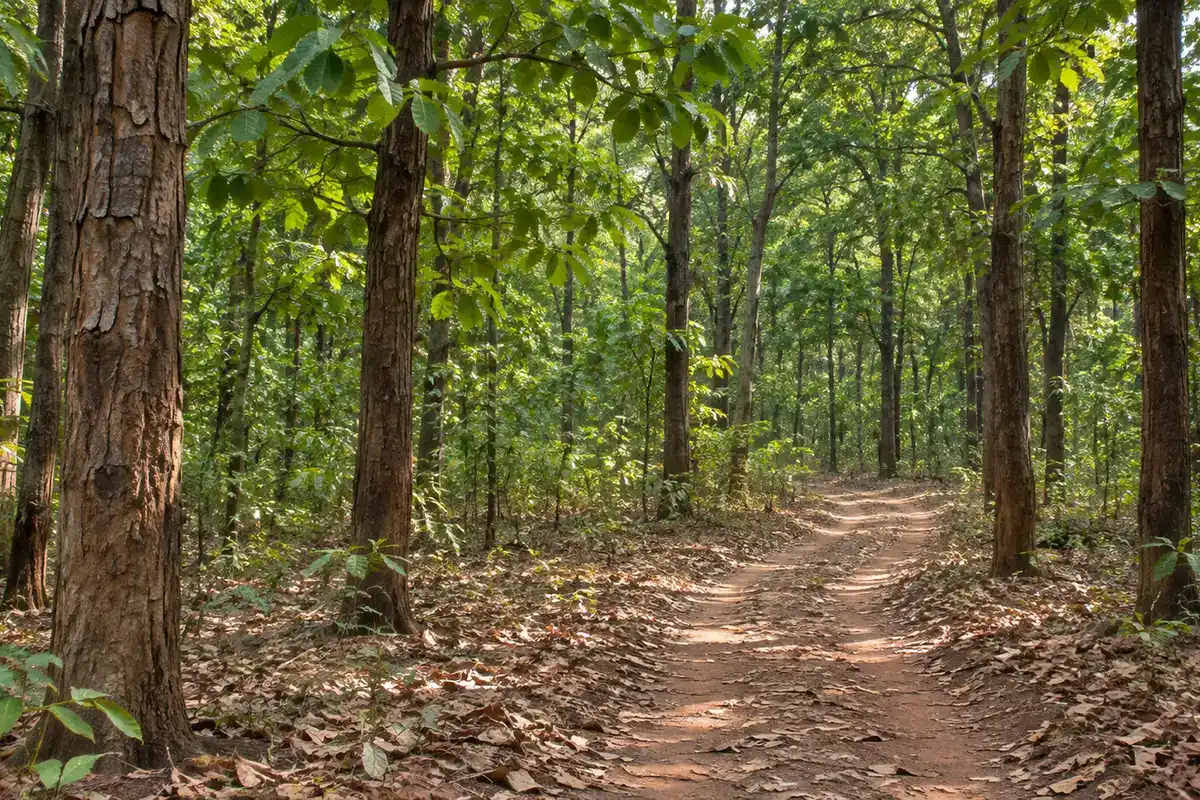
The landscape of Kuldiha features rolling hills, quiet streams, and secluded water bodies. Exploring the designated safari loops reveals diverse flora and fauna unique to the Eastern Highlands moist deciduous forests.
Planning your balasore to kuldiha forest road route by car allows travelers to encounter varied ecological niches while reviewing the best time to visit kuldiha sanctuary. Here are the prominent highlights you should experience during your visit.
1. Gohirachhamana Salt Lick & Watchtower
Gohirachhamana is the focal point of wildlife viewing in Kuldiha. This natural clearing contains an artificial salt lick and a perennial water reservoir created by the forest department to support wildlife during dry months.
An elevated wooden watchtower facilitates wildlife watching at gohirachhamana watch tower, providing a safe vantage point for photographers. Asian wild elephants frequently visit the salt lick in family herds during the late afternoon. Spotted deer, wild boars, and peafowl are regular visitors throughout the day.
2. Rissia Dam & Forest Reservoir
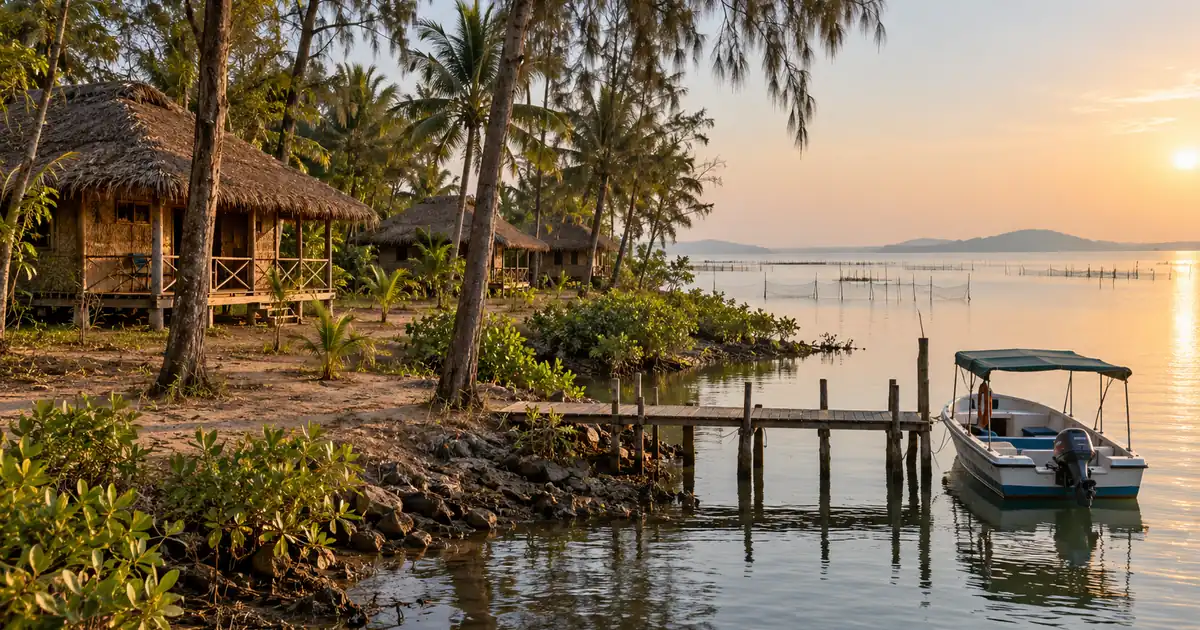
Located near the edge of the sanctuary, Rissia Dam is an expansive reservoir surrounded by forested hillocks. The tranquil waters reflect the dense green canopy of the Nilgiri hills.
During the winter months, migratory ducks, teals, and cormorants congregate along the reservoir shallows. The adjacent Rissia Nature Camp offers sweeping views of the sunrise across the water, making it a peaceful retreat away from city noise.
3. Rich Biodiversity & Elephant Corridor
Kuldiha plays a crucial role in regional elephant conservation. It is an integral component of the Mayurbhanj Elephant Reserve network, protecting an elephant corridor similipal to hadgarh via kuldiha.
In addition to elephants, the sanctuary is home to a thriving population of the Malabar giant squirrel. Visitors can spot these large, colorful tree squirrels leaping between high sal branches along the forest tracks, similar to wildlife sightings in Debrigarh Wildlife Sanctuary.
| Wildlife Category | Notable Species Documented | Best Viewing Spots |
|---|---|---|
| Mammals | Asian elephant, Indian gaur, leopard, spotted deer, barking deer, sambar, wild dog | Gohirachhamana salt lick, Chemchata waterhole |
| Canopy Dwellers | Malabar giant squirrel, rhesus macaque, common langur | Forest canopy along Balianal to Rissia road |
| Avian Life | Malabar pied hornbill, crested serpent eagle, Indian pitta, peafowl, emerald dove | Rissia reservoir, forest glades |
| Reptiles | King cobra, Indian rock python, monitor lizard | Rocky outcrops along perennial hill streams |
Best Time to Visit Kuldiha Wildlife Sanctuary
Seasonal weather patterns in northern Odisha directly influence animal movement and road conditions within Kuldiha. Planning your trip around the optimal seasonal window ensures comfortable daytime temperatures and rewarding safari drives.
The sanctuary experiences three distinct seasons: mild winter, warm summer, and torrential monsoon. Each season brings distinct conditions to the forest.
Winter Season (November to February)
Winter is widely regarded as the best season to explore Kuldiha. Daytime temperatures remain pleasant, ranging from 15°C to 26°C, while nights turn delightfully crisp.
The forest foliage remains lush following the monsoon rains, and seasonal streams flow steadily. Birdlife is at its peak with the arrival of migratory waterfowl at Rissia Dam. Because winter coincides with peak tourist season, booking Rissia Nature Camp well in advance is essential.
Summer Season (March to Mid-June)
March through May brings rising temperatures, often reaching 36°C to 40°C during midday hours. While the heat requires adequate hydration, early summer is exceptionally rewarding for big mammal sightings.
As seasonal forest streams dry up, animals gather reliably around the perennial waterholes and salt licks at Gohirachhamana. The deciduous trees shed their leaves, significantly improving visibility through the forest undergrowth.
[!WARNING] The wildlife sanctuary is completely closed to all tourists from mid-June through October 31 due to heavy monsoon rains and forest road washouts. Always confirm seasonal opening dates on official government channels before traveling.
How to Reach Kuldiha Wildlife Sanctuary
Reaching Kuldiha Wildlife Sanctuary is straightforward via Balasore, a prominent rail and commercial center on India’s eastern coast. Well-maintained national and state highways link the sanctuary to major cities across Odisha and neighboring West Bengal.
Whether you travel by train, private car, or flight, you can access the forest check gate via Nilgiri town.
Reaching by Train
Balasore Railway Station is the most convenient rail gateway, located roughly 55 km from the Balianal check gate. Balasore connects directly to Kolkata, Bhubaneswar, Cuttack, Puri, New Delhi, and Chennai via frequent express and superfast trains.
From Balasore railway station, you can hire private taxis or auto-rickshaws to Nilgiri and Sajanagarh. Taxis charge approximately ₹1,500 to ₹2,000 for a one-way transfer to the forest eco-cottages.
Reaching by Air
Biju Patnaik International Airport in Bhubaneswar is the nearest major airport, located approximately 215 km south. It operates daily flights connecting to major Indian metros, including New Delhi, Mumbai, Kolkata, Bengaluru, and Hyderabad.
Alternatively, Netaji Subhash Chandra Bose International Airport in Kolkata is about 260 km north. From either airport, travelers can take a direct train to Balasore or hire an outstation cab along NH-16.
Road Route & Driving Directions
Driving to Kuldiha offers scenic views of the coastal plains and rocky Nilgiri outcrops:
- From Balasore (55 km): Take the Balasore-Nilgiri road via Remuna, pass through Nilgiri town to Sajanagarh, and continue toward the Balianal Forest Check Gate.
- From Bhubaneswar (215 km): Drive north along National Highway 16 past Cuttack and Bhadrak to Sergarh toll plaza. Turn left toward Nilgiri and proceed to Sajanagarh.
- From Kolkata (260 km): Follow NH-16 south through Kharagpur and Jaleswar to Balasore, then branch toward Nilgiri.
Nearby Attractions & Travel Circuit Itineraries
A visit to Kuldiha can be easily combined with cultural, coastal, and heritage destinations across Balasore district travel hub. Structuring a multi-day itinerary allows you to experience the diverse facets of northeastern Odisha.
Here are the top attractions that form an ideal travel circuit alongside Kuldiha Wildlife Sanctuary.
Nilgiri Heritage & Cultural Landmarks
Nilgiri town, situated 18 km east of the sanctuary gate, is known for its historic Jagannath Temple and the royal Rajbati of the former Nilgiri princely state. The surrounding landscape features ancient tribal culture and scenic granite quarries.
You can also explore regional architecture in Balasore town, including the historic Emami Jagannath Temple with its beautiful Rajasthani sandstone craftsmanship and adjacent tranquil water tank.
Coastal Escapes: Chandipur & Balramgadi
Balasore features distinct coastal dynamics. Located roughly 65 km east of Kuldiha, Chandipur is world-famous for its vanishing sea phenomenon, where the tide recedes up to 5 kilometers twice a day.
Nearby, Balramgadi Beach marks the peaceful confluence of the Budhabalanga river with the Bay of Bengal, known for its active fishing harbor and red ghost crabs. Travelers interested in sacred heritage can visit Chandaneswar Shiva Temple along the northern border.
Suggested 2-Day Nature & Heritage Itinerary
To make the most of your excursion, consider this practical two-day travel plan:
- Day 1: Arrive at Balasore in the morning. Drive to Nilgiri and check in at Rissia Nature Camp inside Kuldiha. Undertake an afternoon wildlife safari to the Gohirachhamana watchtower. Enjoy dinner and stargazing at the forest camp.
- Day 2: Take an early morning nature walk along the buffer trails. Check out by 10:00 AM and drive to Panchalingeswar Temple for morning darshan. Proceed to Balasore town to view the Emami Jagannath Temple, and continue toward Chandipur Beach for sunset before your return journey.
Essential Visitor Rules & Ground Realities
Kuldiha is an ecologically sensitive wildlife reserve governed by the Wildlife Protection Act. Respecting forest regulations ensures personal safety and protects native fauna.
Here are practical rules and ground realities every traveler should know before setting out:
- Stay Inside Vehicles: Do not step out of your vehicle along forest roads except at designated watchtowers under guide supervision. Wild elephants can be dangerous if startled.
- Speed Limits & Honking: Maintain a strict vehicular speed limit of 20 km/h inside the sanctuary. Honking horns and loud music are strictly prohibited.
- Plastic & Waste: A strict plastic and liquor ban kuldiha forest regulation is enforced. Carry your trash back to town and avoid leaving non-biodegradable waste in the forest.
- Dress Appropriately: Wear muted earth-toned clothing like khaki, green, or brown. Avoid bright colors and strong perfumes that can agitate wildlife.
- Fuel & Supplies: Nilgiri is the last reliable point for fuel pumps, automated teller machines, and medical stores. Refuel your vehicle completely before entering the sanctuary.
- Official Guidance: Verify visitor guidelines and forest notices through the canonical portal of Odisha Tourism.
Frequently Asked Questions (FAQs)
What are the entry timings for Kuldiha Wildlife Sanctuary?
The sanctuary check gate opens daily from 6:00 AM to 5:00 PM between November and mid-June. Day visitors must complete entry procedures before 3:00 PM and exit the forest before sunset.
How much is the safari entry fee for Kuldiha sanctuary?
Sanctuary entry costs ₹40 per adult, while four-wheeler vehicle permits range from ₹100 to ₹200. Every visiting vehicle must hire a mandatory local forest guide for ₹500 per safari trip.
How to book a night stay at Rissia Nature Camp in Kuldiha?
Night accommodations at Rissia Nature Camp must be reserved online through the official state eco-tourism website at ecotourodisha.com. On-spot room bookings are not available inside the forest reserve.
Is Kuldiha Wildlife Sanctuary open during the monsoon season?
No, the reserve remains closed to all tourists from mid-June through October 31 every year. Heavy monsoon rains make forest tracks impassable and allow wildlife breeding without disturbance.
Which animals can you see in Kuldiha sanctuary Balasore?
Visitors frequently spot Asian wild elephants, spotted deer, wild boars, Indian gaur, and the Malabar giant squirrel. The Gohirachhamana salt lick and waterhole offer the most consistent mammal sightings.
What is the nearest railway station to Kuldiha Wildlife Sanctuary?
Balasore Railway Station is the nearest railhead, located approximately 55 km northeast of the sanctuary gate. Taxis and public transport connect Balasore station to Nilgiri and Sajanagarh.