Ghumareswar Temple Waterfall Nabarangpur: Travel Guide
Plan your trip to Ghumareswar Temple Waterfall in Nabarangpur. Check daily timings, entry fee, route via Chandahandi, and Shivaratri facts.
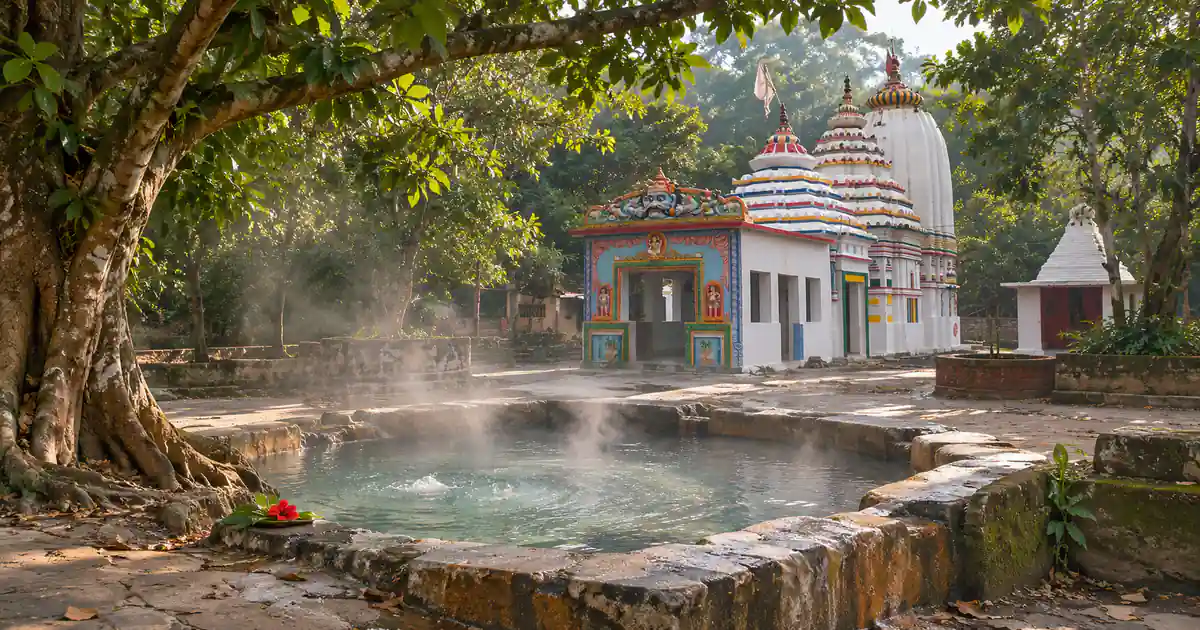
Ghumareswar Temple Waterfall Nabarangpur stands among the most revered pilgrimage cascades in southwestern Odisha. Located in the forested highlands of Chandahandi block near the Chhattisgarh and Kalahandi frontiers, this sacred mountain cataract flows past an ancient natural rock sanctum dedicated to Lord Shiva. Travelers touring southwestern Odisha frequently integrate this forest shrine into our comprehensive Nabarangpur district travel guide to explore tribal culture, maize valleys, and river reservoirs.
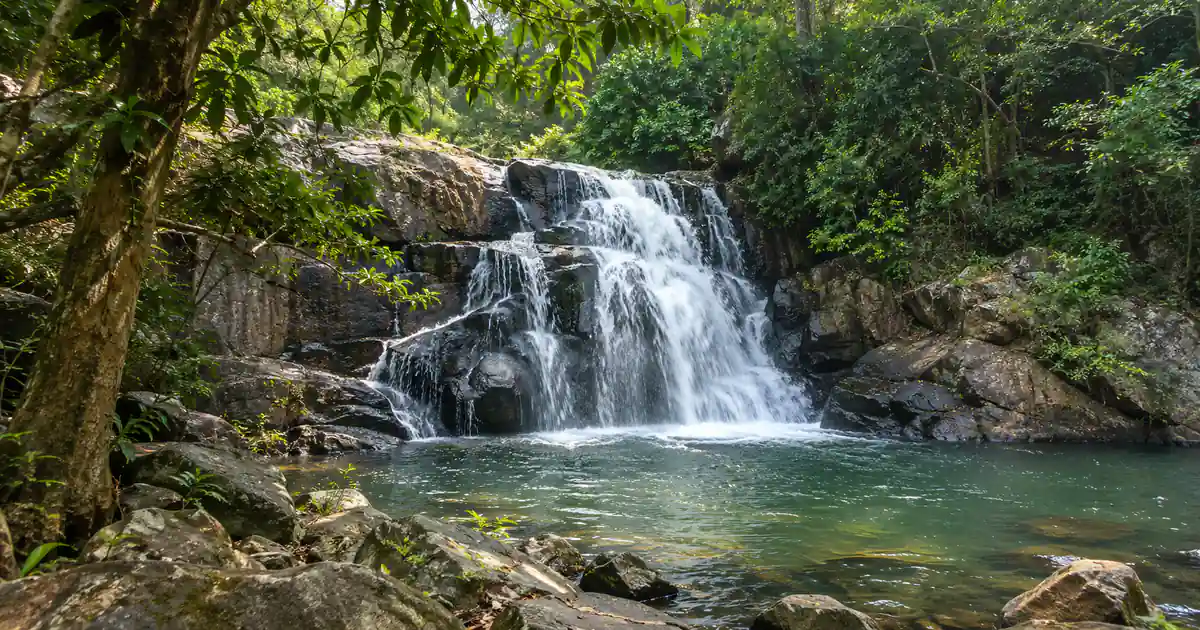
The natural setting combines roaring mountain waters with deep spiritual sanctity. Sheltered beneath colossal granite overhangs, the self-manifested Shiva lingam receives perpetual natural abhishekam from the cold hillside spring before the water tumbles downward into a rocky forest gorge.
Key Takeaways
- Sacred Rock Sanctum: Natural rock-sheltered shrine where a mountain torrent flows directly past the ancient lingam of Baba Ghumareswar.
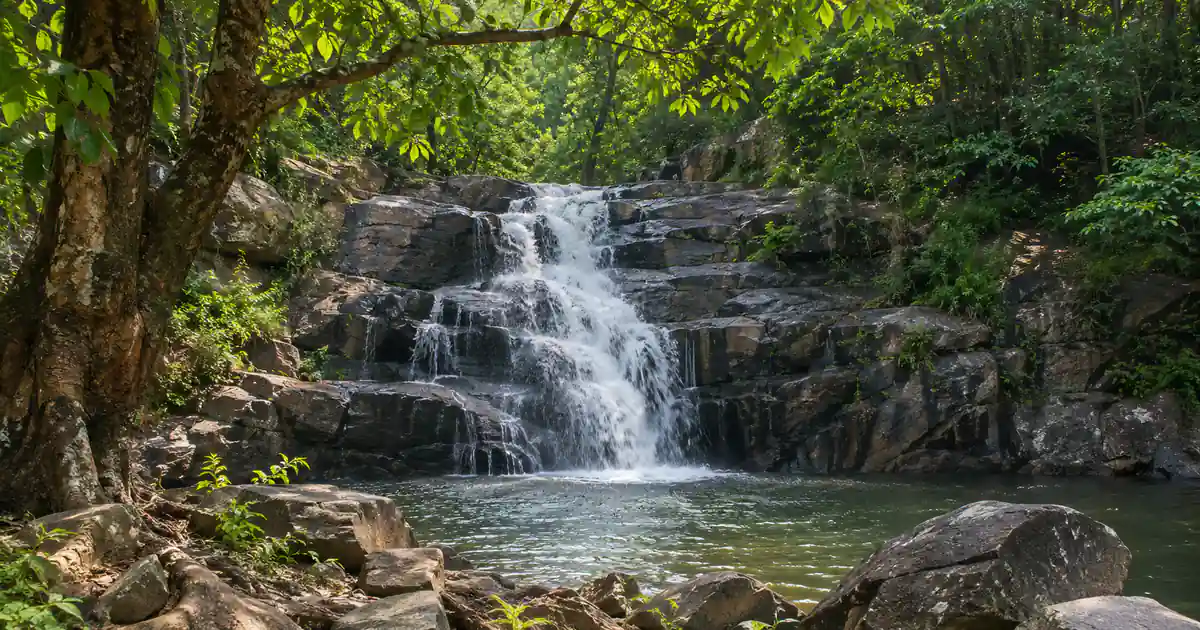
- Forested Hill Cascade: Multi-tiered cascade dropping across weathered granite boulders into a deep natural pool.
- Chandahandi Frontier Location: Situated in the western corner of Nabarangpur district near the border with Chhattisgarh.
- Maha Shivaratri Fair: Thousands of regional devotees gather annually for sacred stream baths, night-long vigil fires, and traditional rituals.
- Twin Pilgrimage Pairing: Easily combined with the nearby cave cascade of Mangardora located just twelve kilometers away.
Ghumareswar Temple Waterfall at a Glance: Essential Travel Metrics
Planning a visit to Ghumareswar Temple Waterfall requires preparing for a journey into the tranquil rural reaches of Chandahandi block. The site serves as both an active Hindu pilgrimage destination and a favored nature retreat for weekend travelers.
Visitors experience a secluded mountain environment protected by dense deciduous forests. Early morning arrivals enjoy cool mountain breezes, melodious bird calls, and peaceful temple prayers.
| Travel Feature | Verified Metric | Traveler Planning Notes |
|---|---|---|
| Attraction Category | Sacred temple waterfall | Hill stream cataract beside natural rock cave shrine |
| Presiding Deity | Baba Ghumareswar (Lord Shiva) | Ancient stone lingam sheltered beneath rock shelves |
| Approximate Drop Height | 35 to 45 feet | Multi-step cascade flowing into rocky river gorge |
| Nearest Block Center | Chandahandi (16 km) | Rural market with pharmacies, fuel outlets, and transport |
| Subdivisional Hub | Umerkote (62 km) | Commercial center with hotels, restaurants, and rail links |
| District Headquarters | Nabarangpur Town (95 km) | Regional administrative capital on National Highway 26 |
| Visiting Hours | 6:00 AM to 6:00 PM | Daylight visitation recommended for rural travel safety |
| Admission Charge | Free public entry | Modest parking fee collected by the temple committee |
| Average Visit Duration | 2 to 3 hours | Sufficient for temple darshan, stream walk, and picnic |
Visiting between 7:30 AM and 10:30 AM allows travelers to witness morning temple aarti rituals in pleasant sunlight. Afternoon heat can be noticeable during summer months before the monsoon clouds gather.
Geological Setting and the Mountain Cave Sanctuary
The geology of Ghumareswar Temple Waterfall Nabarangpur belongs to the Eastern Ghats Precambrian metamorphic terrain. High mountain aquifers filter monsoon rainwater through porous sandstone and granulite layers before releasing it as cold springs near the forest ridgeline.
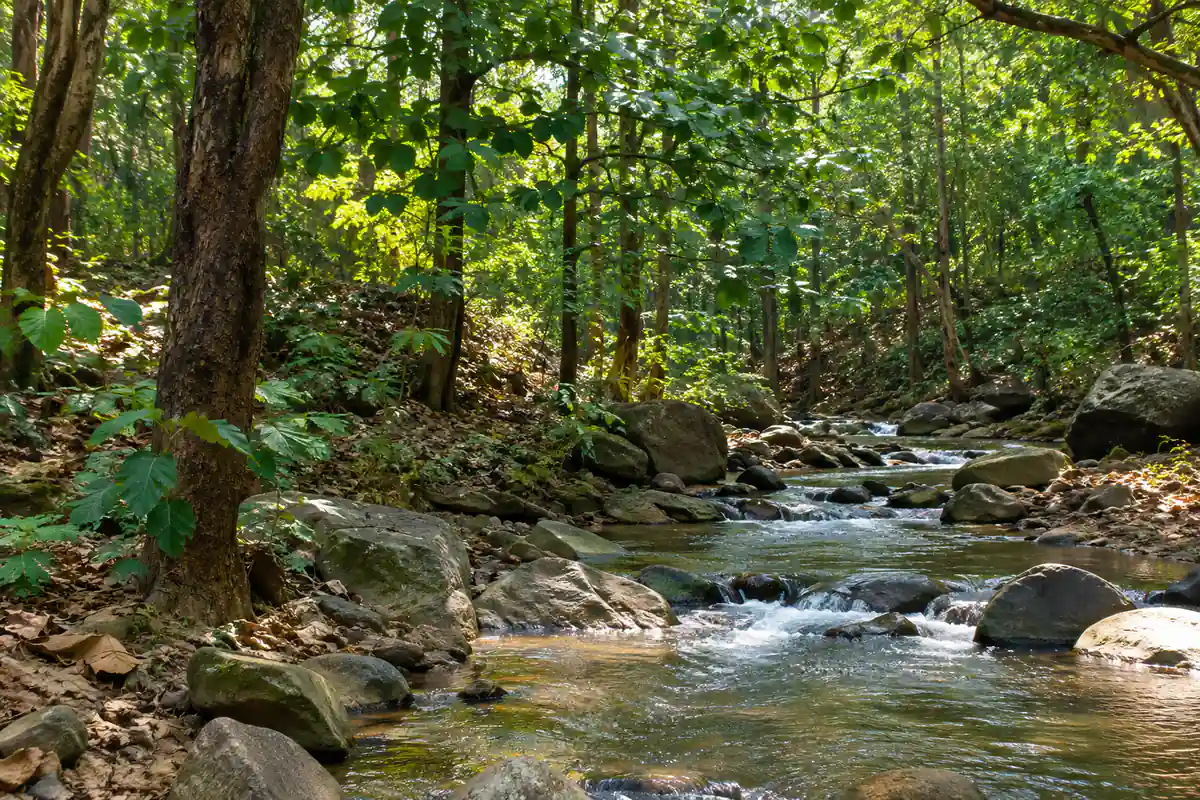
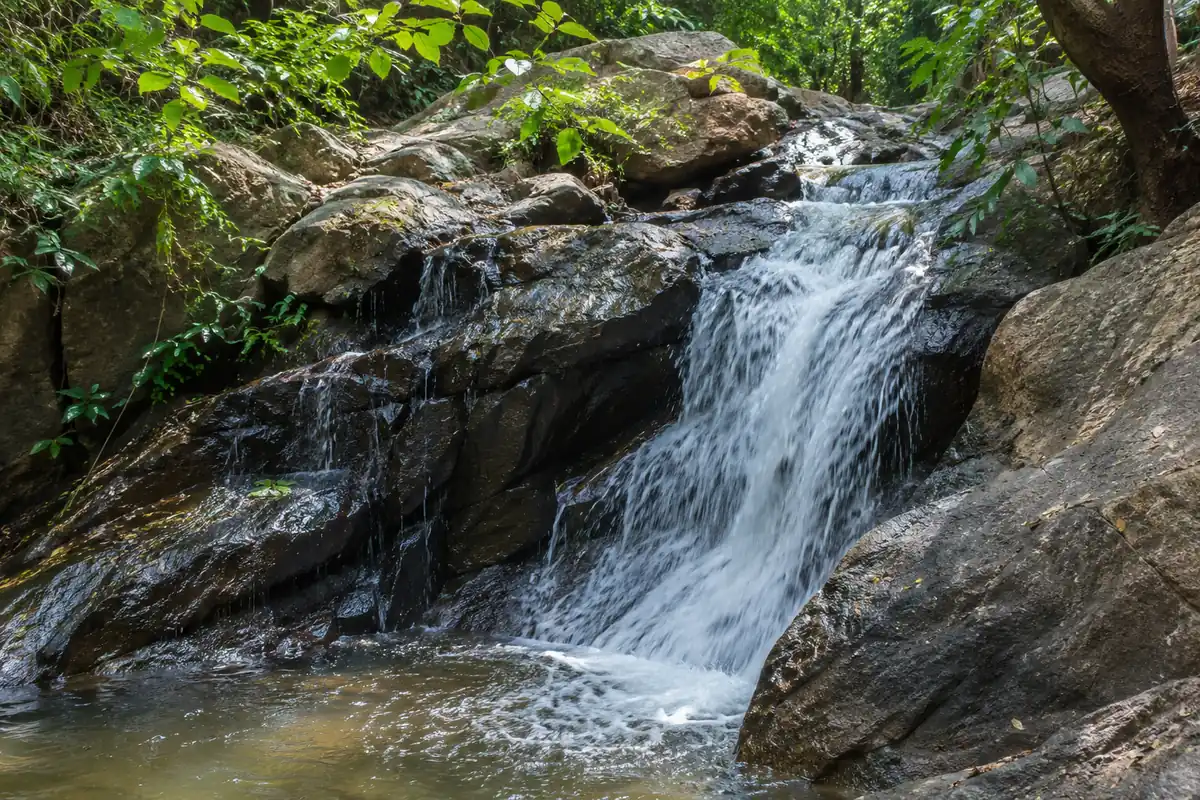
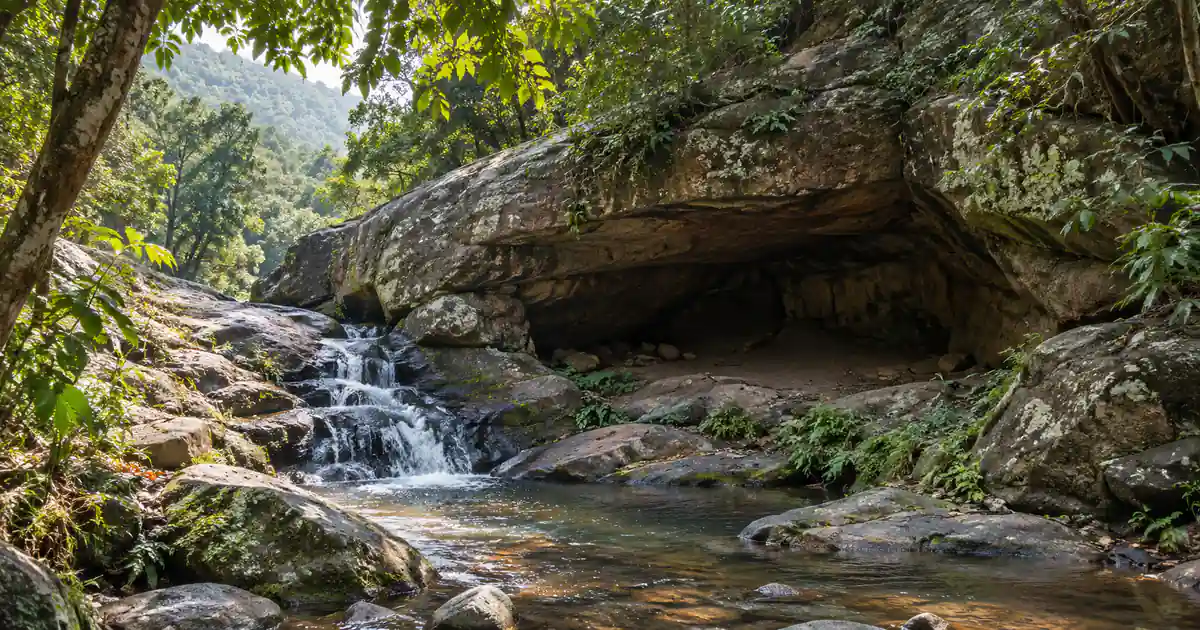
The stream flows forcefully along a narrow ravine before plunging over massive granite blocks. Over millennia, the hydraulic force of the torrent has hollowed out natural rock alcoves, creating the natural cavern that houses the sacred Shiva shrine.
Rock-sheltered sanctum of Baba Ghumareswar beside the mountain stream.
The natural pool below the drop provides a sacred bathing area where pilgrims cleanse themselves before offering bilva leaves and flowers at the sanctum. Dense stands of sal, mahua, tendu, and wild mango trees enclose the ravine in deep green shade.
Regional travelers often search for ghumareswar waterfall chandahandi or ghumareswar shiva temple nabarangpur when organizing family pilgrimages across the district. Clear asphalt sector roads guide vehicles smoothly toward the hill base.
In several regional road directories, writers refer to the destination as ghumareswar waterfall odisha. The continuous murmur of falling water echoes off the granite gorge walls throughout the year.
Seasonal Stream Discharge and the Best Time to Visit
Stream discharge at Ghumareswar varies across the four seasons, influencing both water volume and walking conditions around the stone steps.
| Calendar Season | Water Discharge & Weather Conditions | Pilgrimage & Sightseeing Experience |
|---|---|---|
| Winter (October to March) | Steady clear torrent, pleasant 12°C to 26°C | Best period for family trips, hiking, and open-air picnics |
| Monsoon (July to September) | Heavy swelling rush, humid 22°C to 29°C | Dramatic roaring cascade; wet stones require careful steps |
| Summer (April to June) | Thin stream flow, warm 25°C to 40°C | Low flow; early morning temple darshan strongly advised |
The post-monsoon and winter months from October to March represent the finest period to explore the shrine. Daytime temperatures remain cool, mountain air is crisp, and the stream flows clear over smooth granite boulders.
During the grand celebration of Maha Shivaratri in February or March, the complex fills with pilgrims who maintain day-long fasts and sing devotional hymns beside the illuminated waters. To evaluate other seasonal hill cataracts across the state, browse our complete full list of waterfalls in Odisha.
How to Reach Ghumareswar Temple Waterfall from Nabarangpur, Umerkote, and Bhawanipatna
Reaching Ghumareswar Temple Waterfall involves traveling through scenic rural landscapes connecting southern Odisha with the Chhattisgarh frontier.
| Travel Origin | Road Distance | Approximate Travel Time | Major Highway Route |
|---|---|---|---|
| Chandahandi Block HQ | 16 km | 25 minutes | Via local asphalt sector road |
| Dharmagarh (Kalahandi) | 48 km | 1 hour 10 minutes | Via SH-6 border connector corridor |
| Umerkote Town | 62 km | 1 hour 35 minutes | Via Jharigam and Chandahandi road |
| Bhawanipatna City | 82 km | 2 hours 05 minutes | Via Junagarh and Dharmagarh route |
| Nabarangpur District HQ | 95 km | 2 hours 25 minutes | Via Papadahandi, Dabugam, and Chandahandi |
| Jeypore Rail Junction | 135 km | 3 hours 20 minutes | Via NH-26 northbound through Borigumma |
Travel by Private Vehicle or Hired Cab
Driving a personal car, SUV, or hiring a taxi from Nabarangpur town, Umerkote, or Bhawanipatna offers the most reliable travel arrangement. The road passes through rolling maize farmland, tribal village hamlets, and sal forest groves before ascending the rural hill road to the temple parking grounds.
Public Bus and Rail Connections
State transport buses run from Nabarangpur and Jeypore to Chandahandi and Umerkote. From Chandahandi bus depot, local auto-rickshaws, shared jeeps, and rental motorbikes provide onward transit to the waterfall.
The nearest passenger railhead is Junagarh Road (JNRD) in Kalahandi district, located sixty-five kilometers away. Kesinga Railway Junction (KSNG), situated eighty-five kilometers northeast, offers broader connections to eastern and central India. Up-to-date travel notices can be reviewed on the Odisha State Portal and Odisha Tourism Portal.
[!TIP] Fuel stations are limited along rural roads between Chandahandi and the waterfall. Refuel your vehicle at Umerkote, Dabugam, or Chandahandi before beginning the final mountain approach.
Picnic Planning and Outdoor Recreation at Ghumareswar
The shaded forest groves bordering the stream make Ghumareswar a favored destination for family picnics and weekend relaxation.
When researching picnic spots in nabarangpur and waterfalls in nabarangpur, regional travelers consistently rank this temple cascade among the most peaceful locations in the district.
Practical Advice for Day Visitors
Visitors planning a day trip should come prepared for an outdoor forest environment.
- Wear Non Slip Footwear: An uneven rocky pathway to temple shrine requires visitors to wear non slip footwear with grooved outsoles.
- Carry Cash for Rural Supplies: Always carry cash for rural supplies because a limited mobile network near forested stream halts online payments.
- Modest Dress Code Inside Shiva Sanctum: Devotees must observe a modest dress code inside shiva sanctum, ensuring shoulders and knees are covered.
- Preserve Dandakaranya Sal Woodland: Pack heavy garbage bags to carry out all picnic trash and protect the dandakaranya sal woodland.
To discover additional scenic riverbanks, mountain waterfalls, and lake picnic spots across the state, browse our curated directory of picnic spots in Odisha.
Regional Touring Circuit: Combining Chandahandi Cascades
A visit to Ghumareswar Temple Waterfall integrates naturally into a rewarding day circuit of southwestern Odisha landmarks.
As one of the leading tourist places in chandahandi, the site connects seamlessly with neighboring natural and cultural attractions.
Mangardora Temple Ghumar Waterfall
Just twelve kilometers away within Chandahandi block lies Mangardora Temple Ghumar Waterfall, where a mountain stream rushes past a historic Shiva cave sanctuary.
When analyzing ghumareswar vs mangardora waterfall, both destinations feature rock-sheltered Shiva lingams, but Mangardora offers a deeper forest canyon setting, while Ghumareswar provides wider parking and gathering grounds for large pilgrim gatherings.
Chandandhara Waterfall
Located in adjacent Jharigam block, Chandandhara Waterfall flows across broad granite ledges on the Turi River. Comparing ghumareswar vs chandandhara waterfall shows that Chandandhara focuses purely on river recreation, whereas Ghumareswar combines spiritual worship with mountain scenery.
Exploring Neighboring Kalahandi District
Due to its frontier position on the district boundary, visitors often cross into neighboring territories featured in our Kalahandi district guide. The historic temple town of Dharmagarh and the seasonal waterfalls near Bhawanipatna provide rewarding circuit additions for multi-day expeditions.
Safety Guidelines and Temple Etiquette
Visiting Ghumareswar safely requires following standard precautions for mountain waterways and sacred temple sanctums. Whether you visit as shiva pilgrim devotees, weekend family picnickers, wilderness explorers, or southern odisha travelers, respect for the landscape ensures a memorable trip.
- Watch Your Step on Damp Rocks: Water spray and river algae coat granite slabs near the cascade. Avoid walking on dark, wet rocks near the main stream flow.
- Swim Only in Designated Basin Shallows: Deep underwater channels exist beneath the falling cascade. Keep bathing restricted to the shallow perennial hill stream pool near the bathing steps.
- Maintain Temple Decorum: Remove footwear before stepping into the ancient granite rock shelter. Avoid using soap or chemical detergents in the sacred stream.
- Supervise Young Children: Never allow children to explore unfenced boulder ridges or steep canyon ledges without close adult supervision.
- Plan Return Travel Before Sunset: Rural forest roads leading back to Chandahandi lack streetlights. Conclude your visit and start driving by 5:00 PM.
- Festival Crowd Precautions: During festive periods, navigate the busy maha shivaratri fairgrounds calmly and follow instructions from local volunteer sevayats.
Frequently Asked Questions
Where is Ghumareswar Temple Waterfall located in Nabarangpur?
Ghumareswar Temple Waterfall is situated in the Chandahandi block of Nabarangpur district, Odisha, near the western border with Kalahandi and Chhattisgarh. It lies approximately sixteen kilometers from Chandahandi town and ninety-five kilometers northwest of Nabarangpur town.
What are the daily visiting hours for Ghumareswar Temple Waterfall?
The temple complex and waterfall grounds are open daily to devotees and tourists from 6:00 AM to 6:00 PM. Visitors are advised to arrive during daylight hours and depart before dusk for safe rural driving.
Is an entry ticket required at Ghumareswar Temple Waterfall?
Entry to both the Shiva cave temple and the waterfall is completely free for all visitors. A nominal vehicle parking charge of twenty to thirty rupees is collected by the village shrine management committee.
How do I reach Ghumareswar from Nabarangpur and Umerkote?
From Nabarangpur town, travel northwest along State Highway 39 through Papadahandi, Dabugam, and Jharigam to reach Chandahandi, then follow the sector road for sixteen kilometers. From Umerkote, the sixty-two kilometer drive takes roughly one and a half hours via Jharigam.
What is the best season to explore Ghumareswar Waterfall?
The ideal time to visit Ghumareswar Waterfall is between October and March when the weather is mild and the mountain stream flows clear and steady. The grand festival of Maha Shivaratri in February or March draws major festive gatherings.
Are food stalls and resting shelters available at the site?
Basic resting shelters and small village kiosks selling tea, bottled water, and prepackaged snacks operate near the entrance parking lot. Travelers planning full day outings are encouraged to carry their own prepared meals.