Mangardora Waterfall Nabarangpur: Best Time to Visit & Guide
Plan your visit to Mangardora Waterfall Nabarangpur. Discover the forest river cascade, Shiva cave shrine, entry timings, routes, and picnic advice.
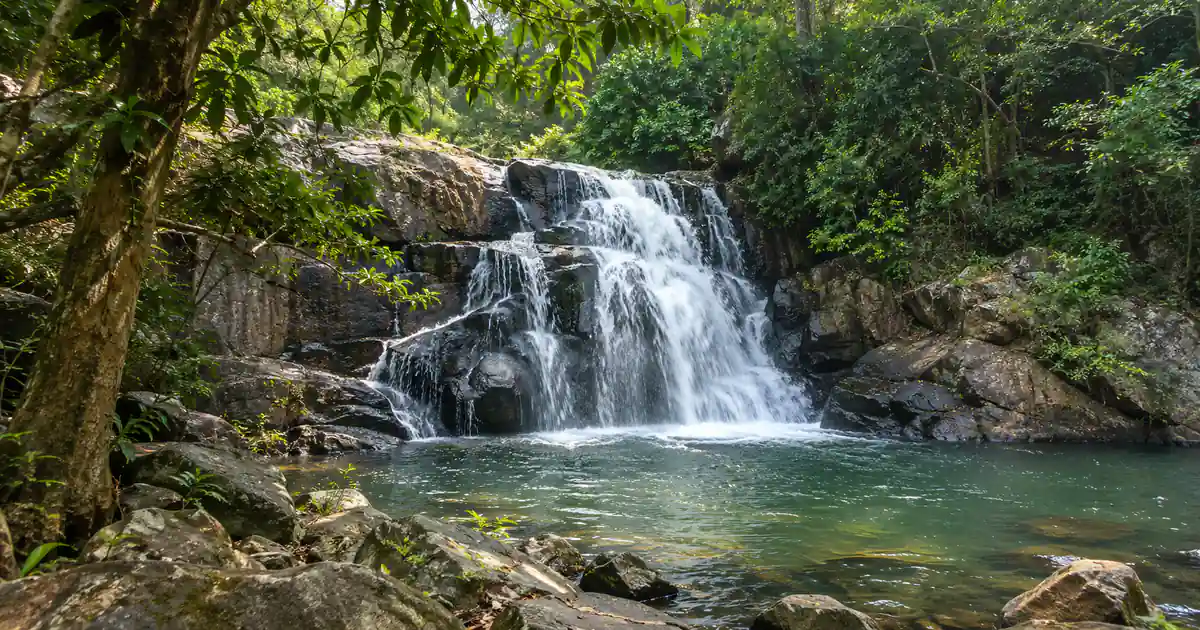
Mangardora Waterfall Nabarangpur stands among the most secluded and culturally revered natural landmarks in southwestern Odisha. Located in the Chandahandi block near the Chhattisgarh state border, this highland cascade courses through forested granite ravines before spilling into calm mountain plunge pools. Travelers exploring southern Odisha frequently integrate this forest retreat into our comprehensive Nabarangpur district travel guide to discover untouched river valleys of the Dandakaranya plateau.
The site combines natural waterfall beauty with ancient Shaivite spiritual tradition. Adjacent to the flowing cascade sits a natural rock cave shrine dedicated to Lord Shiva, where local tribal devotees gather during Shivratri and Kartik Purnima to offer prayers and holy water. Shaded by dense stands of sal, tendu, and bamboo, Mangardora offers a peaceful wilderness atmosphere for families and eco-travelers.
Key Takeaways
- Forest Cascade and Shiva Grotto: A tiered mountain stream flows past an ancient natural rock shrine dedicated to Lord Shiva.
- Chandahandi Block Location: Situated in the scenic highland frontier of Nabarangpur district, roughly fifty-five kilometers from Umerkote.
- Dandakaranya Forest Canopy: Towering sal and deciduous trees shade the riverbanks, creating cool breezes throughout the day.
- Perennial Mountain Springs: Highland aquifers maintain steady stream currents from early autumn through spring.
- Quiet Picnic Grounds: Open rocky sandbars and shaded clearings provide scenic settings for family day outings.
Mangardora Waterfall at a Glance: Key Travel Metrics
Planning a trip to Mangardora Waterfall in Nabarangpur requires understanding rural transit routes through the western sector of the district. The site sits on high plateau country easily accessible from Umerkote and Chandahandi town.
The destination provides an authentic nature retreat far removed from heavily commercialized tourist spots. Visiting groups can easily pair the waterfall with historical forts and regional pilgrimage temples across Nabarangpur.
| Travel Feature | Verified Metric | Traveler Planning Notes |
|---|---|---|
| Waterfall Formation | Tiered highland rock cascade | Stream drops across dark granite ledges |
| Drop Height | Approximately 25 to 35 feet combined | Upper stream feeds natural plunge basin |
| Nearest Town | Chandahandi (18 km east) | Local block markets, fuel, and pharmacies |
| Major Subdivisional Hub | Umerkote (55 km southeast) | Prominent commercial center with hotels and food |
| District Headquarters | Nabarangpur Town (95 km southeast) | Administrative center with bus terminus and hospitals |
| Visiting Hours | 6:30 AM to 5:30 PM | Open daily during daylight hours for safety |
| Admission Tariff | Free public admission | Modest community parking fee for private vehicles |
| Nearest Railway | Jeypore Railway Station (JYP, 135 km) | Regional rail connectivity on the Koraput line |
Daylight hours provide the safest conditions for navigating the rocky paths leading to the cave shrine. Arriving during the morning allows ample time to hike along the riverbed and explore the peaceful forest clearings.
Geological Setting and Natural Shiva Cave Shrine
The geological character of Mangardora Waterfall Nabarangpur reflects the weathered crystalline basement rocks of the Dandakaranya region. A perennial mountain stream winds across elevated terrain before descending through a natural rock fracture.
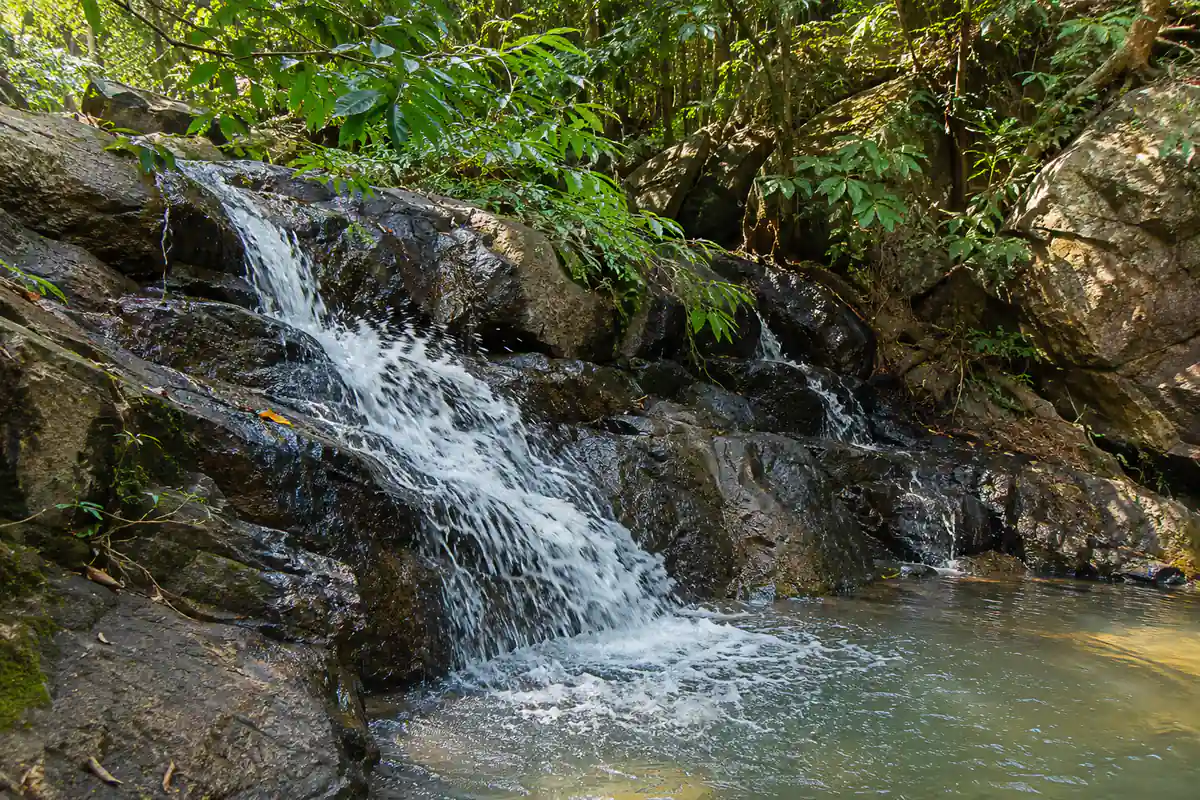
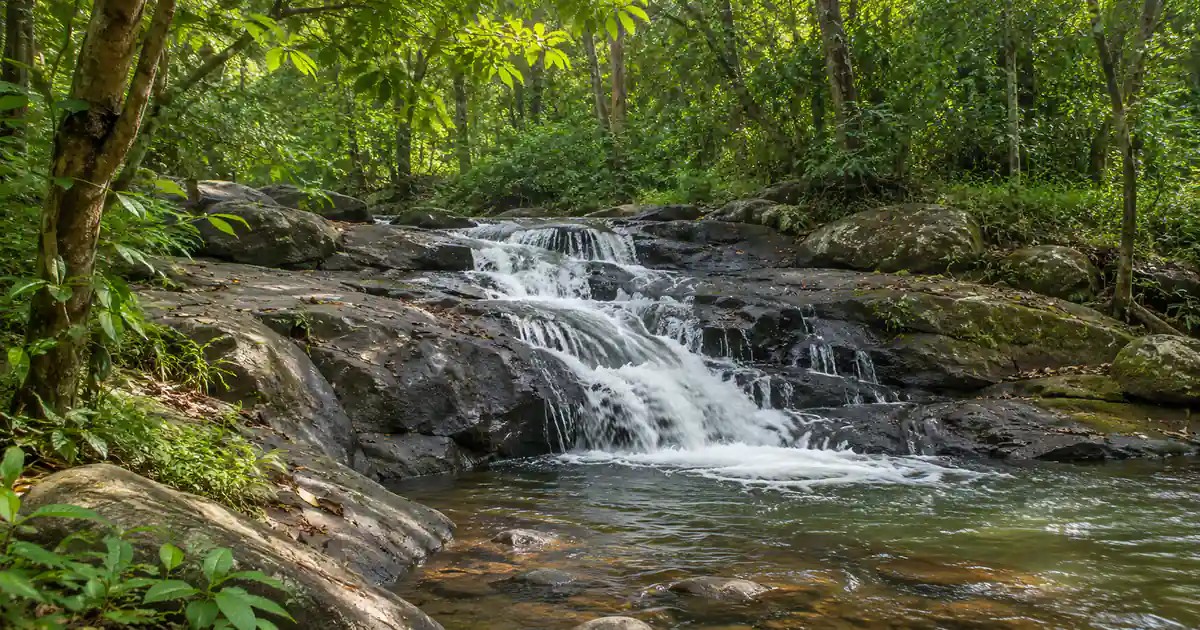
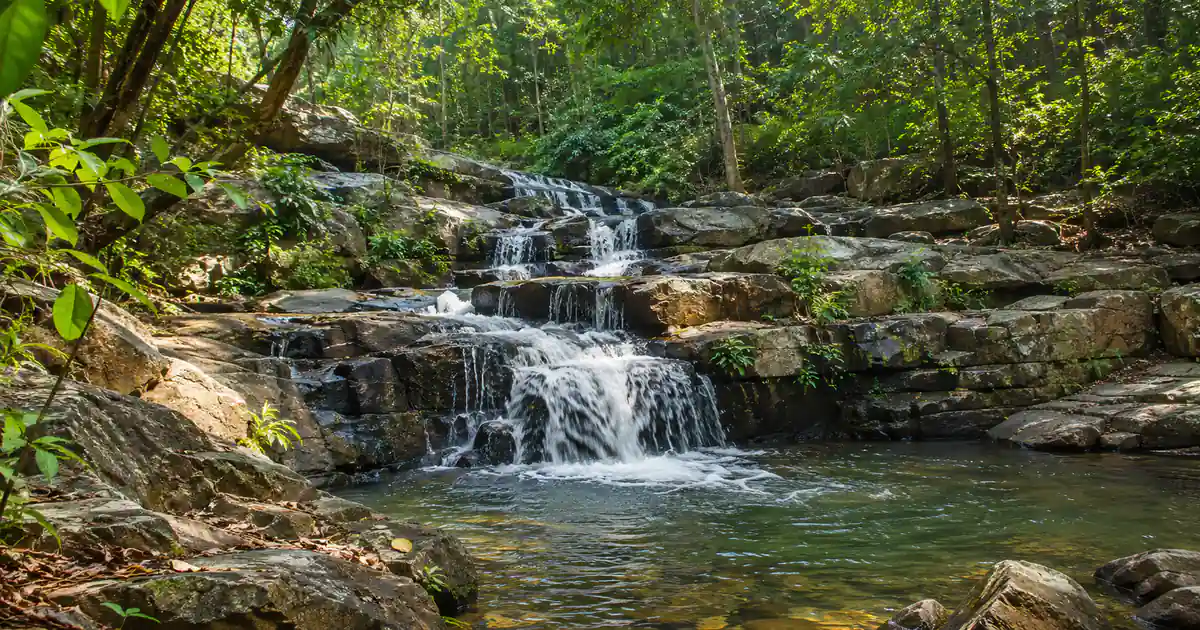
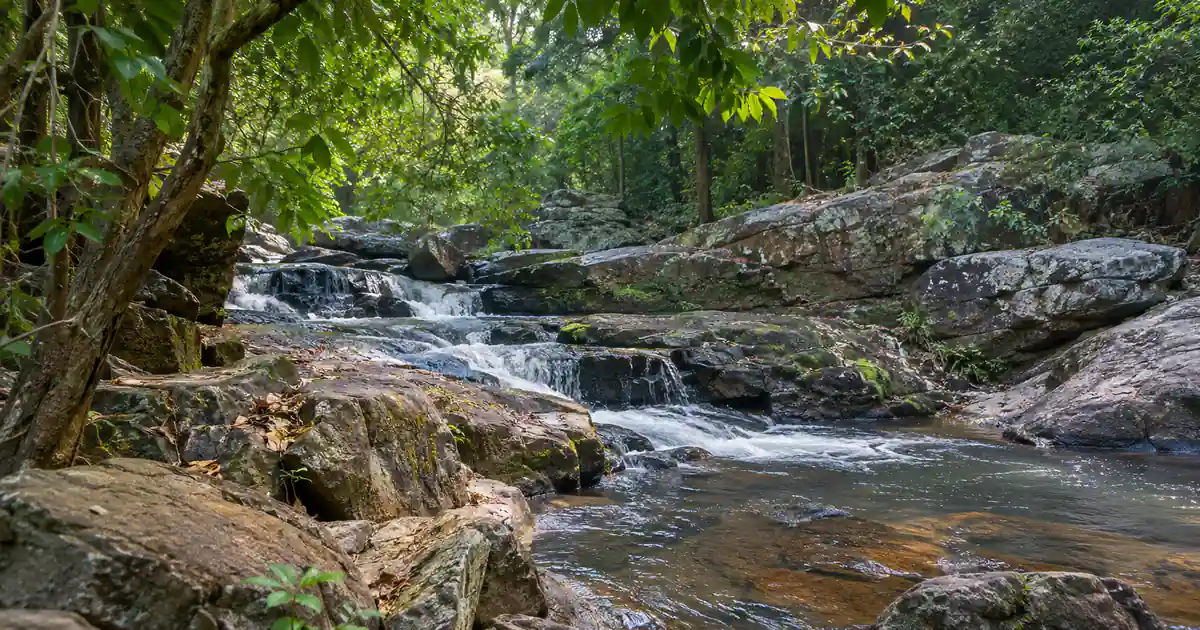
Water flows across dark metamorphic granite ledges, creating multiple small drops before collecting in a clear splash basin. The rock shelves flanking the stream feature natural stone alcoves and cave shelters hollowed by long-term hydraulic erosion.
Forest stream currents and weathered granite boulders at Mangardora Waterfall.
Within one of these natural rock overhangs, local residents have consecrated a self-manifested Shiva lingam. Flowing stream spray naturally cools the stone sanctum, creating an atmospheric shrine where visitors listen to the soothing murmur of rushing water while offering devotional prayers.
Locals commonly refer to the site as mangardora waterfall chandahandi. The setting provides a welcome retreat for travelers who value natural quiet.
As one of the prominent chandahandi tourist places, regional travelers also call the cascade mangardora falls nabarangpur.
Forest Ecology and Dandakaranya Biodiversity
The forest surrounding Mangardora belongs to the dry peninsular sal and mixed deciduous forest types typical of southwestern Odisha. Robust sal trees dominate the upper canopy, accompanied by harida, bahada, mahua, and wild date palms.
The rocky ravine provides safe shelter for diverse woodland wildlife and seasonal migratory birds. Gentle hill winds carry the earthy scent of drying leaves and mountain springs.
Birdwatching Along the River Corridor
Avian enthusiasts walking the quiet woodland paths along the stream can spot various forest birds throughout the cooler months.
- White-throated fantails flitting through the shaded lower branches.
- Plum-headed parakeets feeding in tall fruiting fig trees.
- Brown-capped pygmy woodpeckers inspecting dead tree trunks along the gorge.
- Indian roller birds perched on open branches overlooking nearby forest clearings.
Indigenous Forest Knowledge and Flora
Local tribal communities possess extensive traditional knowledge regarding native herbal plants that thrive along the stream banks. Wild ginger, asparagus roots, and forest honey are gathered sustainably by forest dwellers. Travelers are encouraged to respect local customs and avoid disturbing delicate vegetation along the waterway.
Seasonal Stream Discharge: Best Visiting Months
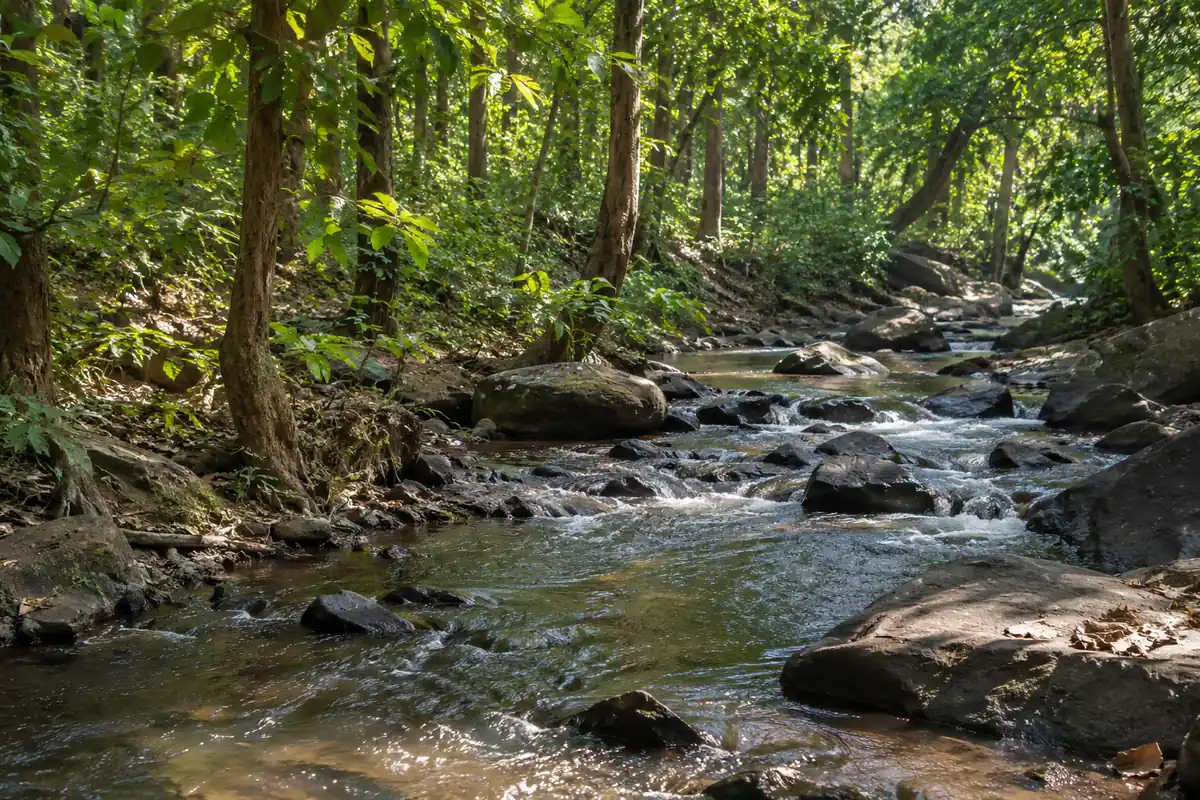
Water flow and climate conditions at Mangardora Waterfall change with the arrival of the southwest monsoon across the Dandakaranya hills.
| Calendar Season | Water Discharge & Climate | Travel Feasibility |
|---|---|---|
| Winter (October to March) | Clear steady stream, pleasant 14°C to 27°C | Best period for shrine visits, picnics, and photography |
| Monsoon (July to September) | Swollen rushing torrent, humid 22°C to 30°C | Dramatic water volume; slippery boulders require caution |
| Summer (April to June) | Thin stream trickle, warm 26°C to 40°C | Reduced water levels; early morning visits recommended |
The post-monsoon period from October through March represents the ideal travel season. During these months, stream waters run clear and clean, daytime temperatures are comfortable, and forest trails remain easily passable.
During mid-winter, cool highland breezes and morning mist add to the secluded appeal of the valley. For wider statewide waterfall explorations, explore our complete full list of waterfalls in Odisha.
How to Reach Mangardora Waterfall from Umerkote, Nabarangpur, and Raipur
Reaching Mangardora Waterfall involves traveling along state highways and scenic rural roads through the southwestern hills of Odisha.
| Travel Origin | Road Distance | Approximate Travel Time | Major Highway Route |
|---|---|---|---|
| Chandahandi Town | 18 km | 35 minutes | Via local paved rural branch road |
| Umerkote Commercial Hub | 55 km | 1 hour 30 minutes | Via SH-39 north through Raighar route |
| Nabarangpur District HQ | 95 km | 2 hours 30 minutes | Via Papadahandi and Umerkote highway |
| Jeypore Railway Station | 135 km | 3 hours 30 minutes | Via Borigumma and Nabarangpur corridor |
| Raipur Airport (CG) | 190 km | 4 hours 30 minutes | Via Nagari and border road highway |
| Bhubaneswar State Capital | 520 km | 11 hours | Via NH-57 westbound across central Odisha |
Transit by Private Vehicle or Taxi
Driving a personal vehicle or hiring a cab from Umerkote or Nabarangpur provides the most practical option. The route winds past rural tribal villages, green paddy fields, and forested hill shoulders before reaching the waterfall access path.
Public Bus and Rail Connectivity
Regular state transport buses operate between Nabarangpur, Jeypore, and Umerkote. From Umerkote, local shared passenger jeeps and auto-rickshaws connect toward Chandahandi. Travelers arriving by air from other states often find Swami Vivekananda Airport in Raipur (190 km) closer than Bhubaneswar. Highway conditions and travel advisories can be verified on the Odisha State Portal and Odisha Tourism Portal.
[!TIP] Ensure your vehicle fuel tank is filled in Umerkote or Chandahandi before driving to the waterfall. Remote rural stretches feature limited service stations and spotty mobile phone connectivity.
Picnic Planning and Outdoor Recreation at Mangardora
Mangardora Waterfall serves as a beloved seasonal destination for outdoor family picnics and school gatherings. Flat granite clearings and shaded sandy riverbanks provide natural resting spaces under broad tree canopies.
Preparation and Recommended Equipment
Because the site preserves a natural forest atmosphere without commercial shops, travelers should arrive fully supplied.
- Packed Meals and Refreshments: Carry cooked food or fresh produce purchased from morning markets in Chandahandi or Umerkote.
- Clean Drinking Water: Bring adequate sealed mineral water bottles to stay hydrated throughout your visit.
- Appropriate Walking Shoes: Wear sturdy footwear with rubber traction soles for walking across smooth river stones and dirt tracks.
- Trash Cleanup Bags: Carry durable garbage bags to pack out all disposable food containers, plates, and plastic packaging.
To discover additional scenic riverbanks and picnic clearings across the state, browse our curated directory of picnic spots in Odisha.
Regional Touring Circuit: Combining Mangardora with Southwest Highlights
A day trip to Mangardora Waterfall can easily be combined with other distinguished cultural and natural destinations across Nabarangpur and Koraput districts.
Sacred Ghumareswar Temple Waterfall
Located roughly thirty kilometers away in the same block, our Ghumareswar Temple Waterfall guide explores another revered Shiva cascade tumbling down granite cliffs.
Bhairaghumar Waterfall in Kuhudi
Also located in Chandahandi block, our detailed guide to Bhairaghumar waterfall in Kuhudi explores a 50-foot stepped cascade tumbling into a natural rock plunge pool amidst sal and bamboo forest.
Historic Podagadh Fort and Nala Inscriptions
History enthusiasts can tour the ancient ruins of Podagadh near Umerkote, where ancient rock inscriptions document the rule of the Nala dynasty during the 5th and 6th centuries CE.
Maa Pendrani Temple in Umerkote
Pilgrims regularly visit the sacred shrine of Maa Pendrani in Umerkote town, the presiding deity of northern Nabarangpur, revered for her protective blessings over travelers and farmers.
Famous Duduma and Gupteswar Circuits
Travelers extending their road trip southward into Koraput can marvel at the thunderous 175-meter drop of Duduma Waterfalls or explore the limestone stalagmite sanctum of Gupteswar Cave Temple.
Visitor Safety Advisory and Responsible Tourism Etiquette
To ensure a safe and respectful visit to Mangardora Waterfall, travelers should observe several practical guidelines.
- Careful Footing on River Stones: Water spray creates slick surfaces on dark granite boulders. Walk slowly and avoid leaping across stream gaps.
- Respect the Cave Shrine: The rock temple is an active place of worship. Remove footwear before approaching the sanctum and maintain quiet respect.
- Supervise Children Around Pools: While marginal shallows allow safe splashing, keep children away from deep rock holes and rapid stream channels.
- No Glass Policy: Broken glass along rocky trails creates severe hazards for barefoot pilgrims and forest animals. Always use reusable flasks.
- Depart Before Sunset: Forest trails and rural connector roads have no artificial lighting. Conclude your visit by 5:00 PM to drive safely back to main towns.
- Cash Preparedness: Local parking attendants and small village shops operate exclusively in cash due to limited cellular reception in the valley.
Frequently Asked Questions
Where is Mangardora Waterfall located in Nabarangpur?
Mangardora Waterfall is situated in the Chandahandi block of Nabarangpur district in southwestern Odisha. It lies approximately fifty-five kilometers northwest of Umerkote and ninety-five kilometers from Nabarangpur town.
What is the spiritual significance of Mangardora Waterfall?
The waterfall houses a sacred natural rock cave shrine dedicated to Lord Shiva adjacent to the cascade, making it an important pilgrimage site for local tribal communities during festive seasons.
What are the visiting hours for Mangardora Waterfall?
Mangardora Waterfall is open daily to visitors from 6:30 AM to 5:30 PM. Daylight hours provide the safest conditions for exploring the riverbed and driving along rural forest roads.
Is an admission fee charged at Mangardora Waterfall?
Public entry to Mangardora Waterfall and its cave shrine is completely free. Local village committees collect a modest vehicle parking fee of twenty to thirty rupees to support trail upkeep and area cleanliness.
How far is Mangardora Waterfall from Umerkote town?
Mangardora Waterfall is approximately fifty-five kilometers from Umerkote town. Driving by private car or hired taxi takes roughly one hour and thirty minutes along paved rural highways.
What is the best season to explore Mangardora Waterfall?
The best time to visit Mangardora Waterfall is between October and March when stream currents flow clear and weather conditions are comfortably cool for outdoor hiking and picnics.