Sitakund Waterfall Mayurbhanj: Best Time to Visit & Guide
Plan your trip to Sitakund Waterfall Similipal Mayurbhanj. Discover the sacred plunge pool, Pithabata gate route, timings, fees, and visitor tips.
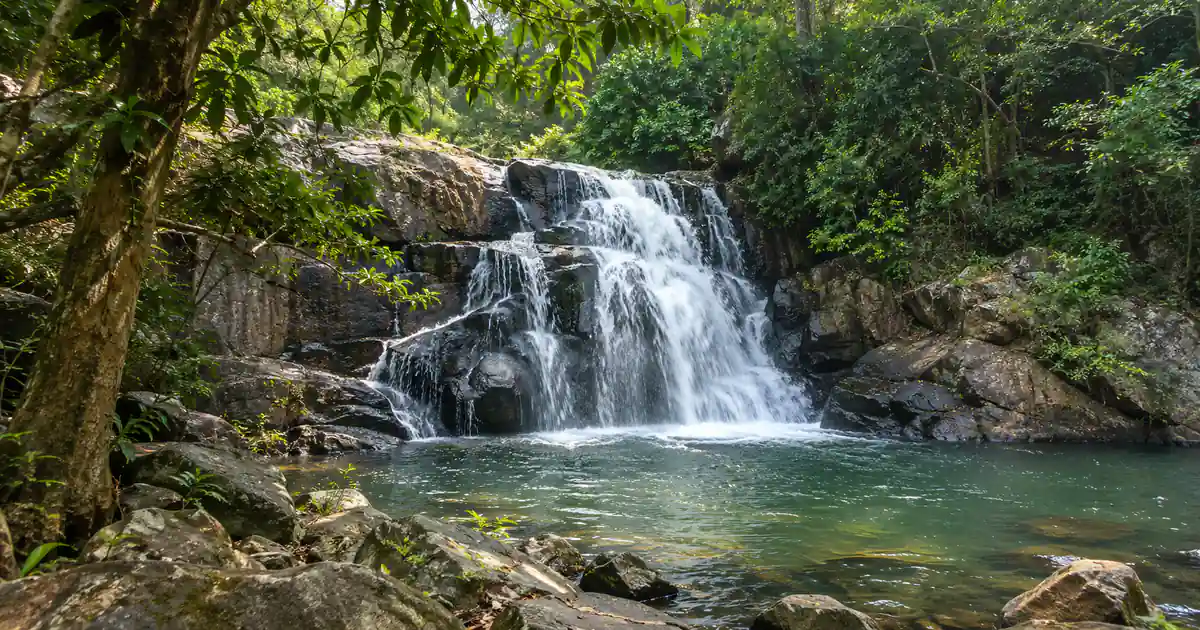
Sitakund Waterfall Similipal Mayurbhanj stands among the most revered natural freshwater sanctuaries in northern Odisha. Located on the eastern buffer periphery of Similipal Tiger Reserve, this cascade lies twenty-five kilometers southwest of Baripada town.
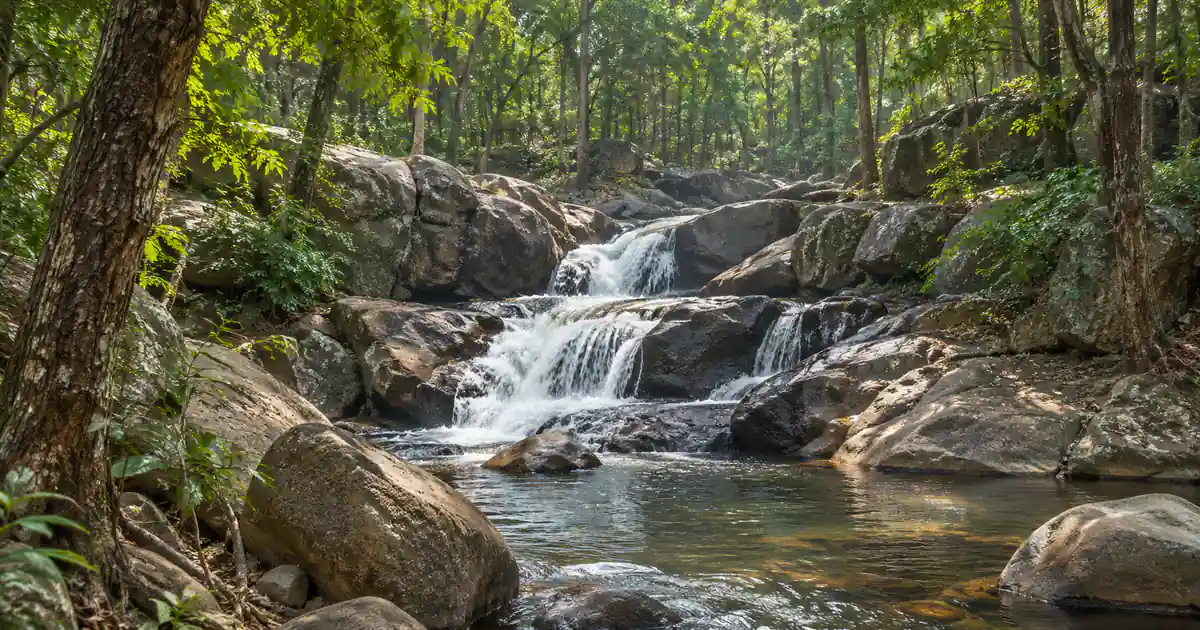
The natural mountain stream flows over dark granite ledges into a deep, circular stone pool. Travelers exploring northern Odisha frequently incorporate this forest retreat into our comprehensive Mayurbhanj district travel guide when discovering the royal heritage and biosphere forests of the region.
The name Sitakund carries deep spiritual reverence throughout Mayurbhanj. According to ancient local folklore, Goddess Sita bathed in this crystal pool during the Treta Yuga while traveling through the Dandakaranya woodlands with Lord Rama and Lakshmana. Shaded by ancient sal, mahua, and wild mango trees, the stream maintains a soothing forest atmosphere that attracts pilgrim devotees, family picnickers, and wildlife photographers throughout the cooler seasons.
Key Takeaways
- Sacred Circular Plunge Pool: Water drops into a natural bowl-shaped rock reservoir associated with Ramayana lore.
- Similipal Periphery Location: Situated just five kilometers from the Pithabata entry check post of Similipal Tiger Reserve.
- Proximity to Baripada: Located twenty-five kilometers from the district headquarters along well-paved rural highways.
- Dense Sal Forest Canopy: Towering indigenous woodlands frame the rocky stream banks, providing shade and cool mountain air.
- Popular Winter Picnic Grounds: Flat rock clearings and shaded woodland banks offer prime spaces for quiet day outings.
Sitakund Waterfall at a Glance: Key Travel Metrics
Planning a visit to Sitakund Waterfall requires understanding the geographic approach via Baripada and the Pithabata forest corridor. Because the site sits just outside the core sanctuary gates, visitors do not need advance forest entry permits to explore the waterfall grounds.
The location offers a peaceful natural day excursion that pairs smoothly with royal architecture in Baripada. Visiting groups can easily combine the waterfall with wider eco-tourism circuits across Mayurbhanj.
| Travel Feature | Verified Metric | Traveler Planning Notes |
|---|---|---|
| Waterfall Formation | Stepped forest cascade | Glides over dark granite into a deep natural kund |
| Drop Height | Approximately 20 to 30 feet | Deep circular reservoir hollowed by swirling currents |
| Nearest City | Baripada (25 km northeast) | Royal Bhanja capital with hotels, markets, and rail |
| Forest Gateway | Pithabata Check Post (5 km west) | Eastern official safari entry point to Similipal |
| District Headquarters | Baripada (25 km) | Administrative center of Mayurbhanj district |
| Visiting Hours | 7:00 AM to 5:30 PM | Open daily during daylight hours for safety |
| Admission Fee | Free public admission | Nominal village parking charge for private vehicles |
| Nearest Railway | Baripada Railway Station (BPO, 26 km) | Regular local trains connecting to Balasore |
Morning sunlight filters softly through the sal canopy, creating sparkling reflections across the water surface. Arriving before midday ensures quiet trail access before regional picnic parties gather along the riverbanks.
Geological Setting: The Ancient Kund and Granite Terraces
The geological fascination of Sitakund Waterfall Similipal Mayurbhanj centers on the massive circular rock basin hollowed into the streambed. Geologists trace these formations to metamorphic quartzite and granite complexes of the ancient Chota Nagpur plateau.
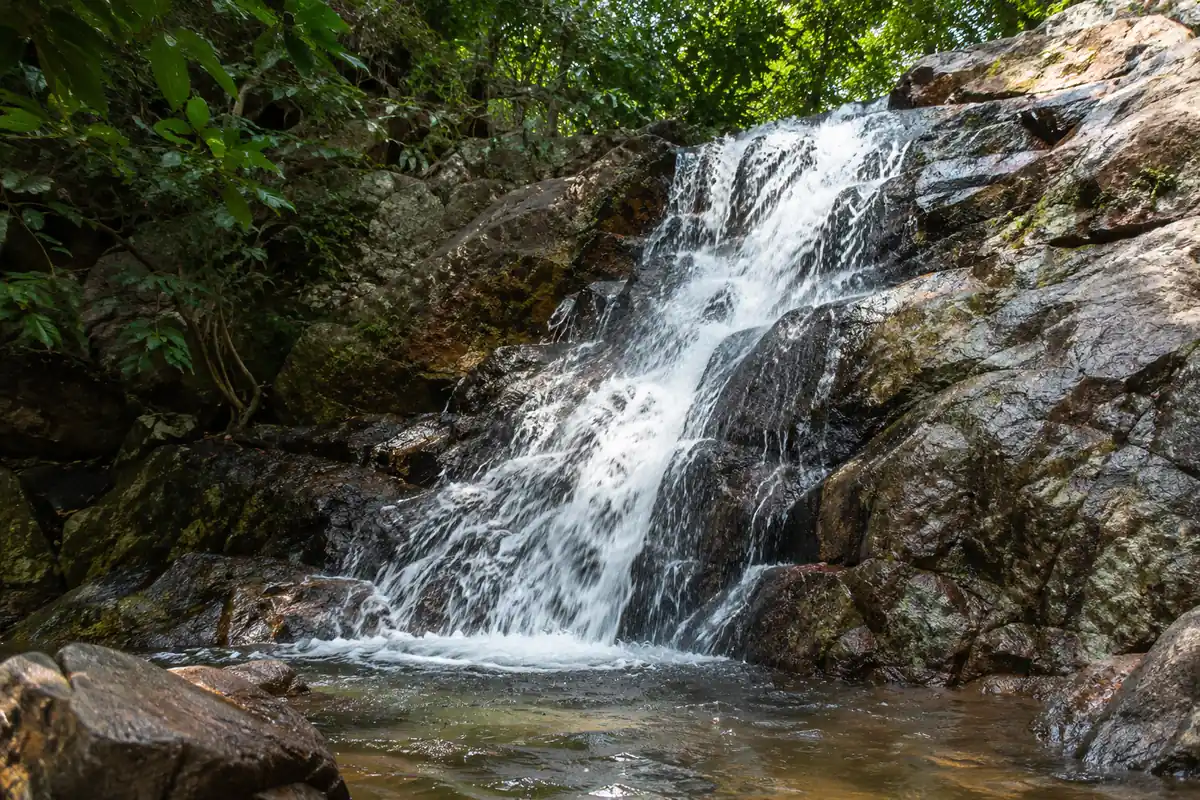
Continuous vortex action by rushing gravel-laden currents has excavated a bowl-shaped plunge pool resembling an enormous natural stone urn. The water enters as a multi-tier cascade, gliding across dark polished rock shelves before tumbling into the depths of the pool.
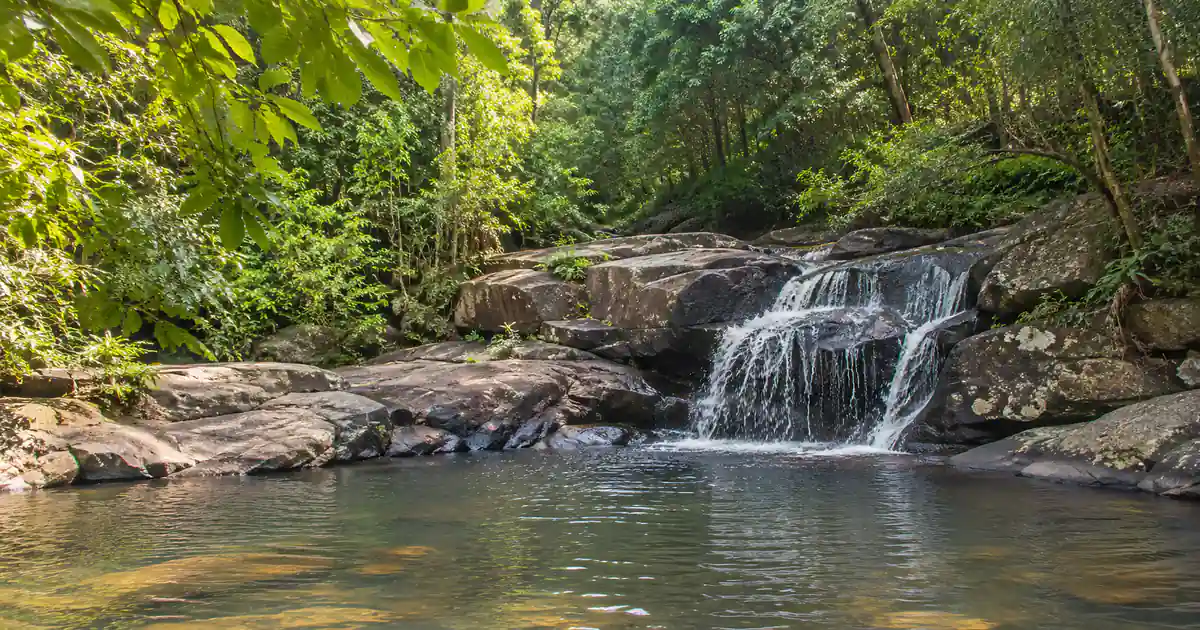
Natural stone steps and sacred rock basin at Sitakund Waterfall.
Ancient stone steps carved into the rock bank allow visitors to descend toward the edge of the water basin. Water flowing out of the primary kund continues downstream as a gentle forest brook winding past moss-covered boulders and sandy river bars.
Locals commonly refer to the site as sitakund waterfall baripada. Devotees regularly offer prayers and touch the sacred water before continuing their journey into Similipal.
As one of the prominent baripada tourist places, regional guidebooks also document the cascade as sitakund falls mayurbhanj.
Woodland Ecology and Biosphere Biodiversity Around Pithabata
The woodland sheltering Sitakund forms an ecological bridge connecting the agricultural plains of Mayurbhanj with the dense biodiversity of Similipal Biosphere Reserve. Towering Shorea robusta trees dominate the ridges, interspersed with wild jamun, mahua, and flowering simul trees.
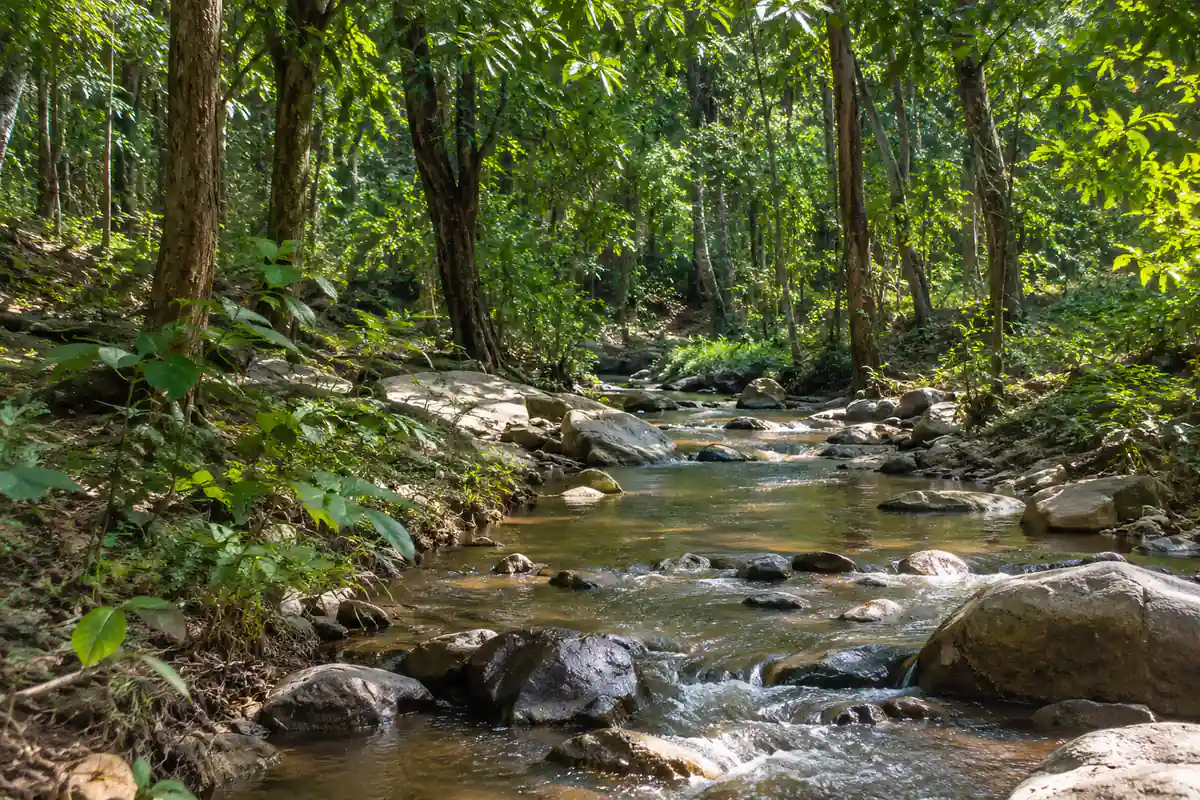
The shaded ravine maintains cooler humidity levels that support diverse ferns, wild orchids, and native medicinal tubers. Gentle forest breezes carry the clean fragrance of dried leaves and mountain soil.
Avian Diversity Along the Riparian Corridor
Birdwatchers visiting Sitakund during the winter months encounter a wide variety of resident and wintering forest birds.
- Greater racket-tailed drongos mimicking forest bird calls in the high canopy.
- Oriental dwarf kingfishers hunting along the shaded stream shallows.
- Emerald doves walking along quiet leaf-strewn trails.
- Indian peafowl roosting on elevated branches near forest clearings.
Environmental Conservation Along Similipal Periphery
Because Sitakund borders a sensitive tiger reserve buffer zone, travelers must adhere to strict environmental discipline. The local forest protection committee prohibits the use of loud sound systems, open bonfires in dry grass, and plastic disposal near the water.
Seasonal Discharge Patterns: Best Travel Windows
The stream discharge at Sitakund Waterfall changes in direct response to monsoon precipitation across the Similipal hills.
| Calendar Season | Water Discharge & Forest Climate | Travel Feasibility |
|---|---|---|
| Winter (October to March) | Clear steady stream, comfortable 12°C to 26°C | Prime period for swimming, picnics, and photography |
| Monsoon (July to September) | Swollen brown current, humid 22°C to 29°C | Dramatic torrent, stone steps can become slick |
| Summer (April to June) | Gentle shallow trickle, warm 26°C to 38°C | Reduced pool depth, early morning visits recommended |
The autumn and winter months between October and March offer the finest travel experience. Post-monsoon waters settle into clear, emerald streams, and the surrounding deciduous forest remains green and fresh.
During mid-winter, early morning temperatures across the Mayurbhanj forest foothills create crisp, invigorating air suitable for woodland hiking. For broader regional cascade itineraries across the state, consult our complete full list of waterfalls in Odisha.
How to Reach Sitakund Waterfall from Baripada, Balasore, and Kolkata
Reaching Sitakund Waterfall involves a smooth highway drive connecting coastal plains with the foothill forests of Mayurbhanj.
| Travel Origin | Road Distance | Approximate Travel Time | Major Highway Route |
|---|---|---|---|
| Baripada City | 25 km | 45 minutes | Via Pithabata rural paved road |
| Pithabata Gate | 5 km | 10 minutes | Direct forest connecting road |
| Balasore Rail Hub | 80 km | 2 hours | Via NH-18 northbound through Badasahi |
| Bhubaneswar Airport | 275 km | 5 hours 30 minutes | Via NH-16 and NH-18 north corridor |
| Kolkata Metro | 240 km | 4 hours 45 minutes | Via NH-16 south through Jaleswar and Baripada |
| Jamshedpur City | 150 km | 3 hours 30 minutes | Via NH-220 south through Rairangpur |
Transit by Private Vehicle or Taxi
Driving a personal vehicle or hiring a cab from Baripada is the most convenient option. The route passes through peaceful farming villages, sal forest fringes, and seasonal mustard fields before terminating at the designated woodland parking clearing.
Public Bus and Rail Gateways
Regular state and private buses connect Balasore, Cuttack, and Bhubaneswar with the Baripada bus terminus. From Baripada, passenger auto-rickshaws and rural minibuses operate regularly toward Pithabata and Badasahi. Train travelers can arrive at Baripada Railway Station (BPO) or connect via the major East Coast mainline at Balasore (BLS). Travel guidelines and roadway conditions are published on the Odisha State Portal and the Odisha Tourism Portal.
[!TIP] Combine your visit to Sitakund with morning entry through Pithabata gate into Similipal Tiger Reserve. Booking safari vehicles in advance through the official ecotour portal ensures a smooth day of wildlife and waterfall touring.
Picnic Planning and Outdoor Recreation at Sitakund
Sitakund Waterfall is widely celebrated across northern Odisha as a favored destination for winter family picnics and social gatherings. The shaded forest clearings along the brook provide spacious natural areas for outdoor cooking and group meals.
Essential Provisions and Site Advice
Because Sitakund preserves a natural forest ambiance without commercial restaurants, travelers should arrive prepared.
- Packed Food or Fresh Provisions: Bring ready-to-eat meals or fresh vegetables purchased from Baripada morning markets.
- Drinking Water Supply: Carry ample sealed mineral water containers, as natural stream water is not treated for drinking.
- Footwear Selection: Wear walking shoes with rubber grip outsoles to navigate damp stone steps safely.
- Trash Cleanup Bags: Carry durable garbage bags to collect all food scraps, paper plates, and plastic wrappers before departing.
To compare additional scenic picnic clearings and lakeside reserves across the state, browse our curated directory of picnic spots in Odisha.
Regional Touring Circuit: Combining Sitakund with Mayurbhanj Highlights
A day trip to Sitakund Waterfall fits naturally into broader cultural and wildlife itineraries across Mayurbhanj district.
Devkund Waterfall and Ambika Shrine
Located sixty kilometers to the south, our detailed Devkund Waterfall guide explores this series of five natural cascades tumbling into a sacred plunge pool overlooked by the historic Maa Ambika temple.
Majestic Barehipani Waterfall
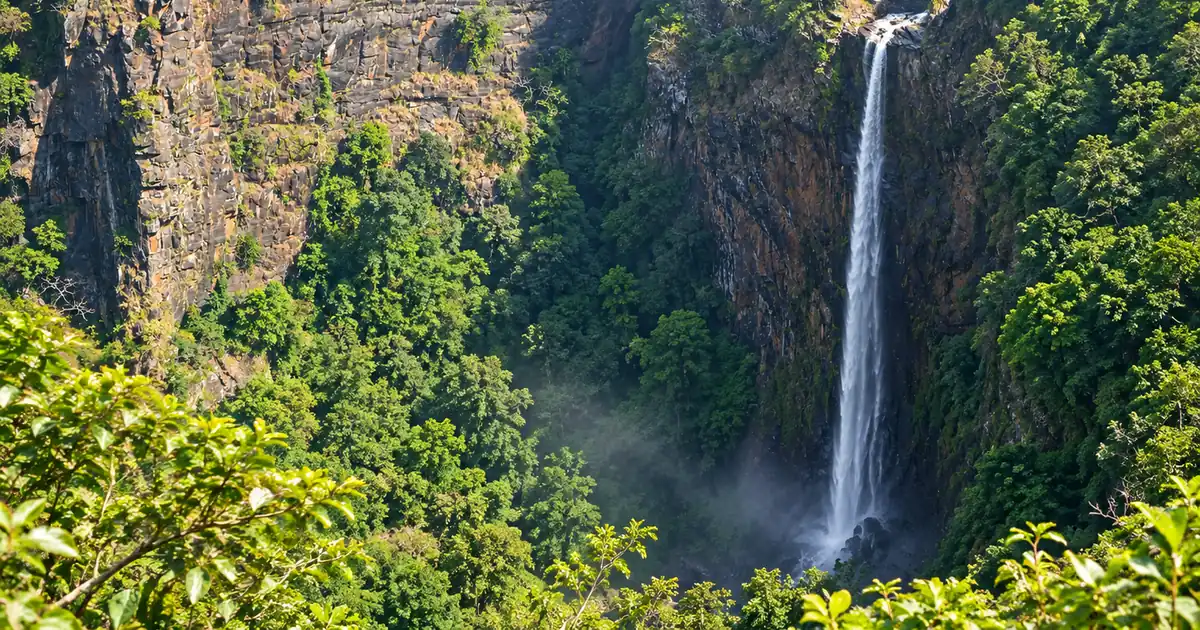
Within the core zone of Similipal, travelers can journey toward the colossal Barehipani Waterfall, India’s second-highest waterfall dropping 399 meters in a tiered plunge.
Similipal Tiger Reserve Nature Camp
Eco-travelers can extend their stay by booking rustic forest cottages at Similipal Tiger Reserve nature camps to experience guided jungle safaris and birdwatching walks.
Belgadia Palace in Baripada
History enthusiasts can conclude their tour in Baripada town by touring the Victorian royal architecture and heritage suites of Belgadia Palace in Baripada.
Visitor Safety Advisory and Sacred Site Etiquette
Visiting Sitakund Waterfall safely requires observing sensible outdoor precautions and respecting local spiritual traditions.
- Caution on Carved Stone Steps: Continuous river spray can make ancient stone steps slippery. Hold handrails where available and avoid rushing.
- Respect Sacred Bathing Traditions: Because local pilgrims consider the kund sacred, refrain from using chemical soaps or washing clothing directly in the pool.
- Monitor Water Depths: Wading in shallow rock margins is refreshing, but avoid swimming into the deep churning center of the kund where currents can be strong.
- No Glass Bottle Rule: Broken glass along rocky trails creates severe foot hazards for pilgrims walking barefoot. Carry all beverages in reusable containers.
- Conclude Exploration by Daylight: Complete your visit by 5:00 PM to drive safely back toward Baripada before darkness falls over the rural roads.
- Cash Preparedness: Village parking attendants and small tea vendors operate on cash only due to limited cellular network coverage in the valley.
Frequently Asked Questions
Where is Sitakund Waterfall located in Mayurbhanj?
Sitakund Waterfall is located near Pithabata in the Badasahi block of Mayurbhanj district, Odisha. It lies approximately twenty-five kilometers southwest of Baripada town and eighty kilometers north of Balasore.
What is the legend associated with Sitakund Waterfall?
According to regional folklore, Goddess Sita bathed in the natural rock reservoir of Sitakund during her forest exile with Lord Rama and Lakshmana, lending the pool enduring spiritual significance.
What are the visiting hours for Sitakund Waterfall?
Sitakund Waterfall is open daily to the public from 7:00 AM to 5:30 PM. Daylight hours provide the safest conditions for exploring the stone steps and driving along rural forest roads.
Is an entry fee charged at Sitakund Waterfall?
Public admission to Sitakund Waterfall is completely free for all travelers. A small vehicle parking fee of twenty to forty rupees is collected by the local village committee to support trash removal and area maintenance.
How far is Sitakund Waterfall from Baripada railway station?
Sitakund Waterfall is approximately twenty-six kilometers from Baripada Railway Station. The drive takes around forty-five minutes by private car or hired auto-rickshaw along paved rural roads.
What is the best time of year to visit Sitakund Waterfall?
The best time to visit Sitakund Waterfall is between October and March when the weather is pleasantly cool and stream currents flow clear. The surrounding Similipal buffer forest remains lush green and ideal for outdoor recreation.